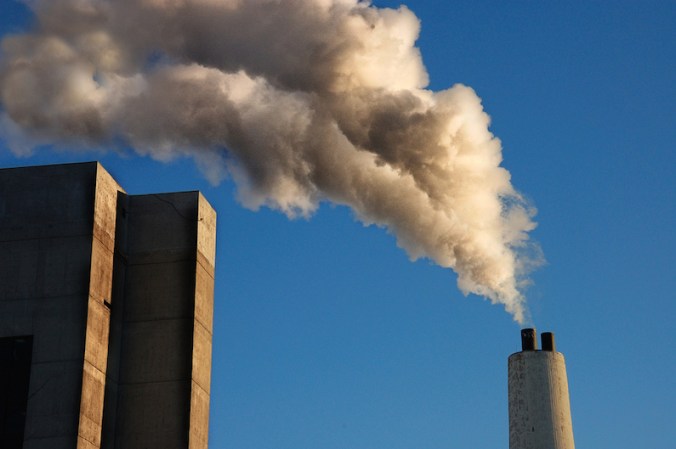
Photo: Ryan T. Flickr Creative Commons.
Be careful what you wish for as this summary of a new scientific study reminds us:
Could carbon capture fuel our carbon addiction?
Photo: Ryan T. Flickr Creative Commons.
Be careful what you wish for as this summary of a new scientific study reminds us:
Could carbon capture fuel our carbon addiction?
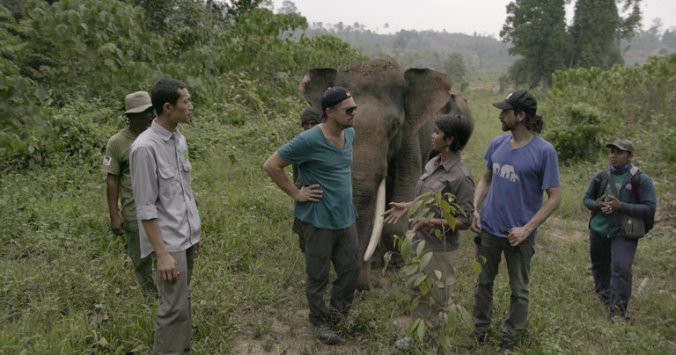
Leonardo DiCaprio in a scene from the global-warming documentary “Before the Flood.” Credit National Geographic
Have you seen it? Let us know if the reviewer got it right:
Review: In ‘Before the Flood,’ Leonardo DiCaprio Sounds the Climate-Change Alarm
Even if you subscribe to the view that a problem isn’t a problem until a Hollywood celebrity tells you it is, “Before the Flood” feels out of phase. It’s a documentary in which Leonardo DiCaprio sounds the alarm about global warming, something that could not possibly have escaped anyone’s attention in recent years and is at this point probably beyond discussion: Either you think climate change is real or you don’t, and the battle lines aren’t likely to be shifted by an earnest movie star. Continue reading
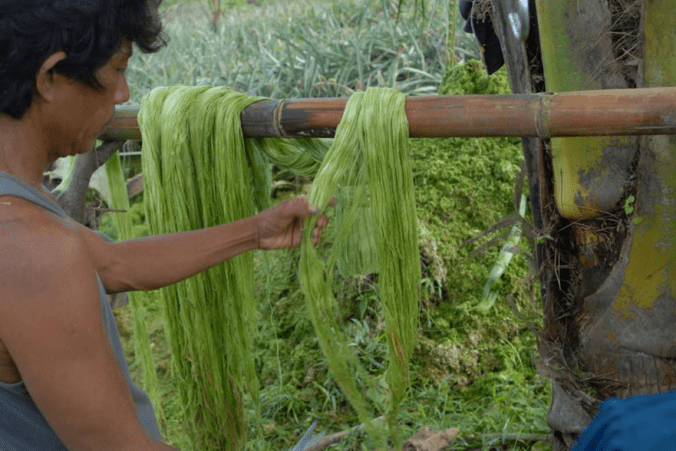
PiñatexTM production will bring new income opportunities for pineapple harvest farmers in developing countries, with the initial development stage taking place in the Philippines
We’re not insensitive to the frequent commentary on both news and social media by animal rights activists against viewing animals as commodities. With those feelings in mind, this discovery of Ananas Anam, a not for profit organization that is developing leather-like textiles using natural fibers that are the by-product of the pineapple harvest, is an exciting one.
I’ll definitely be on the look out for Pinatex products and hope our readers will as well!
ananas- anam – new materials for a new world
OUR SOCIAL IMPACT
Ananas Anam supports pineapple-farming communities in the Philippines. We are developing a new industry that will enhance the social network in rural areas as farmers will be able to sell fibres as a commercial and viable proposition.
Furthermore, the farming communities will benefit from the potential output of natural fertilizer/biogas which is the by-product of fibre extraction.
Other pineapple-growing developing countries will join the Philippines in the production of Piñatex, which will support local economies and strengthen their exports. Continue reading
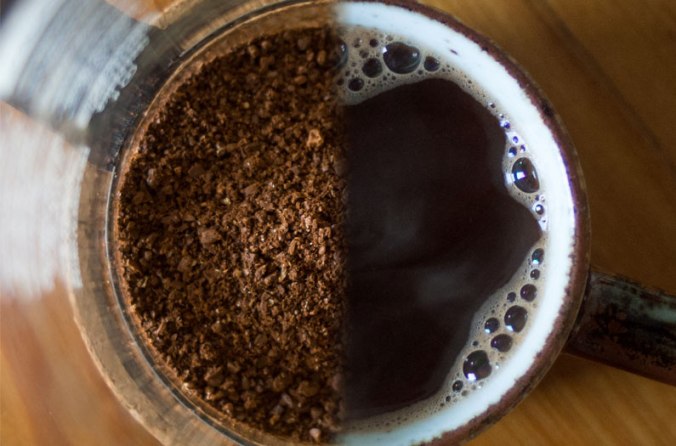
Kevin O’Mara/Flickr.com
Thanks again, after a series of earlier excellent items, Anthropocene:
A caffeine fix for heavy metal cleanup
Each year, coffee drinkers across the globe create six million pounds of waste in the form of spent coffee grounds. Some of us chuck it in our compost pile, but most of it becomes just another garbage disposal challenge. Continue reading
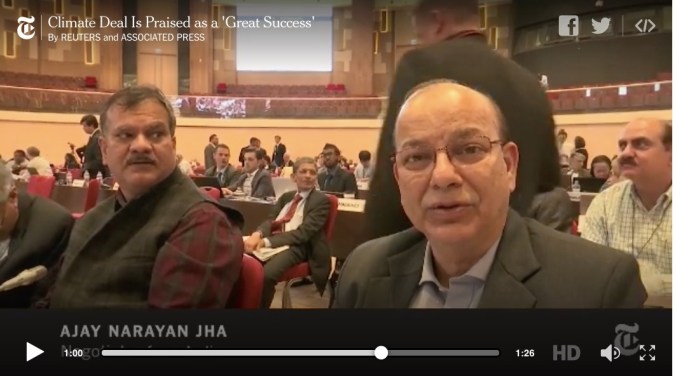
Negotiators from more than 170 countries celebrated in Rwanda on Saturday after reaching a legally binding accord to cut the worldwide use of a powerful planet-warming chemical used in air-conditioners. By REUTERS and ASSOCIATED PRESS on Publish DateOctober 15, 2016. Photo by Cyril Ndegeya/Agence France-Presse — Getty Images. Watch in Times Video »

“What can we do to make a difference?”The Thinker
Thanks to EcoWatch for passing this along:
The Question I Get Asked the Most
Bill McKibben
The questions come after talks, on twitter, in the days’ incoming tide of email—sometimes even in old-fashioned letters that arrive in envelopes. The most common one by far is also the simplest: What can I do? I bet I’ve been asked it 10,000 times by now and—like a climate scientist predicting the temperature—I’m pretty sure I’m erring on the low side. Continue reading
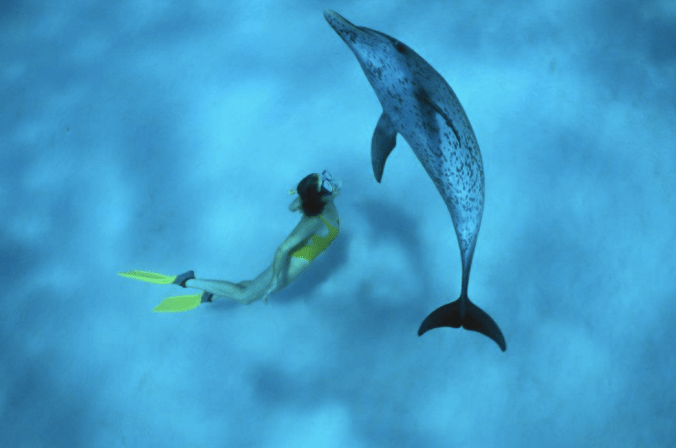
PHOTOGRAPH BY NORBERT WU, MINDEN PICTURES
In a world where economics often focus on the concept that “the customer is always right” it’s heartening to see even large companies re-evaluate policy, and make make changes in the face of facts.
Our work in India has often placed us face to face with the common practices of human-animal interaction written about below, and we don’t promote the “elephant rides” that are often on travelers’ agenda. Change occurs along with a shift in understanding, and our goal has always been to craft travel experiences that are both authentic and educational.
So “Bravo!” and a hearty welcome to any company willing to join us in achieving that goal!
TripAdvisor Halts Ticket Sales to Cruel Wildlife Attractions
By
TripAdvisor, the popular travel review website, and its ticket sales company, Viator, said Tuesday they no longer will sell tickets to hundreds of tourist attractions that are widely accepted as cruel to wild animals, reversing a policy under which the companies had resisted considering the welfare of animals when promoting trips.
The move to stop selling tickets to elephant rides, swim-with-dolphin experiences, and attractions that allow visitors to pet tigers and other exotic animals comes after a one-and-a-half-year protest campaign by the London-based animal welfare group World Animal Protection and reporting by National Geographic’s Wildlife Watch, which drew attention to TripAdvisor’s continued promotion of such attractions at a time when dozens of other tour and travel companies were moving away from them.
Such attractions have been shown to cause animals psychological and physical trauma that can shorten their lives. They also result in more animals being taken from the wild for tourism.

Electric cars using the bus lane (left) during morning rush hour in Oslo, Norway. Photograph: Pierre-Henry Deshayes/AFP/Getty Images
Like the little victories in wilderness conservation, which may be too little to late or maybe a bright spot on a bleak horizon, the small moves in the right direction on other environmental fronts seem promising, and therefore worthy of note. We salute Mayor Khan for his efforts to get Londoners to do their part, according to this story below. It reminds me of Richard Thaler‘s explanation of the power of nudging things along in the right direction, and wishing these nudge stories were more commonplace in the eight years since we started hearing about them:
Electric vehicles could go first at traffic lights under UK clean air zone plans
Government proposals to tackle air pollution in five UK cities could see electric vehicle drivers using bus lanes and getting priority at traffic lights
Drivers of electric vehicles could be allowed to use bus lanes in five UK cities and even go first at traffic lights, to tackle illegal levels of air pollution, the government has suggested. Continue reading

Thanks to the BBC for this story:
Why Apple And Google Are Moving Into Solar Energy
Silicon Valley’s biggest companies are investing in renewable energy in a serious way – a sign, perhaps, of rapid changes in the energy market.
By Chris Baraniuk 14 October 2016
Most people think of Apple as a company that makes phones, computers and smart watches – not an energy provider. But in August all of that changed when the firm was given permission to sell energy from a Californian solar farm that it acquired last year. Continue reading
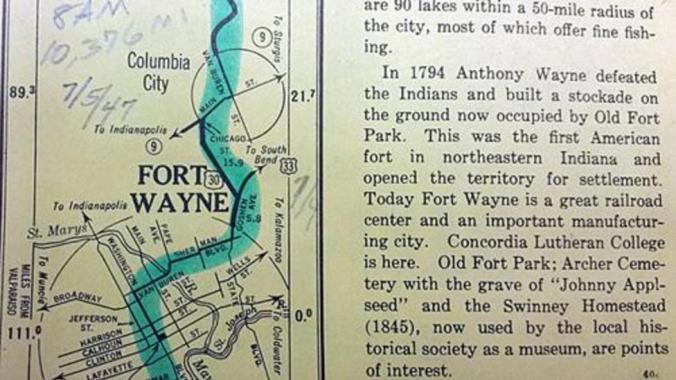
If you are old enough to remember regularly using postal services, as in letters printed on paper, placed in paper envelopes with stamp(s) affixed, then you can appreciate the assumption that paper maps are on their way out just like old fashioned letter-writing and sending. This article on the BBC website catches our attention for a counter-intuitive finding:
Why Paper Road Maps Won’t Die
In an age of Google Maps and GPS, paper maps sales are on the rebound
How did we manage to get from point A to B before GPS and navigation apps — especially when such journeys were long distances? Continue reading
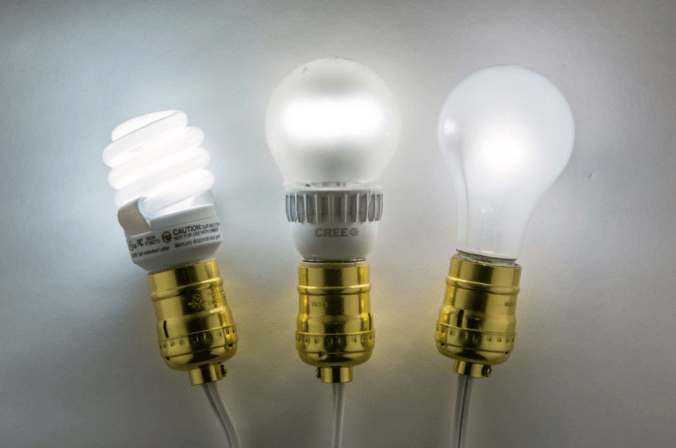
Selling “light,” not light bulbs, is one way that companies producing long-lasting L.E.D. bulbs hope to stay in business, even after “socket saturation” sets in.
PHOTOGRAPH BY TONY CENICOLA / THE NEW YORK TIMES / REDUX
In a business world of planned obsolesce and consumer world “throw away behavior”, it’s enlightening to see how companies are handling “doing good by doing well” for the both the environment and the consumer’s pockbook.
TRYING TO SOLVE THE L.E.D. QUANDARY
We’ve been posting on the environmental impact of the invasive lionfish ever since contributor Phil Karp took on the project of building a demand for the notoriously difficult to catch fish. Helping to build a market for the delicious meat and beautiful spines created income for local fishermen and their families in numerous areas of the Caribbean.
ReefSavers was created with all these goals in mind. Founded to gain control of the Lionfish population in the southeast US and Caribbean, they work toward both harvesting and developing a stable market in which supply can always meet the current demands. By unifying
the organizations working to control the Lionfish outbreak into a cohesive market place. Channeling all harvested Lionfish through a centralized market place will allow for a more stabilized fishery. With the creation of the Lionfish Market Place organizations will have a centralized place to sell their catch and buyers will not have to worry about limited supplies. By opening the Lionfish Market buyers for the whole state of Florida will be connected with a more constant supply, in turn this access will help to grow the industry and put revenue into the hands of the people trying to fight the outbreak.
The ReefSavers team came up with innovative strategies to help with supply and demand logistics, fanning the market for the fish for both chefs and more importantly, consumers. Welcome the Lionfish Invasion Tour in Gainsville, Florida! Continue reading
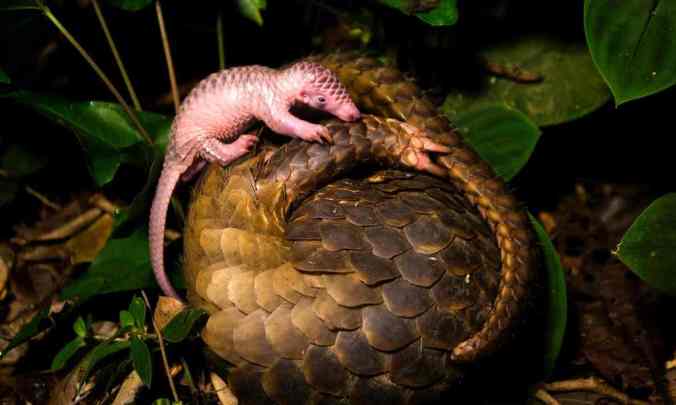
More than 1 million wild pangolins have been killed in the last decade. Photograph: Paul Hilton/WCS
We honestly knew little, perhaps nothing, about these creatures until very recently when they were in the news; and they were almost gone before we learned about them. Suddenly, thankfully, pangolins have been given the attention they deserve from the folks (including all of us) who may be able to help them survive as a species:
Pangolins thrown a lifeline at global wildlife summit with total trade ban
World’s most illegally trafficked mammal wins total ban on international trade in all species under the strictest Cites protection possible
Pangolins, the world’s most illegally trafficked mammal, were thrown a lifeline at a global wildlife summit on Wednesday with a total trade ban in all species. Continue reading

A prototype for a room in the hotel chain that the furniture retailer West Elm plans to launch in Charlotte, North Carolina, and other cities. PHOTOGRAPH COURTESY WEST ELM
This article goes on to make a very specific point about the experience of this company, in the state where it is based, which is not so much what caught my attention (more on which below):
Jim Brett, the president of West Elm, the furniture chain that sells what you might call mainstream modern furniture, was looking for the brand’s next act. He didn’t think he’d find it at the mall; West Elm already has more than a hundred stores. Children’s furniture might have been a logical next step, but it is burdened by complex safety regulations. Where else do lots of people sleep and sit? Brett, a frequent traveller, had spent countless nights in sterile, unwelcoming rooms. Hotels seemed like a good opportunity.
Last year, West Elm opened a commercial division for office furniture, and the company is now making furniture for Marriott’s SpringHill Suites hotels. More significantly, West Elm also signed a deal with a partner to open its own branded hotels. Brett and other executives discussed design ideas and scouted locations in mid-tier U.S. cities whose hotel markets seemed underdeveloped. Charlotte, North Carolina, was especially promising. Continue reading
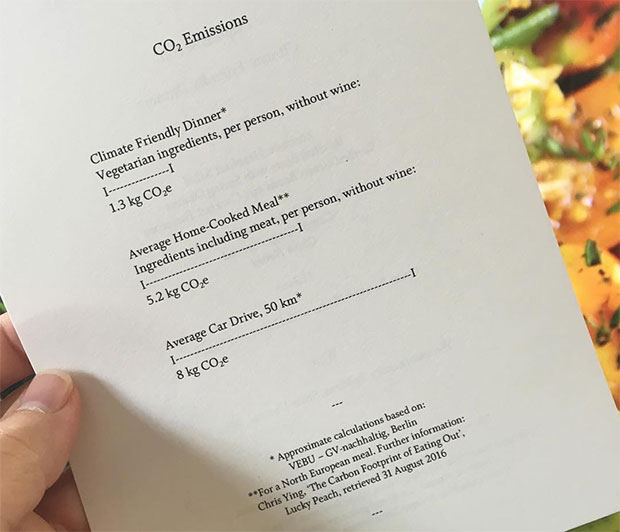
The menu from Studio Olafur Eliasson’s dinner for the Climate Museum’s Miranda Massie. Image courtesy of the artist’s Instagram
From the folks at Phaidon, news of a top artist’s contribution to the climate change conversation, in a manner we can kind of relate to:
Olafur Eliasson puts carbon on the menu
When Eliasson’s studio cooked a meal for NYC’s Climate Museum director it listed one additional ingredient.
The artist Olafur Eliasson is on the board of the Climate Museum, a US institution which endeavours to use the sciences, art, and design to inspire dialogue and innovation that address the challenges of climate change. The museum hasn’t been built, yet Eliasson has submitted a few concept sketches, picturing a globular structure that should, someday soon hopefully stand in New York City. Continue reading
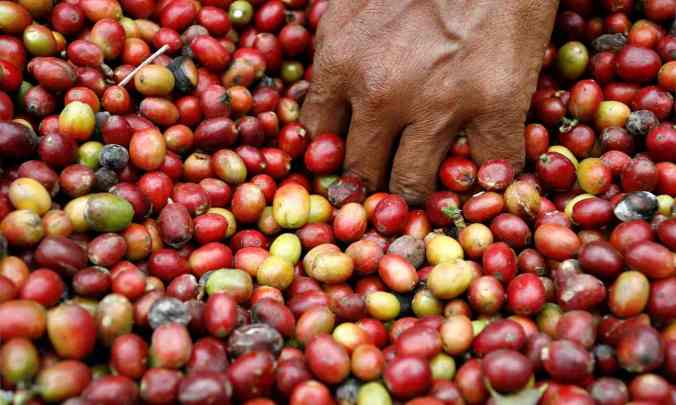
A farmer with coffee cherries from his latest crop, the seeds of which are roasted, ground and brewed to make coffee. Photograph: YT Haryono/Reuters
We work in several countries where coffee production is important to the national economy. We serve coffee in every property we have ever managed. Many of us working in La Paz Group are coffee junkies.
But more than that, as I have mentioned at least once in these pages, we care extra deeply about the future of coffee because on one of the properties we manage, some excellent arabica estate coffee is growing in the shade of a rainforest canopy. I owe you more on that topic. For now, what has my attention is ensuring the long run sustainability of this organic coffee production.
So you can be sure of where some of our team members will be next Tuesday. Join us if you can:
Climate change is threatening the world’s coffee supplies: what can we do? – live chat
Join us on this page on Tuesday 20 September, 2-3pm (BST), to debate the future of coffee, and the millions who depend on it, in the face of climate change
What we’ll be discussing Continue reading
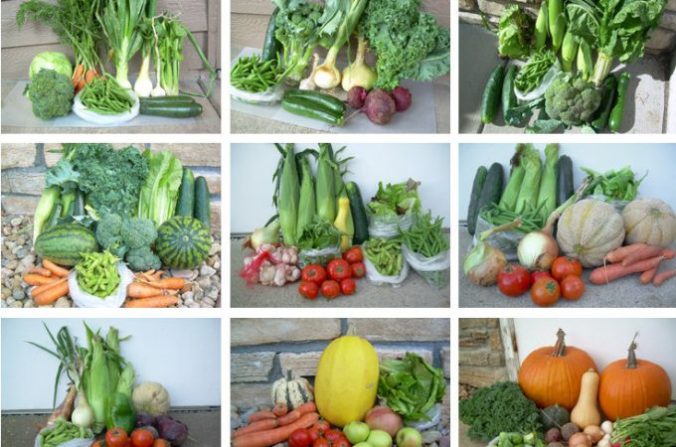
Image credit: US Department of Agriculture via Flickr
Thanks to Conservation for their tireless effort to review important science and summarize it for we, the less scientifically-trained folk:
HOME-GROWN VEGGIES CAN FIGHT CLIMATE CHANGE—BUT BEWARE THE COMPOST PILE
Vegetables grown in home gardens are associated with lower greenhouse gas emissions than vegetables bought at the store, according to a study by researchers at the University of California, Santa Barbara. Home gardening reduces emissions by about 2 kilograms for every kilogram of produce, they report in the journal Landscape and Urban Planning.
The study is the first to show that gardening could make a meaningful contribution to helping cities and states meet their emissions reductions targets. Continue reading

Heroes are, by definition, not easy to come by. When they get profiled, read it (this one is thankfully not merely fluff):
…The ordeal, and the perspective of middle age, snapped him to attention and caused him to refine the company’s mission. In the eighties, he’d been feeling increasingly uneasy about being a businessman and about the transformations and compromises that seemed inevitably to accompany corporate success. The company, he worried, was straying from its hard-core origins. “I was faced with the prospect of owning a billion-dollar company, with thousands of employees making ‘outdoorlike’ clothing for posers,” he said early in 1991, in a speech to the employees, in which he outlined his misgivings and his new resolutions. These subsequently appeared in the Patagonia catalogue, as a manifesto, under the heading “The Next Hundred Years.” Continue reading
 We discovered the “essay and book series about the hidden lives of ordinary things” called Object Lessons through The Atlantic a few months ago, when we shared an article on real cheese. Today, I learned an unsettling – and to borrow a phrase – inconvenient truth about tote bags. Pretty much any time I go grocery shopping I use a couple reusable totes, unless I need some plastic shopping bags to replenish my trash-can liner supply, so what the folks at Object Lessons have to say about the issue is very informative about how we need to change the way we look at certain everyday objects:
For at least a few decades, Americans have been drilled in the superiority of tote bags. Reusable bags are good, we’re told, because they’re friendly for the environment. Disposable bags, on the other hand, are dangerous. Municipalities across the country have moved to restrict the consumption of plastic shopping bags to avoid waste. Many businesses have stopped offering plastic sacks, or provide them for a modest but punitive price. Bag-recycling programs have been introduced nationwide.

Image via The Telegraph
In my family we practically never used antibacterial hand-wash, because it wasn’t proven that they perform any better than normal soap – it was convenient sometimes to have a quick gel to clean up on the go without water, but antibacterial consumer products in the household were pretty much nonexistent. As it turns out, chemicals like triclosan, while still not proven with certainty to act negatively on human health, can persist in the natural environment for decades, including in water and soil. And that never seems like a good thing, especially when such compounds might be strengthening bacteria’s resistance to antibiotics. Monique Brouillette reports on the new US Food and Drug Administration’s ruling:
The U.S. Food and Drug Administration released its decision Friday on banning 19 active ingredients in antibacterial soaps. The ruling, 40 years in the making, caps a decades-long debate over whether these germ-busting chemicals are safe and offer any advantage over ordinary soap. The ban includes the most widely used antiseptic in hand soaps, triclosan—after a large number of studies have fallen short of manufacturers’ claims about its health benefits.
 Organikos