National Appropriate Mitigation Action

img_5782_zpsquoflyhp

Ripe and ripening Caturra coffee at Xandari Resort, Costa Rica.

We have a strong connection with coffee here at Raxa Collective, especially given the recent developments in coffee growing at Xandari Resort in Costa Rica over the last year. With the COP21 climate change summit in Paris happening this week and the next, there’s been an announcement by Costa Rica’s Ministry of the Environment (MINAE) that 25,000 more hectares of coffee plantation in the country will be converted to carbon-efficient, National Appropriate Mitigation Action farms, funded in part by the UK and Germany. Lindsay Fendt reports for the Tico Times:

Costa Rica began its coffee NAMA pilot program in 2013 with 800 small producers. The donated money will allow Costa Rica to expand the program to more than 6,000 family-owned farms. By 2023, the country plans to have implemented the NAMA best practices in all of its coffee farms.

The pilot farms reforested unused areas of farmland, reduced their dependence on chemical fertilizers and employed other innovations on a farm-by-farm basis. The strategies already have been proven effective. Coopedota, located in the Los Santos region southeast of San José, became the world’s first carbon neutral coffee producer in 2011 by utilizing many of the NAMA recommendations. Along with improving efficiency, the coffee cooperative burns coffee bean byproducts to produce its own energy. The cooperative’s members say in addition to helping the environment, the changes have saved them more than $200,000 a year in costs.

Continue reading

Costa Rica, Punching Above Its Weight, Competitively

“I’m very comfortable with the word ‘revolution,’ ” Figueres said.

“I’m very comfortable with the word ‘revolution,’ ” Figueres said.

Usually “punching above your weight” is a reference to a competition you are not prepared to win. But based on our experience in and observation of Costa Rica it means something entirely different to us. It means something more like: go for it! Give it your best even if the odds are not with you. If not you, then who?

We all have a debt, of one sort or another, to Costa Rica from my perspective if only for this reason. In so many ways it has been inspirational in an against-the-odds sort of way. And who can resist a bit of inspiration?

I shared this article with the La Paz Group teams in India and Costa Rica yesterday, with a note about how it helps understand the challenges related to climate change and what can be done about those challenges—all relevant to the 3 C’s of La Paz Group. Complicated stuff, but clearly important.

I also shared the article for another reason. The woman who features in this article is from Costa Rica, and reading it you can understand a bit better why Costa Rica is so frequently mentioned as an environmentally responsible country. This is important for all of us in La Paz Group because our journey began in Costa Rica, which started our path to Kerala, India and many other places beyond.

To give one small but important example of the long range impact of Costa Rica on La Paz Group, consider the Certification for Sustainable Tourism program developed two decades ago under the visionary leadership of the president of Costa Rica (brother of the subject of the linked article here). Jocelyn is at Xandari Costa Rica specifically to work on getting Xandari to rise up to the highest level from its current status at the second highest level of CST ranking. She has made this the foundation of her career development just after graduating from one of the world’s most prestigious academic institutions. It is impressive that she chose to do so, but equally telling about the lasting impact of Costa Rica’s commitment to sustainable development. Continue reading

The Montezuma Oropendola

A week or so ago, Jocelyn discussed the Montezuma Oropendola’s song as heard on Xandari property in Costa Rica. As you could hear from the linked vocalizations in her post, the bird makes an incredibly strange, gurgling/bubbling sound, recently described by a Xandari guest as “the sound of pouring water from one jug into another.” James and I have put up photos of the oropendola as Bird of the Day posts before, but I realized after reading Jocelyn’s thoughts on the bird that we haven’t featured any video of this common resident species at Xandari in the past. So I went out with my camera this weekend and was lucky enough to capture a minute of behavior footage to share here. The main thing missing is what the male often looks like when he’s vocalizing: perched on a branch, he typically leans forward as he calls, bending down so far that it appears he might suddenly fall off. At the end of his call he swings back up, and starts the process again.

Although the Montezuma Oropendola is a species commonly seen (or at least heard) from Xandari on most days, they don’t appear to have any nests on property. And you’d notice Continue reading

Forests Are Life

23FOREST-slide-O45T-mediumFlexible177We are happy, for the sake of the next generation(s), to read this news:

Restored Forests Aid Climate Change Efforts

Driven by a growing environmental movement, corporate and government leaders are making a fresh push to slow the cutting of rain forests — and eventually to halt it.

Costa Rican Wildlife Saving Under-vacationed Americans

We have many connections with Costa Rica at Raxa Collective, but especially after the inclusion of Xandari in our network. So we were happy to hear that, facilitated by Costa Rica’s Tourism Institute (ICT), the country’s animals have gotten together to try to save overworked Americans by offering them natural habitat and a stress-free paradise to escape to. Or at least that’s what the Save the Americans website declares after you watch the video embedded above. Spinning off statistics like “Americans leave 500,000,000 vacation days unused,” “1 in 4 Americans get no paid vacation,” and “59% of Americans feel vacation deprived,” the initiative’s true purpose is to advertise and inform American travelers about the opportunities for different vacation experiences in Costa Rica.

Continue reading

Bosque del Cabo and Xandari

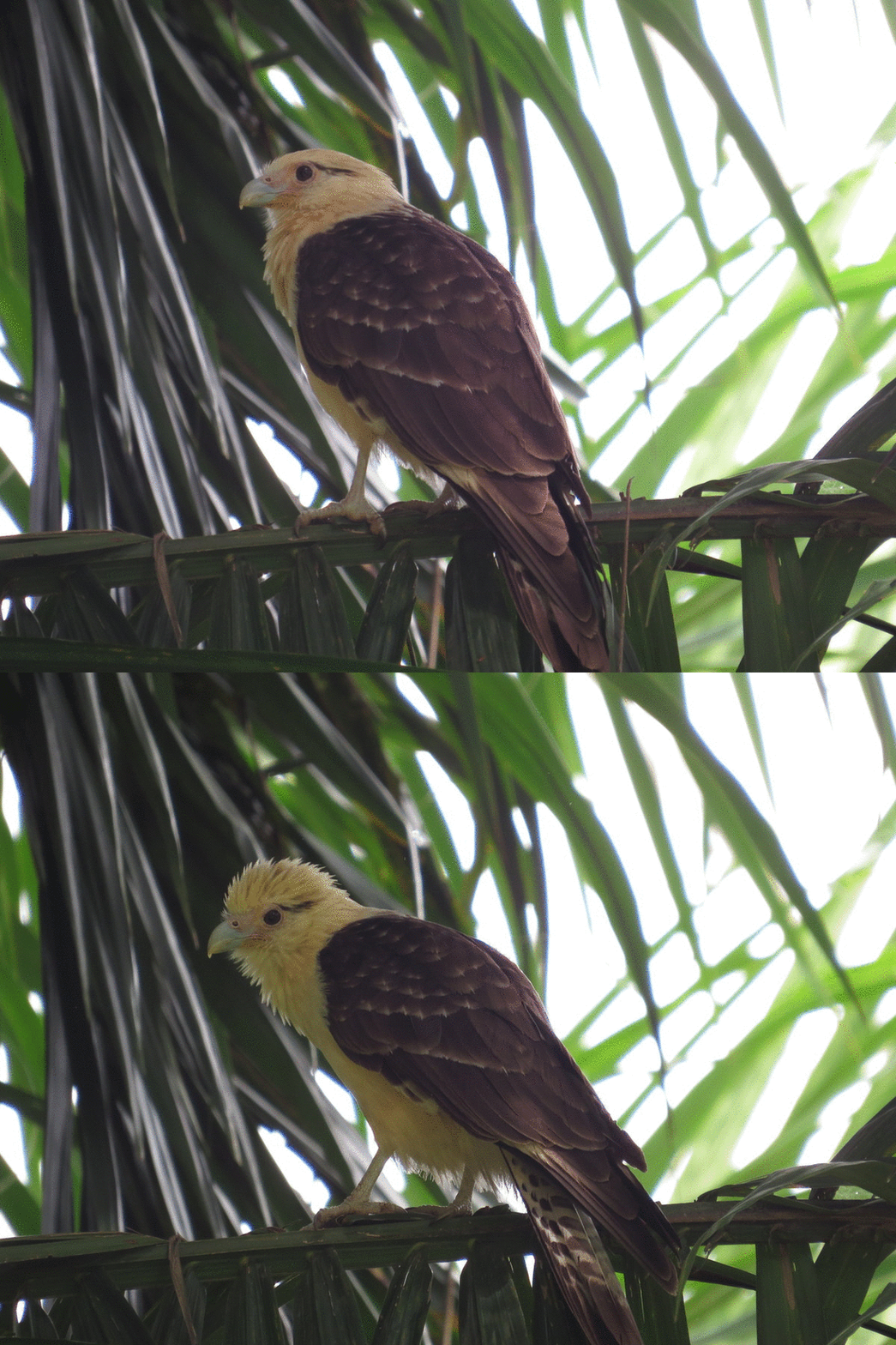
A Yellow-headed Caracara raising its head feathers

A Yellow-headed Caracara raising its crest at Bosque

I’ve posted before on the beauty of Bosque del Cabo and some of the wildlife that my family and I spotted when we were there just about a month ago, but at the time I didn’t touch on the complementarity of the coastal rainforest nature lodge with Xandari Resort in the Central Valley, where I’ve been based the last six months.

My first experience of the compatibility between Bosque del Cabo and Xandari was vicarious. One of my good friends at Cornell knew that I had lived in Costa Rica and asked for advice on places to stay for his parents and younger sister over spring break (unfortunately, he had to stay in Ithaca for varsity athletics). Of course, my first recommendation was Xandari Continue reading

Origins Of Chocolate In Costa Rica

We had not heard of this series until now, but considering the geographic and foodstuff focus of this current episode, we want to know more, especially considering what we learn in the show’s About section:

Iron Way Films, the creators of Original Fare, has spent the last seven years traversing the globe in search of authentic stories and incredible locations. We’ve explored tropical oceans with musicians & pro-surfers. Road horses through big sky back country with ranch riders. Tasted backyard wine deep in the tiny towns of Provence. We’ve glamped, we’ve camped, we’ve lived on boats and spent far too much time in rental cars.

But we always sought to uncover what makes a place special- and what makes it unique.

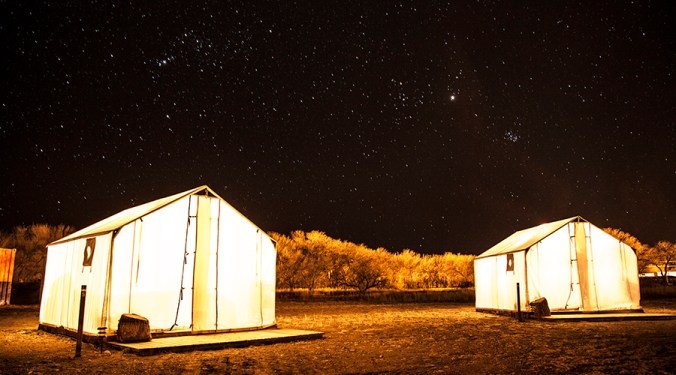
EL-COSMICO-NIGHT-TENT900x5001

Continue reading

Wildlife at Bosque del Cabo

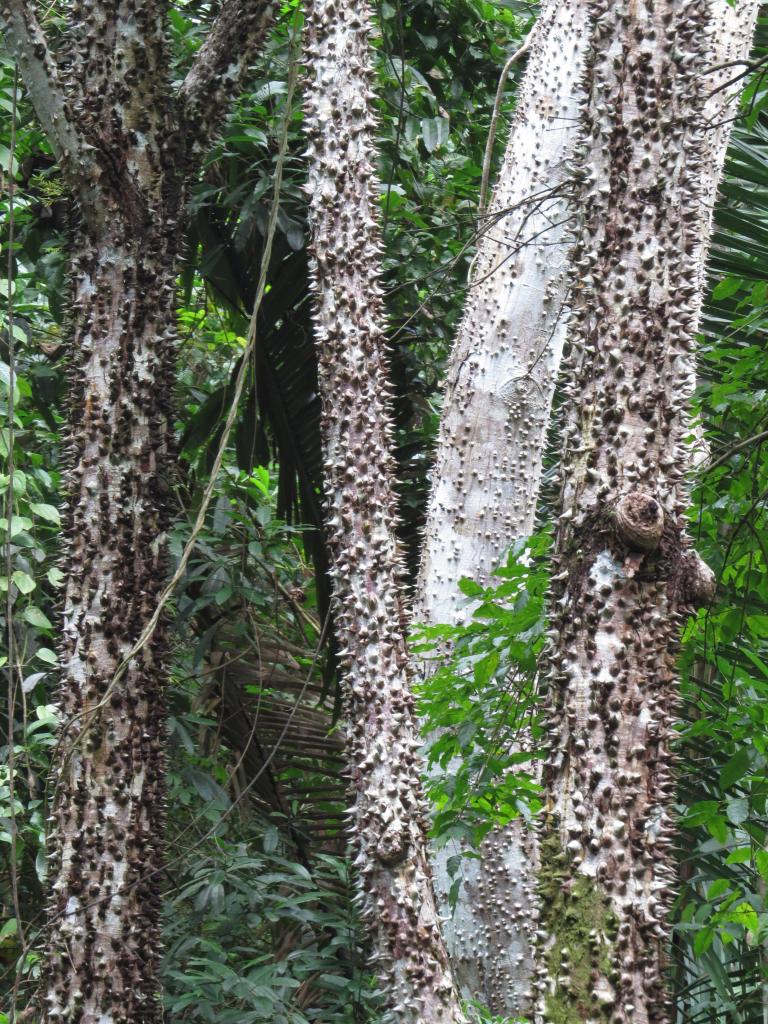
Pochote (I think) trees at Bosque

As I mentioned in my last post about Bosque del Cabo, one of the lodge’s strongest points is the access and shelter for wildlife that it provides, being right by the Corcovado National Park in the Osa Peninsula and having such a huge nature reserve as part of the property.

While walking along the extensive network of trails at Bosque, which includes a suspension bridge perfect for peering into the canopy and down at the river, my family and I never stopped seeing great examples of jungle life that people come to Costa Rica to see. I’ve very briefly referenced the Osa’s incredible biodiversity before, and the statistics are proven in experience every time I visit.

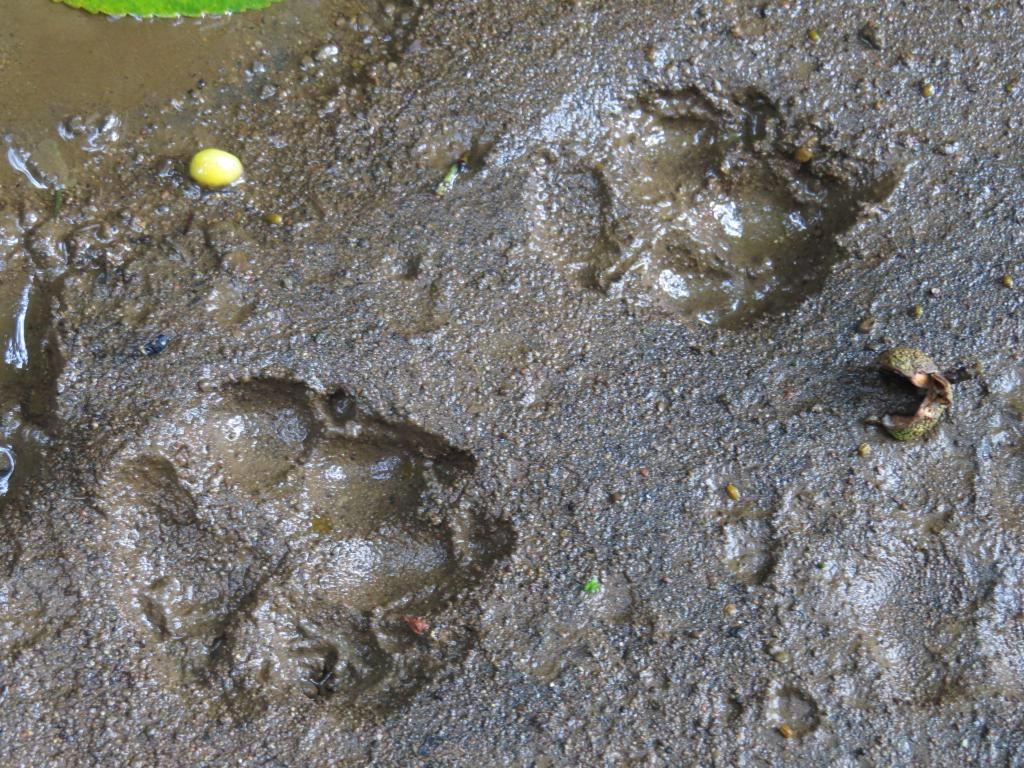
Giant strangler figs with hanging roots that are perfect to try free-climbing (as my brother Milo did), well-maintained trails that were never too muddy even in peak rainy season, and cool mushrooms all over the place. The bark of trees alone was full of life! At one point we saw some scratch marks that could even be territorial signals from one of the several species of wild cat that are in the Osa.


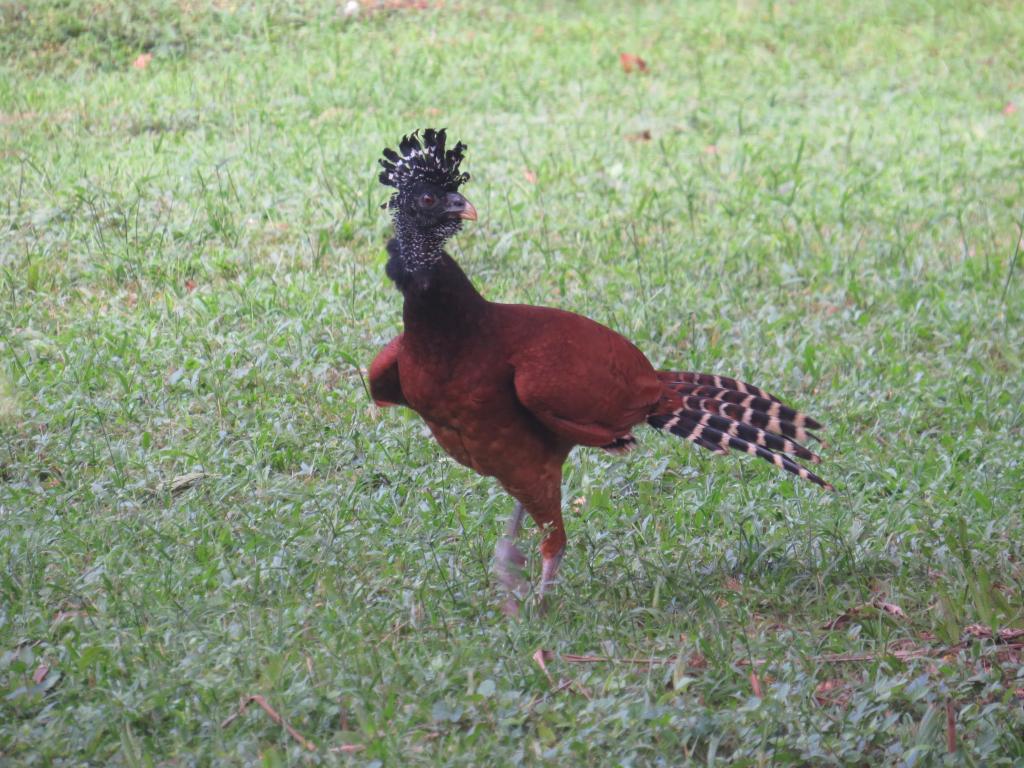
female Great Curassow

In terms of birds, it was fantastically easy to spot cool-looking ones like the Crested Guan or Roadside Hawk, and in some cases it even seemed like the exotic species were literally lining up to be seen. Great Curassows, which are fairly uncommon outside of protected areas, walked the open areas of Bosque del Cabo like peacocks at some royal palace. We also spotted the relatively harder to find White Hawk, and I was lucky enough to get photos of both a female and male Black-throated Trogon!

Continue reading

New Mammal Spotted at Xandari

About a week ago, while walking the forest trails at Xandari, several resort employees and I had a great wildlife spotting. The trail we were taking leads to a seven-foot waterfall that flows into a large pool and continues as a small river with several other waterfalls in it, one of which is about a seventy-foot drop. As we were rounding a bend in the path, a member of the group looked across the river to the opposite bank and noticed an animal down by the water.

It had either been drinking or perhaps hunting for some aquatic prey, but when it heard our voices (we were a group of about six or seven) it scampered up the hill and in among the trees, where we lost sight of it. My first impression was that it was a black house cat, but it quickly became clear that it was in fact almost double the size and its tail was quite large – not bushy, but as if the bone and flesh themselves were a good deal thicker than a normal cat’s.

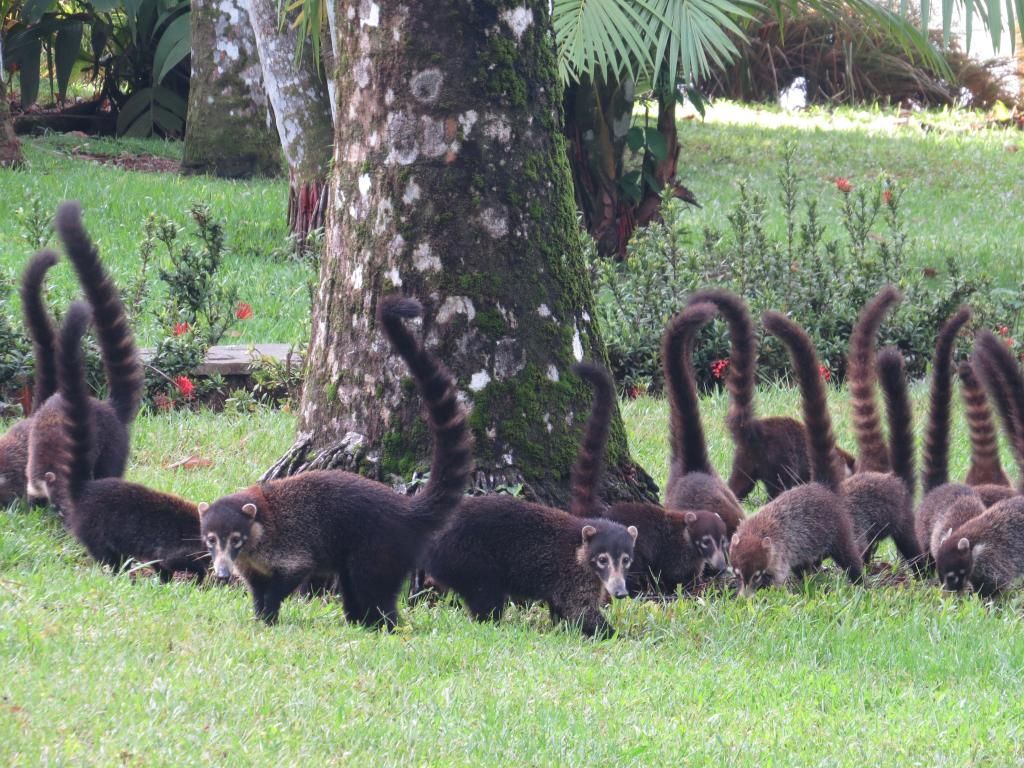
White-nosed Coatis foraging warily on the grounds of Bosque del Cabo, a nature lodge on the Osa Peninsula of Costa Rica.

The staff member who first spotted the animal voiced the hypothesis that it was a pizote, or White-nosed Coati, a member of the raccoon family that many visitors to Costa Rica have probably seen in their travels here. But as the black-furred animal briefly turned its head back to check that we were not pursuing it, I could see despite the shadows cast by the forest that its face was not pointed into a long nose but rather a normal cat’s face, and there was no hint of white there either. Continue reading

Bravo To Our Friends At EARTH, Thanks To Our Friends At Whole Foods

141029Bananas-300x194

Bananas from EARTH University are available at over 400 Whole Foods locations in Canada and the U.S. (Courtesy of EARTH University)

The Tico Times, in Costa Rica, reports on the the growth of sustainably grown banana cultivation, and their distribution in North America:

The supermarket chain’s new “Responsibly Grown” produce rating system was launched earlier in October and divides fruits, flowers and vegetables into three categories: Good, Better and Best, based on suppliers’ farming practices.

Continue reading

Orchid Expo: Alajuela

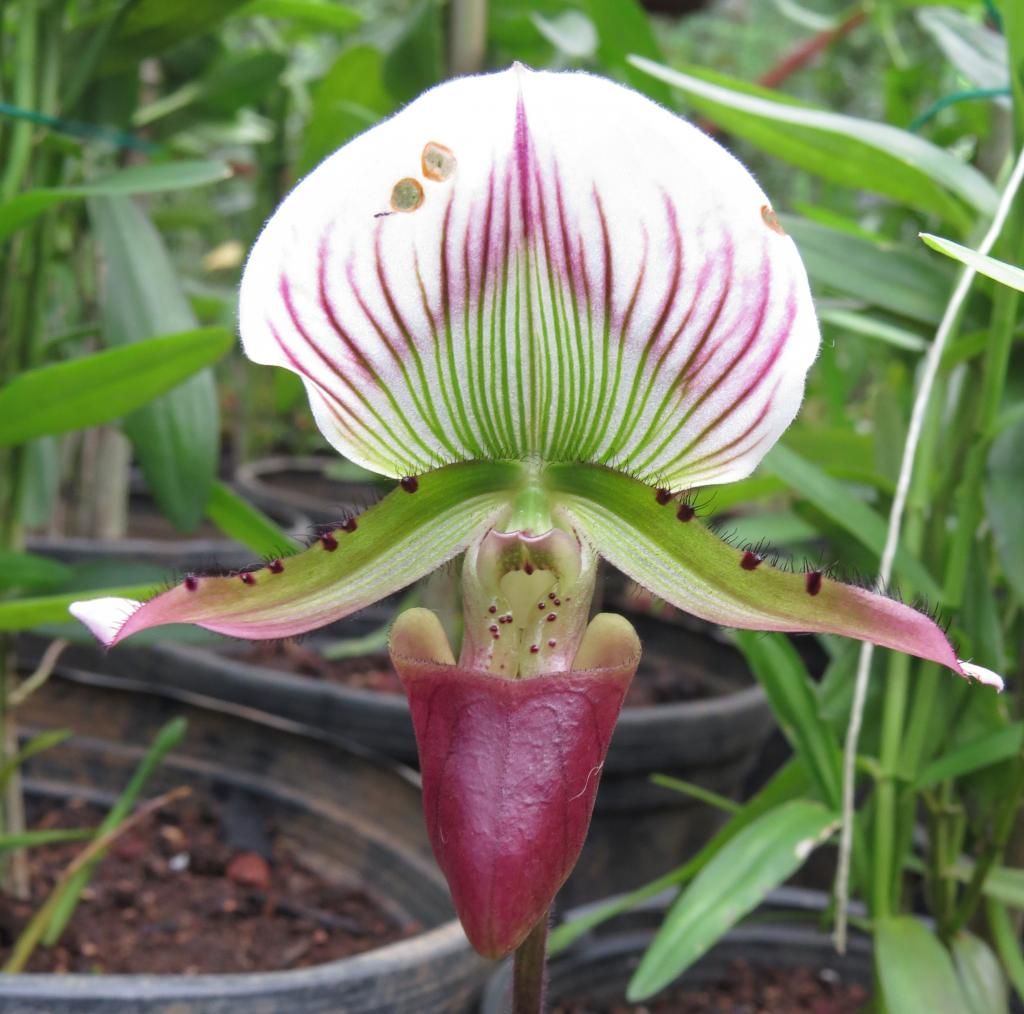
One of José Luis’s orchids at Xandari.

From Friday the 24rd of October to Sunday the 26th, Alajuela had their annual orchid exposition, which includes displays and awards as well as a few lectures on growing orchids and a section for sale or auction. As James and I have written before, Xandari has a wonderful collection of this family of flowers in addition to the general gardens thanks to the industrious efforts of our head gardener, José Luis Ballestero. He has a little greenhouse near Xandari’s restaurant with about a hundred plants that are often in varying stages of development, depending on how much time he has to prune them.

The three photos above are examples of some of the orchids on display in Xandari’s common area, like the reception, lobby, and restaurant room. At the expo this weekend, there were dozens of species and hundreds of individual plants, including hybrids, miniature flowers, and some fantastically strange Continue reading

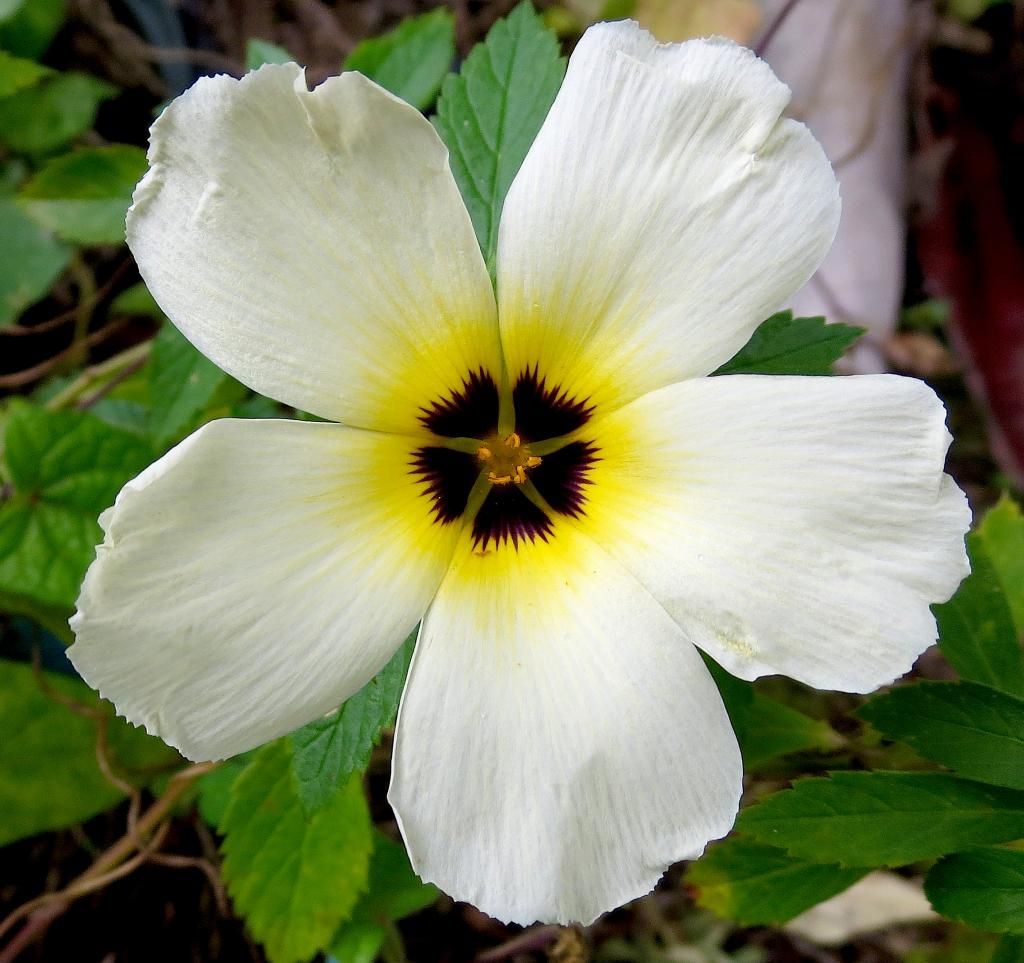
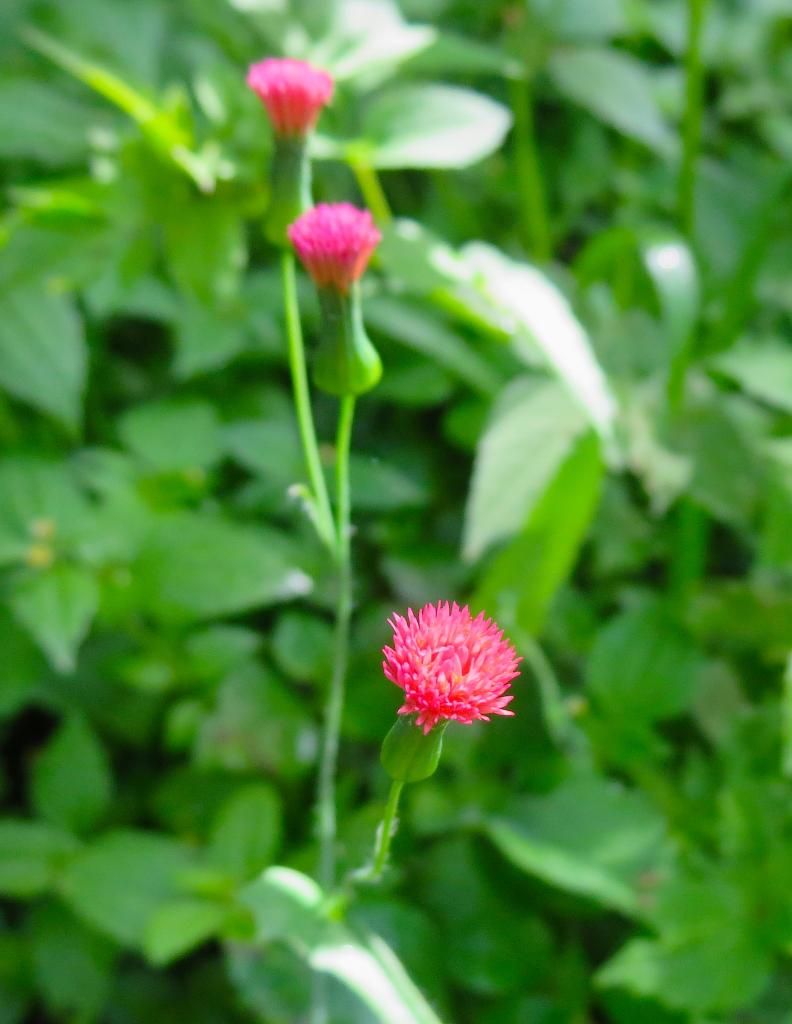
From the Flora-Files, Part 4

This little gem can be found along the path to the art studio.

And so the flora-files march on (see past posts, starting from the most recent here). Continuing these posts has become a way for me to reflect on the wonderful opportunities I had at Xandari and around Costa Rica to come into contact with a lot of fascinating and beautiful flora and fauna. As I peruse my photo catalogs and look for pictures to post, I feel like I’m back there, even briefly. Continue reading

Animal Behavior: The Osa Peninsula

On a recent trip to the Osa Peninsula for a couple of days, and one herpetologically-rich night, I found a number of the types of animals that make Costa Rica such a popular destination for wildlife-lovers. The Osa is home to about half the species that Costa Rica boasts, making it the most biodiverse spot in the country — or even the world. The density of fauna seen on any hike through the forest back up the statistics (2.5% of the earth’s biodiversity just on this little peninsula?!), and I was glad to be able to get some video of typical animal behavior during my time there. Continue reading

Roots and Seeds at Xandari

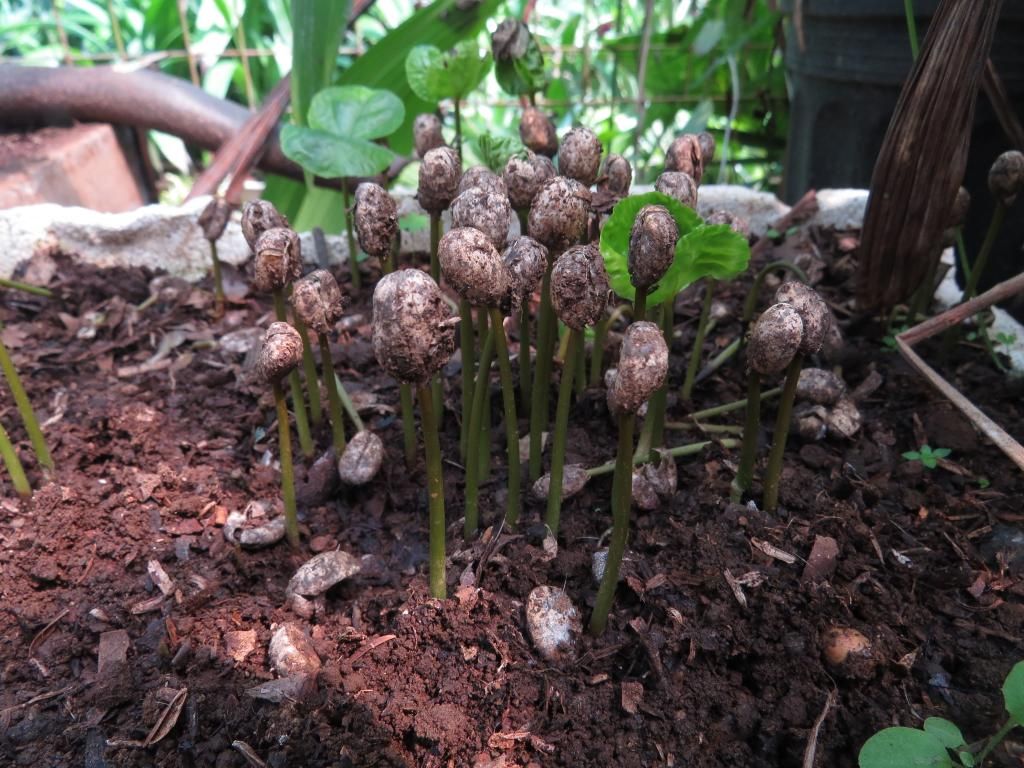
Back in the beginning of July, James and I helped José Luis plant some Bourbon coffee seeds so that they would eventually become seedlings that could be put in bags to grow into saplings. Now, after months of watering and patience, many of the seedlings are finally beginning to emerge. As more and more of them germinate and create their shoots, we’ll be putting them into the bags with soil to wait another year before planting them in the ground at Xandari.

Plenty of other plants have been productive over the last couple months: Continue reading

A Night Walk in the Osa Peninsula

I recently went on a night walk in the rainforest of Costa Rica’s Osa Peninsula, looking for frogs, snakes, and other nocturnal animals with a great wildlife guide who knew the area well. Although we didn’t see any mammals or the famous deadly Bothrops asper viper known as the “terciopelo” in Spanish (velvet) and “fer-de-lance” in French (spearhead). We did, however, see numerous frog species and at least two snake species, although we could only identify the six or seven Cat-eyed Snakes we saw.

There were also some basilisk lizards getting bit by mosquitoes, a large spider similar to a tarantula, a dragonfly larva in the water, and plenty of frog eggs. At one point we turned off all our flashlights to try to find a glass frog (pictured below) and noticed some bioluminescent mushrooms, which were impossible to photograph in the dark and look pretty dull in the light. Although I’ve forgotten the names of the various frog species featured in the slideshow of the photos I was able to take below, I hope you enjoy Continue reading

Some Animal Behavior Footage from Costa Rica

A dragonfly on a path at Xandari

Whenever I have the opportunity to visit a national park in Costa Rica, I obviously take my camera with me so I can try to get some good photos or videos of all the wildlife I hope to see. Looking back on my files of images from the past couple months, I realized that I happened to have some half-decent videos that represented what I’d consider the four most important classes of Kingdom Animalia/Metazoa from the point of view of a terrestrial biophile: Aves, Reptilia, Mammalia, and Insecta. In other words, when I’m walking through the rainforest, the animals I keep an eye out for will likely fall into the category of bird, reptile, mammal, or insect. If I’m out at night, then maybe Amphibia will get thrown in there too!

In the video above, you can  Continue reading

Masters of Disguise

The green coloration helps this cricket blend into its leafy environment

Members of the animal kingdom have developed an amazing number of ways of defending themselves from predators. Some have highly evolved poisons that can wound or kill animals many times larger than themselves (think venomous snakes and spiders, or poison dart frogs); others have barbs, spines, or just generally prickly parts that render them unappetizing, making would-be-assailants think twice about the hassle of getting the creature into its craw; finally, there are more innocuous methods of self-defense, like cryptic camouflage. Cryptic camouflage makes the creature more Continue reading

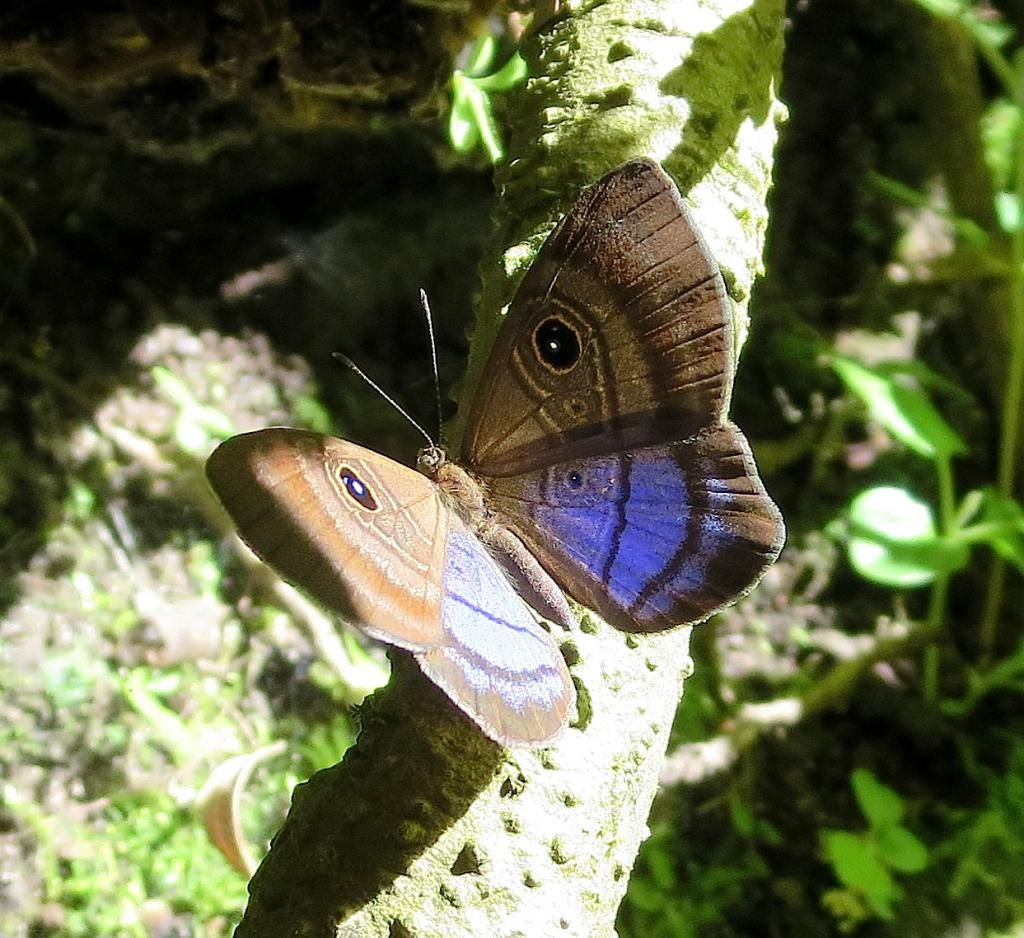
Butterflies from the Butter-files

As I mentioned in the “flora-file” series (see posts #1 and #2, more are forthcoming), I’m posting a number of photos I collected during my time at Xandari Resort & Spa this summer. Some of these photos aren’t of plants, so I’ve got to think of another punny name for this post featuring butterflies: what about the “butter-files”? It’ll have to work for now! Continue reading