#8 Of One Dozen Love Letters About Xandari

12974425_1230966180264955_2655848184739776256_n

Photo and pendant by Milo Inman

While we were in the early stages of shaping the look of Xandari Pearl, we had a team of design interns, and these highly creative collaborators sent us a constant stream of design feedback on the evolving Marari pearl concept. Little did I know that at that same time Milo, who at that time I thought of as a photographer-to-be, was developing another artistic talent. The photo above shows one example of that talent.

I consider that pendant as good an artifact of Xandari’s aesthetic legacy as any.  Continue reading

Farm-Table Symbiosis

09caviarpeas-web2-master675

Preparing tear peas at Nerua, a restaurant at the Guggenheim Museum in Bilbao. The peas are known as “green caviar” among Spain’s top chefs. Credit Samuel Aranda for The New York Times

Mr. Minder’s reporting from the field, in this case the rarified field of Michelin-starred chefs, reminds us that the foodie phenomenon (sometimes now bordering on annoyingly precious, and risking the celebrity-worshipping tendencies that will ruin all good fun) is spreading good old fashioned common sense practices far and wide:

Top Chefs and Local Farmers in Spain Regenerate Their ‘Green Caviar’

ARRIETA, Spain — Making his way down a row of pea plants, Iker Villasana Hernaez, a Basque farmer, leans down to feel each pod individually before deciding whether it is ready to pick.

If the peas inside feel slightly hard, “best to leave it for one more day,” he said. “It’s really all about the perfect timing.” Continue reading

Weed-whacking Goats in New York City

Photo © babygoatsandfriends.com

Goats are fun creatures, providers of milk, cheese, and meat, and also simply petting experiences. Apparently, they can even be rented out as lawn-mowing weed controllers, eating unruly plants where pesticides would otherwise be used. And certain parks in New York City are getting goats on contract to meet that need, as Olga Oksman reports for The Guardian:

Overexcited children and reporters mill around the fence enclosing part of the Prospect Park woodlands. “Daddy, daddy, look!” one eager little boy yells. Everyone is craning their necks, raising their cameras to get a shot. The latest celebrities to grace Brooklyn are a group of eight weed-eating goats, and they are taking up residency through the end of the summer.

Later this week, Prospect Park has arranged a wine and cheese reception so the public can formally meet the goats, which range from Nubian to Angora and Pygmy breeds. Tickets have already sold out.

Continue reading

Human – Pachyderm – Apium Collaboration

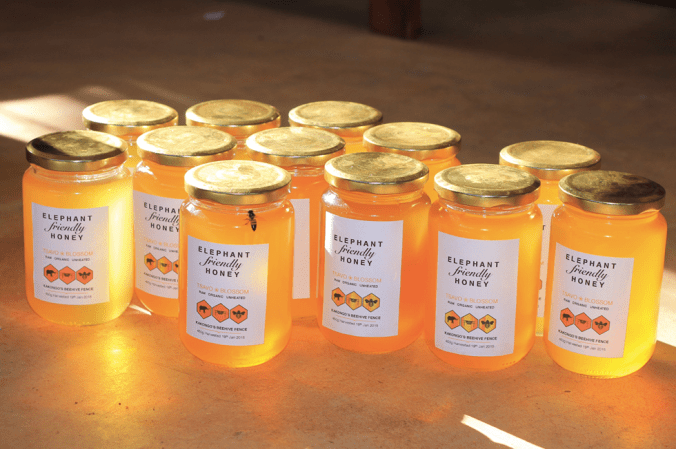
Innovation takes many forms. It’s especially satisfying when that innovation works with nature instead of against her. Examples of creative collaboration to solve environmental issues, be they unusual agricultural pest control or ways to avoid human/wildlife conflict such as this Elephant and Bee project are happy news indeed.

Some of our team live in Kerala, India – and know from personal experience the intelligence, and perseverance of elephants, when confronted with an obstacle to plants or trees they crave. This beehive fence concept is incredibly clever, taking advantage of the elephants’ natural fear of bees to keep them safe from potentially deadly conflict.

“I congratulate Dr. King as the winner of this important award. Her research underlines how working with, rather than against, nature can provide humanity with many of the solutions to the challenges countries and communities face. Continue reading

DELIghtful Animation

Adam Pesapane has floated onto our radar several times in the past, and each time we’re left amazed. The level of creativity goes without saying.

Watch (and listen to!) the video above for the sheer pleasure of it. If you’re in need of a “pick me up”, explore more on his site, including his charming commercial pieces, all found under “films” here.


If You Happen To Be In Atlanta

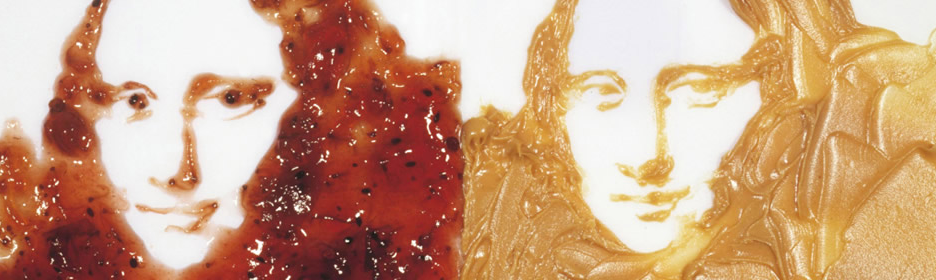
Vik Muniz Double Mona Lisa (Peanut Butter and Jelly), from the After Warhol series, 1999 Chromogenic print Galerie Xippas, Paris Art © Vik Muniz/Licensed by VAGA, New York, NY

It’s easy to be a fan of Vik Muniz’s work on so many levels: his visual wit redefining materials as medium for art; his entrepreneurial use of art to bring attention to disenfranchised communities; the collaborative spirit clearly evident in so many of his works… I, personally, love his cheeky reproductions of the world’s iconic artworks, rendered in the most banal of mediums.

A mid-career retrospective, currently mounted at the High Museum of Art Atlanta covers the full range of his work from grand to microscopic scale, using diverse media—including food, dust, string, sugar, magazine clippings, and literal junk.

On view through August 21, 2016.

The Minecraft Generation

Screenshot of the first hour of survival mode in Minecraft

In this past week’s edition, the New York Times Magazine published a very interesting story by Clive Thompson about the popular video game Minecraft, which he argues is becoming an educational tool in a way, particularly in the arena of coding and problem-solving. I’ve played the game myself for a number of hours (probably somewhere between 50-150, which among the “Minecraft generation” would be considered pennies). I can affirm that this Swedish blockbuster–the game is built on cubes of different materials that you can break down and build up–is addictive, a creative outlet, and a fun way to spend time with friends.

As Thompson states, the STEM educational movement, where science, technology, engineering, and math are especially encouraged in the US system to increase competitiveness in students, can benefit from some of the habits and skills that Minecraft helps develop for those interested enough. The article is worth reading if you have kids who might play, enjoy playing yourself, or are interested in checking the game out:

Jordan wanted to build an unpredictable trap.

An 11-year-old in dark horn-­rimmed glasses, Jordan is a devotee of Minecraft, the computer game in which you make things out of virtual blocks, from dizzying towers to entire cities.

Continue reading

Reusing Plastic Bottles in a New Way

Plastic bottle cutter by Pavel & Ian, via Kickstarter

We’d never thought of bottles being used in this fashion, but from the video on this Kickstarter project by two French guys, it looks like a pretty cool idea: turn bottles into plastic rope! Any way to reuse or recycle is a great thing in our book. From Pavel & Ian:

The absolutely astonishing amount of plastic bottles that everyone uses and throws into the garbage can every day is truly impressive. This represents an economic waste, since the plastic of bottles is a commodity that is worth money and can be reused. Also, from an ecological perspective, this poses several problems. Even when sent for recycling, the volume of plastic bottles makes it challenging to transport and accommodate them efficiently.

Continue reading

Creative Conservation

White rhinos in South Africa. Photo © Michael Jansen / Flickr via Cool Green Science

From our counterparts at TNC’s blog Cool Green Science comes a second post on the wacky strategies sometimes implemented to save endangered wildlife species. Poisoning rhino horns so people can’t use them for so-called medicine, treating bats for fungus with banana bacteria, killing invasive snakes with acetominophen-filled dead mice thrown from helicopters, the list goes on. Justine Hausheer writes:

Consumers of illegal rhino horn products might be in for a bit of a nasty gastrointestinal shock. In an effort to protect their population of rhinos from poachers, the South Africa’s Sabi Sand Game Reserve is injecting parasiticides and pink dye into their rhinos’ horns. The chemical cocktail isn’t lethal (to humans or the rhinos) but it will send anyone that ingests powdered horn racing for the nearest restroom. Reserve staff have already treated more than 100 rhinos and put up sign warning poachers of the treatment.

Continue reading

Non-metaphorically Strange Fruit


hybrid-fruit-master675

A mix of tropical and hybrid fruits recently available in the United States. Credits: Photograph by Anthony Cotsifas. Styled by Michael Reynolds. Retouching: Anonymous Retouch. Prop assistant: Caleb Andriella. Photo assistants: Karl Leitz and Jess Kirkham. Fruit courtesy of Melissa’s Produce and Frieda’s Specialty Produce.

From the New York Times, the most unusual short news feature we have seen in some time just came to our attention. An April Fool’s item, perhaps? Click to the end of the story to see these “fruits” identified:

In a world of very few absolutes, here is one: Nature has no more perfect offering than fruit, nothing that seems better engineered to delight and entice humankind’s every sense. But of course, the real purpose of fruit is not to make humans happy, but to make more fruit: While it is the result of a relentless biological process that we happen to enjoy, the creation of fruit itself — from its larval stage as a flower to its dropping from the tree or bush onto the ground and growing into a new tree or bush — would go on whether we were there to appreciate it or not. Continue reading

Handy Bamboo

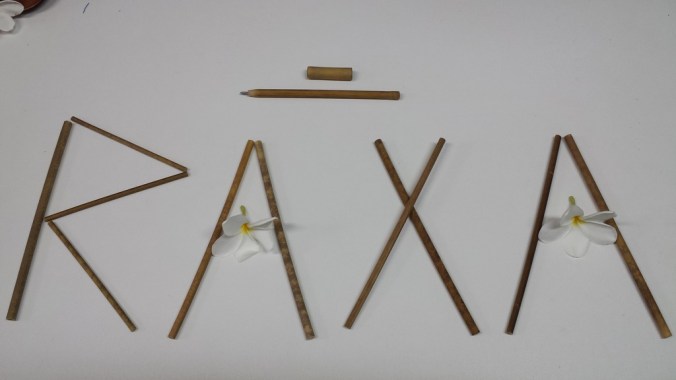
bamboo20sticks_zpsoqedjljxBamboo is a highly malleable, fibrous plant that has many impressive capabilities that often serve a variety of utilitarian needs. At Xandari, we’ve used this resilient, rapid-growing grass (yes, it’s part of the grass family and some species are known to grow up to 90cm in a single day!) to create wind chimes for birds and now, we’ve been inspired once again to create a different, yet handy tool.
Continue reading

More On Wintergatan

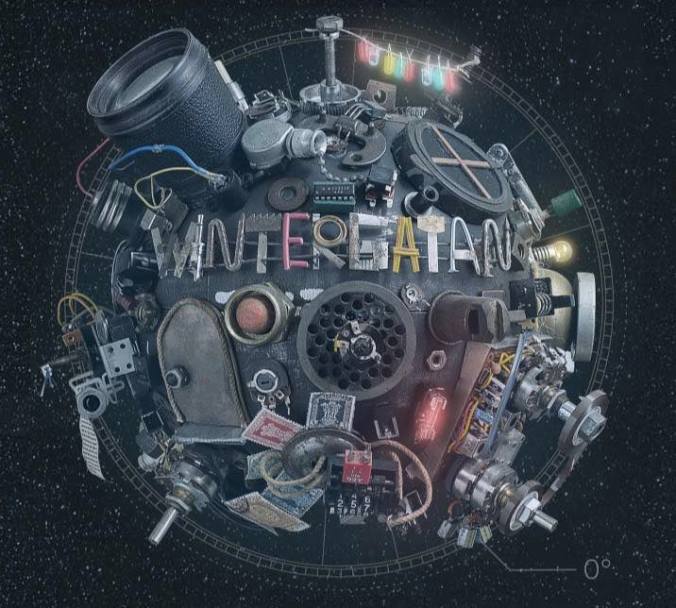
Wintergatan

When we recently posted on this newfangled musical contraption we could not find any further information about it. Lo and behold, after a drought sometimes when it rains it pours. Today, National Public Radio (USA) has this:

The “Marble Machine” is a musical instrument by way of a Rube Goldberg contraption, the love child of a barrel organ, a kick drum, a vibraphone and a bass — all powered by hand-cranked gears and 2,000 steel marbles.

The machine was built by Swedish musician Martin Molin, who fronts the Swedish band Wintergartan… Continue reading

Let Yourself In


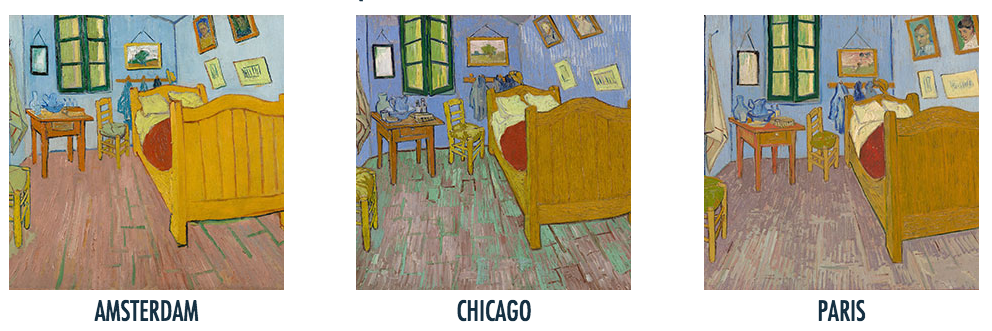
It’s been scientifically proven that people respond emotionally to color and light. The artist Vincent van Gogh was a master of both, and the vibrant, intimate paintings of his bedroom in Arles are evocative examples.

Not only have the curators at the Art Institute of Chicago brought together the artist’s three versions of the room, they’ve created an installation that invites the viewer into a 3-dimensional experience of the iconic painting.

This exhibition is the first to truly delve into the fascinating history of these three paintings and explore the motif of home and its significance to Van Gogh—as haven, creative chamber, and physical reality. The show features approximately 36 works by the artist, including paintings, drawings, and illustrated letters, as well as a selection of books and other ephemera known to have been in Van Gogh’s possession. Continue reading

Rain Scents

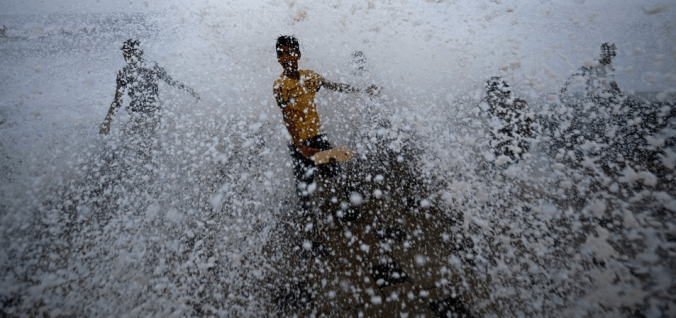
Vivek Prakash/Reuters

Vivek Prakash/Reuters

Smell is one of the most evocative of the five senses, allowing us to relive memories that span our entire lives. Scents from the kitchen make our mouths water. Scents from nature make us long to be outdoors. Considering that on average our bodies consist of 60% water, it isn’t surprising that we’re so attuned to the range of smells associated with H2O.

Many of the RAXA Collective team long for the refreshing monsoon rains in Kerala, never imagining that exhilaration could be captured in a bottle.

Once again we thank The Guardian for this intoxicating story.

Every storm blows in on a scent, or leaves one behind. The metallic zing that can fill the air before a summer thunderstorm is from ozone, a molecule formed from the interaction of electrical discharges—in this case from lightning—with oxygen molecules. Likewise, the familiar, musty odor that rises from streets and storm ponds during a deluge comes from a compound called geosmin. A byproduct of bacteria, geosmin is what gives beets their earthy flavor. Rain also picks up odors from the molecules it meets. So its essence can come off as differently as all the flowers on all the continents—rose-obvious, barely there like a carnation, fleeting as a whiff of orange blossom as your car speeds past the grove. It depends on the type of storm, the part of the world where it falls, and the subjective memory of the nose behind the sniff… Continue reading

The Sea Inside

What is it about the sea? The fact that it changes, and the light changes, and the ships change. The feel of being entwined with the ocean? That when we go back to it – whether it is to sail or to watch it – we are going back from whence we came.

– Rosanna Abrachan

The teamwork involved in crafting the videos that help define the guest experience at Xandari Harbour was as satisfying as creating the property itself. Thank you Anoodha and the RAXA CollectiveXandari Harbour teams!

Stay tuned for more!

Beautiful LEGO: Wild!

doyle_01

LEGO creation by Mike Doyle, image via ThisIsColossal

We all love LEGO, whether it is being used for beautiful creations or as useful inventions, and were happy to learn last year of the company’s goal to move toward sustainable materials and away from petrochemicals. An artist who works his sculptures only in LEGOs, Mike Doyle, has recently published a third book titled Beautiful LEGO, this time subtitled “Wild!” (the first had no subtitle and the second was subtitled “Dark“). Kate Sierzputowski covers Doyle’s new book showcasing works of natural LEGO marvels (by other artists as well as himself) on ThisIsColossal:

One of Doyle’s own pieces that appears in the book is a new piece titled Appalachian Mountaintop Removal (2015), a work composed of more than 10,000 pieces that directly references the act outlined in its title.

Continue reading

An Ingenious Method for Deterring Elephants

bees-1

Hanging beehives create a natural deterrent fence around crops in Kenya. Via ThisIsColossal

In Africa and India, elephants can be huge–literally–agricultural pests. Stomping casually through plantations, plowing over fences and crushing or devouring crops, these nearly unstoppable giants are often shot by farmers not for any ivory-related avarice, but rather out of a desire to protect their livelihood that lives in the form of fruits and vegetables.

A more pacific method of keeping elephants out of agricultural areas that I have seen in southern India is deep and wide trenches surrounding the plantation, which elephants are loath to cross since they are likely to get stuck. Of course, these moats are understandably impossible to replicate everywhere, and biologist Lucy King has been studying the possibility of creating another sort of fence since 2006.

As you can see from the photo above, Dr. King’s idea was Continue reading

Sheepdogs Active in Wildlife Conservation Yet Again

Phillip Root with the Maremma sheepdogs of Middle Island, Australia. The dogs were introduced there in 2006 to protect the little penguin, a native species. Credit David Maurice Smith for The New York Times

A few years ago, we shared the story of an effort by the Cheetah Conservation Fund in South Africa as part of their Cheetah Outreach project that involved Anatolian shepherd dogs. The idea was to help livestock owners raise the sheepdogs to guard their herds and therefore not feel the need to kill cheetahs that might see the sheep as potential prey. This program has worked out well, and now we’re hearing from the New York Times about another success story in Australia, although in this case the sheepdogs aren’t protecting livestock: they’re guarding the Little Penguin on Middle Island, Victoria from the introduced red fox.

‘Massacred,’ read the banner headline in the local newspaper — just the single word, as if describing an act of war. Below it was a photo of dead penguins and other birds, the latest casualties in Australia’s long history of imported species’ decimating native wildlife.

Foxes killed 180 penguins in that particular episode, in October 2004. But the toll on Middle Island, off Victoria State in southern Australia, kept rising. By 2005, the small island’s penguin population, which had once numbered 800, was below 10.

Continue reading

Belize Lionfish Jewelry – Update


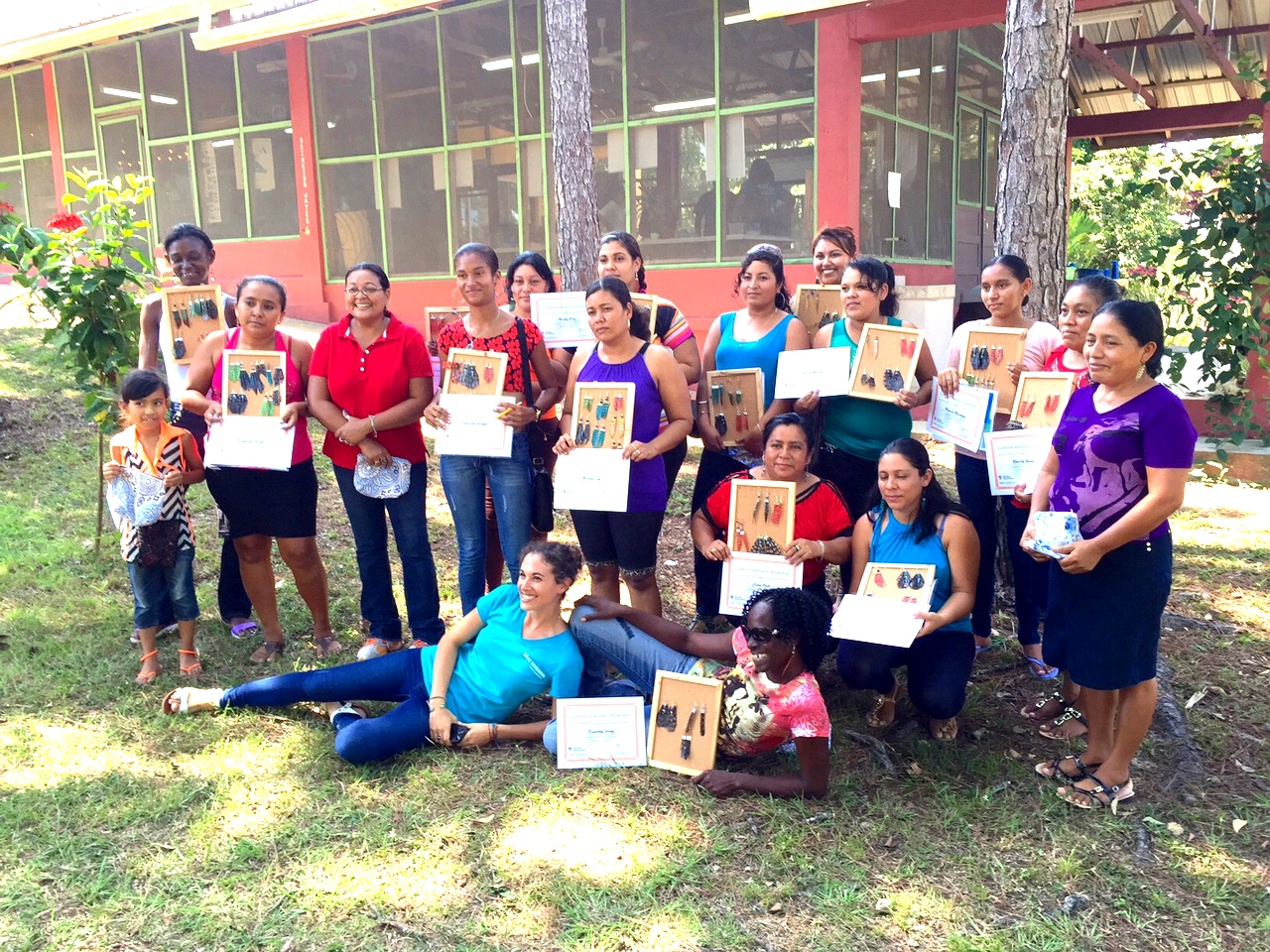
Belize Lionfish Workshop participants with their certificates

Belize Lionfish Workshop participants with their certificates

I’ve posted previously about the emergence of lionfish jewelry as one of several market-based approaches to controlling the invasion of this non-native species which poses an unprecedented threat to marine ecosystems in the Western Atlantic.

Last month, for the third year in a row, I spent two weeks in Belize where I had a chance to get an update on how the market is developing.  I started my visit in Placencia, which is home to Kaj Assales, the most successful of the lionfish jewelry artists in the country, with her own jewelry line which she sells through her boutique as well as online.  It was my first chance to visit her shop and to see some of her new designs.

Next I spent a week in the Sapodilla Cayes with ReefCI, the NPO that I first collaborated with to help jump-start the lionfish jewelry market in the country.  This gave me a chance to practice my lionfish spearing skills, as the ReefCI team and visiting volunteers continue to remove several hundred lionfish per week dissecting a sample of 30-40 of these for stomach content. Data on size, sex, and stomach content is provided to the Belize Fisheries Department and has been a valuable input to its national lionfish control strategy.  Coincidently, ReefCI’s lionfish control program was profiled in the August issue of United Airlines magazine; not only a nice recognition of the group’s efforts, but also a great boost for raising awareness about the lionfish invasion. Continue reading