Rock, Paper, Scissors

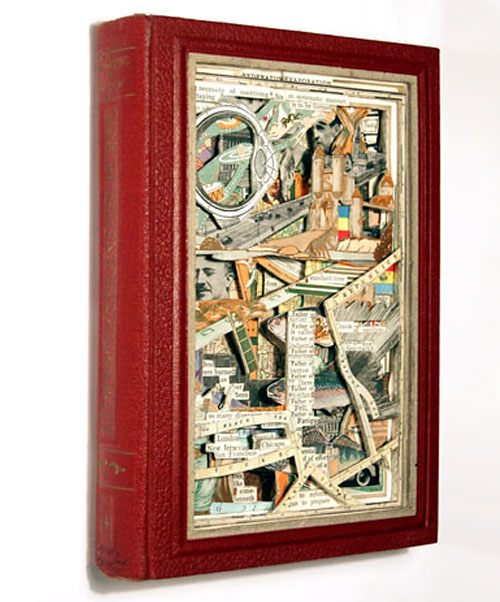
I grew up being taught that books are precious.  Whether due to text, illustration or both, the best of them possess a piece of our living memories, passed down through generations, becoming dog-eared with loving use.  In the age of eBooks and threatened libraries, the intangible qualities of a bound book are becoming even more precious.

But for many of the same factors (growth of internet research and eBooks) as well as due to progress itself, there are specific books that become obsolete almost as soon as they are moved from press to shelves.  Encyclopedias, Road Atlases and Medical Journals are good examples.  So what, then, is to become of those weighty tomes that a generation or two ago held pride of place in every household? Continue reading

Needing Mr. Miyagi

Anyone who has ever been to ski slopes may have experienced small, pint-sized, infant skiers buzzing down the hills.  As a veteran skier of 18-years, I proudly proclaim that I was once one of these daring children.  However, I learned this past weekend that through the years I have lost this fearlessness when I was challenged to try snowboarding.  I would love to boast that my first run was very similar to this video, but the aching of my entire body keeps me truthful as if to say, “Ha!  You wish, Meg!”

Several times I met the side of the mountain and regardless of the many parts of my body that hit, the solid surface was resilient to my attacks; in fact, the bruises that continue to surface would argue that it fought back with increasing firmness.  The absence of soft, powdery snow brought my awareness to this season’s lack of typical winter weather, and it drew my attention to the resort’s snow-making cannons.  Continue reading

Paper Guardian

Samantha Contis for The New York Times ©

Click the image above for a profile of an amazing entrepreneurial conservationist.  The New York Times continues to demonstrate its subscription-worthiness.  The key line in the profile, which we can relate to both in principal and practice:

Barrett, who is 61, has dedicated his life to unlocking the mysteries of paper, which he regards as both the elemental stuff of civilization and an endangered species in digital culture. For his range of paper-related activities, he received a $500,000 fellowship from the MacArthur Foundation in 2009. “Sometimes I worry about what a weird thing it is to be preoccupied with paper when there’s so much trouble in the world,” Barrett told me, “but then I think of how our whole culture is knitted together by paper, and it makes a kind of sense.”

Continue reading

Travel, Writing & Games

This series has always been worth reading, whether you are an American looking through the eyes of a fellow American, or otherwise intrigued by a niche of American perspective that is not quite representative of that culture as a whole.

First things first: sometimes a book, a music recording or other item is only available from the mainstream online retailers such as Amazon or iTunes, but whenever possible we promote the purchase from independent sellers.  So click the image to the right if you want a link to independent booksellers in the USA, provided by the ever-entrepreneurial American Booksellers Association.

Now, the side show: the series editor Jason Wilson is also a contributor to a site we refer to on occasion, and he wrote an interesting item a couple of years ago that began:

Continue reading

Periyar Experience

Photos by Mr.Ravi Varma, Director, Vishal Xperia Holidays Pvt.Ltd

A group of seventeen guests from the United Kingdom who stayed at Cardamom County for the last three days (7th Feb to 9th Feb) have shared their photos with us. They have had wonderful experiences in and around Thekkady.

Continue reading

Positively Happy

My high school chemistry teacher always said, “Don’t be negative; be positive.  Multiply the love and divide the hate,” while she used her hands and fingers to represent each mathematical symbol.  This phrase would surface in my memory occasionally, but I must admit I rarely took it to heart.  However, I was preparing for a presentation about affirmations when I stumbled across a Ted Talk that affirmed this old saying.

I found this short speech relatable, funny, and surprisingly thought-provoking.

Continue reading

Wordsmithing: Cousin

In Kerala, and perhaps other parts of India, “auntie” or “uncle” are terms of endearment among youth for anyone of “respectable” age.  No blood ties are necessary. In many Western cultures the OED definition tends to prevail, respectively, for these two terms:

A sister of one’s father or mother; also, an uncle’s wife (= aunt-in-law).

A brother of one’s father or mother; also, an aunt’s husband (= uncle-in-law).

And cousins?

Continue reading

Theyyam – The Ritual Dance 2

In Kerala, almost every village has its own temple, with an annual festival. So there’s always a local festival happening somewhere or the other. As we mentioned about Theyam in our previous post, there are more than 400 Theyams performed in Kerala each year. Continue reading

Europe’s Green Capital

So I’ve left behind the wild, lush landscape of the Costa Rican rainforest and arrived in Strasbourg, France, to find a completely different kind of green.

Costa Rica is one of those countries the climate change debate focuses on – it’s the epitome of natural diversity and everywhere you turn there is some species or habitat that could be gone in 20 years’ time. Or 10 years’ time. From the rainforests I hiked through to the sloth sanctuary my mum and I visited, everything there seems at once so wild and so fragile. The conservation efforts we see there are direct, tackling the specific problems the land faces: protected areas are being designated, turtle-watching programmes are being set up to monitor and protect the species, and the people at Aviarios sloth sanctuary provide education for locals as well as caring for the animals.

Places like the Manuel Antonio National Park have to concentrate on the effects of climate change.

Continue reading

The Cyberspace Jungle

Today, we are bombarded with information. Millions of bits–photos, text, video–stream by us every second we’re on the web. And we’re always on the web. Mobile devices on 3G (and now “4G”) and lightweight laptops able to access nearly ubiquitous WiFi hotspots mean that the modern age is certainly the information age. And the Internet continues to grow riotously; like a tropical rain forest, millions of unique niches exist, but they are inhabited here instead by users and data. And much like a natural ecosystem, the internet is also inextricably interlinked and interdependent: hyperlinks, reference pointers, and social media make the Internet a pseudo-organic entity that has its gaze turned not only outward (towards expansion) but also inward (towards connections). In its own way, the internet is an oddly beautiful thing. The freewheeling, ever-shifting topography of the web means that from second-to-second it’s never quite the same place.

But for all its seductive beauty and facile utility Continue reading

Our Gang, Thevara (Sunday Shuttle)

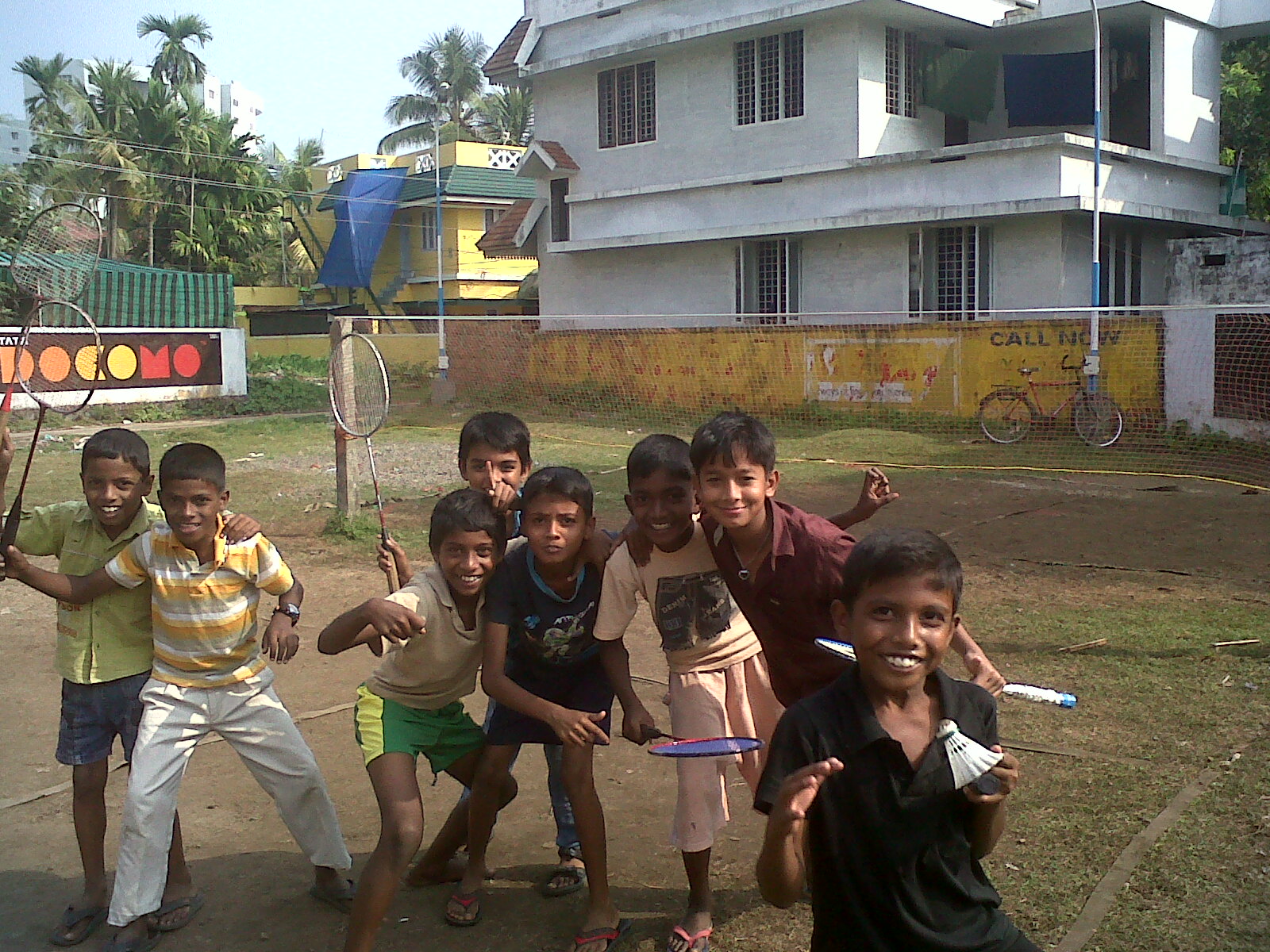
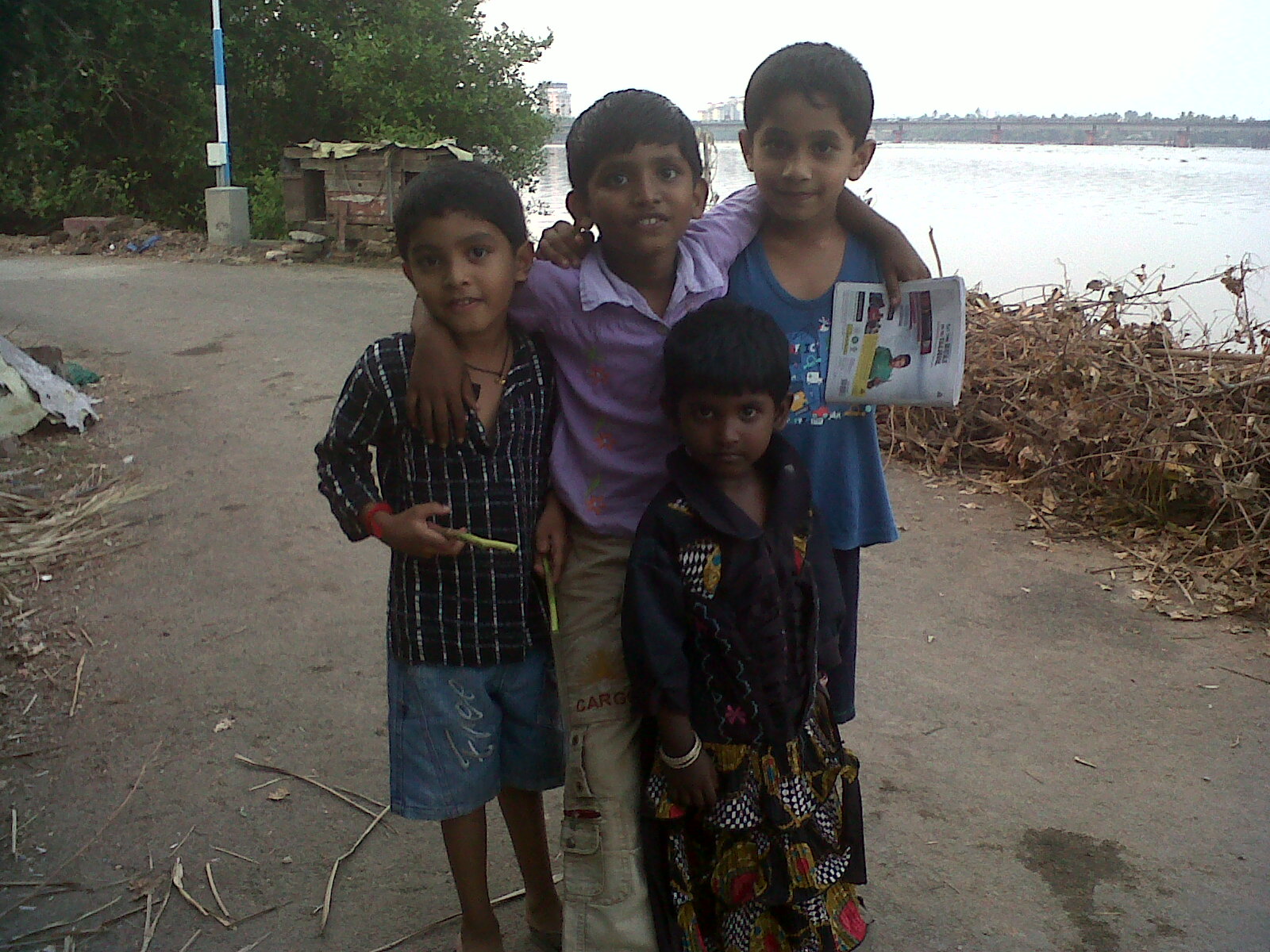
The friendliest fellows to be found.  Any passerby will get a smile.  Any passerby who tries to click a snapshot will get the royal treatment: a split second shift from the middle of a game (which was the point of the snapshot) to the most spectacular improvised pose that could be mustered. Continue reading

Evolved Cooperation

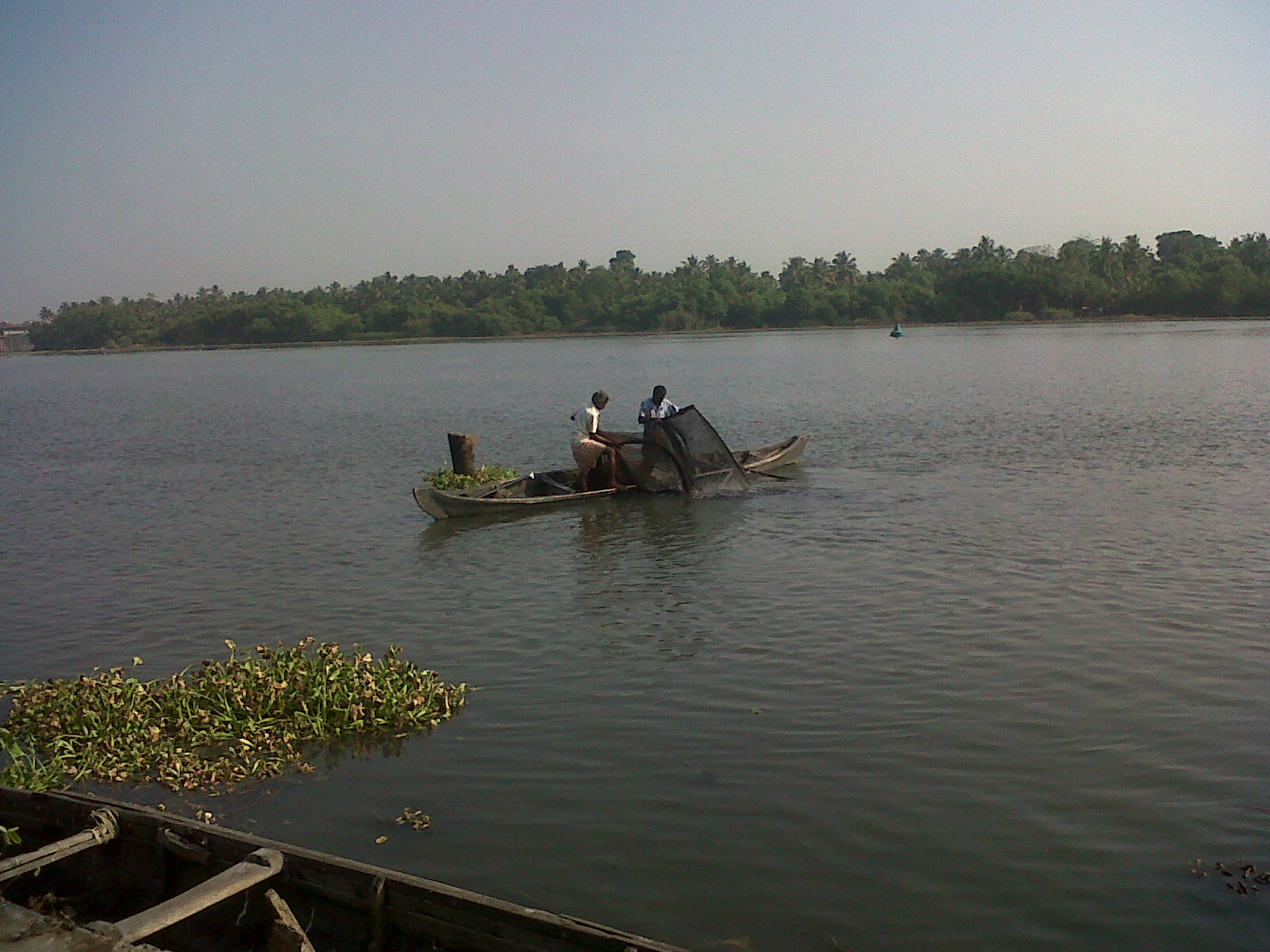
Any given morning in the neighborhood called Thevara, where we have some wonderful friends, the fishermen do their thing a few meters from the riverfront walkway.  To call that cooperation is like calling the kettle black.  But just as we found this explanation of man-animal cooperation fascinating, this morning’s mobile phone snapshots got interesting.

Continue reading

The Evolution Of Cooperation

Several earlier posts have touched on the topic–how cooperation (or altruism, defined here) comes about, overcoming the problems associated with the potential for free riders and other collective action barriers.  The current issue of Nature contains findings from the research of a team at Harvard Medical School.  If you are a subscriber to the journal click the image above to go to the research.  If you want a four minute synopsis with excellent visuals, jump the jump.

Continue reading

Jackfruit Tree – One of the Largest Edible Fruits

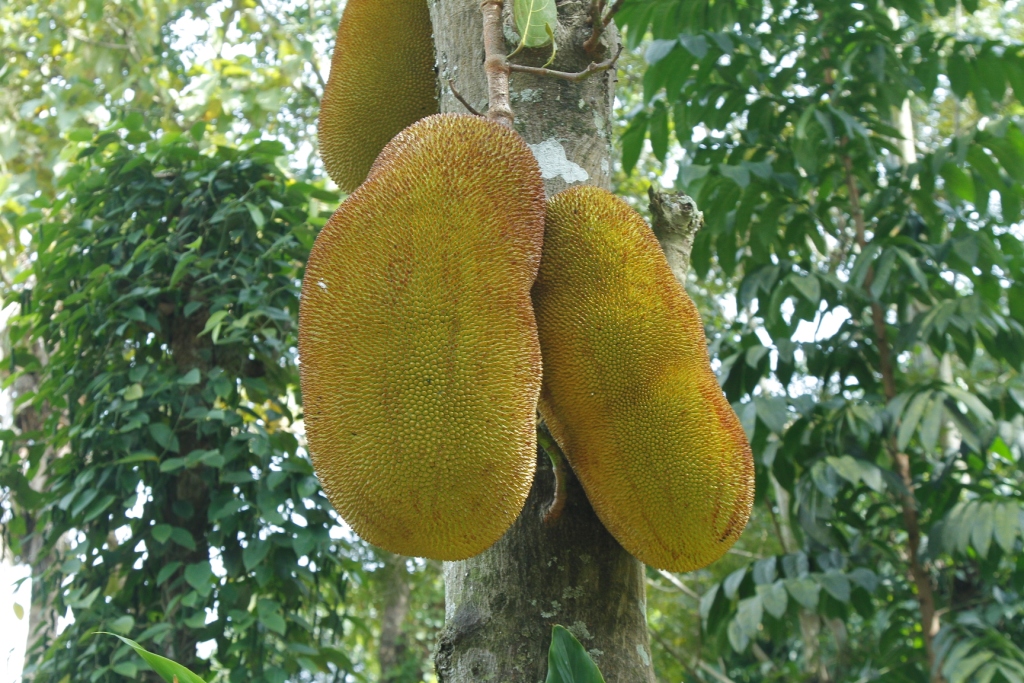
In Kerala, there are a wide variety of trees and plants. The Jackfruit tree is one of the most commonly seen. It is a large spreading evergreen tree that produces one of the largest edible fruit in the world. One jackfruit can weigh up to 10 – 35 kg. Continue reading

You’ve Seen This

Too many times.  1,239,927 views of this particular clip, but that is not the point.  This could be either another example of invasive product placement, in which Nokia thinks we will love this clever response to their insidious noise; or another example of how easily we laugh at “foibles.” Continue reading

Theyyam – The Ritual Dance

Photo: T J Varghese- taken from a temple festival near kannur, North kerala

Kerala is a land of old traditions, rituals, customs and arts. Most of them spring from folk tradition but they are often related to religious rituals and mythological stories.

Theyyam is one of the oldest popular devotional performance of Kerala. The performer usually takes a role of one deity and continue the character over the year. Continue reading

India Art Fair 2012

In case you are on your way to India, and can divert to Delhi for a day or two, here is a diversion to justify it (click the image above to go to the website):

The 4th edition of India Art Fair, formerly India Art Summit, will once again bring focus to the rapidly growing Indian art market. The 3rd edition in 2011 drew 128000 visitors over 4 days. While 80% of the galleries reported buoyant sales, the fair also attracted a record number of new collectors (30-40%). In only three years, India Art Fair has consolidated its position as the region’s leading platform for modern & contemporary art. Continue reading

Happy New Year, China

Today marks the start of another year of the dragon, according to Chinese tradition.  I was just about to go find out what that might mean, but decided better of it.  That decision was influenced by the man in the picture to the right (click it for his bio) and what he said in this brief but moving response to the Annual Question that Edge puts to very smart folks (his response is the second one, so scroll down to that).

It is a fundamental principle of economics that a person is always better off if they have more alternatives to choose from. But this principle is wrong. There are cases when I can make myself better off by restricting my future choices and commit myself to a specific course of action. Continue reading

Our Gang, Thevara (About The Clever One)

This young lady in the foreground of the photo above is special.  She has already broken an unspoken, unwritten, and increasingly irrelevant gender barrier in which girls play with girls and boys with boys: her brother has welcomed her into the fellowship that used to be strictly a fraternity.  It helps that she is clever.

Continue reading