USA Refresher

Before there was social media as we know it today, there was social media.  Social reformers and thinkers of all varieties have centuries of experience not just using the tools of social media, but utilizing them.  Leveraging them.  August 28, 1963 in Washington, D.C. was one of the days when the USA experienced a moment of truth, and when social media included word of mouth, television/radio simulcast and later replay.

This is the day when the man who spoke longest on that day is remembered officially.  One minute into the above video he begins speaking, but the memory is affected, no matter how many times one has seen, heard or read these words, most when that man talks about his hopes for the future of a country that had a history of injustice, but also a history of reform, change, improvement. Continue reading

Trumpeting Her Task

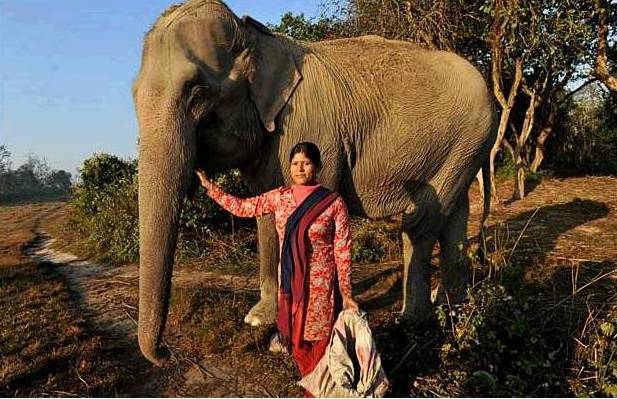
Meena Chaudhary, Nepal's first female Mahout (Photograph by: PRAKASH MATHEMA, Getty Images)

We’ve written about these most charismatic of animals on this site before, as well as the typical scenario of those charged with their care in this part of the world, but this new “gender barrier” shift is too noteworthy to pass over.

The Nepalese government’s recent program to get more women into public sector jobs has extended even into the most masculine of bastions, the mahout.  The traditional practice has been for a boy to be introduced to “his” elephant in childhood and they grow up together. But this conservative, primarily Hindu country is making an official effort to give women a literal leg up. Continue reading

God in Goa

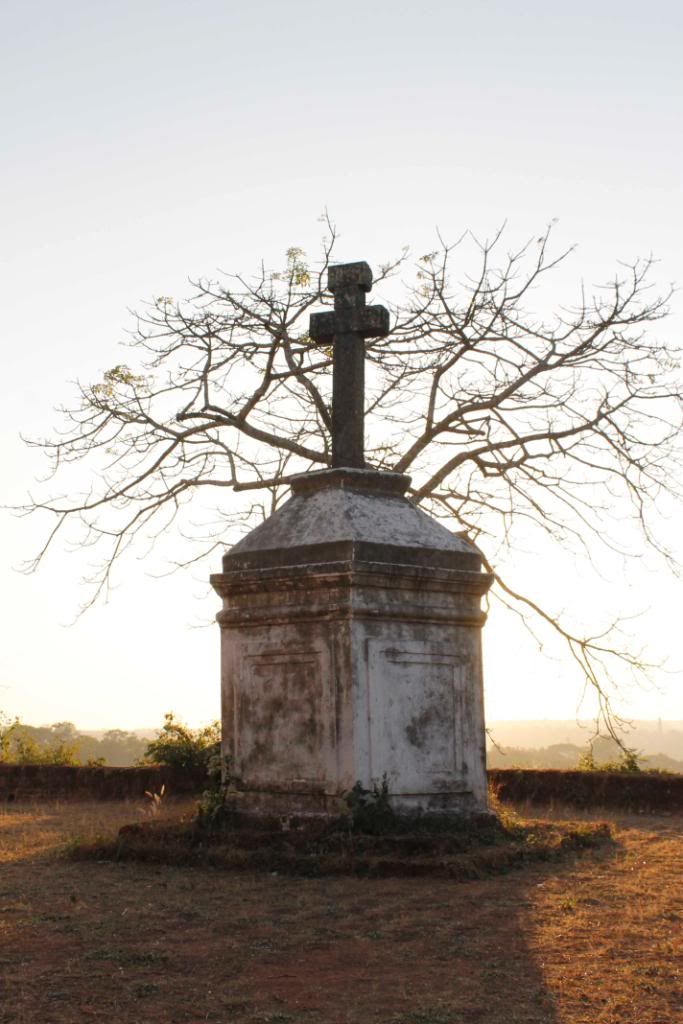
Goa, India’s smallest state, is a former Portuguese colony bordering the Arabian Sea. Once a key trading enclave for spices, Goa is now a significant tourist attraction due to its beaches and festivals. It is also known for its considerable Catholic history and architecture; St Francis Xavier arrived in 1542 with Jesuit missionaries (he was a pupil of St Ignatius Loyola, founder of the Jesuit Order) and there are many impressive churches throughout Goa’s capital, Panaji, and its former capital, Old Goa.

Perhaps one of the most awe-inspiring of these is the Church of St Augustine. Augustinian friars completed its construction in 1602, and it has been in different states of disrepair since 1835, when the Portuguese government began evicting many religious orders from Goa. The 46 meter tower (half of which collapsed in 1931), in varying stages of illumination, is perhaps the most easily appreciated element of grandeur remaining. But close examination of the vault floor reveals dozens of tombstones in relief, mostly for men who seem to have been knights, or at least who had knightly coat of arms. Some of these sigils are surprising, such as the skull and crossbones motifs. This is the church that I spent the most time at; most of what is left is eroded, overgrown, cracked, or otherwise dilapidated, without detracting from the ruins’ beauty or impressiveness, however. Continue reading

Family, Food & Happiness

Click the image to the left for a half-hour conversation with the author of this book, one of the most agile writers at The New Yorker.

Agility is a word that comes to mind considering the diversity of topics in his magazine writing (the Spanish Inquisition; dog ownership; drawing; the way the Internet has changed how we read, think, and interact; etc.) but it is also a function of his ability to write so fluidly and knowingly about topics so different from one another.

This book follows the lead of a previous book in his loving explanation of France’s lasting, meaningful contributions to the world.

We have made reference to his writing in the magazine here and here, but this book touches on a topic completely different from those two references.

Continue reading

REMOC: Behind the Seams

This one was actually made by Ana's daughter Meli - it must be a family tradition!

I don’t know what I was expecting when Ana Teresa invited me to take a look at her studio. On the one hand, I’d seen the quality of the products on the shelves in REMOC, and thus knew that the craftswomen were not amateurs; but I also knew that many of them didn’t have high incomes or hours to invest in their business – one of the challenges of the trade, for them, is that they are making a living while maintaining a home for their families and fulfilling their duties as a wife and mother. So, despite knowing that the work they produce is ‘serious’, I was still impressed when Ana ushered me through a door I’d thought led to a garage, and I found myself in a real, fully equipped artisan’s workshop. Continue reading

Backwaters Home: Pampa Villa

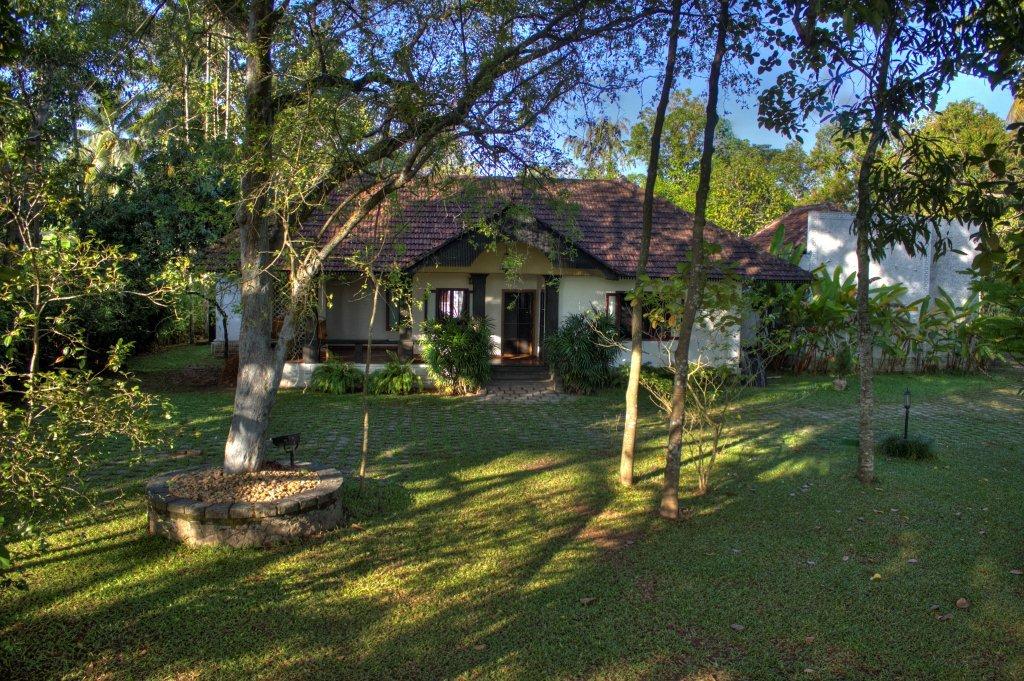
Pampa Villa On The Pamba River

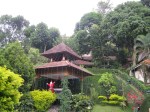
We have mostly shown images of life on Kerala’s backwaters from the perspective of boats, as in looking at and looking from.  As Milo’s recent post showed (at the tail end, so to speak), there is much more life on these waters than first meets the eye of the occasional visitor.  The view above is from the river, looking at a home that Raxa Collective recently took responsibility for.

This responsibility included modifications to the interiors in order to make it more welcoming to travelers.  It had served as the home of a prosperous resident of the backwaters, but now is open to receive visitors whose preferences in terms of privacy, decor and food (at least spice levels) often differ from those of locals, at least a bit.

Continue reading

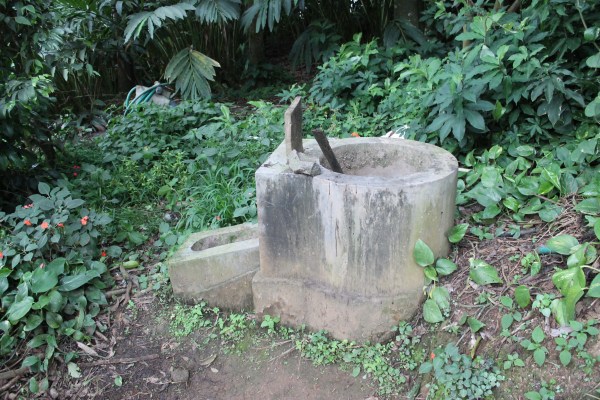
Digging Your Own Well

We often talk about ‘imagination’ as if it’s a fixture of the human mind. Human beings, as common sense would have it, are inherently able to imagine what is different; we bring what is distant near only by thinking it so. In the middle of a blistering New England winter, for instance, we might picture ourselves on a sandy beach in Florida; in the mess of rapid and haphazard “development,” we might imagine pristine, virgin land.

But imagination—like all of our most transcendent capacities—exists not invariably, of course, but in degrees, in flux, in varying quantities and qualities, and sometimes—that is, in some minds—hardly at all. I was reminded of this last week following the death of North Korean dictator, Kim Jong-Il, which caused me to reflect upon (and imagine) the lives and minds that comprise a nation with only one permitted text upon which to project its fantasies—the doctrine of North Korean socialism.

And yet this extreme example serves only as a limiting case, one which indicates a more universal difficulty. We’re all always limited in our imaginings. We block their course, sometimes deliberately, but also sometimes mechanically, and often blindly. This is what makes routine possible, and what makes even our most arbitrary and destructive habits seem perfectly natural. We cling to what is readily available, forgetting the partial nature of our given sphere. While imagination brings what’s distant near, habit forgets the possibility of distance (and difference) at all.

Cultivating one’s imagination is a privilege, one which we ought to covet and guard with jealousy. I was granted this privilege this past summer, when I was able to stay in Kumily, Kerala for two months—Kumily, a place so unlike any of the other places I call home in custom and in ambience, in ethic and in landscape. I wrote previously about how the hills and depths of the Periyar moved me, and about how Raxa Collective’s work with the Forest Department and the Development Committees humbled and inspired me. But in that post I neglected to mention one of the more memorable moments of my stay at Cardamom County, one which broadened the horizons of my imagination even more than the occasional monkey-encounter or motorcycle ride through Tamil Nadu. Continue reading

Just So

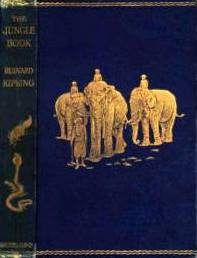
First Edition 1864

Now Rann the Kite brings home the night

That Mang the Bat sets free–

The herds are shut in byre and hut

For loosed till dawn are we.

This is the hour of pride and power,

Talon and tusk and claw.

Oh, hear the call!–Good hunting all

That keep the Jungle Law!

“Night-Song in Jungle” by Rudyard Kipling

In the world of literature we associate Rudyard Kipling first and foremost with India, although in reality he only spent about 12 years of his life here.  Born December 30th 1865 in Bombay to English parents, he spent his very early childhood there before returning to England at the age of 5.  In his mid-teens he returned to India and spent an additional 6 and half years working as an editor in Punjab.  Despite living the majority of his life elsewhere (England and the United States), India and his self-identification as an “Anglo-Indian” defines much of Kipling’s work.

The Jungle Book  first appeared in serialized versions but was eventually published in  1894 under one cover, with illustrations by Kipling’s father, John Lockwood Kipling.  The Jungle Book and the Just So Stories still remain among Kipling’s most beloved works. Continue reading

Shark-Free Shark Fin Soup

The hot hand remains hot.  One of the horrible culinary traditions that persists around the world, even though it is repugnant from an environmental perspective, is the harvesting of fins from sharks to make soup. Click the image to the left for but one small data point in the effort to end the illegal harvesting and sale of shark fins.

Better yet, don’t click that. Continue reading

License To Obsess

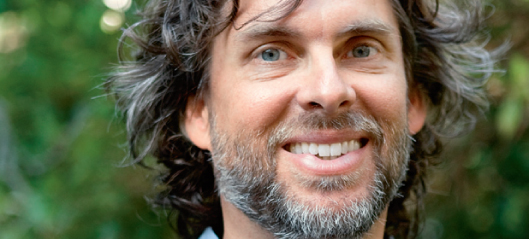
If your life has a certain soundtrack and you read American literary fiction, you may have already encountered the novels of Michael Chabon.  Click the image above for a snapshot interview with him.  When he announced at the beginning of this year that he was working on a new novel, it was seen by many in a blog post split over two days.  A turn of phrase in the middle of the second post resonates with the small group of people who form Raxa Collective:

…thanks to Wax Poetics, one unexpected but maybe not unforeseeable result of the decision to have some characters own a shop together selling battered old things that are beautiful and valuable only to a small number of randomly assorted Geeko-Americans has been the joyful return to my life of hip-hop…

Things that are beautiful and valuable only to a small number: those are the things we are focused on here.  See all of Salim’s recent posts for examples.  Milo’s too.  Chabon’s new novel may focus on the culture of hip-hop, which you will not likely encounter on our pages, but the underlying idea has both profound and light-hearted implications. Continue reading

Experience

My routine interaction with the guests staying at Cardamom County provides first hand information about their experiences at the resort and various activities in and around wild Periyar. I recently happened to speak with Mr. Namjoshi and his family, who stayed at Cardamom County a couple days ago.

Here are some of their comments and photos:

Continue reading

Any Given Christmas

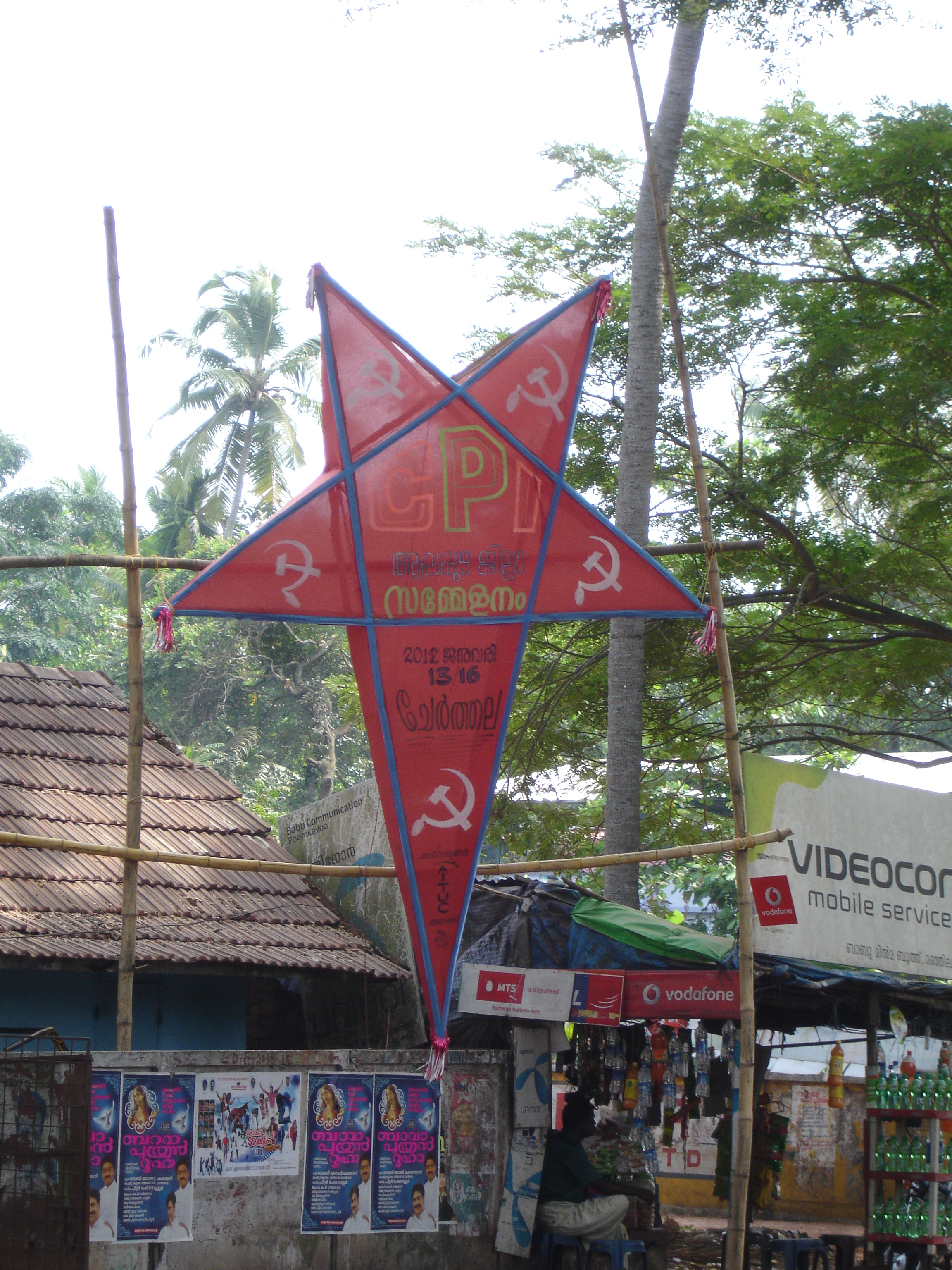
While the paper Christmas stars of Kerala are often just cheerful adornments to a rooftop, shopfront or hanging eave, there are also an entire range of much larger, homemade stars. Ranging in size from large to gargantuan, they are meant to convey messages from simple well wishes to the deepest ideologies…. Continue reading

Kerala’s Stars

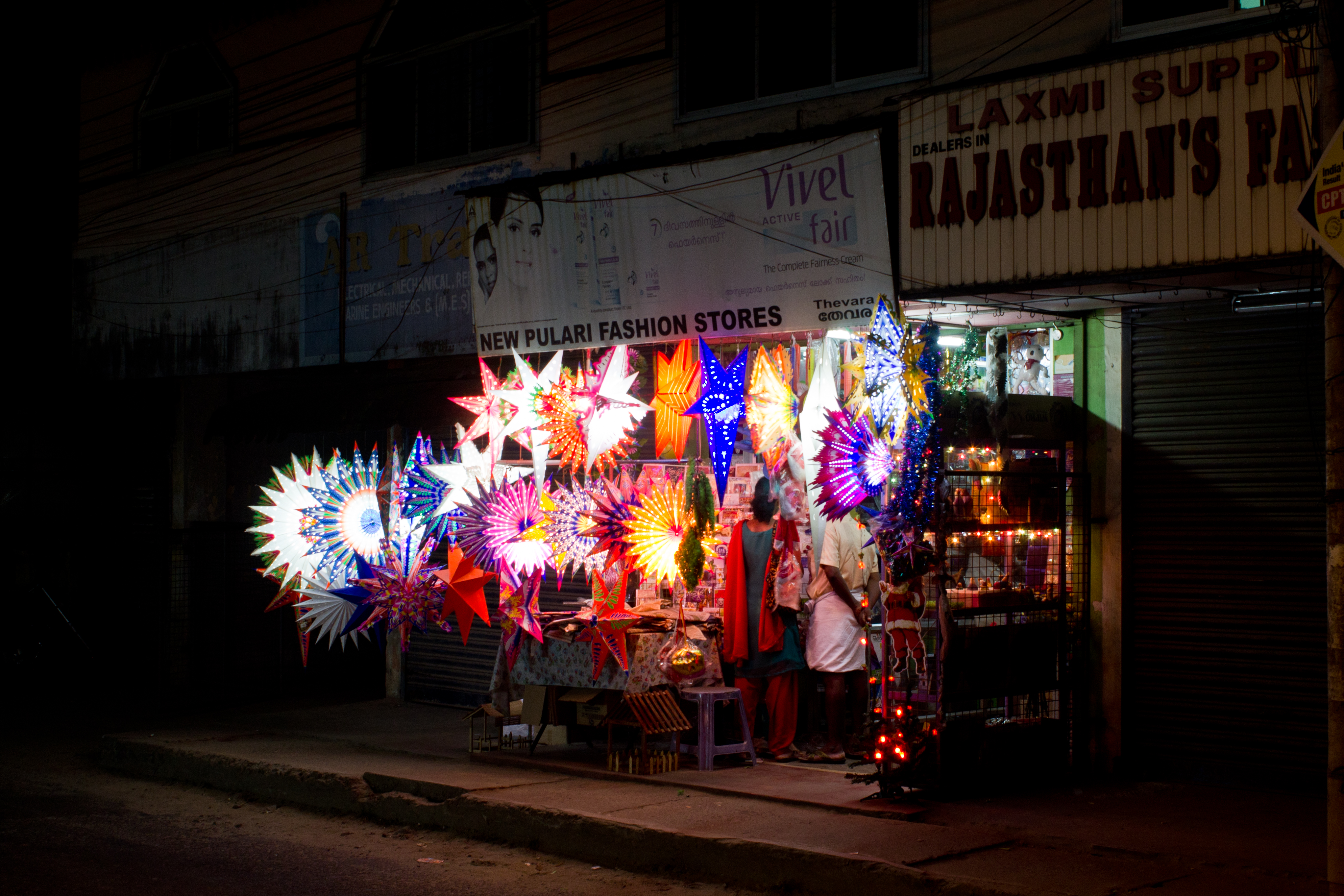
The colorful stars that begin to grace Kerala buildings in December from homes, to businesses, to places of worship have humble beginnings despite their current flashy status.  The were originally a simple white 7 point star that correlated with the beacon leading to the Christmas manger.

Many of these folded and cut paper stars are the handiwork of a group of women in a fishing villages around the southern Kerala city of Kollam. Continue reading

Relics

Everywhere you go in India, even cities considered ‘modern’ by today’s standards, there are relics of the past. Architecture, attire, animals walking through the street. In Cochin, one of Kerala’s biggest cities, locals don’t even look twice if an elephant walks down the street – the same street with IT parks and shopping malls on it.  Continue reading

Kerala: Seeing & Learning

As I begin putting myself in situations in which photographing people in their natural state is more possible, I’m finding that I not only become more comfortable doing so, but the quality of my photographs improves. The subject doesn’t always have to be smiling, or even friendly – my best portraits are the ones that express the authenticity of a subject’s disposition and emotion in a single frame. Asking a scowling subject to smile will usually result in a sheepish grin, or a reluctant curve upward of the lips that ends up radiating a general feel of puzzlement.  Continue reading

Aboriginals of Thekkady

Photo:Kannan

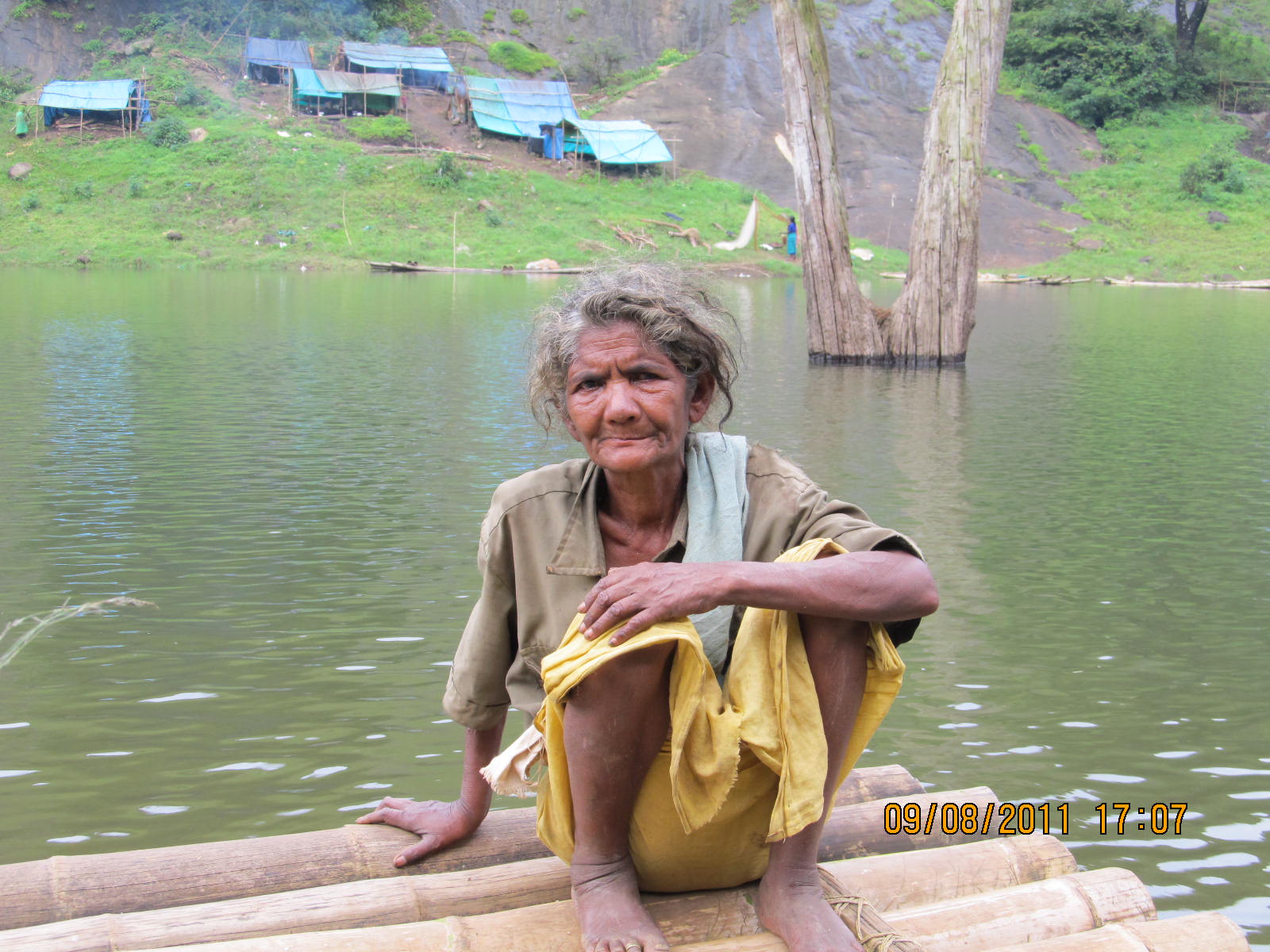
Since my childhood, I used to visit the forest and the tribal people frequently along with my father who had leased forest plantation land (Cardamom estate at mlapara, eastern region of periyar) at that time. Even now we continue to trek inside the  forest along with tribal peoples and tribal trekkers.

Periyar has four different types of tribal communities, among them the Mannan community is the most prominent. They are the aboriginals of  Periyar, about 350 Mannan families are living  in and around Periyar.  The Mannan community mainly inhabits Kumily Panchayat in Idukki district though their dwellings are also seen at Azhuha, Devikulam and Idukki block panchayats. The tribe has unique customs and rituals.

Continue reading

Any Given Monday

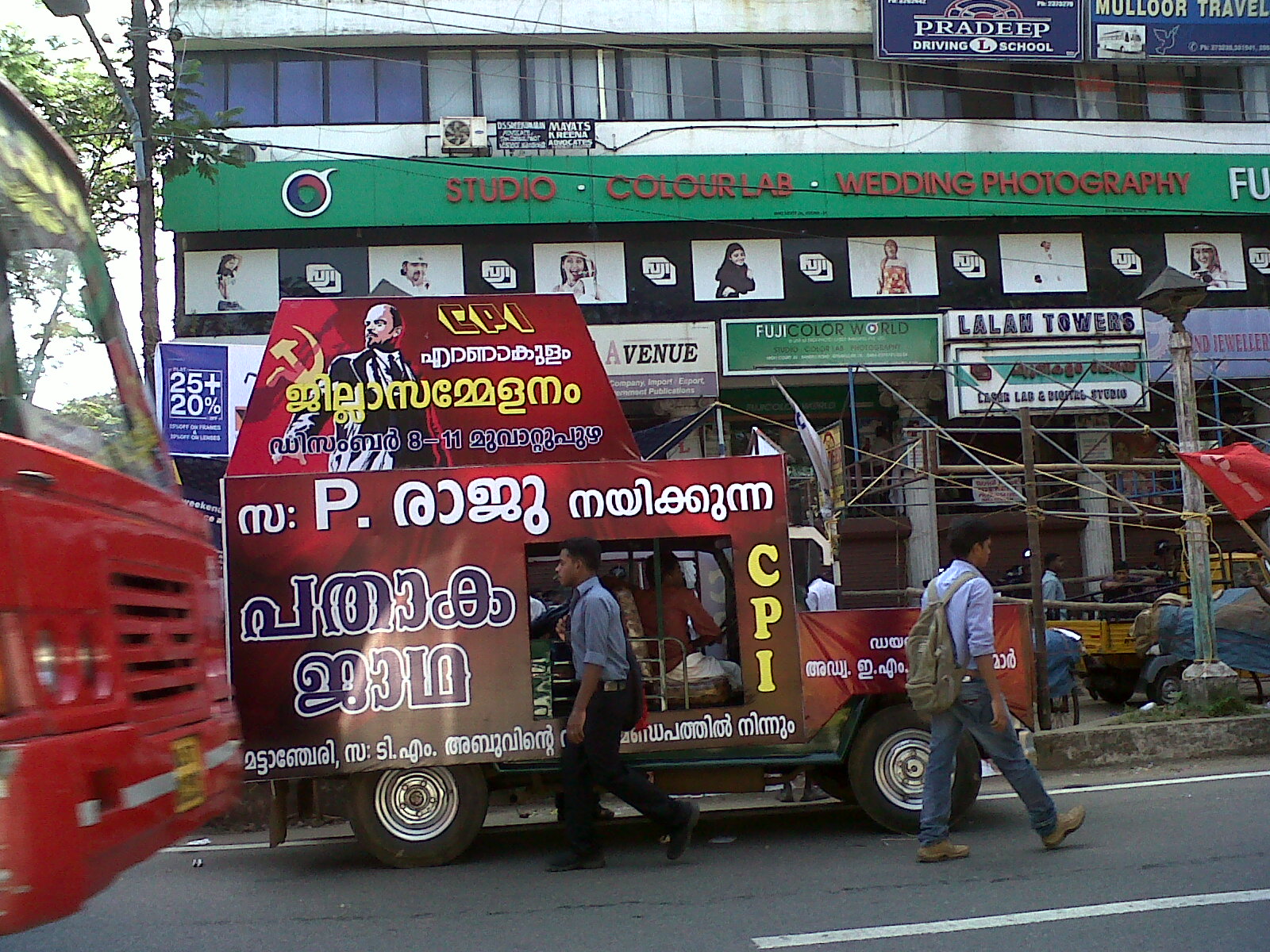
In the world’s largest democracy, there are a diversity of ideologies that would make any other democracy blush in modesty.  Today, on the streets of Cochin, you could have had a very small sense of that. Continue reading

Our Gang, Thevara (#10)

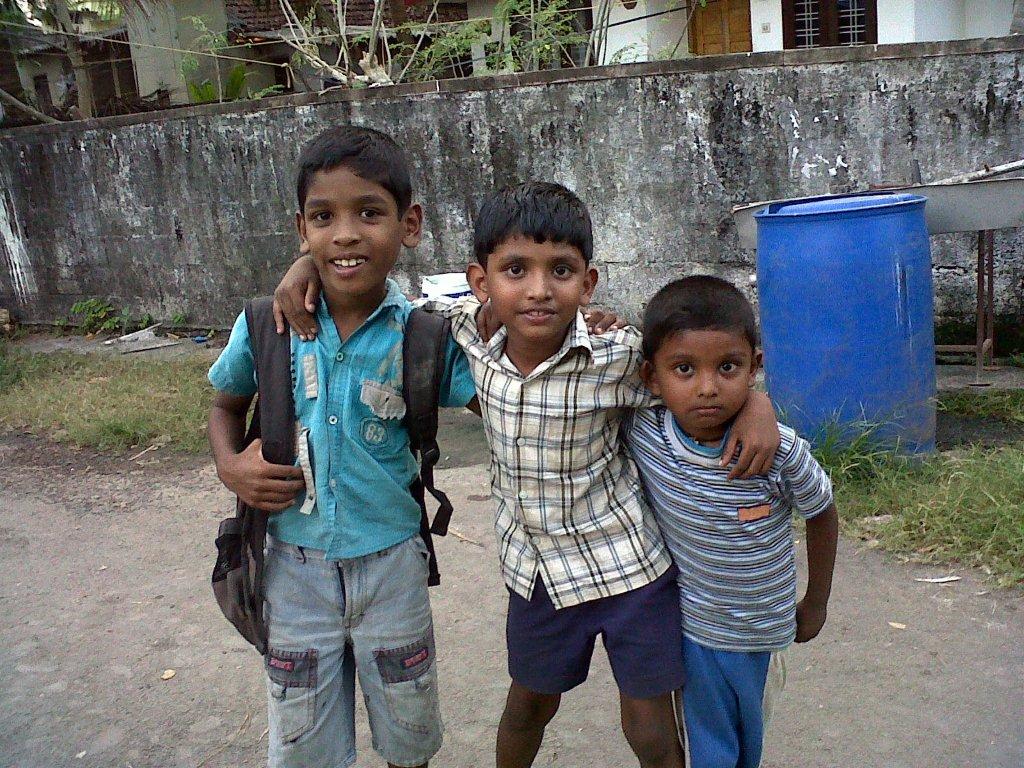
Two brothers and their neighbor buddy.  Thevara is one of our communities, part of Cochin (aka Kochi) and situated on the backwaters between the modern part of town and the older harbor sections of town called Fort Cochin and Mattancherry. Continue reading