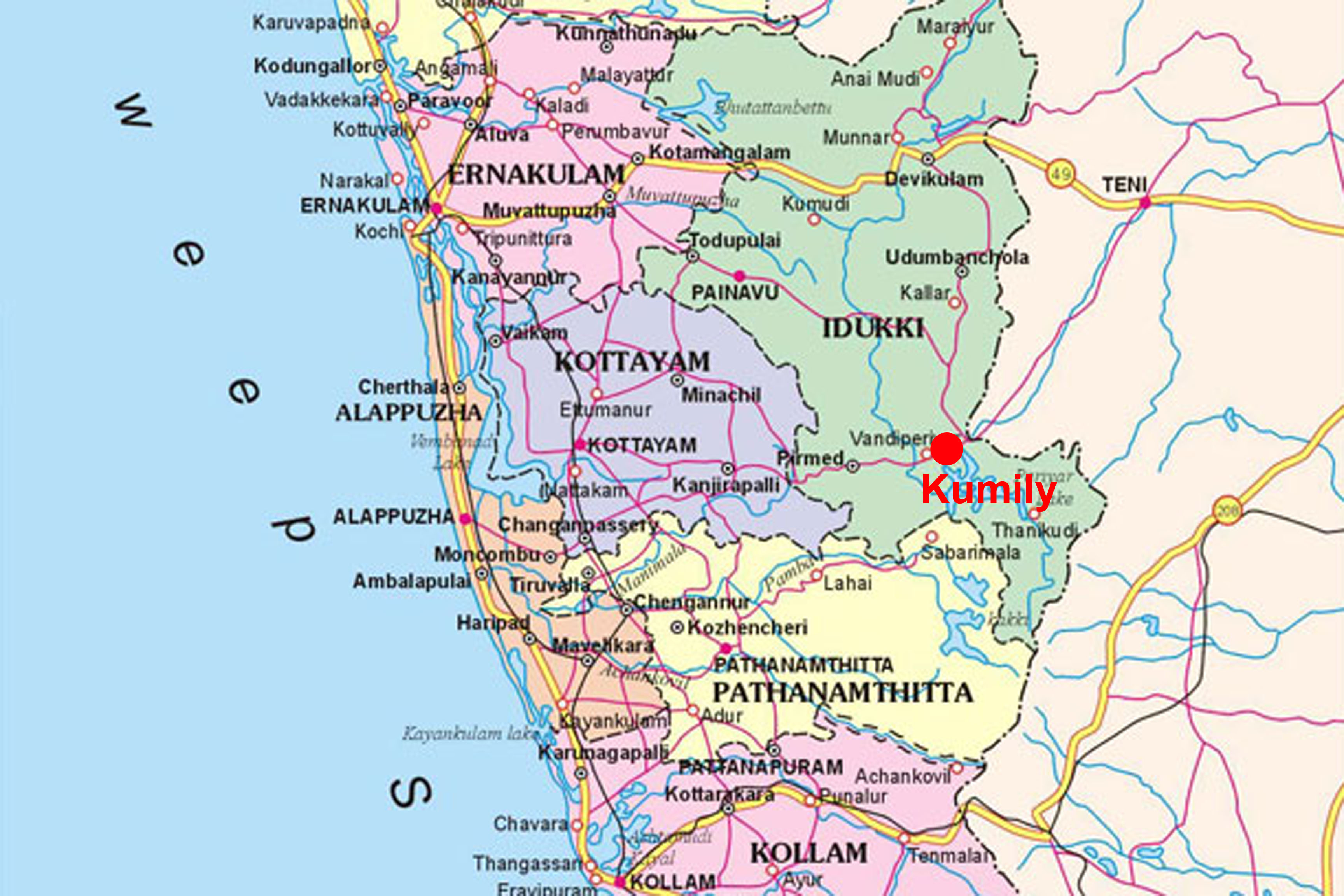
Cardamom County is located in Kumily, a small town adjacent to Thekaddy. Kumily is not as well known as Thekaddy as a tourist destination, which is one of the reasons why the resort’s official address is Thekaddy Road, Kumily. For many people one of the most interesting things about Thekaddy is its location: proximity to the Periyar Tiger Reserve. I found that the most interesting fact about Kumily’s location is that it is on the border of Kerala and Tamil Nadu.
Culture
Backwater Visions: Part 2

Backwater Visions: Part 1

Two Kerala cloud fronts prepare to collide over a strip of land bearing a bounty of coconuts in the Backwaters district of Alappuzha.
Geologists In Sacred Places
We appreciate the brave young scholars who choose to be geology majors in college. Especially those who do so without Exxon-Mobil in mind as a career track. Parents probably do not make a choice like this easy, any more than they encourage their kids to major in English (the major of some of our Contributors).
This Note From The Field by a Professor at Oberlin College gives plenty of reason to think that being a geology major could not only be interesting, but meaningful on other levels.
A Splashy Finish
Devas Chundan wins Nehru trophy boat race
“Alappuzha, Sunday, August 14, 2011: In a photo finish, snake boat Devas Chundan powered by oarsmen of Jesus Boat Club lifted the coveted silver trophy in the annual Nehru Trophy Boat Race, billed as the country’s biggest water sporting event, at Punnamada Lake here on Saturday.
Devas whizzed past Karichal Chundan of Freedom Boat Club and Muttel Kainakari of United Boat Club in a thrilling race….”
* * *
Here’s how Sung saw it:

Daily Thanksgiving Banquet
In 1621, Plymouth colonists and Native Americans gathered for an autumn harvest feast that set the precedent for today’s American Thanksgiving holiday. Thanksgiving traditionally brings families together (in-laws and all) to give thanks to the various aspects of their lives. Many memories are created and a cornucopia of food is shared. In my family, the holiday lingers until only the turkey carcass remains and the stuffing is amply stuffed into our bellies…a week later. See, we tend to err on the side of caution and over-prepare for the rare event that an extra ten people arrive to celebrate.
In one sense, Thanksgiving occurs every day in many restaurants—they over-prepare; however, restaurants are without the willing and unashamed stomachs of my family to eat their daily surpluses of food. As I mentioned in my previous post, much of this perfectly edible food goes to a landfill. Yet, food shelters are often unable to match their supply with their ever-increasing demand.
Increasingly, restaurants are 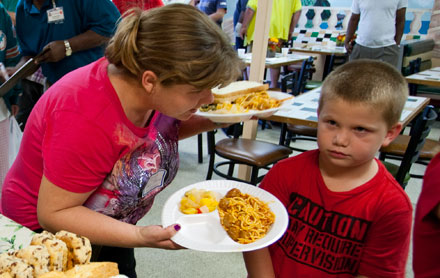 turning to local Harvest Programs to provide an alternative to discarding surplus food. With food donation programs, restaurants and other food service businesses have the opportunity to reach more than just their customers. Programs provide social, environmental, and economic benefits to businesses.
Donating helps disadvantaged members of any community. A Hunger in America study shows that one in eight American families rely on donated food. This outreach helps employees contribute to a greater good knowing that they are helping members of their community. It also helps food pantries better match their supply and demand so restaurants can serve more than just the traditional customer. Continue reading
A Round Of Races
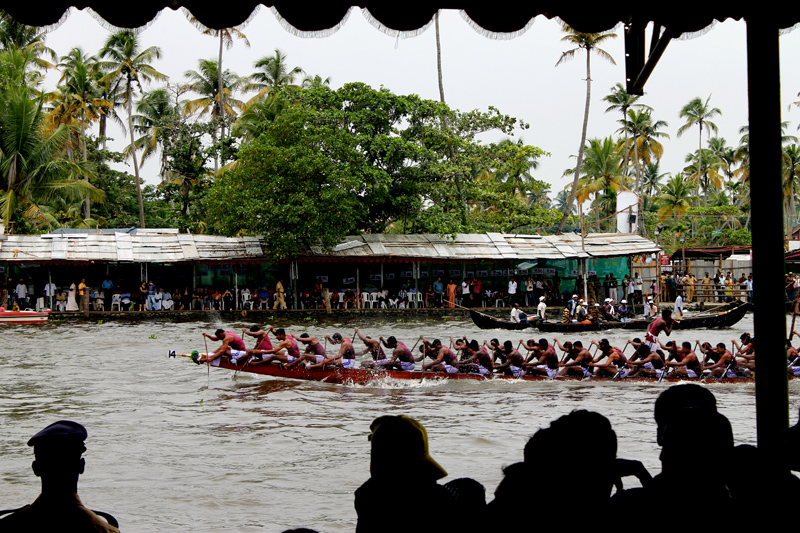 About one year ago today Crist, Milo and I fairly stumbled out of the Cochin Airport after traveling from Ithaca, New York*** and were whisked to view one of Kerala’s endemic sporting events, the snake boat races. Backwaters villages compete with one another in what traditionally commemorated the carrying of idols to the state’s many magnificent temples.
We had missed the fabled Nehru Trophy Race last year by a few days, but had arrived in time to see one of the other many races that occur every year around the Kerala harvest festival of Onam. The snake boats vary in size but the largest are over 50 meters long and slightly more than 1 meter wide with a high curved stern that represents the raised hood of a snake. It isn’t only the length and shape of the boat itself that is impressive. These races are almost certainly (someone please correct me if I am wrong) the sporting event with the largest number of members in a single team: manned (or “womanned”, as the case may be) by over a 100 oarsmen who row in unison to the fast rhythm of `vanchipattu’ or boatmen’s song. The boats are decorated for the races with flower garlands, adding an air of festivity to the shouts, songs and splashes.
Yesterday (as you can see in the photo above) we had seating in a covered pavilion Continue reading
A Model for Success: The Story of Amani Ya Juu
A friend of mine told me about a shop outside the center city of Nairobi that I had to check out. Anyone who knows me knows I’m a bit of a shop-a-holic, so I took a taxi over to Amani Ya Juu. To my delight, Amani Ya Juu is so much more than a store; it is a reconciliation project, a gathering center for marginalized woman, a place of hard work, and an entrepreneurial dream realized. Amani started in a garage with three eager refugee women, two from South Sudan and one from Mozambique. They used their stitching skills to develop a training program and a “fair trade” business. At Amani, fair trade means the women are paid not only a living wage, but enough to send their children to school, and provide for adequate housing and basic healthcare needs. They also value local culture, traditions, and procure materials locally. Now fifteen years later, Amani Ya Juu exports to the US, staffs over seventy marginalized women, and proves to be a self-sustaining and profitable project.
From the exterior, the shop looks like an adorable guest house with a quaint outdoor garden café to its right. Upon stepping into the shop, I’m greeted by a woman in the back sewing a mushroom pattern on a canvas pillow. She welcomed me and asked if I’d like a tour of the production center. Continue reading
Profile: Dr. Vinu & Ayurveda
A couple of days ago I spoke with the resident Ayurvedic Doctor of Cardamom County, Dr. Vinu. Having a family tradition in ayurvedic practice like Ratheesh, he completed a five-year BAMS (Bachelor of Ayurvedic Medicine & Surgery) at the Alvas Ayurvedic Medical College in Mangalore, Karnataka. Dr. Vinu’s connection to ayurveda comes from his father’s side. His grandfather, Dr. Cherian, was a traditional practioner of ayurveda. He told me about how in those days, everything was prepared by hand and nothing was stored for longer than a month. The doctor would prescribe everything personally and even gave recipes for the quantities and ingredients needed to prepare the medicines to each person individually. Interestingly, Dr. Vinu said that when he was younger he wanted to be an allopathic doctor, but that his family tradition led him to the practice of ayurveda. He laments that the long-term and more holistic process of ayurveda is being lost in this fast paced and hurried world and workplace.

In ayurveda there are five main elements, which also correspond to four of the treatment rooms of Cardamom County, the five being prithvi (earth), jala (water), tejas (fire), vayu (air), and akash (space). Dr. Vinu also told me about the importance of physical observation and pulse diagnosis in ayurveda. We discussed the three doshas or body constitutions, of Vata, Pitha, and Kapha. Continue reading
Easy Tips for City Living
As I eagerly prepare to head to Cardomom County in a few days to contribute some of my time and efforts to Raxa Collective on site, I’m packing up my apartment in Paris and thinking of the irony of leaving my little pot of coriander in the window for fields of spices in Kumily. I was growing coriander, basil and parsley – and before that, these lovely flowers my mother got me during her visit several months ago.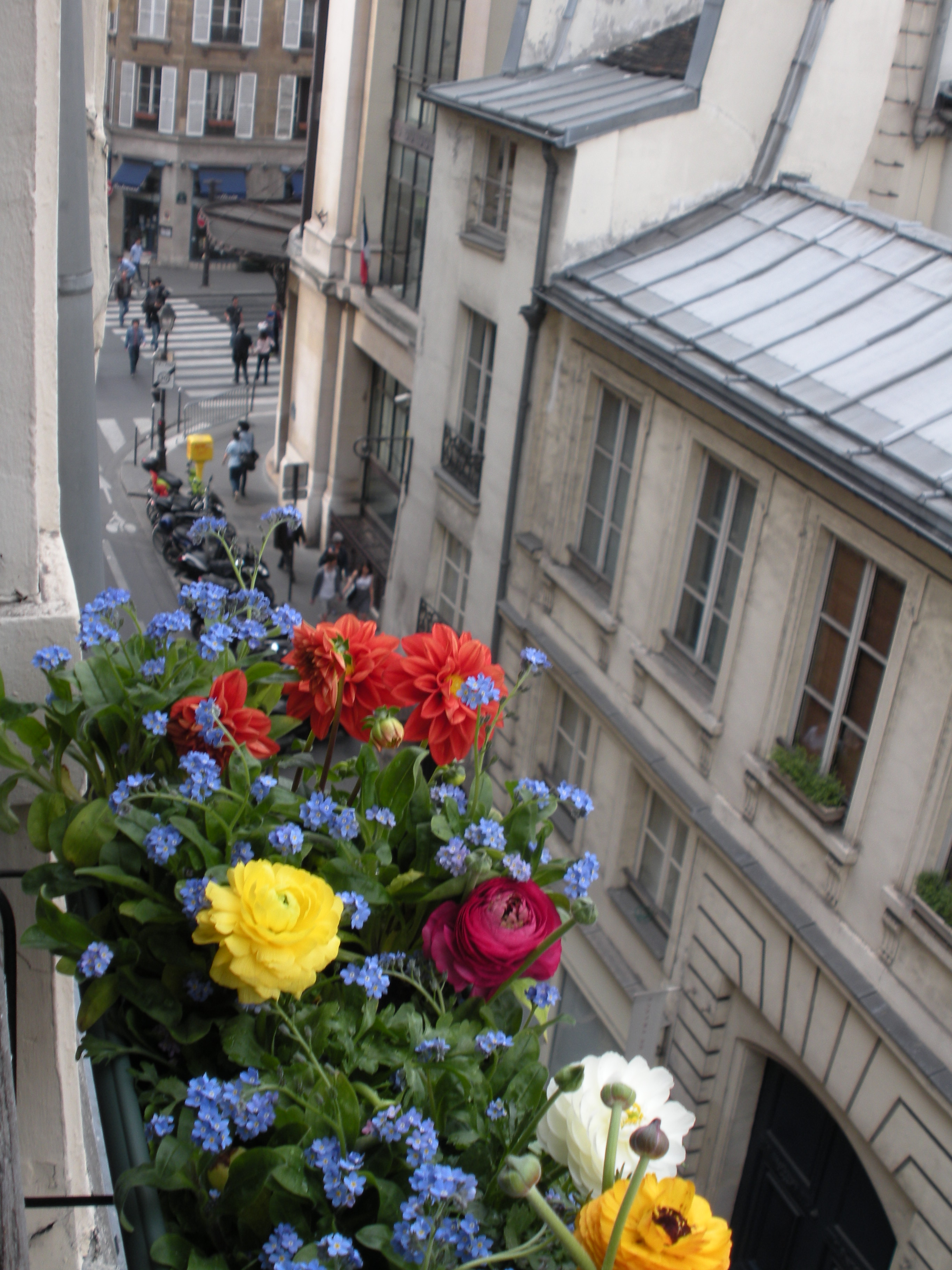
Growing my own herbs was a fun way to keep the kitchen an innovative little atelier. Basil was a must for anything remotely Italian, or Thai if I got so daring; parsley was hard to know what to do with at times but got its fair share of dicing in with many miscellaneous creations; and then of course there’s coriander, my preferred name for which is cilantro as I grew up with the herb in its Mexican context of carne asada tacos and guacamole. An absolute favorite flavored flora of mine.
In some countries, the mores of a city-dweller’s everyday life can somehow keep “environmental friendliness” in those darned quotation marks, and make the concept seem as remote as the rainforest. Continue reading
Wordsmithing: Entrepreneurial Conservation
Two previous posts about words pointed out how common usage can alter the course of their meaning over time in surprising ways. We might not even recognize the original meaning today, some perishing in dungeons and others flying too high for their own good. The risk of writing these particular posts is when their intent seems anything other than constructive. Who wants to cast a stone, first or otherwise? We live in glass houses, and all that. In the spirit of focusing on that intent, this quick post draws together two words: entrepreneurial conservation.
As any phrase should, these words together build something more valuable, more effective, than either could on its own. If words can be cousins, as implied in a previous post, then phrases can be part of an extended family too: these two words, as a phrase, share linguistic DNA with social enterprise, but OED does not know it yet. The phrase (and our work) recognizes that for all the heroic efforts of traditional conservation organizations—The Nature Conservancy, WWF, Conservation International, etc.—not to mention incredible government commitments to national and state parks throughout the world in the last century, there is still a deficit of conservation.
The world still loses more wilderness than it protects. Ditto for intangibles in the domain of cultural heritage. So, what else to do other than pitch in and see what we can do? And if it can be shown that conservation is good business, then more people and organizations will pitch in. Watch Adrien’s posts for more on this in Patagonia, and Reyna’s upcoming posts from the Galapagos Islands. Those are two pristine natural wonderlands with limited human populations. But also watch for posts from Kerala, India — where the story is more complex with regard to population growth and wilderness conservation. Or from Nicaragua, where we feel Morgan’s Rock is leading the way in Central America with a robust mixed-use model that makes use of each idea we have put on the anvil so far: resort (old meaning), luxury (new meaning), entrepreneurial and conservation (combined meaning).
Staff Profile/More About Those Superstitions
Harvey Lopez, until two years ago, was a student at the Universidad National Autónoma de Nicaragua (UNAN) in Managua, studying English on a scholarship. He came to work at the Morgan’s Rock reception at the recommendation of a friend working there at the time, but after one year he became a guide when the position became available. Nowadays he spends his time taking guests on tours or studying the various wildlife books to build his knowledge of local species. These are the same guidebooks that I’ve been using to identify some of the animals in my photographs.
Harvey enjoys sharing popular Nicaraguan countryside myths during nature tours; Latin American lore equivalent to, but a bit less ubiquitous than, the infamous chupacabra. Night walks are especially good tours to tell the tales, since the only illumination comes from flashlights, stars, and reflections in animals’—especially spiders’—eyes, and the stories’ topics fit the dark and quiet atmosphere.
He presents these myths as “creencias,” or beliefs, from small towns like the one he grew up in (Tola, 13km from Rivas):
- Cadejos are a pair of dogs that appear to travelers at night. One is huge and black, and follows you till it finds an opportunity to attack. The white dog is more of a guardian and is supposed to protect you from the evil one. These cadejos commonly appear to men who are walking at night in dark streets, especially those traveling in a state of fear or inebriation.
- Lechuzas, or owls (Harvey says screech owls in particular) are omens of death. When their cry is heard in a village, one is supposed to say “en la otra esquina,” or “on the other block,” to ward the bad fortune off to another area so that one doesn’t wake up dead.
- A duende, which translates as elf, troll, goblin, and sprite, is a supernatural creature that when seen by adults (an uncommon occurrence) appears only as a shimmer in the air. They play with children, specifically those who misbehave, and lure them to their own land (considered by some to be hell). These children are stolen and never seen again. This portrayal of elves or fairy-folk might be as common elsewhere around the world as the chupacabra, but has less of a presence in tabloids and a more mythological nature.
- The ceibón tree, Bombax emarginatum, is a mysterious and often spiny tree that houses Continue reading
Seeds of Change
Guest Author: George M. George
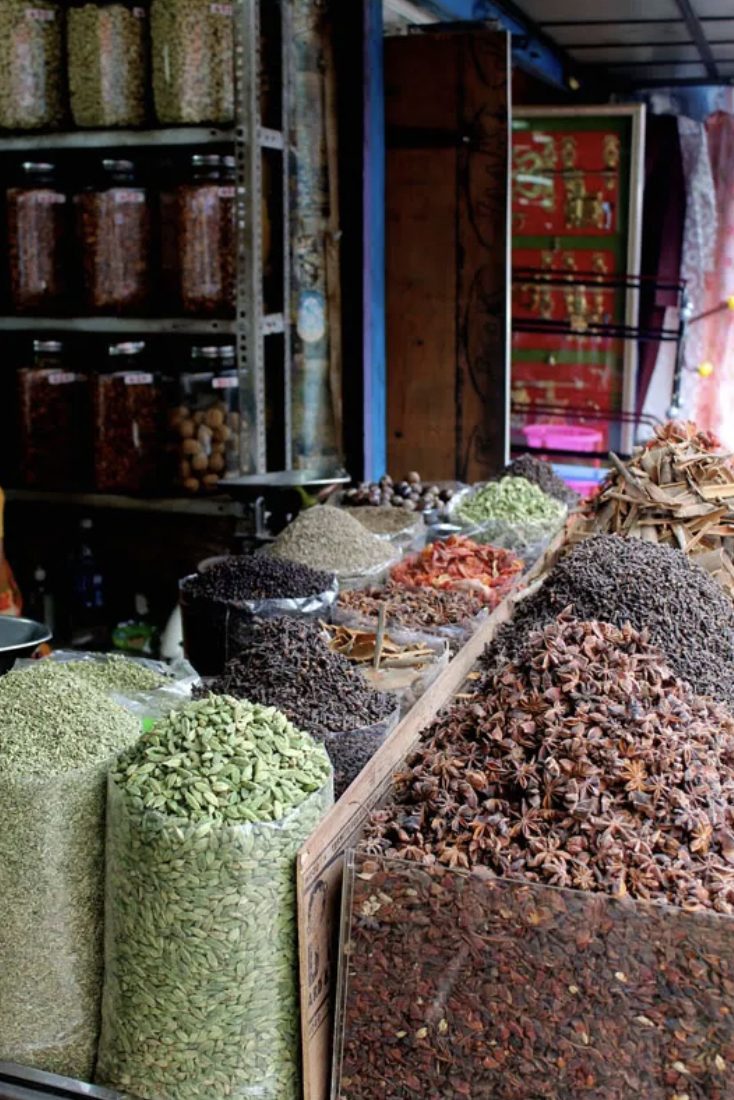 Most people talk about the Periyar Tiger Reserve as a vestibule of abundant wildlife—one of the last that still retains its serenity and pristine ambiance. A trip to the sanctuary while visiting Kerala is a must-do, even if it means praying on bent knees to the powers that may be, hoping to catch a glimpse of the true king of the rainforest, in addition to the other creatures of the wild.
My fascination with wildlife and the enthusiasm that preludes every visit to Periyar is without boundaries. Yet prior to every visit within the sanctuary, I feast my eyes on the tracts of spice plantations that border the protected wilderness areas of the Western Ghats: cardamom, pepper, star anise, turmeric, nutmeg, cinnamon and cloves (just to name a few). Coating the landscape on the outskirts of the forest, they make me wonder if we have forgotten a bit of the past that is relevant even today. A fascination with spices is not something new for the people of Kerala; they have been cultivating and cooking with them for centuries: the delicate preparation of their mouth-watering dishes, soaked in the quintessential (and compulsory) coconut milk and/or oil inspires this post.
Profile: Anu & The Reception
Over the past number of weeks, I have spent much of my time in and around the reception, working with the ever-smiling and cheerful Anu, the Front Office Manager here at Cardamom County. Having spent five years here at Cardamom County, she is a seasoned professional who always keeps guest feeling happy and welcome.
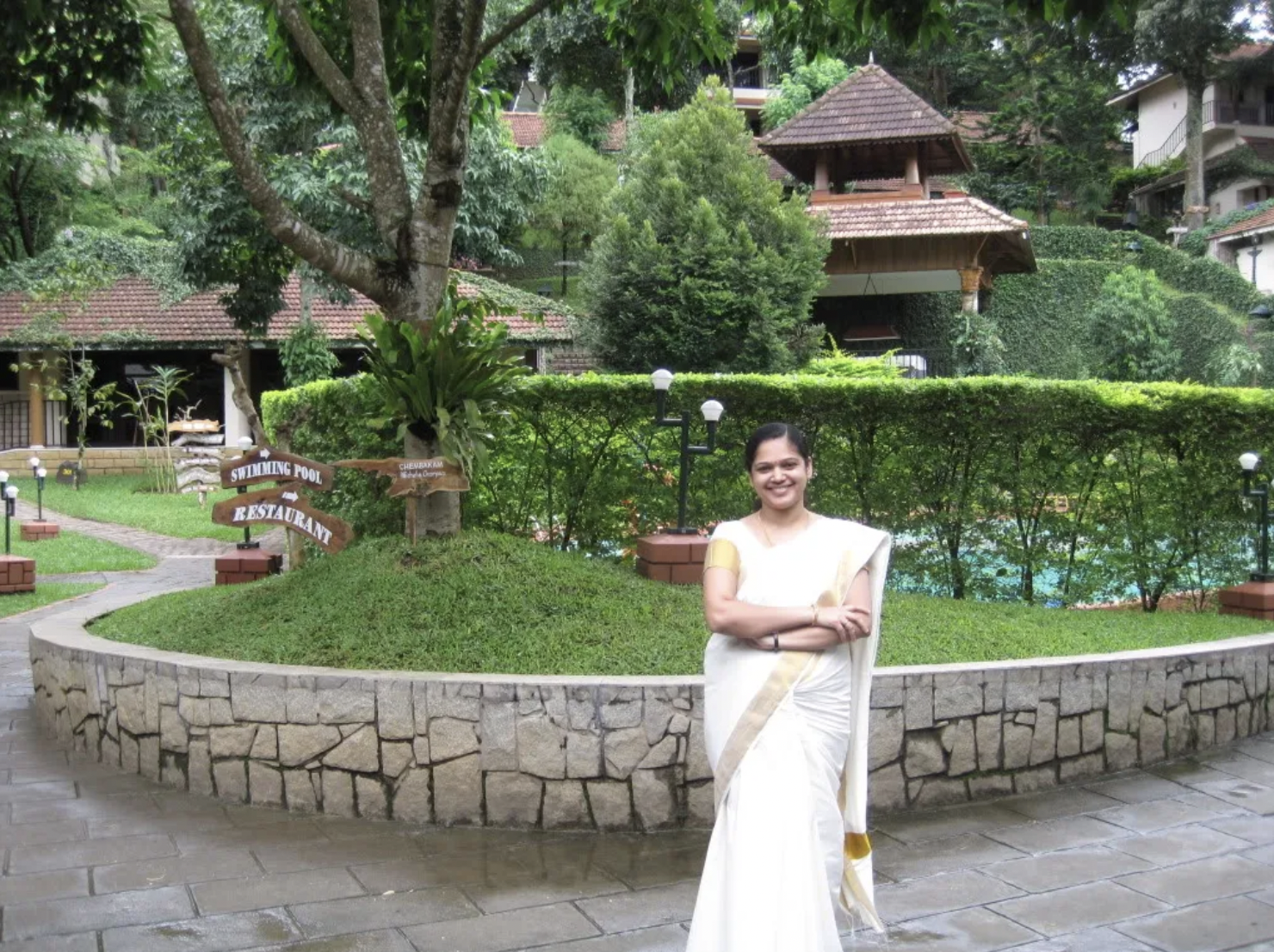
At the reception, guests are welcomed in the traditional way of Kerala. This involves giving the guest a sandalwood aarthi tikka on the forehead. This beautiful ritual includes a thalam (a special tray) with a small lamp or nilavilakku & small vessels, including a kindi and a para, which contain oil and kerala rice, a brown speckled and starchy specialty of the state. Continue reading
Profile: Varghese & Resource Management
A few days ago I spoke with Varghese, the restaurant manager and head of the food and beverage department here at Cardamom County, who prides himself in running a tight ship and making sure that guests are at their happiest. Varghese is another long-time member of the Cardamom County family, originally arriving here eleven years ago, in 2000. Having taken a two-year hospitality course in Ravipuram in Ernakulam (the same district housing Cochi), at a school that has now shifted to become the Fort Munnar Catering College in the misty mountains of nearby Munnar, and training with Taj Group of Hotels, he arrived to fill the role of a restaurant supervisor.
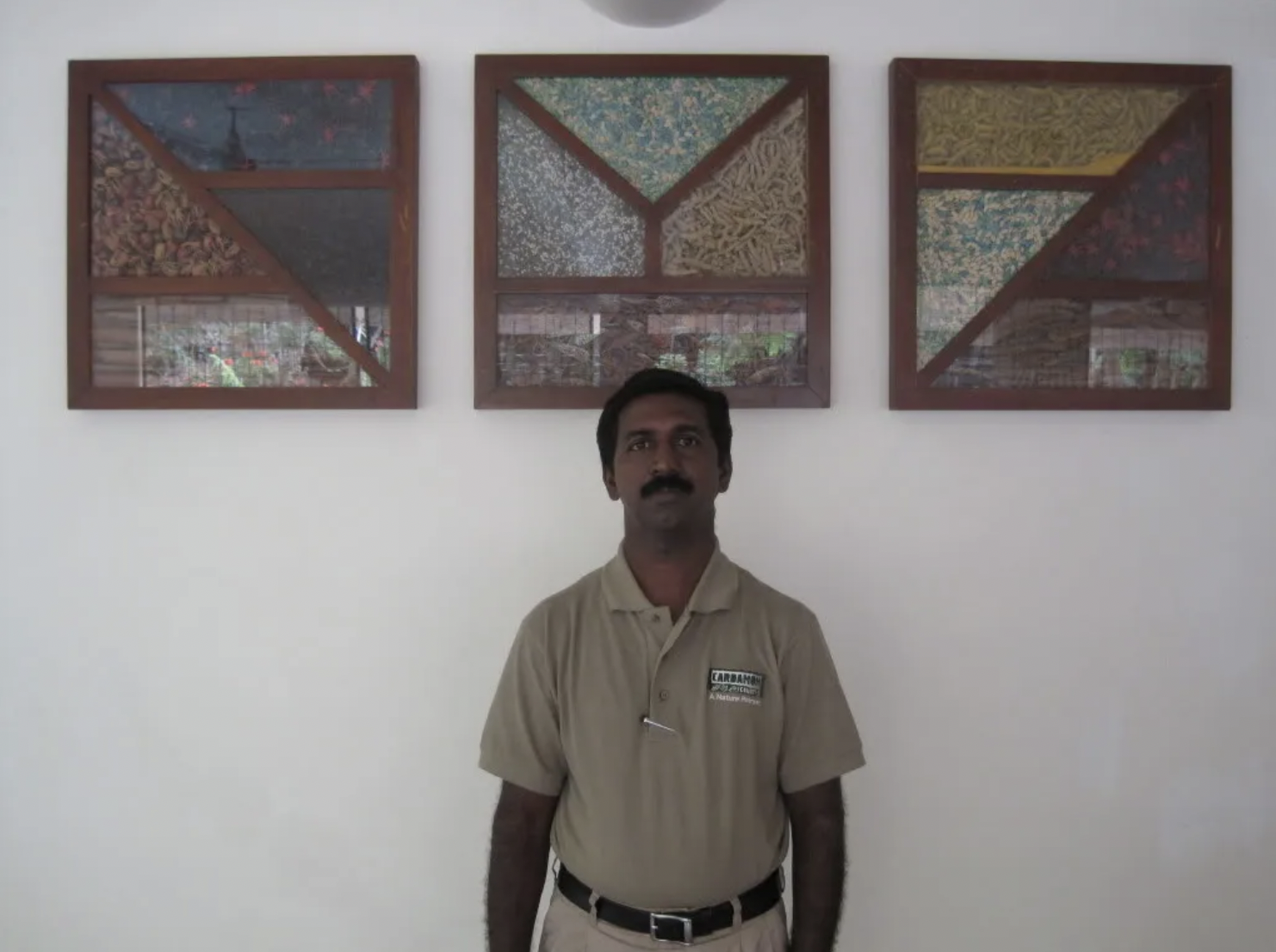 Varghese told me about his Uncle Phillip who was one of the many well-educated people from Kerala who went over to a Gulf country, in this case being Bahrain. We talked about this brain drain, which Varghese mentioned had been going on since as early as the 1970s. The highly educated people and professionals of Kerala go in search of new opportunities, higher living standards, and money to send back home. Varghese also talked about Arabic being a language that is not too difficult to pick up, especially because of the difficulty and speed with which the native tongue of Malayalam is spoken. However, what is interesting to note is the stark contrast of climate between the Gulf countries and Kerala, the former being very dry, arid, and hot with the latter being humid and comfortably cooler especially at higher altitudes near the Western Ghats such as here in Kumily, Idukki. Continue reading
Wordsmithing: Luxury
Luxury is another word we avoid. Odd since we often eat like epicureans, sleep on fine linens when we can, and comfort is generally a creature we adore. But not odd, considering the work we do, and where we do it. Not all things can or should be available in all places, especially if conservation is the point, and collaborating with communities is the means to the end. Our friend and future Contributor Reyna hints that she will have a thing or two to say about this in the future. With regard to rethinking luxury, the Galapagos Islands provide a superb vantage point.
Why rethink it? That is, why do we avoid this ubiquitous word? OED tells us that this noun refers first and foremost to “lasciviousness, lust”. That is a good enough reason, for starters. By the third entry the definition eases up a bit, to “the habitual use of, or indulgence in what is choice or costly…” but still not much to write home about. The first ray of light is in the fourth entry, depending on a snippet of Dryden to poetically license us to re-visualize luxury: “Hard was their Lodging, homely was their Food; For all their Luxury was doing Good.”
But we do not need to go back 300 years, get too poetic, nor be preachy about it. Liberating this word may start with the therapeutic effects of pristine wilderness areas; the opportunity to disconnect on occasion from our normal, wired modern lives; the privilege of getting to know communities of people whose lives are different from our own. In short, some of the reasons why people travel. And if we can consider this lust for life, luxury is inevitable.
Careful What You Fish For
A recent article in TIME Magazine alerted me to how easy it is for us as consumers to shrug off the warnings of a changing world. I am guilty of it and I have caught myself, and hope that with this change I pledge to make, you might think about it too…
I’m humbled by the cognitive dissonance of knowing how sensitive the planet’s oceans are while hungrily indulging in sushi and fish filets with a comfortable negligence regarding their origins. Food choices like these, the effects of which are typically underestimated as a mere drop in the ocean, are proving to have a bigger ripple effect than we’d like to think. And it’s high time we all thought about the fish on our dish and just how it got there.
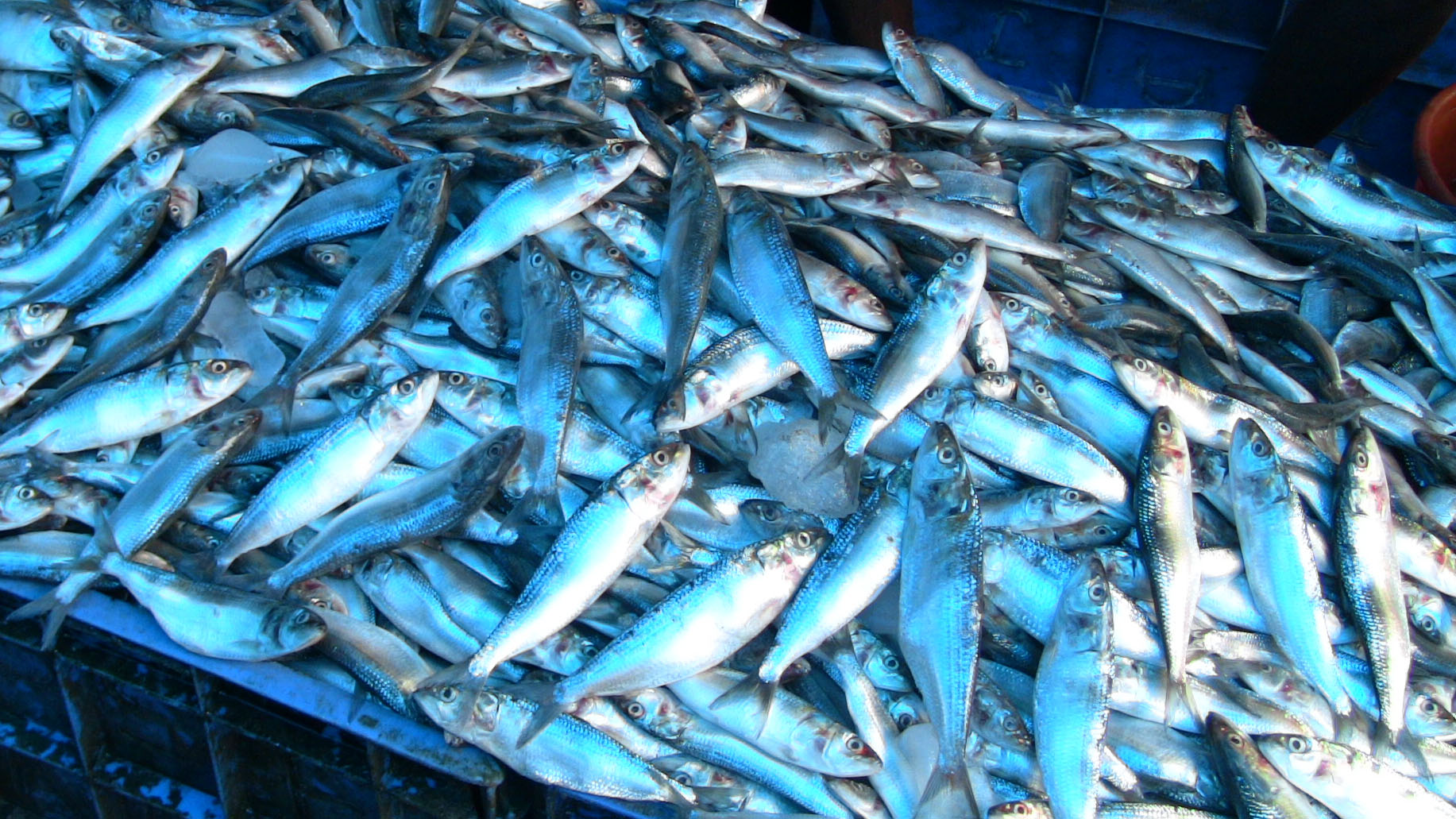
The article in TIME by Bryan Walsh reminded me of a memorable excerpt from a conversation between some friends of mine:
Q: “So what did porcupine taste like? Does it taste like chicken?”
A: “It tastes like… have you ever eaten donkey?”
As hysterical as it was for me at the time, it made me think, is the sometimes absurd variety of the human palate an evolutionary response to a scarcity of resources?
Ok so there’s no imminent extinction of livestock; there is many a happy cow in California, the UK alone consumes nearly 30 million eggs per day, and just look at New Zealand’s sheep-to-people ratio. But what about the animals we still hunt for sustenance? Continue reading
The Oldest City in Central America

Pierre and I took a walk around Granada today with Mombotour guide Gustavo, a native of the colonial city. Our first stop was the San Francisco Monastery and Church, the oldest church in Central America, which has been converted (aha) into a museum of colonial and pre-Colombian history. Probably built on the site of an indigenous temple, the monastery later became a school, then the museum. It also recently underwent a restoration project, since earthquakes have especially strong effects on such old architecture as Granada’s churches.
Gustavo led us through each of the rooms containing an exhibit, such as ancient pottery, contemporary art replicating historical or cultural scenes, and zoomorphic stone statues. He explained some of the beliefs held by the indigenous groups, which were often influenced by northern tribes (Mayans, Toltecs, and Aztecs) and South American indigenous nations, as well as the Spaniards’ opinions of them. For example, the rain god was considered to have four sons at the cardinal points. Ritual offerings such as those depicted in this painting were thought to bring fertility to the soils. Spaniards were also quite surprised to see the symbol at the base of this statue, not knowing that it represented the cardinal points and not the savior. Continue reading
Sweet NicarAgua
This morning Pierre and I went on a trip facilitated by Mombotours, using Detour bikes and NicarAgua Dulce kayaks. Eddy, our guide from Mombotour, arrived after breakfast and drove us to Detour, the bike rental shop. We picked up three bikes and left Granada’s hub towards the shore of Lake Cocibolca. The Mombotour driver followed behind in the truck in case we had any bike problems or accidents. We hadn’t gone more than two or three kilometers when the truck’s presence became needed. I’d accidentally driven over some glass, and punctured my tire in two places with tiny shards. With the tools and spare tube in the truck we were able to fix this unfortunate damage within twenty minutes, and Eddy’s training made my negligible REI workshop experience unnecessary.
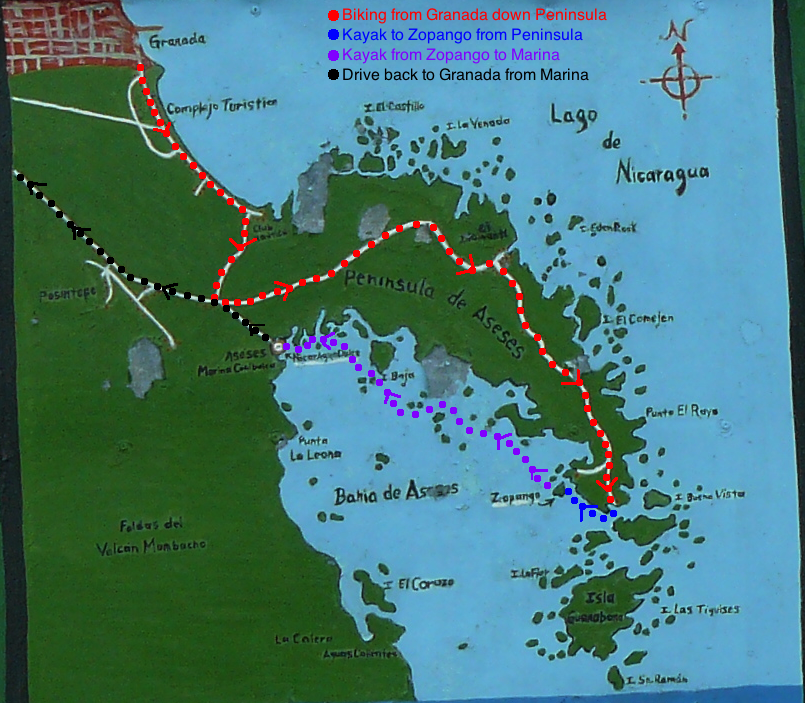
The rest of the bike trip, which lasted about an hour and a half, was without further perforations, and we enjoyed riding up and down muddy dirt roads, dodging stones and chickens along the way. The mountain bikes performed very well and changed gears fluidly, which is always a nice surprise. We rode down along a peninsula till Continue reading
Carpe Fructus!
Recently, after finishing my shopping at the central market we were on the return drive when I glanced to my left and saw a pushcart full of Rambutan and Mangosteen. I quickly asked Shibu to pull over so I could make sure it wasn’t my imagination. I have to acknowledge that this was one of the many market-going moments when I wished I’d remembered to tuck the camera into my bag!
The cart had a pile of each fruit…the rambutan (looking like a Martian lychee covered with rubbery “hairs”) ranging from dark red to brownish maroon, and the mangosteen, a beautiful purple brown bordering on eggplant with little stems attached to a woody cap like a circle of flower petals.

There were more mangosteens strung up like Christmas garlands by their stems. Continue reading
 Organikos