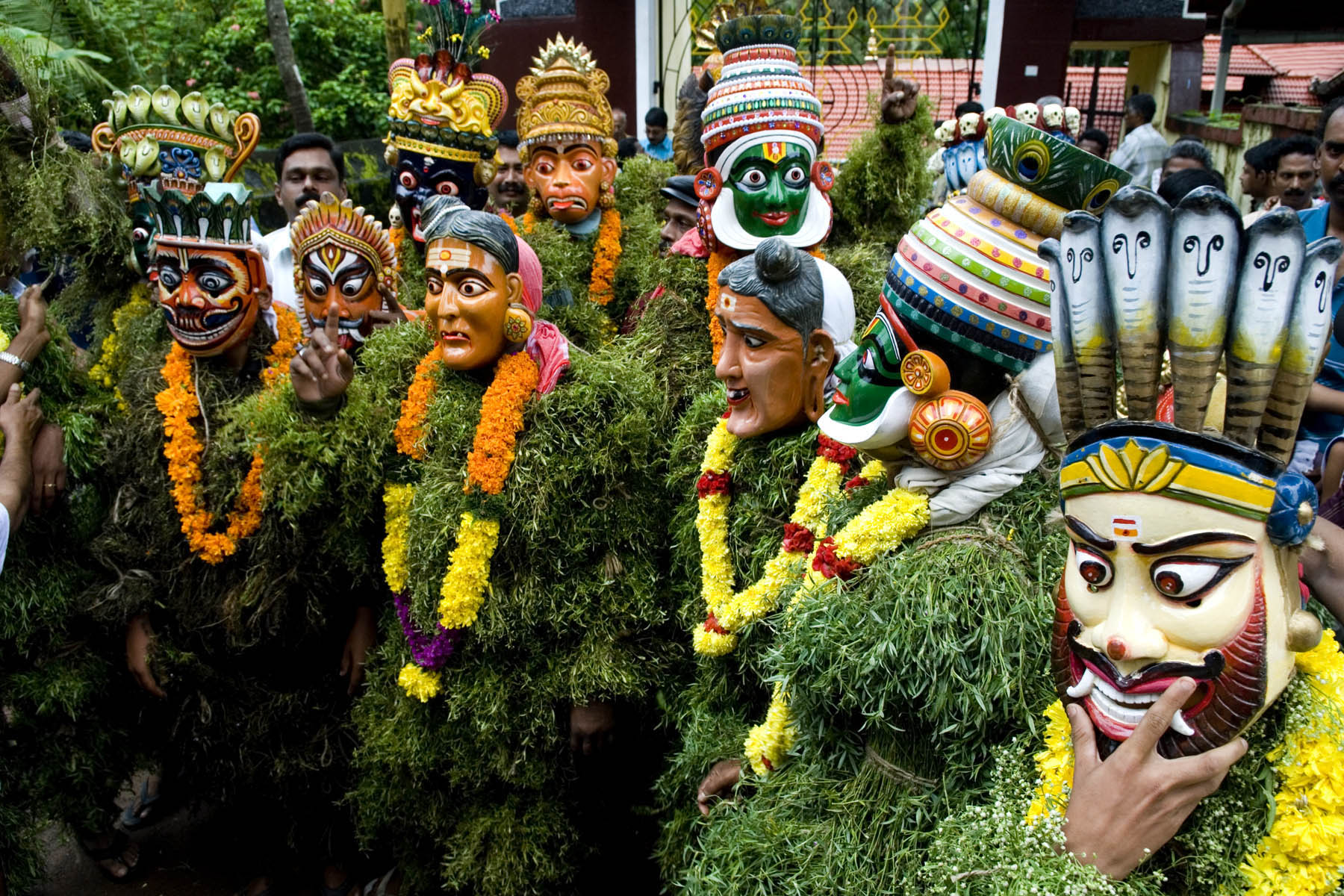
Kummatikali is a folk dance celebrating the arrival of the legendary King Mahabali to visit his subjects during the festival of Onam. It is believed that the presiding deity of Vadakukumnathan Temple in Thrissur asked the attending spirits to perform for him. The dance they presented came to be known as Kummatikali. Continue reading
Dance
Nangiar Koothu – Traditional dance of Kerala
Nangiar Koothu is an offshoot of the Koodiyattam theater which combines dance and drama. The dance is performed by women of the Nambiar clan (scholars in Sanskrit) called Nangiars and hence the name Nangiar Koothu. The theme of Nangiar Koothu is the story of Lord Krishna as described in his historical texts called Sree Krishna Charitam. It commences with a ritual dance called Purrapad. Continue reading
Chakyarkoothu – Traditional Dance of Kerala
The elegance of the classical dances of Kerala are a result of the various cultural influences that took place in the state. These classical forms are a delicate fusion of ancient classical texts and folk traditions, making them distinctive and unique. The Koothu is a solo narrative act. As the performers of the Koothu are from Chakyars- a Brahmin community, it bears the name Chakyarkoothu. Continue reading
Southern City of Light
Guest Author: Denzel Johnson
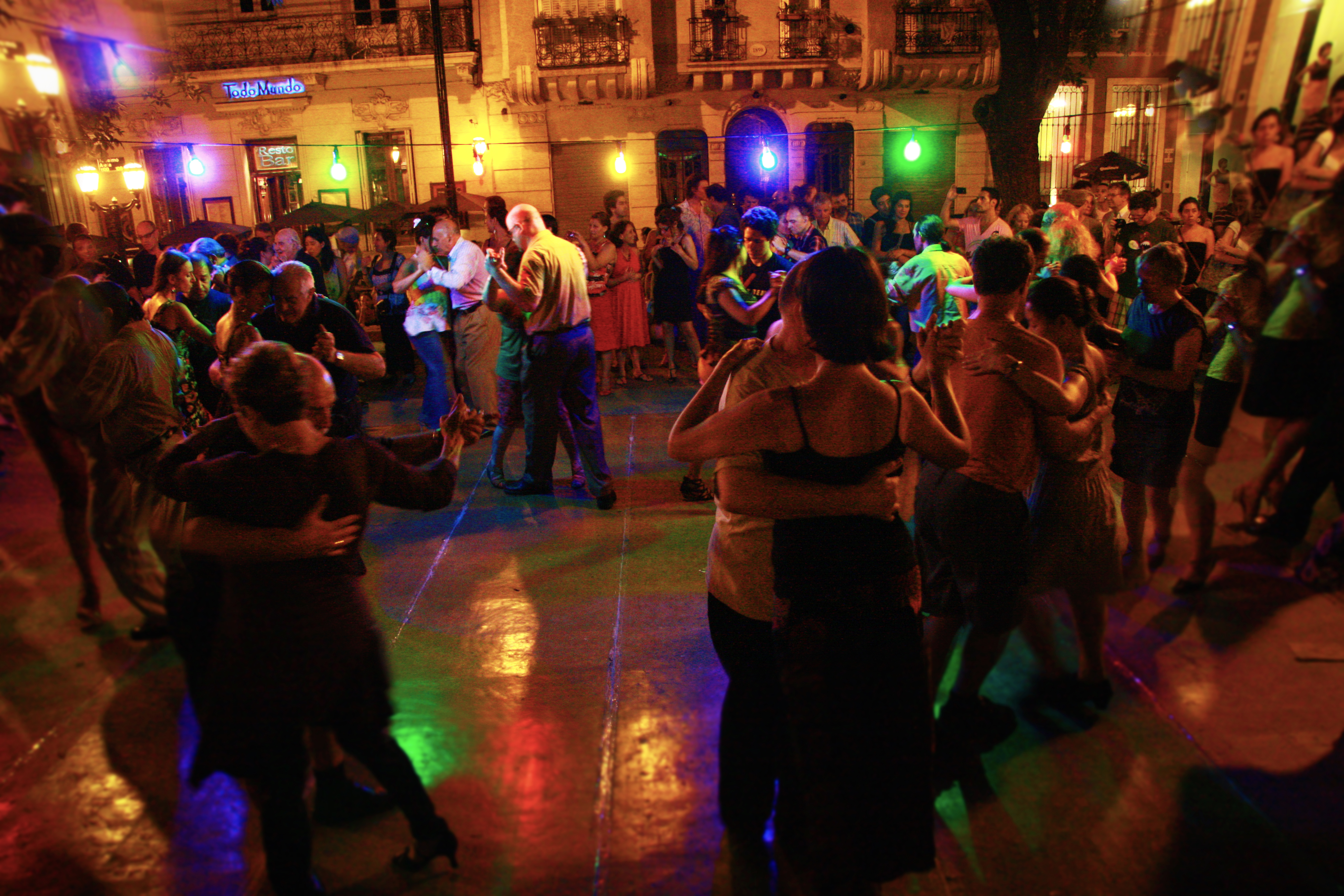
During the 1800’s Buenos Aires hosted a wealthy group of people in what is today’s most popular district- San Telmo. The district today is as popular as it could be and hosts a series of events that accommodate locals as well as tourists as they flock between the clubs and cafes. Continue reading
Velichappadu – Mediator between dieties and devotees
The Velichappadu or Komaram (oracle, or revealer of light) is an integral part of the rural life of Kerala. The Malayalam word Velichappadu literally means “the one who throws light on any problems”. Believed to be a representation of the deity in a temple, oracles often belong to a particular family. Dressed in red and adorned with heavy ritual ornaments and garlands, they often carry heavy hooked swords. The deity is believed to speak as the Velichappadu dances, delivering the frenzied forecasts. There are both male and female Velichappadus.
Thiruvathira Kali, Traditional Dance of Kerala
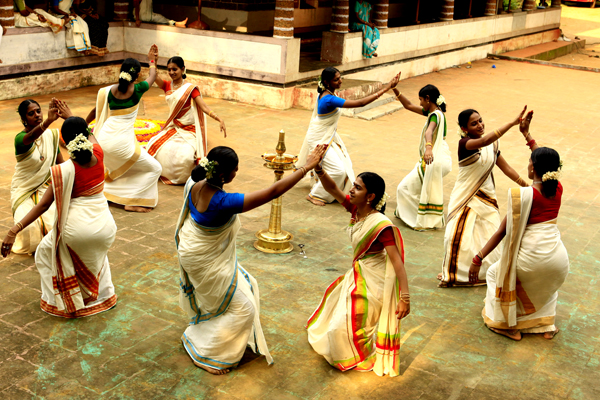
Since La Paz Group started working in Kerala last year, we have been in learning mode, especially with regard to cultural traditions. Dance is an essential part of Kerala’s cultural fabric. Thiruvathira kali is one of the typical dance forms here. This is a female group dance made up of simple, elegant steps. In ancient times, women performed this dance in their homes during festivals and functions, giving it the Malayalam name aka Kaikottikali: aka-inside + kaikottikali-play claping hands. Lore has it that Thiruvathira Kali is remembering Lord Siva taking Parvathi as his wife. The group of women dress in typical Kerala style — mundu and neriyathu and the hair in a bun, adorned with jasmine garlands — and perform this dance during festival seasons. Kaikottikkali spreads the message of joy and also illustrates the emotions of a married woman towards her beloved and of the unmarried woman longing for one. Continue reading
Sound Suits
I’ve written about numerous artists who have just the right “tinker’s eye” to see the aesthetic potential in what many would call trash. But as far as I know, Chicago based artist and educator Nick Cave (not to be confused with the deep voiced musician of the same name) is the only one to take the next step to turn sculpture into a kinetic, interactive celebration. Continue reading
Bollywood Century
As several of us prepare to celebrate a couple years of residence in India, and this site approaches its first birthday, a certain theme song (and equally essential accompanying dance) comes to mind. Therefore, a big thanks to The New Yorker‘s James Pomerantz for posting this reminder:
While it may seem like just yesterday that the silent film “Shree Pundalik” was released in Mumbai, May 18th marks the hundredth anniversary of what many consider to be the first Indian film made. The past century has seen India grow to become the world’s largest producer of films…
Mohiniyattam – Classical Dance of Kerala
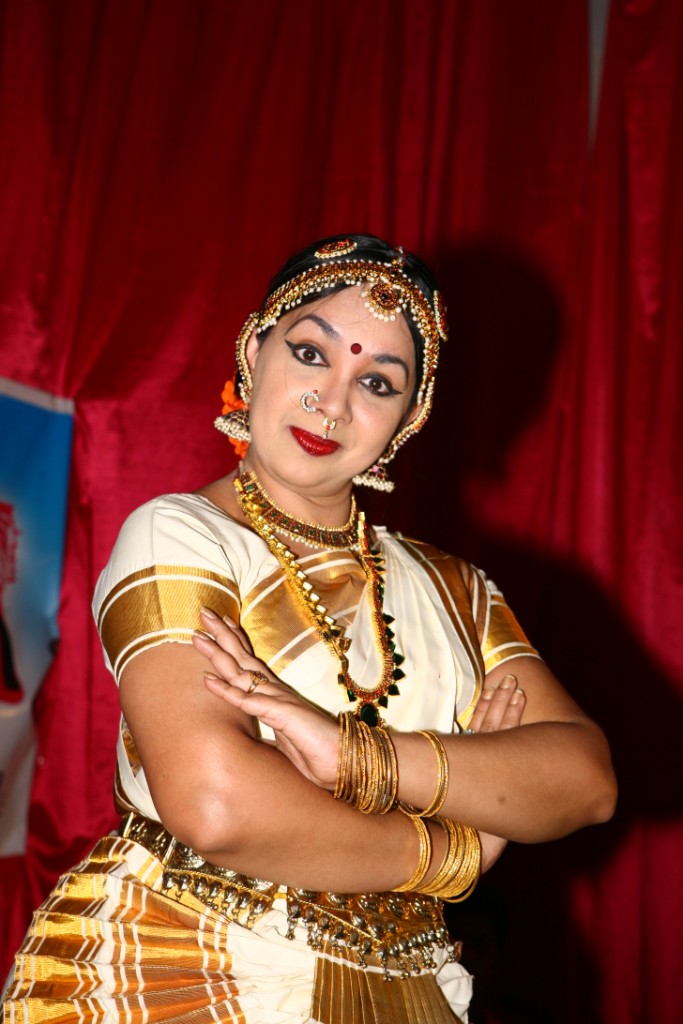
Mohiniyattam is a classical dance form which is believed to have originated in Kerala. Mohiniyattam is a fusion of Bharthanatyam with the dynamism and vigour of Kathakali. This dance performed solely by women was once only seen in Temples and Royal Courts.
Dance Now
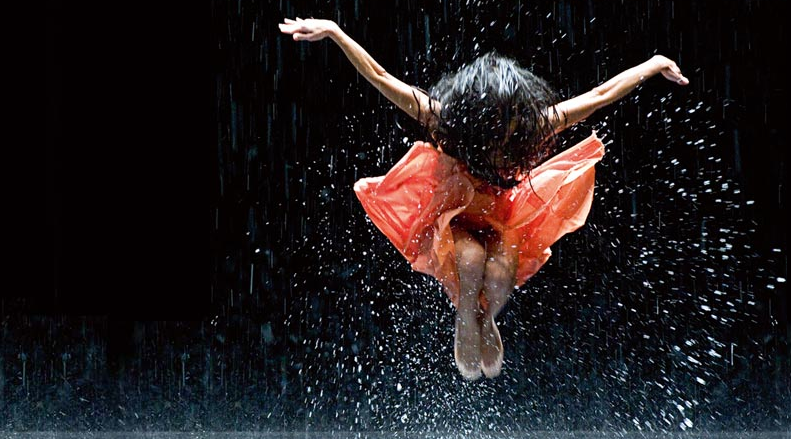
Throughout human history Dance has been a form of culture that is much greater than the sum of its parts. Wordlessly it has the capacity to tell stories, communicate with deities, perform rites of passage, lead a people to war or join them together.
Whether linked to seasonal activity in villages or the entertainment history of the 20th century, dance is part and parcel of the human condition.
In the cinematic world director Wim Wenders has made a career making films that do similar things. Continue reading
Dance Then
Click the image to the right for a wonderful reminder, in the form of book review, of what makes dance uniquely suited to certain important cultural tasks:
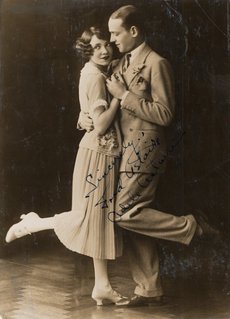
Now that The Artist has whetted our interest in the silent film and the revolutionary impact of sound, it may be time to reconsider the career of the man who made the conversion to sound the basis of a whole new kind of movie, Fred Astaire. The Artist suggests quite accurately that the definitive event of the new sound era was the arrival of the film musical. Sound meant music; music meant jazz. But the technological transition was slow. After the first feature-length sound movie, The Jazz Singer (1927), which starred Al Jolson, it was six years before the advent of the Jazz Dancer proved that talking and even singing mouths were not nearly as expressive in the new medium as dancing feet, especially and almost exclusively the feet of Fred Astaire. Astaire and the difference he made to the film musical add up to more than the story of one career. No other film genre provided as perfect a synchronization of sight and sound or an experience as exhilarating, and that was very largely Astaire’s doing. Continue reading
Bharatanatyam
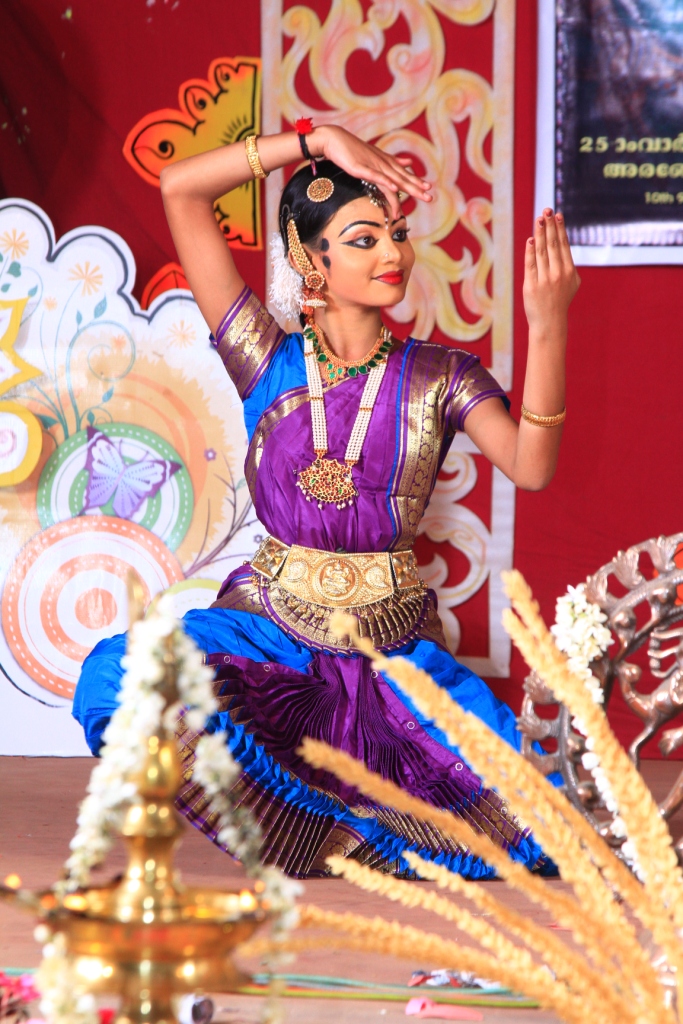
Bharatanatyam originated around 2000 years ago, making it one of the most ancient of all Indian Classical Dances. It is performed along with south Indian vocal songs and with instruments like violin, flute, Mridangam (drums) etc. In the ancient times it was only performed in the temples and courts of South India.