A Few Etruscan Tombs

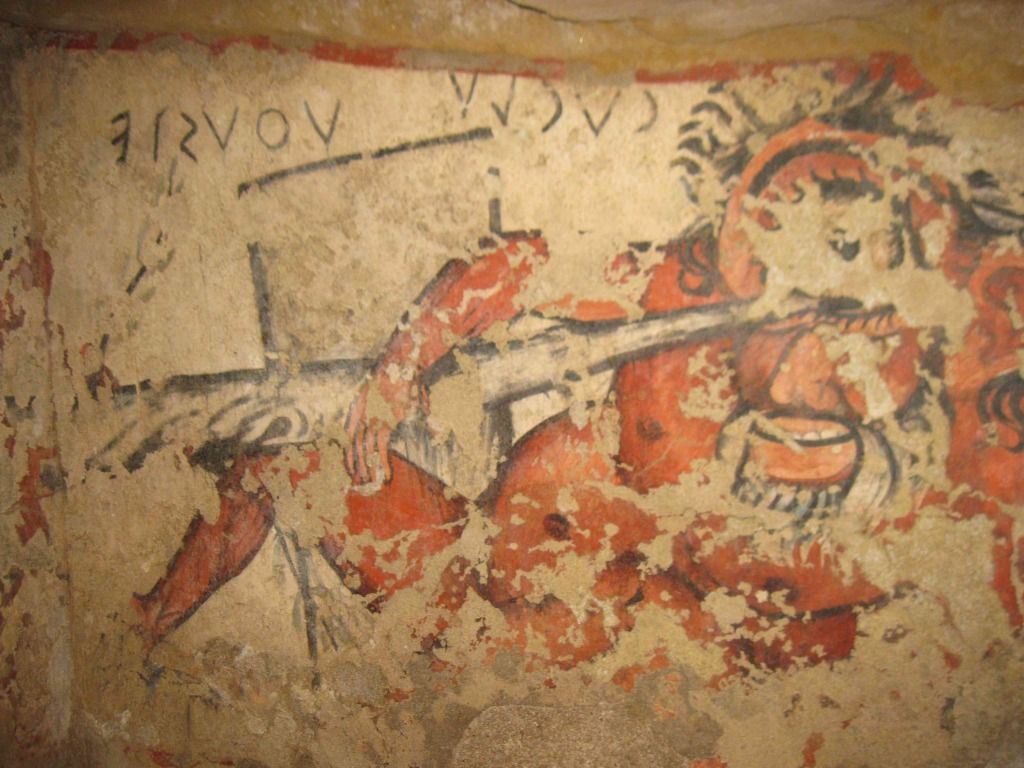
Polyphemus the Cyclops (Tomb of Orcus)

The Etruscans are, for all their great cultural influence on the Romans, a  poorly understood people. We know they once dominated northern Italy and much of its western coast and that they interacted extensively with not only the Romans but also many other native Italic tribes in the 1st milennium BC. Some of this contact is reflected linguistically: the modern English word “person,” deriving from Latin persona, entered the Latin language from Etruscan phersu Continue reading

Obelisks in Rome

The Obelisk at Piazza Navona

Rome is renowned for (among many other, er, more important things) its vast “collection” of obelisks. These obelisks, most featuring hieroglyphics running their length, typically came to Rome through conquests in Egypt. Victorious generals and emperors Continue reading

Waste Reduction By Altruistic Design

This slideshow requires JavaScript.

If you search around long enough on words such as altruism and design–both topics we pay attention to on this site–eventually you will encounter these folks. This particular product caught our attention and we see no harm in promoting it:

GOEDZAK IS A SPECIAL GARBAGE BAG FOR ITEMS THAT ARE STILL USEABLE. IT’S A FRIENDLY WAY TO OFFER PRODUCTS A SECOND CHANCE AND STIMULATE SUSTAINABLE BEHAVIOR. Continue reading

Design Can Be Both Fun And Serious

A couple of recent posts by Crist, and the design process he mentioned, have led us to add some new design-oriented sites to our scanning process.  This one may not be the most visited, but it has some interesting material:

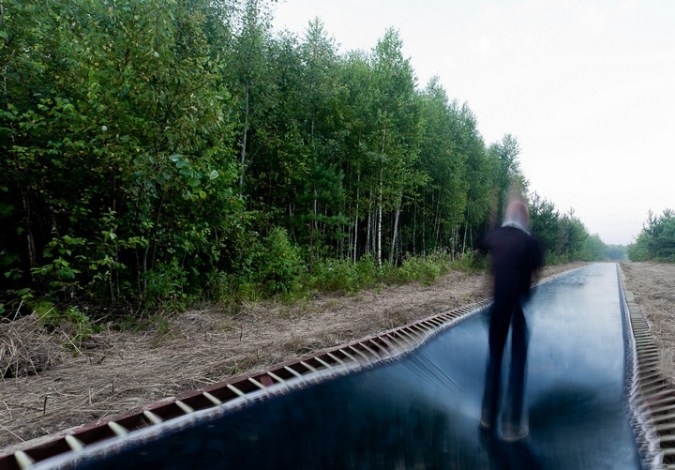
Archstoyanie is a creative festival that kicks off every year in the forest of Nikola-Lenivets, Russia. This year, the architects from Salto created a performance piece called ‘Fast Track’ – a 170 foot long track made of a trampoline! Designers Maarja KaskKarli Luik, and Ralf Lõoke built the Fast Track to challenge the concept of infrastructure that only focuses on technical and functional aspects and tends to be ignorant to its surroundings.

Click the banner above to read more about what you see below.

Archstoyanie-festival-2012-Fast-Track-Salto-Architects-4
Continue reading

Pavilions & Memory

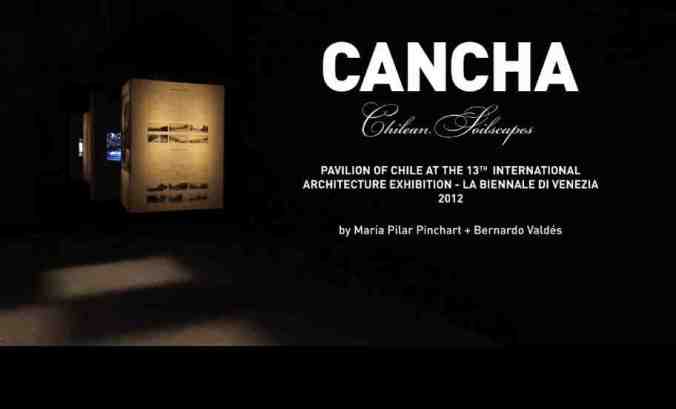
Thanks to Chi-Chi and a conversation we had twelve hours ago about a new pavilion project we are about to begin in Kerala, I found myself searching “the world’s most visited architecture website.”  I came across this video that reminded me that most of my professional life in 2008, 2009 and the first half of 2010 was dedicated to entrepreneurial conservation projects in the southern half of Chile.

Chile’s pavilion at the Venice Biennale was evocative.  I do not regret not having gone to Venice to see it, but it evokes some regret that I have not stepped on the soilscapes of Chile recently…

What Box?

This slideshow requires JavaScript.

From the innovators who get paid to think outside the normal boundaries, and who brought us the disposable cup above, the website explains what they do in general and what they did in this case:

Sardi Innovation is an Outsourcing Business Innovation Center. 

Cookie Cup, “Sip the cofee then eat the cup” The cookie cup is made of pastry that is covered with a special icing sugar that works as an insulator making the cup waterproof and sweetening at the same time.

Cookie Cup [has collected] very  important Awards in Ecology, Marketing, Business Strategy and Design sectors.

5 Lenses For Every Vacation

Hey guys,

All of us photobugs and travel-junkies have struggled with the age-old question: which lens should I bring on my River Escapes backwaters adventure or my Roman holiday or my trip to the moon?

As a casual photographer, I’m not crazy about specs. I don’t get the numbers and technical terms! JUST TELL IT TO ME STRAIGHT! I know there are people out there who are like me, so Ben, Milo, and I will make it as easy as possible to understand which lens YOU need to bring on your next vacation! We’d also love to know what YOU brought on your last vacation!

See which of description fits you best:

  1. I’m out to shoot wildlife. Tell me what I need to know.
  2. I love architecture and the built world. What should I bring with me?
  3. I’m a tourist who’s going to stick out like a sore thumb, but I really want to capture candid portraits of interesting people– help!
  4. I’m going to a naturey place filled with dust/humidity/dirt/whatever and I don’t want to constantly change my lens. What’s the best daily walk-around lens?
  5. I’m going on a service trip and I’ll be working on a construction site. How do I make it look epic?
Here’s what we’ll be introducing from our private collections today:
  1. Canon EF 70-200mm f/2.8 L IS USM with 2x extender
  2. Canon EF 70-300mm f/4-5.6 IS USM
  3. Canon EF 50mm f/1.8
  4. Canon EF-S 10-22mm f/3.5-4.5 USM
  5. Canon EF-S 18-55mm f/3.5-5.6 IS

ALRIGHT, I’M READY!! NOW SHOW ME THE 5 LENSES I SHOULD BRING ON MY NEXT VACATION!!!

Continue reading

Colorful Wonderland: Fort Cochin, Kerala

Five hours away from Thekkady is a colorful land of ornate architectures and a hometown of many fishermen that represent the historical harbor city, Fort Cochin, Kerala. The narrow and winding streets are filled with houses and churches that clearly showe their Dutch, Portuguese, or British influence from the colonial time. As I carelessly stroll down the streets only with my camera and some rupees (Indian currency) in my purse, I didn’t mind the stares from the local village people, nor the heat and humidity that made me drench in my own sweat; but, my mind got carried away seeking the remains of what time had left us.

Blue door and window with a wagon

Continue reading

We are the RCDT

We are a group of adventure seekers, lovers of unusual things, and creators of the useful and the beautiful. In short, we are a collection of design and engineering students collaborating this summer to create renovation and design proposals for several projects under the management of Raxa Collective. And together, we make up the first ever RCDT – Raxa Collective Design Team. 
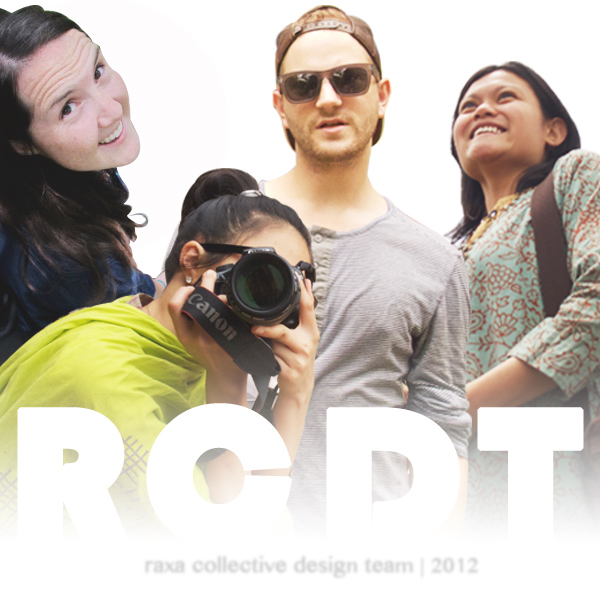
(from left to right)
Siobhan Powers
recently graduated from Cornell University with a degree in environmental engineering and will return for a 1 year master program.

Karen “Chi Chi” Lin is a 5th year architecture student at Cornell University.

Jonathon Dominic Spada is a 2nd year graduate student in interior architecture at the Rhode Island School of Design with a hotel management and facilities design degree from Cornell University.

Rania Mirabueno is a 2nd year graduate student in landscape architecture at Cornell University with an undergraduate dual degree in architecture and music from University of Colorado at Boulder.

The blend of disciplines, skills, talents and personalities bring forth innovative design solutions to several projects under review. The design team is turning out proposals for a renovation and expansion in Fort Cochin, a green field site in Marari Beach, a renovation in Alleppey, and a renovation in Thekkady. Facing sleepless nights, over-consumption of coffee, and the elements in our outdoor studio, these super heroes will stop at nothing to bring good design and environmental friendliness to southern India!

Sustainable Landscape Design

Here in the desert, where rainfall is relatively low and where people take great pride in the aesthetic of their surroundings, landscaping is an issue with a great environmental impact. From water use and runoff to soil quality and wildlife interaction, landscaping decisions can turn a piece of property into a detriment to the environment, or they can turn it into a sustained celebration of its environment.

Crown of Thorns plant is a drought tolerant plant, great for landscaping in the desert of the Coachella Valley

Very recently, I attended a sustainable landscaping design workshop in San Diego held by Southwest Boulder and Stone and conducted by Morgan Vondrak of Argia Designs. These companies specialize in the landscaping needs of Southern California and are mindful of the environmental needs involved in such a specialty. Ms. Vondrak shared ten useful and beneficial tips with the attendees, all of whom had a personal interest in sustainable gardening. Here are some of the important things I learned… Continue reading

Aranmula Kannadi – An Ancient Indian Metal Mirror

Aranmula, an ancient village in the district of Pathanamthitta on the banks of the famous Pamba River, has a special history of Kerala’s traditional arts. For centuries Indians have been experts in Metallurgy; Delhi’s ancient Mayuran Iron Pillar, and forged Damascus steel are part of an artisanal culture in South India that stretches back more than 2000 years. The Aranmula Kannadi (metal mirror) technology is part of this history.

Continue reading

Sustainable Water System in Your Own Garden!

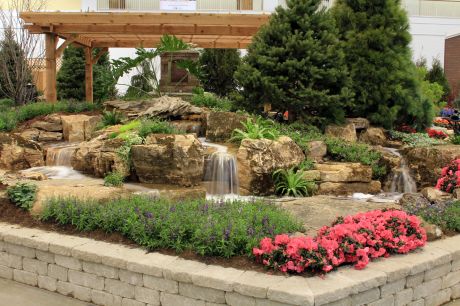
In my opinion, the major benefit for attending Cornell is an opportunity to meet diverse industry leaders face-to-face. This week I was fortunate enough to meet the Sales Director of Aquascape, a water-gardening company dedicated to creating/installing a sustainable and, at the same time, beautiful and decorative water features in your garden. The main way they recycle the water is through rainwater harvesting – by capturing, filtering, and reusing the rainwater. Instead of letting it flow back into the body of water, we could be converting the impervious surfaces (which cause stormwater runoff) to permeable surface that allows us to capture and reuse the rainwater. With this captured grey water, you could be washing your car, irrigating your garden, reusing in water features, etc.

Image Continue reading

Curiouser Than Fiction

Children examine the Automaton during a visit to The Franklin Institute.

About 5 years ago I brought home a curious book called The Invention of Hugo Cabret by Brian Selznick.  Both of my sons had been avid readers and lovers of detailed illustrations since childhood and books like The Eleventh Hour by Graeme Base had been favorites for as long as I could remember, so the elaborate charcoal drawings and almost graphic novel design in this new book were intriguing.

The most fascinating moment came with poking around the history behind the story itself.  Although placed within a work of fiction, both Georges Méliès and automatons are quite real. The Franklin Institute of Science and Technology has one in their collection with a history similar to the one in Selznick’s book:

In November of 1928, a truck pulled up to The Franklin Institute science museum in Philadelphia and unloaded the pieces of an interesting, complex, but totally ruined brass machine. Donated by the estate of John Penn Brock, a wealthy Philadelphian, the machine was studied and the museum began to realize the treasure it had been given. Continue reading

Cottage Industry

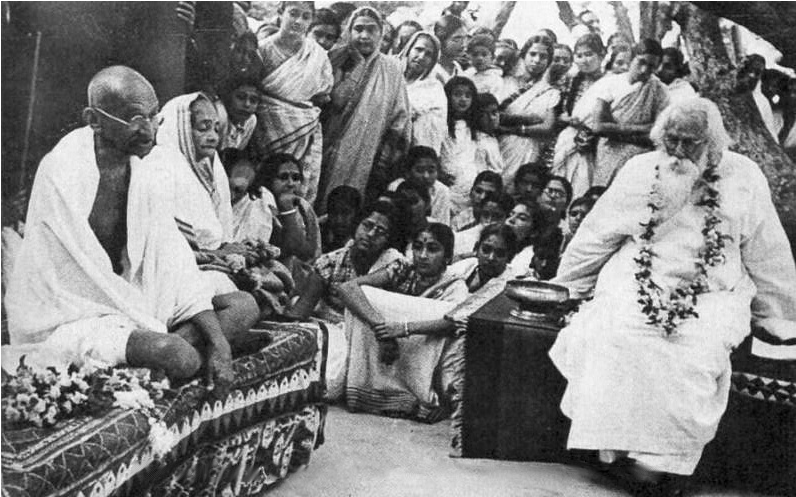
Nobel Laureate Rabindranath Tagore founded Shanti Niketan (meaning an Abode of Peace) laying the foundation for what is today known as Vishva-Bharati University, home of one of the best art colleges in the world. In 1922 Mohandas Karamchand Gandhi visited Santiniketan and met Sushen Mukherjee, a young man inspired by the movement for Indian Independence. The meeting influenced Mukherjee to set up Amar Kutir “my cottage” in 1927, establishing a rudimentary cottage industry for sari printing, handloom, and leather craft production 15 miles away from Santineketan on the banks of the Kopai River near West Bengal. Continue reading

Denser, Faster, Greener

Click the image above to go to the article in which Alex Steffens, of Worldchanging (and TED, and plenty of other deserved) fame gives a synopsis on how to ramp up urban greening most efficiently:

If we’re talking about transportation, the best thing a city can do is densify as quickly as it can. That needs to be said every time this issue comes up, because it’s the only universal strategy that works. That’s the best-documented finding in urban planning—that as density goes up, trip length goes down and transportation energy use goes down.

Continue reading

The Heart of The Matter

This slideshow requires JavaScript.

Playgrounds are fairly ubiquitous in most parts of the world, be they rusty swings or elaborate constructions. My own sons have clamored up wooden forts and rope bridges in upstate New York where they were born; metal piping in the shape of a plane fuselage in Costa Rica where they grew up; and inventive, child friendly park structures in Paris where we lived as well…not to mention any and all trees, stone walls and Mayan temples they would find in between.

In 2009 Japanese architectural firm Tezuka Architects teamed up with renowned Japanese crochet artist Toshiko Horiuchi MacAdam to create a play space both uniquely charming and innovative, that even the most “Global Citizen” of children would be amazed by. Continue reading

Travel, Writing & Games

This series has always been worth reading, whether you are an American looking through the eyes of a fellow American, or otherwise intrigued by a niche of American perspective that is not quite representative of that culture as a whole.

First things first: sometimes a book, a music recording or other item is only available from the mainstream online retailers such as Amazon or iTunes, but whenever possible we promote the purchase from independent sellers.  So click the image to the right if you want a link to independent booksellers in the USA, provided by the ever-entrepreneurial American Booksellers Association.

Now, the side show: the series editor Jason Wilson is also a contributor to a site we refer to on occasion, and he wrote an interesting item a couple of years ago that began:

Continue reading

Stars Shine, Colors Flow

Some pieces of art are so iconic and powerful it is difficult to imagine any interpretation or alteration that wouldn’t result in angry outcries.  (The cleaning of the Sistine Chapel ceilings is a case in point.)  The piece below, created by Greek artist Petros Vrellis successfully balances reverence and imagination.

Continue reading

REMOC: Behind the Seams

This one was actually made by Ana's daughter Meli - it must be a family tradition!

I don’t know what I was expecting when Ana Teresa invited me to take a look at her studio. On the one hand, I’d seen the quality of the products on the shelves in REMOC, and thus knew that the craftswomen were not amateurs; but I also knew that many of them didn’t have high incomes or hours to invest in their business – one of the challenges of the trade, for them, is that they are making a living while maintaining a home for their families and fulfilling their duties as a wife and mother. So, despite knowing that the work they produce is ‘serious’, I was still impressed when Ana ushered me through a door I’d thought led to a garage, and I found myself in a real, fully equipped artisan’s workshop. Continue reading