Design Thinking

0105-SCI-Well-tmagArticle

Getting “unstuck” is our practical thought for the day:

Thinking’ for a Better You

A strategy called “design thinking” has helped numerous entrepreneurs and engineers develop successful new products and businesses. But can design thinking help you create healthful habits?

Bernard Roth, a prominent Stanford engineering professor, says that design thinking can help everyone form the kind of lifelong habits that solve problems, achieve goals and help make our lives better.

“We are all capable of reinvention,” says Dr. Roth, a founder of the Hasso Plattner Institute of Design at Stanford and author of the book, “The Achievement Habit.” Continue reading

Design Lessons from History

Masdar city in the United Arab Emirates has attempted to combine some of the lessons learned from the past with modern technologies by increasing shaded areas, creating narrow streets and constructing a wind tower.

Masdar city in the United Arab Emirates has attempted to combine some of the lessons learned from the past with modern technologies by increasing shaded areas, creating narrow streets and constructing a wind tower.

Oil heartlands of Abu Dhabi, Dubai, Doha and Iran’s coast will experience higher temperatures and humidity than ever before on Earth if the world fails to cut carbon emissions, according to a recent study. While air-conditioned homes and offices provide respite from the heat, architects are looking to history to find how civilizations battled the hostile conditions.

Historically, the inhabitants of the Gulf were either farmers living near oases in agricultural villages, Bedouins living in tents in the desert, or urban dwellers living in cities. Given the global trend toward urbanisation, it makes sense to take a closer look at how the latter group coped with the heat. Traditional buildings in the gulf’s cities and villages are designed to maximise shading, reduce thermal gain of the sun radiation, regulate building temperature and enhance air circulation. These effects are achieved through a clever combination of building materials, placement and design.

Continue reading

The Game of Demolishing History

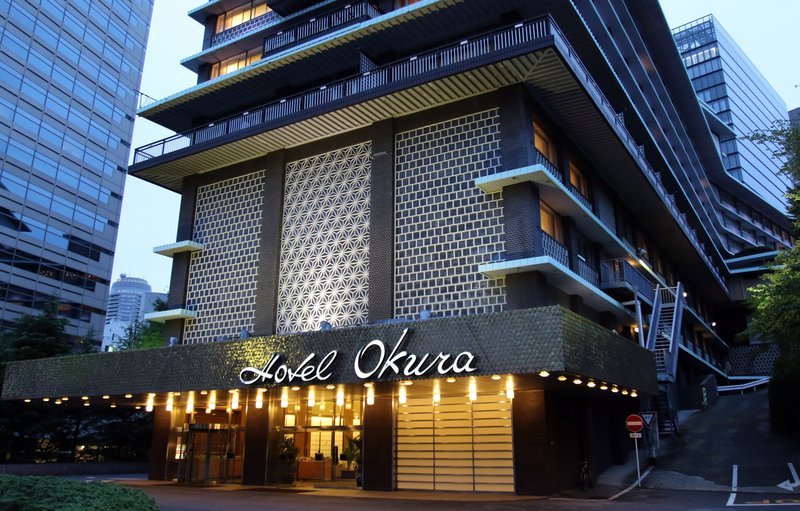
The entrance to the main building of Japan's iconic Hotel Okura in Tokyo. An outcry from architectural preservationists couldn't stop the demolition to make way for a high-rise tower. PHOTO: Yoshikazu Tsuno/AFP/Getty Images

The entrance to the main building of Japan’s iconic Hotel Okura in Tokyo. An outcry from architectural preservationists couldn’t stop the demolition to make way for a high-rise tower. PHOTO: Yoshikazu Tsuno/AFP/Getty Images

What’s the prize you pay to host the most prestigious event in sporting history? If your answer is breakneck development that is low on sustainability, spares not a thought on protecting what’s natural/native to the land – then you score points in Tokyo. Workers have started tearing down a Japanese landmark — the Hotel Okura. The Okura is a treasure of 1960s modernist design and has hosted every American president since Richard Nixon, Hollywood royalty and actual royalty.

Continue reading

A Statement in Energy Saving

A passive house, a project from Parsons the New School for Design in 2011, is so well insulated that it needs little or no energy for heating and cooling. PHOTO: MATT MCCLAIN FOR THE WASHINGTON POST/ GETTY

A passive house, a project from Parsons the New School for Design in 2011, is so well insulated that it needs little or no energy for heating and cooling. PHOTO: MATT MCCLAIN FOR THE WASHINGTON POST/ GETTY

Energy efficiency is one of the easiest and most cost effective ways to combat climate change, clean the air we breathe, improve the competitiveness of our businesses and reduce energy costs for consumers. And Habitat for Humanity may be onto something with its new range of “passive” homes that aggressively save energy.

The passive standard is buoyed by efforts to fight climate change, because buildings account for 40 percent of total U.S. energy use and 10 percent of its greenhouse gas emissions. In September, New York City’s Mayor Bill de Blasio hailed it as one way to help the Big Apple meet its goal of slashing emissions 80 percent from 2005 levels by 2050

Continue reading

Drawing Inspiration from Paper Folding

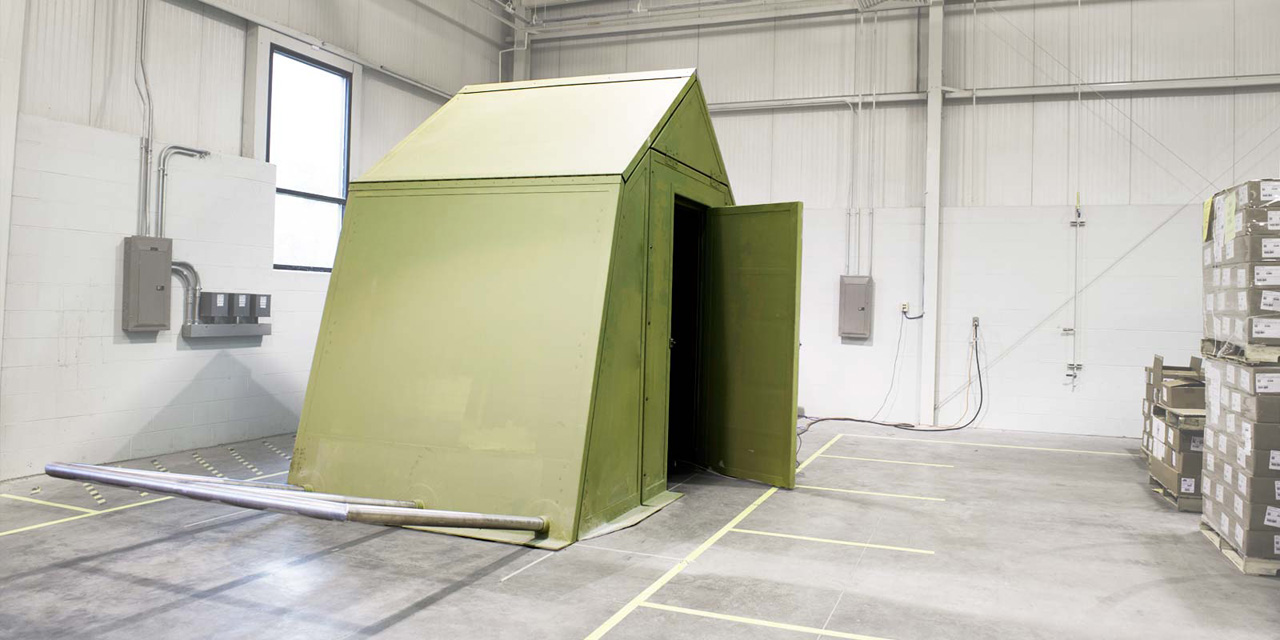
The flat-pack design could reduce energy demand drastically compared to a standard canvas structure. PHOTO: CoExist

The flat-pack design could reduce energy demand drastically compared to a standard canvas structure. PHOTO: CoExist

It has long been known that origami has many benefits like developing eye hand co-ordination, sequencing skills, attention skills, patience, temporal spatial skills, math reasoning etc. And now a structure design inspired by the Japanese art of folding paper may help the military significantly reduce its energy demand.

Continue reading

Designing the World

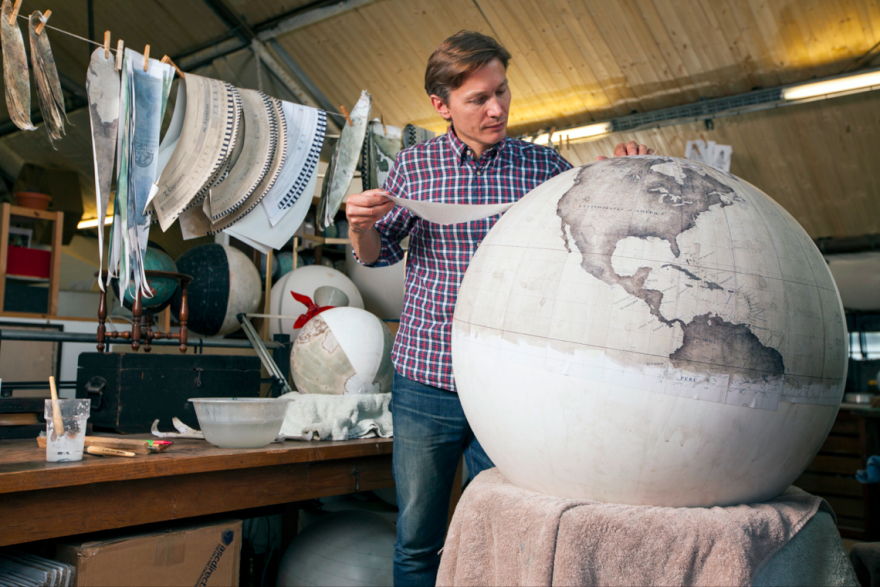
It took a long time to make one that was perfectly balanced and approx. 2 years before Bellerby produced a globe that I could sell. (Photo by Stuart Freedman)

It took a long time to make one that was perfectly balanced and approx. 2 years before Bellerby produced a globe that I could sell. (Photo by Stuart Freedman)

When is the last time you looked at a map? No, we’re not talking GPS-powered imagery and guidelines but a physical entity. Like a globe. Like the collectibles Peter Bellerby and his company painstakingly churn out. In fact, they are one of the only two workshops in the world still in the business of handcrafting globes.  And in the business of preserving a dying craft.

Continue reading

Introducing Taxi Fabric

In Mumbai, India—a city of nearly 19 million people—over 50,000 taxis pick up at least 25 to 30 people every day. For the majority of Mumbaikars, the iconic black and yellow taxis are the most convenient form of transportation in the city. And now a new vehicle of design, dialogue, and a sense of belonging – thanks to the Taxi Fabric project.

Continue reading

Sandstructures, Just Because

16CHARACTER-master675

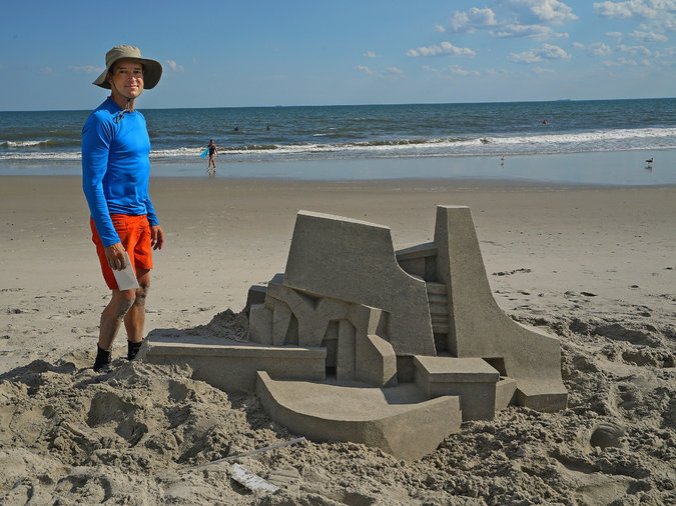
Calvin Seibert spends up to four days a week during the summer at Rockaway Beach in Queens. Credit Nicole Bengiveno/The New York Times

We do not need to explain it; we just like it (click the image to go to the original):

It looked like some futuristic civilization poking up out of the footprinted sand on Rockaway Beach in Queens. A lifeguard walked over to inspect it, then some surfers. A group of dripping children stopped, transfixed.

“Young people tend to watch for longer,” said Calvin Seibert, 57, who was shaping the structure. “If people sense you’re serious about it, they’ll watch longer.”

Mr. Seibert, a Manhattan artist, is serious enough about it to take a long subway ride to the beach up to four days a week from June through September. Continue reading

The Showerhead That’s Ruling the Internet

This shower head Is blowing up on Kickstarter thanks in part to Apple's Tim Cook and Alphabet's Eric Schmidt. PHOTO: Nebia

This shower head Is blowing up on Kickstarter thanks in part to Apple’s Tim Cook and Alphabet’s Eric Schmidt. PHOTO: Nebia

What does it take to have the World Wide Web interested in you? And interested is putting it lightly, when we are talking a Kickstarter project that crossed its goal of $100,000 and how, in less than 8 hours. Not to forget having Tim Cook of Apple and Eric Schmidt of Alphabet back you.Well, it takes a showerhead. An extraordinary one at that. One that promises to reduce wastage of water in the shower by 70%, is iconic in design, and has its heart set on revolutionizing the use of water in developing markets. Nebia is here.

Continue reading

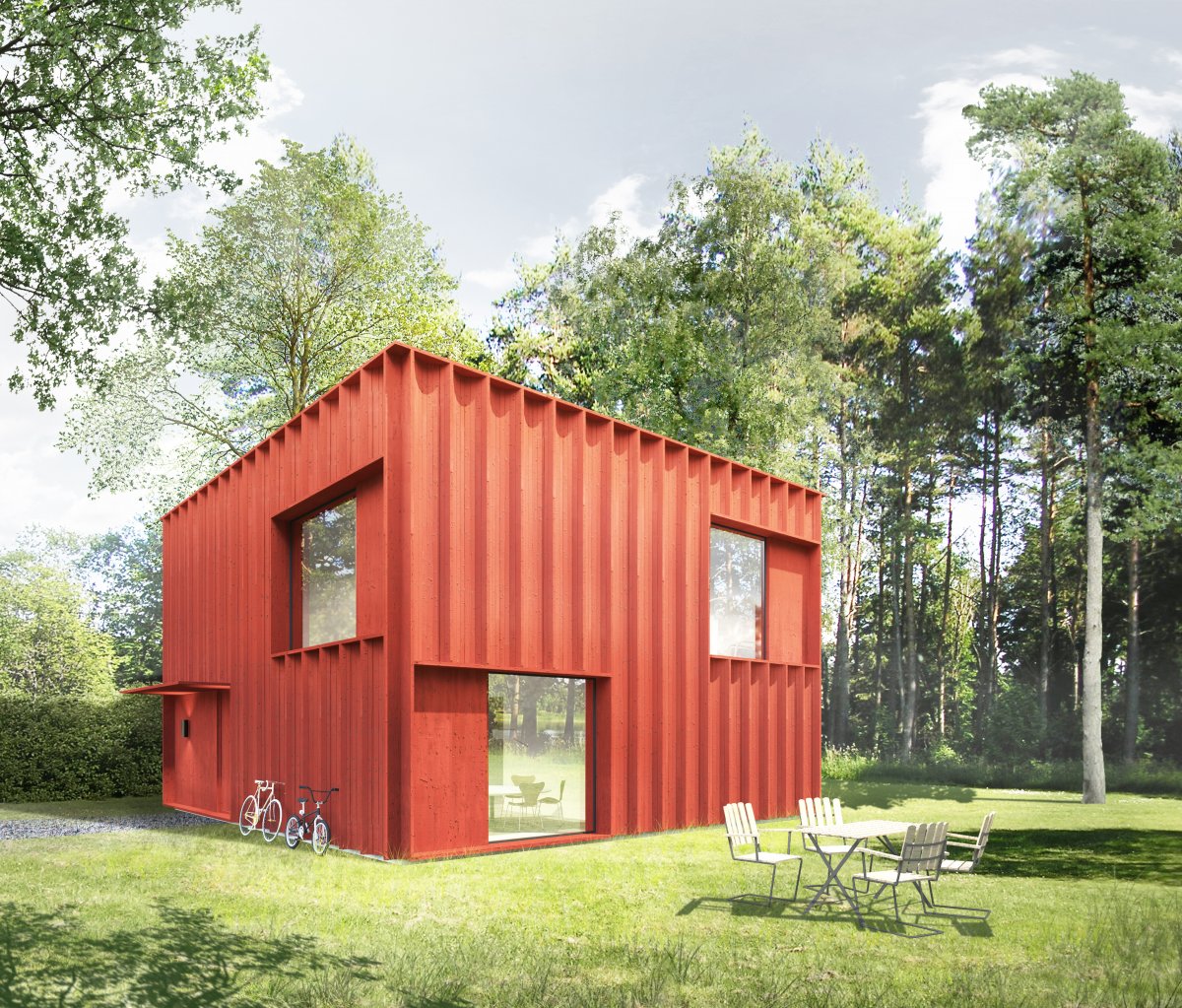
A House For and By the People

This Swedish house was designed by two million people. PHOTO: Tech Insider

This Swedish house was designed by two million people. PHOTO: Hemnet

Technology and democracy – two great forces to reckon with in today’s world. And when these two come together, it exemplifies what community of thought and the powers and possibilities of science can do. Take the Hemnet House. Designed collaboratively by 2 million people (the population size of Jamaica, Latvia, Slovenia and more), the house stands for the greatest tenet of democracy – for the people, by the people.

Continue reading

Eco-friendly Home of the Future

Fitted out with a photo voltaic (solar panel) roof system and high-tech wall panels, the Solcer house collects and stores thermal and electrical energy

Fitted out with a photo voltaic (solar panel) roof system and high-tech wall panels, the Solcer house collects and stores thermal and electrical energy

Introducing the house of the future – which generates more energy than it consumes. The walls of The Solcer house, which was designed and constructed by the Welsh School of Architecture, collect and store thermal and electrical energy. Located at Stormy Down, near Bridgend, the building also has a photo voltaic (solar panel) roof system and has been funded through the Low Carbon Research Institute (LCRI) programme funded by Wales European Funding Office (WEFO).

Continue reading

Welcome to the Urban Forest Neighborhood

The OAS1S™ architecture is shaped as a 1 and answers to the deep human need to become 1 with nature.

The OAS1S™ architecture is shaped as a 1 and answers to the deep human need to become 1 with nature.

If one Dutch architect gets his way, we might soon be living in car-free urban forests where the buildings look like trees. Raimond De Hullu’s new home design, the OAS1S, runs completely off the grid, thanks to renewable energy and on-site water and waste treatment. It’s made with recycled wood and organic insulation, meeting “cradle to cradle” standards where no material goes to waste. But the designer wanted to also rethink what a green building—and neighborhood—should look like.

Continue reading

Put a Label On It

During Prohibition, whiskey could legally be sold as medicine. This particular bottle of Four Roses bourbon was prescribed to a patient in Sparks, Nev., in 1924. The label tells patients to mix 2 ounces of whiskey with hot water. PHOTO: Ten Speed Press/Four Roses

During Prohibition, whiskey could legally be sold as medicine. This particular bottle of Four Roses bourbon was prescribed to a patient in Sparks, Nev., in 1924. The label tells patients to mix 2 ounces of whiskey with hot water. PHOTO: Ten Speed Press/Four Roses

Many a book, blog and news article has been devoted to the topic of whiskey: the way it’s aged, where to drink it, how to store it and serve it or pair it with food. But comparatively little attention has been paid to how whiskey is packaged. Spirits and wine writer Noah Rothbaum felt that it was time that American whiskey labels had their day in the spotlight. His new book, The Art of American Whiskeytraces the history of surprisingly elaborate labels from the 1800s to today.

Continue reading

From Coal Mine to Land Art

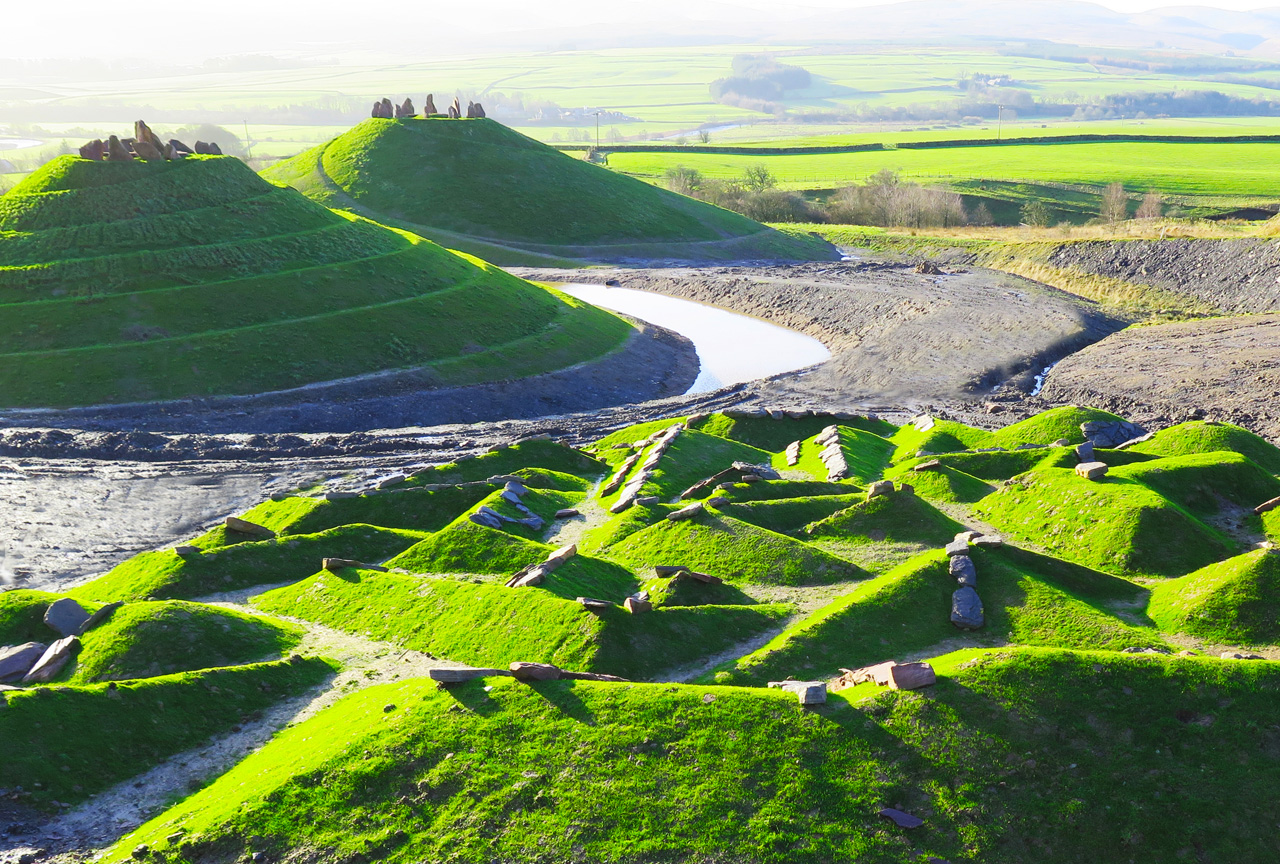
In five years, Scotland plans to run on nothing but renewable energy. Towards that, a start has been to look at deserted coal mines. PHOTO: CoExist

In five years, Scotland plans to run on nothing but renewable energy. Towards that, a start has been to look at deserted coal mines. PHOTO: CoExist

In five years, Scotland plans to run on nothing but renewable energy. The country’s few remaining coal mines are shutting down, leaving a question: How should towns deal with the ugly scars left behind by abandoned mines? Near the village of Sanquhar, the answer is a massive, 55-acre work of land art. Looking like a modern Stonehenge, it builds a miniature multiverse from 2,000 boulders found on the site. Locals, sick of looking at the former mine, lobbied the landowner—Richard Scott, the Duke of Buccleuch—to do something. But they wanted to go beyond just adding a little grass to cover the scarred earth, and build a replacement that might draw visitors to boost a struggling economy. The duke turned to architect Charles Jencks to turn the mine into art.

Continue reading

The Ultimate Architect of Cardboard Buildings

“What is the difference between temporary architecture and permanent architecture?” No architect is more qualified to explore that question than Japanese architect Shigeru Ban. “Temporary” architecture, in disaster zones, is Ban’s calling card. For over 20 years, the 2014 winner of the Pritzker Prize, architecture’s Nobel, has best been known for his well-publicized humanitarian work. From Rwanda to Japan to Nepal, he has turned cheap, locally-sourced objects—sometimes even debris—into disaster-relief housing that “house both the body and spirit,” as Architectural League president Billie Tsien puts it.

Continue reading

More of This Fish, Please

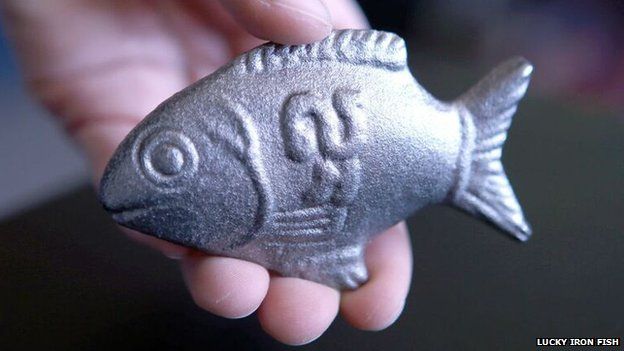
The lucky iron fish, designed by Gavin Armstrong, was based on the iron fish used in Dr Charles' research

The lucky iron fish, designed by Gavin Armstrong, was based on the iron fish used in Dr Charles’ research

Anemia is the most common and widespread nutritional disorders in the world, affecting 2 billion people globally – or over 30 percent of the world’s population. But Canadian scientists have come up with an ingenious solution, and it’s so simple, it fits in the palm of your hand. Meet the Lucky Iron Fish – a chunk of iron that’s thrown into the saucepan and boiled with lemon to give adults 75 percent of their daily recommended iron intake, and close to 100 percent for kids.

And this little fish just won the Product Design Grand Prix at Cannes.

When Canadian science graduate Christopher Charles visited Cambodia six years ago he discovered that anaemia was a huge public health problem. In the villages of Kandal province, instead of bright, bouncing children, Dr Charles found many were small and weak with slow mental development. Women were suffering from tiredness and headaches, and were unable to work. Pregnant women faced serious health complications before and after childbirth, such as hemorrhaging. Ever since, Dr Charles has been obsessed with iron.

Continue reading

Stop Typing!

Sustainable fonts require the least amount of energy to load. Using one also allows one to process more even when internet speeds are low.

Sustainable fonts require the least amount of energy to load. Using one also allows one to process more even when internet speeds are low. Is Ryman Eco one of them?

It’s only been an exact week since we discussed the ‘most eco-friendly’ ad campaign. And we vaguely remember a 14-year-old from a Pittsburgh-area middle school challenging the government to use the Garamond font in official communication to save up to $136 million each year. Find the original study here. So, clearly the sustainability debate has reached the doors of design. Supporters and naysayers abound, as is the case with Ryman Eco, whose creators claim it can reduce ink usage by 33 per cent.

“Ink is only about 15 percent of the total carbon footprint of a printed page. Despite the rise of e-everything, paper use is prodigious in the United States. Americans still use an average of 10,000 sheets of office paper per year, which is a lot.”

Continue reading

A Garden of Waste

Successful stories of upcycling, recycling and effective waste management are heartwarming to say the least. Because they speak of someone thinking about the future and taking the time and effort to act on a lay thought. That’s what the world (and the environment) needs – time. And, Nek Chand, who was born in Pakistan but made India his home, gave almost 60 years of his life to make trash beautiful, to give it meaning and purpose. He created a garden of sculptures and waterfalls out of trash over 40 acres and managed to hide it from everybody for 18 years. It was his secret to keep and is now Chandigarh’s pride. The nation’s, too.

In his spare time, Chand began collecting materials from demolition sites around the city. He recycled these materials into his own vision of the divine kingdom of Sukrani, choosing a gorge in a forest near Sukhna Lake for his work. The gorge had been designated as a land conservancy, a forest buffer established in 1902 and nothing could be built on it. Chand’s work was illegal, but he was able to hide it for eighteen years before it was discovered by the authorities in 1975. By this time, it had grown into a 12-acre (49,000 m2) complex of interlinked courtyards, each filled with hundreds of pottery-covered concrete sculptures of dancers, musicians, and animals.

Continue reading

Most Eco-friendly Ad Campaign Ever?

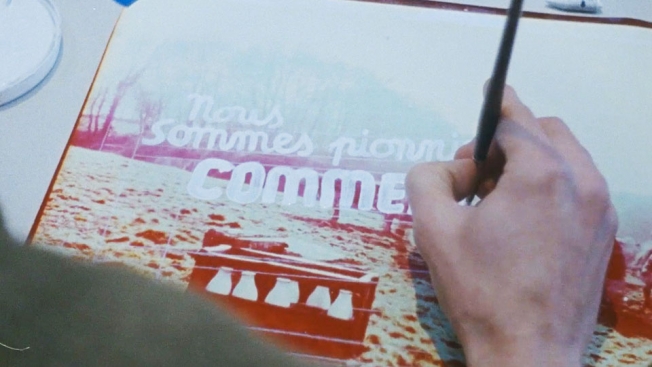
French organic food retailer Biocoop claims to have come up with the most eco-friendly campaign ever. PHOTO: AdWeek

French organic food retailer Biocoop claims to have come up with the most eco-friendly campaign ever. PHOTO: AdWeek

Welcome to the age of ‘organic’ being the marketing appeal of food production, design, crafts, consumer goods, and more. With it being a coveted USP and given the large planning and effort that go into taking the organic route, you might as well tell everyone who has a moment to listen. And that’s precisely what French organic food retailer Biocoop is doing. And doing it with a creative difference – rather than investing in commercials and monstrous hoardings, the company and its agency Fred & Farid Paris decided to make the medium their message. Marshall Mcluhan, you’d be proud! Organic by business and eco-friendly in their ad campaign, Biocoop’s message is crystal clear.

Continue reading

All That Wine

Since its debut in October of 2014, Tender has become a neighborhood favorite, with wine on tap and small plates featuring cheese and charcuterie. PHOTO: Blair Czarecki / Hoodline

Since its debut in October of 2014, Tender has become a neighborhood favorite, with wine on tap and small plates featuring cheese and charcuterie. PHOTO: Blair Czarecki / Hoodline

Our thought and work processes guided by the 3Cs  – community, collaboration, and conservation – it’s encouraging when we find one of our ilk. And this time, our kin in ethos is living a dream in an apartment building at 850 Geary St, Tenderloin, San Francisco. Until a few years ago, the derelict building invited descriptions like ‘deplorable’ and the ‘Heroin Hotel’. That was before the Liptons arrived on the scene. The carefully renovated building now houses Tender, a tiny bar with wine on tap and an eco-friendly spirit at heart.

“My whole concept for this place was to create a home away from home, an unpretentious neighborhood wine bar that takes advantage of the technology of an eco-friendly business model of wine on tap,” says Lipton.

Continue reading