Nutrition & Conservation

gettyimages-900239716-1-_custom-91eba6942a1b903ffe500292ec1a25080078f636-s1200-c85.jpg

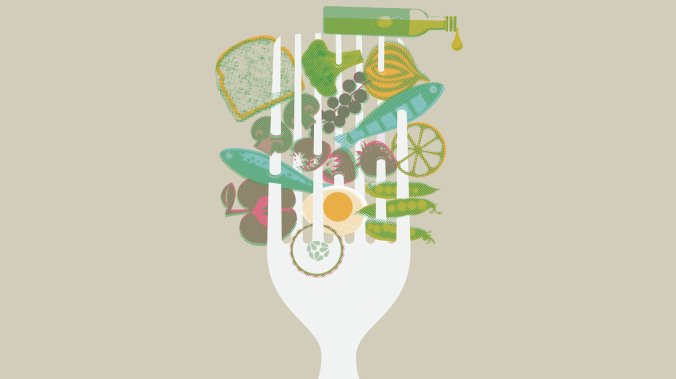
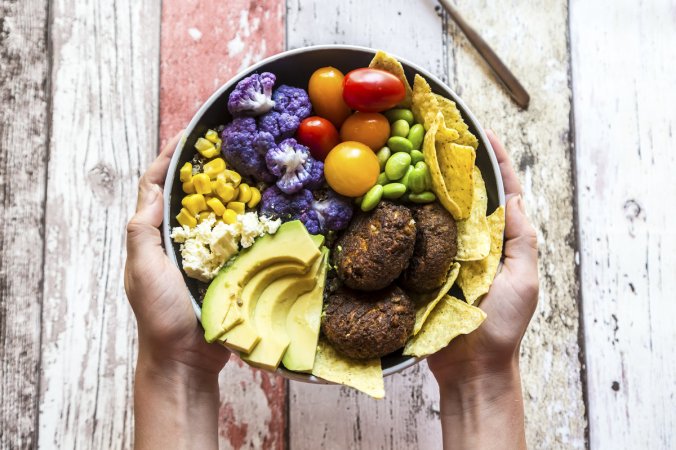
To help protect the planet and promote good health, people should eat less than 1 ounce of red meat a day and limit poultry and milk, too. That’s according to a new report from some of the top names in nutrition science. People should instead consume more nuts, fruits and vegetables, legumes, and whole grains, the report says. The strict recommended limits on meat are getting pushback. Westend61/Getty Images/Westend61

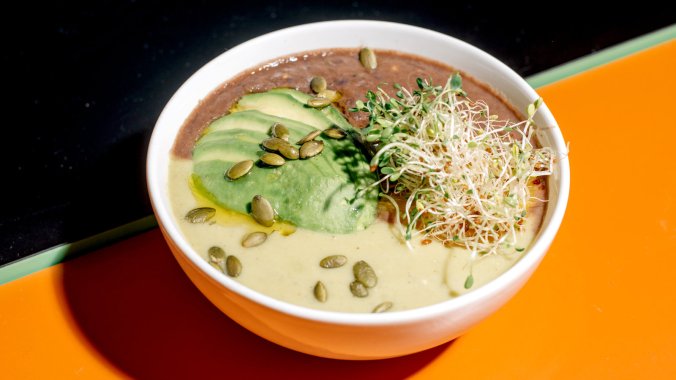
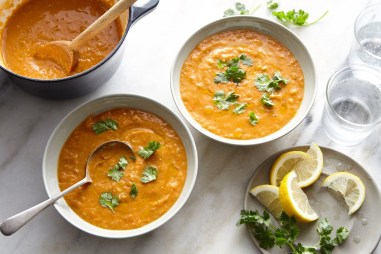
Preparing ahead for a meal to be cooked today, I was reading this recipe, whose image (below) was competing for my attention with the image above. The picture above is eye-catching, at least to me, a visual cue leading me to the type of meal I should be thinking about more often. It is a big picture picture. I have red lentils in the cupboard, and I intend to prepare them today, so the recipe won the race for my attention.
merlin_146234352_d7bc8486-b067-4cff-a4c0-7741f166fb60-jumbo.jpg

Melissa Clark’s red lentil soup.CreditJoseph De Leo for The New York Times. Food Stylist: Monica Pierini.

The story by National Public Radio (USA) waited. It is about diet, with the kind of explanatory information that motivates me to find lentils more appealing, and to understand why meals like this should dominate the weekly menu:

What we eat – and how our food is produced – is becoming increasingly politicized.

Why? More people are connecting the dots between diet and health – not just personal health, but also the health of the planet. And the central thesis that has emerged is this: If we eat less meat, it’s better for both.

So, how much less? A new, headline-grabbing report — compiled by some of the top names in nutrition science — has come up with a recommended target: Eat less than half an ounce of red meat per day. That works out to about 3.5 ounces — or a single serving of red meat — per week. And it’s far less red meat than Americans currently consume on average: between an estimated 2 and 3 ounces per day. Continue reading

Making Bread In 2019

Bread.jpgHelen Rosner, surprisingly appearing for only the second time in our pages, catches us just after our new year’s resolution to take up bread baking.

Well timed.

For a few minutes of bread love, click the image above. For a few minutes more of bread geek-out, read on:

In the immeasurable history of people talking about food, has there ever been a single statement more raw and moving and real than Oprah Winfrey, sitting before a television camera, flinging her arms emphatically forward, narrowing her eyes with fevered intensity, and declaring, with a passionate roar, “I! Love! Bread!” Continue reading

Green Food, Tech Model Solutions

Derek Thomson and his Crazy Genius crew over at the Atlantic’s podcast division have hit on a winning formula, at least for me. They take a big issue question we hear about and think about frequently, like the question of what to do about meat consumption–as in what to do about the extremely obvious problem of meat consumption levels–and they apply some creative pod knowhow. One of the best motivators for going meatless, or at least eating less meat, that I have come upon in ages.

CG.jpg

Will We Ever Stop Eating Animal Meat?

Americans eat more meat now than ever. That’s a problem for the planet’s future. Animal farming takes up 30 percent of the earth’s landmass (the equivalent of Asia), and livestock causes one-sixth of global greenhouse gas emissions. We need more than moral arguments against meat. We need a technological revolution in better, cleaner food.

If you do not have half an our for the podcast, take five minutes to read the summary here:

There are two big truths about eating meat from animals.

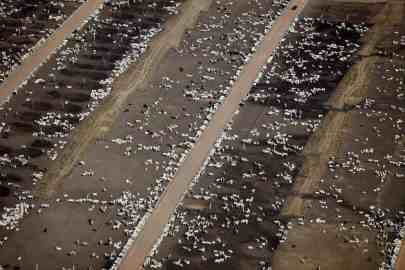
First, animal flesh imposes a high moral and ecological price for a tender medallion of food. Factory farming incurs the torturous treatment of millions of chickens, cows, and pigs each year. This constitutes a rolling moral catastrophe. What’s more, one-sixth of the world’s greenhouse gas emissions are directly attributable to raising livestock, and the figure is rising as more countries enter the global middle class. For most Americans, cutting meat out of their diets would reduce global warming more than giving up driving. Continue reading

Dairy & Health, Revisited

lead_720_405Diary.jpg

CIRO DE LUCA / REUTERS

We have plenty of reasons to celebrate the vegans among us. But we committed to think about this dairy’s future and in doing so I have avoided the cow-versus-other-milk health implications. Now I have reason to reconsider:

The Vindication of Cheese, Butter, and Full-Fat Milk

A new study exonerates dairy fats as a cause of early death, even as low-fat products continue to be misperceived as healthier.

As a young child I missed a question on a psychological test: “What comes in a bottle?”

The answer was supposed to be milk. Continue reading

Meatless Monday Economics Info Session

5333W

It is Monday, a good time to revisit the “meatless” movement, the one where you take one small step at a time to a better diet. Thanks to Bibi van der Zee and colleagues at the Guardian for arranging this guide to all the good reasons to reduce or eliminate meat from the diet:

What is the true cost of eating meat?

As concerns over the huge impact on the environment, human health and animal welfare grow, what future is there for the meat industry

What are the economics of meat?

5616 (2)

Cattle in the Brazilian Amazon. Photograph: Rodrigo Baleia

Food and farming is one of the biggest economic sectors in the world. We are no longer in the 14th century, when as much as 76% of the population worked in agriculture – but farming still employs more than 26% of all workers globally. And that does not include the people who work along the meat supply chain: the slaughterers, packagers, retailers and chefs.

In 2016, the world’s meat production was estimated at 317m metric tons, and that is expected to continue to grow. Figures for the value of the global meat industry vary wildly from $90bn to as much as $741bn. Continue reading

Victorious Bananas

physed-banana-master768.jpg

iStock

We are already big fans of this fruit, for all kinds of reasons, so this is like icing on the cake:

Bananas vs. Sports Drinks? Bananas Win in Study

A banana might reasonably replace sports drinks for those of us who rely on carbohydrates to fuel exercise and speed recovery, according to a new study comparing the cellular effects of carbohydrates consumed during sports.

It found that a banana, with its all-natural package, provides comparable or greater anti-inflammatory and other benefits for athletes than sports drinks. But there may be a downside, and it involves bloating.

For decades, athletes and their advisers have believed, and studies have confirmed, that eating or drinking carbohydrates during prolonged exertion can enable someone to continue for longer or at higher intensities and recover more quickly afterward than if he or she does not eat during the workout. Continue reading

Alternatives To Dairy

19OATLY-1-master768.gif

Photo illustration by Tracy Ma/The New York Times; Alamy (hands)

ripple-cereal_vert-25580ec96d4795beae7106681f5f2dc412d7886d-s400-c85

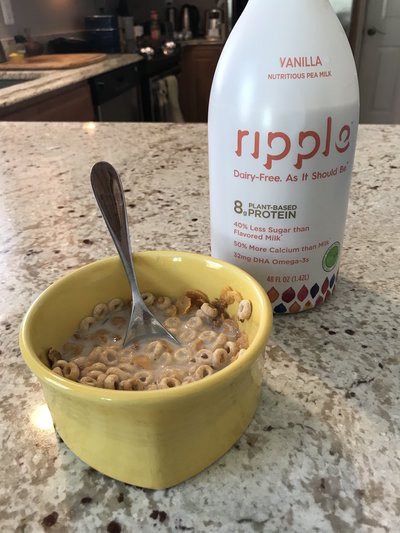
Ripple’s pea-based milk contains 8 grams of protein per cup, the same amount as in a cup of cow’s milk.
Whitney Pipkin/NPR

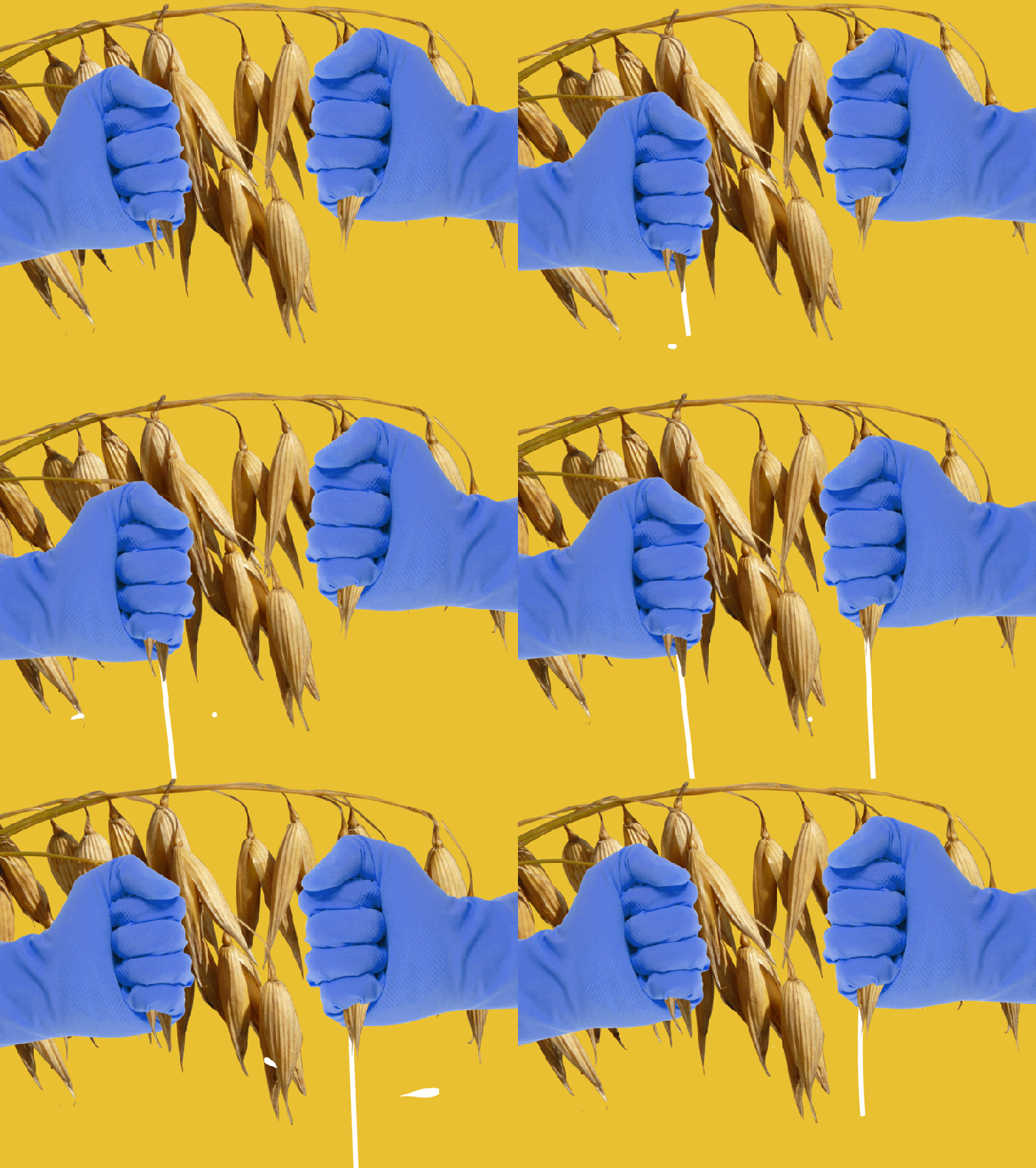
This article on the subject of a new pea-based dairy alternative–not just milk for coffee or cereal but also thicker items like Greek-style yoghurt–reported by National Public Radio (USA), reminded us of the great gif showing the milking of oats. Which reminded us to read that article too. Both worth a read:

When did finding something to put in your coffee get so complicated?

For the lactose-intolerant or merely dairy-averse, there are more alternatives to good ol’ American cow’s milk than ever. First there were powdered “creamers,” with their troublesome corn syrup solids. Then came soy, which may come closest to the real thing in nutrients and consistency. Grocery stores now stock an army of nut milks — almond, cashew, hazelnut, macadamia, you name it — which can be too grainy, too thin or frankly too flavorful. Pea milk? Sounds like a kindergarten taunt. Coconut and rice milk are basically water. Hemp milk? For the birds … and the hippies. Continue reading

Flour Tortillas Praised & Decolonized Diet Delineated

Arellano-In-Praise-of-Flour-Tortillas

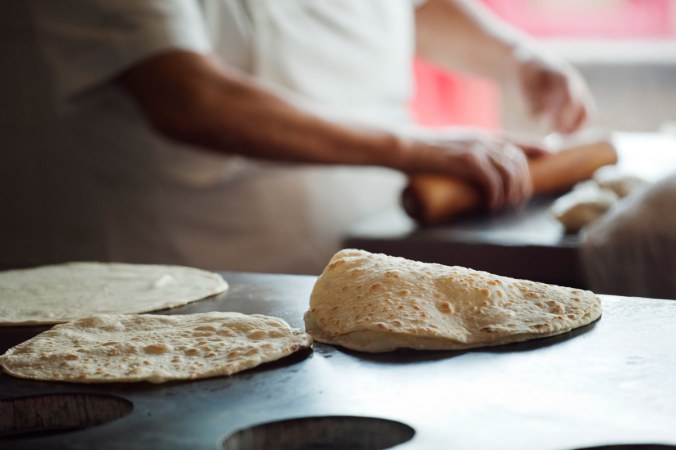
Recent Mexican immigrants deride them as a gringo quirk. Foodie purists dismiss them as not “real” Mexican food. But good flour tortillas can be revelatory. Photograph by YinYang / Getty

DYDBookCover2

If culinary etymology is your cup of chai, you may appreciate Gustavo Arellano’s post in praise of flour tortillas. Among the reasons to thank him is this book (click the image to the right to go to the source) that we had not been aware of:

More than just a cookbook, Decolonize Your Diet redefines what is meant by “traditional” Mexican food by reaching back through hundreds of years of history to reclaim heritage crops as a source of protection from modern diseases of development. Continue reading

Farming Fish For The Whole World

nets-1_wide-01c3b5ebd0d717bd50433e402fd75dc5e35d6f44-s1300-c85

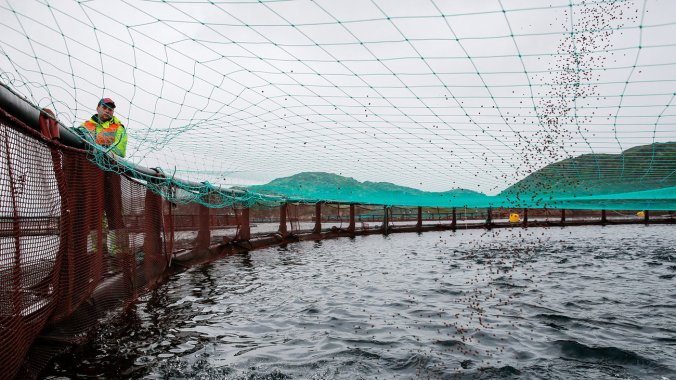
A Russian fish farming operation in Ura Bay in the Barents Sea.
Maxim Zmeyev/AFP/Getty Images

Thanks to Alastair Bland and the folks at the salt at National Public Radio (USA) for this look at the prospects for aquaculture on a global scale:

For years, scientists and activists have sounded the alarm that humans’ appetite for seafood is outpacing what fishermen can sustainably catch.

But new research suggests there is space on the open ocean for farming essentially all the seafood humans can eat. A team of scientists led by Rebecca Gentry, of the University of California, Santa Barbara, found that widescale aquaculture utilizing much of the ocean’s coastal waters could outproduce the global demand for seafood by a staggering 100 times. Continue reading

Some Science On Ramon

RamSci1Ramón and Maya Ruins: An Ecological, not an Economic, Relation

 J. D. H. Lambert and J. T. Arnason
Science

New Series, Vol. 216, No. 4543 (Apr. 16, 1982), pp. 298-299

RamSci2Observations on Maya Subsistence and the Ecology of a Tropical Tree
Charles M. Peters
American Antiquity
Vol. 48, No. 3 (Jul., 1983), pp. 610-615
We have a sizable team, including our staff members of Maya heritage as well as those who know the forest ecology as part of their work, plus two summer interns, a chef, and a design director among others–all looking into this tree and its fruit. These journal articles, less dry than some academia and fresher than their age would suggest were brought to my attention by Nicoletta Maestri who I thank for the article below. For my team mates and me this is food for thought on our path to determining how this tree, introduced millennia ago by Mayans, plays into the future of Chan Chich Lodge:

Brosimum Alicastrum, The Ancient Maya Breadnut Tree

Did the Maya Build Forests of Breadnut Trees?

The breadnut tree (Brosimum alicastrum) is an important species of tree that grows in the wet and dry tropical forests of Mexico and Central America, as well as in the Caribbean Islands. Also known as the ramón tree, asli or Cha Kook in the Mayan language, the breadnut tree usually grows in regions that are between 300 and 2,000 meters (1,000-6,500 feet) above sea level. The fruits have a small, elongated shape, similar to apricots, although they are not particularly sweet. Continue reading

The Wonders Of Trees Never Cease

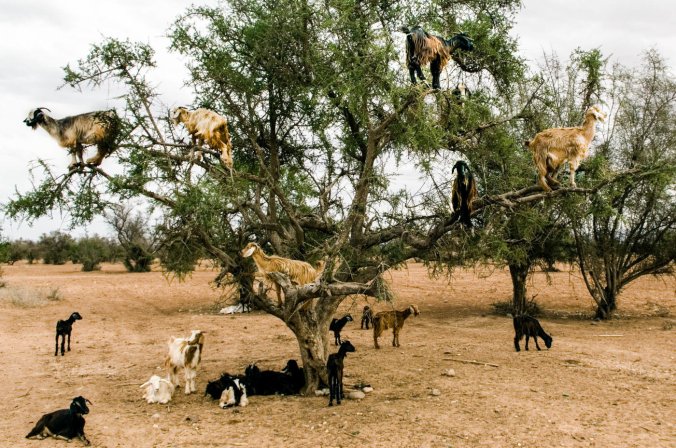
goat-02_custom-060bac4eeff1a0b290ff201210009e650a2025d0-s1400-c85.jpg

Goats climb an argan tree in Morocco to dine on its fruit. Jeremy Horner/Getty Images

At Chan Chich Lodge we are just embarking on a tree-related culinary journey, so any counterintuitive story about trees is likely to catch my attention these days.

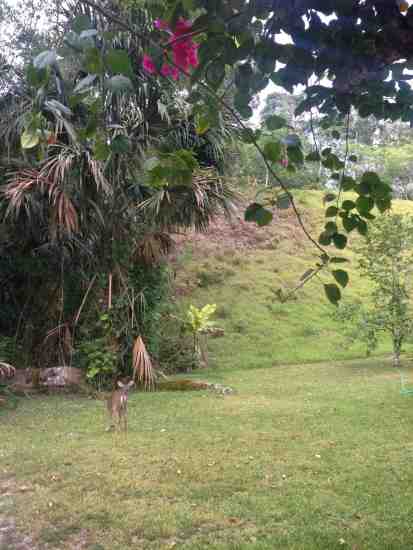
FigDeer.jpg

Thanks to Marc Silver at National Public Radio for the story about the picture above, Do Tree-Climbing Goats Help Plant New Trees? It is a short read and worth every second of your attention if you are interested in arboreal foodstuff.

This image to the left, while not as amusing as the one above, shows a deer doing the same thing with less panache. That deer will spread the seeds of that wild fig far and wide in the forest, increasing food supply. Continue reading

Paleo Diet – Served Up Straight

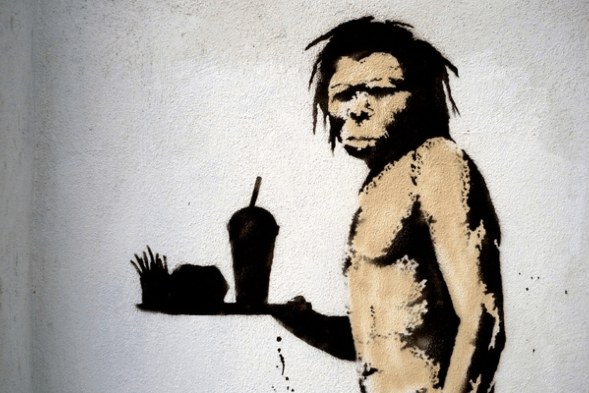
Banksy’s “Caveman”. Credit: Lord Jim Flickr (CC BY-SA 2.0)

Thanks to Scientific American‘s Guest Blog feature for this interesting fodder for thought.

The “True” Human Diet

From the standpoint of paleoecology, the so-called Paleo diet is a myth

People have been debating the natural human diet for thousands of years, often framed as a question of the morality of eating other animals. The lion has no choice, but we do. Take the ancient Greek philosopher Pythagoras, for example: “Oh, how wrong it is for flesh to be made from flesh!” The argument hasn’t changed much for ethical vegetarians in 2,500 years, but today we also have Sarah Palin, who wrote in Going Rogue: An American Life, Continue reading

Food For The Ages

05HIPPIES-slide-YY6Q-videoSixteenByNineJumbo1600.jpg

Cole Wilson for The New York Times

Shoutout to our food friends in Ithaca, among other places and to all the back to the land folks who make our food better in terms of both taste and ecology:

The Hippies Have Won (the Plate, at Least)

By

The current food mood may also be a reaction to the more exhausting aspects of life in the digital era.

“It’s a weird mixture of technology and palo santo” — iPhones and incense — said the chef Gerardo Gonzalez, suggesting that people who live online may be moved to seek out the restorative properties of natural foods. “You’re constantly in this thing that’s not reality, and eating food can be the most real act you can partake in.”

It’s Moosewood’s world. We’re just eating in it. Continue reading

Eat More Fruit

chimp_wide-e9ca161342ebb893d6a491900854de4b7f2b84fc-s1400-c85.jpg

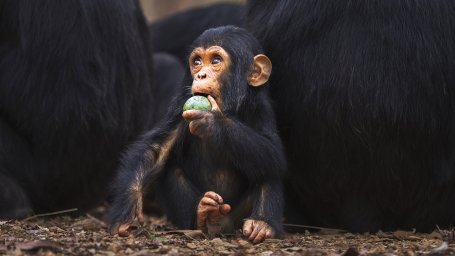
Compared to leaf-eaters, primates who ate fruit had around 25 percent more brain tissue. Anup Shah/Getty Images

Notwithstanding what I said here, eating fruit was already a good idea that now has one more bit of evidence. You should also eat it for the benefit of future generations, according to this story provided by the folks at the salt at National Pubic Radio (USA):

Primate brains may have grown larger and more complex thanks to a fruit-filled diet, a new study suggests.

The researchers analyzed the brain sizes and diets of over 140 primate species spanning apes, monkeys, lemurs and lorises and found that those who munched on fruit instead of leaves had 25 percent more brain tissue, even when controlling for body size and species relatedness. Take spider monkeys and howler monkeys, for example. Continue reading

Eat More Sweets

Sax-TheSrirachaArgumentforImmigration-600

When fighting for the rights of immigrants, food just might be an unexpected weapon. PHOTOGRAPH BY ANNA QUAGLIA / ALAMY

Here is an idea I can believe in, not strictly because I like the type of sweets in the photo to the right (akin to those in my home growing up, made by my immigrant mom) but including that; mainly I like the idea of consuming certain items as a proxy for something more important. In a post titled THE SRIRACHA ARGUMENT FOR IMMIGRATION, by David Sax, this proxy is made clear in a concise 5-minute read:

Accentuate The Positive

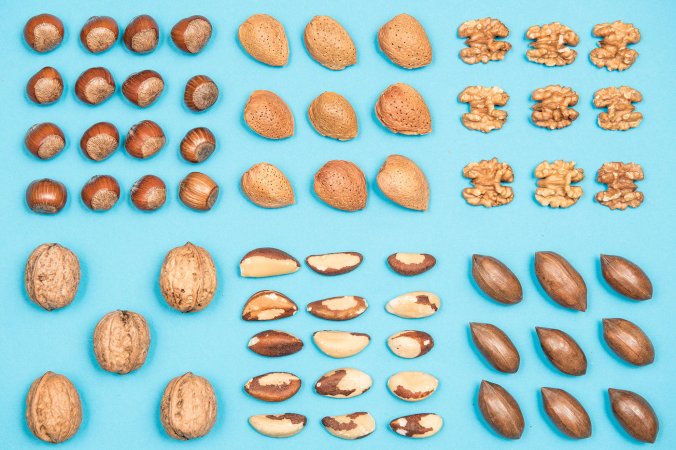
nuts1_custom-2c2df4db5264f538b9909ed81edad561d0248011-s1400-c85.jpg

On the flip side, the study found that diets containing low amounts of nuts and seeds were linked to about 9 percent of deaths from heart disease and Type 2 diabetes. John Lawson/Belhaven/Getty Images

All things in moderation. If you follow that general rule, this article may not be of interest to you. But for most of us, the salt’s (thank you National Public Radio, USA) item for us today is worth a glance. After you collect some stardust, sprinkle it on a handful of nuts:

…We know, it may be tough to cut back on foods you love. Bacon is so alluring to many that it has even been called the ‘gateway’ to meat for vegetarians!

But, here’s the flip side: The researchers also found there’s a significant risk in eating too little of certain healthy foods. So, think of it this way: You can start consuming more of the foods that are protective… Continue reading

Impossible’s Intriguing Inclination

Impossible.jpgMeatless is not even a concept yet for some, but we’re working on that. Many of us contributing on this platform have already started taking it seriously even if not totally converted–reducing meat consumption rather than going all out vegetarian, let alone vegan–for all kinds of good reasons.

We have already expressed our interest as best we can without having yet tasted one of these, but thanks to this Guardian review we are now a step closer to the impossible. We do not need to have tasted it to have high expectations and hopes to match the ambitions of the company:

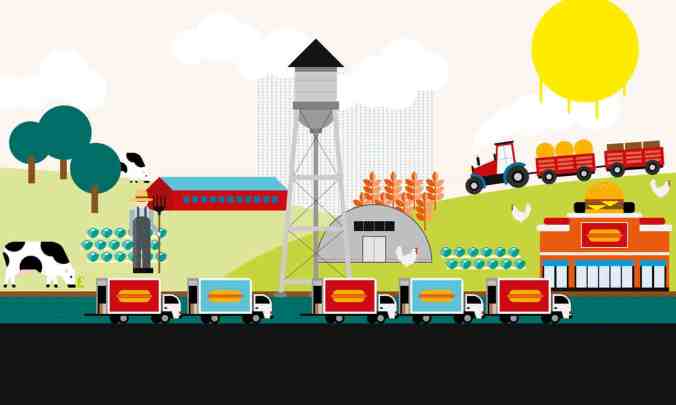
Impossible Foods is on the cusp of big things. But as the company lines up its first burger chain, it still needs to show it can convert the meat-loving masses Continue reading

Vegetables Whenever Possible

healthy-eating_wide-3087c2799e5db403ff54714c00841a942c204be8-s1100-c85

Eating healthy will do more for your immune system than megadoses of supplements. Gillian Blease/Ikon Images/Getty Images

It is the season in the northern hemisphere when this matters most:

Want To Prevent The Flu? Skip The Supplements, Eat Your Veggies

KATHERINE HOBSON

Flu season is upon us, which means it’s time for the wave of advertisements promoting $8 juices or even more expensive supplements to “boost your immunity” or “support immune function.”

But those are marketing terms, not scientific ones. And there’s no proof that those products are going to keep you from getting sick. Continue reading

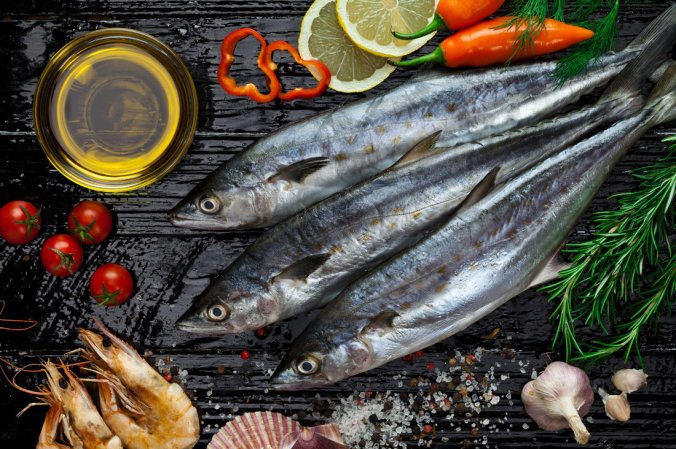
Fish, Nutrition & Progress

gettyimages-511530458-80_custom-e1514ae78fade488fe3c4e443cd01db56c5f43da-s1100-c85.jpg

Americans are often chastised for what we eat. Now we’re getting a pat on the back. A new report finds seafood consumption is up by nearly a pound from the previous year, the biggest leap in 20 years. fcafotodigital/Getty Images

Thank to the salt, at National Public Radio (USA) for this news:

Hey, Looks Like Americans Are Finally Eating More Fish

CLARE LESCHIN-HOAR

…According to the annual Fisheries of the United States Report released by NOAA last week, Americans increased their seafood consumption to 15.5 pounds of fish and shellfish per person in 2015, up nearly a pound from the previous year, making it the biggest leap in seafood consumption in 20 years.

“It’s terrific news,” says Tom Brenna, professor of human nutrition at Cornell University and a member of the 2015 Dietary Guideline Committee. “We’re moving in the right direction.”

It’s a rare nutritional pat-on-the-back for Americans, who routinely get chastised over their diets, but the good news comes with some caveats. Continue reading

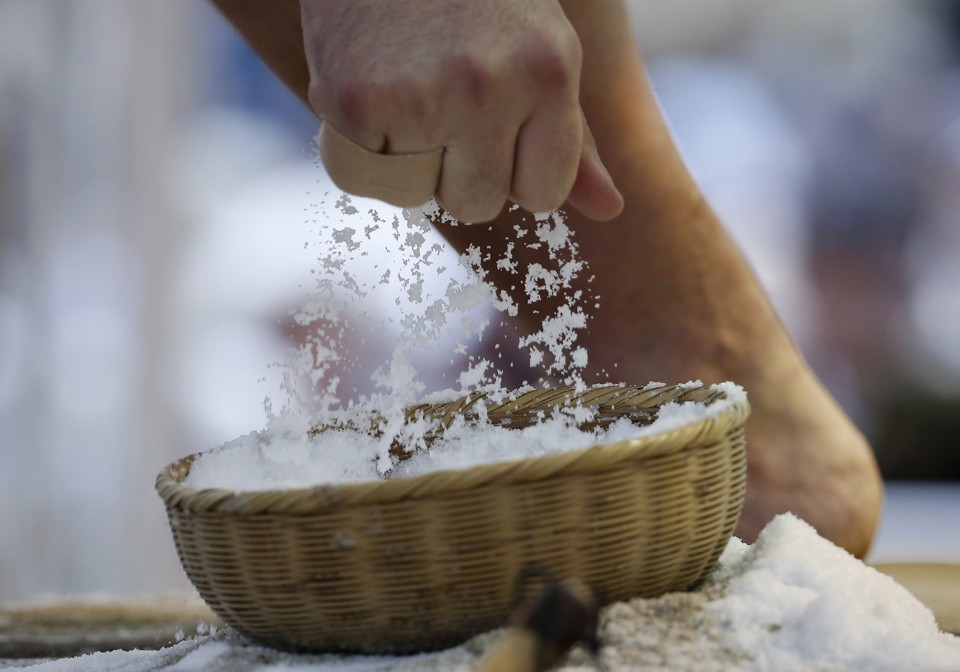
Podcast: The Magic of Salt

Yuya Shino / Reuters via The Atlantic

Almost exactly five years ago, I quoted Mark Kurlansky’s book focused on the history of an Atlantic fish species, Cod. I knew he’d written another book on the history of salt, but haven’t read it yet. With a podcast episode from Gastropod that was featured in The Atlantic recently, I got a nice summary of the subject and learned even more about the current issues revolving around sodium.

Salt is a magical substance. It reduces bitterness, enhances sweetness, boosts flavor, and preserves perishable foods. Without it, we would die: The human body can’t make sodium, but our nerves and muscles don’t work without it. It was considered rare until quite recently, so it’s hardly surprising that, throughout history, salt has been the engine behind empires and revolutions. Today, there’s a new battle in the salt wars, between those who think that we eat too much of it and it’s killing us—and those who think most of us are just fine. Join us for a serving of salt, seasoned with science, history, and a little politics.

Continue reading