Diversity’s Rainbow

07ZIMMER_COMBO-master675

The long tail of diversity’s many intrigues, as Mr Zimmer seems uniquely capable of summoning up with such clarity:

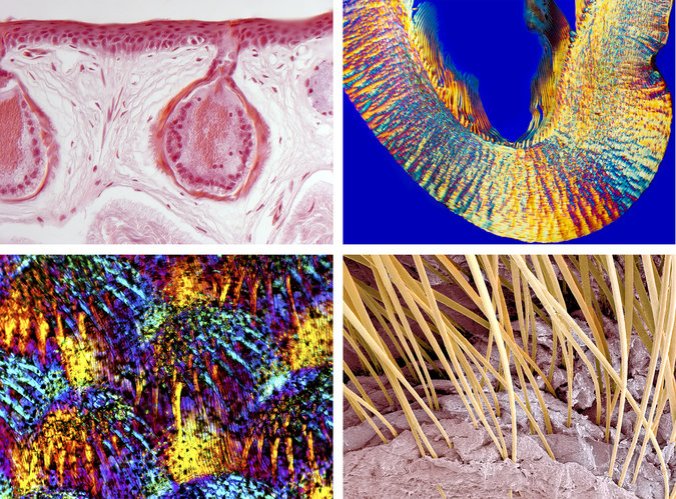
Narwhals and newts, eagles and eagle rays — the diversity of animal forms never ceases to amaze. At the root of this spectacular diversity is the fact that all animals are made up of many cells — in our case, about 37 trillion of them. As an animal develops from a fertilized egg, its cells may diversify into a seemingly limitless range of types and tissues, from tusks to feathers to brains. Continue reading

Notes from a Natural History Museum

Harvard Natural History Museum

I recently had the chance to visit the Harvard Natural History Museum. Despite having lived in Cambridge for nearly a year, and having often thought about visiting the museum when I passed by going to and from my apartment, I had not stopped in until now. What a treat! The collections are full, diverse, and well curated. On this occasion, I spent most of my time in the animal wing, but I plan to return soon to take in the flora and minerals, and spend much more time in choice display rooms (e.g. the absolutely gorgeous Mammals/Birds of the World permanent exhibit: see below for pictures).

A ground sloth skeleton. It is hard to get an idea of the size of this creature from this photo, but it probably weighed several tons while alive!

Continue reading

The Underwater Greenhouse

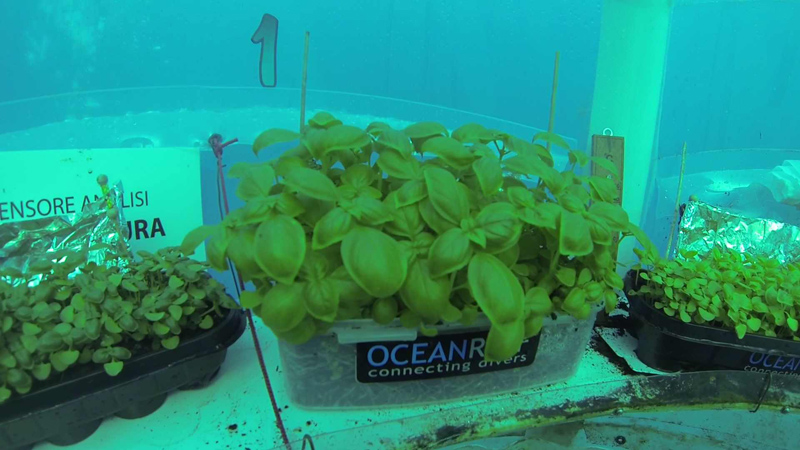
The Orto di Nemo project—Nemo's Garden, as it's called in English—resides 30 feet under the waves, off the Noli Coast in in Italy.

The Orto di Nemo project—Nemo’s Garden, as it’s called in English—resides 30 feet under the waves, off the Noli Coast in in Italy.

Basil, strawberries and lettuce are being grown 30-feet underwater off of the Noli coast in Italy. A team of ‘diver gardeners’ have taken advantage of a surprising opportunity and have found that actually, a least on a  small scale, growing vegetables underwater can be highly successful. There are a number of advantages to growing underwater – a steady temperature, the absence of aphids and the atmosphere is CO2 rich. The products are grown in oxygen filled ‘bubbles’, which are tethered to the ocean floor.

Continue reading

A Scooter That Charges Faster Than Your Phone

Ather Energy's e-scooter - S340 - is powered by a battery that charges within an hour

Ather Energy’s e-scooter – S340 – is powered by a battery that charges within an hour

India is the world’s second largest market for two-wheelers, and more than 14 million two-wheelers were sold last year. But electric scooters, so far, aren’t too big a part of that pie. When electric two-wheelers were first introduced nearly a decade ago, companies were betting big. They had a brief honeymoon period between 2008 and 2010, with sales more than doubling during that time. But all that dwindled once the government slashed its Rs22,000 ($346) subsidy for lithium battery packs in 2012. From selling 100,000 units two years ago, sales plunged to 21,000 units by 2014. But Ather Energy is bent on revising the trend.

Continue reading

Can GPS Be Replaced?

A new geolocation system is helping people get around in places where the streets have no name. PHOTO: Mapcode

A new geolocation system is helping people get around in places where the streets have no name. PHOTO: Mapcode

Rely on numbers to get around the neighbourhood? Then this one’s for you. A nonprofit called the Mapcode Foundation, has designed a system that assigns a unique and easily remembered address to any spot on the planet, without reference to landmarks or street names. Mapcodes consist of between four and nine digits and letters, which correspond to a five-square-metre patch on land or sea. Vowels have been eliminated from the system—so that mapcodes would not look like words, and because “O”s and “I”s cause confusion—but the remaining Latin consonants can be replaced with characters from the alphabets of most major languages. And the addresses are largely sequential: take a few steps in any direction and you’re in another square with a similar mapcode.

Continue reading

There, There, the Insects Feel You

Are insects conscious beings, asks a new study. PHOTO: Wikimedia Commons

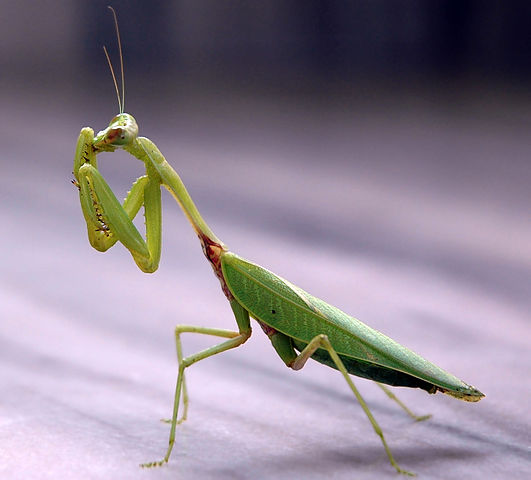
Are insects conscious beings, asks a new study. PHOTO: Wikimedia Commons

A recent survey suggests that, for most of us who have ever had a pet companion, it’s a no-brainer that mammals and birds are emotional creatures, sharing emotions with multiple species and not just their own. Yet despite the thousands of YouTube videos and hundreds of recent scientific studies presenting easily accessible evidence and examples, not everyone thinks so. It was only in 2012 that scientists finally agreed that nonhuman animals are conscious beings. It has only just been discovered that dogs display immensely complex, human-like emotions like jealousy, and that cows express positive emotions through the whites of their eyes. But what about insects?

Continue reading

Let’s See You Shop Sustainably

HowGood, an independent research organization based in New York City, may have answers for the food industry’s many scales of sustainability. PHOTO: ucla.edu

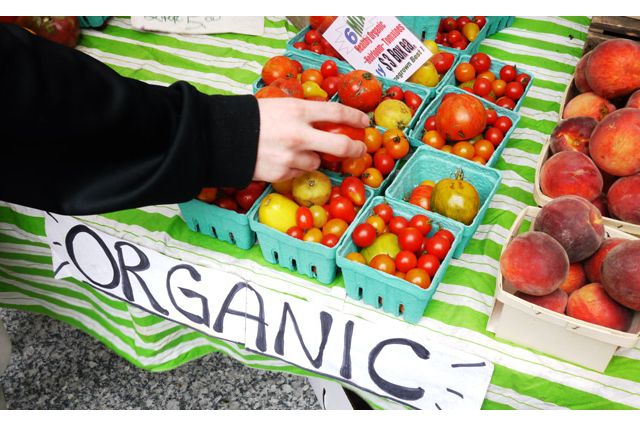
HowGood, an independent research organization based in New York City, may have answers for the food industry’s many scales of sustainability. PHOTO: ucla.edu

Are you a conscientious shopper? Do tags of ‘organic’, ‘locally sourced’, ‘homegrown’, ‘all-natural’, etc easily sway you and your shopping cart? Got questions that can better aid your shopping choices? Then HowGood is where you should stop by before you head to the check-out counter.

But if one apple touts organic certification, and an adjacent apple boasts local sourcing, which green reigns supreme? And what grocery store offers the singular scale for weighing the overall benefits? HowGood, an independent research organization based in New York City, has toppled the food industry’s many scales of sustainability to answer these questions through a more nuanced, easy to understand system.

Continue reading

Who Are You in the Wild?

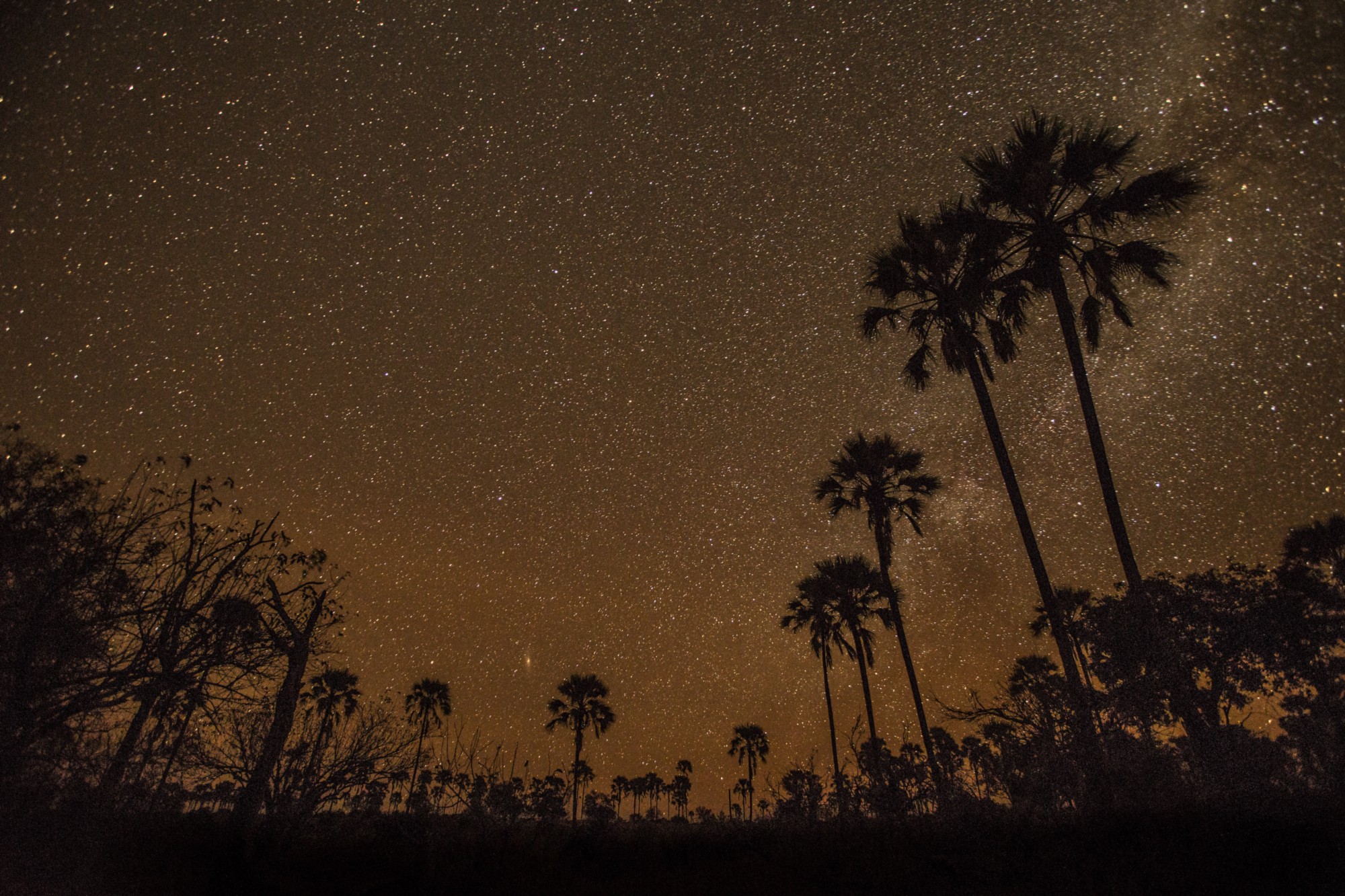
The Okavango Delta is home to the largest-remaining elephant population and keystone populations of lion, hyena, giraffe and lechwe antelopes. It’s the size of Texas, and visible from space. PHOTO: James Kydd

The Okavango Delta is home to the largest-remaining elephant population and keystone populations of lion, hyena, giraffe and lechwe antelopes. It’s the size of Texas, and visible from space. PHOTO: James Kydd

What can one man do towards protecting the wild? For starters, your efforts could center around saving Africa’s last remaining wetland wilderness. Then, you could be so relentless in your mission that UNESCO includes your ‘battleground’ in its World Heritage List. Then, you keep at your preservation project until you meet the Minister of Environment and get him to sign a pact on protecting the river system. If that all sounds good to you, allow us to introduce explorer Steve Boyes who has done all of the above and pledged his life to the conservation of the Okavango River Delta.

Located in northern Botswana, this untouched 18,000 square kilometer alluvial fan is the largest of its kind, and is supplied by the world’s largest undeveloped river catchment — the mighty Kavango Basin. The Okavango Delta is home to the largest-remaining elephant population and keystone populations of lion, hyena, giraffe and lechwe antelopes. It’s the size of Texas, and visible from space.

Continue reading

When Ideas Take Flight

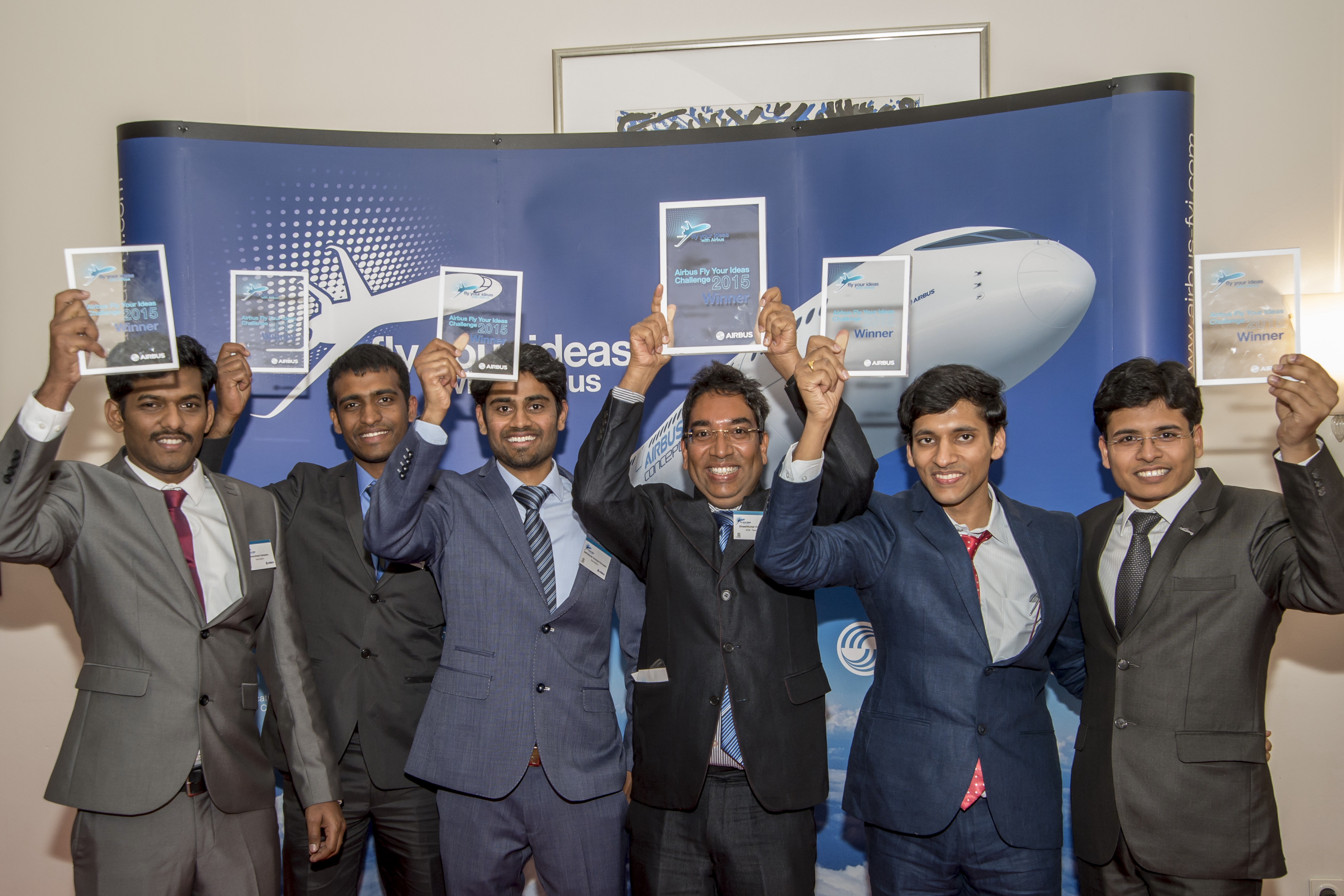
A team of Indian students won the fourth edition of the Airbus Fly Your Ideas global competition organised in partnership with UNESCO to encourage innovators . PHOTO: Airbus

A team of Indian students won the fourth edition of the Airbus Fly Your Ideas global competition organised in partnership with UNESCO to encourage innovators . PHOTO: Airbus

A few weeks ago, Hamburg hosted the fourth edition of the Airbus Fly Your Ideas competition. The city is where the most popular single isle A320 family aircraft are finalised, where A380 cabin interiors are fitted and where the revolutionary A350XWB sections are manufactured. Organised in partnership with UNESCO to encourage the next generation of innovators, the competition saw 518 multi-disciplinary ideas, representing 3,700 students from over 100 countries – all to better the future of flight. And a team of four Indian students and their “good vibes” took home the top prize money of €30,000 (£21,500). And here’s the best bit: the winners physically met only on the day of the finals.

Continue reading

Happy Birthday, Carolus Linnaeus!

Remember Carolus Linnaeus? Go back to high school where you probably heard of taxonomy first; yes, it’s his invention. Well, it was his 308th birthday last week (May 23) and each year, it is celebrated with a list. Of new species discovered the previous year. Scientists found 18,000 new species in 2014, but the top 10 are in a league of their own. How about a spider that cartwheels to escape danger or a frog that gives birth to live tadpoles?

Continue reading

Bats can Focus Biosonar by Stretching Mouths

While in Cockpit Country for our first expedition to Jamaica looking for the Golden Swallow, John, Justin and I watched in awe as hundreds and hundreds of bats flowed out of a cave and flew in a distinct path right by us over the course of half an hour. The slightly shoddy video below can only partly convey the sensation of having the flapping mammals zoom past in a steady stream. We’ve recently featured a couple stories of scientific developments in bat research on the blog, including wing-beat echolocation in fruit bats and singing for communication in other species.

A couple weeks ago, we learned via Discover Magazine’s science blog by Continue reading

The Impressiveness of Cephalopod Sight

Photo via EuclidLibrary

We’ve long known that octopuses have some of the most powerful eyes among invertebrates, but a recently published article in the Journal of Experimental Biology titled “Eye-independent, light-activated chromatophore expansion (LACE) and expression of phototransduction genes in the skin of Octopus bimaculoides” is showing that members of cephalopoda (octopus, squid, cuttlefish) may also have light-sensitive cells in their skin that effectively transform the large outer organ — already famous for its color- and shape-shifting qualities — into a perceptive one as well. The science sections of the New York Times and The Guardian, along with National Geographic‘s Phenomena webpage, all cover the story (click on the reporter’s name to reach the original articles):

Octopuses can mimic the color and texture of a rock or a piece of Continue reading

Totem Lost & Found

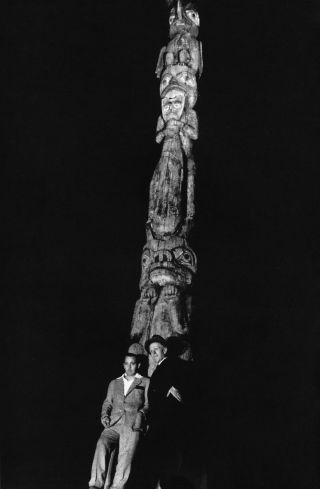
John Barrymore, left, joked that “tribal gods” might “wreak vengeance on the thief.”

John Barrymore, left, joked that “tribal gods” might “wreak vengeance on the thief.” Courtesy Bill Nelson

Read it start to finish in one read:

The Tallest Trophy

A movie star made off with an Alaskan totem pole. Would it ever return home?

By Paige Williams

The predominant natives of southeastern Alaska are the Tlingit—the People of the Tides. They are believed to have settled the Panhandle and the Alexander Archipelago more than ten thousand years ago. The Tlingit (pronounced klink-kit) were hunter-gatherers and traders who typically lived on the coastline, moving between permanent winter villages and summer encampments, where they fished, foraged, and stockpiled food. Continue reading

The Rare Bird That Makes The News

CHESTNUT-BREASTED__2365682r

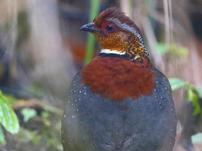
RARE FIND: Chestnut-breasted Partridge. Photo: Gururaj Moorching.

We most love the online edition of the national Indian newspaper, The Hindu, for its occasional willingness to put news like this on the same footing with the “noise” of the more typical “real” news:

Bengaluru shutterbug captures rare Partridge

Mohit M. Rao

Immense patience and a stroke of luck granted wildlife photographer Gururaj Moorching a two-minute encounter with the rare bird.

Continue reading

21st Century Alchemy

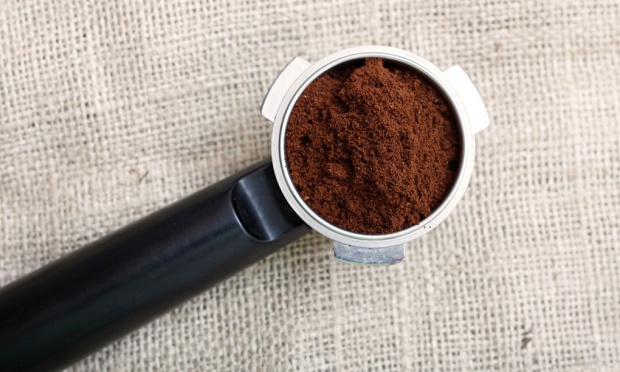
Scientists at the City University of Hong Kong can turn coffee grounds and stale bakery goods into a sugary solution that can be applied to manufacture plastic. Photograph: Alamy

Scientists at the City University of Hong Kong can turn coffee grounds and stale bakery goods into a sugary solution that can be applied to manufacture plastic. Photograph: Alamy

We frequently talk about the recycling on these pages, with an eye toward the developing awareness that the concept is no longer limited to inorganic, static materials. This recent article in the Guardian indicates that plant cellulose based plastic is just the tip of the iceberg in the possible ways to convert the mountains of food waste in many parts of the world into materials with environmental benifits.

Scientists at the City University of Hong Kong have found that they can turn coffee grounds and stale bakery goods – collected from a local Starbucks – into a sugary solution that can be used to manufacture plastic. The food waste was mixed with bacteria and fermented to produce succinic acid, a substance usually made from petrochemicals, that can be found in a range of fibres, fabrics and plastics. Continue reading

Fish Have Plenty To Shout About

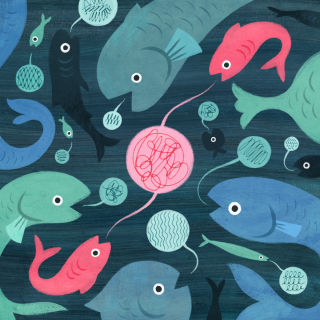
More than eight hundred fish species are known to hoot, moan, grunt, groan, thump, bark, or otherwise vocalize. CREDIT ILLUSTRATION BY KYLE T. WEBSTER

More than eight hundred fish species are known to hoot, moan, grunt, groan, thump, bark, or otherwise vocalize. CREDIT ILLUSTRATION BY KYLE T. WEBSTER

Thanks to Emily Anthes and the Elements section of the New Yorker‘s website for this post expanding our sonic horizons, and especially for the accompanying recordings to assure you that fish can shout:

In 1909, a French doctor named Étienne Lombard discovered something that most people intuitively know: humans raise their voices in noisy environments. Lombard first observed the effect—which came to be named for him—at the Hôpital Lariboisière, in Paris, where he noted that his patients spoke more loudly when he filled their ears with the hiss or crackle of a “deaf-making apparatus.” The patients seemed to adjust the volume of their speech reflexively, and Lombard suggested that the phenomenon could be used to identify malingerers—those who were faking their hearing loss in order to collect workers’ compensation.

Continue reading

Golden Swallows, Jamaica Expedition

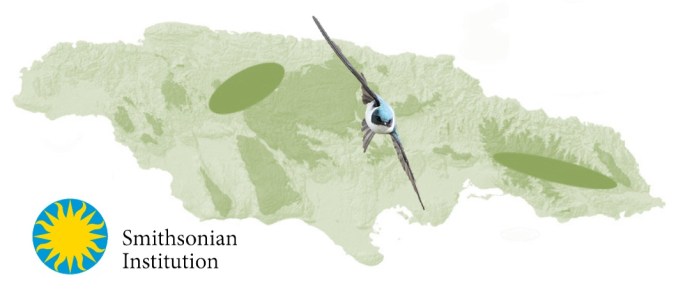
Article BannerIt was in 1844 that English naturalist Philip Henry Gosse arrived in Jamaica for his first time. Gosse would ultimately spend 18 months on the island, where he became fascinated in studying the local birdlife he found there. After returning back to London, he went on to publish a book entitled, “The Birds of Jamaica,” in which can be found the first formal descriptions of many birds still cruising about the Caribbean landscape today. The encounters he had with one bird in particular inspired Gosse to write the following:

This exceedingly lovely little Swallow, whose plumage reflects the radiance of the Hummingbirds, is found, as I am informed by Mr. Hill, in the higher mountains formed by the limestone range of the very centre of the island, as in Manchester, and St. Ann’s. It is not until we ascend this central chain, that we meet with this sweet bird, occasionally in the more open dells, but principally confined to the singular little glens called cockpits.

In this passage Gosse speaks of the Golden Swallow, a small passerine that has only been historically known from two islands, Hispaniola and Jamaica.  And while populations of this species continue to persist in several mountain ranges of Haiti and the Dominican Republic, the beautiful bird that Gosse describes in his Jamaican travels has not been seen on that island for more than 25 years.

Continue reading

Andrew Forsthoefel, Come To Kerala!

AndrewSlider

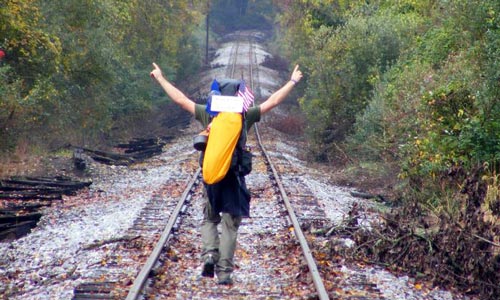
Andrew Forsthoefel. Photo by Therese Jornlin, Andrew’s mom. Chadds Ford, PA.

The interns we have had the honor of hosting since setting up shop in Kerala a few years ago have all shared in the responsibility to communicate their experiences in writing on this blog. We are committed to the written word, but not Ludditically opposed to other forms of communication. We have barely put a toe in the water with video, and not even thought about radio as an option, even though we consider Jay Allison an epic hero of good, important communication.

Because of him, we know alot of worthy things that otherwise would have escaped our attention; most recently we learned of and from Andrew Forsthoefel, whose radio story is worth an hour of your time. After which, if you are like us, you will want to know where he is now, and what he is doing. We hope Andrew will see our shout out here and consider our welcome mat in Kerala. Here is his introduction to the podcast when it originally aired nearly 17 months ago: Continue reading

Tea and Conversation

Credit: Ea Marzarte

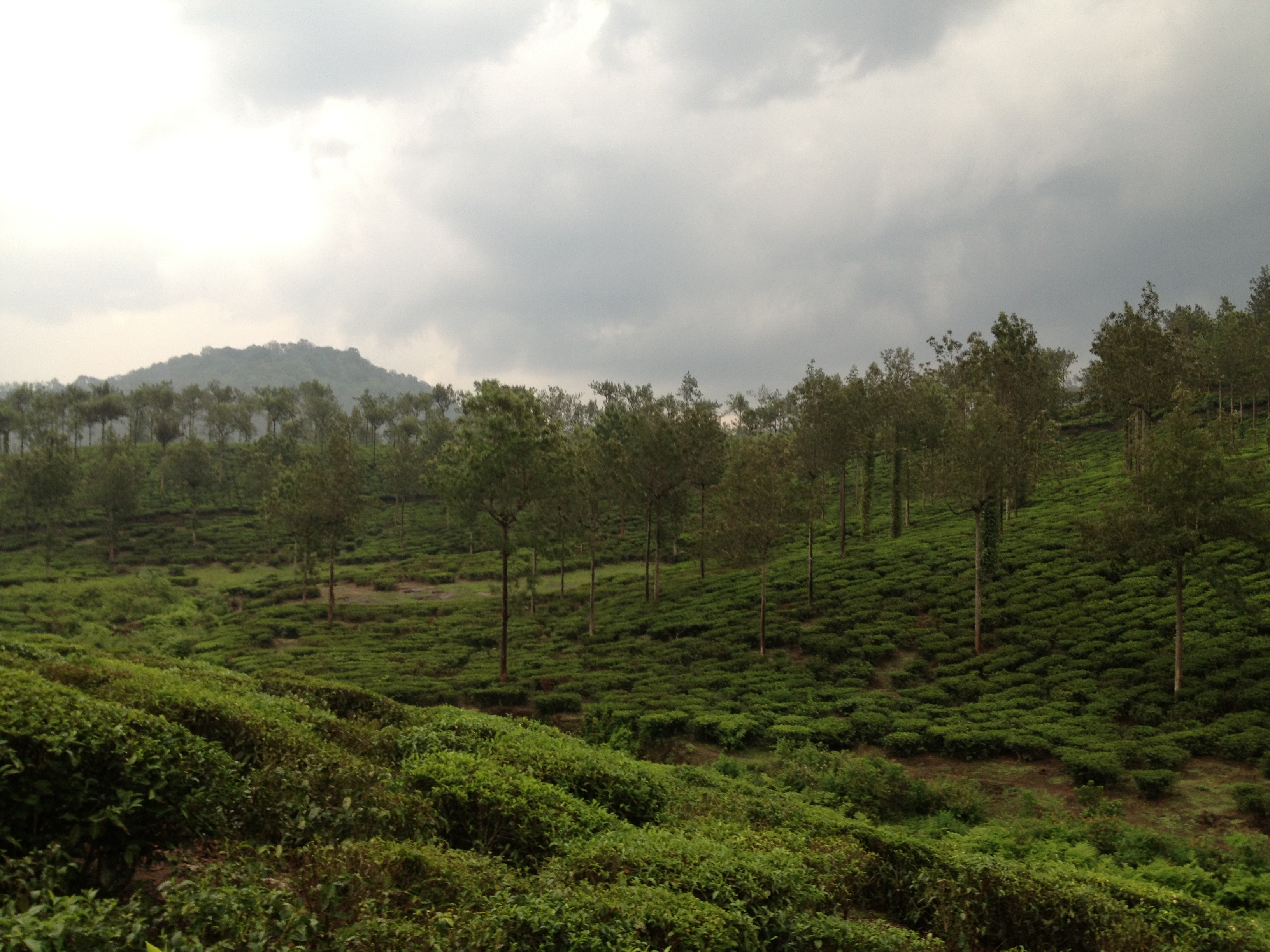
As I wrote about in my last post, my current project is documenting the conservation story of RAXA Collective. Yesterday we were driving up to the Cardamom County property in Thekkady from Spice Harbor in Cochin. I’m used to the busy main “highway” but this time we took a different route. It was through Vagamon, which is this lush, green landscape with waterfalls and not many cars on the road. We drove through tea plantations. Driving through the tea plantations with all the greenery and fog kind of enchanted me into this quiet, contemplative space.

In order to document the conservation story, I have been asking Crist questions whenever we have time to sit down about the business model of projects they’ve worked on. While driving through the tea, we had plenty of time for this conversation.

The landscape and the conservation seemed to pull me within, pointing out the shape and feeling of an idea. I don’t know what it will end up being, but I can feel the progress and formation of something. This shape seems to be magnetizing key words and planting them like seeds. I am inspired by the idea of creating a business model that funds environmental and cultural conservation.  Continue reading

Camino de Santiago Part 1

10394480_10201305461438338_2752454523553822119_n

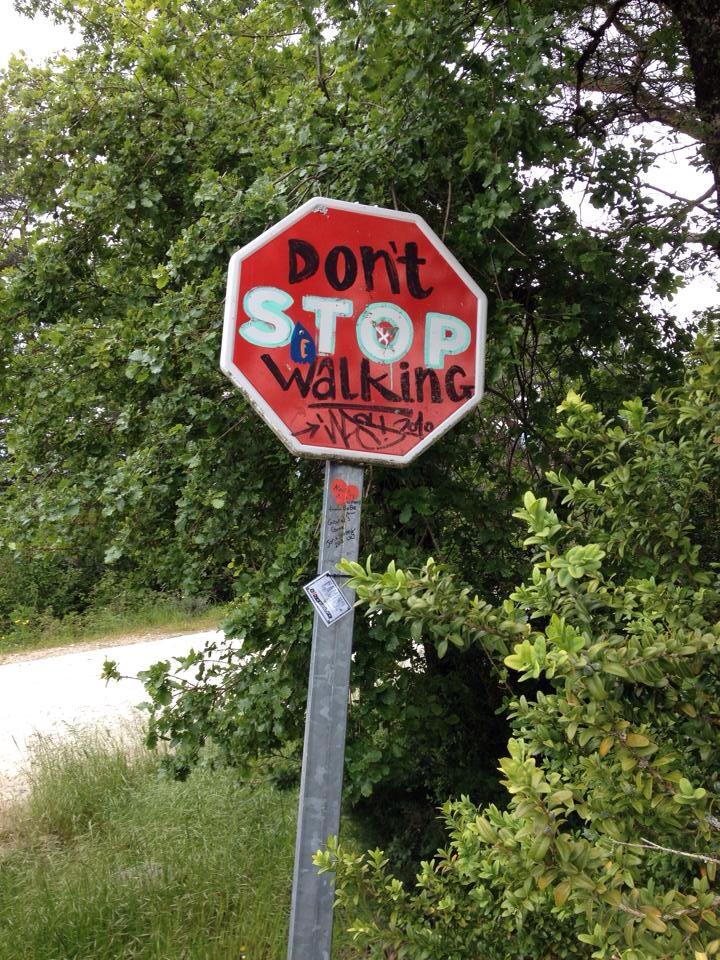
There are good signs everywhere along the Camino. Photo Credit: Kayleigh Levitt

Before coming to India, I was traveling for a month in Spain, walking the Camino de Santiago, an ancient pilgrimage to the cathedral of Santiago, where the apostle Saint James is said to be buried. Nowadays, people walk the Camino for a range of reasons including the traditional Catholic. Everyone I met was walking for a different, personal reason, but many fell into similar and overlapping categories of health, spirituality, personal journey, and cultural experience.

Many of us on the Camino were far from home, but the shared intention of being there was this thread that bound us all together, beyond language barriers and cultural differences. The Camino has its own culture and so we shared that. There were lots of people who were alone, but we were together.

The most popular part of the pilgrimage to walk is the Camino Frances, from St. Jean Pied de Port, France to Santiago de Compostela, Spain. Traditionally, people walked from their house. Although that is less common now, people do still start from their own doorway. There are many places people start the Camino besides St. Jean Pied de Port (as well as many places to end it- there is a walk to Finisterre, the coast of Spain and through Portugual, the Camino Portugués as well). I have been told there are fewer way markers- which are yellow arrows and scallop shells- before the Camino Frances.

Part of the fun of the Camino is hearing about the different ways people have done their journey. I heard of a woman walking alone, starting in Switzerland, with only a compass to guide her (there are fewer albergues too when you start from that far). I met several people who walked 1000 kilometers by the time they reached St. Jean Pied de Port, where I was starting.

I started in St. Jean, which is right at the border of France and Spain. Photo Credit: http://www.caminoguides.com/route.html

At the first albergue I stayed in, which are essentially hostels for pilgrims, our French hospitalera described it something like this: The Camino is not about walking. Walking helps you do the camino, but the camino is an inner camino, when you walk inside yourself.

Continue reading