When New Roads Signal Nothing But Danger Ahead

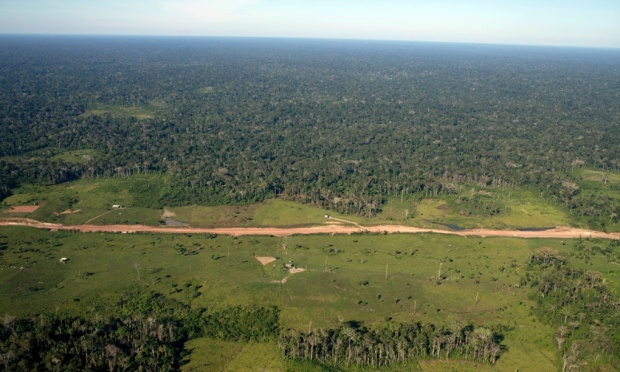
 A newly constructed road goes through the Amazon rainforest outside Rio Branco, the capital of Acre province, Brazil. For every 40 meters or road created, around 600 sq km of forest is lost. Photograph: Per-Anders Pettersson/Corbis

A newly constructed road goes through the Amazon rainforest outside Rio Branco, the capital of Acre province, Brazil. For every 40 meters or road created, around 600 sq km of forest is lost. Photograph: Per-Anders Pettersson/Corbis

Thanks to the Guardian for keeping us up to date with news, no matter how dismal, which in this case raises red flags about the future of our earth’s lungs:

Roads are encroaching deeper into the Amazon rainforest, study says

Oil and gas access roads in western Amazon could open up ‘Pandora’s box’ of environmental impacts

Oil and gas roads are encroaching deeper into the western Amazon, one of the world’s last wildernesses and biodiversity hotspots, according to a new study.

Roads across Bolivia, Colombia, Ecuador, Peru and western Brazil could open up a ‘Pandora’s box’ of negative environmental impacts and trigger new deforestation fronts, the study published in Environmental Research Letters finds.

“The hydrocarbon frontier keeps pushing deeper into the Amazon and there needs to be a strategic plan for how future development takes place in regards to roads,” said the report’s lead author, Matt Finer, of the Amazon Conservation Association.

Continue reading

The Ecological Health Of Oceans In Dire Need Of Support

The news that is fit to print, for better or worse as it impacts our mood and our sense of hope (or sense of doom on occasion), includes this review of the current best knowledge on marine ecosystems by one of our favorite science writers:

Ocean Life Faces Mass Extinction, Study Says
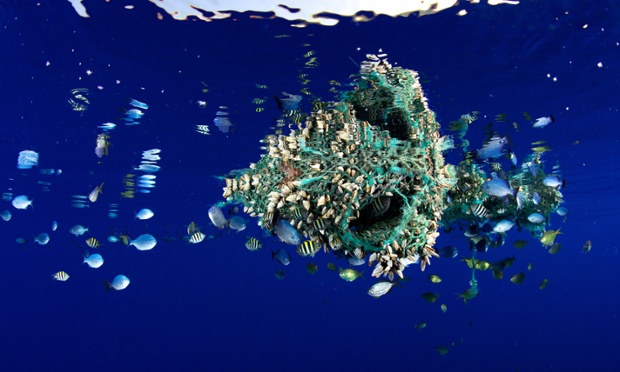
Scientists find what they say are clear signs that humans are beginning to damage oceans on a catastrophic scale, but there is still time to preserve their ecological health.

A Human’s Best Illustration Of Important Stuff

179571de-e7d8-4a39-82bf-ad6bef672f58-620x372

Plastic pieces in the ocean damage wildlife and enter the food chain when ingested by fish. Photograph: Bryce Groark/Alamy

Thanks to the Guardian for ongoing coverage of the world’s great environmental challenges:

Full scale of plastic in the world’s oceans revealed for first time

Over five trillion pieces of plastic are floating in our oceans says most comprehensive study to date on plastic pollution around the world

More than five trillion pieces of plastic, collectively weighing nearly 269,000 tonnes, are floating in the world’s oceans, causing damage throughout the food chain, new research has found.

Data collected by scientists from the US, France, Chile, Australia and New Zealand suggests a minimum of 5.25tn plastic particles in the oceans, most of them “micro plastics” measuring less than 5mm.

Continue reading

Profits, Privileges, Environmental Destruction

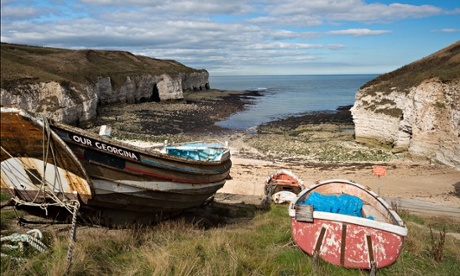
Mombiot blog on sea protection : Fishing boats near the beach at Flamborough head Yorkshire

Fishing boats near the beach at North Landing, Flamborough Head, on the Yorkshire coast. Falmborough Head is home to one of the UK’s three ‘no take’ zones – that in total cover just 5 sq km. Photograph: Paul Richardson/Alamy

The excellent Guardian editorialist, whom we have linked to more than once, strikes again:

Ripping up the sea floor on behalf of royal profits

George Monbiot: Even the pathetic laws protecting marine life in this country are instantly swept aside in response to lobbying by Prince Charles’s tenants

A few days ago, I visited the Flamborough Head “no take zone”, one of the UK’s three areas in which commercial fishing is prohibited.

Here marine life is allowed to proliferate, without being menaced by trawlers, scallop dredgers, drift nets, pots and all the other devices for rounding it up, some of which also rip the seabed to shreds. A reef of soft corals, mussels, razorfish and other species has begun to form, in which plaice and cod, crabs and lobsters can shelter, unmolested by exploitation. Fantastic, isn’t it?

Well curb your enthusiasm. Continue reading

Lost At Sea

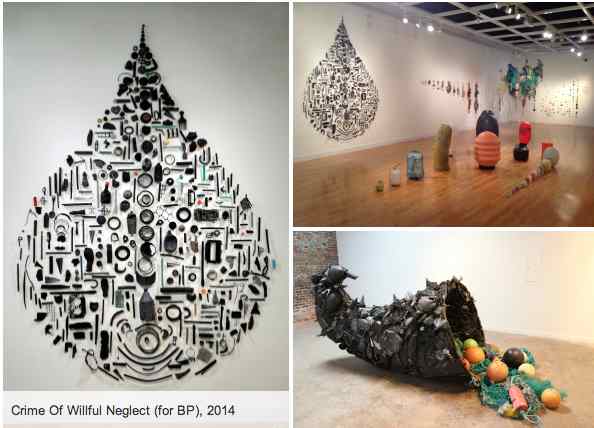
From the Drifters Project by Pam Longobardi

From the Drifters Project by Pam Longobardi

The world’s oceans effect all life on earth and it’s no longer news that even the most pristine places on earth are impacted by our “toxic legacy,” as artist Pam Longobardi puts it. The project statement for her Drifters project is really worth reading. Here is an excerpt I found particularly poignant:

Plastic objects are the cultural archeology of our time.  These objects I see as a portrait of global late-capitalist consumer society, mirroring our desires, wishes, hubris and ingenuity.  These are objects with unintended consequences that become transformed as they leave the quotidian world and collide with nature to be transformed, transported and regurgitated out of the shifting oceans.  The ocean is communicating with us through the materials of our own making.  The plastic elements initially seem attractive and innocuous, like toys, some with an eerie familiarity and some totally alien.  At first, the plastic seems innocent and fun, but it is not.  It is dangerous.   We are remaking the world in plastic, in our own image, this toxic legacy, this surrogate, this imposter.

By doing this Drifters project, she has removed thousands of pounds of material that would be considered trash and then presenting it within a cultural context. Amie wrote a previous post about artists using ocean trash as materials for art. They too found themselves telling the story of global consumerism using plastic.   Continue reading

Say It Ain’t So, Ferran!

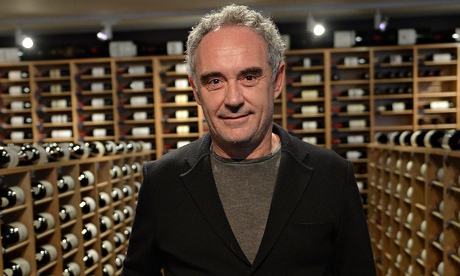
Ferran Adrià, of the award-winning restaurant elBulli. Photograph: Emmanuel Dunand/AFP/Getty Images

Ferran Adrià, of the award-winning restaurant elBulli. Photograph: Emmanuel Dunand/AFP/Getty Images

The quote from a group supporting the development of a museum on a protected coastal ecosystem–“We understand that it’s very easy to raise the populist flag in defence of the environment and that this always manages to attract a good number of supporters,”–says all you need to know to understand how important this issue is. In fact, it is not so easy. It is not easy at all to protect the last remaining unspoiled beaches in the world. We are sure that with a bit of publicity, the right outcome will prevail in this case:

When Ferran Adrià shut the doors of his elBulli restaurant in 2011, he quickly reassured gastronomes that it was not closing for good, just for a revamp. ElBulli would become a cultural foundation , complete with museum and visitor centre called elBulli 1846, all to reopen on an expanded plot in 2015.

Foodies may have been reassured, but not so environmentalists, who are furious that the expanded elBulli will eat up more space on the Cala Montjoi, one of Spain‘s few protected Mediterranean beaches. Continue reading

“Patagonia Sin Represas”–Finalmente

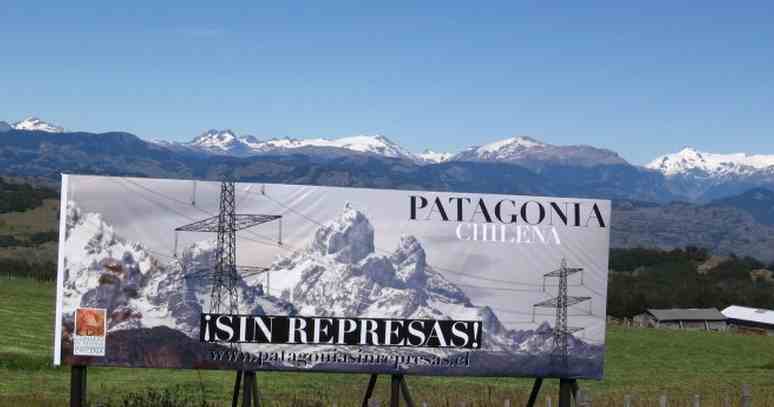
One of the many billboards representing the outcry from environmentalists and concerned members of the tourism sector

One of the many billboards representing the outcry from environmentalists and concerned members of the tourism sector

It’s been some years since our work brought me to this magical part of the world, but all of Patagonia and the specific region of Aysen have long been close to our hearts. So the news that the Chilean government overturned their 2011 approval of the HidroAysén project was happy indeed. The Baker and Pascua Rivers, previously slated for a series of 5 dams, are two of Patagonias wildest, and that’s saying a lot in a country filled with rugged beauty as diverse as it’s 4,300 kilometer length can possibly hold.

Part of that diversity has the potential to offer multiple options for renewable energy sources other than hydro-electric power. Solar power from the Atacama Desert, wave and tide projects from that enormous coastline, as well as wind turbines in areas of the country where winds reach gale force strength on a regular day are all possible options.  Continue reading

Collaborative Poaching-Patrol

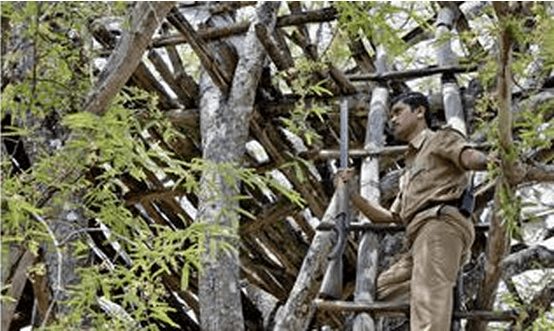
The Hindu— File Photo

We’ve written about the importance of forest stewards before, primarily because in many cases they straddle the roles of guard and guide within the territories they protect. But many of those protected areas in India are suffering from severe shortages of qualified field staff, putting enormous areas of land, not to mention the wildlife that call it home, at risk.

But the Karnataka Eco-Tourism Development Board is initiating an innovative plan to train volunteers to be forest naturalists who will assist the forestry department a minimum of two weeks per year in their anti-poaching activities.

In order to create this pool of trained volunteers, the Karnataka Eco-Tourism Development Board is offering, for the first time in the country, three- and four-day Naturalist and Volunteer Training. The board is offering the training programme in association with Jungle Lodges and Resorts Ltd. Continue reading

To Read It To The End, You Must Disbelieve It

Mark Thomas (left) and Guy Shorrock keep watch on Britain’s egg obsessives. “These are not normal criminals,” Shorrock says. Photographs by Richard Barnes.

Thanks to the New Yorker‘s commitment to a difficult topic–birds and their fate at the hands of regular and irregular people–and especially to Julian Rubinstein and his confidants for this taxing piece of journalism:

On the afternoon of May 31, 2011, Charlie Everitt, an investigator for the National Wildlife Crime Unit in Edinburgh, Scotland, received an urgent call from a colleague in the Northern Constabulary, the regional police department whose jurisdiction includes the islands off the country’s western coast. The officer told Everitt that a nature-reserve warden on the Isle of Rum, twenty miles offshore, had reported seeing a man “dancing about” in a gull colony. Everitt looked at the clock. It was 4 p.m., too late to catch the last ferry, so he drove Continue reading

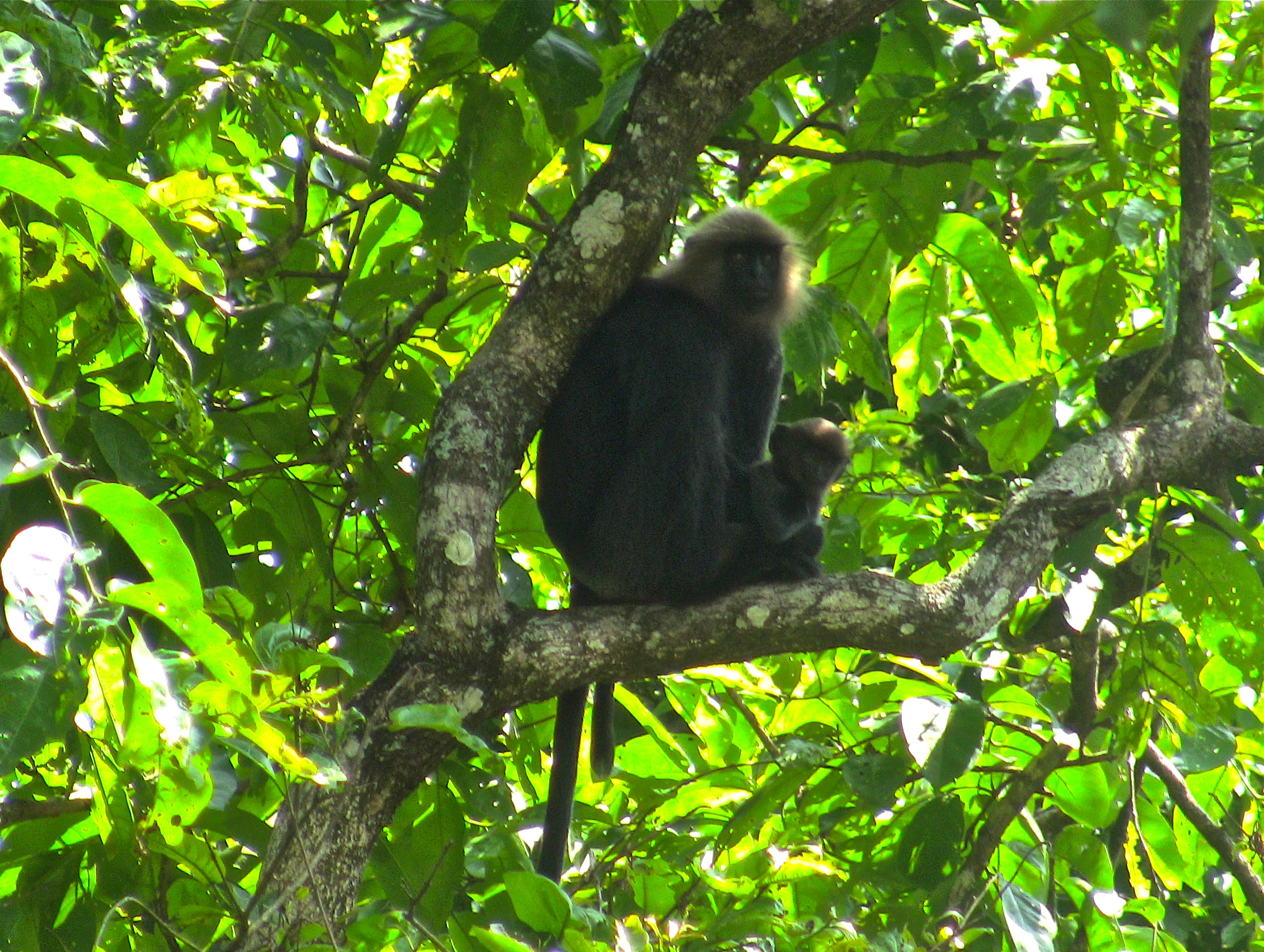
Endangered species : Nilgiri Langur

Two centuries ago, under the British rule, much of the Western Ghats forests were cut down to be replaced by tea plantations. In 1895, the damming of the Periyar river plunged 26 square km of pristine forests into what is now called the Periyar Lake. The 925 km2 of dense hilly forest that form the Periyar Wildlife sanctuary may seem huge, but it is actually a limited territory for the endemic species. Continue reading

WED 2013: Europe dumps fish dumping

WED 2013 - Raxa Collective

On June 5, we’ll celebrate World Environment Day. This year UNEP focuses on the theme Food waste/Food Loss. At Raxa Collective we’ll be carrying out actions and sharing experience and ideas. Come and join us with your ideas and tips to preserve foods, preserve resources and preserve our planet.

www.fishfight.net

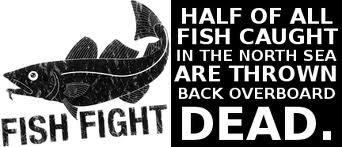
…and about 80 per cent of Mediterranean stocks and 47 per cent of Atlantic stocks are overfished. It may seem rather odd but the European Union’s policy to avoid overfishing consists in tossing dead fish back in the sea if a fleet exceeds its quota.

For decades industrial fleets have been subsidised to plunder the European waters working under the rules of the  Common Fisheries Policy devised in the 1970s. And the rule of ‘discards’ has been let’s say counter-productive in reviving the fish stock. The practice allows fleets to net quantities of fish exceeding their quota, then simply throw any unwanted dead fish overboard.

Continue reading

Midway – a transmedia project by Chris Jordan

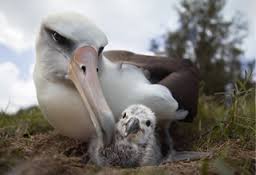
imagesThis morning’s post about the Smithsonian Ocean Portal featuring one of Chris Jordan‘s pictures from his exhibit Midway reminded me to check on his current work on the atoll. On one of the remotest islands on our planet, tens of thousands of albatrosses lie on the ground, their bodies filled with plastic from the Pacific Garbage Patch.

Returning to the island over several years, Chris Jordan and his team witness the cycles of life and death of these birds. He will release in late 2013, his first documentary feature Midway, message from the gyre.

See the  trailer after the jump. Continue reading

End This Bling Now

Carl Safina. In Amboseli National Park in Kenya, a herd of savanna elephants moved toward hills where they would spend the night.

What words might make us care enough to take action on behalf of these animals?  Perhaps the words of those in the field, watching the paramilitary-style poachers, and who have traced the value chain for which those killers kill. From today’s New York Times a powerful editorial from two such people:

…In China and other countries in the Far East, there has been an astronomical rise in the demand for ivory trinkets that, no matter how exquisitely made, have no essential utility whatsoever. An elephant’s tusks have become bling for consumers who have no idea or simply don’t care that it was obtained by inflicting terror, horrendous pain and death on thinking, feeling, self-aware beings…

Continue reading

Read, Weep, Act

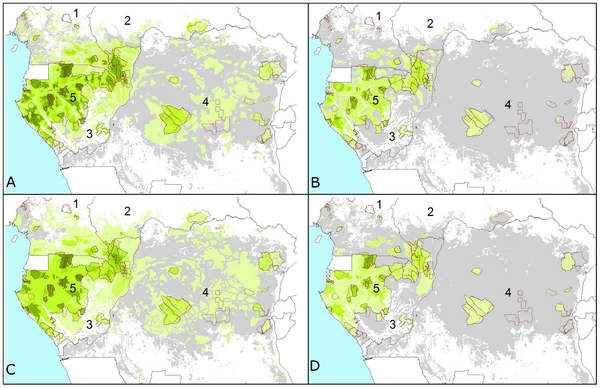
Figure 1. Elephant dung density and range reduction across the Central African forests.

A just-released scientific study documents the destruction.  Roughly 25,000 elephants per year are killed in Africa to feed the demand for ivory in Asia, and the pace has increased in the last decade such that, in another decade, extinction is possible.  A petition that led to one important-sounding announcement provided momentary hope until it was noted that no dates or even vague timelines were committed to.  For now, we have only the clear, cold facts of science and whatever stimulus these findings provide for us to take action:

Abstract

African forest elephants– taxonomically and functionally unique–are being poached at accelerating rates, but we lack range-wide information on the repercussions. Analysis of the largest survey dataset ever assembled for forest elephants (80 foot-surveys; covering 13,000 km; 91,600 person-days of fieldwork) revealed that population size declined by ca. 62% between 2002–2011 Continue reading

Wadi Feynan’s Copper Mines: Part I (History)

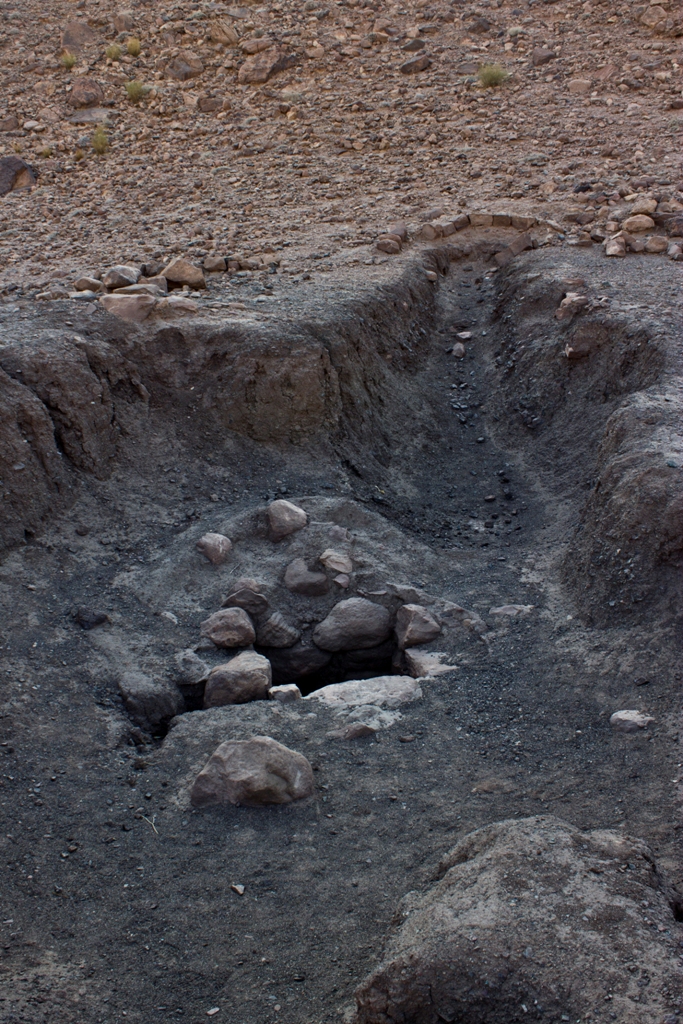
Wadi Feynan was one of the first places in the world where copper was mined and smelted by humans, which when
paired with one of the first Neolithic settlements in the world, makes Feynan an extremely important area in terms of prehistoric human development. Few places in the world can boast this sort of historical wealth – and visitors to Feynan can journey into the past with or without a guide. From the first bit of ore extracted to the collapse of the Roman Empire to the 20th century, copper mining has been a major aspect of human settlement in these valleys. Innumerable shafts have been opened, collapsed, reopened, and abandoned using a wide range of methods and technologies. Today, guests at Feynan Ecolodge have the chance to venture into the past by walking or biking to these historic sites nestled in the rocky foothills of the Dana Biosphere Reserve – and learn about their historical significance. Continue reading

Really, IKEA?

We have mentioned on more than one occasion when an otherwise admired company does something worthy of outrage.  Our site is not dedicated to outrage, but when it is called for, we encourage it.  Click the banner above to go to the story in The Guardian; following the quote below, click the image after the jump to go to the original, incriminating evidence about the ecological crime Ikea is accused of committing through one of its subsidiaries:

Protect the Forest, Sweden, a nature conservation organisation, has documented that Ikea, through Swedwood, clear-cut areas of old-growth forest containing 200-600 year-old trees in the northwest of Karelia, near the Finnish border, a process that is having deep ramifications on the invaluable forest ecosystems.

Continue reading