Chile Looks Beneath the Waters

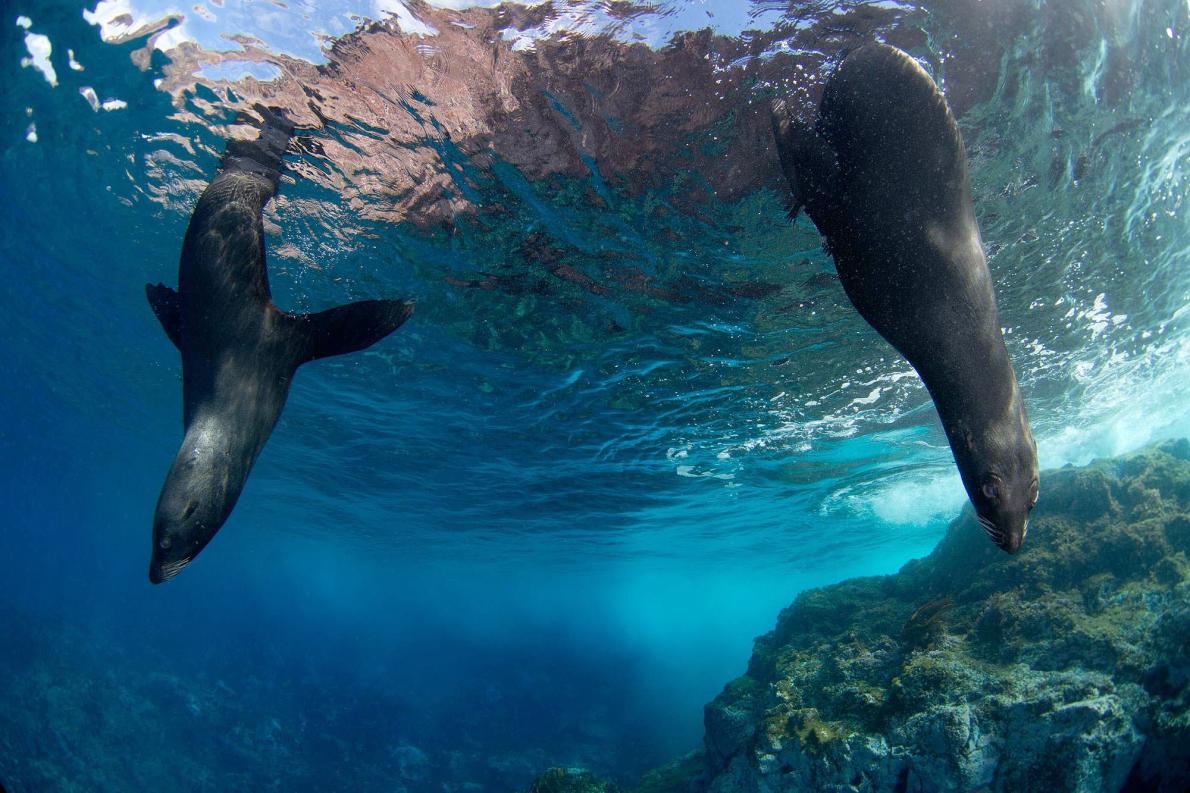
Two Juan Fernandez fur seals (Arctocephalus philippii) slide through the water off the Desventuradas Islands about 559 miles (900 kilometers) west of Chile. Divers snapped this picture during a 2013 expedition to an area that is now the largest no-take marine reserve in the Americas. PHOTO:  ENRIC SALA

Two Juan Fernandez fur seals slide through the water off the Desventuradas Islands. Divers snapped them during a 2013 expedition to an area that is now the largest no-take marine reserve in the Americas. PHOTO: ENRIC SALA

Here’s another win for those who vouch for the ecosystem wealth that lie beneath the waters. The Chilean government on Monday announced that it has created the largest marine reserve in the Americas by protecting an area hundreds of miles off its coast roughly the size of Italy.

The new area, called the Nazca-Desventuradas Marine Park, constitutes about eight percent of the ocean areas worldwide that have been declared off-limits to fishing and governed by no-take protections, says Russell Moffitt, a conservation analyst with the Marine Conservation Institute in Seattle, Washington. (Read about the world’s largest marine reserve in the Pacific Ocean.)

Continue reading

The Man of Mangrove Forests

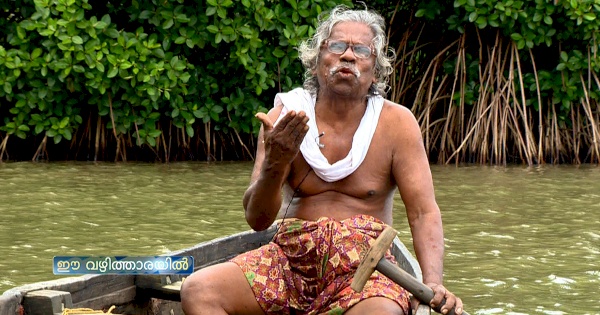
Pokkudan’s pursuit of mangrove conservation started back in the 80s when he started collecting mangrove seeds and planting them in the marshy lands of in Pazhayangadi. PHOTO: Mathrubhumi

Pokkudan’s pursuit of mangrove conservation started back in the 80s when he started collecting mangrove seeds and planting them in the marshy lands of in Pazhayangadi. PHOTO: Mathrubhumi

Kallen Pokkudan, also known as Kandal (mangrove in vernacular) Pokkudan, an Indian environmental activist and writer from Kerala, devoted his life to mangrove forests and planted more than a hundred thousand mangroves over three decades across Kerala.These trees of the tropics offer a lifeline to areas under the threat of natural disasters, prevent soil erosion, form a breeding ground for marine animals, purify water, and sustain coastal livelihoods. Pokkudan’s pursuit of mangrove conservation started back in the 80s when he started collecting mangrove seeds and planting them in the marshy lands of in Pazhayangadi. His work to expand mangrove cover along the Indian coastline has earned him a UNESCO special mention.

As the noon breeze blows Pokkudan’s silver wisps into his eyes shaded by thick glasses, the octogenarian talks with an unvarnished matter-of-factness about the revolution he started in 1989. At a time when most people were ignorant of the many scientific and envi¬ronmental uses of mangroves, Pokkudan—until then a political thinker—saw them as wind-cheaters that, to a great extent, prevented schoolchildren from losing their umbrellas to strong winds blowing from the Ezhimala area. “I started planting mangrove saplings to shield school-going children from the wind,” says Pokkudan humbly. “I also believed they would prevent the sea from eroding the ground and, above all, I wanted to see the beautiful trees growing.”

Continue reading

365 Days in the Wilderness

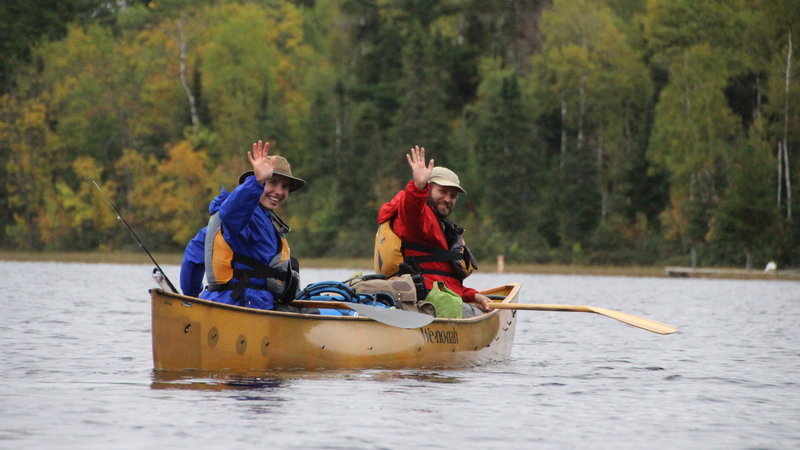
Amy and Dave Freeman paddle into the Boundary Waters, starting their 365 days in the wilderness to raise awareness of mining plans in the region.PHOTO: Alex Chocholousek

Amy and Dave Freeman paddle into the Boundary Waters, starting their 365 days in the wilderness to raise awareness of mining plans in the region.PHOTO: Alex Chocholousek

The Boundary Waters Canoe Area Wilderness is located in the northern third of the Superior National Forest in northeastern Minnesota. Over 1 million acres in size, it extends nearly 150 miles along the International Boundary adjacent to Canada’s Quetico Provincial Park and is bordered on the west by Voyageurs National Park. The BWCAW contains over 1200 miles of canoe routes, 12 hiking trails and over 2000 designated campsites. Wilderness offers freedom to those who wish to pursue an experience of expansive solitude, challenge and personal integration with nature.

And now some, or all of it, may be lost to sulphide mining.

Continue reading

The Beat of the Drum

Group of volunteers for the community clean-up on September 20th.

In spite of the daily downpours that mark the true beginning of the rainy season (and might discourage certain outdoor activities), September has been an eventful month to say the least. Costa Rica celebrated its 194th anniversary of national independence on the the 15th and the preparations at Xandari and around the country leading up to the date were very visible and audible. At the beginning of the month a few of us decorated the lobby and restaurant areas with red, white and blue streamers and ribbons, national flags, and historic photographs. Given the variety of colorful paintings and ornaments that already adorn the lobby and restaurant areas, we were cautious not to be unnecessarily generous with the patriotic decorations – so as not to over-excite the sensibility of the guests of course! Continue reading

When Temples Teach About Forests

Traditional temple gardens, called Nandavanam, are strewn along the banks of the river Tamaraparani that originates in the Western Ghats, India. Each is attached to one of the 150-odd temples in the region, some as old as 1,000 years. PHOTO: Scroll

Traditional temple gardens, called Nandavanam, are strewn along the banks of the river Tamaraparani that originates in the Western Ghats, India. Each is attached to one of the 150-odd temples in the region, some as old as 1,000 years. PHOTO: Scroll

Sacred texts are guides to living while temples and the religious community teach a thing or two about what has been and what will be. But do temple gardens move beyond their aesthetic value and stand for something greater? Yes, their valuable insights into living ecosystems.

Some of these old surviving forest patches are invaluable when it comes to shining a light on what a forest might have been like in the area several thousand years ago, like a relic to an ancient civilisation. Considering the Indian government’s rapid march towards creating new forests to combat deforestation, sacred groves, their histories and regeneration can be a blueprint to such plans. “In short, one could say sacred groves provide a small window into an ecosystem’s past,” said Osuri. “They might even provide a source population and a reference library.”

Continue reading

Sustainable Seafood, from Dock to Dish

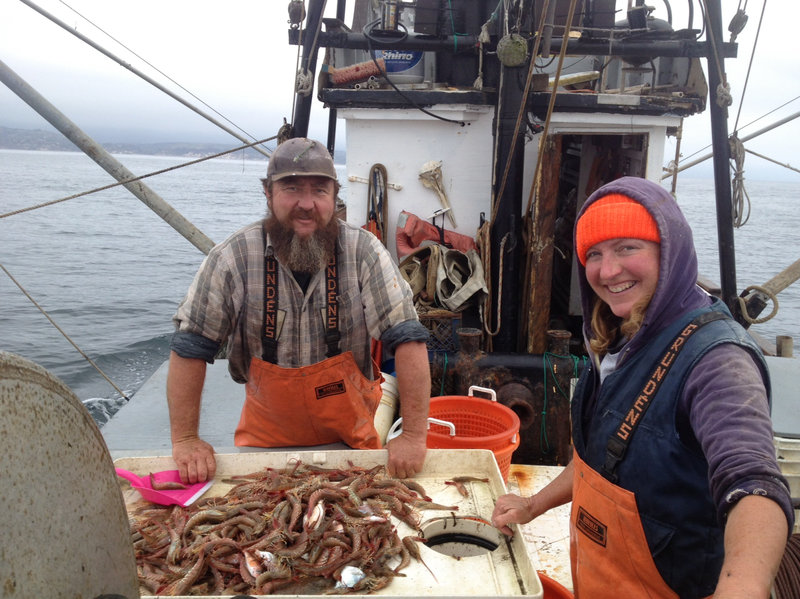
Sixteen Santa Barbara-based fishermen are participating in the Dock to Dish pilot program in California. Seen are Keith and Tiffani Andrews fishing for ridgeback shrimp on the fishing vessel Alamo. PHOTO:   Sarah Rathbone

Sixteen Santa Barbara-based fishermen are participating in the Dock to Dish pilot program in California. Seen are Keith and Tiffani Andrews fishing for ridgeback shrimp on the fishing vessel Alamo. PHOTO: Sarah Rathbone

You’ve heard of farm-to-table. At its heart, farm-to-table means that the food on the table came directly from a specific farm. Also emphasizes a direct relationship between a farm and a restaurant or store. The vocabulary of the movement is changing now to include produce from the seas, giving birth to the concept of dock to dish.

The pile of fish marks an important step toward a fundamentally different way that prominent chefs are beginning to source American seafood: the restaurant-supported fishery. Call it an evolutionary leap from community-supported-agriculture programs, which support local farmers, and community-supported fisheries, which support small-scale fishermen. Both models rely on members who share the risks of food production by pre-buying weekly subscriptions.

Continue reading

Nature’s Wisdom The Only Teacher

The Marudam School in Thiruvannamalai in Tamil Nadu. For starters, it’s run by an NGO – The Forest Way – a registered charitable trust involved in education, afforestation, environmental education, organic farming and more. Also, it receives no funding from the government. The school, set in an organic farm and powered by renewable energy, teaches its students about conscious living that respects the environment.

Continue reading

Conservation, Scotland Style

Monitors and a fisherman check lobster traps. Credit Andrew Testa for The New York Times

Monitors and a fisherman check lobster traps. Credit Andrew Testa for The New York Times

We like his simplicity, his tenacity, his practicality; most of all we appreciate the outcome:

Scotsman’s Mission Ends in a Fishing Bay Restored

HOWARD WOOD, round-faced and jolly, was happily counting the lobsters being pulled, measured and tagged out of the coastal waters he has worked for years to protect. One weighed close to four pounds, its huge right claw dwarfing its left, which was growing back after what must have been quite a battle. Continue reading

Innovating on the Ocean Bed

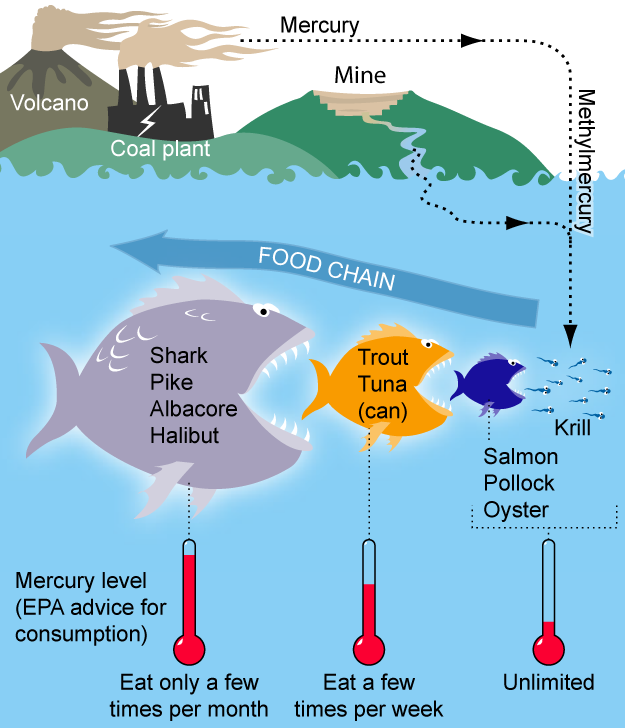
It's important that mercury pollution be contained at the site of spillage, especially oceans, to prevent it from travelling through the food chain. PHOTO: Wikipedia

It’s important that mercury pollution be contained, especially in oceans, to prevent the chemical from travelling through the food chain. PHOTO: Wikipedia

Mercury is a potent toxin that can accumulate to high concentrations in fish, posing a health risk to people who eat large, predatory marine fish such as swordfish and tuna. In the open ocean, the principal source of mercury is atmospheric deposition from human activities, especially emissions from coal-fired power plants and artisanal gold mining. Mercury concentrations in Hawaiian yellowfin tuna are increasing at a rate of 3.8 percent or more per year, according to a new University of Michigan-led study that suggests rising atmospheric levels of the toxin are to blame. And there’s a ‘fake’ solution at hand.

Continue reading

Can We Keep Cars Off the Streets

Madrid's car-free zone is just under 500 acres. Only people who live in the zone are allowed to take their cars inside. Those who want to drive in, but don't live in central Madrid, need to have a guaranteed space in one of the city's official parking lots

Madrid’s car-free zone is just under 500 acres. Only people who live in the zone are allowed to take their cars inside. PHOTO: Pictures Dot News

After over a hundred years of living with cars, some cities are slowly starting to realize that the automobile doesn’t make a lot of sense in the urban context. It isn’t just the smog or the traffic deaths; in some cities, cars aren’t even a convenient way to get around. Commuters in L.A. spend 90 hours a year stuck in traffic. A UK study found that drivers spend 106 days of their lives looking for parking spots. A growing number of cities are getting rid of cars in certain neighborhoods through fines, better design, new apps, and, in the case of Milan, even paying commuters to leave their car parked at home and take the train instead.

Continue reading

A Backyard Solution to Oil Spills

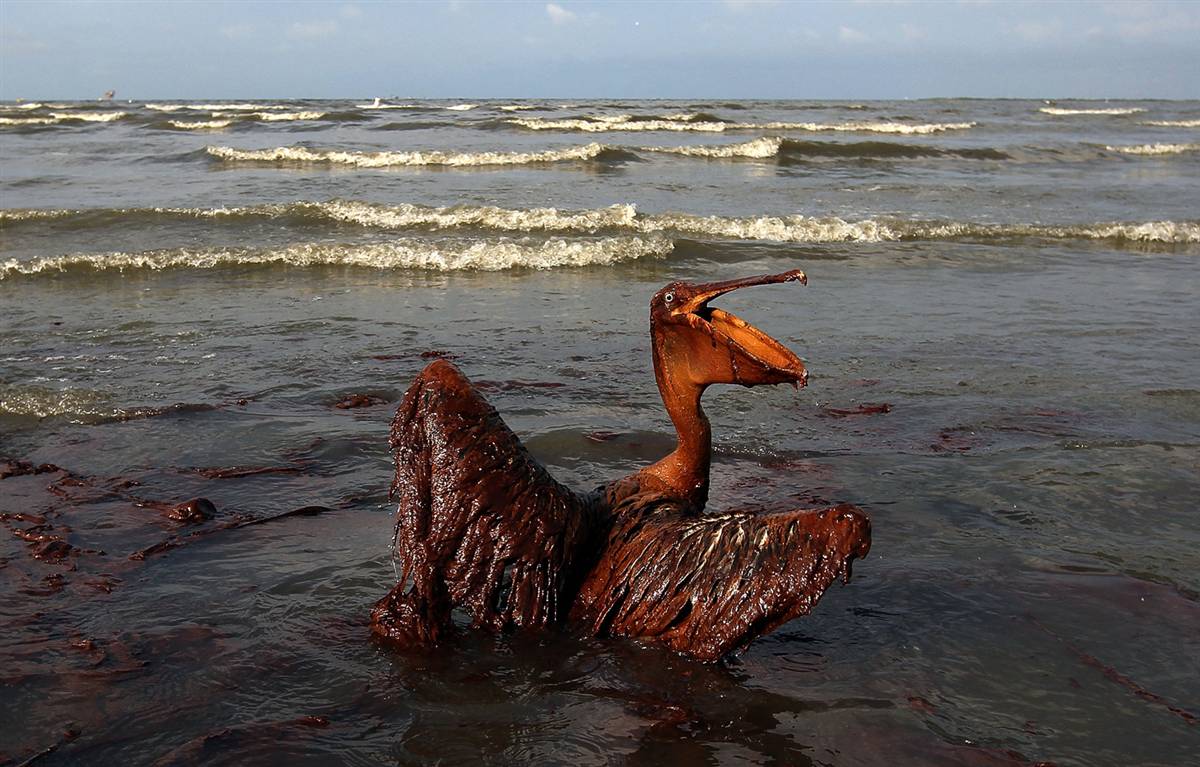
Waste like human hair, sawdust and bird feathers can clean oil spills from water. PHOTO:  Nation of Change

Waste like human hair, sawdust and bird feathers can clean oil spills from water. PHOTO: Nation of Change

Biosorption is a property of certain types of inactive, dead, microbial biomass to bind and concentrate heavy metals from even very dilute aqueous solutions. And Nikhilesh Das discovered just this, at the age of 13, demonstrating reuse and effective waste management. Scalable models of these and we may just have a potent option to deal with oil spills that destroy marine ecosystems for years together.

Continue reading

Here’s to the Orchid Observers

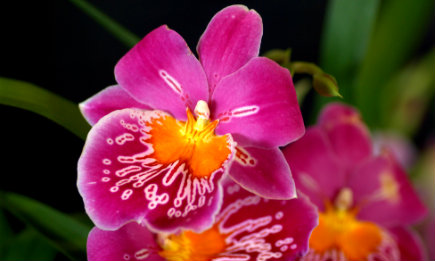
Orchid Observers is a collaboration between the museum and Zooniverse, the citizen science platform established at the University of Oxford. PHOTO: Wikimedia Commons

Orchid Observers is a collaboration between the museum and Zooniverse, the citizen science platform established at the University of Oxford. PHOTO: Wikimedia Commons

A citizen science project to study when and where orchids bloom around the UK has already revealed 200 new flowering locations for particular species. Members of the public are submitting and identifying orchid photos, and also annotating historical specimens. Called Orchid Observers, the initiative aims to measure the effect of warming, and other environmental changes, on the distribution of 29 different orchids. Orchid Observers is a collaboration between the museum and Zooniverse, the citizen science platform established at the University of Oxford. The data it yields will not only be used by researchers at the museum, but will feed into the biological records data held by the BSBI.

Continue reading

Welcome to the Urban Forest Neighborhood

The OAS1S™ architecture is shaped as a 1 and answers to the deep human need to become 1 with nature.

The OAS1S™ architecture is shaped as a 1 and answers to the deep human need to become 1 with nature.

If one Dutch architect gets his way, we might soon be living in car-free urban forests where the buildings look like trees. Raimond De Hullu’s new home design, the OAS1S, runs completely off the grid, thanks to renewable energy and on-site water and waste treatment. It’s made with recycled wood and organic insulation, meeting “cradle to cradle” standards where no material goes to waste. But the designer wanted to also rethink what a green building—and neighborhood—should look like.

Continue reading

What’s the Real Price of Fish?

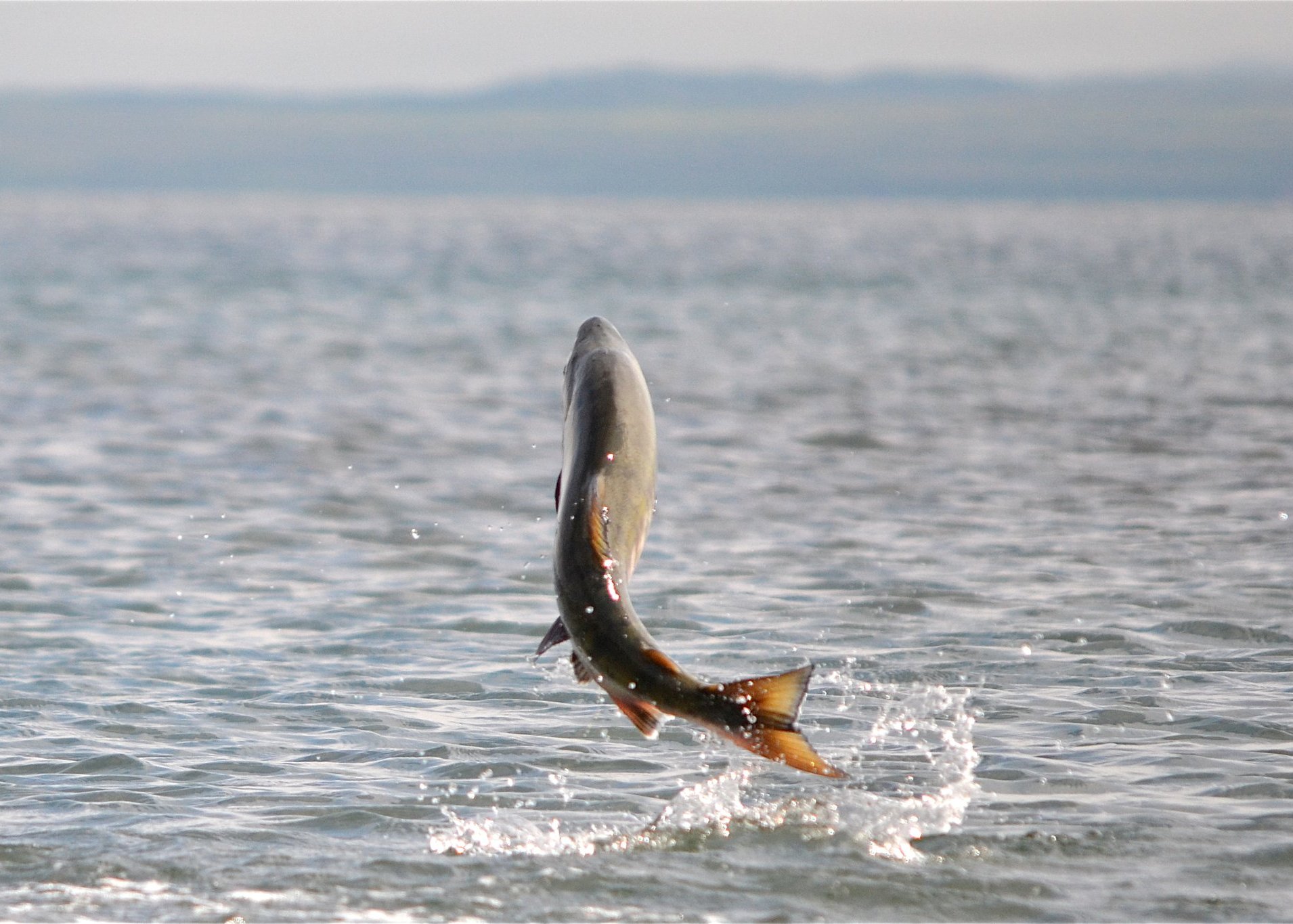
In 2010, environmental NGO Oceana ordered studies of fish in 14 major metropolitan areas and found that roughly one third of the fish found in restaurants and markets was mislabeled . PHOTO: Wikimedia Commons

In 2010, environmental NGO Oceana ordered studies of fish in 14 major metropolitan areas and found that roughly one third of the fish found in restaurants and markets was mislabeled . PHOTO: Wikimedia Commons

The efforts of the government to regulate Big Fishing and all its known and unknown evils often have the adverse effect of undercutting people for whom the ocean is something more than mere industry. The realities on the docks aren’t always as legislators understand them, says this first installment of the Medium‘s  inaugural episode of Food Crimes: The Hunt For Illegal Seafood.

The United States imported as much as 90 percent of its fish in 2013, up from 54 percent in 1995, according to the National Oceanic and Atmospheric Administration (NOAA). In fact, the United States has tripled the dollar amount of fish it imports, to more than 5 billion pounds of fish worth $18 billion. Couple these figures with the staggering estimate that between one quarter and one third of all fish sold in the United States is illegal, and you’re an equation or so away from going vegan.

Continue reading

#PeopleVsShell

Photo credits: Greenpeace.org

Environmental Activism has never taken a back seat in Seattle and we continue to root for the individuals, organizations and public officials who are working to draw global attention to a possible environmental disaster. Certainly not the moment to “Keep Calm & Carry On”…

Hundreds of kayakers in Seattle were preparing to go and “shake their paddles” in protest at a newly arrived 400ft long, 355ft tall Royal Dutch Shell oil rig on Saturday, with hundreds – perhaps thousands – more scheduled to attend on dry land.

“We here in Seattle do not want Shell in our port. We want them to get out and change their business before they change our planet and destroy the life of future generations,” said Annette Klapstein, a 62-year-old retired attorney and member of activist group the Raging Grannies.

On Monday, the Obama administration effectively gave Shell the green light to restart its Arctic drilling and exploration operations with an approval issued by the Bureau of Ocean Energy Management, a governmental regulatory agency.

Shell was forced to halt its Arctic exploration in 2012 amid a series of severe security mishaps.

Environmental groups and scientists reacted to Monday’s news badly, warning that letting Shell back into the Arctic for exploration and drilling was very likely to cause an ecological disaster and contribute to climate change. Continue reading

Stand with Máxima

Acuña de Chaupe has become the target of harassment and violence because she refuses to cede her land to Newmont. Photo credit: Latin American Mining Monitoring Programme

Acuña de Chaupe has become the target of harassment and violence because she refuses to cede her land to Newmont. Photo credit: Latin American Mining Monitoring Programme

Thanks to EcoWatch for this story, which we had not previously posted about but which highlights a cause worthy of supporting in Peru:

…Newmont is majority owner of the massive Peruvian gold mine Yanacocha, the second largest gold mine in the world, and its planned Conga gold and copper mine nearby would be even larger, requiring a farming community to move and the four lakes they rely on for irrigation to be drained.

But the community has so far refused to relinquish its treasured land and lakes, and in response activists say the company has reacted with intimidation and harassment.

One person particularly in the company’s cross-hairs is Máxima Acuña de Chaupe, says activist Mirtha Vásquez, a Peruvian lawyer at Wednesday’s meeting. Continue reading

Kathryn Schulz, Come To Kerala

Screen Shot 2015-04-10 at 6.14.56 AM

Past invitations have been sent to environmentally-oriented illustrators, to entrepreneurial conservation artists, to sandplay free spirits, to wildlife management scientists, and to food prodigies; but not enough attention has been paid, in our invitations, to word specialists. So, moving right along, Kathryn please be our guest. We would love to host you here and/or here and/or here.

We have not read the book in the link above, nor even a review of the book, but we are linking to its homepage because there you will find not only information about her book but also links to the two TED talks given by the author, whose profession is listed as Wrongologist. Catchy titles are not what catch us. Scintillating writing on the meaning of words does. For that, you could not do much better than starting here, which will also justify our invitation, as wordplay appreciators, to one of the best:

What Part of “No, Totally” Don’t You Understand?

BY KATHRYN SCHULZ

Not long ago, I walked into a friend’s kitchen and found her opening one of those evil, impossible-to-breach plastic blister packages with a can opener. This worked, and struck me as brilliant, but I mention it only to illustrate a characteristic that I admire in our species: given almost any entity, we will find a way to use it for something other than its intended purpose. We commandeer cafeteria trays to go sledding, “The Power Broker” to prop open the door, the Internet to look at kittens. We do this with words as well—time was, spam was just Spam—but, lately, we have gone in for a particularly dramatic appropriation. In certain situations, it seems, we have started using “no” to mean “yes.”

Here’s Lena Dunham demonstrating this development, during a conversation with the comedian Marc Maron on his podcast “WTF.” The two are talking about people who reflexively disparage modern art: Continue reading

Resistance Is Not Futile

Pisonia with acidification graph 2009, Judy Watson, acrylic and chinagraph pencil on canvas, 214.5 x 191.5 cm

Pisonia with acidification graph 2009, Judy Watson, acrylic and chinagraph pencil on canvas, 214.5 x 191.5 cm

We have not seen him for a noticeable stretch of time, but glad to read the words of one of the singular voices of our generation, leading the charge, again:

In the third piece in the Guardian’s major series on climate change, Bill McKibben describes how relentless climate movements have shifted the advantage towards fossil fuel resistance for the first time in 25 years. But he argues triumph is not certain – we must not rest till the industry is forced to keep the carbon in the ground.

You can read previous pieces here

The official view: all eyes are on Paris, where negotiators will meet in December for a climate conference that will be described as “the most important diplomatic gathering ever” and “a last chance for humanity.” Heads of state will jet in, tense closed-door meetings will be held, newspapers will report that negotiations are near a breaking point, and at the last minute some kind of agreement will emerge, hailed as “a start for serious action”. Continue reading

Geothermal Engineering, Radical Solutions

NAS_Clouds_courtesy-Flickr-user-Janne-Morem

Photo by Janne Morem/Flickr. Could global warming be overcome by releasing light-reflecting chemicals into the atmosphere? With safety and efficacy at the forefront of debate, David Keith discusses the moral and political quandaries surrounding the science of geoengineering.

We have mentioned geothermal engineering on and related topics on than one occasion, but there is a more radical branch of engineering the thermal options at our disposal, with special regard to the climate change “solutions” debate. Thanks to Harvard Gazette for this informative interview on the topic:

Climate engineering: In from the cold

Keith says new reports will likely boost deeper look at geoengineering concepts

When the National Academy of Sciences (NAS) released a pair of reports this month on geoengineering, which involves deliberately intervening in the climate system to counter global warming, discussion of the controversial topic moved into the mainstream science community. The reports concluded that geoengineering is no silver bullet, and that further research is needed. Continue reading

India Tiger Census Shows Promise For The Future

Screen Shot 2015-02-03 at 2.57.04 AM

The Guardian‘s video shorts, covering current news that sometimes calls for moving images, shares this recent surprise finding from India:

India’s 2014 tiger census finds the country is now home to 2,226 tigers, making up 70% of the world’s population. The figure increased by 30% in three years despite threats of poaching and habitat loss. The World Wildlife Foundation say the world has lost 97% of its tiger population in just over a century Continue reading