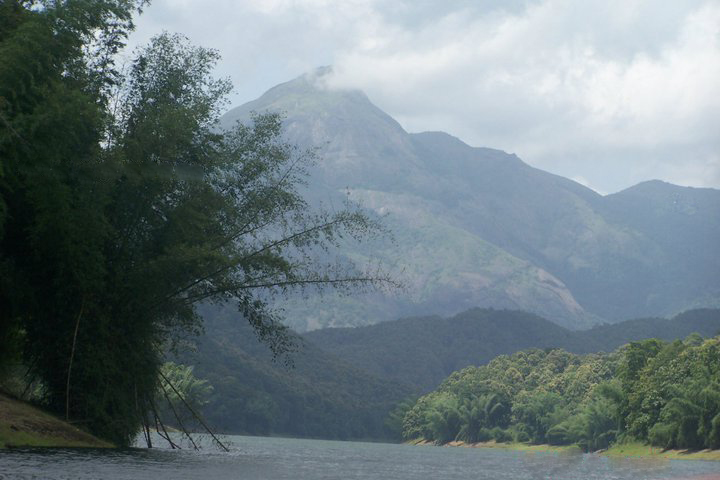
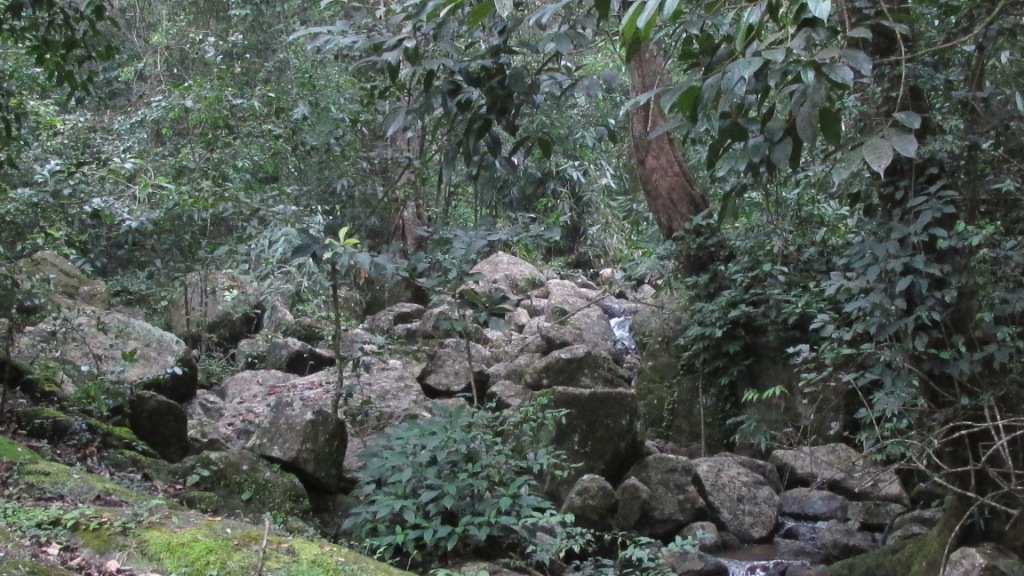
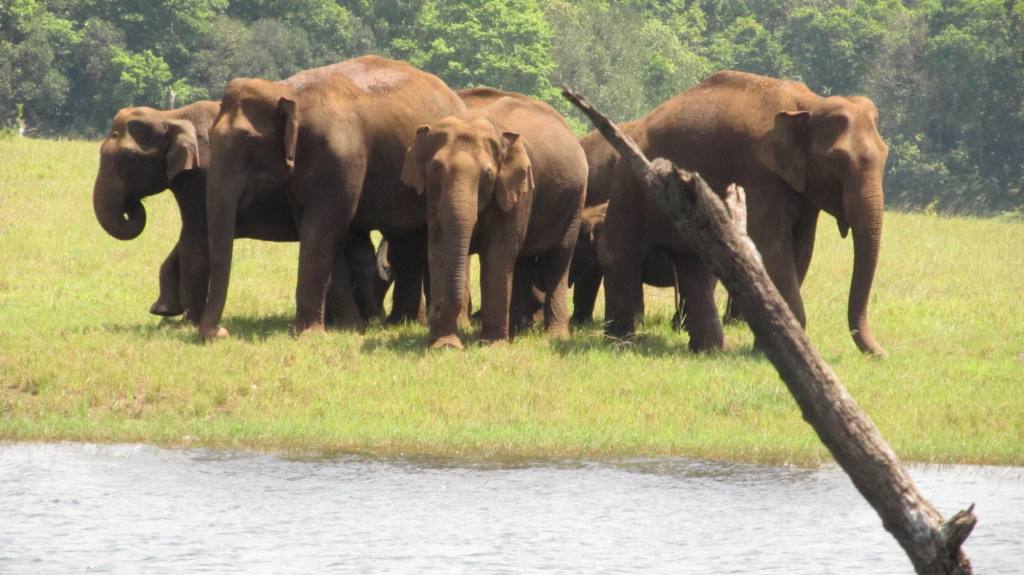
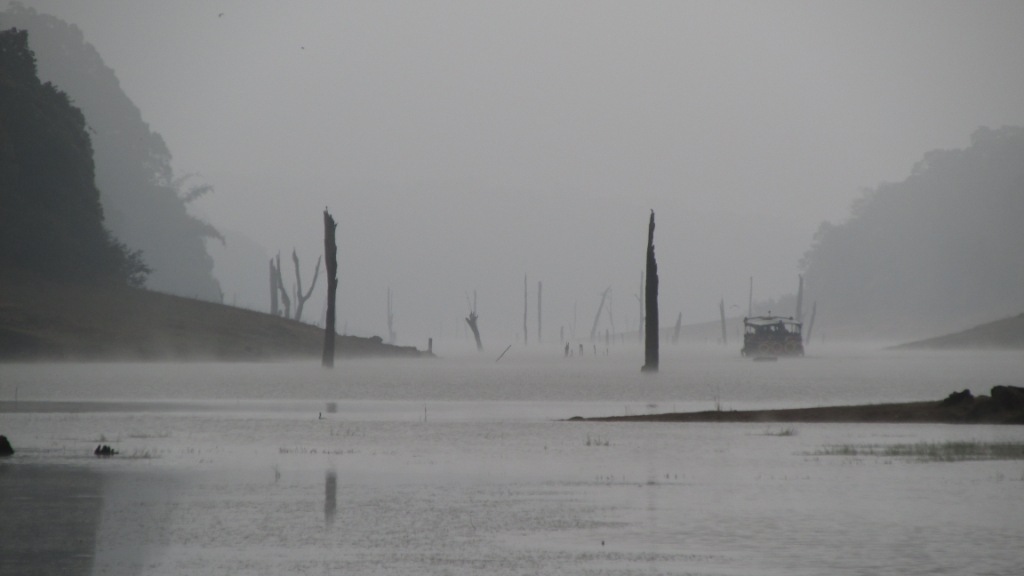
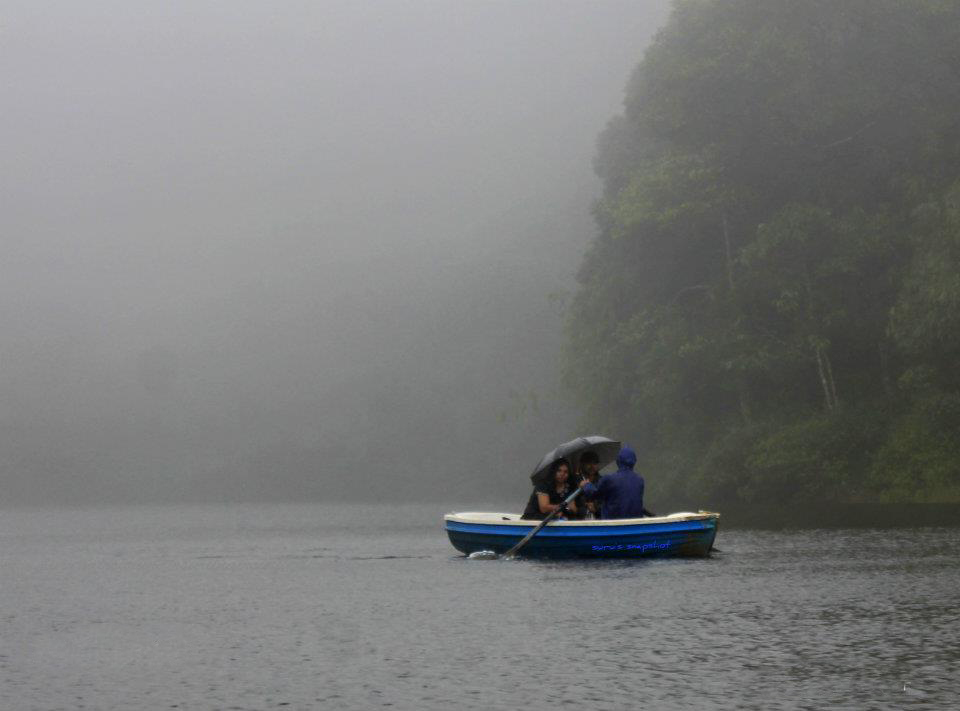
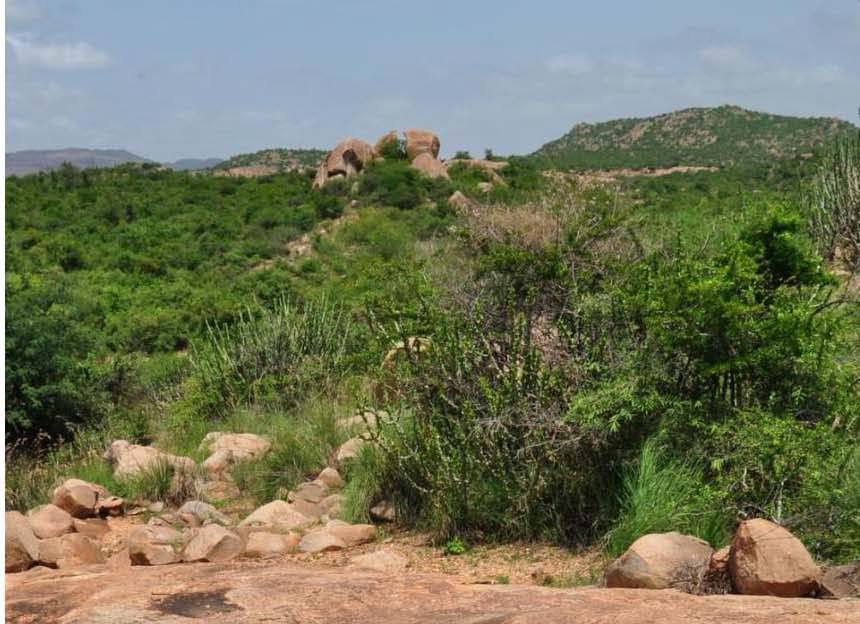
Attappadi is one of the largest tribal settlements in Kerala. Situated in Palakkad district, the Attappadi region is a beautiful synthesis of rivers, forests and moutains. This scenic, hilly area is rich flora and fauna, with the Bhavani river flowing from the mountains. Continue reading
Fauna
Unseen Munnar
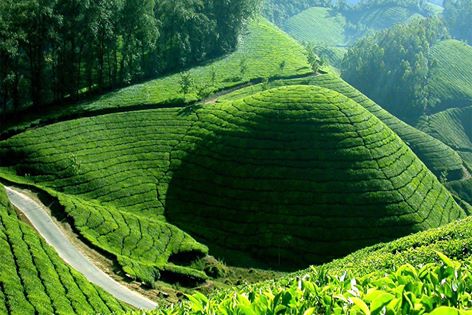
Located 1600 metres above sea level, this hill station become the headquarters for several tea plantations scattered throughout the Western Ghats. The need to serve these plantations led to the growth of Munnar and its surroundings. With the tag of tourism, it has became a magnet for travelers, offering great opportunities for walking, trekking, nature photography and golfing. Continue reading
Anamudi Peak – Munnar
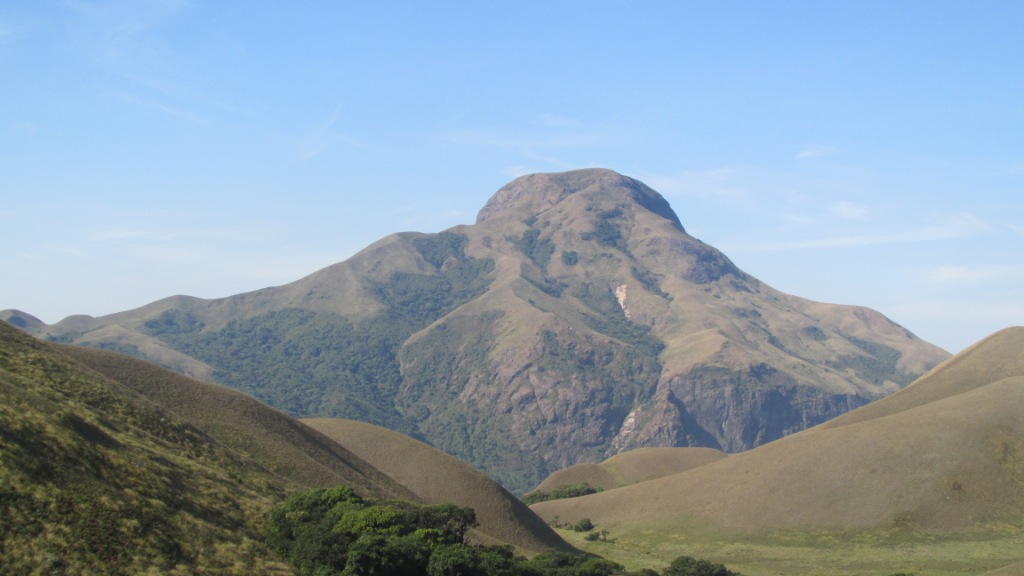
Anamudi Peak, highest peak in South India, is situated in Idukki district at Munnar. The slopes of the hills abound in all kinds of rare flora and fauna.The peak is on the southern end of Eravikulam National park and can be reached on foot from there, a technically easy hike on grass slopes. Continue reading
Parambikulam Wildlife Sanctuary – Kerala
Parambikulam is located in the Palakkat district of Kerala. It is one of the world’s biodiversity hotspots that supports diverse types of habitat and wildlife. Considering its biological richness, abundance of wildlife and scenic beauty, the Sanctuary is one of the most attractive national parks in the entire stretch of the Western Ghats. Continue reading
Sakleshapur – Karnataka
Sakleshapur is a hill station town in the Hassan district of Karnataka state nestled 3600 feet above sea level in the foot hills of Western Ghats. The area is known for its tall mountains, vast tracts of greenary enveloped in mist, endless expanses of coffee estates and picturesque sheep and cattle enjoying the grass in the warm sunlight. Continue reading
Wild Gaur – Periyar
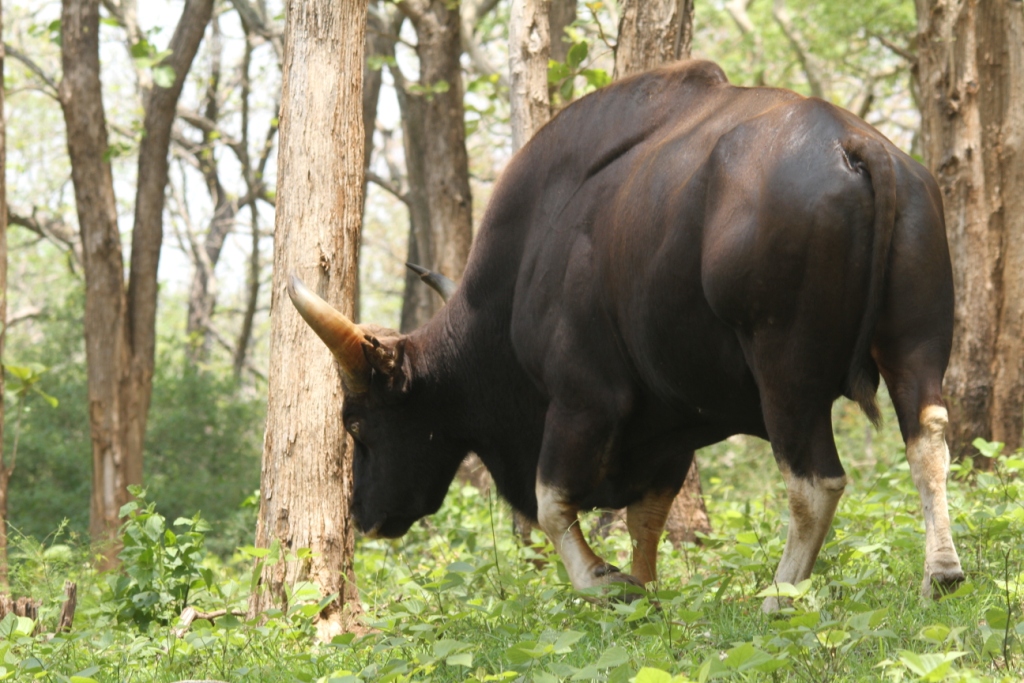
The Periyar Tiger Reserve is home to an estimated 500-1000 Wild Gaur, popularly known as “Indian Bison”. They are ferocious looking but shy bovines, and some of the largest in the world. The male bison can weight up to 1000 kg, grows to 6 feet in height and has very dark brown skin. Female gaur are smaller in size and are a lighter brownish black, and the calves are even lighter still. Continue reading
Animal, Insect, Vegetable Altruism
It’s been said that there’s an imbalanced focus on ornithology within our site, but we can also claim to have a slightly skewed preference for sloths as well. Whether it’s their permanently gentle grin or their slow, methodical movements we’re not sure, but we know we’re not the only ones who find them fascinating.
Sloths are found in both rainforest and dry tropical forest ecosystems but the biodiversity of their habitat is nothing compared to what they carry around with them in their arboreal lives. A team of biologists from the University of Wisconsin led Jonathan N. Pauli and M. Zachariah Peery has recently tackled a 35-year-old mystery about sloth behavior.
The sloth is not so much an animal as a walking ecosystem. This tightly fitting assemblage consists of a) the sloth, b) a species of moth that lives nowhere but in the sloth’s fleece and c) a dedicated species of algae that grows in special channels in the sloth’s grooved hairs. Groom a three-toed sloth and more than a hundred moths may fly out. When the sloth grooms itself, its fingers move so slowly that the moths have no difficulty keeping ahead of them.
Every week or so, the sloth descends from its favorite tree to defecate. It digs a hole, covers the dung with leaves and, if it’s lucky, climbs back up its tree. The sloth is highly vulnerable on the ground and an easy prey for jaguars in the forest and for coyotes and feral dogs in the chocolate-producing cacao tree plantations that it has learned to colonize. Half of all sloth deaths occur on the ground. The other serious hazard in its life is an aerial predator, the harpy eagle.
Why then does the sloth take such a risk every week? Researchers who first drew attention to this puzzle in 1978 suggested that the sloth was seeking to fertilize its favorite tree. Meanwhile, the algae that gave the sloth’s coat a greenish hue were assumed to provide camouflage.
Writing last week in Proceedings of the Royal Society B, the Wisconsin researchers assembled all these pieces in a different way. They started by trying to understand what would compel the sloth to brave the dangers of a weekly visit to ground zero. Continue reading
Butterflies of Kerala
Kerala’s butterflies are a richly diverse and scientifically interesting group of insects, which number around 330 species in the state. The largest butterfly in India, the Southern Birdwing, has a wingspan of about 25 centimeters, and the smallest, called the Grass Jewel (pictured below), has only a 1.5 to 2 centimeter wingspan. Can you name the species in the photo above? Continue reading
Idukki District
Idukki is one of the largest district in Kerala, covering 13 percent of the state’s total area. With rugged mountains, dense forests and three big rivers, Idukki generates one third of the state electricity. But the district is more famous for its natural beauty; numerous trekking trails, stunning views and diverse wildlife make it an outdoor enthusiast’s dream destination. Continue reading
Parambikulam Wildlife Sanctuary
Parambikulam Wildlife Sanctuary lies in the Western Ghats nestled between the Anamalai Ranges of Tamil Nadu and the Nelliyampathi Ranges of Kerala. Spread across 277 sq km, the sanctuary is a heaven of tranquil greenery as well as the first scientifically managed teak plantation. Blessed with rich flora and fauna, Parambikkulam is a paradise for wildlife enthusiasts. Continue reading
Cardamom County – Home For One And All
This entire week we have been talking about the rich fauna in the Periyar Reserve and how it overlaps into Cardamom County. Today we share with you a rare sighting of the Indian Luna Moth! We found this little guest taking shelter in our cardamom plantation waiting for night to arrive as they usually only fly in the night. Continue reading
Periyar Trekking – Border Hike
Recent guests from Austria staying at Cardamom County shared photos of their Border Hike experience with us. The Periyar Tiger Reserve extends over 925 sq kilometers and this particular trek covers a minimum of 18km of the peripheral zone. It’s difficult not to get lost and even more difficult to spot animals in the rich flora of the reserve, hence the importance of the professionally trained forest guides. Continue reading
Periyar Tiger Reserve, Kerala
Periyar Tiger Reserve is one of the oldest and largest protected area of Kerala. Spread over 925 sq. km. The predominantly evergreen region is home to a large variety of flora and fauna. Continue reading
Periyar Sightings – Nature Walk
Mr. Shyam, naturalist and tour escort from Wild Kerala Tour Company, went for the Periyar Tiger Reserve Nature Walk last week and has shared some of his photos with Raxacollective. Continue reading
What Else is Out There?
Thanks to the World Wildlife Fund, 441 new species of plants and animals have been discovered in the Amazonian rainforest, including a truly bizarre looking monkey that apparently purrs like a cat when content, as well as a… vegetarian piranha.

Newly discovered Titi Monkey. Photo Courtesy World Wildlife Fund
It is a good feeling in any naturalist’s gut, amateur or professional, too know that undiscovered species still remain in today’s world — where technology and advancements in various facets of our lives thanks to 21st century progressivism don’t leave much to the imagination; it seems as though the mystique of discovery still remains just as true to many of us as it did when we were children. Unfortunately this is not the case for absolutely everyone, but for those who are still amazed by the world, discoveries such as this are a blessing.
High Tide in New York City
I know it sounds like something from the Discovery Channel, but a truly remarkable event takes place each year when a 460 million year mating ritual is enacted on the beaches of New York City during a full moon high tide. Continue reading
Action Capture, Part 2
I captured this leaping Bonnet Macaque was photographed at Daroji Sloth Bear Sanctuary near Hampi, Karnataka. Although the photograph represents a split second of activity on the animal’s part, it represents a great deal of thought and patience on mine.
One of the important aspects in wildlife photography is to study the behaviour of your subjects, which will help you in your planning and image making. In this case I noticed the monkeys had a pattern of climbing the left rock and jumping to the right rock to get onto the trees on that side. Continue reading
Eravikulam National Park – Rajamala, Munnar
Eravikulam National Park stretches over 97 kilometers in the tea growing region of Munnar between the picturesque Kannan Devan Hills and Anamudi. The park covers virgin grasslands and wooded valleys that include the spectacular flower called Neelakurinji, which blooms only once every 12 years. Continue reading
Gavi – Thekkady
Gavi is one place in the world where with every turn visitors have an encounter with nature. It boasts unadulterated views of tropical forest, hills, valleys, cascading waterfalls, sprawling grasslands and cardamom plantations. Continue reading
Really, Karnataka?
We’ve stated before that our site is not dedicated to outrage, but we do make an effort to point out questionable environmental decisions by corporations and countries when we see them.
So when it came to our attention that the minister of tourism in the Indian state of Karnataka was spearheading a plan to create a zoo/wildlife safari within the buffer zone of the Daroji Bear Sanctuary we had to take notice. According to Santosh Martin, honorary wildlife warden for the region
The fragile ecosystem is home to critically endangered species of both animals and plants including pangolins, sloth bears, wolves, leopards, etc., which are classified as Schedule I by the WPA. This site is also a breeding ground for the Indian eagle owl, brown fish owl and possibly the blue tailed bee eater. More than 150 bird species have been documented in this area by naturalists which include the yellow-throated bulbul, painted spur-fowl, painted sand grouse, etc. Continue reading