If It Looks Like 51, And Tastes Like 51, It Must Be On The 51 Menu

Screen Shot 2015-01-31 at 10.44.20 AM

We had an excellent review of 51 this week, which keeps our mind on what makes the place tick. And constant keeping on the lookout for ideas that our culinary team can play with, master, test on we chosen few tasters (someone has to do it) and for those that make the cut, take it live on the menu.

Here is a case in point.

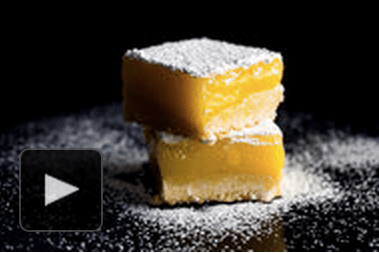
Click the image to the right to watch the video about this unusual twist on the lemon bar, or here for a related article. Coming soon, we hope, on a menu near you (should you happen to be at Spice Harbour in Kerala, India) will be our own twist on this lovely idea:

Lemon Bars With Olive Oil

Urban Homesteading, Inspiration For Kayal Villa & 51

This urban homestead produces 6,000 pounds of food a year.

This urban homestead produces 6,000 pounds of food a year.

When Kayleigh completed her internship, she left in place a great banana genome initiative as part of the edible gardens landscape at Marari Pearl; ditto for the farm-to-table initiative at Kayal Villa, supplying organic produce and dairy to 51, the restaurant at Spice Harbour. Reading the article below, as always with such stories, we are glad to be part of this particular corner of the green revolution with goals akin to those of a family in Pasadena, California, USA:

Think you can’t grow much food in an urban area? Think again. One family’s 4,000 square foot farm in Pasadena, California “not only feeds a family but revolutionizes the idea of what can be done in a very unlikely place—the middle of a city.” KCET reporter Val Zavala gives us a glimpse into the Dervaes family’s Path to Freedom Urban Homestead. “I brought the country to the city rather than having to go out to the country,” said Jules Dervaes, who created the farm with his three adult children, Justin, Anais and Jordanne.

Continue reading

Authenticity And Its Discontents

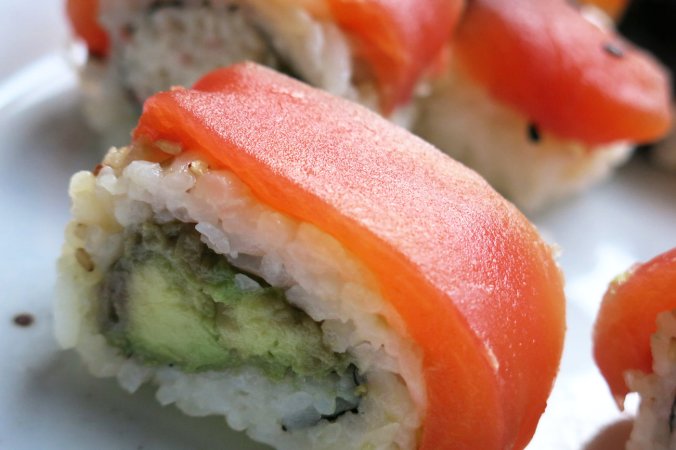
Chef James Corwell's nigiri sushi rolls made with Tomato Sushi, a plant-based tuna alternative, in San Francisco. Alastair Bland for NPR

Chef James Corwell’s nigiri sushi rolls made with Tomato Sushi, a plant-based tuna alternative, in San Francisco.
Alastair Bland for NPR

I am realizing more each day how complex the notion of authenticity is. It is often, I see with increasing frequency, a cliche thrown casually into descriptions and promotions of this or that. Are there times when something other than authenticity is appropriate, even for an organization such as ours that promotes offering travelers authentic experiences of various cultures around the world, including local cuisine?

This story has me thinking (thanks to National Public Radio, USA and its program called “the salt”) that if foodies can make the leap from literal authenticity to a more complex notion of authenticity, for the sake of the environment as well as for broadened pleasures of the palate, it may serve as a model for how to approach seemingly intractable challenges facing the planet (in the case of this story, fisheries collapse but also the broader challenges of collapse), including the ever-changing cultures that make our planet worth traveling:

It’s a dead ringer for Ahi tuna sashimi. It cuts into glistening slivers that are firm and juicy. And it’s got a savory bite.

But this flesh-like food is not fish. It’s made of tomato, and it’s what San Francisco chef James Corwell hopes could be one small step toward saving imperiled species of fish, like bluefin tuna.

“What I want is to create a great sushi experience without the tuna,” Corwell tells The Salt.

To make this Tomato Sushi, he skins and removes the seeds from fresh Roma tomatoes. Then he vacuum seals them in sturdy plastic bags and cooks them in hot water for about an hour — a technique called sous-vide. Continue reading

Kuttanad – “the rice bowl of Kerala”

This slideshow requires JavaScript.

If you are like me, you enjoy the fresh air, green scenic views and appreciate a variety of cultures. Kuttanand, south of Cochin is a promising destination with its rich rice picking culture and its backwater systems. It also offers diverse species of animals, especially birds which can easily be spotted due to the open landscape.

Next on my Kerala bucket list!

To read more click here

(photo credits: Keralatourism.org)

2014 Food Writing, Putting 2015 In Perspective

My mother thought of food the way we all now do: as a means of self-definition. CREDIT ILLUSTRATION BY MICHAEL GILLETTE

My mother thought of food the way we all now do: as a means of self-definition. CREDIT ILLUSTRATION BY MICHAEL GILLETTE

When a writer of John Lanchester’s deep quality and broad diversity uses the word repent, we take note. This reflection on the current state of foodie-ism caught our attention a couple months ago as we were well into 51’s first season open, and preparing for the next opening, reminding us to keep it all real, in perspective. Below we excerpt what should be read from beginning to end, using the dangerous ellipsis as carefully as we can but hoping you will click over to the source:

…Once upon a time, food was about where you came from. Now, for many of us, it is about where we want to go—about who we want to be, how we choose to live. Food has always been expressive of identity, but today those identities are more flexible and fluid; they change over time, and respond to different pressures. Some aspects of this are ridiculous: the pickle craze, the báhn-mìboom, the ramps revolution, compulsory kale. Is northern Thai still hot? Has offal gone away yet? Is Copenhagen over? The intersection of food and fashion is silly, just as the intersection of fashion and anything else is silly. Underlying it, however, is that sense of food as an expression of an identity that’s defined, in some crucial sense, by conscious choice. For most people throughout history, that wasn’t true. The apparent silliness and superficiality of food fashions and trends touches on something deep: our ability to choose who we want to be. Continue reading

Tricking Taste Buds: Easy as Miracle Fruit Pie?

© Getty Images / BBC

p02f6t3k.jpg

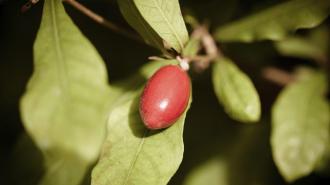
Synsepalum dulcificum, also known as miracle fruit (Thinkstock)

The miracle fruit is one of the many trees that we have incorporated into the edible landscape at Marari Pearl. So we thank Veronique for writing about it in her BBC feature article How to Hack Your Tastebuds. In Kerala we have an abundance of the Indian gooseberry, or amla, which is described as sour, astringent, pungent, and bitter, but also sweet. A weird combination, to say the least. After reading Veronique’s explanation, it is easier to understand that the transition from sour to sweet in one or two bites can be explained through some chemistry that takes place on the tongue:

p02f6t2z.jpg

Tasting orange juice after brushing your teeth can be unpleasant, but why? (Thinkstock)

Your tongue is not a blank slate. What you’ve just eaten can change the flavour of what you eat next – for better or for worse. It’s all because your taste buds respond differently when the environment around them shifts – an effect you can use to go on a little mouth-hacking tour.

Let’s start with an artichoke. Eat one and then drink a glass of water and you might notice that the liquid tastes strangely sweet. Then there’s orange juice. Drink a glass after brushing your teeth with toothpaste, and the normally sweet drink tastes foul instead. And for mind-bending parlour tricks, nothing beats miracle fruit. These little red West African berries make anything sour taste sweet – and it’s a remarkably clean, pure sweetness. Continue reading

Joint Ventures In Thanksgiving Cooking

Renee Comet Photography/Restaurant Associates and Smithsonian Institution

Renee Comet Photography/Restaurant Associates and Smithsonian Institution

We had not seen this book when it was first published two years ago, but now will seek it out to authenticate our commemorations for our table mates in distant lands:

The Native American Side Of The Thanksgiving Menu

Everyone knows the schoolhouse version of the first Thanksgiving story: New England pilgrims came together with Native Americans to share a meal after the harvest. The original menu was something of a joint venture, but over the years, a lot of the traditional dishes have lost their native flavor.

For those who want to create a feast that celebrates the flavors that Native Americans brought to the table, Chef Richard Hetzler put together an entire menu of options from his award-winning cookbook,The Mitsitam Cafe Cookbook. The recipes are drawn from the Mitsitam Native Foods Cafe at the Smithsonian National Museum of the American Indian, where Hetzler was lead chef until summer 2014. Since opening the cafe, he told NPR’s Celeste Headlee he observed a growing interest in native cooking.

Continue reading

Thanksgiving, 2014

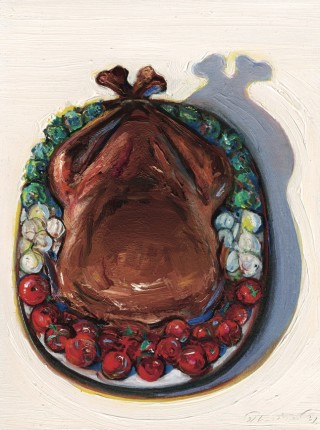
The problem with cooking Thanksgiving dinner abroad is never just the shopping. It’s the local culinary aesthetic. CREDIT WAYNE THIEBAUD

The problem with cooking Thanksgiving dinner abroad is never just the shopping. It’s the local culinary aesthetic. CREDIT WAYNE THIEBAUD

For those whose heritage includes someone who has proclaimed thanks in a land distant from where s/he was born, and/or broke bread with the locals, this day has a particular ring to it. For anyone who has commemorated the specific holiday in lands distant to their own original homes, there is an odd symmetry to the original Thanksgiving event. This New Yorker classic-in-the-making will bring special pleasure to all who have commemorated the Thanksgiving holiday in far off lands:

NOVEMBER 23, 2009 ISSUE

Pilgrim’s Progress

Thanksgiving without borders.

BY

…I am what you might call an amateur of Thanksgiving. My family prefers the phrase “regrettably hospitable,” but I would add strategically hospitable, because Thanksgiving dinner has turned out to be the stealth weapon of my reporting life. Everybody knows something about Thanksgiving, though not necessarily what we eat or why we eat it. Continue reading

Thanksgiving: Art History on a Plate

This slideshow requires JavaScript.

As we continue to work on plating and food trials for 51 at Spice Harbour, the concept of deconstructing a typical Kerala dish often makes it into the conversation. During these conversations with Indian colleagues the subject of “typical American food” frequently comes up. Like India, there’s no one “American cuisine” (don’t get me started on the horrors of our fast food exports), but a Thanksgiving meal comes close.

In the collaborative spirit of preparing and plating a meal that’s meant to be shared, multi-media artist Hannah Rothstein deconstructed the classic Thanksgiving meal of turkey, gravy, cranberry sauce and “sides” with a nod to 10 artists with the most distinctive of painting styles, with the acception of Cindy Sherman, a photographer best known for her conceptual portraits. Continue reading

Foodpreneurship

Revolution Foods makes healthy kids meals for both schools and stores. Co-founder Kristin Richmond says mentoring and support have been key to the success of her business. Shelly Puri/Courtesy of Revolution Foods

Revolution Foods makes healthy kids meals for both schools and stores. Co-founder Kristin Richmond says mentoring and support have been key to the success of her business. Shelly Puri/Courtesy of Revolution Foods

In the past year, with conceptualization and then food trials that led to the opening of 51, this story catches our attention and interest. Thanks to the salt, over at National Public Radio (USA) for the new vocabulary:

Culinary Institute’s School For ‘Foodpreneurs’ To Cook Up Innovation

The Culinary Institute of America may be best known for churning out chefs. And some of its graduates — from Grant Achatz to Roy Choi to Anthony Bourdain — have succeeded in entertaining and inspiring a new generation of foodies.

But not all CIA graduates don chef toques. Continue reading

Origins Of Chocolate In Costa Rica

We had not heard of this series until now, but considering the geographic and foodstuff focus of this current episode, we want to know more, especially considering what we learn in the show’s About section:

Iron Way Films, the creators of Original Fare, has spent the last seven years traversing the globe in search of authentic stories and incredible locations. We’ve explored tropical oceans with musicians & pro-surfers. Road horses through big sky back country with ranch riders. Tasted backyard wine deep in the tiny towns of Provence. We’ve glamped, we’ve camped, we’ve lived on boats and spent far too much time in rental cars.

But we always sought to uncover what makes a place special- and what makes it unique.

EL-COSMICO-NIGHT-TENT900x5001

Continue reading

Redefining Benefits And Welfare, With Fresh Fruits And Vegetables

These wooden tokens are handed out to shoppers who use SNAP benefits to purchase fresh produce at the Crossroads Farmers Market near Takoma Park, Md. Customers receive tokens worth twice the amount of money withdrawn from their SNAP benefits card — in other words, they get "double bucks." Dan Charles/NPR

These wooden tokens are handed out to shoppers who use SNAP benefits to purchase fresh produce at the Crossroads Farmers Market near Takoma Park, Md. Customers receive tokens worth twice the amount of money withdrawn from their SNAP benefits card — in other words, they get “double bucks.” Dan Charles/NPR

Thanks to the salt, a food-specialized segment on National Public Radio (USA), for this story of one country’s expanding definition and innovative rethinking of welfare, and of the various benefits associated with welfare:

The federal government is about to put $100 million behind a simple idea: doubling the value of SNAP benefits — what used to be called food stamps — when people use them to buy local fruits and vegetables.

This idea did not start on Capitol Hill. It began as a local innovation at a few farmers’ markets. But it proved remarkably popular and spread across the country.

“It’s so simple, but it has such profound effects both for SNAP recipients and for local farmers,” says Mike Appell, a vegetable farmer who sells his produce at a market in Tulsa, Okla.

The idea first surfaced in 2005 among workers at the New York City Department of Health and Mental Hygiene. They were starting a campaign to get people to eat more fresh produce. Continue reading

Those Who Make Chinese Restaurants In The USA What They Are

141013_r25586-690

Chinatown employment agencies can get immigrants kitchen jobs in a few hours. CREDIT PHOTOGRAPH BY ANNIE LING

When our interest in long form journalism intersects with our wide and deep interest in foodways, we could not be happier than to pass it along. Have a taste of this deeply reported story on cooks in the Chinese restaurant trade in the USA, as offered in this week’s New Yorker:

In a strip mall on a rural stretch of Maryland’s Indian Head Highway, a gaudy red façade shaped like a pagoda distinguishes a Chinese restaurant from a line of bland storefronts: a nail salon, a liquor store, and a laundromat. On a mild Friday morning this July, two customers walked into the dimly lit dining room. It was half an hour before the lunch service began, and, aside from a few fish swimming listlessly in a tank, the room was deserted.

In the back, steam was just starting to rise from pots of soup; two cooks were chopping ginger at a frenzied pace. Most of the lunch crowd comes in for the buffet, and it was nowhere near ready. “Customers are here already!” the restaurant’s owner, a wiry Chinese man in his fifties, barked. He dropped a heavy container onto the metal counter with a crash. “How can you possibly be moving this slowly?” Continue reading

Popcorn Patrimony

01-JP-POPCORN2-sfSpan

Dennis Chamberlin for The New York Times. Ears of heirloom popcorn are smaller than with other types of corn but deliver more flavor.

We link to stories about entrepreneurial conservation, most often involving wilderness, whose tangible value is straightforward. Other times it is about art, or language; these forms of cultural patrimony are more intangible in value–not less obviously of value, but less tangibly so.

It should not diminish the concept of patrimony, nor the tangible/intangible divide, to talk about heritage popcorn, as trivial as that might at first sound. In the interest of tangible patrimony that has intangible value embedded into it, we appreciate this New York Times Dining & Wine section offering, an unexpected small pleasure:

Heirloom Popcorn Helps a Snack Reinvent Itself

Heirloom varieties you pop yourself deliver more flavor than those store-bought bags.

Continue reading

Food Rebels

From guerilla gardeners, to food foraging, to our own movement toward preserving food biodiversity and farm to table sustainability, we love to write about the food we eat and how it reaches our plate.

Luckily for all of us we’re not alone in either our interest or speaking out about it. Generations since Rachel Carson‘s seminal book there have been people writing about, and more importantly, acting upon the need to re-embrace the old methods of food production while sometimes using technology to our more healthy advantage.

Food Forward opens the door into a new world of possibility, where pioneers and visionaries are creating viable alternatives to the pressing social and environmental impacts of our industrial food system. Continue reading

Thank You, Oxfam International

Photo courtesy of behindthebrands.org

Photo courtesy of behindthebrands.org

The Oxfam International campaign Behind the Brands aims to address how little is known about supply chains of the top 10 largest food and beverage companies. Listening to the NPR Salt Chat provides a good explanation about how pushing for transparency from these big companies is a catalyst for on-the-ground change. The campaign has only been around for a year and a half and they’ve already seen great progress in terms of land rights for local community, government intervention, and women’s rights.

It’s not always easy to connect the dots between the food we consume and the people who grow it, or the impact of growing and processing that food on the health of our planet.

But a campaign called Behind the Brands, led by Oxfam International, an advocacy organization dedicated to fighting poverty, is trying to make the inner workings of the 10 biggest food companies in the world more visible…

We sat down to talk with Chris Jochnick, one of the architects of this campaign and Oxfam America’s director of private sector development. We touched on how social media is giving activists more power, why big food companies respond to pressure, and whether corporate executives are his friends or his enemies.

We also wanted to know: Will the promises that these companies make really translate into concrete changes on, say, cocoa farms in West Africa?

Continue reading

The Marari Fruit Diaries

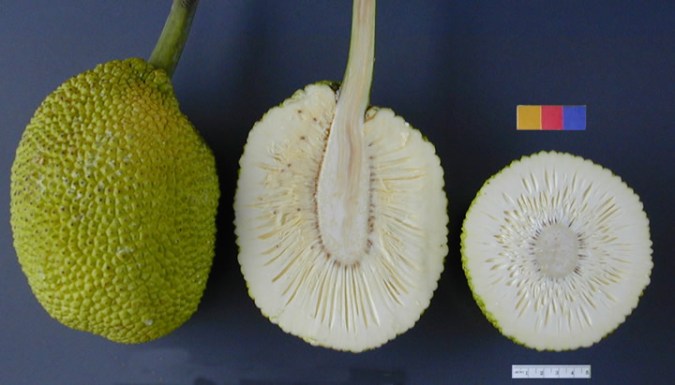
This is a picture of breadfruit, which actually tastes like freshly baked bread

This is a picture of breadfruit, which actually tastes like freshly baked bread

I’ve been writing about the exciting biodiverse varieties of plants at the new property, Marari Pearl. I want to point out though that even before we started, the land has hundreds of coconut trees on it, as well as dozens of mango and cashew trees, which is exciting in its own right.

One thing about the coconut trees that makes them a win-win, is that it helps provide local jobs. There is a certain group of people whose legal right it is in Kerala to do the job of tending to coconut trees. Before Marari Pearl was there, no one was hiring them to take care of the trees. Now that we are utilizing them to provide coconuts for our properties, they get jobs and we get fresh coconuts.

We are adding a cornucopia of other fruits, both local and exotic. I mentioned that we have pomelos, rambutans, tamarinds, several types of jackfruit,  lovi-lovis, mangos, and oranges as well as the infamous miracle fruit. There is also the hong kong guava, burmese grape bud, pomegranate, sapota, malayalam champa fruit, abiu fruit, jaboticaba fruit, langsat tree, and several varieties of avocados or ‘butter fruit’ as its called here. There are breadfruit trees as well as peanut butter trees. There is karonda fruit, nelli puli fruit, mangosteen, and mooty fruit. There are five pages of names, some I know, some I don’t, and some I can’t understand because it’s a handwritten list. Continue reading

A little taste of Kerala

photo 2

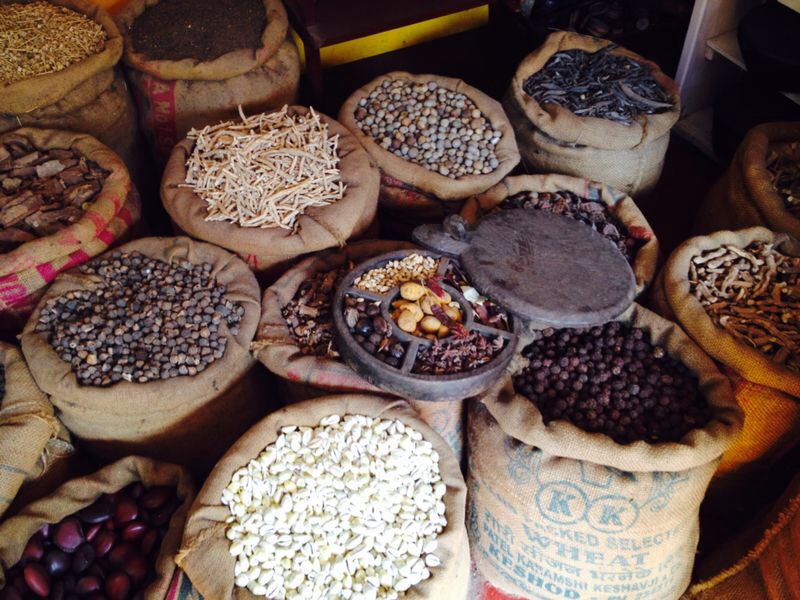
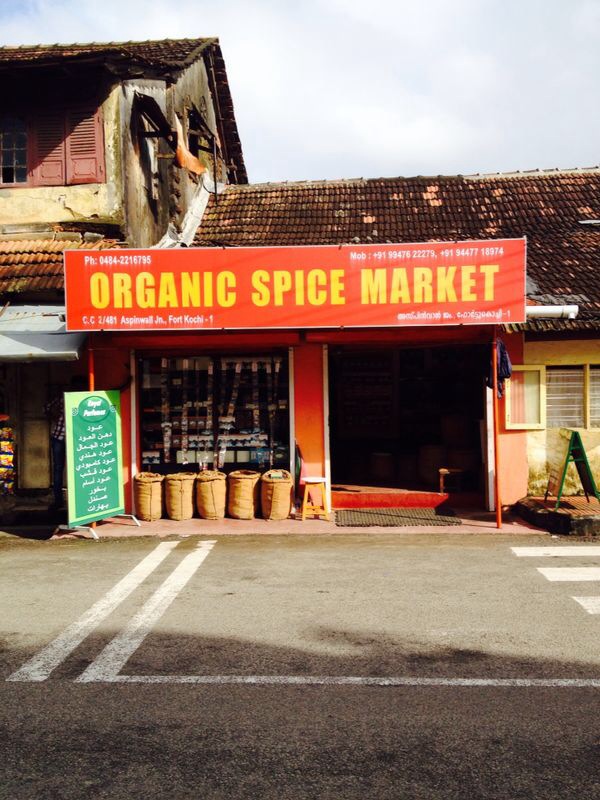
Just down the street in Mattancherry is an organic spice shop with a wide variety of classic South Indian spices. The aroma inside of the shop definitely met my olfactory needs for new smells.

The 51 restaurant at Spice Harbour serves a Xandari Salad to represent Raxa Collective’s other property, Xandari Resorts. The Xandari Salad has become a favorite at 51 with its tahini-yogurt dressing, avocado, roasted cashews, and feta cheese on top of a fresh lettuce mix.

photo 1
Continue reading

Indian Independence Day at Spice Harbour

10355655_10201665725084704_4823049703076743324_oYesterday at Spice Harbour I got to participate for the first time in an Independence Day flag raising ceremony.

It’s a good time to tip our hats to history. On August 15, 1947, after centuries of British imperialism, India gained independence. I am no expert on the Indian Independence movement so I won’t speak to it too much, but I know there were many political organizations and philosophies behind it that were united by their desire to end British rule. Mohandas Gandhi’s nonviolent philosophy and civil disobedience is what led the final parts of the struggle for independence that prompted the eventual withdrawal of the British. Since we’re talking about colonial India, we can put Kerala and Spice Harbour into historical context. Continue reading

Humanity’s Diet Makes A Difference, Historically As Well As Futuristically

On the timescale of evolutionary history, paleo enthusiasts note, agriculture is a fad. Credit Illustration by Mike Ellis.

On the timescale of evolutionary history, paleo enthusiasts note, agriculture is a fad. Credit Illustration by Mike Ellis.

Since the early days of this blog we have been hungry consumers of environmental long form journalism, of which Elizabeth Kolbert’s New Yorker chronicles are best-in-category. They are also, frankly, almost always depressing.

Nonetheless, they put humanity into its natural context. This not-at-all-depressing chronicle demonstrates the value of that contextualization well:

The first day I put my family on a Paleolithic diet, I made my kids fried eggs and sausage for breakfast. If they were still hungry, I told them, they could help themselves to more sausage, but they were not allowed to grab a slice of bread, or toast an English muffin, or pour themselves a bowl of cereal.

Continue reading