Wedded to Their Land Despite the Tides

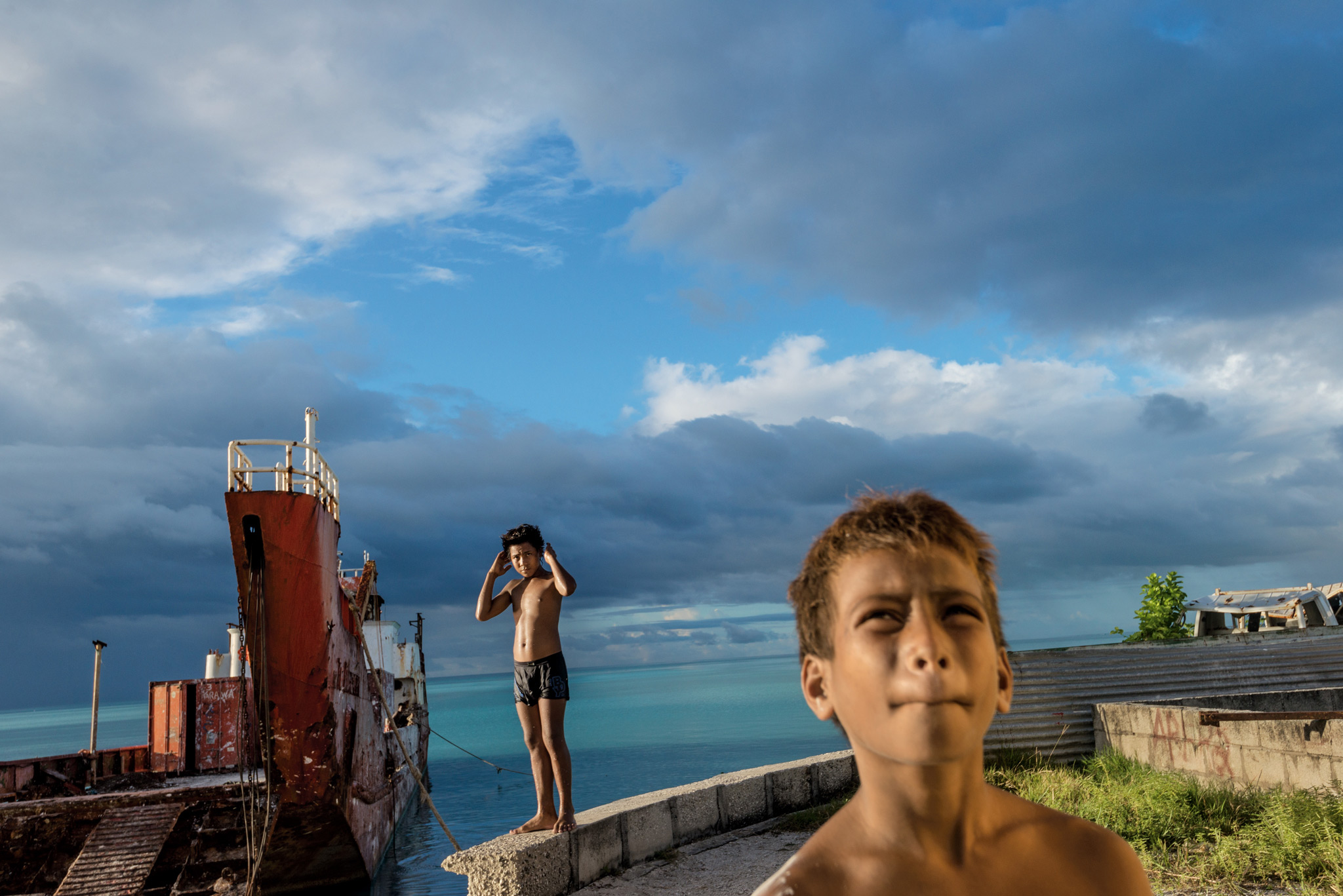
 Kiribati—33 coral islands in an expanse of the central Pacific larger than India—is “among the most vulnerable of the vulnerable” to climate change. PHOTO: Kadir Van Lohuizen

Kiribati—33 coral islands in an expanse of the central Pacific larger than India—is “among the most vulnerable of the vulnerable” to climate change. PHOTO: Kadir Van Lohuizen

They do not think of themselves as “sinking islanders,” rather as descendants of voyagers, inheritors of a proud tradition of endurance and survival.

That’s how National Geographic captures the spirit of the people of Kiribati, a spirit that forgives the seas despite the threats that its warming, rising, acidifying waters pose to their native islands. A people who believe that planting mangroves will stop the encroaching sea in its tracks, a people whose lives are centered on the seas that without it, they maybe forced to question who they are. This is their story then, from “the front line of the climate-change crisis.”

Continue reading

The Game of Demolishing History

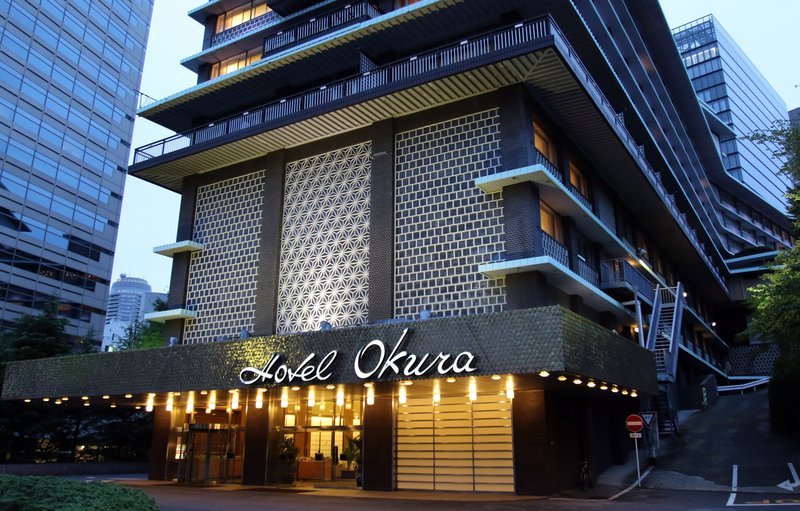
The entrance to the main building of Japan's iconic Hotel Okura in Tokyo. An outcry from architectural preservationists couldn't stop the demolition to make way for a high-rise tower. PHOTO: Yoshikazu Tsuno/AFP/Getty Images

The entrance to the main building of Japan’s iconic Hotel Okura in Tokyo. An outcry from architectural preservationists couldn’t stop the demolition to make way for a high-rise tower. PHOTO: Yoshikazu Tsuno/AFP/Getty Images

What’s the prize you pay to host the most prestigious event in sporting history? If your answer is breakneck development that is low on sustainability, spares not a thought on protecting what’s natural/native to the land – then you score points in Tokyo. Workers have started tearing down a Japanese landmark — the Hotel Okura. The Okura is a treasure of 1960s modernist design and has hosted every American president since Richard Nixon, Hollywood royalty and actual royalty.

Continue reading

Ancient Knowledge and a Nobel

In giving Youyou Tu the prize, the Nobel Prize committee has recognized the role ancient knowledge can play in the modern world. PHOTO: New Scientist

In giving Youyou Tu the prize, the Nobel Prize committee has recognized the role ancient knowledge can play in the modern world. PHOTO: New Scientist

Traditional Chinese medicine has found its Nobel Prize moment. A cure for malaria. And its origin is marked by war, military, learning, and more.

The Quartz reports:

In the war, the North Vietnamese were not just fighting American-supported forces but also failing to fight malaria. The parasite that caused the disease had developed resistance against chloroquine, which was commonly used as treatment. So, in desperation, they turned to China’s leader, Mao Zedong, for help. Mao’s answer was to make searching for a new malaria drug a military project.

Continue reading

Lessons of Islam in a Temple

Some Hindu temples in Pakistan are now Islamic schools. PHOTO: Rida Arif

Some Hindu temples in Pakistan are now Islamic schools. PHOTO: Rida Arif

Given the volatile relationships between India and Pakistan, any sentence that involves the two nations is fraught with speculation and scrutiny. Talking of a temple and a mosque in the same breath spells secularism in a liberal setting but portends unrest in another quarter. And when you do hear of goodwill where these worlds meet amicably, it’s a story worth sharing. Like this one about how ancient temples in Pakistan have turned into centers of Islamic teaching.

We stood at the entrance of the temple, not sure if we would be allowed to go inside.

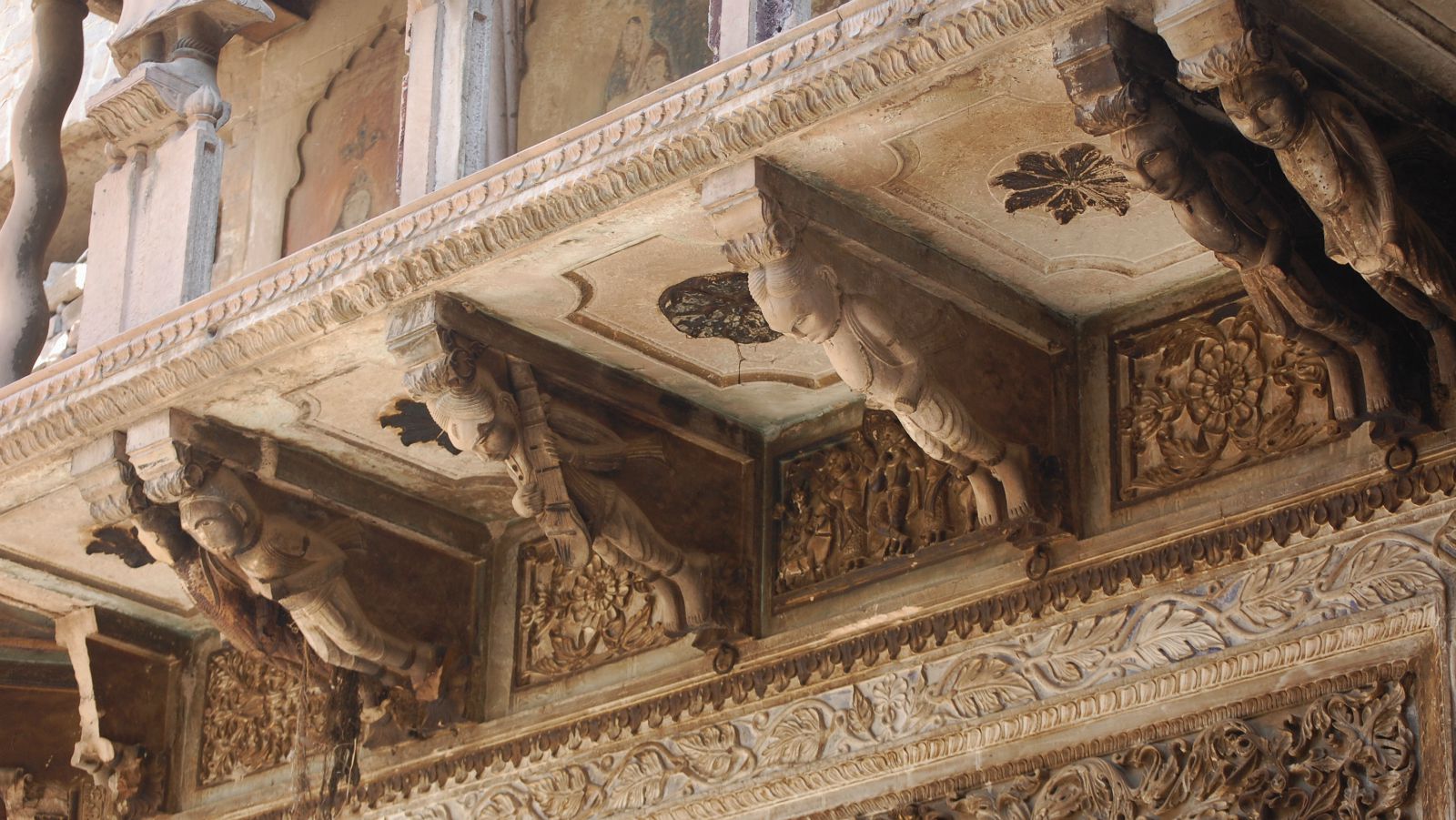
It was a double-storey structure with a small round balcony. The door was made of wood with intricate patterns on it, while there were fading remnants of frescoes on the wall. Judging by the entrance, I could only imagine how beautiful this structure must be from the inside. The only problem was that this temple was not vacant. It wasn’t even taken over by an individual family, as has happened in many other cases. In that situation, I could have requested them to allow me to see the temple from inside. But this was now controlled by the women’s wing of an Islamic religious organisation called Minhaj-ul-Quran, founded by the famous preacher-turned-politician Tahir-ul-Qadri.

Continue reading

Fortune at the Bottom of the Tea Cup

On Canadian tasseomancer Amy Taylor's vintage tea-leaf reading cups, your reading is determined by where your leaves fall on the preprinted symbols on the cups. PHOTO: Mike Taylor for NPR

On Canadian tasseomancer Amy Taylor’s vintage tea-leaf reading cups, your reading is determined by where your leaves fall on the preprinted symbols on the cups. PHOTO: Mike Taylor for NPR

Divining fortune from tea leaves has been around for almost as long as there has been tea, over five thousand years. Tea-Leaf reading which is also known as Tasseomancy like any other divination art has multiple origin histories. Tea-leaf reading tells fortunes using the symbols and the patterns formed by the residue of tea left in the cup. More of an art rather than a science, there are no universal guidelines that dictate what the patterns mean. Tea-Leaf reading is mostly done as a daily reading about life, love, work and money issues, though a longer timeframe may be determined as well.

Continue reading

The Art Movement of the 20th Century

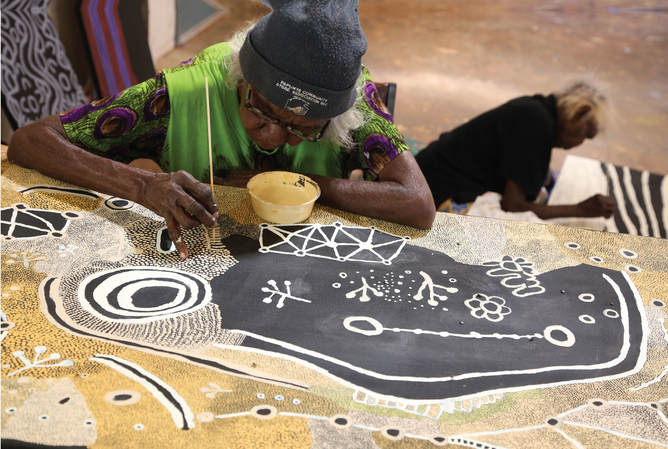
Martha MacDonald Napaltjarri (in foreground) and Mona Nangala painting at Papunya Tjupi art centre, Papunya, 2015. Photo: Helen Puckey

Martha MacDonald Napaltjarri (in foreground) and Mona Nangala painting at Papunya Tjupi art centre, Papunya, 2015. Photo: Helen Puckey

Have you heard of Papunya? The birthplace of what is touted as the century’s greatest art movement? The Conversation looks at how the movement has given birth to indigenous artists’ collectives, transformed communities, empowered women and forms a grand narrative on Aboriginal art:

The emergence of ‘dot’ paintings by Indigenous men from the western deserts of Central Australia in the early 1970s has been called the greatest art movement of the twentieth century.It all changed at a place called Papunya. Papunya was a ‘sit-down’ place established in the early 1960s, 240 kilometres northwest of Alice Springs in the Northern Territory (NT). The settlement brought together people from several western desert language groups: the Pintupi, Warlpiri, Arrernte (Aranda), Luritja, and the Anmatyerr, who were unaccustomed to living in close proximity to each other. Papunya was described as a ‘centralised government settlement established as a marshalling point for Aboriginal people displaced from their traditional lands’ (Curator Hetti Perkins, Papunya Tula: Genesis and Genius, Art Gallery of New South Wales– external site, 2000).

Continue reading

More a Passion Than a Language – Catalan

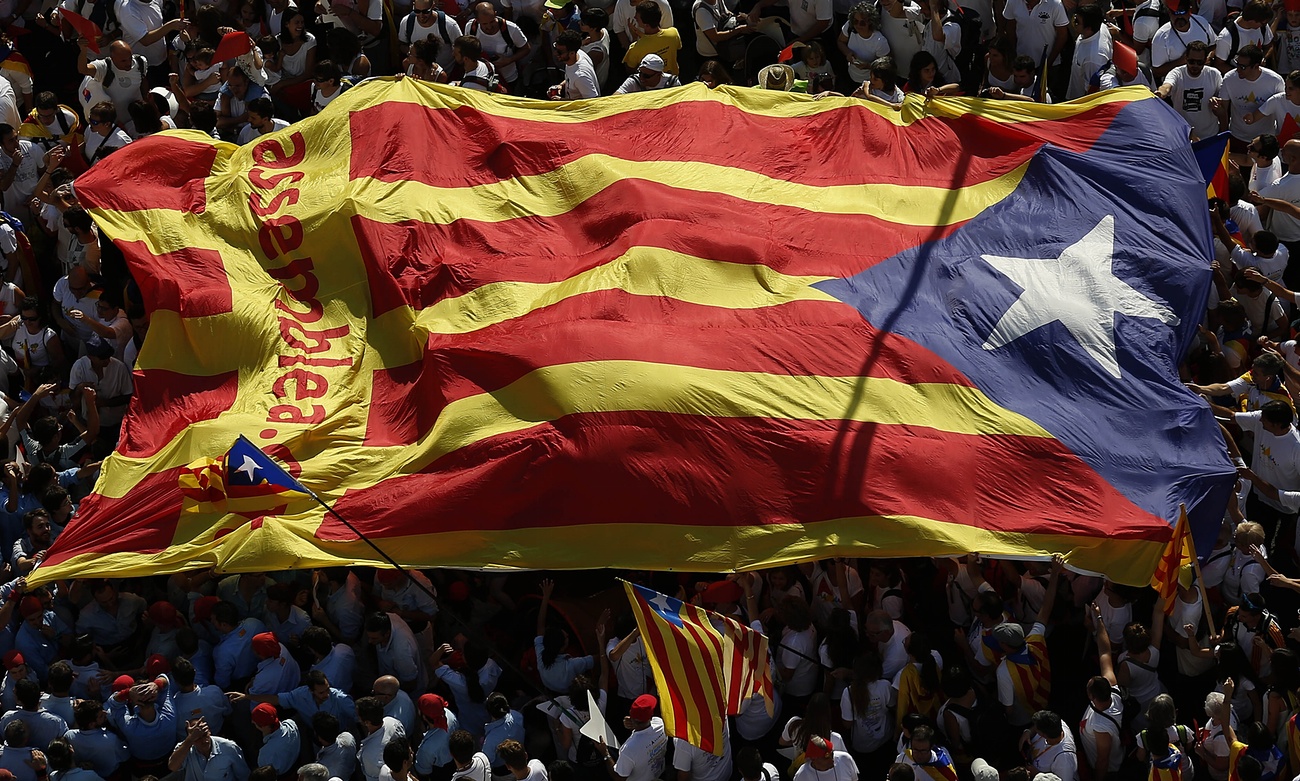
The estelada, the flag of Catalan independence, during a demonstration in Barcelona. Photograph: Manu Fernandez/AP

The estelada, the flag of Catalan independence, during a demonstration in Barcelona. Photograph: Manu Fernandez/AP

Catalonia,the northeastern corner of Spain, is heading to polls. A move in which we could possibly see a new independent state. Amid the political predictions, the election narrative closely shadows what has held this population together. The Catalan language. One that finds its being in the fact that banning something could lead to its preservation.

This Catalan reaction is also expressed by a Catalan writer exiled in Mexico, Pere Calders, in his 1955 short story, “Catalans in the World”. A Catalan traveller in the Far East, at an evening party encounters a parrot which, to his surprise, utters Catalan phrases. He was overcome by emotion: “Many were the things which made us different but there was a language which made us one… Early that morning, when I left, I had a softer heart than the day I arrived.”

Continue reading

What Does the World Heritage Tag Mean?

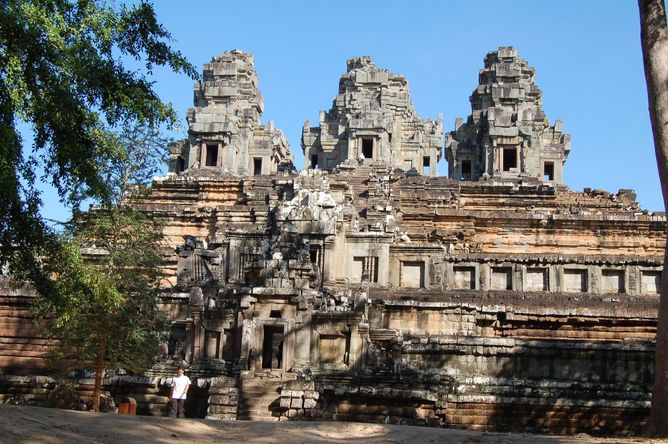
Ta Keo temple in Angkor, Cambodia. Source : China, Singapore, CC BY-SA

Ta Keo temple in Angkor, Cambodia. Source : China, Singapore, CC BY-SA

The idea of creating an international movement for protecting heritage emerged after World War I. The 1972 Convention concerning the Protection of the World Cultural and Natural Heritage developed from the merging of two separate movements: the first focusing on the preservation of cultural sites, and the other dealing with the conservation of nature. But what comes with the World Heritage tag?

Continue reading

The Post Office and World War

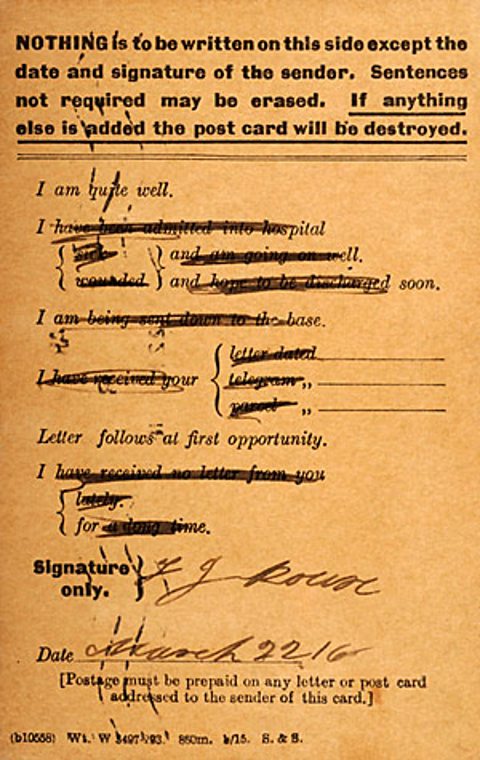
A completed field postcard, posted on 22 March 1916. PHOTO: BBC

A completed field postcard, posted on 22 March 1916. PHOTO: BBC

When was the last time you put paper to pen and saw your writing come to life? The last time you held a piece of card so small but held news and feelings from across seven seas? Writing and receiving mail is quite the experience, all the more now in the age of keypads and instant messages. It was important, too. Like in the time of the World War. When the mail was recognized as the biggest tool of maintaining morale.

BBC brings some interesting facets:

The most effective weapon used during World War One wasn’t the shell or the tank, it was morale. The British Army believed that it was crucial to an allied victory, and it looked to the Post Office for help.

The delivery of post was vital for two reasons. Firstly, receiving well wishes and gifts from home was one of the few comforts a soldier had on the Western Front. The majority of them spent more time fighting boredom than they did the enemy, and writing was one of the few hobbies available to them. For some, it was a welcome distraction from the horrors of the trenches.

Secondly, letters served a propaganda purpose as everything that soldiers sent back was subject to censorship. The British Army claimed this was to prevent the enemy finding out secret information, but really it was to prevent bad news from reaching the home front. Letters from serving soldiers had a powerful role, not just in keeping families informed of the well-being of their loved ones; they also helped to sustain popular support for the war across the home front. Nothing could be allowed to jeopardise that.

Continue reading

15,000 Seats and a Slice of History

At its height, the Brookdale could seat up to 15,000 people a day. No other restaurant on Earth could do that. PHOTO: Medium

At its height, the Brookdale could seat up to 15,000 people a day. No other restaurant on Earth could do that. PHOTO: Medium

It has the distinction of having been the world’s largest restaurant. A crown jewel in the cafeteria culture. A place at the centre of a community; a place where everybody could meet, a place that fueled artistic passions. Where everyone from Jack Kerouac to Ray Bradbury ate. A place steeped in revolution, built on the goodness of people. This is the story of Clifton’s Brookdale Cafeteria, Los Angeles.

Continue reading

The Lamp at the Taj Mahal

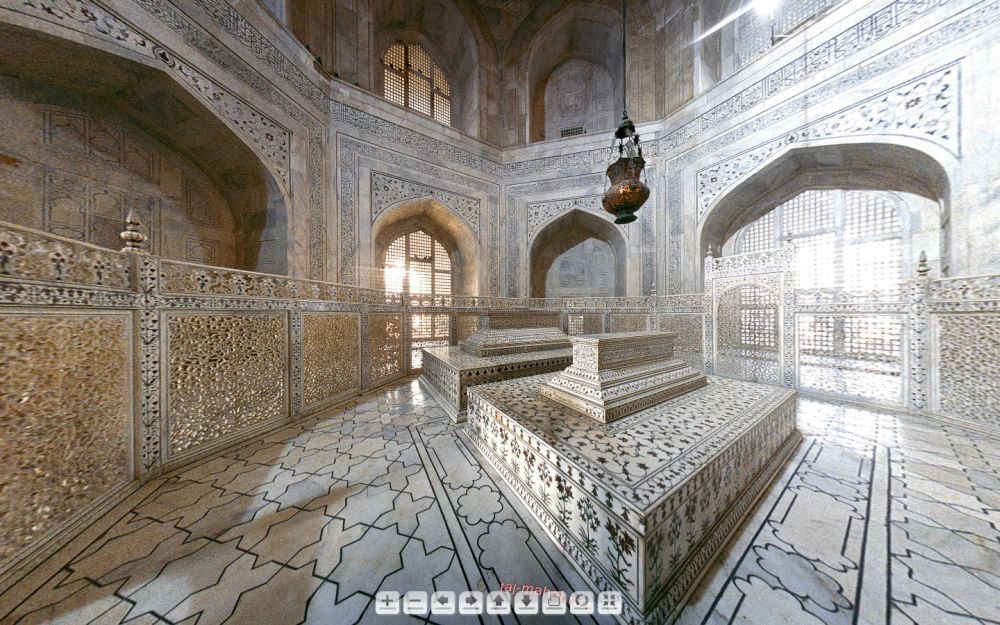
Curzon’s dedication in Persian – Presented to the Tomb of Mumtaz Mahal by Lord Curzon, Viceroy 1906 – was also inscribed on it, after a careful process of revision to ensure it matched the script used by calligraphers for the Taj Mahal. PHOTO: taj-mahal.net

Curzon’s dedication in Persian – Presented to the Tomb of Mumtaz Mahal by Lord Curzon, Viceroy 1906 – was also inscribed on it, after a careful process of revision to ensure it matched the script used by calligraphers for the Taj Mahal. PHOTO: taj-mahal.net

The Taj Mahal at Agra, India, is one of the most visited monuments in the world. Beyond it being a labour of love and a story of a dynasty, it’s a timekeeper. Of people who’ve come and gone, of men and powers that have left a mark. Like Lord CurzonScroll brings you a story:

Curzon, who became India’s Viceroy in 1899, was a man on several missions. To secure India’s northern frontiers from the advancing threat of Russia, Curzon encouraged Francis Younghusband’s 1903 Tibet expedition. His move to preserve India’s heritage was part of his own “civilising mission”.

Continue reading

From the World of Photography

One of the first things you’ll notice about Danh's images is that they’re kind of blue. But they’re not hand-colored or toned post-process. Daguerreotypes are naturally sensitive to blue and ultraviolet light, meaning the brightest spots, like the sky or a waterfall, take on a blue tint when overexposed. PHOTO: Danh

One of the first things you’ll notice about Danh’s images is that they’re kind of blue. But they’re not hand-colored or toned post-process. Daguerreotypes are naturally sensitive to blue and ultraviolet light, meaning the brightest spots, like the sky or a waterfall, take on a blue tint when overexposed. PHOTO: Danh

The daguerrotype makes for an interesting chapter in the history of photography. One reason why you should catch the last two days of the exhibition of Binh Danh‘s daguerrotypes of Yosemite National Park. Address: The National Gallery of Art in Washington, D.C; head to the exhibition titled “The Memory of Time”.

Standing in front of photographer Binh Danh’s daguerreotype of Yosemite Falls, on display at the National Gallery of Art in Washington, D.C., I saw myself staring back through the image.

If you look at a daguerreotype in person (unfortunately you can’t tell on a screen), you can see your reflection in the silver plate. At first I tried to move off to the side to get an unobstructed view, until I realized that being confronted with my reflection might be part of the experience. It turns out that this is exactly what Danh had in mind. “Conceptually, I hope one contemplates the land in relationship to one’s body and even identity.”

Continue reading

The Grave History of Ocean Beach

In order to build a new, swimmer-friendly waterfront on the bay, San Francisco looked to an unusual building supply they just happened to have lying around: Gold Rush era tombstones. PHOTO: Photo by Annetta Black/Atlas Obscura

In order to build a new, swimmer-friendly waterfront on the bay, San Francisco looked to an unusual building supply they just happened to have lying around: Gold Rush era tombstones. PHOTO: Photo by Annetta Black/Atlas Obscura

The town of Colma in San Mateo County, California, has a rather peculiar distinction: over 73% of it is covered with cemeteries. Simply put, the dead outnumber the living here. And the city of San Francisco has much to do with this. Before San Francisco voted to stop burials within city limits in 1900, there were at least 30 cemeteries in use or abandoned with bodies. Post the restriction, most of the deceased non-native residents previously buried in SF were moved to cemeteries in Colma in 1900-40s. But some of the tombstones returned to the city. You’ll see why at Ocean Beach.

Continue reading

History Underground

The tunnel system must be one of the most mysterious engineering projects in Liverpool’s history. One entrance into the tunnels was found in the basement of their patron’s former house (Credit: Chris Iles/Friends of Williamson’s Tunnel)

The Williamson’s tunnel system must be one of the most mysterious engineering projects in Liverpool’s history. One entrance into the tunnels was found in the basement of their patron’s former house PHOTO: Chris Iles

The Williamson Tunnels are a labyrinth of tunnels and underground caverns under the Edge Hill district of Liverpool in north-west England. They were built in the first few decades of the 1800s under the control of a retired tobacco merchant called Joseph Williamson.The purpose of their construction is not known with any certainty. Theories range from pure philanthropy, offering work to the unemployed of the district, to religious extremism. Although some of the tunnels have been lost over the years, a lot of them still exist today, under what is now a residential area. One section of the tunnels has been cleared and renovated and is open to the public. The remaining parts of the labyrinth are closed, with many suspected tunnels yet to be rediscovered.

Continue reading

Where Eagles Fly

The Kazakhs of the Altai mountain range in western Mongolia are the only people that hunt with golden eagles, and today their number is on the decline. The eagles are not bred in captivity, but taken from nests at a young age. Female eaglets are chosen since they grow to a larger size – a large adult might be as heavy as seven kilos, with a wingspan of over 230cm. After years of service, on a spring morning, a hunter releases his mature eagle a final time, leaving a butchered sheep on the mountain as a farewell present.

“That’s how the Kazakh eagle hunters make sure that the eagles go back to nature and have their own strong newborns, for the sake of future generations”.

Continue reading

The Japanese Fine Art of Bragging

Gyotaku, the art of making inked prints from real fish, originated in 19th century Japan. Above, three examples from modern Gyotaku artist Heather Fortner (from left): Under the Rainbow Rainbow Trout; Little big skate and Primary colors butterfly ray. Courtesy of Heather Fortner

Gyotaku, the art of making inked prints from real fish, originated in 19th century Japan. Above, three examples from modern Gyotaku artist Heather Fortner (from left): Under the Rainbow Rainbow Trout; Little big skate and Primary colors butterfly ray. Courtesy of Heather Fortner

How did fishermen record their trophy catches before the invention of photography? In 19th century Japan, fishing boats were equipped with rice paper, sumi-e ink, and brushes in order to create gyotaku: elaborate rubbings of freshly caught fish.

Fish printing often attracts those who have a connection with the ocean or marine life. Wada, who is Japanese-American, grew up in Hawaii and was taught how to fish by his family at a young age. And before she became a gyotaku artist, Fortner was a commercial fisherman, research vessel deckhand, and a ship’s officer and Master in the U.S. Merchant Marine. “I have always loved the ocean and anything from the ocean,” she says.

She adds: “Gyotaku allows you to express an appreciation for the natural world by partnering with the finest artist in the world: Mother Nature.”

Continue reading

The World’s Lone Weaver of Sea Silk

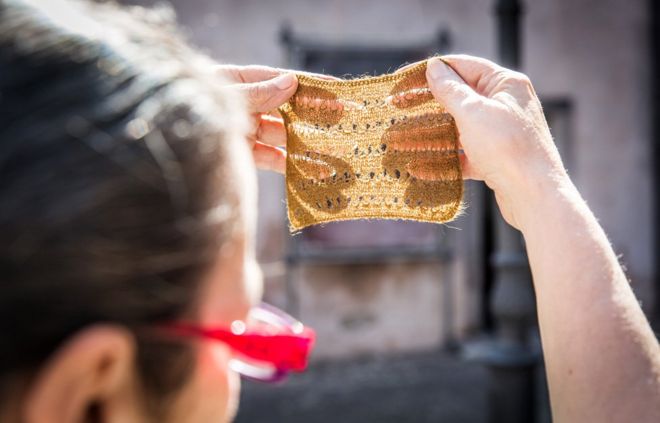
Chiara Vigo is the only woman in the world who still works the byssus, better known as the silk of the sea, the same way women in ancient Mesopotamia used to weave it in order to make clothes for their kings. PHOTO: BBC

Chiara Vigo is the only woman in the world who still works the byssus, better known as the silk of the sea, the same way women in ancient Mesopotamia used to weave it in order to make clothes for their kings. PHOTO: BBC

The Italian island of Sardinia. A place where coastal drives thrill, prehistory puzzles, endearing eccentricities exist. As DH Lawrence so succinctly put it: ‘Sardinia is different.’ The island has been polished like a pebble by the waves of its history and heritage. And an indispensable part of it is Chiara Vigo, who is thought to be the only women left who can harvest sea silk, spin it and make it shine like gold. By her own admission, Vigo is neither an artist nor an artisan. She is a master. While an artist creates over inspiration and an artisan produces and sells, masters pass their art on. Like she hopes to.

Continue reading

If You Are in DC…

The Capitol stones at Rock Creek Park in DC. PHOTO: Bill Lebovich

The Capitol stones at Rock Creek Park in DC. PHOTO: Bill Lebovich

When the dust settled after 9/11, shipbuilders recycled the Twin Towers’ steel into the USS New York. And when the United States Capitol got a face-lift, the old stones were destined for an almost forgotten existence in a Washington, D.C. forest. Save for the occasional runner who veers off his usual trail and the rare visitor with ample time to explore more of the Rock Creek Park, not many have chanced upon and delved into the history of the pile of moss-covered stone columns. Obscura Society is headed there this week, and you may want to join them.

Continue reading

From the Soil to Homes and Hearts, this Onam

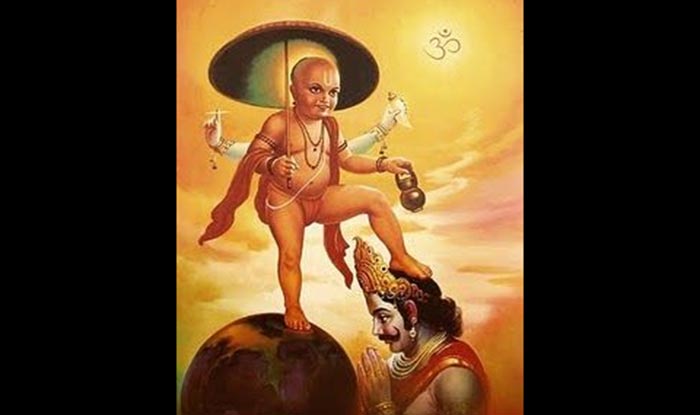
Vamana, an avatar of Lord Vishnu, places his feet on King Mahabali.

Vamana, an avatar of Lord Vishnu, places his feet on King Mahabali.

Kerala was once ruled by Mahabali, who was an asura (Demon). Now being a demon, evil and sinful practices were expected of him, but he was completely the opposite. Mahabali was a mighty king who worked for the prosperity of his people. During his reign, everybody was happy and prosperous. But the Devas (Gods) were jealous and felt that he may surpass them and so they urged Lord Vishnu to help them. Mahabali was about to perform a ritual and he had announced that he would fulfill everyone’s wishes. Vishnu decided to use this opportunity and disguised himself as a dwarf, poor Brahmin called Vamana and went to Mahabali. He asked Mahabali to give him a piece of land which he could measure with three footsteps. Generous Mahabali granted his wish. But everybody was in for a shock when the tiny Vamana grew into a giant. He then took his first step and covered all land, and in his second step he occupied the whole of the sky. He then asked Mahabali where should he keep the third step. Unable to find any more land, the noble king then asked Vamana to keep the third step on his head. Lord Vishnu was pleased with Mahabali’s dedication and so he granted him a wish. Mahabali, who unconditionally loved his people, asked for permission to visit his people once a year. And so Onam is celebrated in his honor and people believe their Mahabali visits them on the day.

Continue reading

Going Back to the Melon

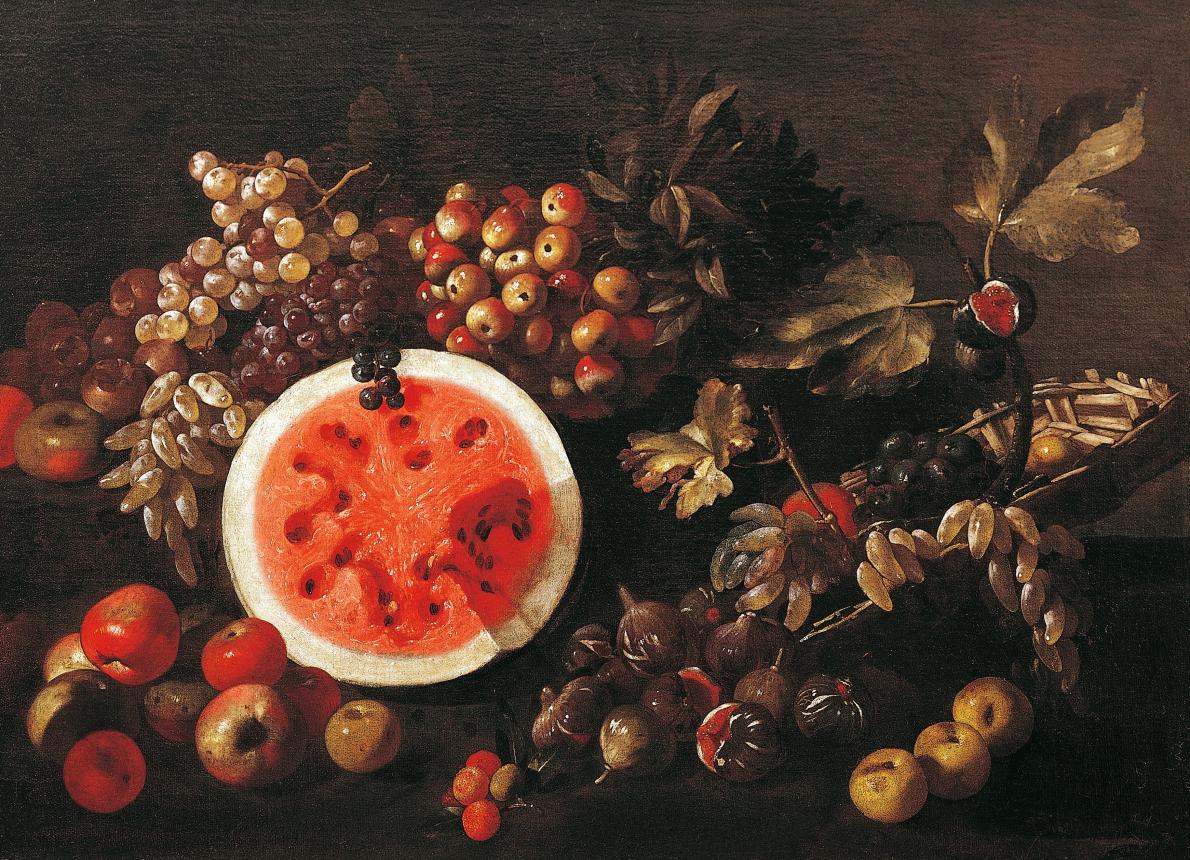
The watermelon has long inspired artists, such as Giuseppe Recco's Still Life With Fruit (1634-1695). The first color sketches of the red-fleshed, sweet watermelon in Europe can be found in a medieval medical manuscript, the Tacuinum Sanitatis.  PHOTO: Dea, A. Dagli Orti/Deagnostini/ GETTY

The watermelon has long inspired artists, such as Giuseppe Recco’s Still Life With Fruit (1634-1695). The first color sketches of the red-fleshed, sweet watermelon in Europe can be found in a medieval medical manuscript, the Tacuinum Sanitatis. PHOTO: Dea, A. Dagli Orti/Deagnostini/ GETTY

Watermelon may be the best picnic dessert nature ever created with its sweet juice cleverly bound inside that spongy red (sometimes yellow) matrix, and fully protected by psychedelic green rind. And no matter how you slice it, this green cannonball of nutrition is attracting scientific attention as an elixir that reduces muscle pain after workouts and a whole lot more. And the myriad ways it lends itself beautifully in the kitchen. But what about its history? Continue reading