When Art Bridges Communities

The Islamic Cultural Center of Northern California hosts plays, open mic nights, painting and ceramics classes. PHOTO: ICCNC

The Islamic Cultural Center of Northern California hosts plays, open mic nights, painting and ceramics classes. PHOTO: ICCNC 

Places of religious significance have long been centers of the community spirit. Moving beyond discourses and rituals, their supreme ability lies in bringing people together on some common ground. And projects like the Islamic Cultural Center in Northern California demonstrate how art and culture can bridge gaps within the space of beliefs.

Many mosques preach against even listening to music, let alone playing it on the premises. But here, in a huge auditorium filled with dozens of people, a Moroccan singer on stage sings the praises of the Prophet Muhammad, playing a stringed instrument called an oud. Next to him, a man plays a North African drum called thedumbek. The people here are white, black, Asian — some in embroidered green Sufi robes, others in black Shiite turbans or flowing white Arab jalabeyas. Some women cover their hair, some don’t. Ask anyone who’s been to a mosque, and they’ll tell you this scene is definitely not a common one — which is precisely why many people feel comfortable here.
Continue reading

When a Way of Life Melts With the Ice

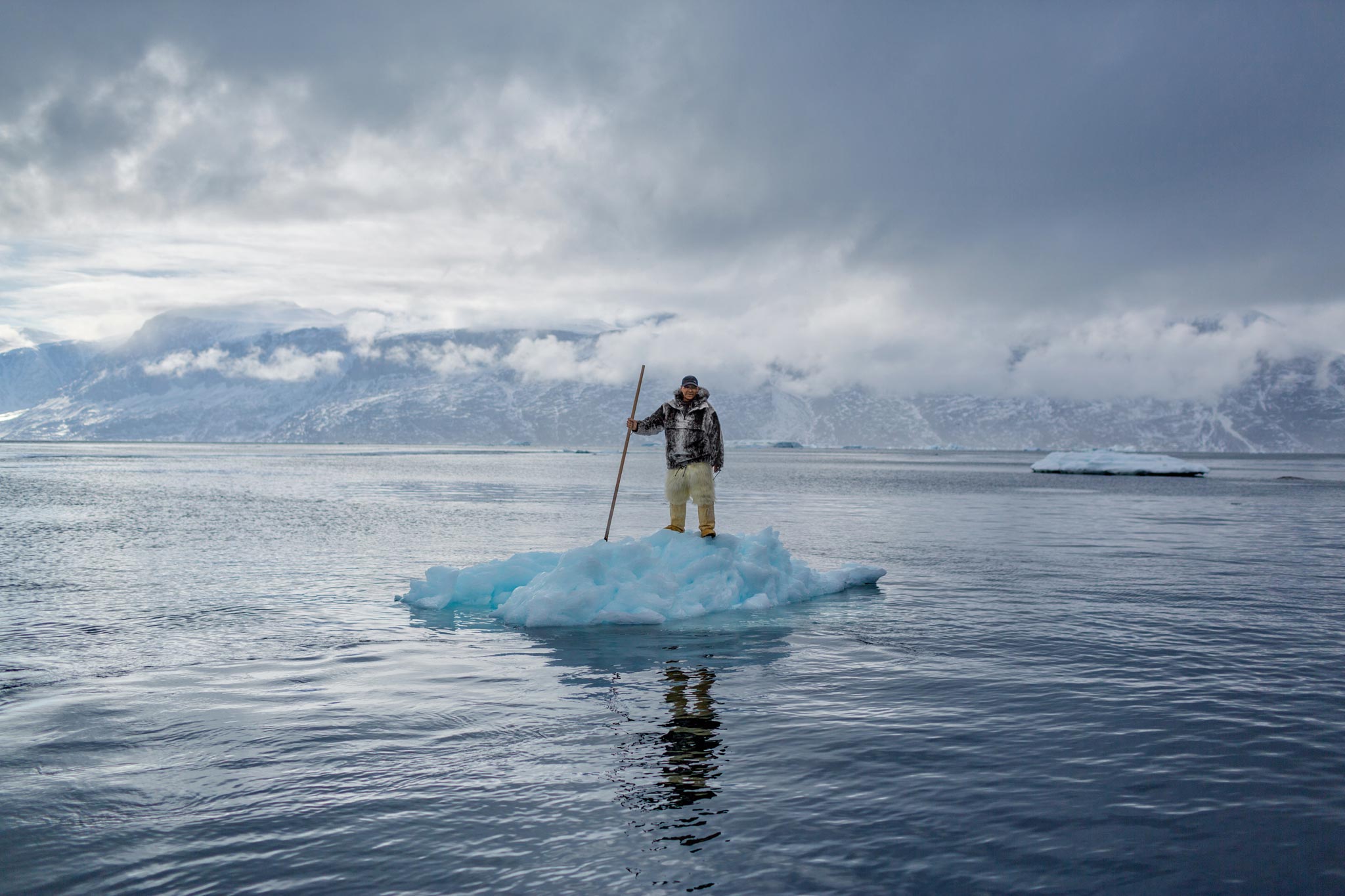
Albert Lukassen’s world is melting around him. When the 64-year-old Inuit man was young, he could hunt by dogsled on the frozen Uummannaq Fjord, on Greenland’s west coast, until June. This photo shows him there in April. PHOTO:  Ciril Jazbec

Albert Lukassen’s world is melting around him. When the 64-year-old Inuit man was young, he could hunt by dogsled on the frozen Uummannaq Fjord, on Greenland’s west coast, until June. This photo shows him there in April. PHOTO: Ciril Jazbec

Climate change – a situation that choices can better, but circumstances see it go from bad to worse. Much talk, much less done. Temperatures rise, glaciers melt, and seas begin to usurp shores. Also, people like the natives of Kiribati and now the Inuit are forced to rethink ways to survive on their lands which once provided for all. And did not threaten their lives. National Geographic reports from the North:

Something else is vanishing here too: a way of life. Young people are fleeing small hunting villages like Niaqornat. Some of the villages struggle to support themselves. And now a culture that has evolved here over many centuries, adapting to the seasonal advance and retreat of sea ice, is facing the prospect that the ice will retreat for good. Can such a culture survive? What will be lost if it can’t?

Continue reading

The Game of Demolishing History

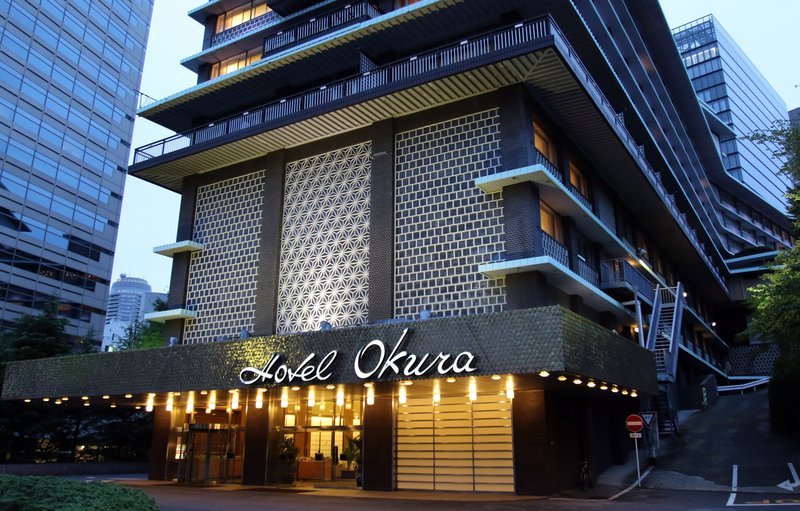
The entrance to the main building of Japan's iconic Hotel Okura in Tokyo. An outcry from architectural preservationists couldn't stop the demolition to make way for a high-rise tower. PHOTO: Yoshikazu Tsuno/AFP/Getty Images

The entrance to the main building of Japan’s iconic Hotel Okura in Tokyo. An outcry from architectural preservationists couldn’t stop the demolition to make way for a high-rise tower. PHOTO: Yoshikazu Tsuno/AFP/Getty Images

What’s the prize you pay to host the most prestigious event in sporting history? If your answer is breakneck development that is low on sustainability, spares not a thought on protecting what’s natural/native to the land – then you score points in Tokyo. Workers have started tearing down a Japanese landmark — the Hotel Okura. The Okura is a treasure of 1960s modernist design and has hosted every American president since Richard Nixon, Hollywood royalty and actual royalty.

Continue reading

Ancient Knowledge and a Nobel

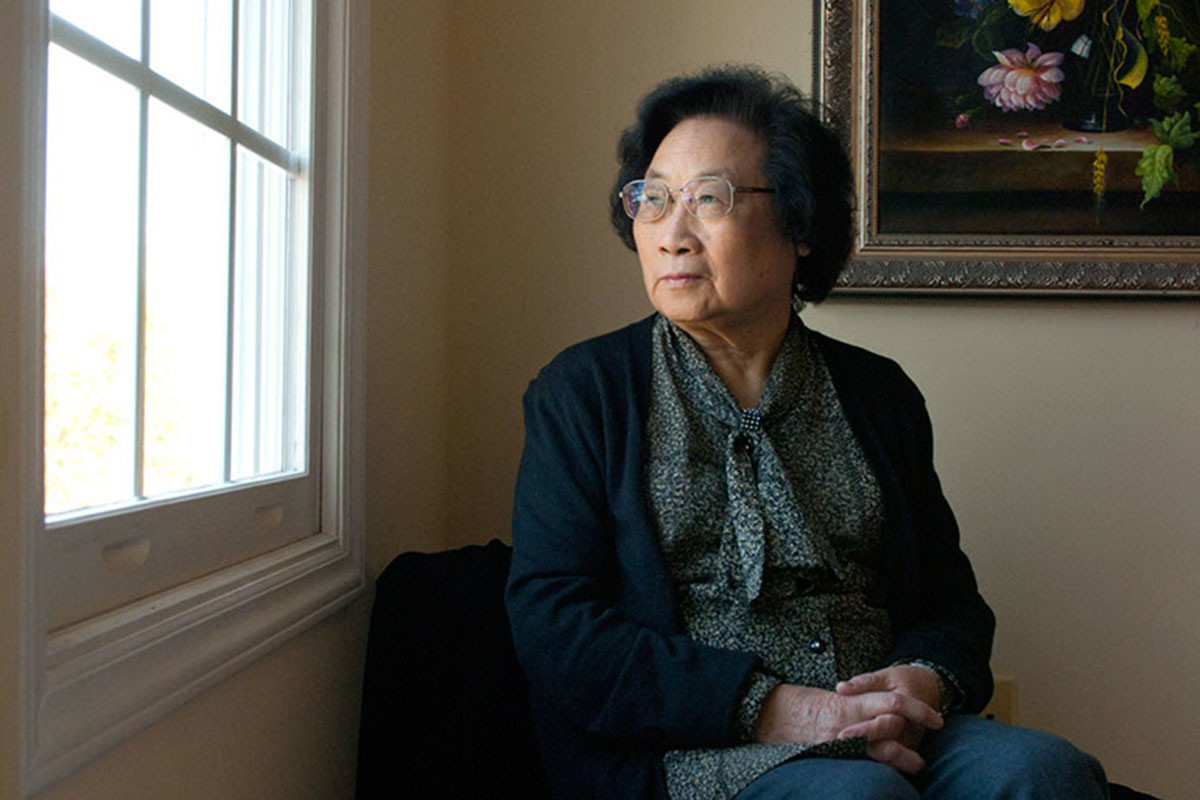
In giving Youyou Tu the prize, the Nobel Prize committee has recognized the role ancient knowledge can play in the modern world. PHOTO: New Scientist

In giving Youyou Tu the prize, the Nobel Prize committee has recognized the role ancient knowledge can play in the modern world. PHOTO: New Scientist

Traditional Chinese medicine has found its Nobel Prize moment. A cure for malaria. And its origin is marked by war, military, learning, and more.

The Quartz reports:

In the war, the North Vietnamese were not just fighting American-supported forces but also failing to fight malaria. The parasite that caused the disease had developed resistance against chloroquine, which was commonly used as treatment. So, in desperation, they turned to China’s leader, Mao Zedong, for help. Mao’s answer was to make searching for a new malaria drug a military project.

Continue reading

The World’s Oldest

A photographer’s pilgrimage to see the world’s oldest. Before the signs of climate change sees them disappear.

In 2007, photographer Rachel Sussman made a pilgrimage to Florida’s 3,500-year-old Senator Tree. The pond cypress’s mottled gray trunk stretched 125 feet into the sky, and sported a bronze plaque gifted by Calvin Coolidge in 1929. Sussman snapped a few pictures, but, upon review, wasn’t thrilled with the results. “I thought, ‘Oh, I’ll just come back sometime,'” she remembers.

Five years later, a meth user snuck into a space in the trunk of the tree, lit up, and burned the whole thing down. Sussman came back and photographed the charred remains. “It really was this moment challenging my sense of permanence and impermanence,” she says.

Continue reading

Lessons of Islam in a Temple

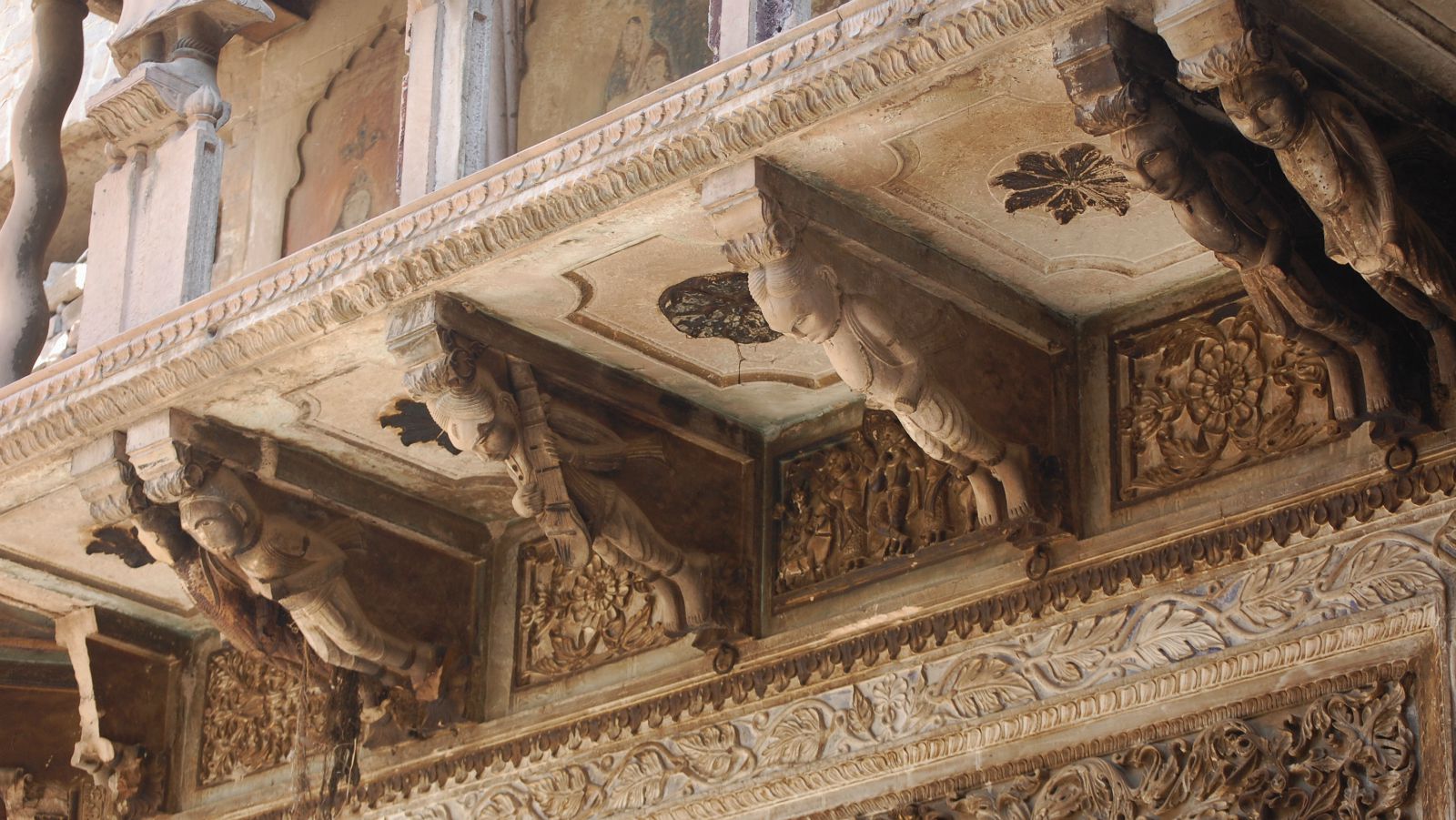
Some Hindu temples in Pakistan are now Islamic schools. PHOTO: Rida Arif

Some Hindu temples in Pakistan are now Islamic schools. PHOTO: Rida Arif

Given the volatile relationships between India and Pakistan, any sentence that involves the two nations is fraught with speculation and scrutiny. Talking of a temple and a mosque in the same breath spells secularism in a liberal setting but portends unrest in another quarter. And when you do hear of goodwill where these worlds meet amicably, it’s a story worth sharing. Like this one about how ancient temples in Pakistan have turned into centers of Islamic teaching.

We stood at the entrance of the temple, not sure if we would be allowed to go inside.

It was a double-storey structure with a small round balcony. The door was made of wood with intricate patterns on it, while there were fading remnants of frescoes on the wall. Judging by the entrance, I could only imagine how beautiful this structure must be from the inside. The only problem was that this temple was not vacant. It wasn’t even taken over by an individual family, as has happened in many other cases. In that situation, I could have requested them to allow me to see the temple from inside. But this was now controlled by the women’s wing of an Islamic religious organisation called Minhaj-ul-Quran, founded by the famous preacher-turned-politician Tahir-ul-Qadri.

Continue reading

Celebrating Flour Power

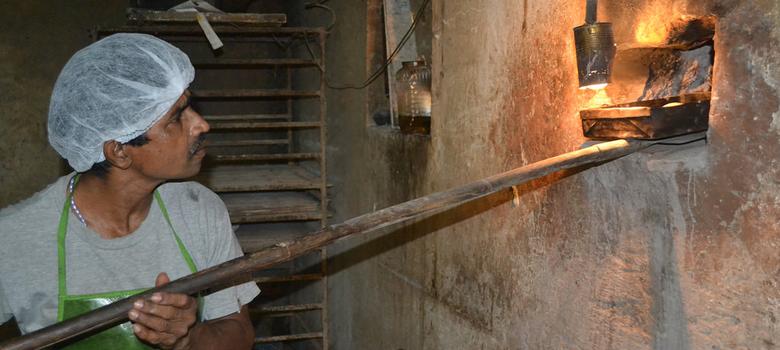
The Poderanchem Fest will pay tribute to the state's unique baking traditions and the people who keep them alive. PHOTO: Scroll

The Poderanchem Fest will pay tribute to the state’s unique baking traditions and the people who keep them alive. PHOTO: Scroll

India is home to celebrations that pan religions, occasions like harvest, birthdays of legendary heroes, and more. And now the country gets its first platform celebrating bakers. All the way from the tourist-laden beaches of Goa.

It’s the sound of Goa. Every morning at the crack of dawn, the bulb horn of the poder wakes up people across the state, encouraging them to start their day with cheap, freshly baked bread.  On Friday, the state’s humble bakers will finally get turn in the spotlight. Goa’s first Poderanchem Fest, or Baker’s Festival, being hosted in the leafy North Goa village of Succorro, will feature a baker’s parade and stalls selling traditional and new varieties of pao, in addition to the region’s favourite foods to eat the bread with.

Read more here.

Giving Up Electricity

A wood-fired stove at Lehman's (Photo: sonja/Flickr)

A wood-fired stove at Lehman’s (Photo: sonja/Flickr)

What started as a small hardware store serving the local Amish in Kidron, Ohio, grew into something much bigger than founder Jay Lehman ever dreamed. Gathering four pre-Civil War era buildings under one soaring roof, today the store is a place to embrace the past: from old-fashioned treats and sodas to practical, non-electric goods for a simpler life.

The story of the Lehman store is one of “peddling historical technology”. A story of being old-school. And being good at it. Their top-selling products have not changed for decades. Wood stoves, gas refrigerators, oil lamps, water pumps, and water filters are always popular: if you don’t have electricity, you still need ways to store food, stay warm, light the night, and access water.

“We’ve known the term ‘off-the-grid’ for many, many years,” Ervin says. “But now it’s a thing.”

Continue reading

More a Passion Than a Language – Catalan

The estelada, the flag of Catalan independence, during a demonstration in Barcelona. Photograph: Manu Fernandez/AP

The estelada, the flag of Catalan independence, during a demonstration in Barcelona. Photograph: Manu Fernandez/AP

Catalonia,the northeastern corner of Spain, is heading to polls. A move in which we could possibly see a new independent state. Amid the political predictions, the election narrative closely shadows what has held this population together. The Catalan language. One that finds its being in the fact that banning something could lead to its preservation.

This Catalan reaction is also expressed by a Catalan writer exiled in Mexico, Pere Calders, in his 1955 short story, “Catalans in the World”. A Catalan traveller in the Far East, at an evening party encounters a parrot which, to his surprise, utters Catalan phrases. He was overcome by emotion: “Many were the things which made us different but there was a language which made us one… Early that morning, when I left, I had a softer heart than the day I arrived.”

Continue reading

4,000 Years of Shared History

The African baobab, though, is most widely distributed both in its home continent and in the neo-tropics where enslaved Africans were brought to work. PHOTO: Gavin Evans

The African baobab, though, is most widely distributed both in its home continent and in the neo-tropics where enslaved Africans were brought to work. PHOTO: Gavin Evans

The Baobab tree is a native African tree with numerous valuable advantages including food, shelter, clothing, medicines, hunting, fishing, water storage, etc. It is considered sacred and immortal and its species is as old as 5000 years.And some of this is heritage is shared with India as well.
In the French novella The Little Prince, the titular prince comes from a very small asteroid planet called B612 where soil is full of baobab seeds. He tells the author that if left to grow, the baobabs would become so numerous and huge that they could make the little planet explode.On Earth, though, baobabs are quite the opposite. Anyone living in Africa where baobabs grow to enormous sizes would be able to tell you about the numerous benefits the trees provide for humans and animals.They would probably describe the marvellous generosity of its trunk and its hospitality to many creatures, and extol the hardy and light fruit pod with its deliciously powdery pulp and nutritious seeds that remain fresh and edible over long periods of time.
But there is a mystery to baobabs, as they are also found in India. How did they get there?

Continue reading

What Does the World Heritage Tag Mean?

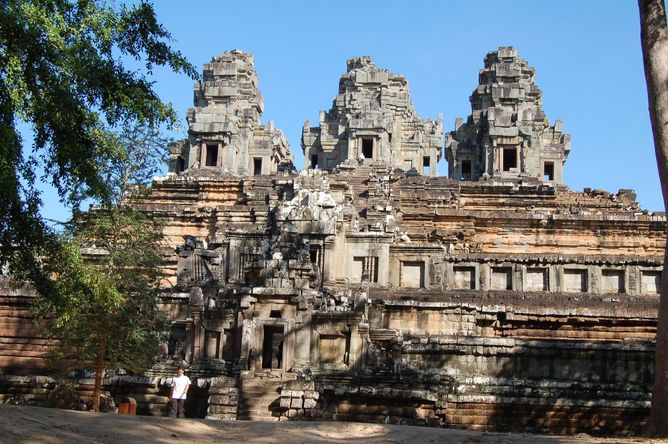
Ta Keo temple in Angkor, Cambodia. Source : China, Singapore, CC BY-SA

Ta Keo temple in Angkor, Cambodia. Source : China, Singapore, CC BY-SA

The idea of creating an international movement for protecting heritage emerged after World War I. The 1972 Convention concerning the Protection of the World Cultural and Natural Heritage developed from the merging of two separate movements: the first focusing on the preservation of cultural sites, and the other dealing with the conservation of nature. But what comes with the World Heritage tag?

Continue reading

India and the Malay Literary Tradition

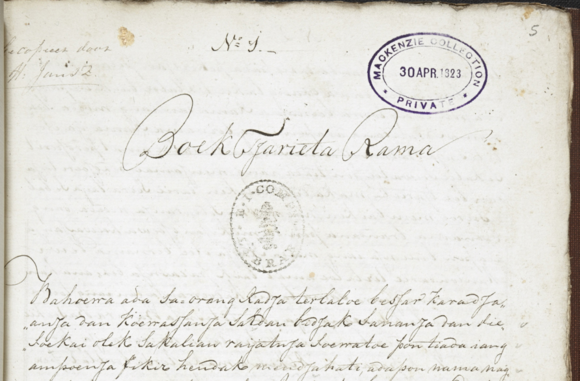
Caritra Rama, in romanised Malay with many Javanese elements, copied at Surabaya in February 1812. PHOTO: British Library, MSS Malay D 7, f. 5r (detail).

Caritra Rama, in romanised Malay with many Javanese elements, copied at Surabaya in February 1812. PHOTO: British Library, MSS Malay D 7, f. 5r (detail).

The epics of Ramayana and Mahabharata find their meaning and origin on Indian soil but their reach goes beyond the subcontinent. And the British Library’s archives find evidences of these in Malay literary traditions.

The great Indian epics the Ramayana and Mahabharata were known throughout Southeast Asia, but it was the Ramayana that most profoundly influenced Malay literary tradition. One of the oldest Malay manuscripts in a British collection is a copy of the Hikayat Seri Rama in the Bodleian Library, Oxford, which bears the ownership inscription of Archbishop Laud dated 1633. The British Library holds a manuscript of Caritra Rama, “The story of Ram”, in romanised Malay, which was copied in Surabaya in 1812.

Continue reading

The Post Office and World War

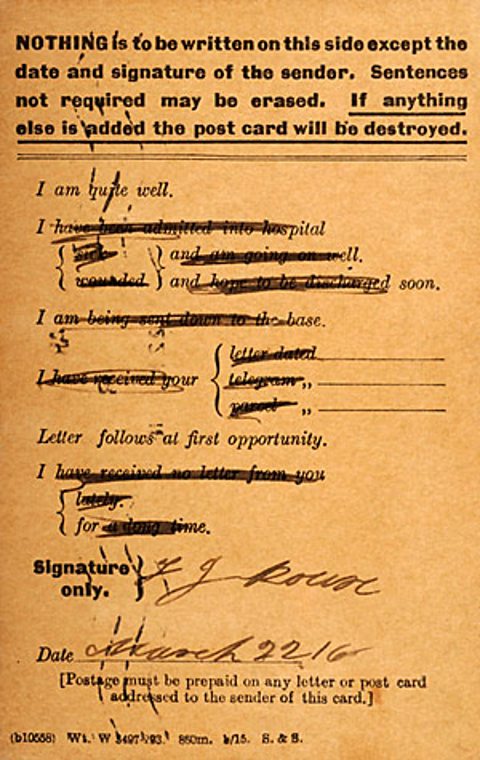
A completed field postcard, posted on 22 March 1916. PHOTO: BBC

A completed field postcard, posted on 22 March 1916. PHOTO: BBC

When was the last time you put paper to pen and saw your writing come to life? The last time you held a piece of card so small but held news and feelings from across seven seas? Writing and receiving mail is quite the experience, all the more now in the age of keypads and instant messages. It was important, too. Like in the time of the World War. When the mail was recognized as the biggest tool of maintaining morale.

BBC brings some interesting facets:

The most effective weapon used during World War One wasn’t the shell or the tank, it was morale. The British Army believed that it was crucial to an allied victory, and it looked to the Post Office for help.

The delivery of post was vital for two reasons. Firstly, receiving well wishes and gifts from home was one of the few comforts a soldier had on the Western Front. The majority of them spent more time fighting boredom than they did the enemy, and writing was one of the few hobbies available to them. For some, it was a welcome distraction from the horrors of the trenches.

Secondly, letters served a propaganda purpose as everything that soldiers sent back was subject to censorship. The British Army claimed this was to prevent the enemy finding out secret information, but really it was to prevent bad news from reaching the home front. Letters from serving soldiers had a powerful role, not just in keeping families informed of the well-being of their loved ones; they also helped to sustain popular support for the war across the home front. Nothing could be allowed to jeopardise that.

Continue reading

Jerusalem’s 800-year-old Indian Connect

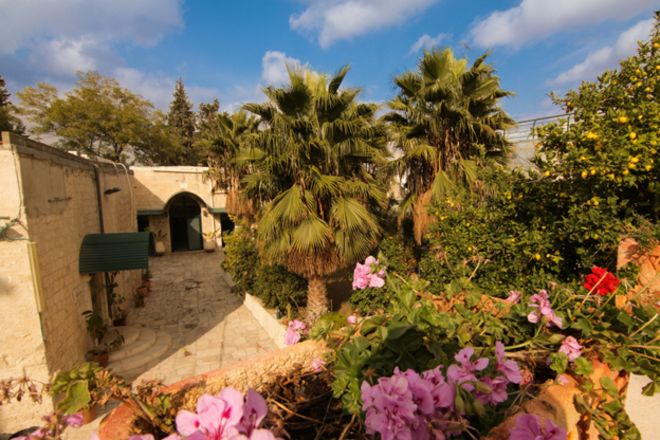
There is a little corner of Jerusalem that is forever India. At least, it has been for more than 800 years and its current custodian has plans for his family to keep the Indian flag flying for generations to come. PHOTO: BBC

There is a little corner of Jerusalem that is forever India. At least, it has been for more than 800 years and its current custodian has plans for his family to keep the Indian flag flying for generations to come. PHOTO: BBC

For close to a century, many generations of an Indian family have been looking after the Indian Hospice, a symbol of India’s heritage, in the old city of Jerusalem.The Indian Hospice was born in 1924, with Sheikh Nazir Ansari, a police inspector’s son from Saharanpur in Uttar Pradesh, becoming the first Indian to look after the hospice, situated opposite Herod’s Gate in the old city. Since then generations of the Ansari family have kept the Indian flag flying in a situation which is “politically fraught where every inch of territory is claimed or counter-claimed”.

From the roof he flies an Indian flag, its saffron and green visible over a city that remains as volatile as ever. Sheikh Munir, though, is not easily intimidated. “I am not afraid. I am satisfied for the future, that we, the Ansari family, are serving. After me, my elder son, Nazer, should replace me as Sheikh of the zawiyya [lodge].”

I ask if Nazer, who works overseas, is interested in taking over. Sheikh Munir hesitates. From a frame on the wall, his father looks down silently. The old man raises his hands, palms up.

“It’s not a question of interested.”

Continue reading

Did Scrabble Almost Fail to Take Off?

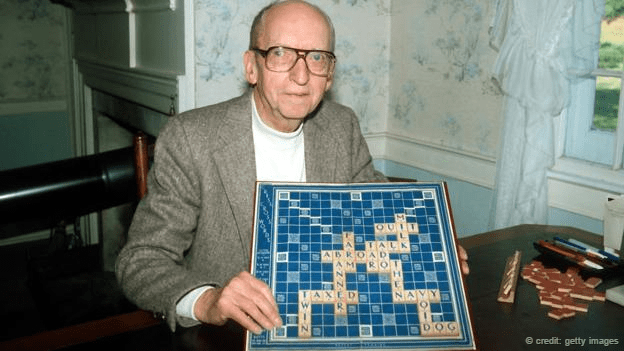
The game also formerly known as It and Criss-Cross Words acquired its lasting moniker in 1948, but its story begins 15 years earlier, when a 32-year-old architect named Alfred Mosher Butts joined the millions who’d already lost their jobs in the Great Depression. PHOTO: Getty

The game also formerly known as It and Criss-Cross Words acquired its lasting moniker in 1948, but its story begins 15 years earlier, when a 32-year-old architect named Alfred Mosher Butts joined the millions who’d already lost their jobs in the Great Depression. PHOTO: Getty

A game played avidly by amateurs and pros alike. In jails and by the British Royal Family, and has fans even at The White House. No other game brings wordsmiths together like Scrabble. And to think it may not have seen the light of living rooms:

Though words are its currency, it’s really a game about anything but. It’s a spatial game, a game of patterns and of memory. No wonder many top players have a mathematical rather than a linguistic background. You certainly don’t need to know what an obscure two-letter filler like ‘ee’ or ‘da’ means in order to play it, only that it appears on the endorsed word lists.

Continue reading

When Food Unites

Vigorón served at El Gordito in Granada, Nicaragua. The combination of soft, starchy yucca; salty, rough pork cracklings; and tangy, cool slaw made with cabbage, onions, tomato, mimbre fruit (also known as mimbro), chile and vinegar offers a distinct interplay of textures and flavors. PHOTO: Julie Schwietert Collazo for NPR

Vigorón served at El Gordito in Granada, Nicaragua. The combination of soft, starchy yucca; salty, rough pork cracklings; and tangy, cool slaw made with cabbage, onions, tomato, mimbre fruit, chile and vinegar. PHOTO: Julie Schwietert Collazo for NPR

No matter how different our ethnic backgrounds, beliefs, views and values are, we can all sit around a dinner table and unite in sharing a meal that includes different tastes and types of food from all over the globe – the palate knows no boundaries and no limitations. In a divided country like Nicaragua, all differences melt when it comes to vigoron. The national dish that cuts across political ideologies, economic status, and strong preferences.

Continue reading

The Food Museum Is Here

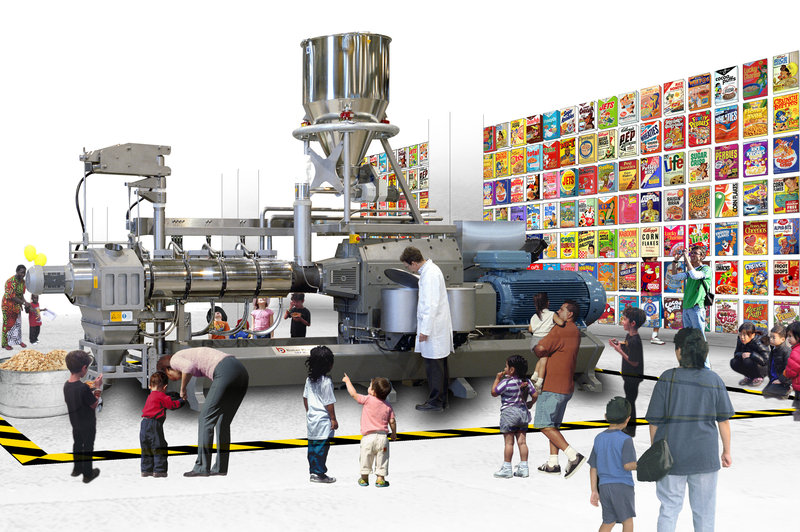
The Food and Drink Museum will open in its first permanent home – a mini-museum in Brooklyn — in October.  Above, an artist's rendering shows one potential exhibit – on ready-to-eat cereal — in MOFAD's final space. In the foreground is an extruder, a giant machine used to cook and shape cereal.

The Food and Drink Museum will open in its first permanent home – a mini-museum in Brooklyn — in October. Above, an artist’s rendering shows one potential exhibit – on ready-to-eat cereal — in MOFAD’s final space. In the foreground is an extruder, a giant machine used to cook and shape cereal. PHOTO: MOAFD

Everyone eats. People of all ages and backgrounds, from picky and apathetic eaters to gastronomes and food lovers, should care about food. Informed eaters are better eaters. They make better choices for their taste buds, health, community, and environment.Food is culture. It is more than simply what is on our plates: it is a common denominator of human relationships.Food is personal. People should be approached with a non-judgmental attitude about their diet.Food is participatory. To best learn about food, you must taste, smell, and think.Food is fun. A positive, non-fear-based outlook is the best way to approach food education.

The Museum of Food and Drink couldn’t have worded it more finely. And they are doing one better by working towards opening doors in Brooklyn come October. So hold on to all your questions about food (well the one about the chicken and the egg is still debatable), for answers may be at hand.

Continue reading

15,000 Seats and a Slice of History

At its height, the Brookdale could seat up to 15,000 people a day. No other restaurant on Earth could do that. PHOTO: Medium

At its height, the Brookdale could seat up to 15,000 people a day. No other restaurant on Earth could do that. PHOTO: Medium

It has the distinction of having been the world’s largest restaurant. A crown jewel in the cafeteria culture. A place at the centre of a community; a place where everybody could meet, a place that fueled artistic passions. Where everyone from Jack Kerouac to Ray Bradbury ate. A place steeped in revolution, built on the goodness of people. This is the story of Clifton’s Brookdale Cafeteria, Los Angeles.

Continue reading

The Lamp at the Taj Mahal

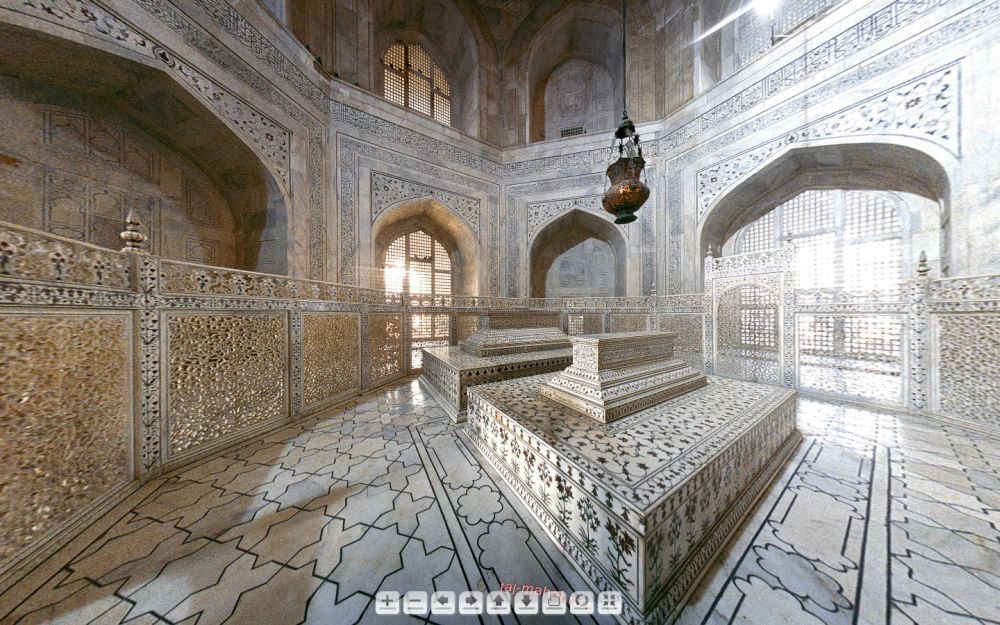
Curzon’s dedication in Persian – Presented to the Tomb of Mumtaz Mahal by Lord Curzon, Viceroy 1906 – was also inscribed on it, after a careful process of revision to ensure it matched the script used by calligraphers for the Taj Mahal. PHOTO: taj-mahal.net

Curzon’s dedication in Persian – Presented to the Tomb of Mumtaz Mahal by Lord Curzon, Viceroy 1906 – was also inscribed on it, after a careful process of revision to ensure it matched the script used by calligraphers for the Taj Mahal. PHOTO: taj-mahal.net

The Taj Mahal at Agra, India, is one of the most visited monuments in the world. Beyond it being a labour of love and a story of a dynasty, it’s a timekeeper. Of people who’ve come and gone, of men and powers that have left a mark. Like Lord CurzonScroll brings you a story:

Curzon, who became India’s Viceroy in 1899, was a man on several missions. To secure India’s northern frontiers from the advancing threat of Russia, Curzon encouraged Francis Younghusband’s 1903 Tibet expedition. His move to preserve India’s heritage was part of his own “civilising mission”.

Continue reading

India’s Forgotten Stepwells

All across India, elaborate subterranean temples are hidden in plain site. Constructed between the 2nd century and 4th century AD, these massive and ornate stepwells were built both for spiritual bathing and as a way to access water tables during monsoon season and drought seasons. Many stepwells have been abandoned and are in disrepair since the introduction of modern waterworks, plumbing and village taps. Some have been destroyed. Because the water table is even lower in recent years, many are now dry. Victoria Lautman, a freelance journalist in Chicago, has been traveling around India documenting stepwells before more fall into dereliction are destroyed by neglect or outright demolition.

Continue reading