Europeans And Indians, The Early Days

Screen Shot 2013-07-21 at 12.19.40 PM

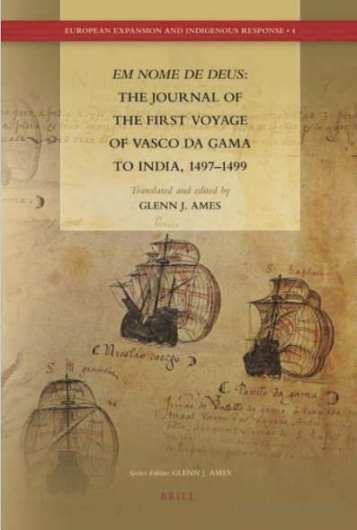
In several past posts about historically interesting interactions between Europeans and Indians, the New World variation on that story was invoked to make a point, mainly with an eye toward environmental history. Today’s Hindu has an article that draws on the history contained in the journal to the left about (Old World) Vasco de Gama’s first experience in (Older World) India, specifically the Malabar Coast and what is now the state of Kerala. Click the image to go to the source of the book, and here to go to the Hindu article:

The hero of the first Portugese contact on Indian shores is a degradado, or Portugese convict and exile, not Vasco da Gama.

One of the greatest navigators from the Age of Discoveries, da Gama, appointed by Dom Manuel, King of Portugal, for his “energy and high spirits” refused to take the initiative to go ashore on the morning of May 21, 1498. Instead, da Gama chose to wait in the depths of his ship, Sao Gabriel, while the convict Joao Nunes stepped out into the monsoon showers off the western coast of Kozhikode to meet, much to his amazement, a pair of multi-lingual Tunisian merchants. Continue reading
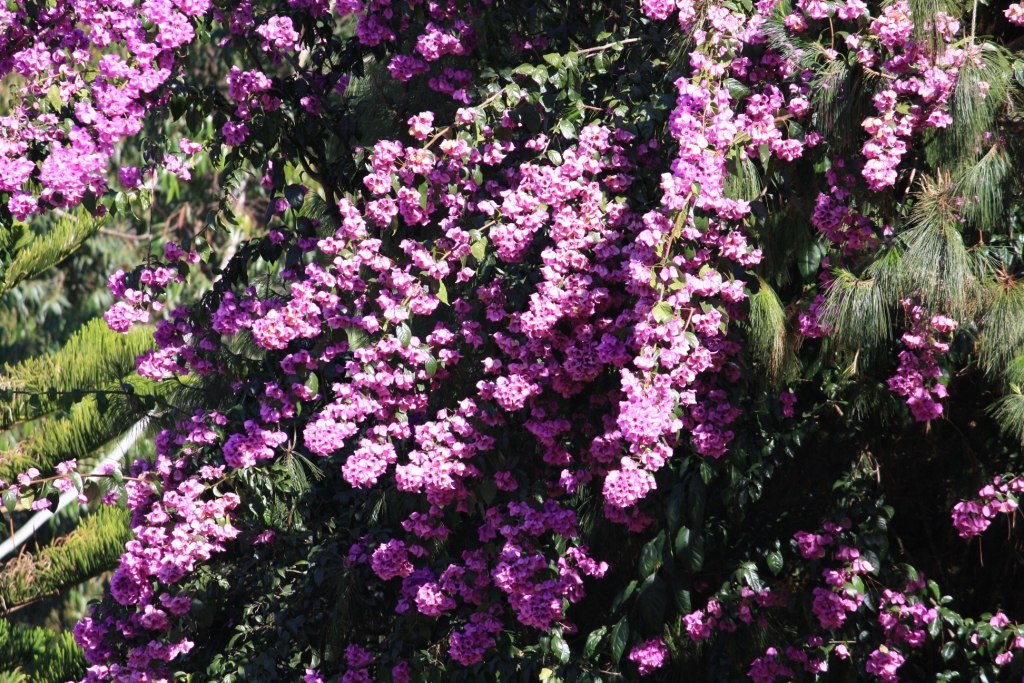
Hampi Bazaar – Karnataka

Photo credits :Ramesh Kidangoor

Photo credits :Ramesh Kidangoor

Hampi is one of the most frequently visited tourist sites in Karnataka state and India’s most prominent Heritage sites. This village in Northern Karnataka is the former capital of the Vijayanagar Empire. Continue reading

Collaborative Poaching-Patrol

The Hindu— File Photo

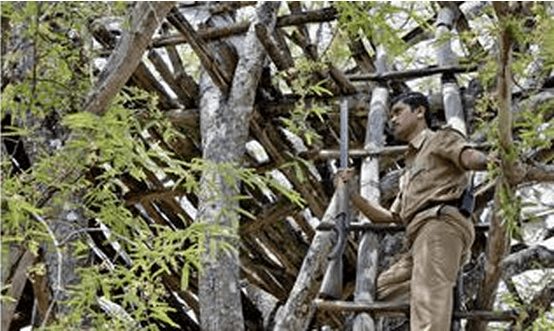
We’ve written about the importance of forest stewards before, primarily because in many cases they straddle the roles of guard and guide within the territories they protect. But many of those protected areas in India are suffering from severe shortages of qualified field staff, putting enormous areas of land, not to mention the wildlife that call it home, at risk.

But the Karnataka Eco-Tourism Development Board is initiating an innovative plan to train volunteers to be forest naturalists who will assist the forestry department a minimum of two weeks per year in their anti-poaching activities.

In order to create this pool of trained volunteers, the Karnataka Eco-Tourism Development Board is offering, for the first time in the country, three- and four-day Naturalist and Volunteer Training. The board is offering the training programme in association with Jungle Lodges and Resorts Ltd. Continue reading

Coracle – Traditional Boats

Photo credits : Ramesh Kidangoor

Photo credits : Ramesh Kidangoor

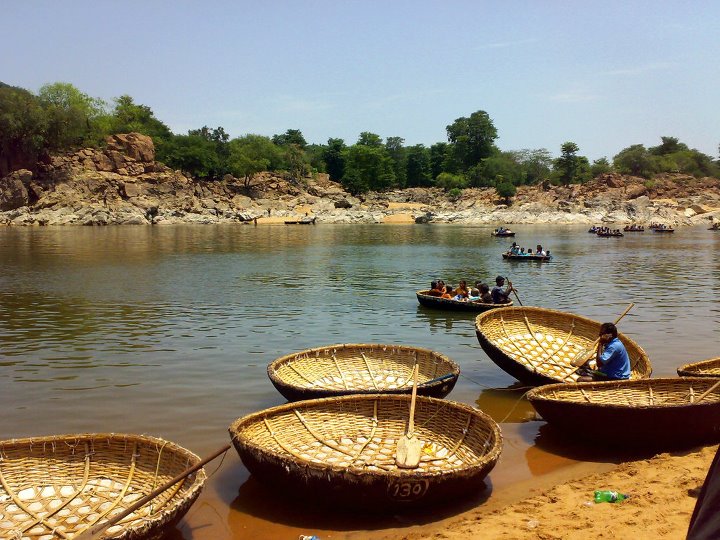
Coracles are local fishing crafts that are circular and ideal for navigating river waters. These traditional vessels are made out of reeds and the design is believed to have been used for centuries. They are mainly used for fishing and river crossings. Continue reading
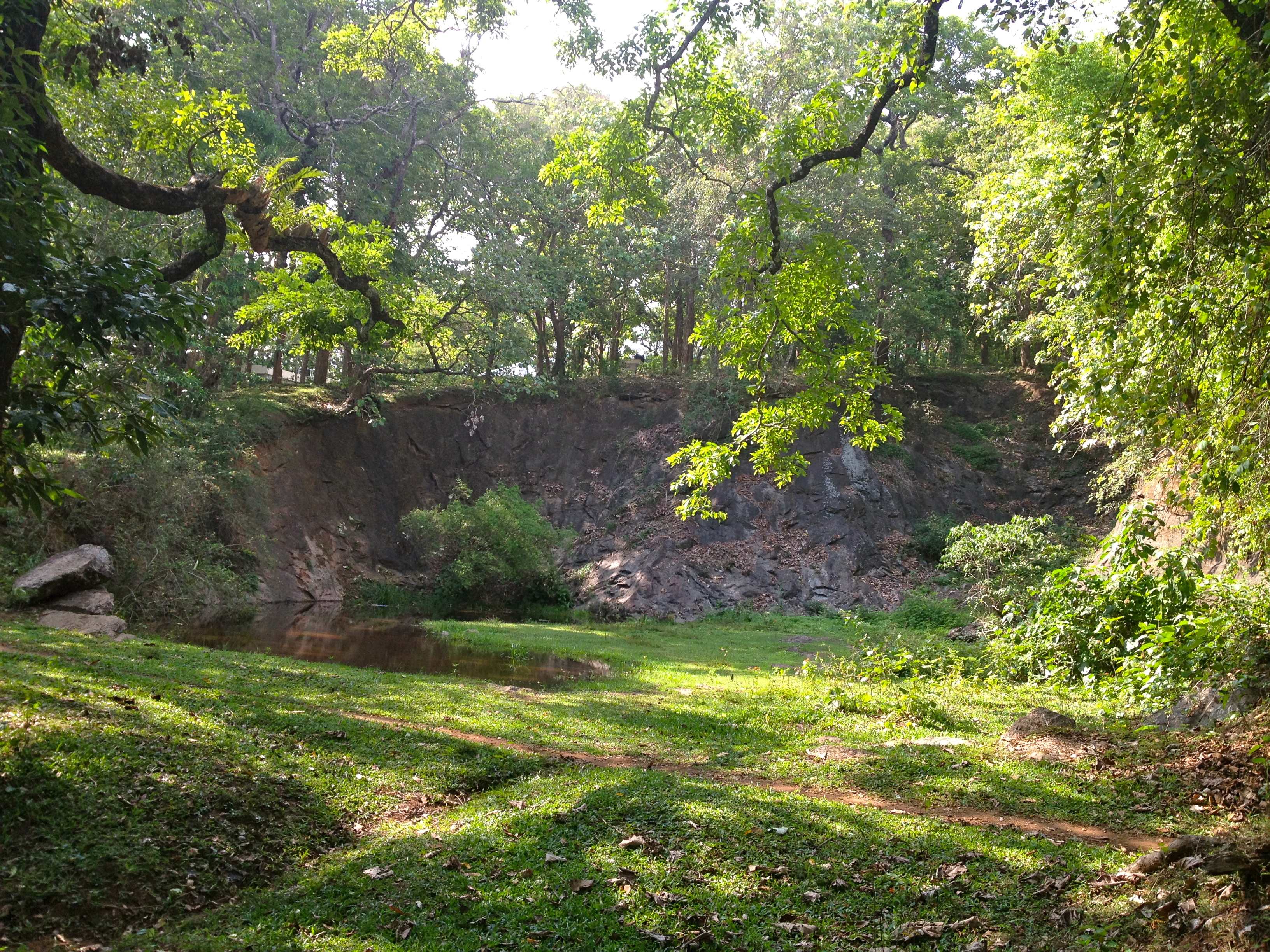
Skandagiri Hills – Karnataka

Photo credits: Dileep

Photo credits: Dileep

Skandagiri Hills is located near the town of Chickballapur, in the Indian state of Karnataka. Skandagiri Hills is very famous for its night trekking, and consequently, can be a trekker’s paradise during an evening with a full moon. Part of the allure of a Skandagari trek is with the high altitude one feels to be “walking above the clouds.”  Additionally, there is a small temple stationed on top of the hill that is worthy of a visit.   Continue reading

Onion Plantation

Photo credits: Dileep

Photo credits: Dileep

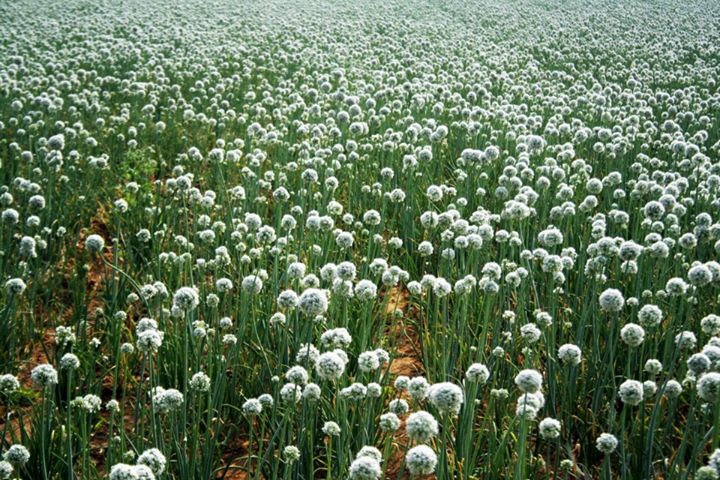
In India and throughout the world, onions are often used as a spice, and are an essential ingredient in many meals.  Specifically in India, onions are considered to be one of the most important cash crops.  They are a staple food, and are relied upon by everyone from the rich to the poor.     Continue reading

Hyperlocal Journalism With A Heritage Twist

The Rajasthan Patrika headquarters in Kesargarh, Rajasthan.

The Rajasthan Patrika headquarters in Kesargarh, Rajasthan.

Thanks to India Ink for this story about hyperlocal journalism:

JAIPUR, Rajasthan – On the June 25, I walked into Kesargarh Fort in Jaipur, the capital of the northern Indian state of Rajasthan. Where cannon were once mounted, now lies a silver printing press. The monotype-casting machine is the only giveaway that the stone and terracotta façade is home to a newspaper group, Patrika. Continue reading

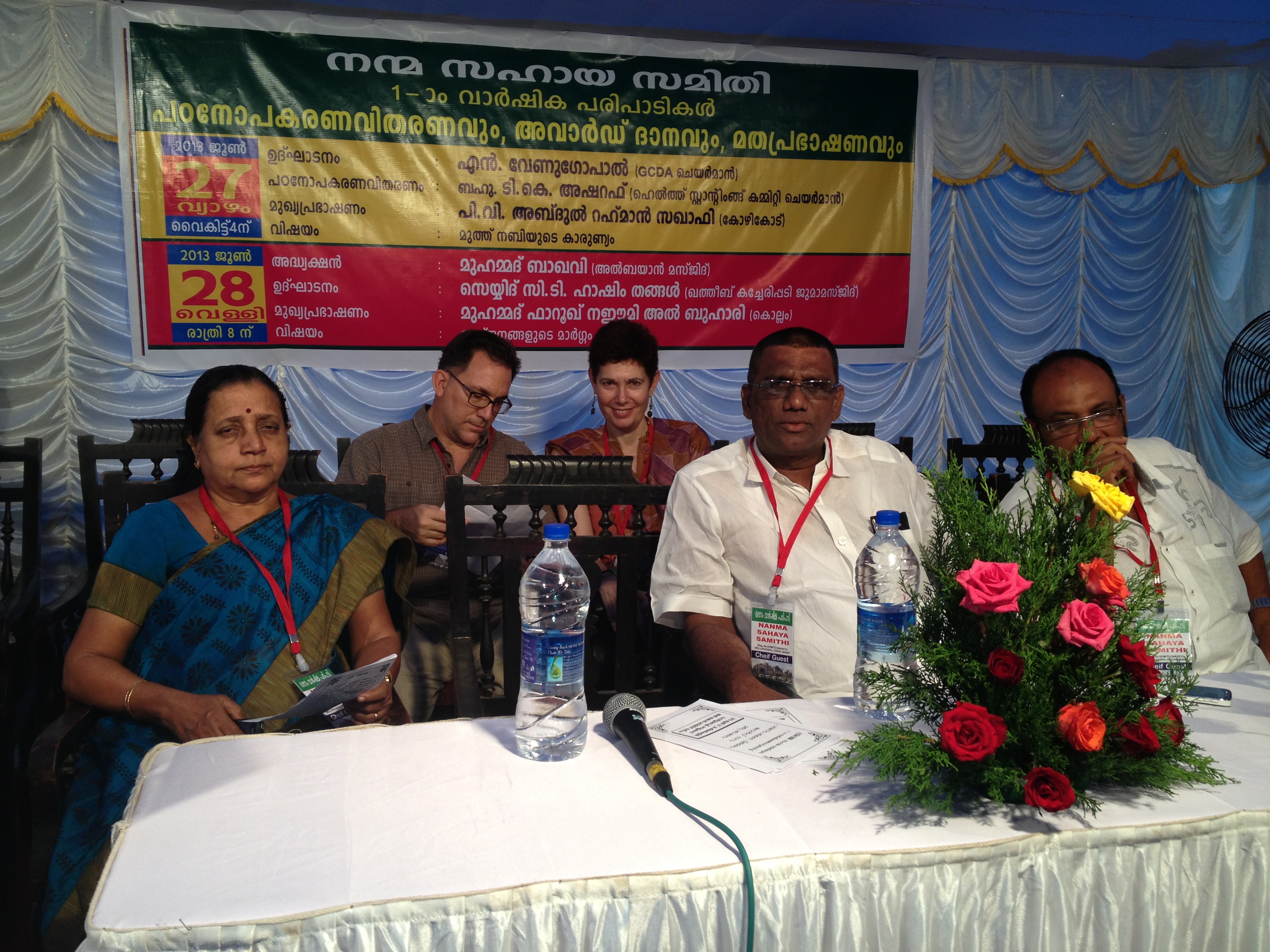
Celebrating Nanma Sahaya Samithi’s first birthday in Mattancherry

Nanma Shaya Samithi bursars and their families (c) credit Ea Marzarte - Raxa CollectiveOne of the projects we are currently working on is renovating a heritage building in the historical neighborhood of Mattancherry in Cochin. We hope that Spice Harbour will encourage other entrepreneurs to tackle these beautiful yet challenging buildings before they disappear into the night. But a neighborhood is not all about old stones.

Crist and Amie of Raxa Collective on the panel of Nanma Sahaya Samithi (c) Ea Marzarte

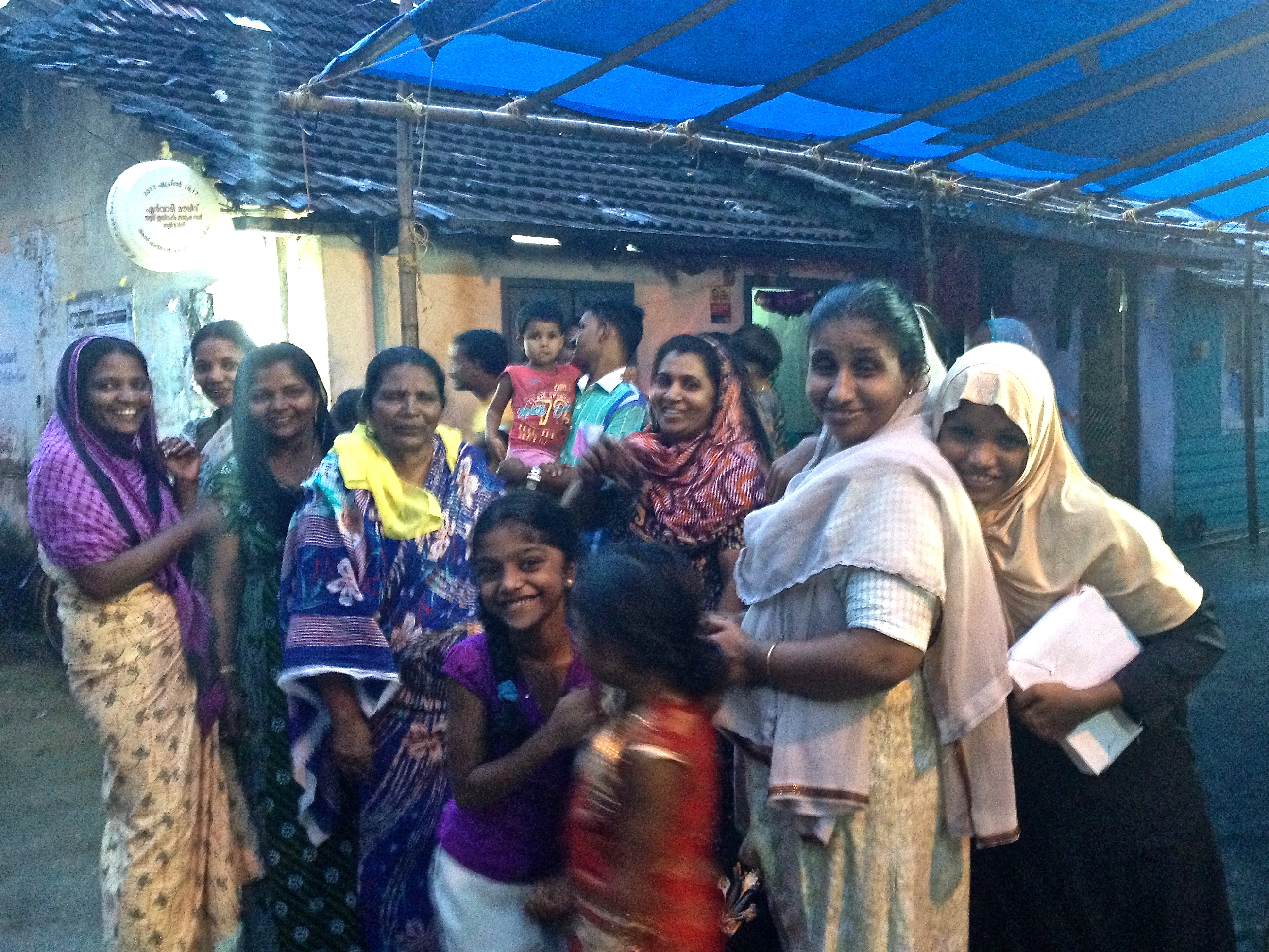
The people of Mattancherry form a tight-knit community and a year ago a group of young enthusiastic locals created a neighborhood association “Nanma Sahaya Samithi”. Nanma Sahaya Samithi focuses on harmonious living and  works on making healthcare and education accessible to everyone in the neighborhood. We were invited to donate notebooks and pens to children and to meet with other actors of the community. Continue reading

Annual Champakulam Moolam boat race

This slideshow requires JavaScript.

On Sunday, we joined our River Escapes colleagues and went to the annual Champakulam Moolam Boat Race. Champakkulam is a serene village in the district of Alleppey and this boat race is one of the most ancient in Kerala. During our lunch on board of the Pallanayar, a River Escapes houseboat, we saw, flocking on the river Pamba, numerous vallam (boats) including the famous chundan :the snake boat. Continue reading

Cochin : exploring Mattancherry

Wandering around Mattancherry  : the vibrant murals covering the walls of Mattancherry Palace as well as each and every street; Dockers carrying sacks of produce urging you to move out of the way; Those boats that look more like works of art…not to mention the art installations on the docks… The streets that surround Spice Harbour, a development Raxa Collective is currently working on, are full of colours, spices and, yes goats… Continue reading

Books In A Pre-Amazonized India

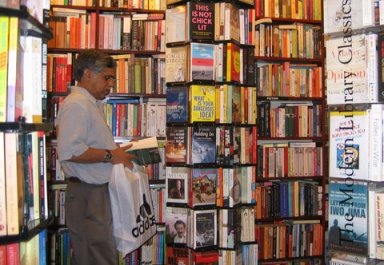
Courtesy of Jairaj Singh A customer at the Fact & Fiction bookstore in New Delhi.

Courtesy of Jairaj Singh
A customer at the Fact & Fiction bookstore in New Delhi.

Our friends at the India Ink blog site offer a cross-generational look at the world of books in our part of the world:

In the summer of 1984, two years before I was born, my father, Ajit Vikram Singh opened a small corner bookshop, Fact & Fiction, in South Delhi’s Vasant Vihar area,      Continue reading

Growing up on a plantation

a house in spring valley credit ea marzarte -Raxa collective

A house on a coffee plantation in Spring Valley, Kumily, Kerala

My mother and her ten brothers and sisters were raised on a sugar cane plantation. I always wondered what it was like, growing up in a lush and remote environment. Hiking to the school bus in the early morning and being rocked to sleep by the astounding noise of nightly creatures. Playing hide and seek on a neverending playground. Continue reading

False Starts, Heroic Conclusions

ESSAY: A Different River Every Time
What is ‘smart’ and how does it fit our consciousness? Is there just one way to it? Are smarter people happier, richer? The answers may not always be that obvious. by SANDIPAN DEB

…Which, of course, brings us to that common capitalist question: “If you’re so smart, why aren’t you rich?” There is something abhorrent about this query. Of course, Mukesh Ambani is super-smart, but so was Jagadish Chandra Bose, who invented wireless communication at least a couple of years before Guglielmo Marconi, who received the Nobel prize for the breakthrough (It is now established that Marconi met Bose in London when the Indian scientist was demonstrating his wireless devices there, and changed his research methods after that meeting). Bose also invented microwave transmission and the whole field of solid state physics, which forms the basis of micro-electronics. Bose’s contributions are all around us today, from almost every electronic device we have at home to the most powerful radio telescopes in the world. But he steadfastly refused to patent any of his inventions, or to license them to any specific company. Some 70 years after Bose’s death, the global apex body, Institute of Electrical and Electronics Engineers, officially acknowledged Bose to be the father of wireless communication.

This is an excerpt whose catchy question pervades an essay worth reading in full. Intelligence, specifically smart Indian people, is the subject of a whole special issue of Outlook magazine. We have pondered amazing people from India on occasion in the past, and if the brief tale above intrigues you then see this post about Tesla versus Edison, but for now Continue reading

Thirvunamalai, Arunacaleshwara Temple – Tamil Nadu

Photo credits : Ramesh Kidangoor

Photo credits : Ramesh Kidangoor

Thirvunamalai Arunacaleshwara Temple is dedicated to Jyothi Lingam, the fire incarnation of Lord Shiva. Situated amidst picturesque surroundings at the base of the 2600-ft Annamalai hills, it is one of the largest and most revered shrines in South India.  The nine imposing gopurams of the temple constructed in the Vijayanagar style are a magnificent sight. There is a “thousand pillared hall” with intricate carving of minor deities  and demi-Gods. Continue reading

More On The Full Stop In India

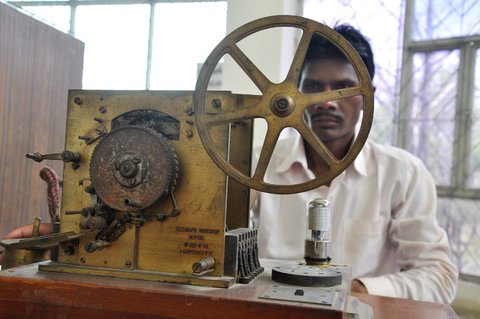
Sanjeev Gupta/European Pressphoto Agency. An employee of the National Telecom Museum in Bhopal, Madhya Pradesh, sitting behind an 1871 model of a telegraphic code machine invented by French engineer Emile Baudot.

Sanjeev Gupta/European Pressphoto Agency. An employee of the National Telecom Museum in Bhopal, Madhya Pradesh, sitting behind an 1871 model of a telegraphic code machine invented by French engineer Emile Baudot.

As we mentioned, history is about to be amended and here is a small post at India Ink about what various people intend to do in honor of the occasion:

On Saturday afternoon, Vikrant Deshpande, a 32-year-old Indian Air Force pilot, drove with his wife to the Central Telegram Office in New Delhi. The newly married couple gazed at a sign in the Telegram Office lobby that read, “Standard Phrases for Greeting Telegrams.” Continue reading

Sadhus – Mendicants

Photo credits :Manoj Vasudevan

Photo credits :Manoj Vasudevan

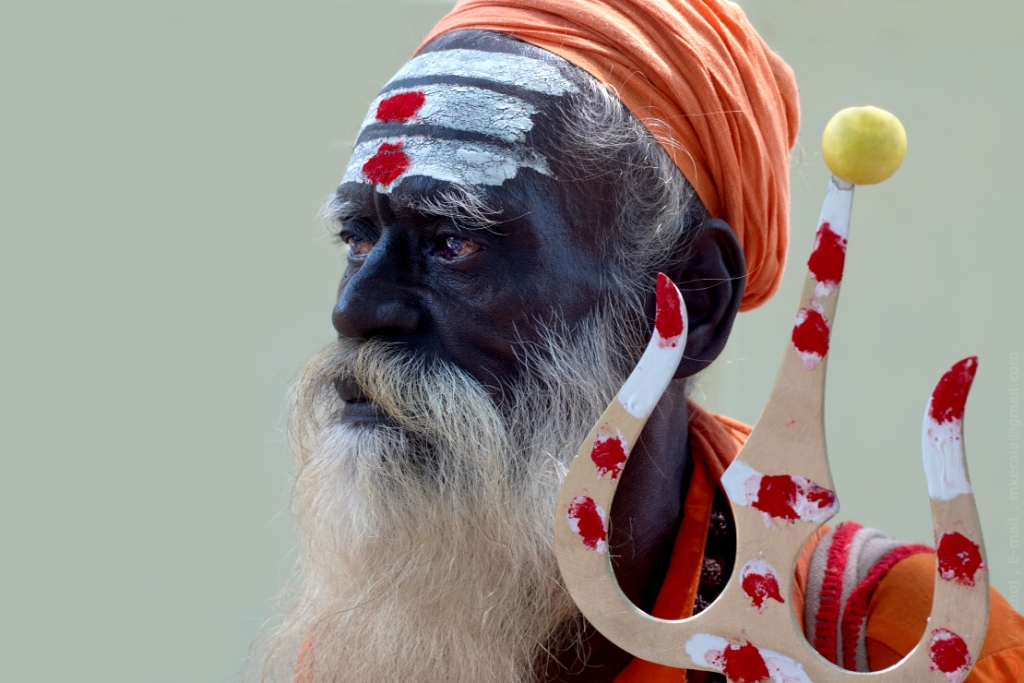
Sadhus are commonly found outside famous temples in India. They live an ascetic life on the fringes of society, free from all family ties with neither possessions or permanent house and eat little. They live off alms given by pilgrims and devotees and often wear saffron coloured  clothing. Continue reading

Full Stop In 21st Century India

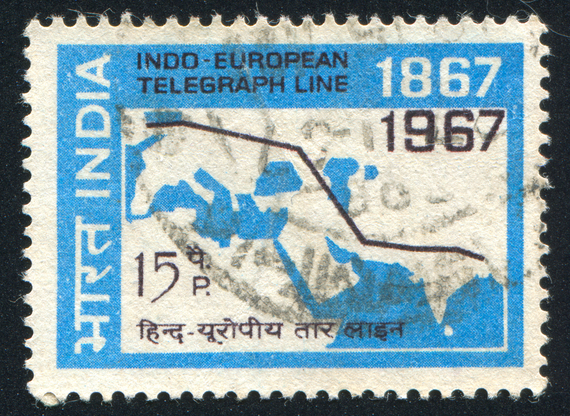
A stamp for the Indo-European Telegraph, circa 1967 (Shutterstock/rook76)

A stamp for the Indo-European Telegraph, circa 1967 (Shutterstock/rook76)

The Atlantic is reporting, and it reaches us in India, that July 14 will be a historic day.  On that day (coincidentally aka Bastille Day in France), an era will end:

In 1850, the British inventor William O’Shaughnessy — who would later become famous for his early experiments with medical cannabis — sent a coded message over a telegraph line in India. His telegram would usher in a new age of communication in and for India, connecting the country in a way that had never before been possible. Continue reading

Sanskrit poetry: “If my absent bride were but a pond”

Sanskrit lyric poetry is often noted for its sexual nature and flourished in the eleventh century where it was compiled by Vidyakara under the title “The Treasury of Well-Turned Verse”. Vidyakara, was a poet and a scholar of the XIth century.  Although he is thought to have been a buddhist monk, his “Treasury” is well versed on the matters of heart . This anthology of sanskrit court poetry addresses themes such as sex, love, and heroes, peace and nature.

Ponds in the woods of Thekkady

If my absent bride were but a pond, Continue reading

Endangered species : the Vechur cow

Vechur calf

Vechur cow

We recently talked about the cowbird, but today I’d just like to talk about cows. Cows are ubiquitous here in India. The Vechur cow, however is on the FAO’s ‘Critical-Maintained Breeds List.’ Continue reading