Nishagandhi – Queen of the night

This slideshow requires JavaScript.


Night Blooming Cereus is one of the most popular garden flowers commonly found in the hill ranges of India’s Western Ghats. A member of the cactus family, its flowers are white and strong scented, with the distinction that they bloom only at night and close by dawn.

Bhathra Kali Amman Goddess (Ten Handed Goddess)

This is the statue of the Goddess Veera Bathra Kaliamman situated 8 kms away from Thekkady, on the way to Madurai in between Gudalur and Lower camp(villages of Tamilnadu). The statue is nearly 42 feet high and is unlike anything elsewhere in India. Continue reading

A Very Tough Call

Click the headline above to go to the story below:

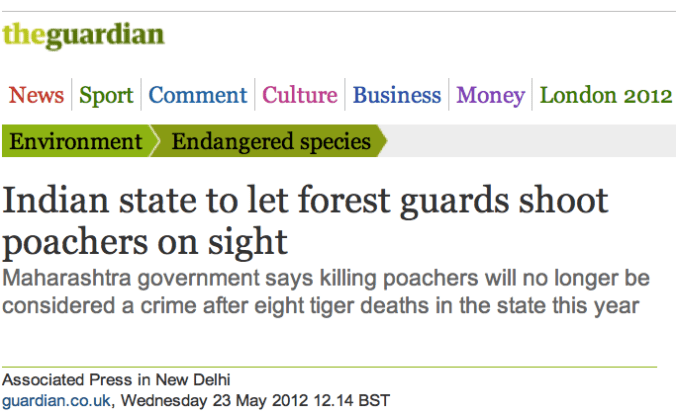
A western Indian state has declared war on animal poaching, allowing forest guards to shoot hunters on sight to curb attacks on tigers, elephants and other wildlife. Continue reading

Bollywood Century

As several of us prepare to celebrate a couple years of residence in India, and this site approaches its first birthday, a certain theme song (and equally essential accompanying dance) comes to mind.  Therefore, a big thanks to The New Yorker‘s James Pomerantz for posting this reminder:

While it may seem like just yesterday that the silent film “Shree Pundalik” was released in Mumbai, May 18th marks the hundredth anniversary of what many consider to be the first Indian film made. The past century has seen India grow to become the world’s largest producer of films…

This slideshow requires JavaScript.

Continue reading

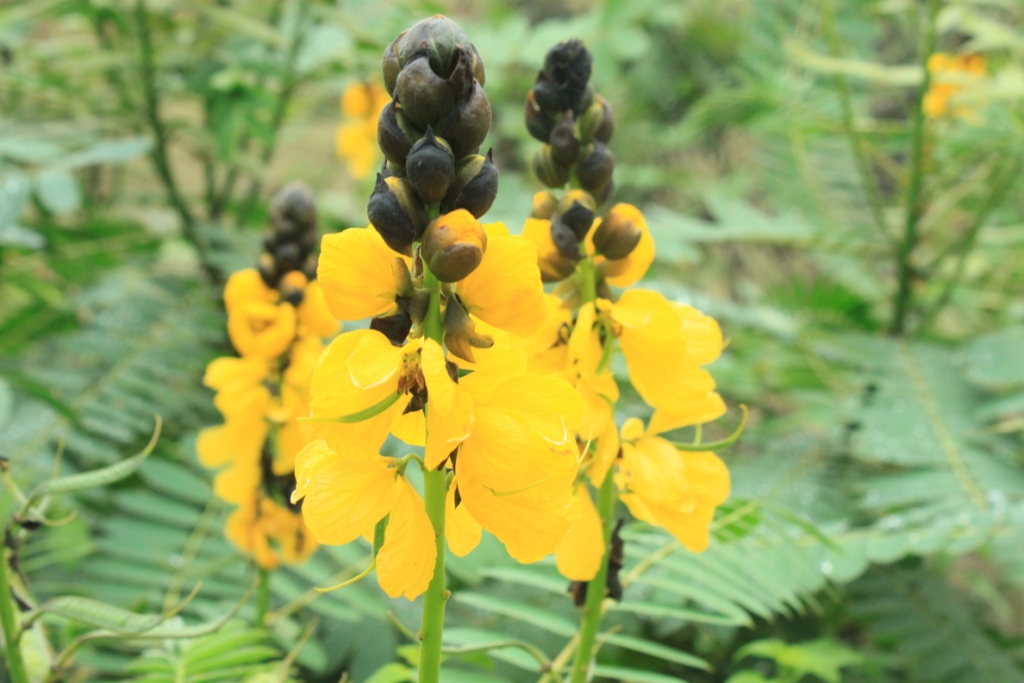
Candle Bush (Cassia alata)

Cassia alata is an erect tropical, annual herb with leathery compounded leaves found in the Western Ghats of India. The plant grows quickly to a height of 6-12 ft and can live for many years. It has waxy yellow spikes on the tip of each branch for which reason they are also known by the name candle bush and seven golden candle sticks. The spikes elongates as the period of blossom progresses. Flowers are pollinated by carpenter bees and caterpillars of migrating butterflies feed on this plant. Continue reading

Malabar Raven (Papilio dravidarum)

Endemic to the Western Ghats of South India, the Malabar Raven butterfly is common in the Periyar Tiger Reserve. Despite their rounded wing shapes, these medium sized black-brownish tailless butterfly are in the swallowtail family. Continue reading

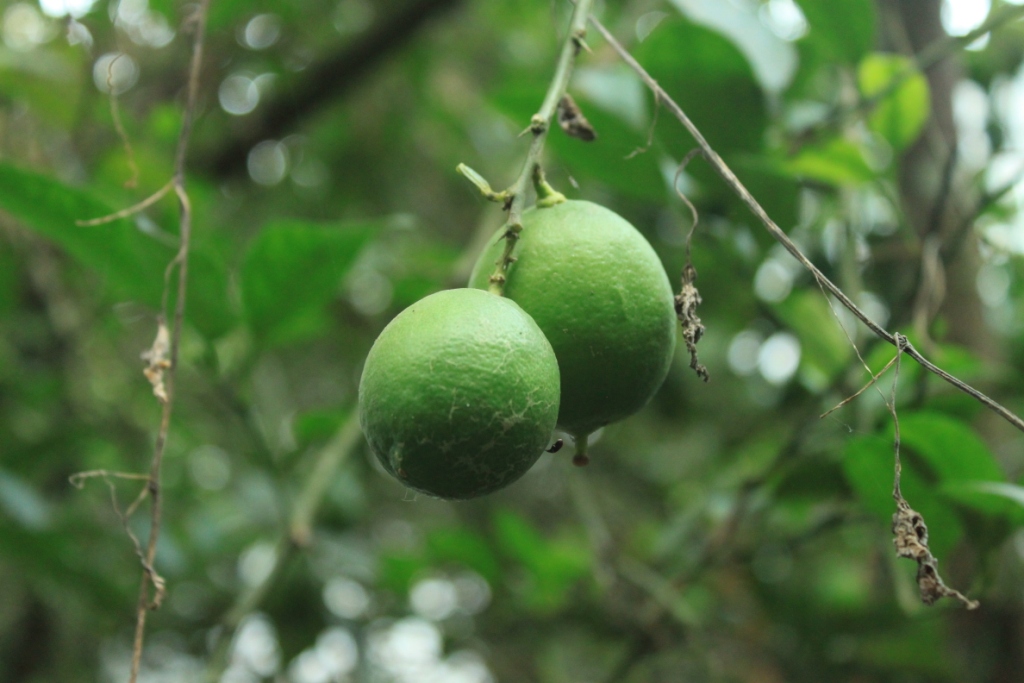
Lime

The lime tree is a spiny evergreen shrub found in plenty in the Western Ghats of India. Limes are typically round, green, with leathery leaves and fragrant white flowers. They are rich in vitamin C and often used to add more taste to the flavors of Indian food and beverages like lime water, lime juice, etc. Continue reading

Gold’s Glitter Guarded

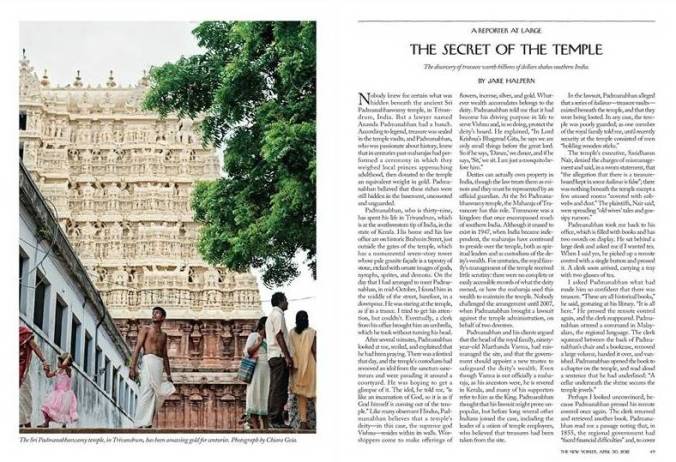
From The New Yorker‘s website, a slide show on the recent article about last year’s discovery of gold buried in a temple in south Kerala, and a remarkable set of observations from the photographer assigned to that story:

In India, deities can own property, and this temple, dedicated to Vishnu, has been accumulating gold for centuries. “I was asked to photograph it from the outside; it is strictly forbidden to take photos inside,” Goia said. “Jake and I found ourselves jumping from office to office calling whatever number possible to try to get permission to access the security area.”

This slideshow requires JavaScript.

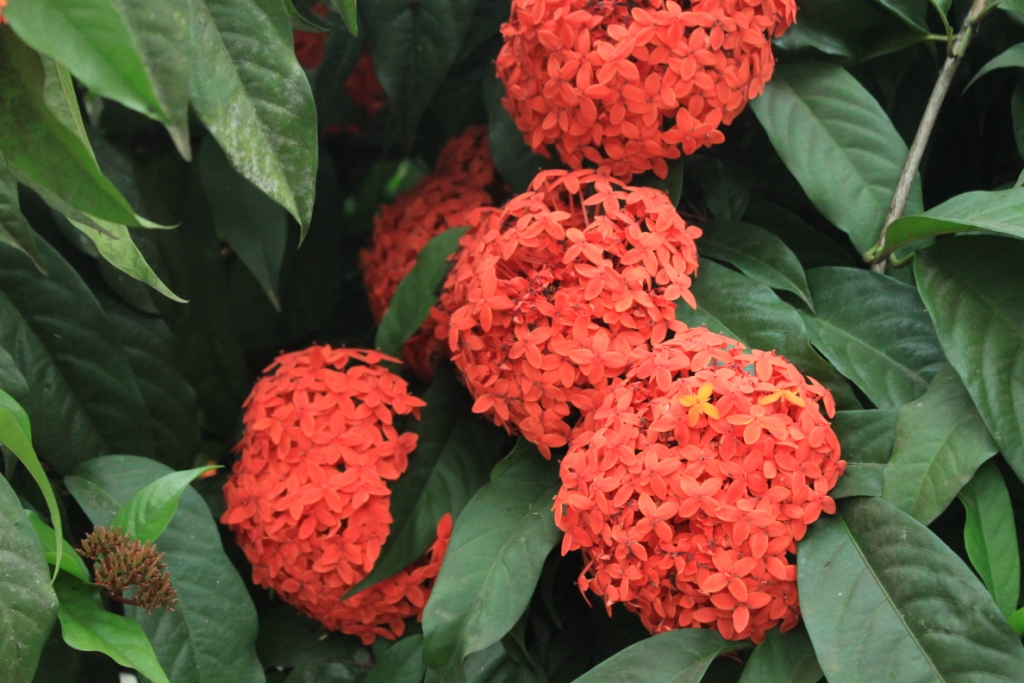
Ixora coccinea

Ixora coccinea is an ornamental, multi-branched, evergreen shrub found in the Western ghats of India which grows 4-5 ft tall and can reach the height of 12 ft. It is also known by the names Flame of the woods and Jungle flame. The plant has oblong glossy leaves and small bright orange to scarlet flowers that grow in dense rounded clusters 2-5 in in size. Continue reading

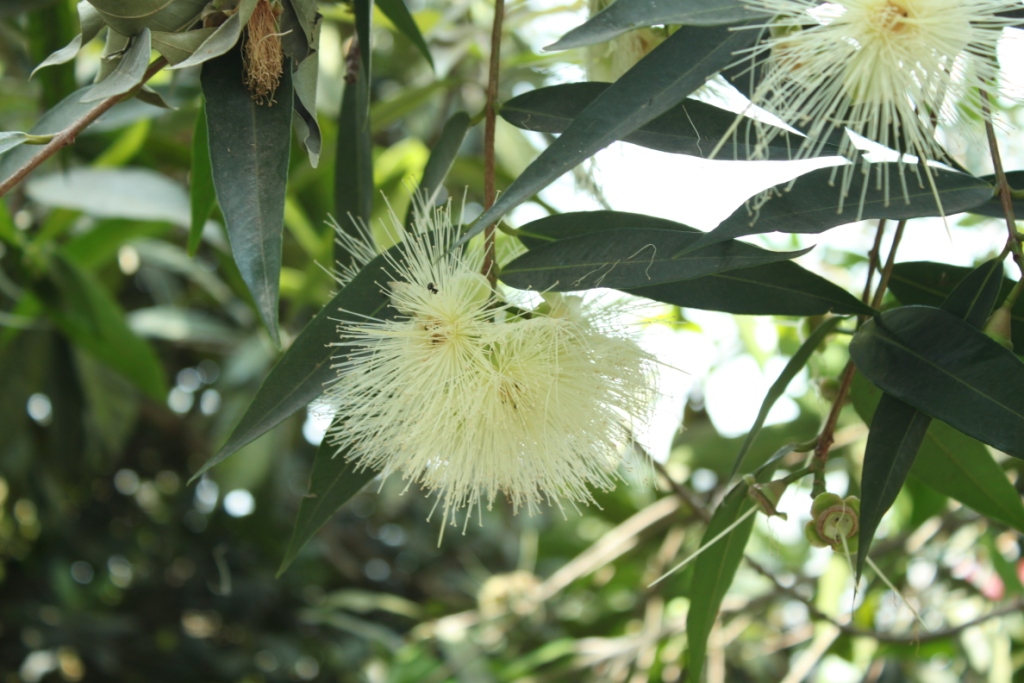
Malabar Plum (syzygium jambos)

This flower is the white variety of the Malabar Plum (Rose Apple) which is medium sized, tropical flowering tree that grows up to 15 meters high. This is the flowering season (March to May) for this tropical plant which yields white colored rose apple fruit.

Continue reading

My Recent Spice Route

This slideshow requires JavaScript.

Do you ever have a project you keep putting off?  And putting off, because the project just feels too all-consuming with no easily defined beginning or end? Welcome to my world of trying to write this brief recollection of my extraordinary experiences in India during the fall of 2011.

This is one of 3 reflections regarding my time in India and my pleasure meeting Amie Inman and visiting two of the Raxa Collective resorts.  This first entry focuses on visiting the markets of Cochin and Ernakulum.

Last October my husband Dave and I visited Amie Inman, with Raxa Collective, in Fort Cochin and Ernakulam, in Kerala.  At the time, I was the Adult Lifelong Learning Coordinator for the University of Virginia’s Semester at Sea around-the-world voyage. Dave and I had 6 days in Southern India and we didn’t waste a minute. Dave was returning to a region he loves while I was just being introduced, not knowing what to expect. Continue reading

Gold’s Glitter Illuminated

Back at about the time when Michael and Seth had posted their first reflections on this site, and Michael had just encountered his own first truly unusual finding in southern India, the newspapers across India were starting to report on this.  It took me months to be sure it was a true story.  And finally, about Thanksgiving time (USA holiday calendar) I took a moment to reflect on it.  I could not be happier to find that The New Yorker has done the kind of homework I had not had time to do.  If you are not yet a subscriber, now might be a good time to reconsider. Continue reading

Khas Khas (Vetiveria zizanioides)

Khas Khas is an aromatic, perennial grass growing in wild planes and lower hills which grows to a height of 2 meter. It is native to the Western Ghats of India and is a common source of the well known oil of Vetiver which is used in medicine and perfumery.

Continue reading

Gavi’s Gangly Forest

In early summer the forests of the Western Ghats are roaring with the sounds of insects. Crisp dried leaves crackle underfoot, and monkeys howl in the distance. I didn’t really expect to see animals – any intelligent enough to survive would be sleeping in a cool hollow somewhere. Despite the heat, the woods are beautiful, and the scenes unfolding before my eyes as we trek deeper into the reserve grow more and more unusual, with trees’ limbs and roots seeming to grasp and grope. Continue reading

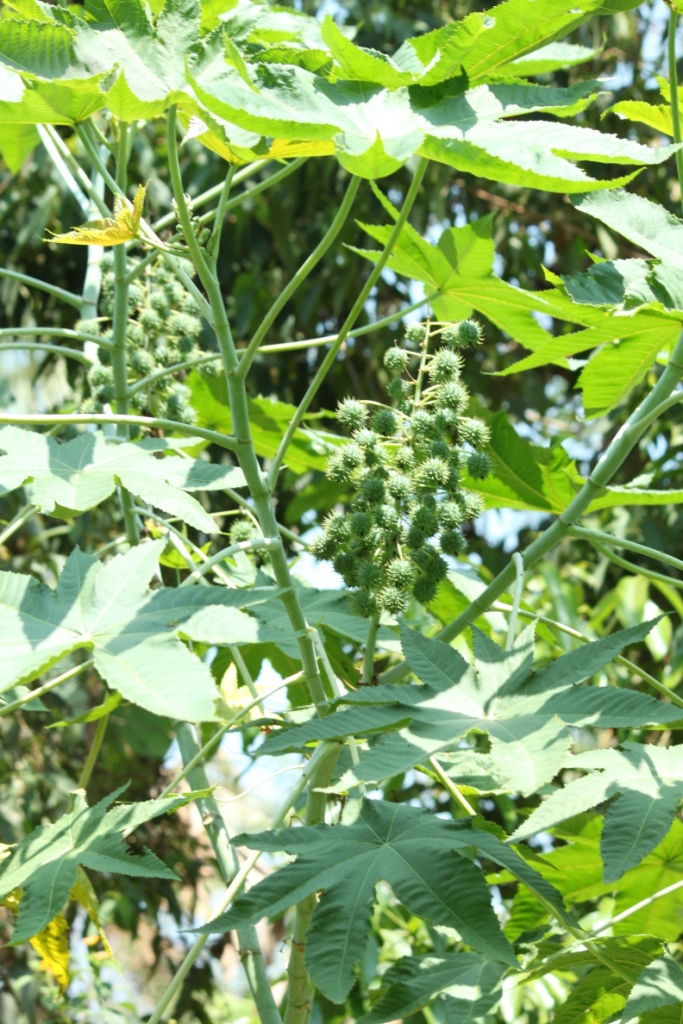
Castor plant – Ricinus Communis

The Castor plant is a very strong, sturdy plant growing throughout tropical regions, common along stream banks, riverbeds, bottomlands and any hot area where the soil is well drained. This fast growing plant grows to a height of 6-15 feet in one season and can reach the height of 39 feet. It can live for many years in mild climates, and can become quite woody, like trees.

Continue reading

Areca Nut – Areca Catechu

The Areca Nut palm tree is an unbranched, erect, medium sized monoecious (unisexual) tree growing in humid tropical regions. Its has fragrant, white flowers that mature into olive shaped, reddish-orange fruit, about 4-5 cm long in which lie the areca nut. The areca nut is a major commercial crop in India. These are often chewed along with betel leaves and hence are also called Betel Nuts.

Continue reading

Looking: Over and Out

India’s Western Ghats are one of our planet’s most biodiverse zones – as well as an intensely beautiful geological spine that separates the southwestern coast of the subcontinent from the southeastern. Kerala’s border with Tamil Nadu coincides with the range, which poses no mysteries. Transportation over the hills and mountains is tedious, and each side has it’s own cultural and meteorological identity; the border makes sense to an outsider. Continue reading

The Unseen Scenes

March 2012

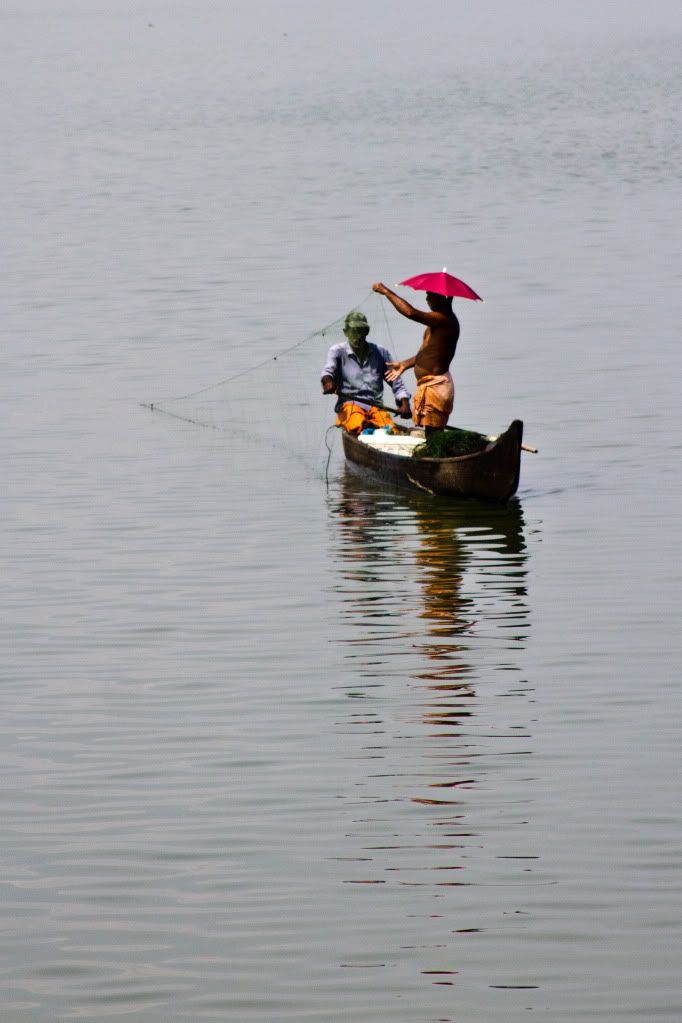
A morning on Kerala’s Backwaters. Although in the general sense you know what to expect in terms of how the day will play out, you are guaranteed to see some strange and possibly surreal things between breakfast and lunch. More if you rise before the sun comes up. This is purely out of self-preservation – during the heat of the day, any significant physical activity ends up being exhausting, and the locals know best. That said, it’s worth being up early to catch a number of interesting photographs that you would have been unable to were you sleeping. To the left are two fishermen – one rowing slowly while the other (suitably attired for protection from the sun) checks nettings for a catch. This was my first time seeing fishermen wearing umbrella hats, but I see workers in the paddy fields with them often. Despite this fact, I haven’t photographed them due to poor lighting conditions and a significant distance between us every time. Continue reading

Aranmula Kannadi – An Ancient Indian Metal Mirror

Aranmula, an ancient village in the district of Pathanamthitta on the banks of the famous Pamba River, has a special history of Kerala’s traditional arts. For centuries Indians have been experts in Metallurgy; Delhi’s ancient Mayuran Iron Pillar, and forged Damascus steel are part of an artisanal culture in South India that stretches back more than 2000 years. The Aranmula Kannadi (metal mirror) technology is part of this history.

Continue reading

Bilimbi (Averrhoa bilimbi)

Tree sorrel or cucumber tree is a tropical fruit tree which reaches 35 ft in height. It is cultivated in southern India, where it is commonly called Bilimbi (Averrhoa bilimbi).  In Kerala, it is widely used for making pickles. In other regions of the country, it is often eaten raw along with salt and chilli powder.

Continue reading