Ganesha Puja at the Elephant Junction

IMG_0113

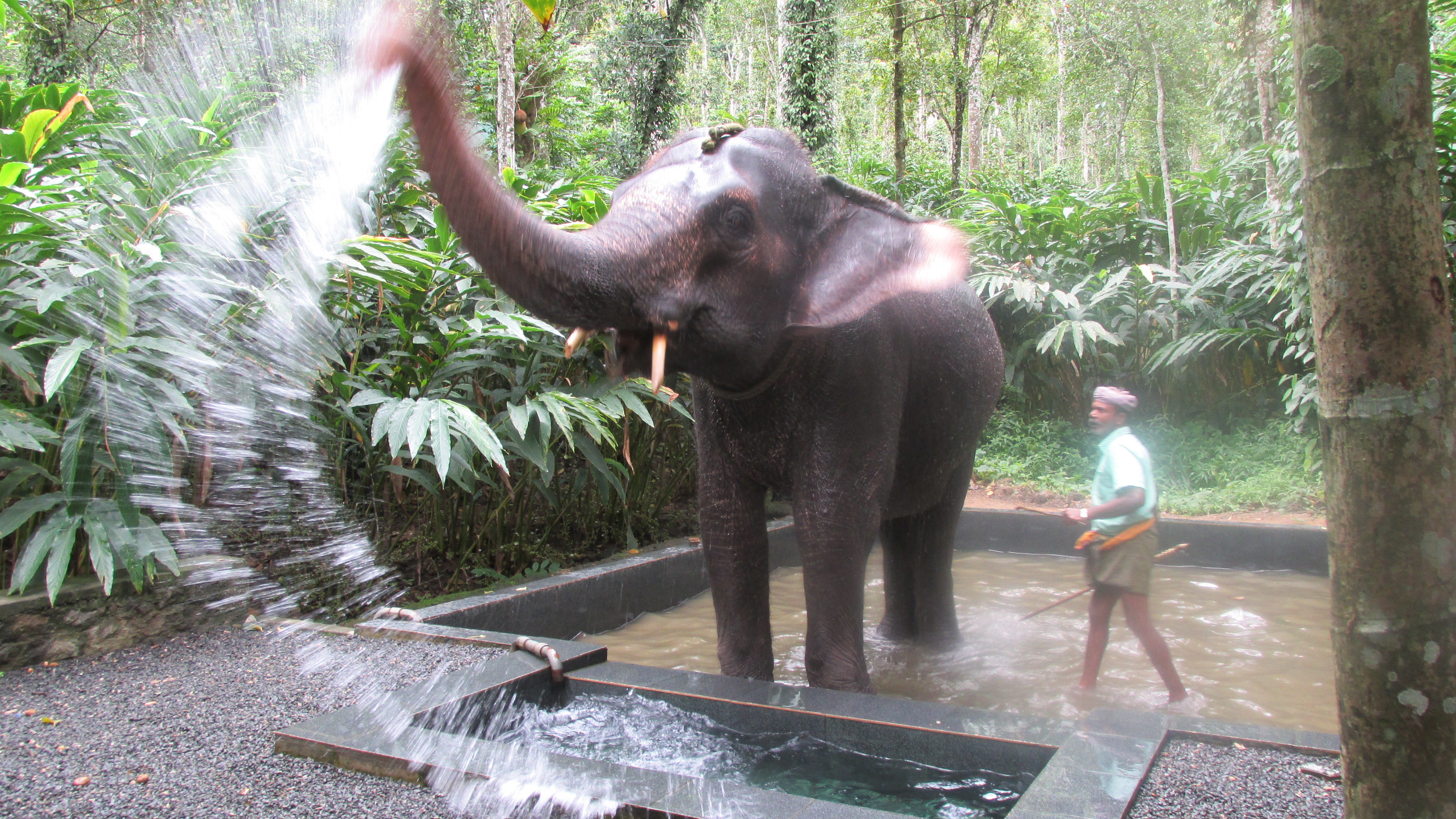
I felt so grateful to be a witness to this beautiful ceremony today. In Hinduism, puja is an offering ritual. The purpose was to bless ancestors and future generations. The puja was for Lord Ganesha to help remove obstacles. The occasion today was a special new moon that is very good for this particular puja. It was especially sacred because there were elephants there that participated in the ceremony. It was about four hours long. It was truly amazing to watch. I felt inspired to learn more about Hinduism afterwards.

IMG_0067


Continue reading

Nilgiri Railway – Ooty

Photo credits : Ramesh Kidangoor

Photo credits: Ramesh Kidangoor

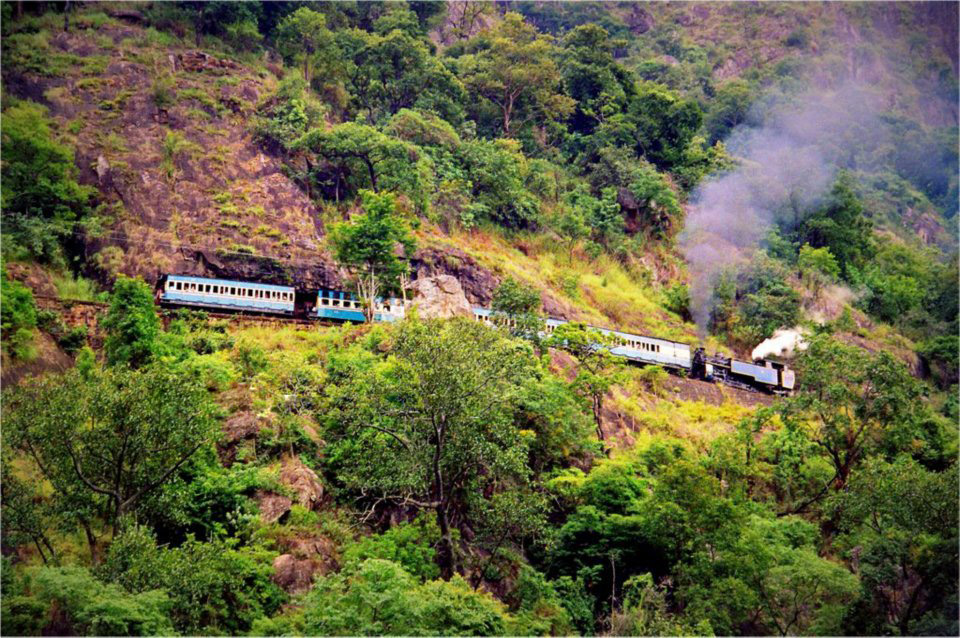
The Nilgiri Mountain Railway was built by the British in 1908. The railway line lies between the hill ranges of Mettupalayam and Ooty, with a 46km-long track that passes over 26 viaducts and through 16 tunnels, as well as tall girder bridges. This mountain rail is particularly picturesque because of the rocky surroundings and forested hills. Continue reading

Meenakshi Temple Gopuram – Madurai

Photo credits : Remash Kidangoor

Photo credits: Remash Kidangoor

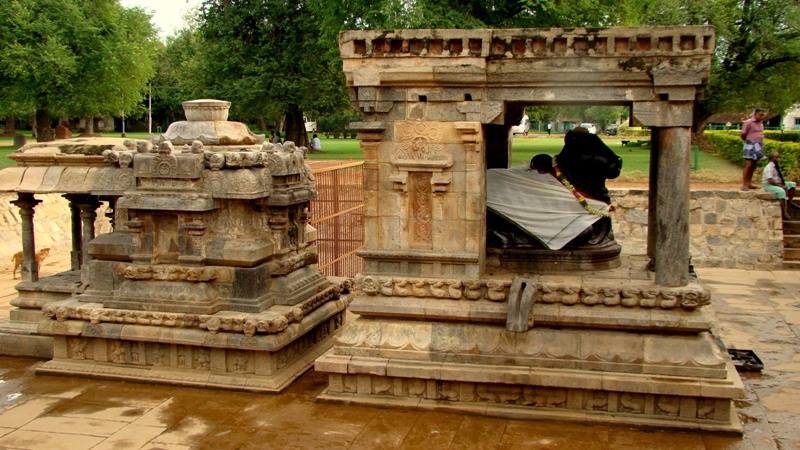
Madurai has a historical legacy over 2500 years, making it the oldest city in Tamil Nadu. On the banks of the river Vaigai, Meenakshi Temple dominates the city of Madurai, which evolved around it. The architecture in this temple is purely Dravidian, but the styles of many dynasties have influenced the decorations and construction of Meenakshi since it has changed hands over the centuries. Continue reading

That Traveling State of Mind

10437354_10201362789791511_7388278044108926240_n

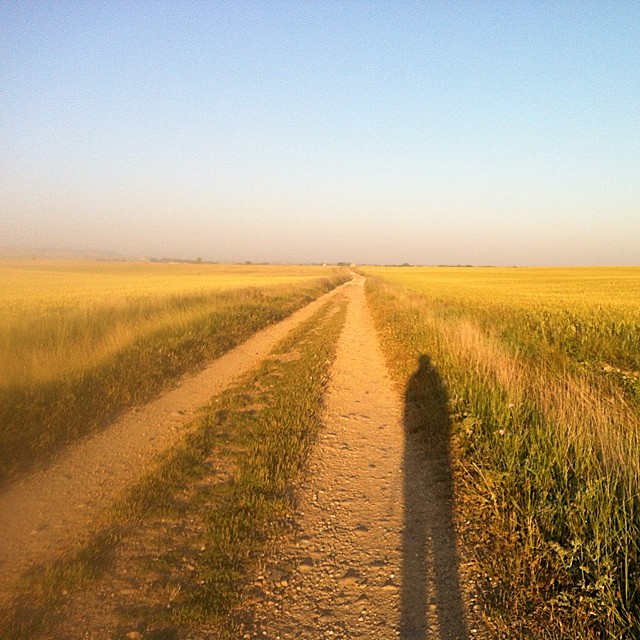
I took this while backpacking across this very empty and flat part of the Camino in Spain called the Meseta.

In my daily life, I flee myself in sneaky ways. I flip on a movie. I hang out with friends. I have habits when I am at home. There are these creature comforts that become little patterns that can give me an easy way out. Since I’ve been traveling, different parts of myself have surfaced. And if I don’t like those parts, tough luck. There is no easy way out, only a way forward. To just be with what I am experiencing, as it is.

The culture of the different places I have been and the range of different things I see activate streams of thought and states of mind I do not find myself in from my experiences at home. I really appreciate this about the traveling state of mind.

I think this is a different kind of tourism. Visiting different parts of myself inspired by different parts of the world.

Continue reading

Airavatesvera Temple – Tamil Nadu

Photo credits : Binu Kumar

Photo credits: Binu Kumar

Airavatesvara Temple is locateded at Darasuram near Kumbakonam in Tamil Nadu. It was built by Raja Raja II during 1150 AD. The temple stands out for its intricate, beautiful sculptures. Continue reading

Matrimandir – Auroville, Pondicherry

Photo credits : Binu Kumar

Photo credits: Binu Kumar

The spectacular Matrimandir (meaning “Temple of the Mother” in Sanskrit) can be found in Auroville, Pondicherry, India. The Matrimandir can’t be called a temple in the typical sense of the word. It isn’t a church or other place of worship, nor is it strongly associated with any religions. It is, instead, envisioned as a place of spiritual energy. The Matrimandir appears as a large golden sphere that seems to be rising out of the earth. Continue reading

Notes from the garden: The naming of things


Today in the Cardamom County organic garden, I have been learning the names of things.

Once someone has introduced me to a plant, I take note of its shapes and impress it upon my mind with the name. Later there is some joy, when there is a spark of familiarity among what before was a just mass of green flora.

Here, I have often been asked for my “good name”–the local way of saying what at home we’d call our “given” or “proper” name. I think there is something beautiful about being able to call a person or plant by its good name.

Continue reading

Monkeying around in Cardamom County

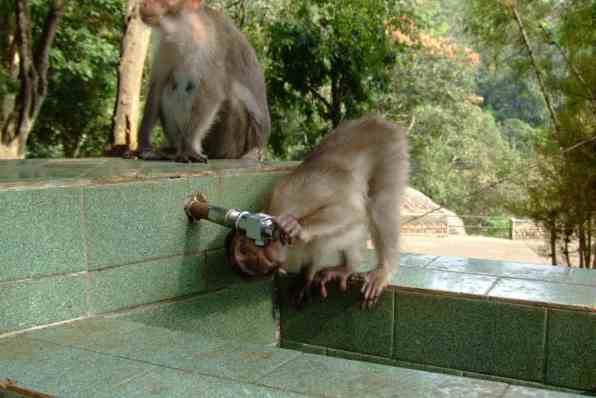
Monkey mischief at the Periyar Tiger Reserve, neighbor of Cardamom County

I have never had to take monkeys into consideration when gardening before.

I am at this jungle-like Raxa Collective property in Thekkady, India. I am here to work as an intern to help with creating a more farm-to-table relationship in the restaurant at Cardamom County. There is an organic garden here that is already providing the restaurant with a decent percentage of their staple foods. However, we face a little problem with some main ingredients such as tomatoes, eggplants, and actually anything sweet that we might like to grow such as grapes or pomegranates.

Monkeys. Continue reading

Common Grass Yellow Butterfly

Photo credit : Sherif

Photo credit: Sherif

The Common Grass Yellow Butterfly lives up to its name. Found throughout all of India, this lepidopteran flies low and close to the ground in fields, and its wings are a pretty yellow with some subtle patterning. Their larvae feed on several different plants, but generally in the families of the spurges and legumes.  Continue reading

It Could Be, Costa Rica

Screen Shot 2014-06-30 at 6.47.12 AM

Several Raxa Collective contributors in India were up until 4am today at Cardamom County, watching Costa Rica play against Greece in the World Cup. They were simul-texting with a Raxa Collective contributor in Costa Rica, who reported watching in a friend’s home near Xandari while the streets outside were empty and silent, erupting echoes of cheer or anguish in the distance from time to time. The google doodle at this moment could be representing Costa Rica’s red white and blue, its tropical sense of fun, or it could be a representation of any country having a chance at the beautiful game. Continue reading

Time Drives Change

Screen Shot 2014-06-28 at 9.47.22 PM The roads and the things that inhabit them in India are evolving before our eyes. In good ways, we assure you. So, thanks to the New York Times for their commitment to India Ink and its excellent coverage of India and its changing circumstances:

“When the Ambassador car was born in 1957 to a newly independent India, it was the height of style and status,” Nida Najar wrote in The New York Times. ”It was standard issue to senior civil servants and government officials; its possession implied status, and its ubiquity was a sign of an earlier, seemingly simpler India.” Continue reading

The Dark Blue Tiger

Photo credits : Sherfin

Photo credits: Sherfin

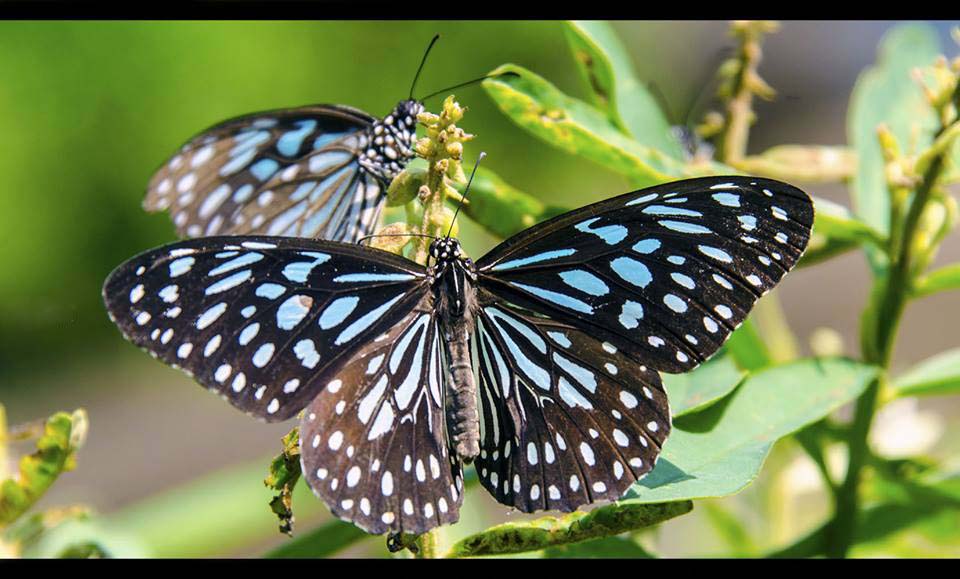
The Dark Blue Tiger (Tirumala septentrionis) is a butterfly that can be found across peninsular India at elevations up to 2000 meters. This butterfly prefers forested tracts, where they can be seen congregating in large numbers around pools of water and flowering trees. Continue reading

Dhokla, Indian Street Food

25KITCH1-sfSpan

Indian food fit for print:

Next Stop, India: Full Steam Ahead

Indian Licorice – Abrus precatorius

Photo credits : Shymon

Photo credits: Shymon

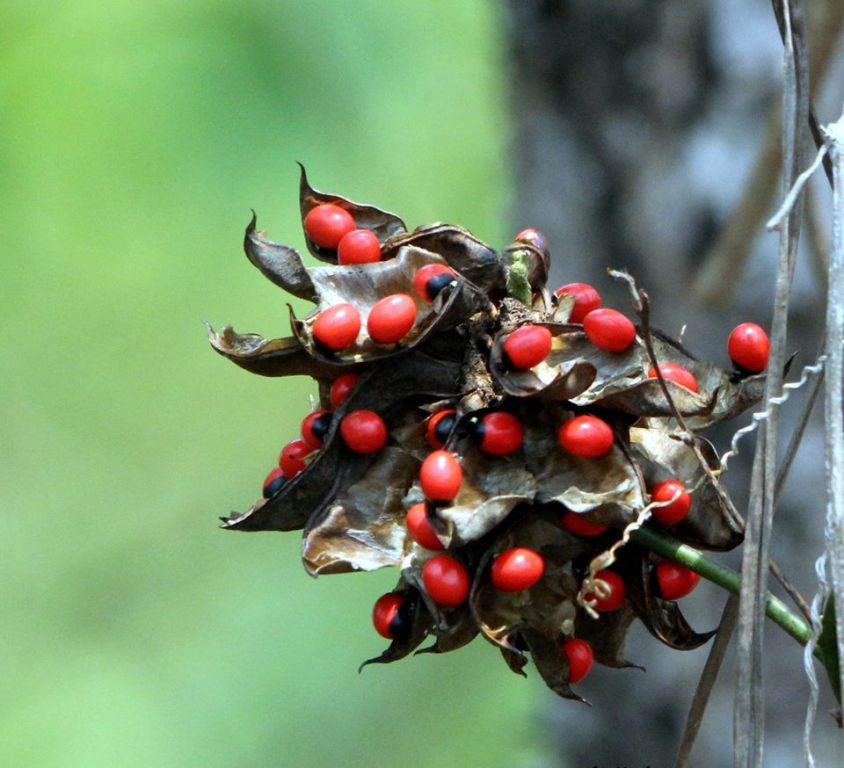
Indian Licorice (Abrus precatorius) is a native of India and the tropical and sub-tropical areas of the Western Ghats. Despite its name, Indian Licorice is not closely related to the licorice (Glycyrrhiza glabra) that lends its flavor to candies, beverages, and other foods. The seeds are bright red and black in color and highly poisonous. Continue reading

Mudumalai Wildlife Sanctuary

Photo credits : Unni P

Photo credits: Unni P

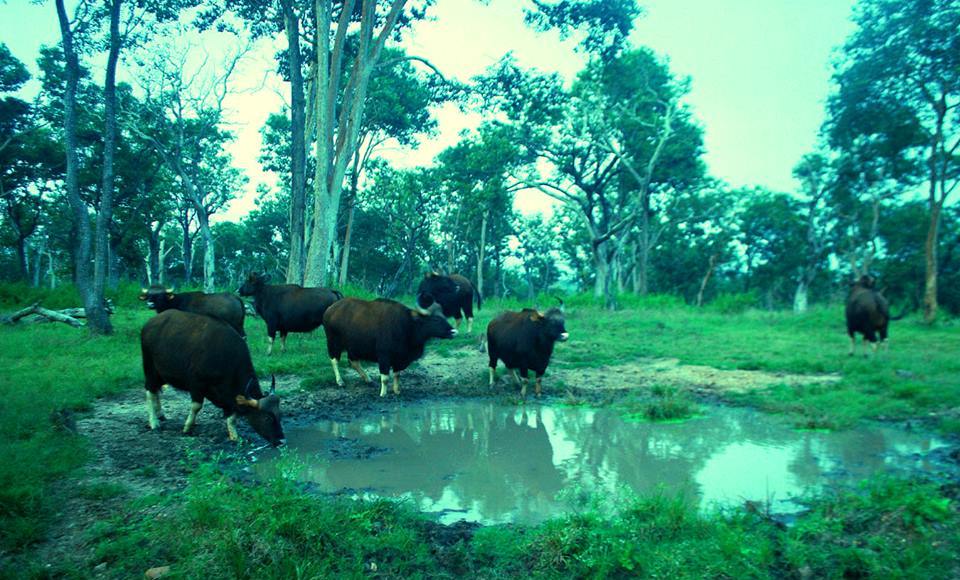
Mudumalai National Park is situated in the state of Tamil Nadu. One of the first wildlife sanctuaries established in India, the terrain consists of low hills, valleys, and flat lands with a few swampy areas scattered about. Continue reading

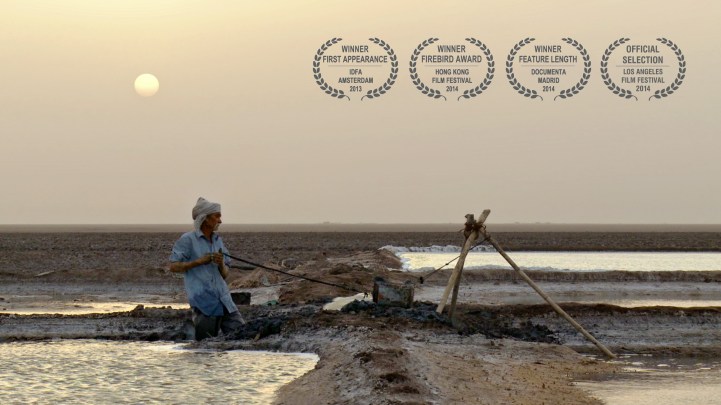
Salt of the Earth


Sisyphus-retouched-HD-pre-LA

Salt is a quiet seasoning, making its culinary point by bringing out the best in the dish it’s been added to. The crystaline mineral is so ubiquotus that we often don’t consider its vast history in the forging (and funding) of empires. Neither do we think about the labor it takes to bring it forth from the earth and water around the world.

Indian film maker Farida Pacha has the perfectionist sensibility to share the story of the families who return to the saline desert of Gujarat’s Little Rann of Kutch to laboriously extract the salt from the desolate landscape. This seasonal migration has been going on for generations and the work is a matter of pride more than economy.

Director’s Notes: This is not a social issue film, even though the story of the salt people and their exploitation is a shocking one. What attracts me is the more fundamentally tragic question at the heart of their existence: what compels them to return to the desert to labor tediously year after year, generation after generation? What meaning do they find in this existence? Continue reading

Via Kerala = Kerala

Via Kerala uses Malayalam as a motif to bridge the gap between the traditional and the contemporary

Via Kerala uses Malayalam as a motif to bridge the gap between the traditional and the contemporary

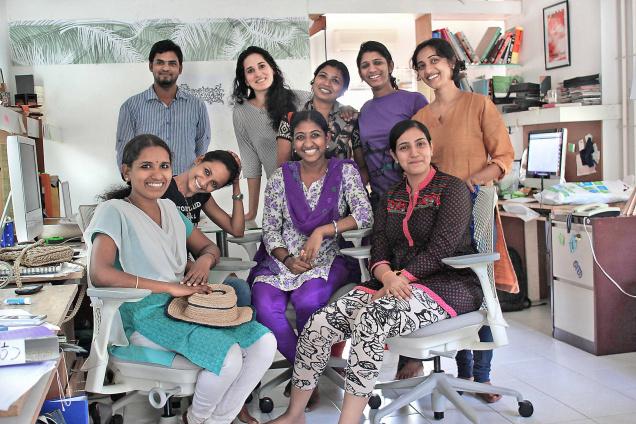
Our friends at Thought Factory and Via Kerala are important members of our collaborative tribe, so of course we were thrilled to read this article highlighting their efforts. We manage their flagship store in Thekkady at Cardamom County, and the new RAXA Shop at Spice Harbour also showcases some of their iconic products.

Malayalam alphabet and the Malayali’s personality have some things in common. Just as the rounded letters, we, as a people, are not aggressive and have rounded personalities. We are a bit complicated, too. Theresa J. George uses Malayalam typography as a metaphor for our culture and the very essence of being Malayali.

Her company Via Kerala uses Malayalam as a motif to bridge the gap between the traditional and the contemporary. “We are proud of our roots, yet there is a slight disconnect between it and the younger generation,” she says. Continue reading

Snake Charmer

Photo  credit : Jithin

Photo credit: Jithin

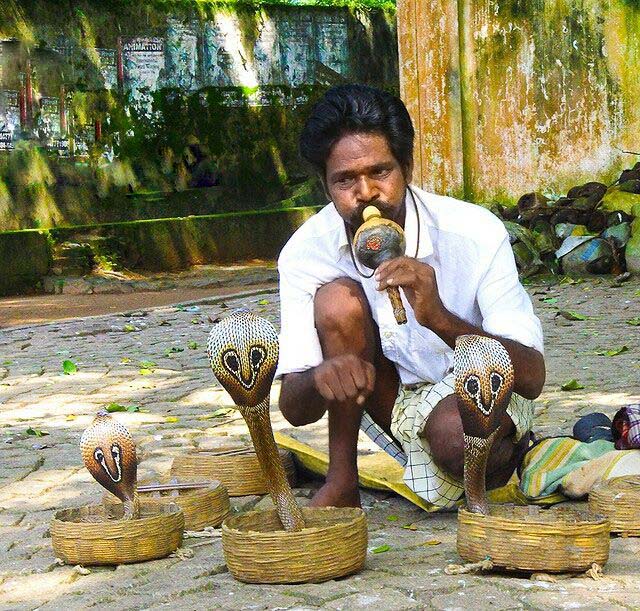
Snake charmers can manipulate trained snakes by playing the instrument called pungi from Indian folk music. This practice originated in India and lives on today in street performances. The snake charmers lure the snakes from bamboo baskets with their pungi while tourists and residents alike pass by.


How Do You Write 200 Crore, In Words And Deeds, In The New Improved India?

Screen Shot 2014-06-15 at 11.37.21 AM

200 crore is a uniquely Indian way of saying a number. Two billion; or 2,000,000,000 is the way to see the number written out in Western terminology, but the Indian deeds associated with this particular number are much more important, according to news headlines across India in recent days (here taken from the Hindu):

The government plans to plant 200 crore trees along the entire 1 lakh km National Highways network across the country to employ jobless youth.

“The length of National Highways in the country is one lakh kilometre. I have asked officials to come out with a plan to plant 200 crore trees along these stretches which in turn would create jobs for the unemployed on the one hand and protect the environment on the other,” Road Transport, Highways, Shipping and Rural Development Minister Nitin Jairam Gadkari said in New Delhi on Friday.

A similar scheme could be implemented under MNREGA (Mahatma Gandhi National Rural Employment Gurantee Act) along the village and district roads and state highways. That has the potential to employ 30 lakh youth, he said while inaugurating a conference on “Regeneration of Rivers”.

Mr. Gadkari said Gram Panchayats will be taken into confidence and the unemployed youth could be assigned 50 trees each which could fetch livelihood for them from the produce. Continue reading

Rudraksha Prayer Beads

Photo credits : Shymon

Photo credits: Shymon

Seeds from the rudraksha tree have been traditionally used as Hindu prayer beads. The rudaksha tree’s name means the “eyes of Lord Shiva,” rudra being another name for Lord Shiva. Mythology has it that the rudraksha plant was born out of Lord Shiva’s tear drops. Monks and yogis have found that merely wearing beads from the rudraksha tree imparts an astonishing tranquility to the wearer. Continue reading