“There is no better designer than nature.”

Color is quite possibly the most strategic tool a designer can use to breathe life into a concept.

And it comes as no surprise to the RCDT that used effectively and responsibly, color can transform an existing space more powerfully than any other single alteration. But it is important to realize that color does not exist as an object in itself; rather color is the relationship between light and an object, producing a condition that is unique and inherent to a specific material. As pure white light from the sun reaches a material’s surface, various light frequencies are either absorbed or reflected causing our visual perception to interpret the surface as a certain color. Thus color is actually a very scientific narrative between light, a surface, and our eyes.

This post could delve very deeply into the science of color and those factors that cause us to perceive what we do, but the scenery of India is far too inspiring to diminish it to wavelengths. Instead I dedicate this post to the basic and simple application of color, what it is, and why it is one of the things that makes India one of the most beautiful places on our earth. Continue reading

Dahlia

The dahlia is a tropical plant widely cultivated in the Western Ghats of India. In Kerala, as in locations around the world, the plant is popular for its beautiful flowers. This decorative flower is found in gardens and farms of the high ranges, creating a kaleidoscope of colours, sizes and shapes.

Continue reading

Poothan-Thira Kali

Kerala offers a veritable array of the performing arts, most of them springing from folk tradition. Though often related to religious rituals and mythological stories, they are also very much the language of the  people. Dramatic costumes, vibrant colours, throbbing music; watching a folk dance is an unforgettable experience. Poothan-Thira Kali is one of the popular ritualistic dances of North Kerala. Continue reading

Idukki Dam Reservoir

The Idukki Dam stands between the two mountains Kuravanmala and Kurathimla,839 metres high and 925 metres high respectively. The dam is situated near the Cheruthoni Barrage, with the Kulamavu Dam to its west. These three together extend between rocky hills to form the largest reservoir in Kerala. Idukki District is known for its dam and also for being Kerala’s forest district with an astonishing 50 percent of its total area under green cover. Idukki Dam is the world’s second and Asia’s first arch dam. This reservoir and the famous Idukki Wildlife Sanctuary are located 50 kms from the Periyar Tiger Reserve. Continue reading

Tree of Life

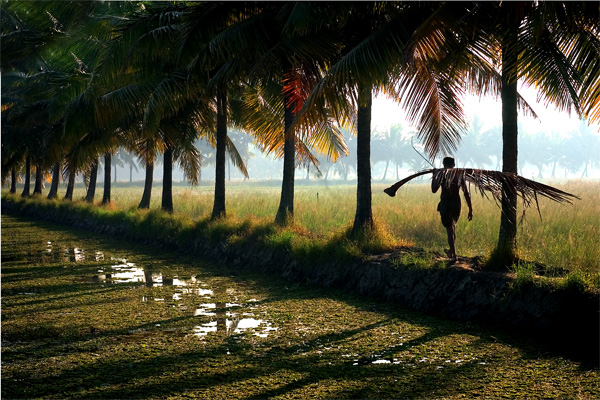
Kerala is one of the leading producers of coconut in the world, producing thirteen billion nuts per annum. Not only is the tree an iconic fixture of the Kerala landscape dotted with green palms and their swaying fronds but this tree is an integral part of the state economy.  Numerous products and by-products are derived from all parts of the tree, providing food, shelter and fuel, as well as the raw material for various local crafts. Not surprisingly, in Malayalmam this multi-faceted tree is known as kalpakavriksham or the “Tree of Life”.

Continue reading

Lake Periyar

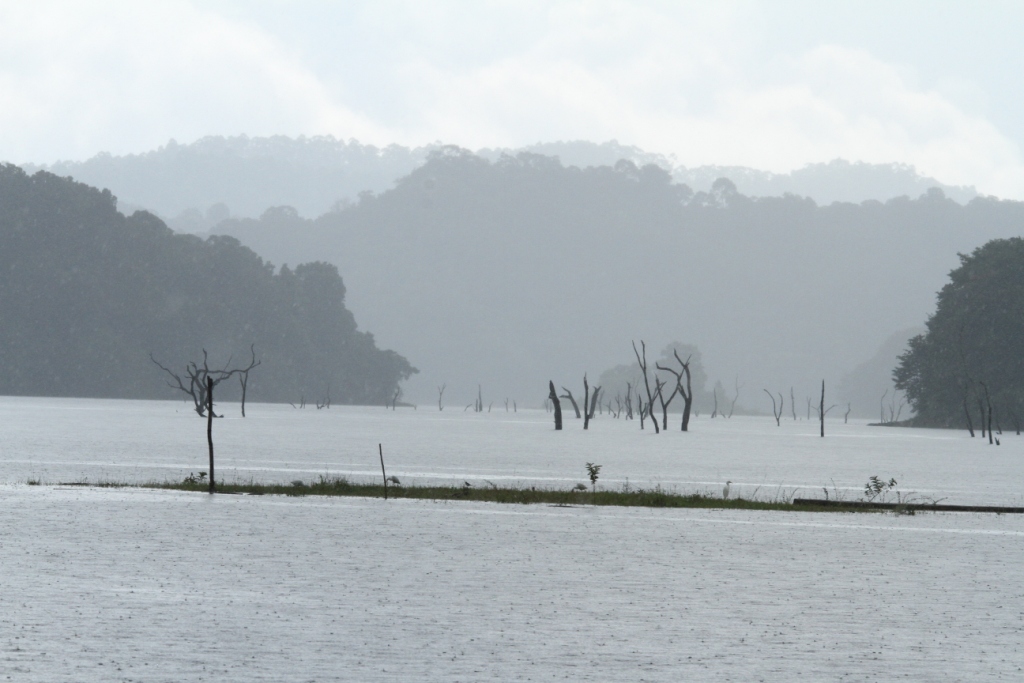
The Periyar River originates in Kerala’s Western Ghats near the Tamil Nadu border and then flows in the northerly direction to the Periyar National Park. The Periyar Lake was created by the British in 1895 with the building of the Mullaperiyar and forms a major watershed for the sanctuary and for both states.  The lake forms the nucleus of the reserve,  providing a great habitat for water birds such as darters, grey herons, egrets, cormorants and kingfishers. Continue reading

Aralam Wildlife Sanctuary, Kerala

This slideshow requires JavaScript.

Aralam Wildlife Sanctuary is located in the north of Kerala near Kannur. It is one of the state’s smallest wildlife sanctuaries, with an area of just 55 square kilometers.  It makes up for its small size with a privileged location on the western slopes of the Western Ghats, an area famous for a wide variety of flora and fauna. Aralam fauna includes mammals such as elephant, bison, deer, wild boar, jungle cats and leopards. Additionally a wide variety of flora is also found in the evergreen areas of this sanctuary.

Moottil Pazham (Baccourea courtallensis)

Moottil pazham trees are found only inside the semi-evergreen forest. This unusual tree bears fruits only on the lower part of the trunk, clustered around its base in bunches. The edible portion of the fruits are hard and turn from reddish brown to pink as they ripen. They fruits are a favourite food for forest dwelling tortoise. Continue reading

Silent Valley National Park, Kerala

Photo by Mr. Vijay Mampilly

Silent Valley National Park is located along the western corner of the Nilgris Mountains in the Palakkad District and remains one of the last vestiges of an undistributed tropical evergreen rainforest in Southern India.

Continue reading

The Chellarkovil Waterfall

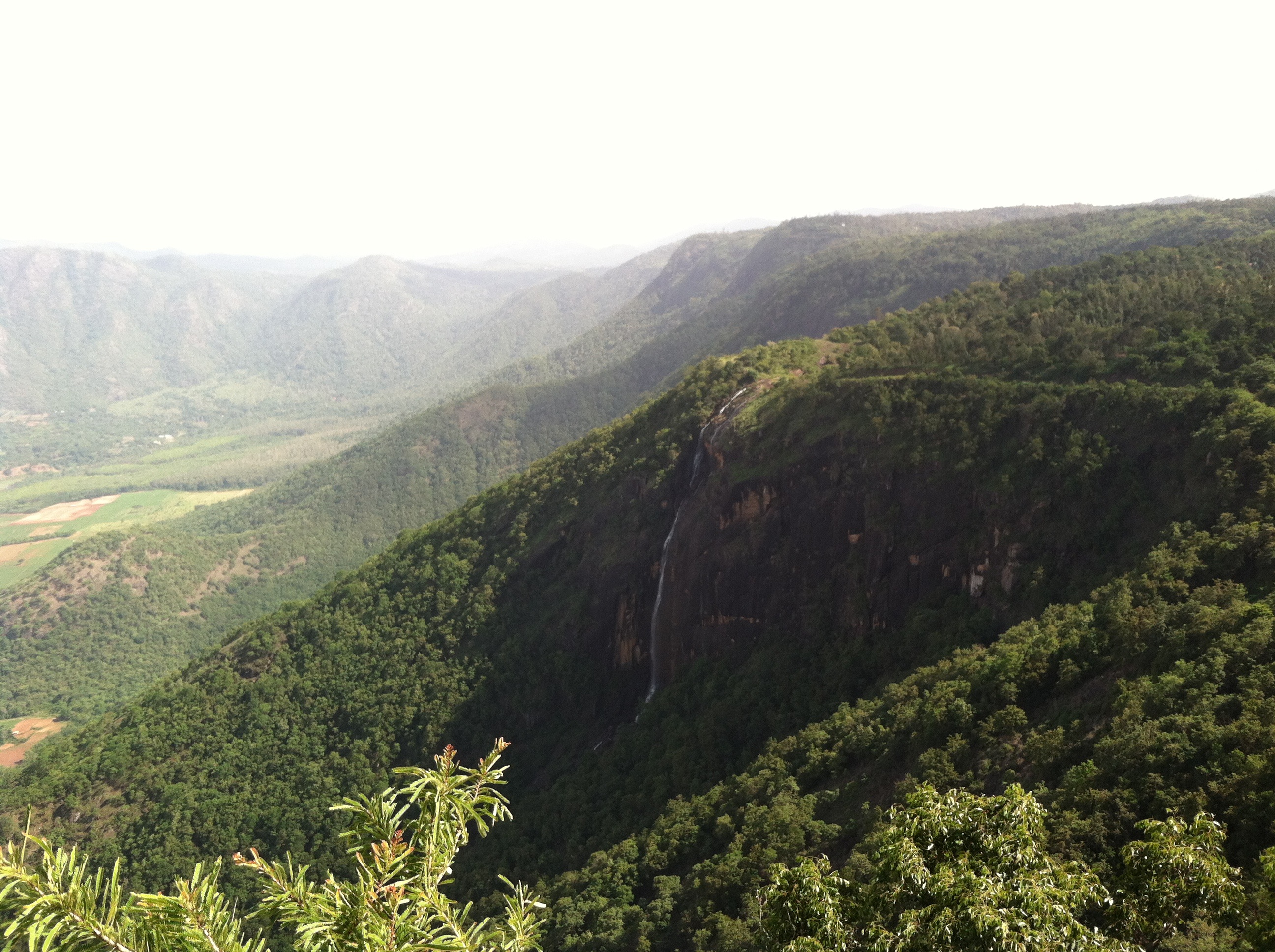
Kerala is considered ”God’s Own Country” for a reason, and that is because of its wonderful people, amazing wildlife, and absolutely stunning landscape.  If you are looking to experience the natural beauty of Kerala, then definitely sign up for the Chellarkovil Waterfall trip.  The mountaintop views of both Kerala and the neighboring state of Tamil Nadu are unbelievable, and looking out over the rolling hillside at the breathtaking waterfall is a truly unforgettable experience.

Continue reading

Malabar Gliding Frog (Rhacophorus malabaricus)

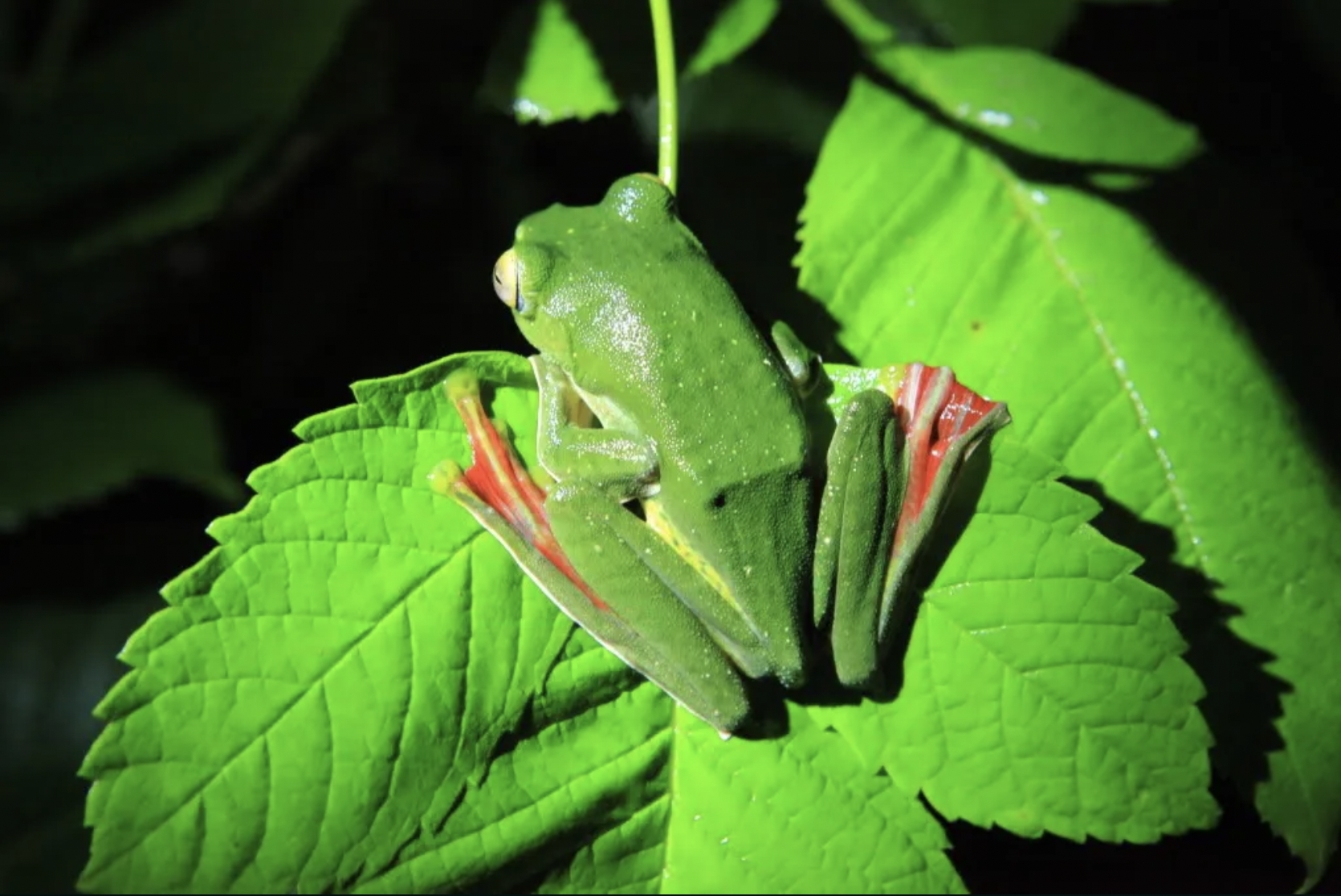
Malabar gliding frogs are widely distributed in the Western Ghats of India, primarily in evergreen and semi-evergreen forests at altitudes between 500 to 1200 meters above sea level. These pictures were taken at the Aralam Wild Life Sancatury near Kannore.

Continue reading

Athirappally Waterfalls

Athirappally Waterfalls is one of the Kerala’s famous picnic spots. Fed by the Chalakkudy River, this 80-85 feet high wonder is situated in the forest area of the Sholayar ranges.  During the monsoon season the falls are a thundering wall of water.  Many people visit this refreshing site to unwind with its sound and spray.

Continue reading

A Jersey Girl’s Introduction to Camping

Guest Author: Siobhan Powers

Photo Courtesy of Milo Inman

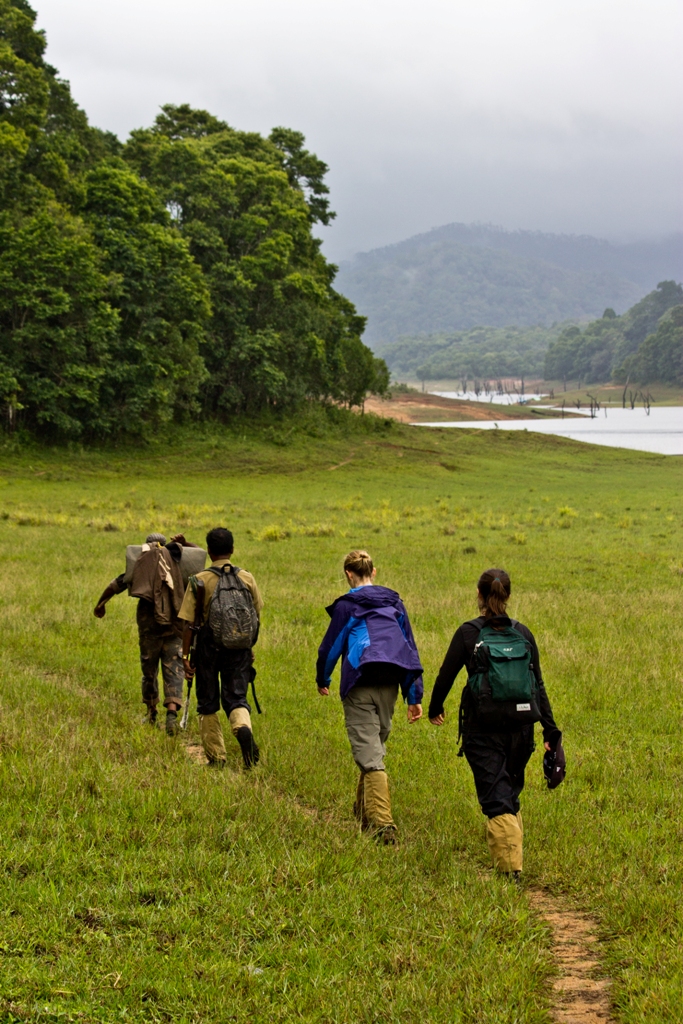
Before my journey to India, I’d never camped. Sure, I had slept in a tent in my friend’s backyard and gone to Girl Scout camp with my Scooby Doo sleeping bag, but I was feet from indoor plumbing and a roof every time. Where’s the fun in that? When I was belatedly asked to join a few interns on the Tiger Trail overnight trip into the Periyar Tiger Reserve, I was skeptical. My summer nights are usually spent running seafood to a hungry customer or chasing a high-maintenance boy across the beaches of the Jersey shore-therefore my presence in the jungles of Asia is quite ectopic, but I am an adventurous person (sometimes to my detriment). I took the opportunity for what it was- a once-in-a-lifetime chance to snuggle up to some tigers. Continue reading

Bullock Cart – A Traditional Transportation

The whole world is moving towards new technologies and scientific inventions, but still one can find the oldest and traditional mode of transportation in Kerala across some villages: the Bullock cart. Some merchants and travelers prefer the bullock cart over other transportation vehicles. Continue reading

“Suzuki, Samurai, No Problem”

I frantically grabbed the phone and dialed the front desk.  I hastily told the night auditor of my situation and begged him to send help.  Within minutes, not one but two maintenance men were at the entry path leading to my room to redirect the furry night creature that (in my imagination, at least) seemed intent on spending the night too close for my comfort.  A few minutes later “it” had exited back to the forest, and I had met three new members of Cardamom County, one of whom managed to gain my trust through a single phone call: Faruk.

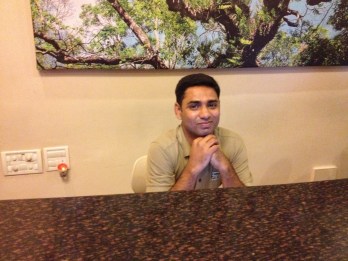
He works the night shift at Cardamom County and is quite a remarkable person.  This gentleman is oft my unfortunate sounding board when I can’t sleep or arise before the rooster crows (a reality next to the beautifully quaint farm here).  He was manning the reception desk after my enlightening night visit to the kitchen.  When I wrote about meeting Jimmy he said if I ever were to write about him I should use him as an example of night shift mishaps, laziness, or incompetency.  I didn’t think much of his suggestion at the time, but in hindsight, I scoff at the thought of doing such a thing; Faruk is likely the furthest thing from the aforementioned negativity. Continue reading

Bougainvillea

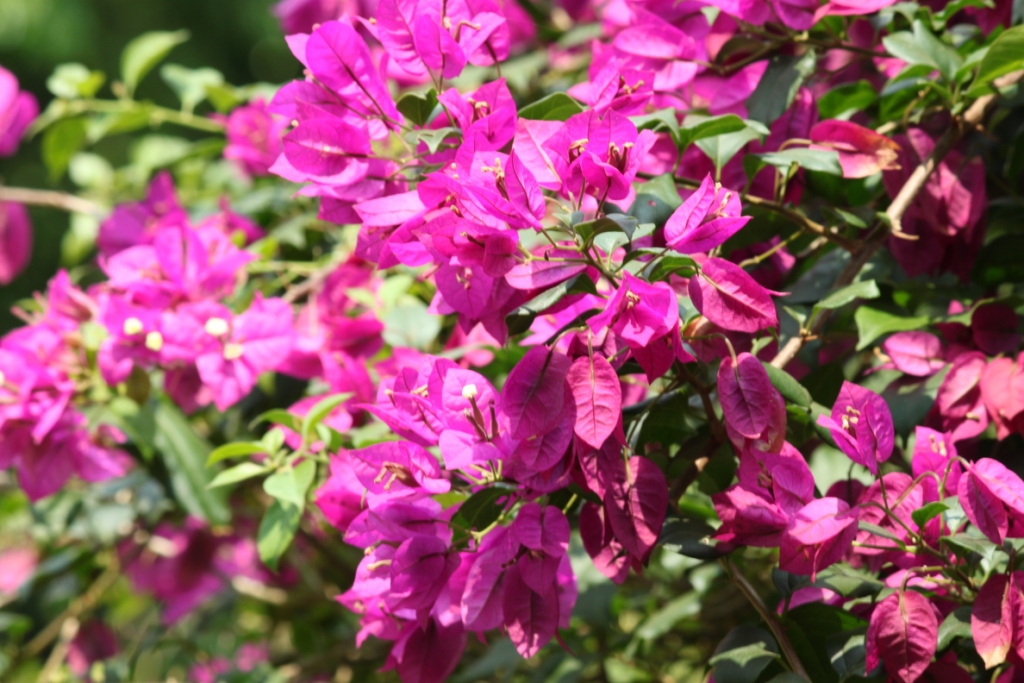
Bougainvillea flowers are very common and popular in the Western Ghats of India. This beautiful plant thrives in both dry and humid climates, making them a popular ornamental in numerous parts of the world.  The flowers attract butterflies and other nectar eating insects and birds, as well as being the food plants for moth as well. In Kerala local people grow bougainvillea at home as it is a pest-free plant with a color palette for any garden.

Continue reading

Cosmos Flowers

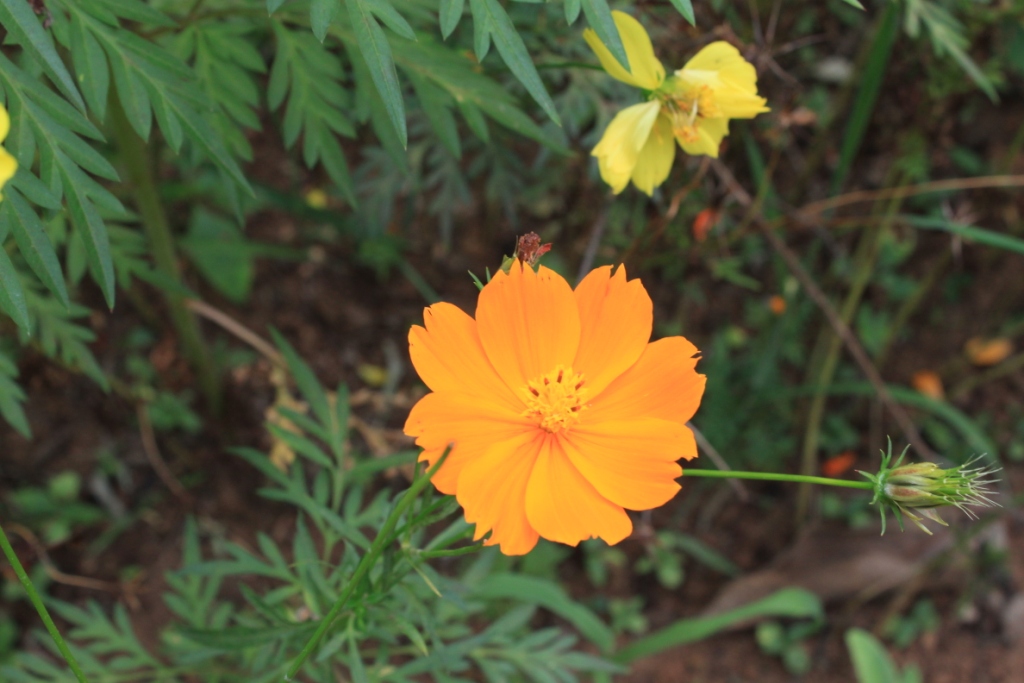
Cosmos are naturalized all over the Western Ghats of India. These flowers are a feast for pollinators such as butterflies and bees. Their frequent use as an ornamental in the gardens of Kerala indicate their popularity among people as well!

Continue reading

Serpentine Routes Of Kerala

The roads through the Western Ghats in Kerala are hilly and serpentine. These photos were taken along those winding routes heading to the neighboring state of  Tamil Nadu. The route across the border goes through Kumily, Lower Camp, Gudalur and Cumbum, with Kumily being the border town in Kerala and the rest located in Tamil Nadu.

The distance from Kumily down into the valley is only 6km. The huge pen stock pipes that bring water from Mullai Periyar Dam to the power house in Lower Camp can be seen on this drive; a view that shows a part of the unique relationship between the two states.  Continue reading

Odonata Hotspots

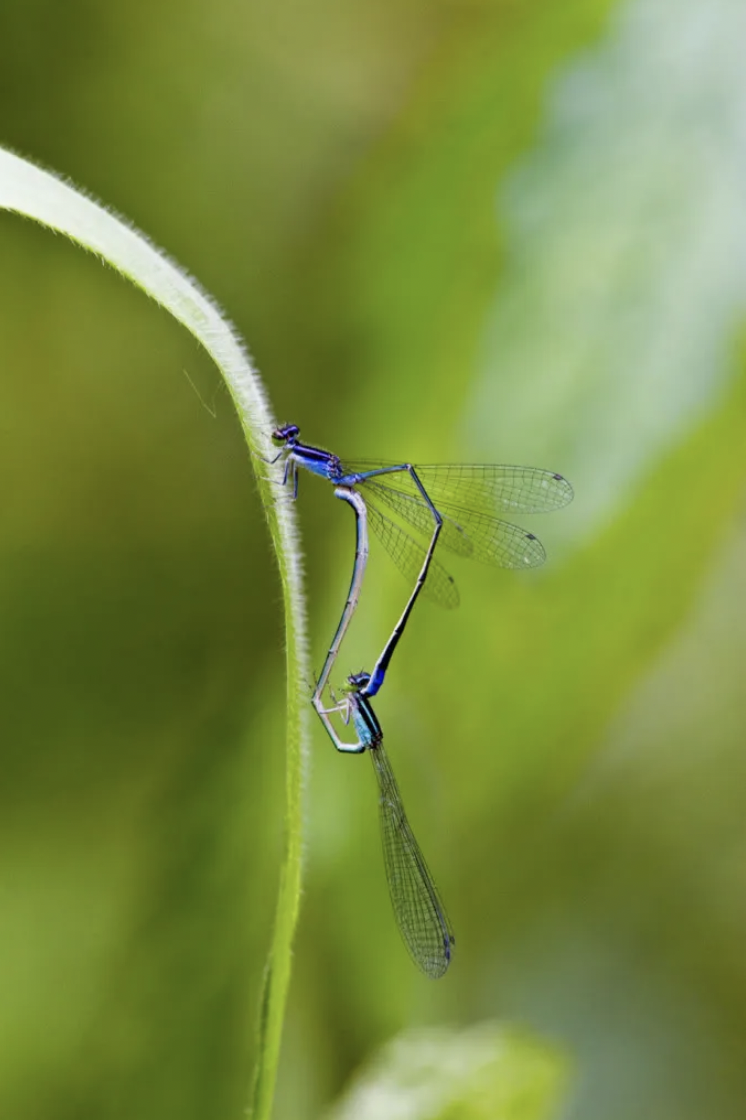
It’s always a delight when I stumble upon a pond or stream with dragonflies and damselflies flying around, defending their territories, basking, hunting, and propagating, their very existence a pleasure for me to witness. However, the rare joy is when I find a gem of a habitat – an area so ideal for odonate life that while I photograph one new species, I have to avoid being distracted by the other four or five more colorful new species I’m simultaneously seeing out of the corner of my eye. I had one such explosive pond-wading experience several days ago while visiting a spice estate near Kumily.  Continue reading

Backwaters Of Kerala

Kerala has an extensive network of waterways covering a distance of approximately 560 km. Besides the large inland lakes, the backwaters include the whole network of canals and waterbodies made by the unique craftsmanship of nature. The lifestyles along these waterways has given rise to a popular but easy going form of tourism. The photos in this post are taken from Alappuzha (Alleppey), the smallest district of Kerala.  Continue reading