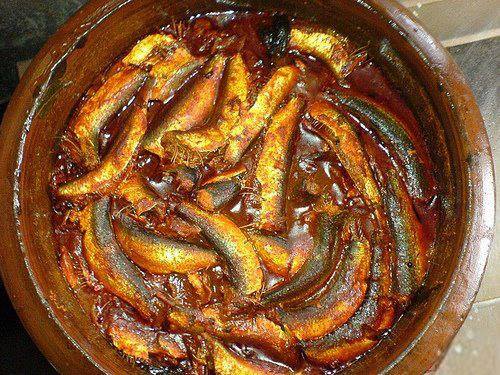
Sardine Fish Curry

Photo credits : Shymon

Photo credits: Shymon

In Kerala, sardines are always available fresh from the sea. Rich in Omega-3 fatty acids, sardines are prepared in most households as a staple, especially as a fish curry. Sardine fish curry is one of the most popular dishes in Kerala, and it is not only very tasty, but very spicy too. Continue reading

Kakkoor Kalavayal

Photo credits : Shymon

Photo credits: Shymon

Kakkoor Kalavayal is one of Kerala’s famous festivals. The village, Kakkoor, is situated in Eranakulam district. Mud racing is a post-harvest festival celebrated by the farmers of Kakkoor and surrounding villages. A farmer controls his pair of bulls as they race through paddy fields. Continue reading

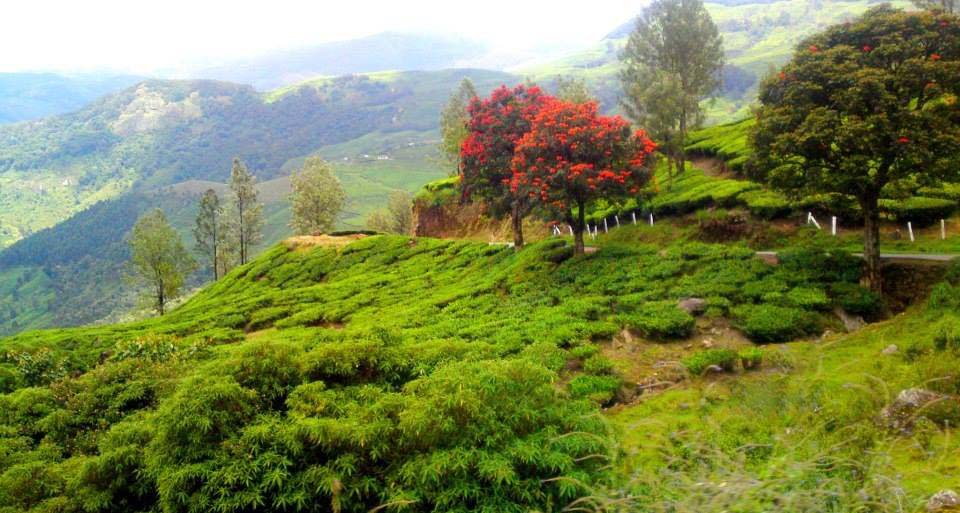
Munnar, Revealed

Photo credits : Bobby Mathew

Photo credits: Bobby Mathew

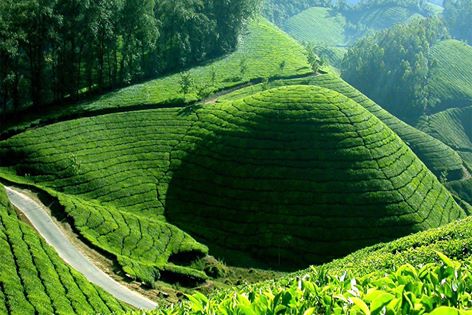
Munnar is one of the most popular hill stations in Kerala, nestled in the Western Ghats at an altitude of above 6000 ft. Its stunning expanses of tea plantations, mountains and valleys, and natural waterfalls play host to many exotic species of flora and fauna. Truly worth the visit! Continue reading

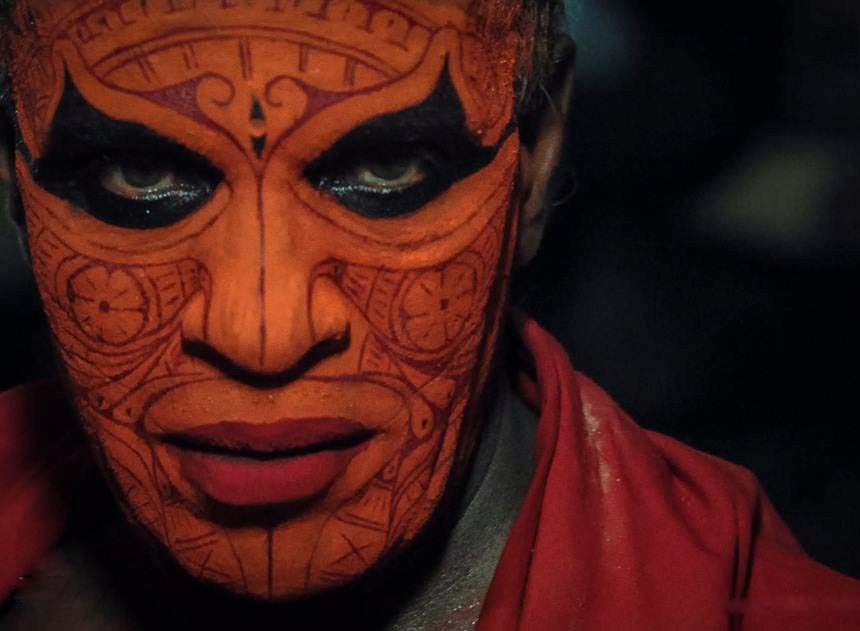
Theyyam Face Make-up

Photo credits: Jithin Vijay

Photo credits: Jithin Vijay

Face painting is one of the most important parts of Theyyam, an ancient form of worship in certain parts of Kerala. Theyyam dance make-up should be made from as many natural materials as possible. Coconut leaves are used as brushes, and the make-up artist should have perfect knowledge of how to combine colours.  Continue reading

Kottiyoor Temple

Photo credits : Shymon

Photo credits: Shymon

Kottiyoor is an ancient Hindu pilgrim center, situated in the Kannur district of Kerala. This temple is dedicated to Lord Shiva and the Goddess Parvathi, and is located deep in the forest. Kottiyoor is a unique festival celebrated for 28 days, and it falls during the months of May and June. Continue reading

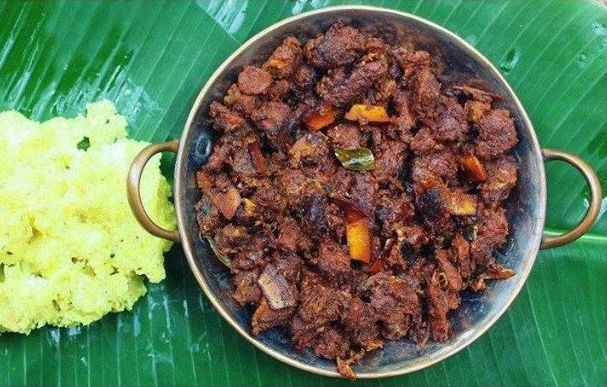
Flavours of Kerala – Beef Fry

Photo credit : Jithin

Photo credit: Jithin

Beef fry is a favorite traditional dish in Kerala. It is prepared with heavy spices and gets quite hot, so it is well paired with tapioca, poratta, and appam. The main ingredients are onion, garlic, ginger, coconut flakes, green chilies, curry leaves, Garam masala, turmeric powder, red chili powder, pepper powder, salt, and coconut oil. Continue reading

Koorkencherry Pooyam – Thrissur

Photo credits : Jithin Vijay

Photo credits : Jithin Vijay

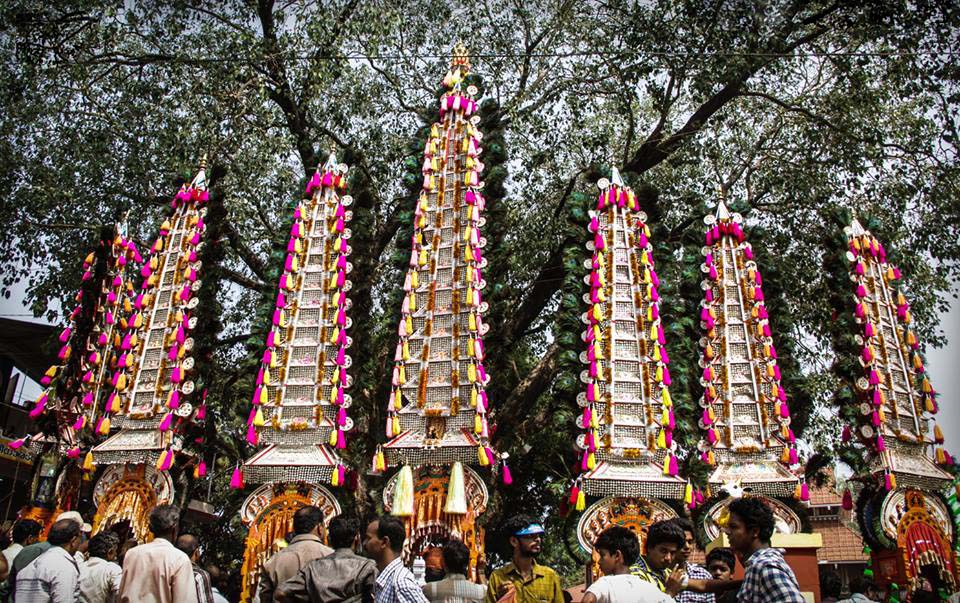
The Koorkencherry Pooyam festival is celebrated in the Sri Maheswara Temple, situated in the Thrissur district of Kerala. One of the main attractions of the Pooyam is Kavadiyattom. Kavadiyattoms are divided into two types, Pookavadi and Ambalakavadi. The performing groups start these ritual dances in the morning of the festival. Continue reading

Common Mormon Butterfly

Photo credit : Faisal

Photo credit: Faisal

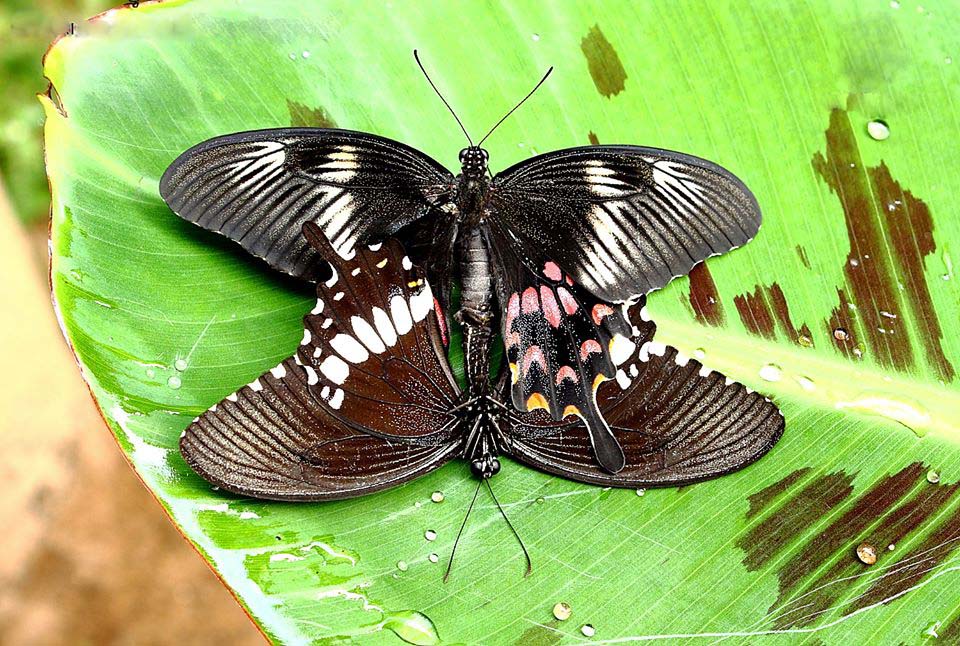
The Common Mormon Butterfly is seen throughout the year in Kerala. The male butterfly is black with a band of large whitish yellow spots running across the lower portion of the wing. The female may have a rose color, but always has an entirely black abdomen. The male butterfly is frequently spotted near patches of standing water or mud puddles.

Periyar Tiger Reserve – Thekkady

Photo credits : Unni P

Photo credit: Unni P.

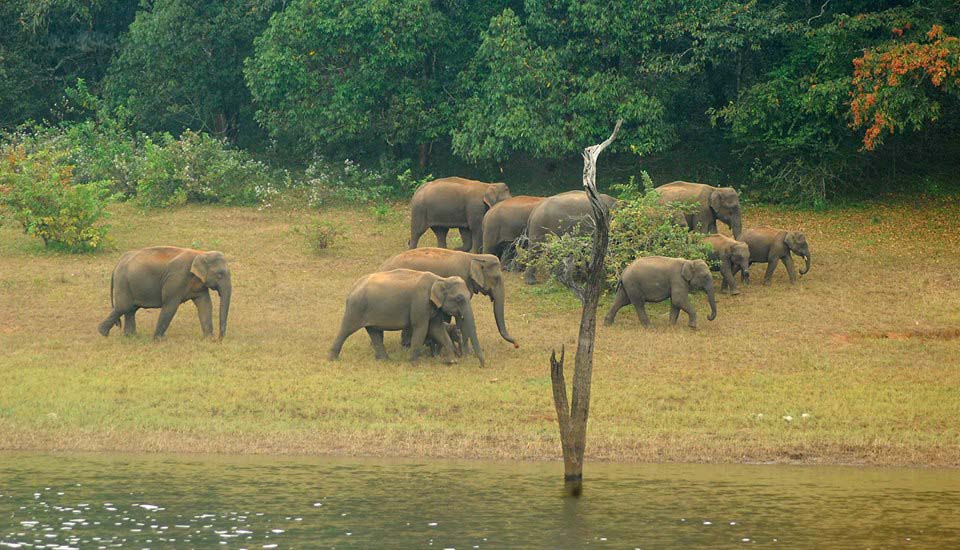
Periyar Tiger Reserve in Thekkady is one of  27 tiger reserves in India. The reserve’s diverse environment includes tropical evergreen and moist deciduous forests, grass lands and lakes. Although Periyar is a tiger reserve, there are many more animals than just tigers to be seen in the region: elephants, bison, Sambar deer, leopards, and wild boars also share the grounds. Continue reading

Chenda

Photo credits : Shymon

Photo credits: Shymon

The Chenda is a musical instrument commonly used in Kerala. This two-sided drum is famous for its rigid and  loud sound. The Chenda melam is  an integral part of all Kerala festivals, mainly played in Hindu temples. It is also the percussion choice for almost all Kerala’s classical art forms such as Kathakali, Panchavadyam, and TheyyamThe cylindrical wooden drum has stretched animal skin on both the sides that the drummers play using two sticks.

Continue reading

Via Kerala = Kerala

Via Kerala uses Malayalam as a motif to bridge the gap between the traditional and the contemporary

Via Kerala uses Malayalam as a motif to bridge the gap between the traditional and the contemporary

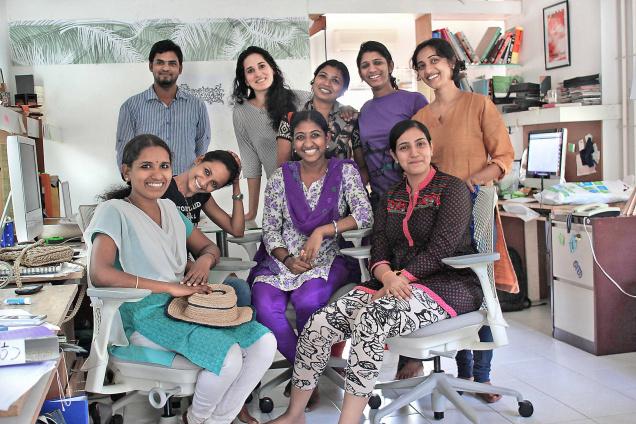
Our friends at Thought Factory and Via Kerala are important members of our collaborative tribe, so of course we were thrilled to read this article highlighting their efforts. We manage their flagship store in Thekkady at Cardamom County, and the new RAXA Shop at Spice Harbour also showcases some of their iconic products.

Malayalam alphabet and the Malayali’s personality have some things in common. Just as the rounded letters, we, as a people, are not aggressive and have rounded personalities. We are a bit complicated, too. Theresa J. George uses Malayalam typography as a metaphor for our culture and the very essence of being Malayali.

Her company Via Kerala uses Malayalam as a motif to bridge the gap between the traditional and the contemporary. “We are proud of our roots, yet there is a slight disconnect between it and the younger generation,” she says. Continue reading

Flavours Of Kerala – Parippuvada

Photo credits : Shymon

Photo credits : Shymon

Parippuvada is a popular evening tea-time snack in Kerala. Spicy and crispy, the dish is often made from chana dal, green chili, curry leaves, ginger, onion and salt. After the ingredients are ground, the mix is rolled into small patties and deep fried. Continue reading

Kattakampal Temple Festival

Photo credits : Jithin Vijay

Photo credits: Jithin Vijay

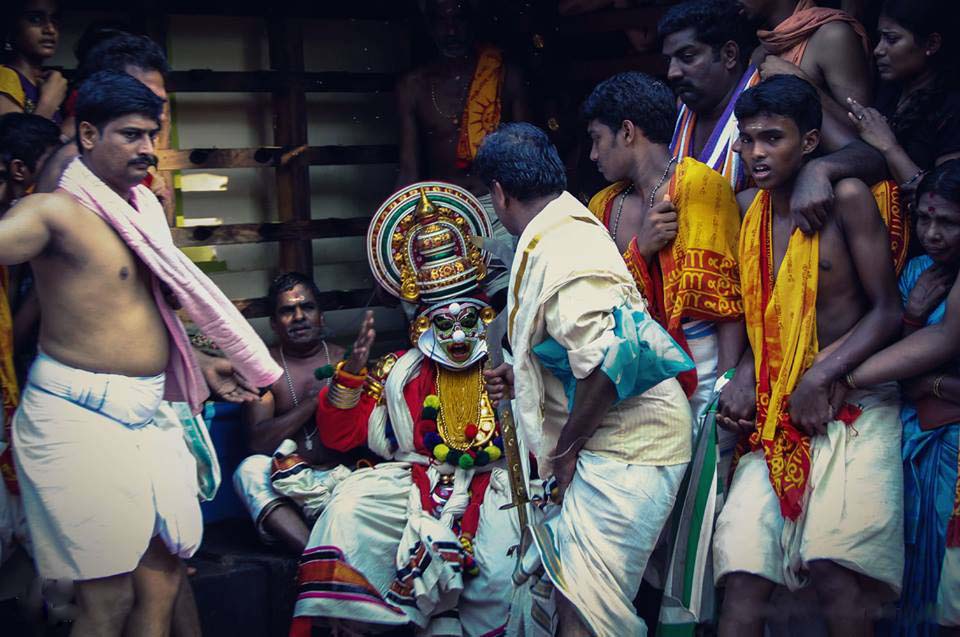
Kattakampal is a village in the Thrissur district of Kerala where Pooram is an important annual festival in the Kattakampal Goddess temple. The name Kattakampal is a combination of three individual words namely Kadu (forest), Kamadhenu (cow) and Pal (milk). Kathakali is the main attraction of this festival.

Continue reading

Banana Leaf Compliments to Kerala Cuisine

Photo credits : Shy mon

Photo credits: Shymon

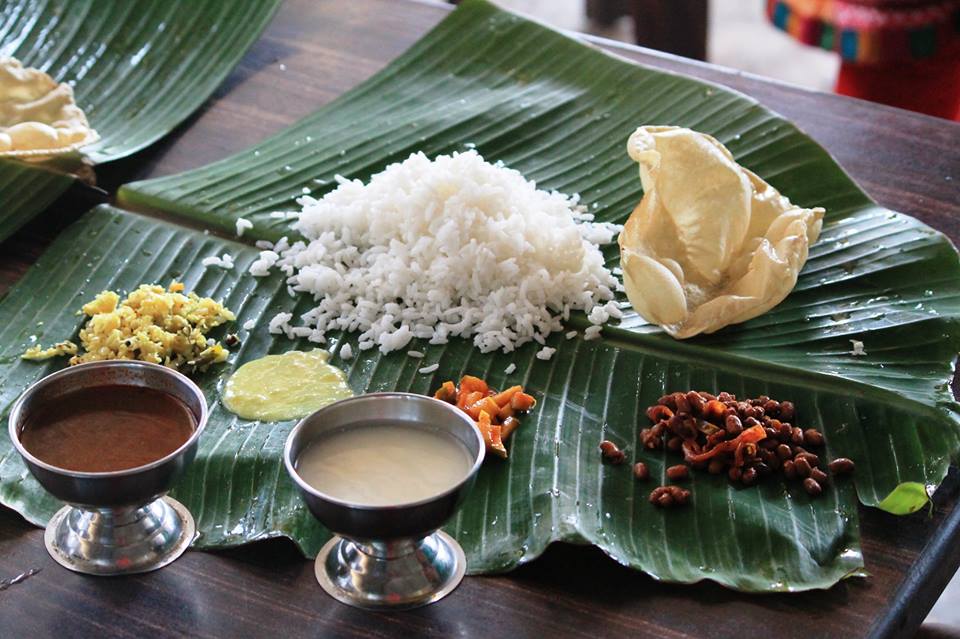
Banana leaves are used in many traditional dishes in South India, often wrapped around the food before it is cooked. Food wrapped in banana leaves can be grilled, steamed or deep fried. In Kerala, banana leaves are frequently used as a completely biodegradable “plate” in a Sadya (traditional Kerala meals), but they serve many other purposes as well. Continue reading

Attappadi – Kerala

Photo credits : Jaimon

Photo credits: Jaimon

Attappadi is one of the largest tribal settlements in Kerala. Situated in Palakkad district, the Attappadi region is a beautiful synthesis of rivers, forests and moutains. This scenic, hilly area is rich flora and fauna, with the Bhavani river flowing from the mountains. Continue reading

Chakkiyarkoothu

Photo credit : Shymon

Photo credit: Shymon

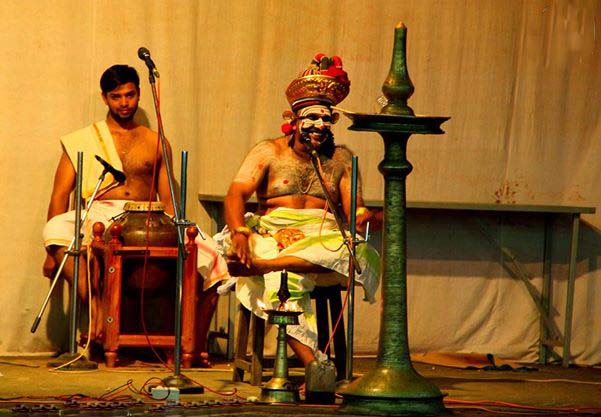
Chakkiyarkoothu is a traditional dance form originally performed by priests at Hindu temples. This solo performance was traditionally performed only by the Chakkiyar community, a Brahmin caste of Kerala. The Chakkiyar narrates the story based on the Holy books of ‘Ramayana and Mahabharata’.

Kerala – God’s Own Country

Photo Credits : Ramesh Kidangoor

Photo Credits: Ramesh Kidangoor

In the last few years, Kerala Tourism has recorded remarkable growth in the number of both international and domestic tourists visiting the state annually. After its rise to the top in 2003 as a recognized worldwide destination, Kerala Tourism was named a “super brand” by the India Tourism board. Continue reading

Performing Arts – Chamundi Theyyam

Photo credits : Jithin Vijay

Photo credits: Jithin Vijay

Kerala has a veritable array of performing arts. Theyyam or Kaliyattom is one of the most popular ritualistic dances of Kerala. Costumes with crownlike headgear, breastplates, ornaments, special face painting and variously shaped garments of cloth and palm leaf fronds make Theyyam a colourful visual. It is a devotional performance with a surrealistic representation of the divine. Continue reading

Unseen Munnar

Photo Credits: Roji Antony

Photo Credits: Roji Antony

Located 1600 metres above sea level, this hill station become the headquarters for several tea plantations scattered throughout the Western Ghats. The need to serve these plantations led to the growth of  Munnar and its surroundings. With the tag of tourism, it has became a magnet for travelers, offering great opportunities for walking, trekking, nature photography and golfing. Continue reading