National Governments, Entrepreneurial Conservation, And Increased Awareness Of Nature’s Value

grandcanyon

A view from the north rim of Grand Canyon National Park via Flickr/NPS

This is our favorite kind of report:

NATIONAL PARK VISITORS INJECT BILLIONS INTO THE US ECONOMY

In 2014, more than the National Park Service hosted more than 292 million visitors. The system, which covers more than 84 million acres divided among 401 sites, includes some of the United States’ most iconic tourist destinations: the Grand Canyon, Mount Rushmore, Yellowstone, Yosemite, the Everglades. And when people visit those sites, they spend money. For the past 25 years, the National Park Service has been measuring and reporting the economic effects of park tourism. (The first data collection effort on visitor attendance itself was conducted in 1904, when six national parks reported 120,690 visitors.)

The latest report, covering the year 2014, has just been released by NPS and US Geological Survey researchers, along with a companion website that includes a variety of data visualizations. Continue reading

Craters Of Man’s Devotion

StG Ethiopia

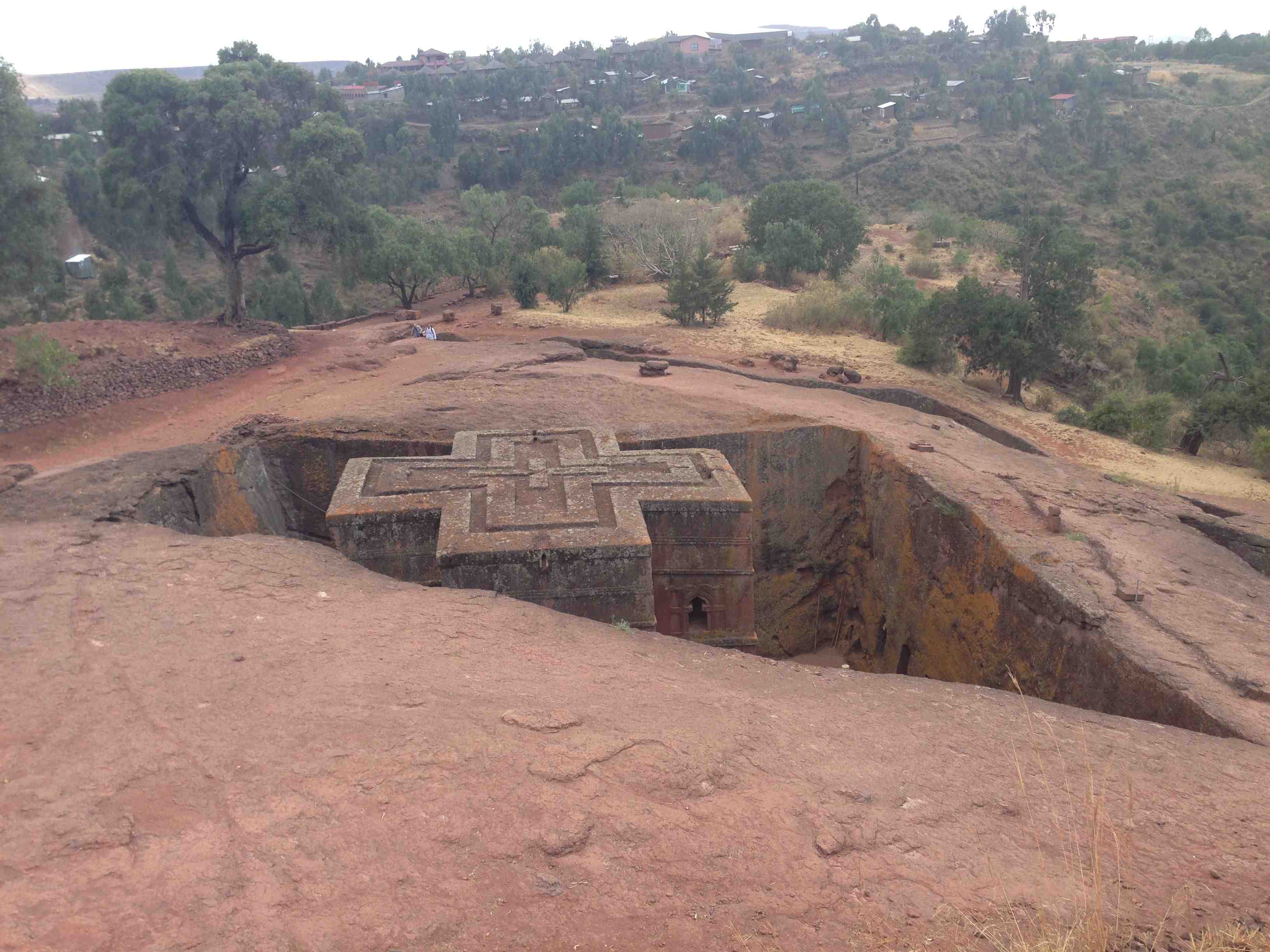
Some snapshots of my Ethiopian expedition, just ended, are in order; not of the national parks which were the main purpose of the expedition–more on which later–but from the visit to the north which is where most visitors to Ethiopia currently make a sort of pilgrimage for reasons you can understand looking at these snapshots.

It would be difficult for any photo to do justice to this wonder, a church created by men 1,000 years ago by carving down into the stone mountain. But words are even less helpful for reasons you can probably best understand by seeing another view of the same, following what the UNESCO World Heritage Centre has to say about this and the other churches of Lalibela, Ethiopia:

…The churches were not constructed in a traditional way but rather were hewn from the living rock of monolithic blocks. These blocks were further chiselled out, forming doors, windows, columns, various floors, roofs etc. This gigantic work was further completed with an extensive system of drainage ditches, trenches and ceremonial passages, some with openings to hermit caves and catacombs…

StG 2

As impressive as those craters in Siberia may be, they pale compared to what man can do when he is sufficiently motivated, which may be the one source of hope for addressing the challenges of climate change (one of the seemingly impossible challenges of our own time). This modern challenge, now that I think of it, seems particularly well-suited to the beliefs many hold, across various religious traditions, about the saint who is the namesake of this particular church.

Continue reading

We Will Cheer This Until Completion

db757a96-5214-4e59-b0d5-8631d7e250d7-460x276

The proposed marine reserves around the South Sandwich Islands, Ascension and Pitcairn Islands would protect rare and threatened marine life. Photograph: Matthias Graben/Alamy

We write about marine reserves whenever we hear of a new initiative, and try to keep up with the progress of those as we can. The Guardian is reporting here on a new one; if Helena is in, we are in to support this as we can, and will post updates as available:

Conservationists call for UK to create world’s largest marine reserve

Three proposed reserves in UK waters around the Pitcairn Islands in the Pacific, and Ascension Island and South Sandwich Islands in the Atlantic, would more than double the size of the world’s existing marine protected areas

Pressure is mounting on the UK government and opposition parties to commit to creating at least one massive marine reserve in the Pacific or Atlantic to protect rare and threatened whales, sharks, fish and corals ahead of the general election.

Continue reading

India Tiger Census Shows Promise For The Future

Screen Shot 2015-02-03 at 2.57.04 AM

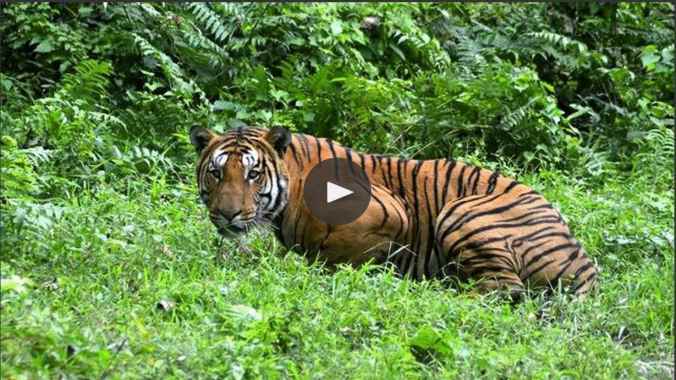
The Guardian‘s video shorts, covering current news that sometimes calls for moving images, shares this recent surprise finding from India:

India’s 2014 tiger census finds the country is now home to 2,226 tigers, making up 70% of the world’s population. The figure increased by 30% in three years despite threats of poaching and habitat loss. The World Wildlife Foundation say the world has lost 97% of its tiger population in just over a century Continue reading

From Cochin to the Periyar Tiger Reserve

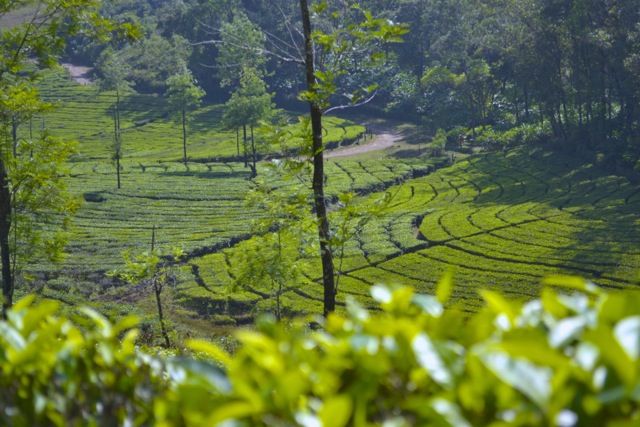
Overlooking a local Chai plantation outside Thekkady

Overlooking a local Chai plantation outside Thekkady

India for the most part is spread out as one can imagine due to sheer size. In Kerala, you have the Kochin Harbor slightly west of the Cochi airport, the Backwaters to the south and to the east you have the third major attraction, the Periyar Tiger Reserve. About a three hour drive outside Cochi, one begins to see the change from the metropolitan to the rural “farmer lifestyle” that is popular in Thekkady. Local farmers mainly specialize in Cardamom, coffee and Chai or tea. However, the most noticeable of these are the Chai plantations which add a striking green layered look to the mountains (especially in the dryer months).

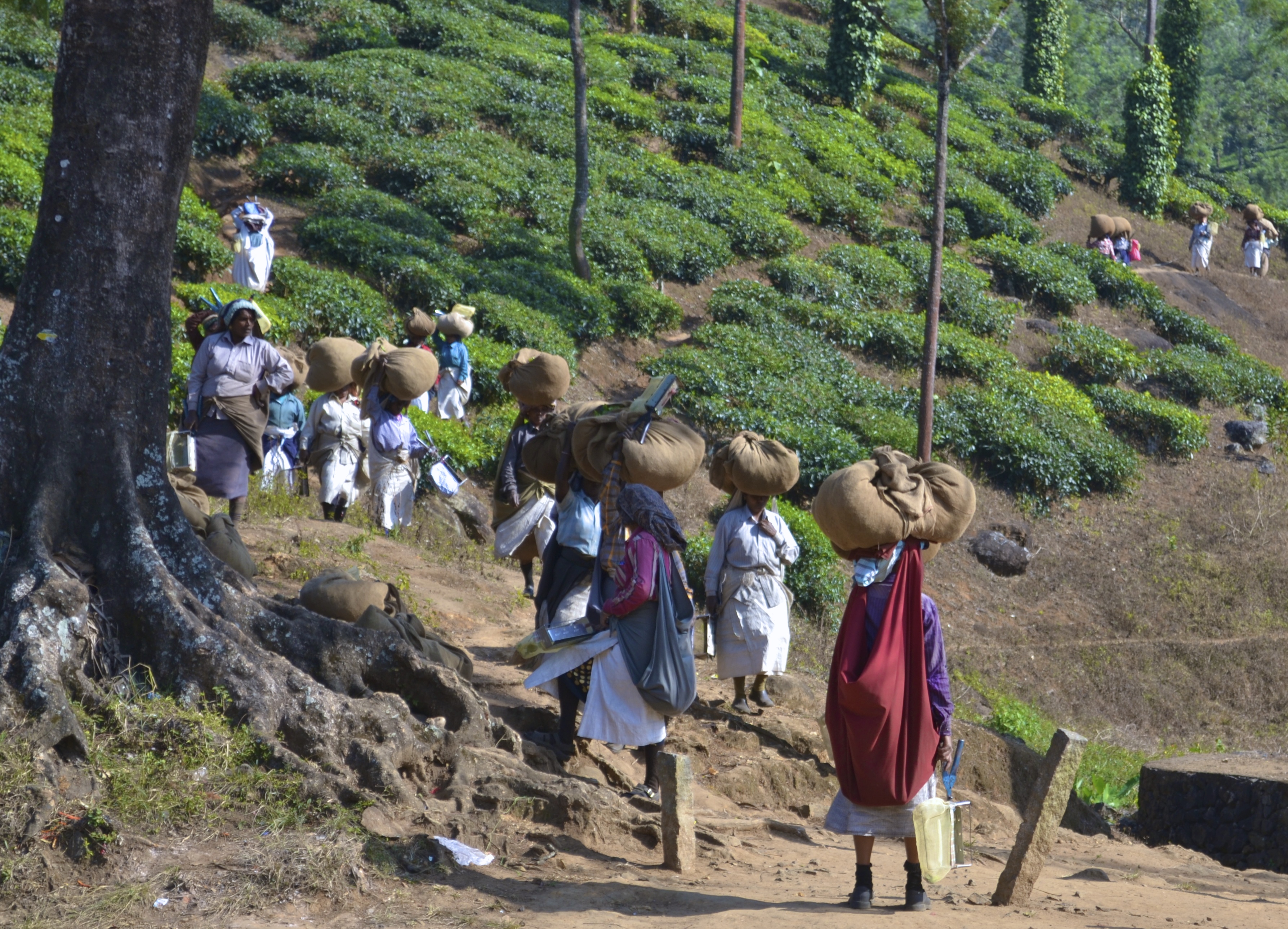
Local woman carrying bundled up Chai

Local woman carrying bundled up Chai

The road winds up, down and around these plantations, giving great perspective and unique photo opportunities around every corner. Historically, women are the ones who harvest the top layer of leaves from these bushes. The leaves are collected into sacks and then transported.

Cardamom County Hotel, located across the road from the tiger reserve offers very comfortable and affordable rooms and a great local Indian (specifically Keralan) cuisine. Continue reading

Friends, Collaboration And Awesome Accomplishment

Yosemite climbers reach summit of El Capitan

Yosemite climbers reach summit of El Capitan

News feeds–especially those that give attention to adventure, and extreme sports and rock climbing in particular–are full of this story just now about two friends accomplishing one of the greatest challenges left in the small specialty sport. We are not at all devoted to the sport, but in the last year or two have developed a fascination, based on another climber’s feats and travails, mainly because of the collaboration component of climbing.

© AP Photo/Tom Evans, elcapreport In this Jan. 8, 2015 photo provided by Tom Evans, Kevin Jorgeson celebrates his finishing the climb of Pitch 15 while two photographers shoot video and stills from above…

© AP Photo/Tom Evans, elcapreport In this Jan. 8, 2015 photo provided by Tom Evans, Kevin Jorgeson celebrates his finishing the climb of Pitch 15 while two photographers shoot video and stills from above…

Today’s news brings the collaboration part back to the forefront, in this case not due to absolute requirement but due to friendship. It is touching, in that “feel good” sense related to hoping you would do the same thing in the circumstance described; but more than that, it is just awesome:

YOSEMITE NATIONAL PARK, Calif. (AP) — American rock climber Tommy Caldwell was first to pull himself atop a 3,000-foot sheer granite face in Yosemite National Park, followed minutes later by his longtime friend Kevin Jorgeson.

The pair embraced and then Jorgeson pumped his arm in the air and clapped his hands above his head. After years of practice, failed attempts and 19 grueling days scaling the vertical wall on El Capitan by their bloodied fingertips, the friends at last grasped success.

“That’s a deep, abiding, lifelong friendship, built over suffering on the wall together over six years,” said Caldwell’s mother, Terry, among some 200 people in the valley floor thousands of feet below who broke into cheers at the climbers’ historic feat Wednesday.

She said her son could have reached the top of the world’s largest granite monolith several days ago, but he waited for his friend to ensure they made it together. Continue reading

Kerala’s Tigers, And Protectors

DSCN2857_JPG_2171199f

Tribal conservationist Babu: School dropout launches a website with info on tiger conservation in Parambikulam reserve.

The Hindu carries a story, close to our hearts and activities, about a heroic member of a local indigenous community devoted to conservation for the tiger and all it depends on:

He may be the answer to the debate on tiger versus tribal, where tiger conservation and livelihood of forest-dwelling tribespeople fail to find a common ground. A school dropout from the Sunkam tribal colony inside the Parambikulam tiger reserve, he has designed a website to bring to the outside world the biodiversity of the reserve and highlight its tiger conservation efforts. Continue reading

World Wildlife Week: Tigers & Territories!

habitat


As a part of celebrating World Wildlife Week I was sharing information about the importance of saving our Natural Heritage, trying to create awareness among the growing population of nature lovers and wildlife photographers.

In the previous posts I discussed the relationships between healthy ecosystems, the well-being of wildlife and humans.

Here I’ll address another essential element for a healthy tiger population – territories!

Next to food, the most important requirement for a tiger is territory. A male tiger with a territory encompassing those of several females has more mating opportunities. A female in control of a ‘home range’ with abundant prey has the best chance of raising more cubs.

With so much at stake, tigers are fiercely possessive of their turf, and scent-mark and defend their territories from rivals.

There is increased pressure on the Tiger territories from the development front. Environmental and forest clearances have been delinked to allow work on linear projects, such as highways, on non-forest land without waiting for approvals for the stretches that require forest land.

India has ONLY 4.9% of total geographic area established as protected area (PAs). If we are not able to increase this, we need to see how we can at least protect that. But look at this news published in hindustantimes:

In a boost to the real estate sector, the environment ministry may soon allow state governments to take a call on setting up new townships, information technology and developmental parks near tiger reserves, national parks, eco-sensitive zones and critically polluted areas.

The ministry has already issued draft rules proposing delegation of its power to decide on construction projects within 10 kms of wildlife areas and critically polluted areas to the state governments.

Till now, the Centre used to examine such projects to consider their impact on wildlife before giving a go-ahead. But now, the ministry has proposed the “general condition” for construction projects including information technology parks, hotels and offices will “not” apply. Continue reading

World Wildlife Week: Spotted and Sambar Deer

tiger hunt

As a part of celebrating World Wildlife Week I will be sharing information about the importance of saving our Natural Heritage, hopefully trying to create awareness among the growing population of nature lovers and wildlife photographers. My first post makes the correlation between a healthy tiger habitat with our own well-being.

Now let me talk about the importance of deer in our forests.

One of the primary reasons why large areas of forest in India no longer have tigers is because local people have hunted and eaten away most of the prey animals. While the direct poaching of tigers is contributing to their rapid decline now, it is the steady erosion of the tiger’s prey base that has resulted in low numbers of tigers to start with.

An adult tiger needs about 3000 kg of food a year. This translates roughly into one deer-sized animal every week.

Continue reading

World Wildlife Week: Why Save the Tiger?

tiger by Sudhir Shivaram

As a part of celebrating World Wildlife Week I will be sharing information about the importance of saving our Natural History, hopefully trying to create awareness among the growing nature lovers. Lets start with why we need to save the Tiger.

The tiger is at the top of the food chain. Therefore, the healthy presence of tigers indicates healthy forests. The presence of tigers in a forest has dual benefits, firstly, it keeps the ungulate (hoofed animals like deer and wild boar) population in check and also keeps humans at bay as most people are scared of venturing into a tiger or lion forest. This mostly applies to poor villagers and not poachers and hunting tribes. If there is no apex predator, herbivores wreak havoc and humans enter the forest for farming, logging, and poaching of smaller animals with less fear. The existence of tigers is vital for the survival of forests. But why do we need forests? Think of the forest as a gigantic sponge. A sponge absorbs water and stores it until and unless you squeeze it out.

Continue reading

Happy Anniversary, Yosemite!

One hundred and fifty years ago, on June 30th, President Abraham Lincoln signed the Yosemite Grant Act, which passed through Congress and created the first protected wild land in the United States. The Yosemite Grant Act was the first step toward creating what is now the famous and highly popular national park, which eventually happened in 1906 under President Theodore Roosevelt. In the video below, you can see some nature and landscape photography and a couple videos I took during a recent visit to YNP.

Continue reading

Saving Species–One Paper, One Video, One Course, And One Initiative At A Time

saving-species-logo-long-small

We thank Stuart Pimm for his ongoing excellent contributions to conservation through science and education, as well as creative activism, and congratulate him and his colleagues for their most recent publication:

new scientific paper was published today in the prestigious journal Science and it has important findings for biodiversity. Though it reaffirms what we already know—that there is a global extinction crisis and it is worse than we believed—it also details how technology and smart decision-making are offering hope for endangered species and their habitats. Continue reading

Yosemite, Raxa Collective Promises To Tread Lightly


Where do you go, if Raxa Collective is both your work and your pleasure, when you want to get away from your normal day to day scenery–which by all means is awesome? Is there such a word as awesomer? Awesomest? Four Raxa Collective contributors have agreed to meet in Yosemite in late May to determine the awesomeness. They will hopefully share their findings in these pages at that time.  For now, vimeo just makes us all wish we were in Yosemite now.

Beauty of Periyar River

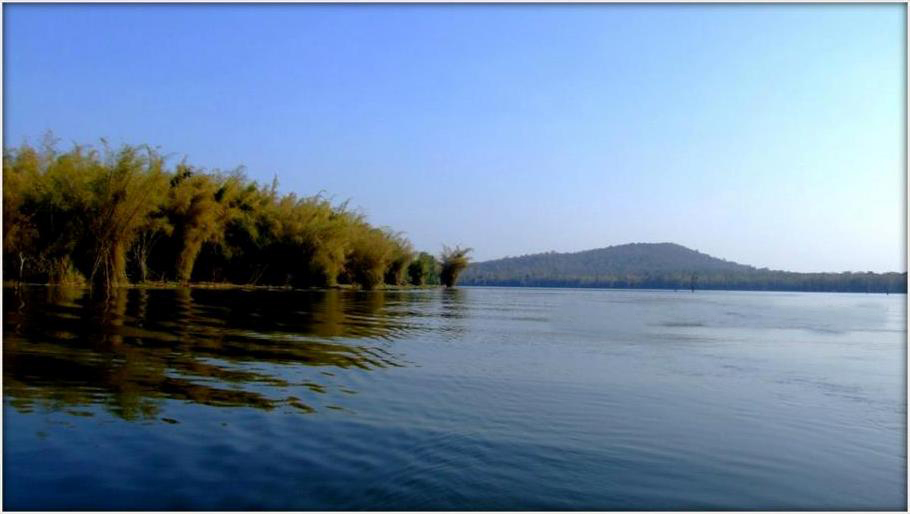
Photo credits:Ramesh Kidngoor

Photo credits:Ramesh Kidngoor

Periyar Lake comprises about 26 square kilometers within the Periyar Tiger Reserve, a sanctuary for wildlife next to Cardamom County. Periyar River, which flows from Periyar Lake, is not only the lifeline of the Periyar Tiger Reserve, but also of central Kerala. It originates in the Sivagiri peaks in the Western Ghats, 1830 meters above sea level, across the border into the neighboring state of Tamil Nadu. Continue reading

Tiger Census In Kerala Is Well Under Way

2,088 field staff taking part in the eight-day exercise in five landscapes

2,088 field staff taking part in the eight-day exercise in five landscapes

Today’s Hindu newspaper reports that:

The eight-day phase-one of the all India tiger estimation 2013-2014 by 2,088 field staff began in the forests of the State on Monday.

The estimation, at the initiative of the National Tiger Conservation Authority (NTCA), is a countrywide exercise conducted every four years to assess the status of wild tigers, co-predators, prey species, and their habitat. Continue reading

Wildlife Sanctuaries of India–Kaziranga National Park

Image Credit: Pradnyesh Sawant

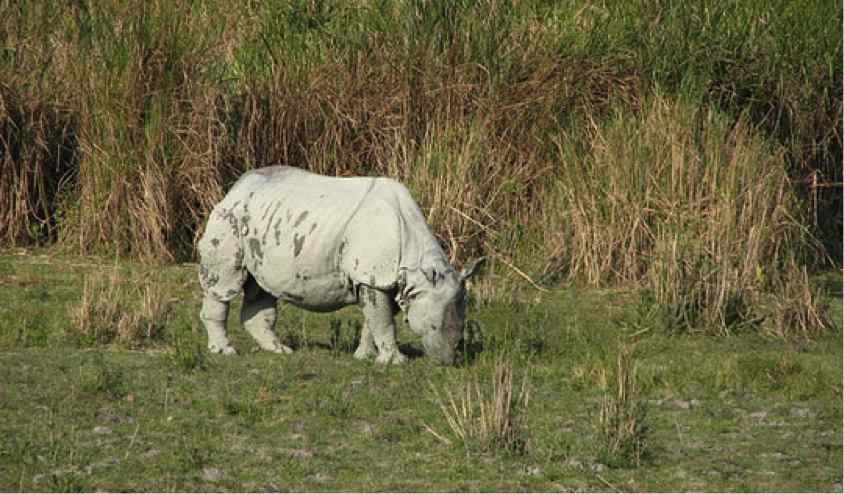
This may be the first national park where tigers aren’t at the center of attention! Located in the Golaghat and Nagaon districts of Assam, Kaziranga is home to two thirds of the world’s Great One-Horned Rhinoceroses. Large breeding populations of elephants, buffalos, swamp deer, and tigers reside here as well. Furthermore, this park is recognized by Birdlife International for its diversity and conservation of various species of birds. Kaziranga was declared a World Heritage Site by UNESCO for its unique environment and wildlife in 1985. Continue reading

Solfatara

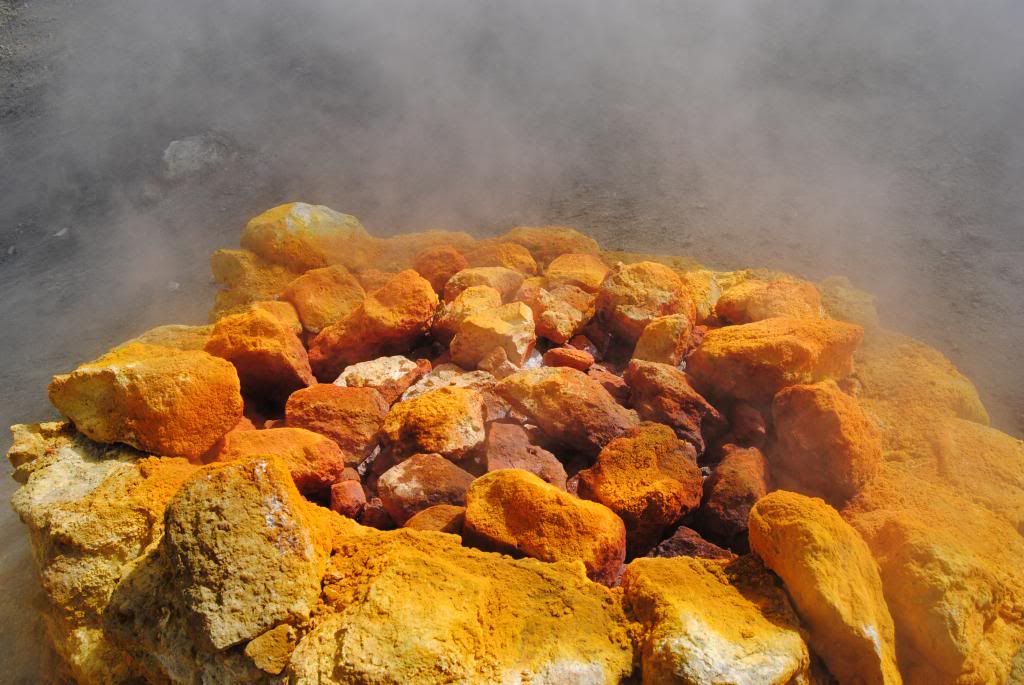
Sulphur Vent – Solfatara

Solfatara, a shallow volcanic crater in Pozzuoli, near Naples, is a hotbed (no pun intended) of geothermal activity. Upon walking into the depression, hemmed round by steep hills, the smell of rotten eggs greets your nose. The stench comes from the clouds of sulphurous steam pouring forth from vents in the rock. The Romans believed that this steam had healing properties Continue reading

Wildlife Sanctuaries of India — Ranthambore National Park

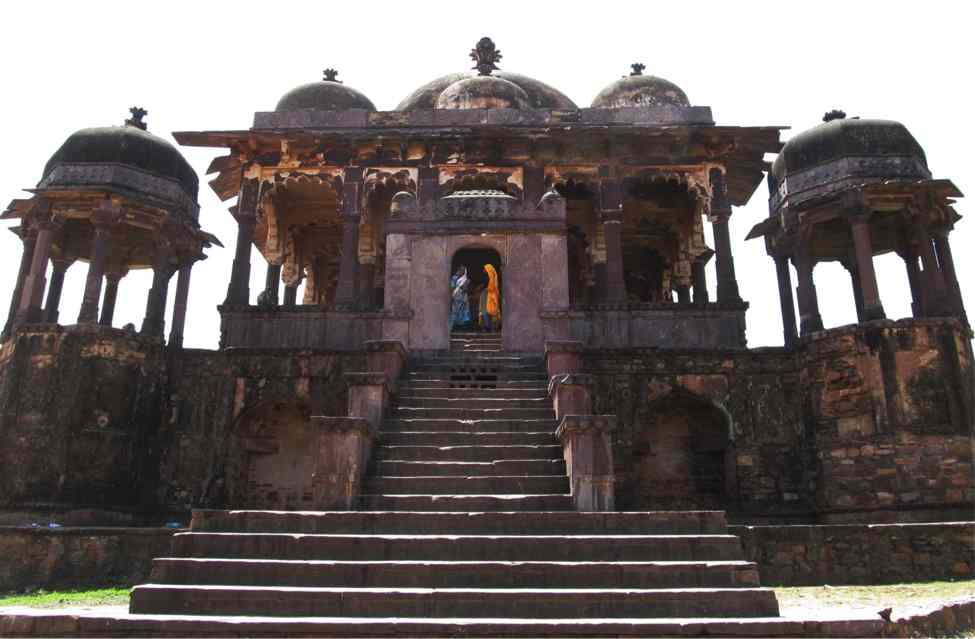
Photo credit: Abhinavmnnit

If you are looking for a wildlife sanctuary with a blend of rich history, Ranthambore National Park is the national park for you! Inside the park, the formidable Ranthambore fort lies overlooking the entire park area. There are three Hindu temples inside the fort dedicated to Ganesh, Shiva and Ramlalaji constructed in the 12th century. The fort itself was built in the 10th century and played a critical role in the historical development of Rajastan. Due to its strategic location between north and central India, many rulers coveted and fought over the area. Continue reading

Nagarhole National Park – Karnataka

Photo credits : Ramesh Kidangoor

Photo credits: Ramesh Kidangoor

Nagarhole National Park (also known as Rajiv Gandhi National Park) is among the most well maintained wildlife reserves in India.  Located in the state Karnataka, this national park has an abundance of fauna, including large mammals such as wild elephant, bison, tiger, leopard, wild dog and spotted deer. Continue reading

Stories from the Field: Lakkavalli Forest Range, Bhadra Wildlife Sanctuary

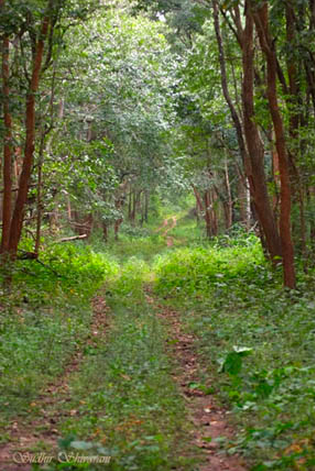
Lakkavalli Forest Range, Bhadra Wildlife Sanctuary

Lakkavalli Forest Range, Bhadra Wildlife Sanctuary; photo credit: Sudhir Shivaram

On Global Tiger Day Amie introduced the idea that I’ll be sharing my experiences as a wildlife photographer. Much of my time is spent doing workshops throughout India, but I’m happy to reach into the archives of my pictorial adventures to share with Organikos readers.

This is a safari from my earlier days photographing wildlife, and it’s an experience that I’ll always remember! It was around 1 pm when we reached the Lakkavalli Forest guest house, situated on top of a hill, overlooking the Bhadra dam. The road was good and the drive was quite scenic. We took the Bangalore-Tumkur-Tiptur-Arsikere-Tarikere route. As soon as we reached the guest house, we took our gear and headed into the forest. Though it was 2:30 in the afternoon and we knew that it wasn’t the best of times for spotting wildlife, we wanted to spend more time in the forest.

The forest was crawling with millions of Giant Wood Spiders. The webs spread across trees, with arachnids waiting patiently for their prey. The Lakkavalli range has a good concentration of mammals, but our timing wasn’t great on the first day. An interesting fact about the Bhadra Wildlife Sanctuary is the work done by the then DFO, Mr. Yatish Kumar, who was successful in re-locating 17 villages from within the sanctuary to the outskirts of the park. As the forest officials say, people in these villages admire him so much for his accomplishments, that they have named one of the villages as Yatish Nagar. The day’s sightings were limited to some Deer, Sambars and Gaurs. We came back to our guest house just in time for some spectacular sunset scenes.

Photo credit: Sudhir Shivaram

The next morning, driver Suresh along with guard Shivarudrappa picked us up. At the sanctuary entrance a forest watcher joined us. We were very eager to sight a tiger, as a particular route (Paramagudda) was quite famous for frequent tiger sightings. We never knew what the forest had in store for us but it turned out to be my most memorable safari to date. An hour’s drive into the forest yielded nothing. Suddenly the watcher, seated at the back of the jeep shouted, “Chirte sir, Chirte” (Leopard sir, Leopard). Continue reading