A Novelist, Birding, Wades In Murky Territory

FranzenWNYC.jpgIn 2012 we started a string of posts featuring him, but have not linked to a Franzen-related birding story in a while. Best in epic category was likely here. Last time might have been here. He would no doubt love Chan Chich Lodge. If you appreciate his passion for birds, you should take a few minutes and listen to this, featuring him during an outing near his home:

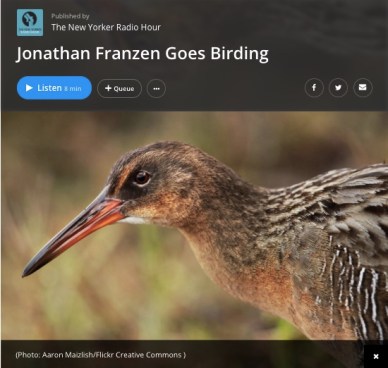
Before achieving success as a novelist, Jonathan Franzen couldn’t imagine doing something just for fun.  But now, he’ll spend an entire afternoon dodging puddles of manure for the pleasure of looking at birds, “these very visible, very beautiful, very intelligent bipeds who are a lot like us.” Through the “portal” of birds, Franzen says, we can get to know the natural world.  He took our producer Rhiannon Corby along on a trip to MoonGlow Dairy, near on Monterey Bay, where the birds are as plentiful as the cow pies. Watch your step!

Chan Chich Wildlife

CCLBoard.jpg

A couple weeks back, there were a string of remarkable sightings, recorded by guests in a series of photos and then listed on the board by the Chan Chich Lodge reception area. That was a good preview for what happened yesterday, when guests arriving to the Lodge encountered a mature jaguar crossing the road. Continue reading

The Nature Fix, Interview & Links

LopateNature.jpgThis is 20 minutes well spent if you share our interest in the links between nature and wellbeing; one hypothesis on this topic we favor being biophilia. But science is the realm of the nonstop quest, so the author’s explanation in this interview, of her motivations and her methodology, are worth hearing.

lopatenat2We have a preference for supporting independent bookstores so if this book goes onto your shopping list, before you otherwise get pulled in the direction of an online superstore, Powell’s is a great option; see what they have to say about the book:
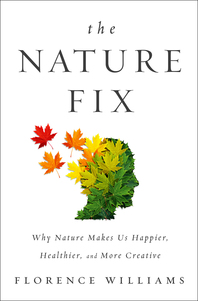
9780393242713_198An intrepid investigation into nature’s restorative benefits by a prize-winning author.

For centuries, poets and philosophers extolled the benefits of a walk in the woods: Beethoven drew inspiration from rocks and trees; Wordsworth composed while tromping over the heath; and Nikola Tesla conceived the electric motor while visiting a park. Intrigued by our storied renewal in the natural world, Florence Williams set out to uncover the science behind nature’s positive effects on the brain. Continue reading

Looking Forward To The Debate On Nature As Climate Technology

Nature_Poster.jpg

We cannot help wondering, with the political upheavals in the USA and Europe, what will become of our commitments to take care of serious environmental issues, and specifically climate change; we are looking forward to this debate on the Intelligence Squared podcast, and will post a reminder when the podcast drops:

NATURE: OUR BEST CLIMATE TECHNOLOGY?

It was historic. The 2015 Paris climate agreement saw every member country of the UN pledge to cut its carbon emissions to zero by the second half of this century and keep global warming at well below 2°C above pre-industrial levels.

There’s just one problem. To reach this goal the world would need to shut down all of its coal-fired power stations by 2025 and ditch the combustion engine entirely by 2030. To reach its own targets, the UK will need to decarbonise the vast majority of its electricity supply within a mere 15 years. Eliminating fossil fuels this way is going to be extremely challenging. An extra lever is needed to reach the Paris climate targets. But from where? Continue reading

Scientist, Illustrator, Forgotten Metamorphosist

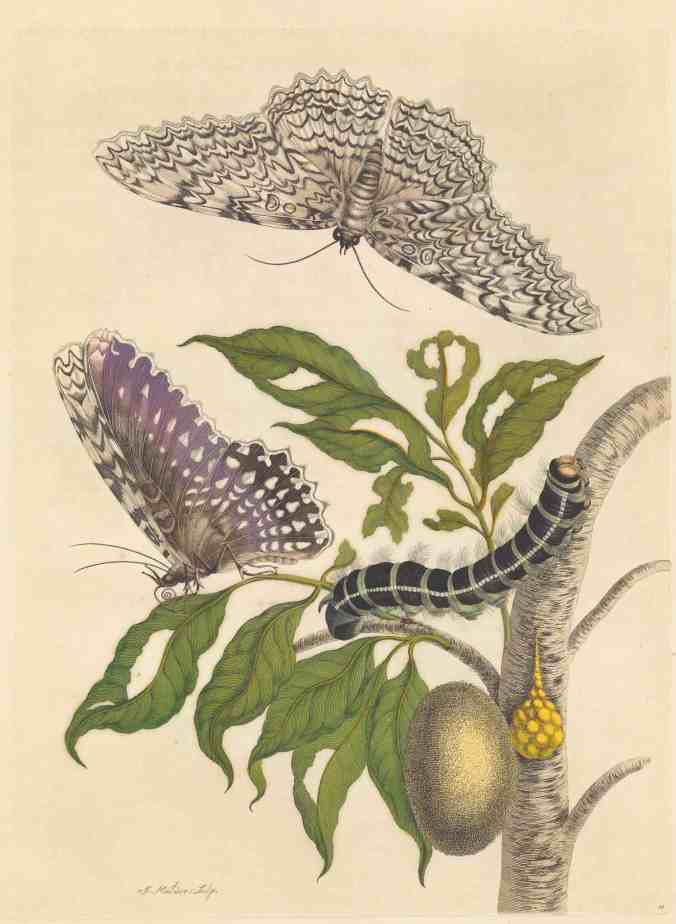
24tb-merian08-superjumbo

In some of Merian’s drawings, butterflies and caterpillars didn’t match. CREDIT MARIA SIBYLLA MERIAN, METAMORPHOSIS INSECTORUM SURINAMENSIUM, AMSTERDAM 1705, THE HAGUE, NATIONAL LIBRARY OF THE NETHERLANDS

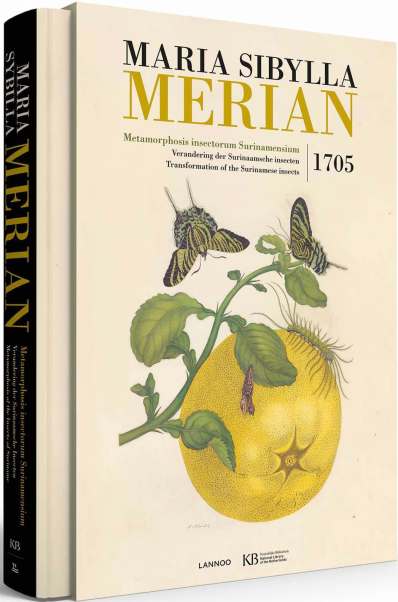
Any story with Metamorphosis in it is bound to get our attention, but a long-forgotten scientist getting her due is the intrigue that makes this story by JoAnna Klein–A Pioneering Woman of Science Re‑Emerges After 300 Years–coinciding with the republication of this book below, worthy of the read:metamorph

Maria Sibylla Merian, like many European women of the 17th century, stayed busy managing a household and rearing children. But on top of that, Merian, a German-born woman who lived in the Netherlands, also managed a successful career as an artist, botanist, naturalist and entomologist.:

“She was a scientist on the level with a lot of people we spend a lot of time talking about,” said Kay Etheridge, a biologist at Gettysburg College in Pennsylvania who has been studying the scientific history of Merian’s work. “She didn’t do as much to change biology as Darwin, but she was significant.” Continue reading

Foraging Fellowship In New York City

dezon_wired_02

Reishi mushrooms (left) and Trametes versicolor collected in a folded map. ZACK DEZON

Thanks to Wired author Charley Locke for his story MEET THE OBSESSIVE MUSHROOM HUNTERS OF NEW YORK CITY:

ON A PARTICULARLY gorgeous Sunday in October, 30 explorers with the New York Mycological Society met at a cemetery in Brooklyn to hunt for mushrooms.

dezon_wired_01

Reishi mushrooms on a stump. ZACK DEZON

They rummaged through leaves, carefully inspected the headstones, and gingerly reached into tree trunks, hoping to find something amazing. A turkey tail, perhaps, or hen-of-the-wood. “It was like a scavenger hunt,” says Zack DeZon, a photographer who joined them on the search. “It struck me as the analog equivalent of Pokemon Go.”

DeZon is not particularly enamored with fungus, but a mushroom-obsessed friend’s Instagram feed piqued his interest. The fellow pointed him toward the Mycological Society which has since 1962 catered to those with an interest in mycology and mycophagy. The society, created by the composer John Cage, has 430 members and meets throughout the year to find mushrooms, eat mushrooms, and discuss mushrooms.

Continue reading

Attenborough & Visionary Realism

attenborough

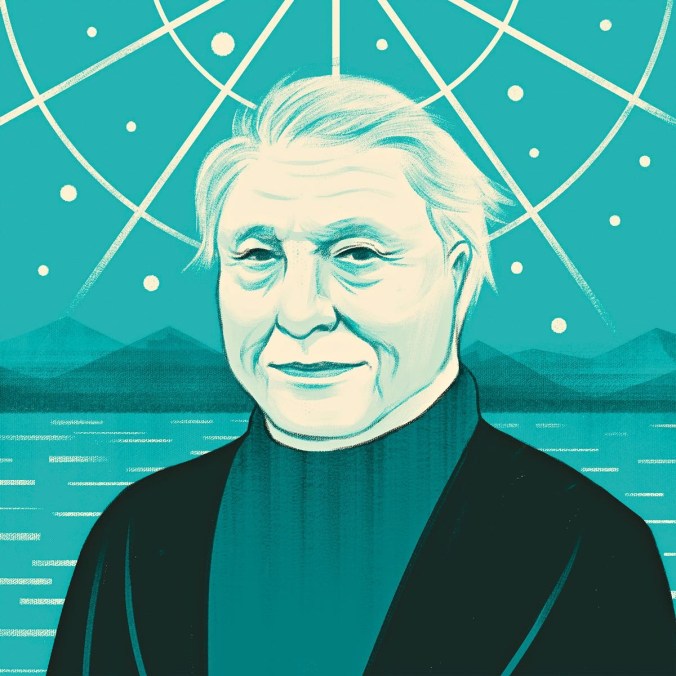
Illustration by Jasu Hu

Another from the last issue of the year and part of a series that the New Yorker offers to help us reflect on the big picture (each in this series is a very short read with disproportionate impact):

DAVID ATTENBOROUGH’S EXPLORATION OF NATURE’S MARVELS AND BRUTALITY

His game-changing shows remind us that ours is an impermanent and fragile world.

By Téa Obreht

No trip to the American Museum of Natural History in New York is complete without a visit to the Milstein Hall of Ocean Life. It’s a blue-tinged room, booming with surf-roar and the cries of gulls and rimmed with marine dioramas: teeming kelp forests and coral reefs, a walrus lost in thought, dolphins and tuna fleeting through twilit seas. Continue reading

National Park of the Week: Canaima National Park, Venezuela

Photo by Brad Wilson

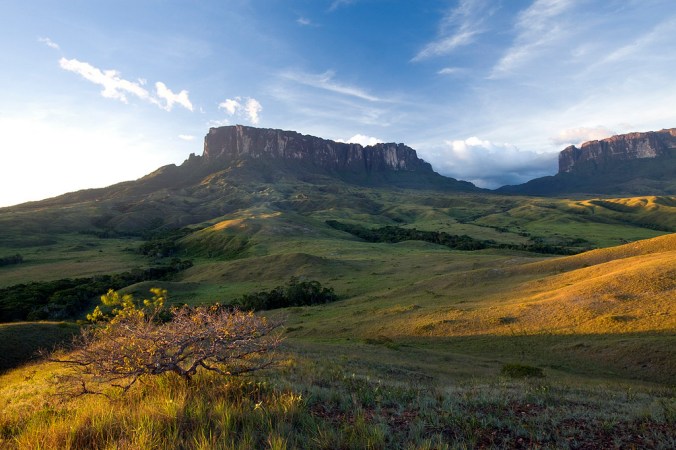
Best known for its characteristic flat-topped mountain formations known as “tepuis,” Canaima National Park is a geologic marvel that astounds the most experienced geologists and intrepid travelers alike. Between the table-top mountains, grassy savannah blankets the valleys and the perimeters of the tepuis, which cover about 65% of the park. The park is the sixth largest park in the world, measuring  three million (yes, million) hectares, and is located in Venezuela close to the border between Brazil and Guyana.

Continue reading

Planet Earth II

4344

Planet Earth II has attracted audiences of up to 10.6 million. Photograph: David Willis/BBC

Thanks to the Guardian for this:

Planet Earth II a form of therapy for viewers, says Attenborough

Veteran broadcaster says blockbuster BBC nature show offers audiences respite from their concerns about the world

by Esther Addley

Millions of people are tuning into the BBC’s nature series Planet Earth II because they crave a respite from their concerns about the future of the planet, Sir David Attenborough has said. Continue reading

Agricultural Origin Story

leaf-cutter-ants_wide-6b7093087f0ce34d72d51f5eebb34ebc9db81df7-s1100-c85

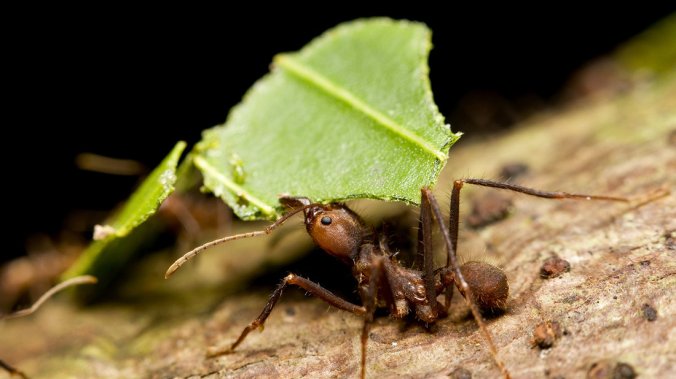
Various species of ants engage in some kind of agriculture. Here, a leaf-cutter ant gathers food for its fungus farm. Mark Bowler/Science Source

Thanks to National Public Radio (USA):

Who Invented Agriculture First? It Sure Wasn’t Humans

Ants in Fiji farm plants and fertilize them with their poop. And they’ve been doing this for 3 million years, much longer than humans, who began experimenting with farming about 12,000 years ago. Continue reading

National Park of the Week: Manú National Park and Biosphere Reserve, Peru

46

Source: andeanamazonexpeditions.com

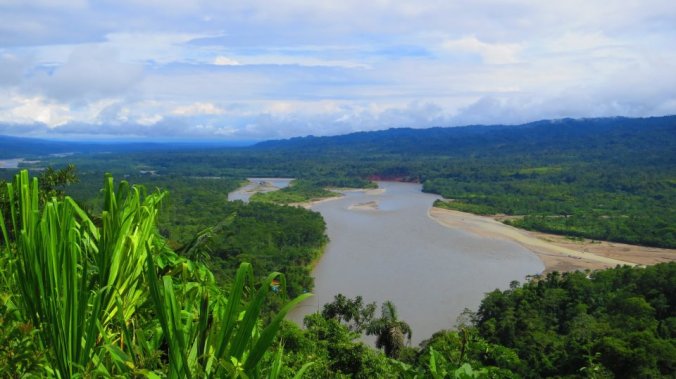
Containing much of the Peruvian Amazon’s  greatest flora and fauna, Manú National Park is one of the largest protected areas in the world and allows for once-in-a-lifetime sightings of rare and exotic animals.  The park is Peru’s biggest and consists of three parts: the “Cultural or Buffer zone,” where native communities live and tourists can enter unaccompanied, the “Reserved zone,” an area set aside for controlled scientific research and ecotourism, and the “Intangible zone,” the largest section that is strictly for flora and fauna preservation. Declared a UNESCO World Heritage Site and UNESCO Biosphere Reserve, Manú offers adventurous travelers lush, untouched Amazon to explore and discover the unmatched beauty of virgin environments and unrestricted wildlife.

Continue reading

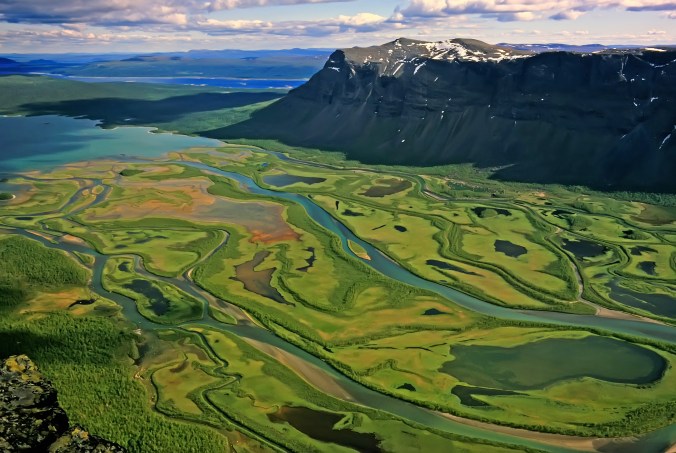
National Park of the Week: Sarek National Park, Sweden

sarek-national-park-original-2531

Image from thousandwonders.net

Described as “Europe’s last wilderness,” Sarek National Park is a dream destination for hikers, mountaineers, and adventure fanatics who are looking for untamed and challenging terrain. The park is in the province of Norrbotten in northern Sweden and located north of the Arctic Circle (burrrr!). The park has precipitous mountains that reach heights greater than 2000 meters and has almost 100 glaciers. In addition, long, deep, narrow valleys and wild, turbulent waters wind between the mountain chains, creating a sensational sight of unrestricted wilderness. Continue reading

Master Naturalist Perspective

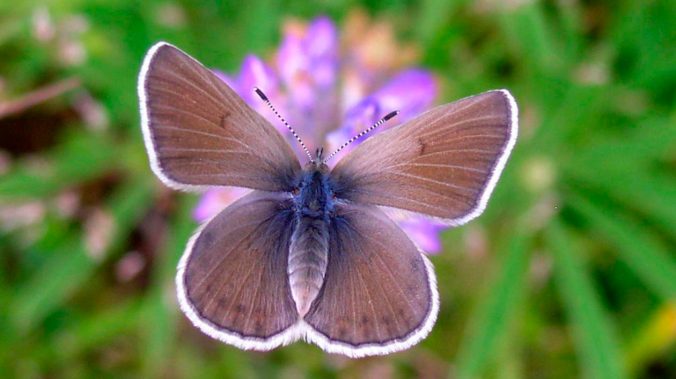
tnc_78205670_preview_cropped-1260x708.jpg

Fender’s Blue (Icaricia icarioides fenderi) is an endangered subspecies of butterfly found only in the Willamette Valley of northwestern Oregon. Fender’s Blue butterflies are completely dependent upon the threatened plant species, Kincaid’s lupine (Lupinus sulphureus kincaidii). Photo © Matthew Benotsch/TNC

Feed your inner biophilia with education to sharpen your senses:

Unlock a New Way of Seeing the World as a Master Naturalist

BY LISA FELDKAMP

Becoming a Master Naturalist is easier than you think. You don’t have to enroll in years of coursework or explore the world a la Darwin. In fact, there may well be a comprehensive naturalist class near you. Continue reading

National Park of the Week: Kamikochi National Park, Japan


dsc_0593

Photo from emilyerratic.blogspot.com

Within of the northern range of the Japanese Alps lies Kamikochi National Park, an area comprised of a plateau surrounded by vertical peaks, reflective lakes and virgin forests. Kamikochi is considered part of Chubu Sangaku National Park (also known as the Japan Alps National Park) and was extensively used by the logging industry until the mid 19th century when British missionary Rev. Walter Weston (1861-1940) lobbied to preserve the area. There is a plaque commemorating him and on the first Sunday of every June, the Weston festival is held to celebrate the opening of mountain-climbing season.

Continue reading

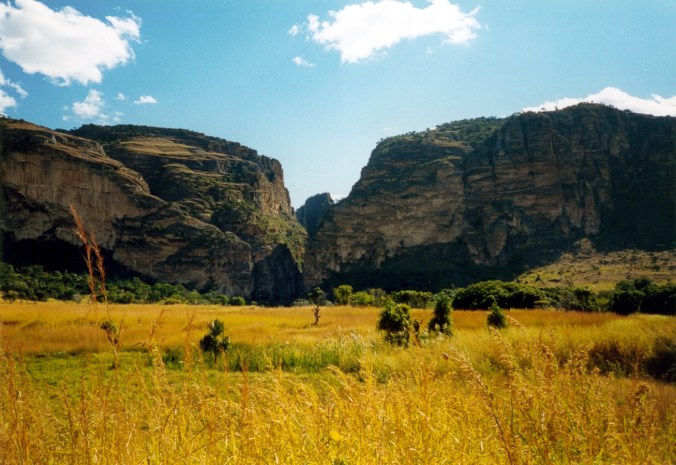
National Park of the Week: Isalo National Park, Madagascar

banner20

Photo via jenmansafaris.com

With its multitude of intersecting rivers within deep canyons, yellow savannah grasses carpeting the bottoms of vertical gorges, and domineering sculpted buttes, Isalo National Park is an artist’s canvas of a desert canyon. Jocularly called “Madagascar’s Colorado,” Isalo was founded in 1962 and is located in the southern highlands of the island. The park covers an area of 800 sq km and offers prime hiking opportunities among natural pools and uniquely carved landscapes. Continue reading

Iridescence & Pretty, Shiny Natural Things

lead_960-5

Matthew Jacobs

The Atlantic’s science writers are back in the saddle, leading the way with the best stories recently:

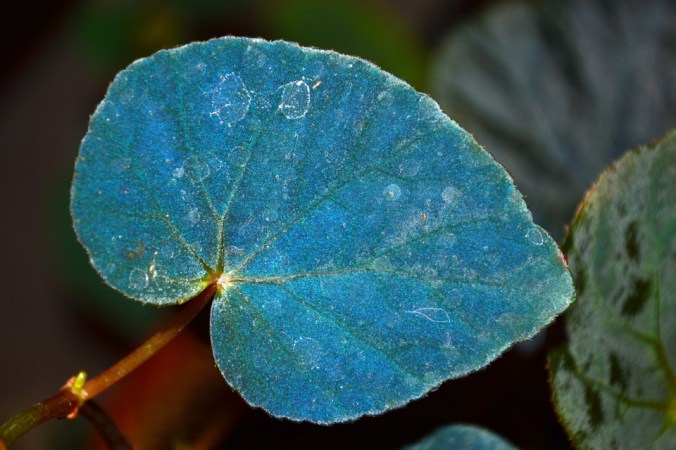
Why Do These Plants Have Metallic Blue Leaves?

Ooh, shiny

ED YONG

Roses are red but violets aren’t blue. They’re mostly violet. The peacock begonia, however, is blue—and not just a boring matte shade, but a shiny metallic one. Its leaves are typically dark green in color, but if you look at them from the right angle, they take on a metallic blue sheen. “It’s like green silk, shot through with a deep royal blue,” says Heather Whitney from the University of Bristol.

And she thinks she knows why. Continue reading

Rewilding, North America Edition

636129948116675648-elk-in-pickens-county-by-caleb-cassell

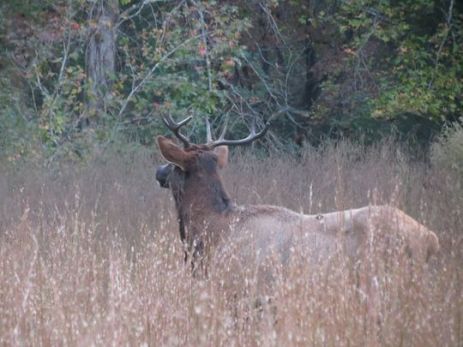
An elk, the first seen in South Carolina in centuries, gazes across a field in northern Pickens County. (Photo: provided/Caleb Cassell)

We would much rather that original nature was protected in its original state, but that does not keep us from celebrating the various efforts we see to reintroduce species, especially when they show signs of success as in this case from South Carolina, USA:

In Pickens County, first elk sighting in state for centuries

Ron Barnett

For the first time since the Upstate was Cherokee territory, a wild elk has been seen roaming the woodlands of South Carolina. Continue reading

National Park of the Week: Ras Mohammad National Park, Egypt

6e8b00541d43a27ec2ef395accfbe3e6

Pinterest.com

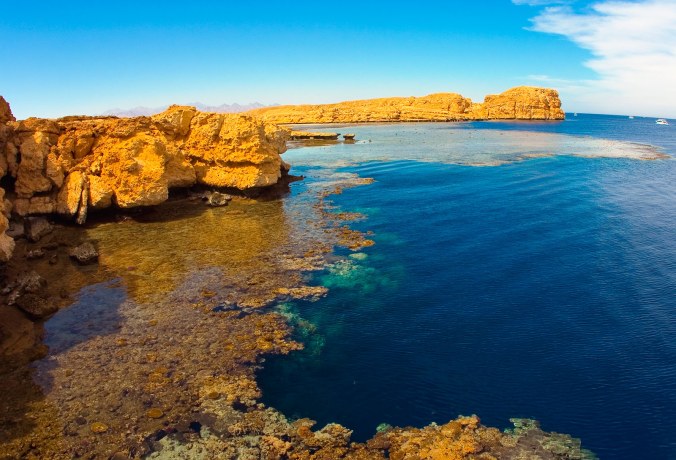
Overlooking the Gulf of Suez on the west and the Gulf of Aqaba to the east, Ras Mohammad National Park  in Egypt lies at the southern extreme of the Sinai Peninsula and offers waters that are considered to be the jewel in the crown of the Red Sea. The coastline, characterized by vertical overhangs at least 100m deep,  is surrounded by fringing coral reefs that emerged after a change in the coastline 70,000 years ago. Due to its location at the juncture of the two gulfs, the combining waters of varying salinity has lead to a magnificent array of reef and pelagic fish, diverse coral reef and luxuriant sea walls.

Continue reading

National Park of the Week: Tongariro National Park, New Zealand

tongariro-nationalpark

Source: nz-autraliatours.com

New Zealand’s oldest national park and the fourth national park to be created in the world, Tongariro National Park is internationally recognized for its outstanding volcanic features and is historically venerated by the Maori people. The park encircles three volcanoes, Tongariro, Ngauruhoe, and Raupahu and covers almost 80,000 hectares of contrasting terrain. The three volcanoes are active, Raupehu being one of the most active volcanoes in the world, but that does not deter visitors from hiking up to the top and gazing out into the exotic conic formations.

Continue reading

Birds, Family, Bonds

1500-1

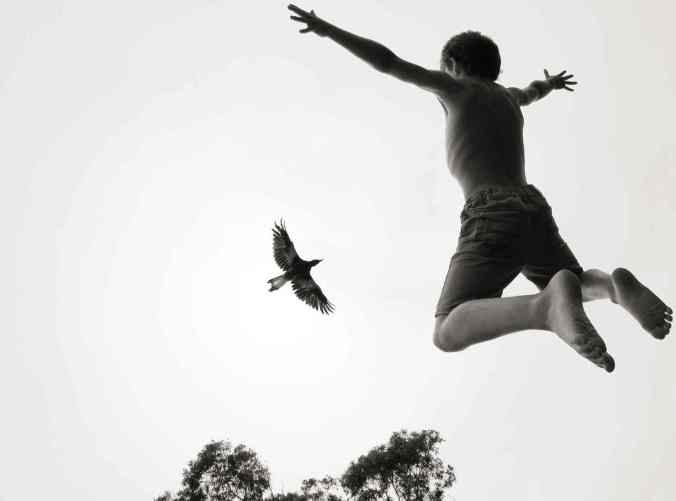
Australia has a uniquely down under way of delivering powerful stories about man’s relationship with nature:

Penguin Bloom: how a scruffy magpie saved a family