Nature Has The Long View

MobiusII

When you love what you do, the hope is that you will do it indefinitely. E.O. Wilson shows little sign of slowing down any time soon, and his new book is the best evidence to date. Not exactly light weekend reading, nor summer beach fare, but from the sound of this review, worth the effort:

LOOKING FOR ETERNITY? LOOK TO NATURE

A Review of “A Window on Eternity” by E.O. Wilson

By Bill Chameides

To say that E.O. Wilson, arguably the greatest living biologist, is prolific is a bit of an understatement. At 84, Wilson continues to churn out books at a rate of one to two each year. Yesterday, Earth Day 2014, marks the release of his latest book, A Window on Eternity: A Biologist’s Walk Through Gorongosa National Park  (Simon and Schuster), and a DVD companion titled “The Guide.” Continue reading
A Minor Detraction From Aging’s Major Detractors

old-tree

Thanks to Roberta Kwok for her ever-concise summaries of remarkable scientific findings on Conservation‘s website, this one following the theme of a companion post with regard to aging organisms:

SCORE ONE FOR THE REALLY OLD GUYS

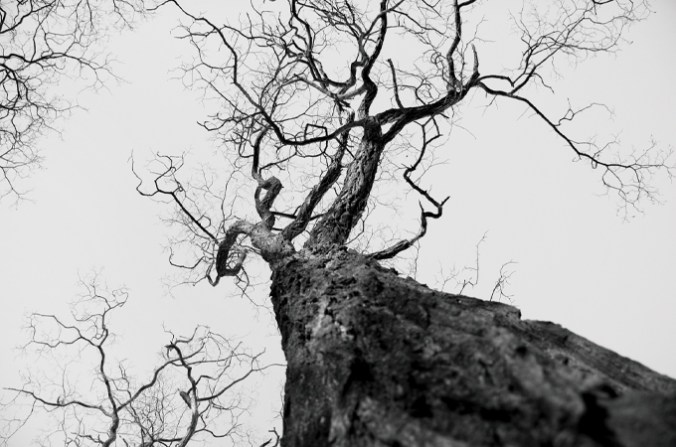
Aging is generally associated with slowing down. But scientists have found that trees actually grow faster as they get older, making them star players in a forest’s carbon storage. In fact, one old tree can fix as much carbon in a year as the total amount of carbon in a “middle-aged” tree. Continue reading

Collaboration On Oldest Living Things

Thanks to Jonathan Minard for the short film above presenting Rachel Sussman Carl Zimmer and Hans Ulrich Obrist, and the book that they collaborated on:

Since 2004 artist Rachel Sussman has been researching, working with biologists, and traveling all over the world to photograph continuously living organisms 2,000 years old and older. The work spans disciplines, continents, and millennia: it’s part art and part science, has an innate environmentalism, and is driven by existential inquiry. She begins at ‘year zero,’ and looks back from there, photographing the past in the present. Together, her portraits capture the living history of our planet – and what we stand to lose in the future.

Continue reading

If You Happen To Be In London

ANDREAS GURSKY. EARLY LANDSCAPES     SPRÜTH MAGERS LONDON   APRIL 15 – JUNE 21 2014

Andreas Gursky Alba, 1989, 87 x 108 7/8 x 2 3/8 inches Copyright: Andreas Gursky / DACS 2014  Courtesy Sprüth Magers Berlin London

Andreas Gursky Alba, 1989, 87 x 108 7/8 x 2 3/8 inches Copyright: Andreas Gursky / DACS 2014 Courtesy Sprüth Magers Berlin London

Thnaks to Phaidon for bringing this exhibition to our attention:

…No one else has captured the queasy beauty of the modern world quite as well as this 59-year-old German. Yet, while his best-known images feel as if they faithfully capture contemporary life, it’s perhaps a little dispiriting to hear that Gursky admits to digitally manipulating some of his photographs. Continue reading

If You Happen To Be In New Britain


home_030714

We have been following James Prosek since first learning about his work, and more recently have been looking for an opportunity to catch one of his in-person exhibitions. This opportunity is just around the corner:

bg_logoNaming Things in the Natural World
Monday, Apr. 21, 2014

9:30 a.m. Welcome reception with Coffee
10 a.m.-2:30 p.m. Program
Continue reading

A Master Puzzle

Photograph: Nati Harnik/AP

Photograph: Nati Harnik/AP

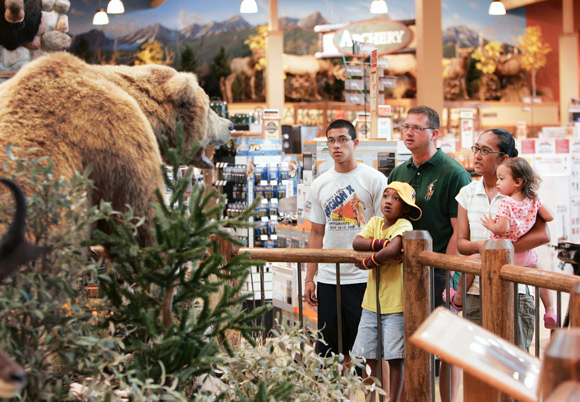
If you have shopped there in person, or ordered from them online, or see that the interrelation between the USA’s various communities are sometimes not easy to figure out, you know why this story is important:

…The growth of Cabela’s reflects Americans’ odd relationship with the outdoors: we mythologize it even as we pave it over. To accommodate their bulk and the crowds that they attract, Cabela’s stores are often built next to interstates and surrounded by giant parking lots. Generally, the only wildlife in sight are the crows picking over the litter. Some of the newest branches are on the edges of cities—Denver, Austin—that epitomize sprawl. In Greenville, South Carolina, where Cabela’s plans to open on a congested retail strip in April, other retailers are worried that traffic jams will scare away their customers. Continue reading

Beauty of Idukki

Photo credits : MN Shaji

Photo credits: MN Shaji

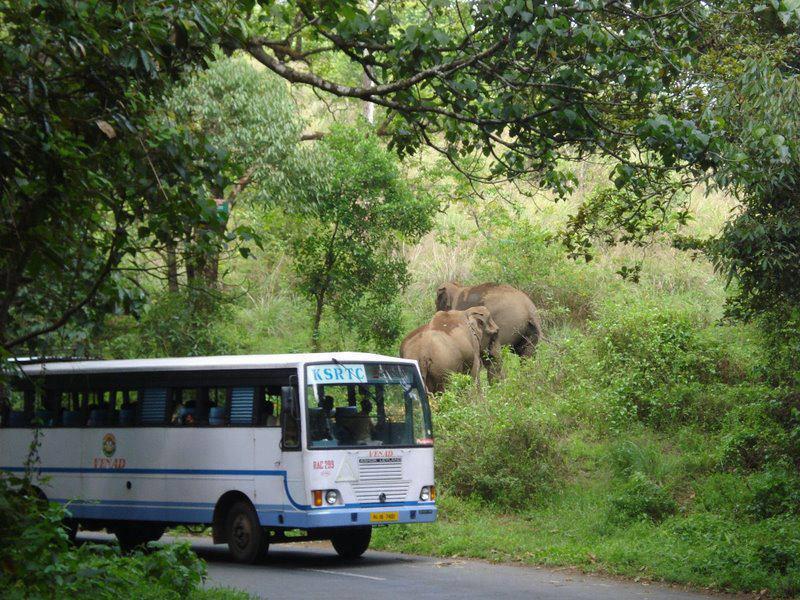
Kerala’s Idukki District is known for its famous dams, forests and rich animal habitat. With an astonishing 50 percent of the total area under green cover this hilly region has managed to retain its charm and pristine environment. Idukki’s stunning natural beauty and diverse wildlife make it   dream tourist destination. Continue reading

Really, Syngenta?

Hayes has devoted the past fifteen years to studying atrazine, a widely used herbicide made by Syngenta. The company’s notes reveal that it struggled to make sense of him, and plotted ways to discredit him. Photograph by Dan Winters.

It has been many months since we last read something that a company did that made us think–Really?–in this manner that we have on several earlier occasions. We are sparing in these kinds of posts because we still believe most companies, most of the time, want to do the right thing.  But when they clearly do not, they must be called out.

This post is a reminder to all of us to support public funding of science and private funding of journalism–subscribe to the New Yorker! Thanks to Rachel Aviv’s reporting, we see the fire behind the smoke, and it is not good fire. Two paragraphs of her story are shared here, but spend the 30-60 minutes digesting the whole story on the New Yorker‘s website, where thankfully it is not behind the subscription wall, and be sure to share it widely:

…Three years earlier, Syngenta, one of the largest agribusinesses in the world, had asked Hayes to conduct experiments on the herbicide atrazine, which is applied to more than half the corn in the United States. Hayes was thirty-one, and he had already published twenty papers on the endocrinology of amphibians. Continue reading

Skimming the Globe

Stemming from a spontaneous fascination while living in India, I have photographed and written extensively about dragonflies in the past, and as an untrained naturalist, my interest has been mainly focused on dragonflies’ aesthetics rather than their physiology or ecological significance. However, as my interest in holistic ecology and the natural world grows, my thoughts have wandered from dragonflies and mushrooms to a bigger-picture ideology focusing on the connectedness and relationships between organisms within an ecosystem. Those relationships are present across the globe, year-round – regardless of how lifeless a place may seem. Being used to tropical climates unfortunately gives me a predisposition to fear the painful cold of Colorado mountain winters, and I retreat to a less hands-on approach to my research.

While seeking food for thought online, I stumbled upon a TED Talk given in 2009 on dragonflies – which in itself would interest me. But this talk concerns an exceptionally interesting species of dragonfly (though I didn’t realize it when I noticed its swarms in Gavi) – and one that aligns more with my current biological interests than those I held in the past few years (skimming the surface, some might say). Continue reading

A Drone By Any Other Name

Drones are generally not pleasant news references. Occasionally, however, there are surprises. Thanks to Reuters for this news on nature photography’s latest tech breakthrough:

BeetleCopter, the low-cost alternative for wildlife photography (2:24)

Jan. 16 – A British photographer and entrepreneur has developed drone technology for shooting documentary-quality wildlife footage at extremely low cost. Will Burrard-Lucas has sold models of his earlier invention – the ground-level BeetleCam – to other budding wildlife photographers, and hopes to do the same with his BeetleCopter.

Odd Architects And Other Natural Wonders Brought Into Better Focus

Photograph: Arco Images GmbH / Alamy/Alamy

Photograph: Arco Images GmbH / Alamy/Alamy

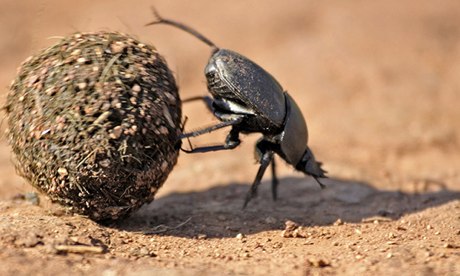
The Guardian is preparing us for 2014’s new lineup of nature shows on television by highlighting the role of technology in bringing us a closer view of all things wild, including more than one of the types of amazing creatures we like featured in the photo above:

An unusual line-up of stars will make their names on television next year. They include the gigantopithecus, a huge extinct ape – resurrected through the wonders of CGI – which will frolic in 3D with David Attenborough in Sky’s Natural History Museum Alive.

The south-east Asian tree shrew and the dung beetle will bear testimony to the hardships that the world’s tiniest animals endure, in BBC1’s Hidden Kingdoms, while Dolphins: Spy in the Pod, also on BBC1, will reveal the intimate lives of wild cetaceans through the use of cameras fitted to robot fish. Continue reading

Solfatara

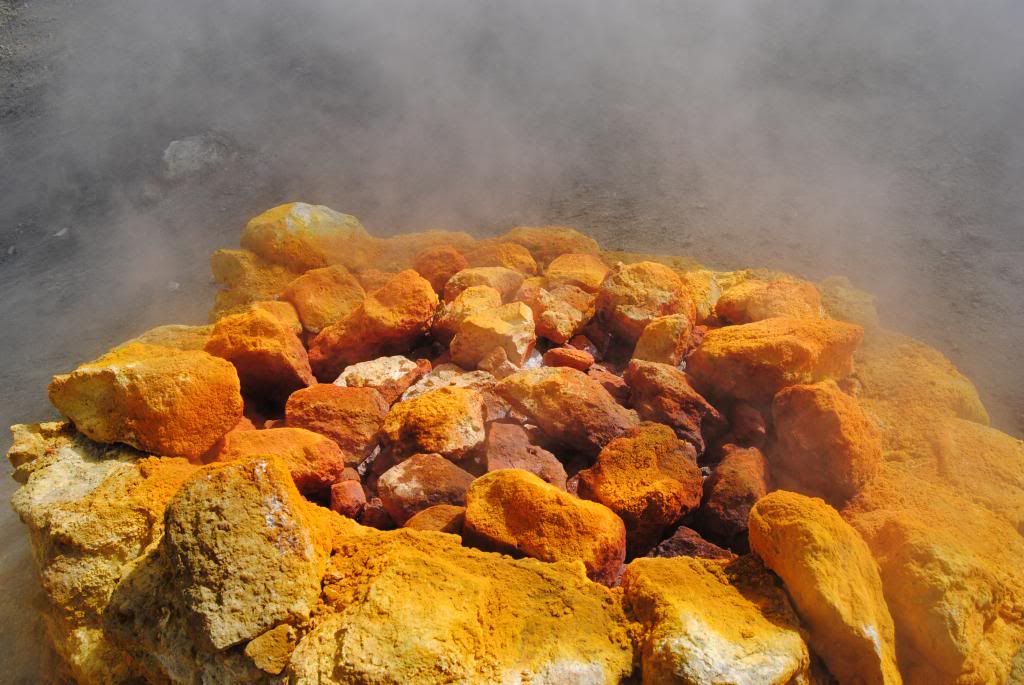
Sulphur Vent – Solfatara

Solfatara, a shallow volcanic crater in Pozzuoli, near Naples, is a hotbed (no pun intended) of geothermal activity. Upon walking into the depression, hemmed round by steep hills, the smell of rotten eggs greets your nose. The stench comes from the clouds of sulphurous steam pouring forth from vents in the rock. The Romans believed that this steam had healing properties Continue reading

Encased in Ash

Encased in Ash – Body Mold from Pompeii

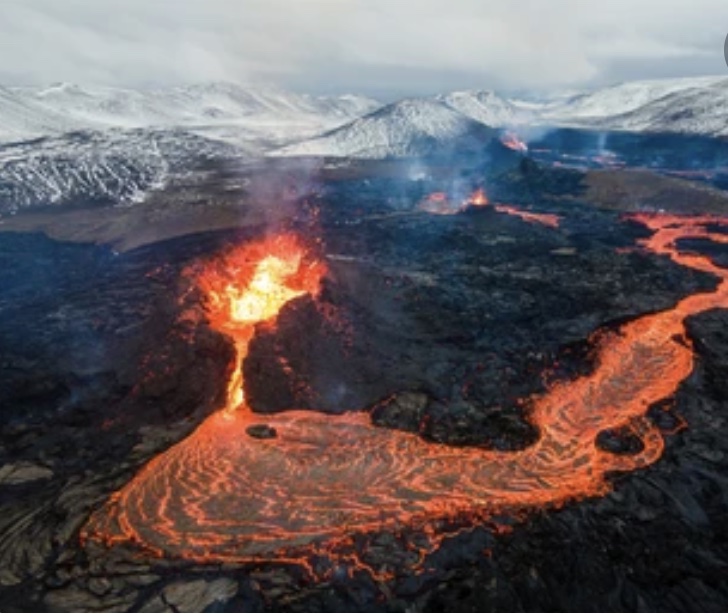
In 79AD, Mt. Vesuvius erupted with disastrous consequences for the residents of nearby Pompeii, Herculaneum, and other cities in the Campania region. Flows of boiling mud and rock rushed down the slopes, clouds of noxious fumes billowed upwards in the wind, and thousands of tons of rock and ash rained down upon the countryside. Pliny the Younger saw the eruption and likened it to a pinus, a pine tree. This may baffle some American readers, who may be accustomed to see pine trees that taper from a wide base to a narrow point Continue reading

A Thesis Hypothesis

Shutterstock

This week, the time has come for me to officially lay out some of the terms of my honors history thesis that I have been writing about for a few months now. Although this “hypothesis,” or explanation of what I expect to argue, won’t set my focused topic in stone, it will certainly be instrumental in guiding me at least in a broad sense as I move forward with writing this semester, and it will also help show my advisors what path I plan to take. Without further ado, here is my thesis hypothesis in a 400-word nutshell. Continue reading

Zombie Ants

African ant (Pachycondyla sp) attacked by an insect eating Fungus (Cordyceps sp) Guinea, West Africa. Photo © PIOTR NASKRECKI/ MINDEN PICTURES/National Geographic Creative

A few years ago I wrote about a curious and very specific relationship between some beetles and their wood-eating fungus symbiotic partner, and we’ve also shared other work on crazy parasitic creatures that can alter their hosts’ behavior, sometimes pretty radically (warning, creepy video). Believe it or not, the photo above isn’t some weirdly-antlered African ant–well, actually it is, but the antlers aren’t part of the ant’s body, they’re the spore-spreading apparatus of a parasitic fungus. Read on for more about the real-life World War Z that has been going on between ants (as well as other insects) and a family of zombifying fungi for millennia.

Earlier this week I went to a lecture hosted by Cornell’s Department of Neurobiology and Behavior titled “Zombie Ants: the precise manipulation of animal behavior by a fungal parasite.” The lecturer was David Hughes, Professor of Entomology at Penn State University, whose faculty webpage provides PDF links to most of the articles that he has contributed to if you’re interested in checking out the actual journal pieces on this topic.  Continue reading

Saving a Gentle Giant

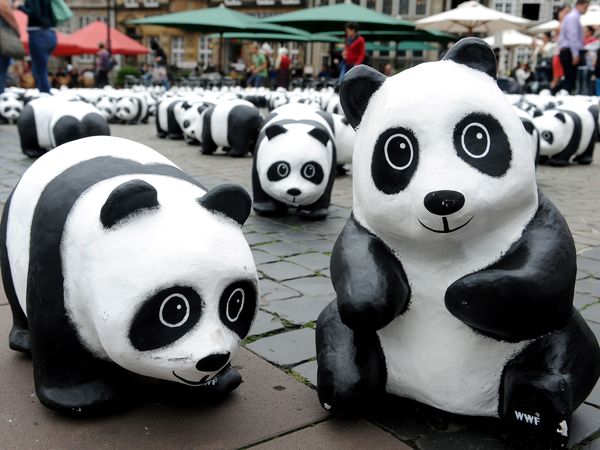
1,600 WWF's Paper mâché pandas representing today's Giant Panda population

1,600 WWF Paper mâché pandas representing today’s Giant Panda population
Photo Courtesy of National Geographic

The Giant Panda is the logo for WWF, the world’s largest conservation organization and it isn’t hard to see why they’re such a successful symbol. Their black and white coloring, and compellingly large eyes have tugged on the heartstrings of millions of people around the globe. This past week the newest baby panda was born at the Washington D.C Zoo.  Mei Xiang’s cub was welcomed with applause and awe from around the world, but this event has also brought about some questions about the money going into WWF for saving the Giant Panda. National Geographic recently addressed this issue.

Is the considerable effort and millions of dollars put into breeding the animals in captivity really worth it?

Some conservationists say yes, claiming public “pandemonium” can translate to real conservation action. But others argue that the money could be better spent on other things, such as preserving threatened habitat.

Statistically, Giant Pandas have a lot stacked against them for the survival of their species. First, there are approximately only 1,600 individuals in the world today, and of those, 300 are held in captivity. Secondly, according to biologist Devra Kleiman, the Giant Pandas have a very small mating window. The female panda is only “in heat” for 2-3 days a year, and thirdly, the natural areas where the panda thrives are fractured and damaged, making it less likely that a pair will find one another easily during that limited period of time.

Continue reading

Conservation and Your Health

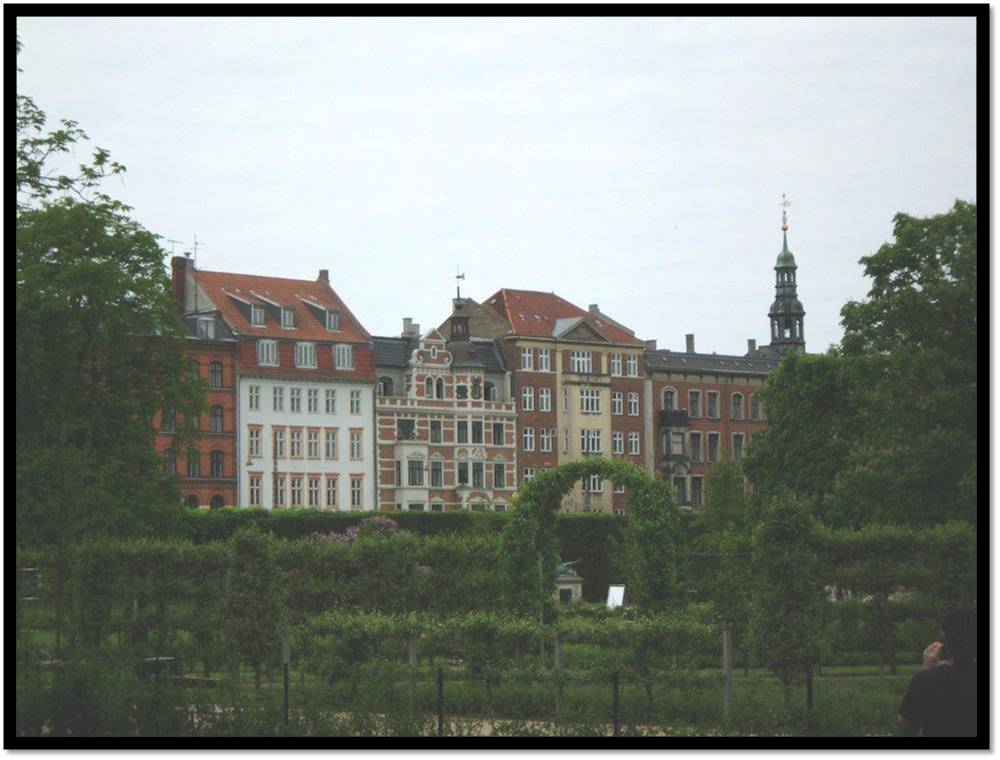
Park in København  -Enriching the city's biodiversity

Park in København -Enriching the city’s biodiversity

Conservationists have always referenced the benefits of biodiversity to the natural world, but many people wouldn’t associate that benefit with our own species. Humans have always had a bond and relation with the natural world, so it is logical that the change, no matter how small, in one would affect the other. According to a Discovery Magazine article, there is new compelling evidence out there showing that biodiversity is good for our health, and the lack of it in urban areas might be the cause of the rise in inflammatory and allergy problems.

The main evidence comes from a Finnish study that found that children who lived in a more biodiverse environment were less likely to have an allergic reaction to a controlled allergen substance than children who did not.

…the urban-dwelling nature of developed countries may be to blame for their increasing problem with inflammatory diseases. If so, conservation of natural spaces, including parks and other green initiatives, may be key to protecting the health of future generations. Continue reading

If You Happen To Be In London

This slideshow requires JavaScript.

The National History Museum in London is offering an opportunity to see works by a photographer whom you might have first encountered here, or you may be a member of his online community:

The world premiere of Sebastião Salgado: Genesis unveils extraordinary images of landscapes, wildlife and remote communities by this world-renowned photographer.

Sebastião Salgado: Genesis
11 April – 8 September 2013
Waterhouse Gallery Continue reading