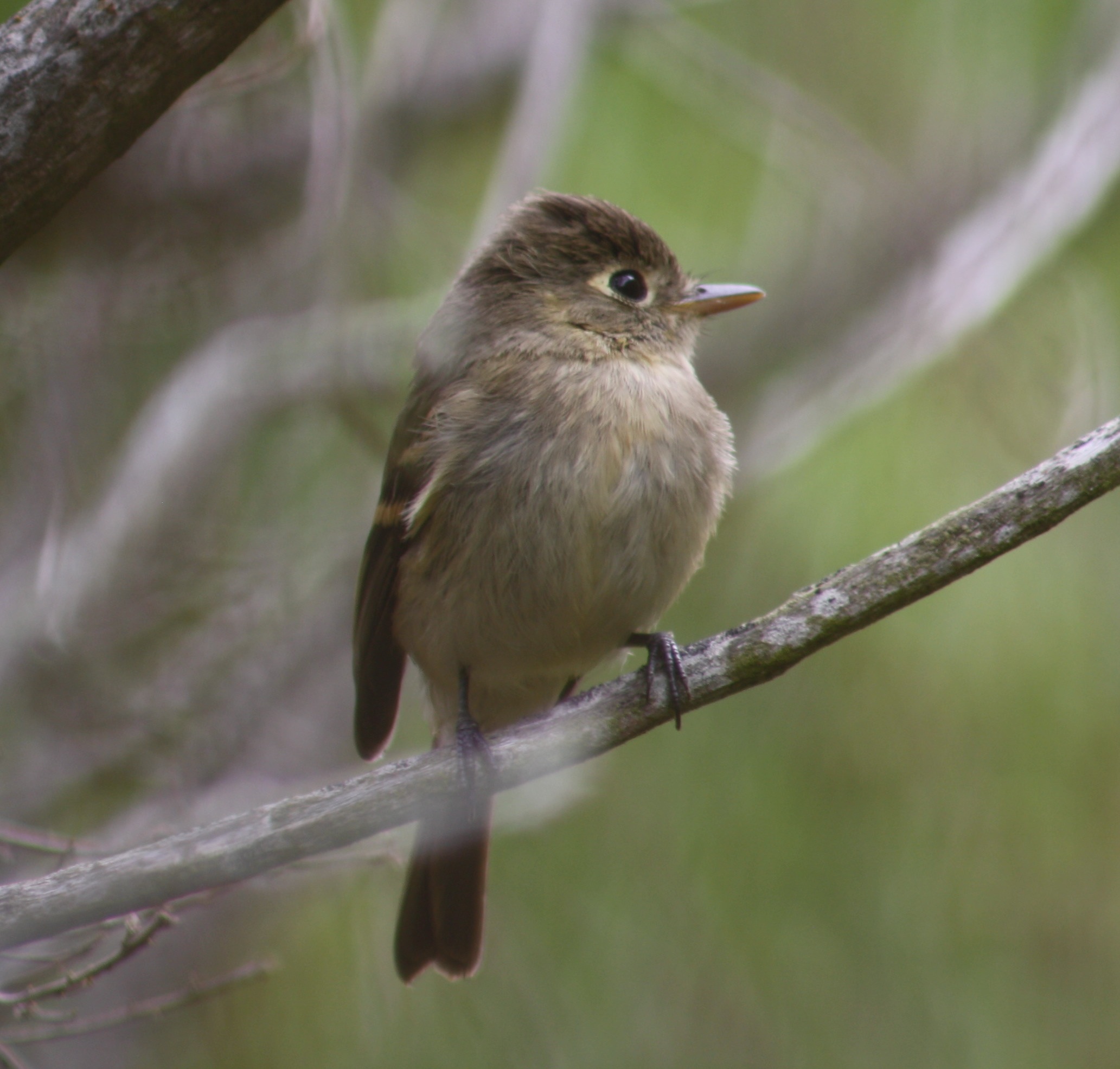
Palos Verdes, CA
Palos Verdes, CA

Fort De Soto, FL
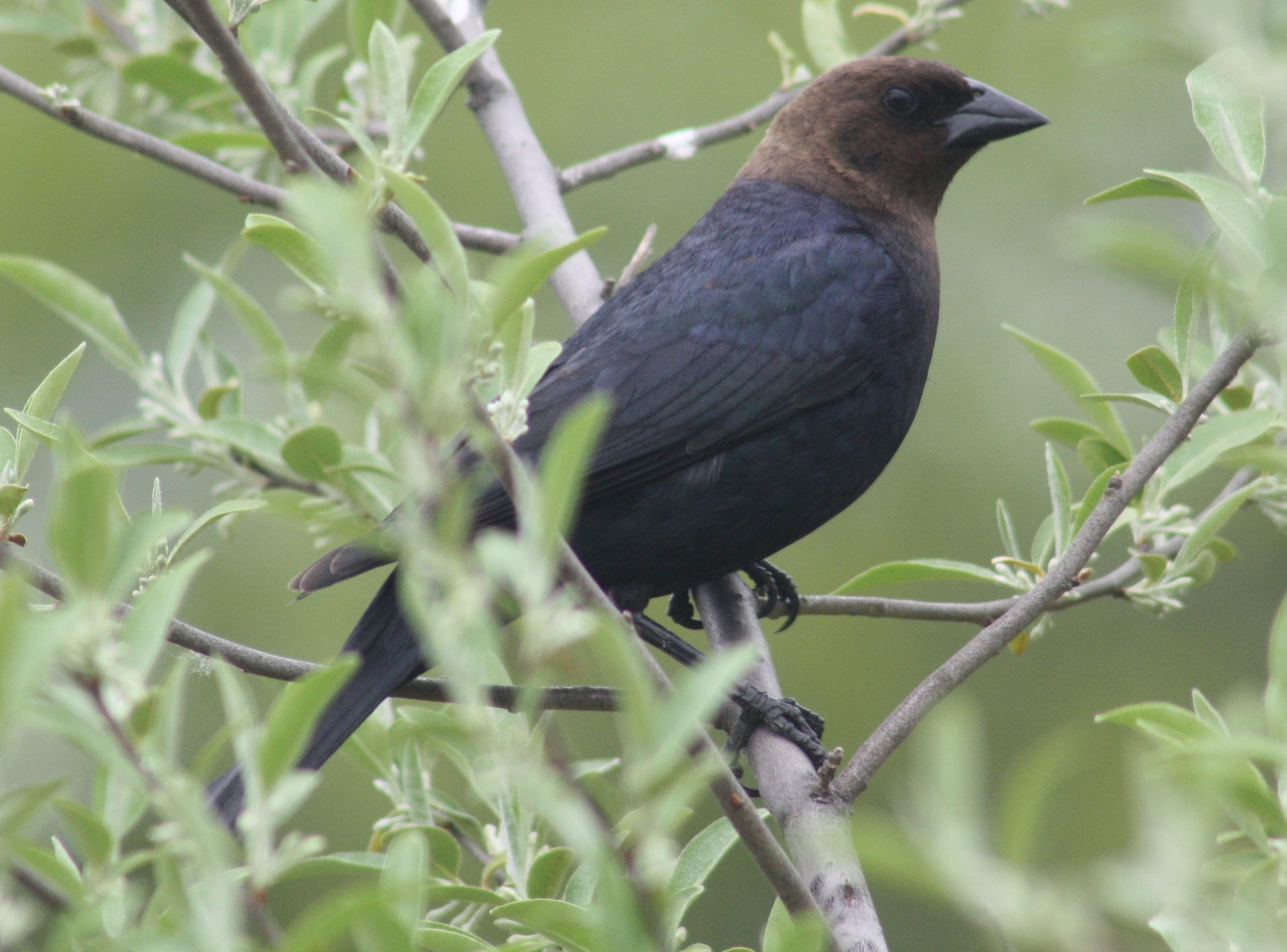
Basking Ridge, NJ

Bentsen State Park, TX

Sligo Grasslands, PA
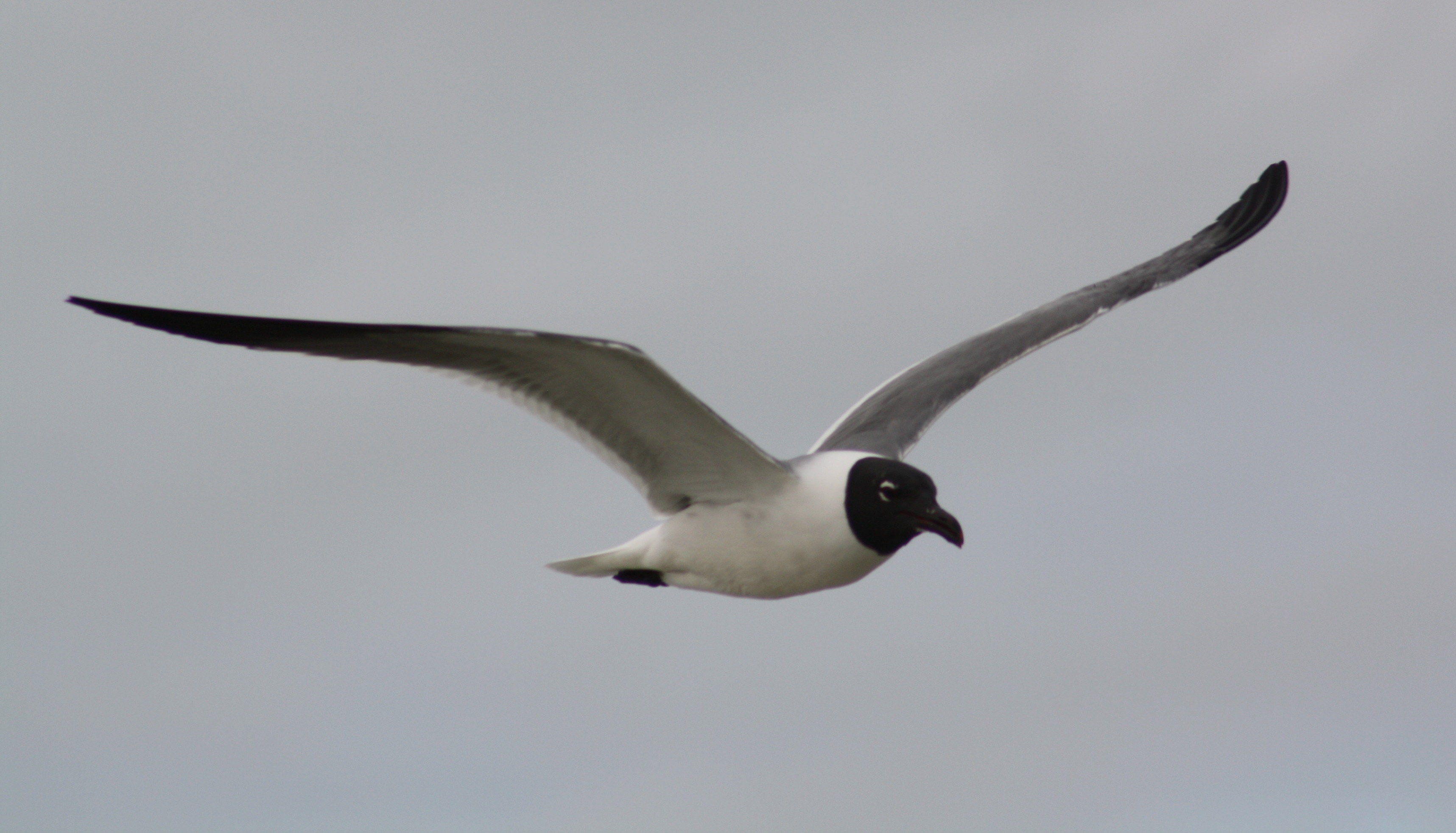
Port Aransas, TX

Bernardsville, NJ
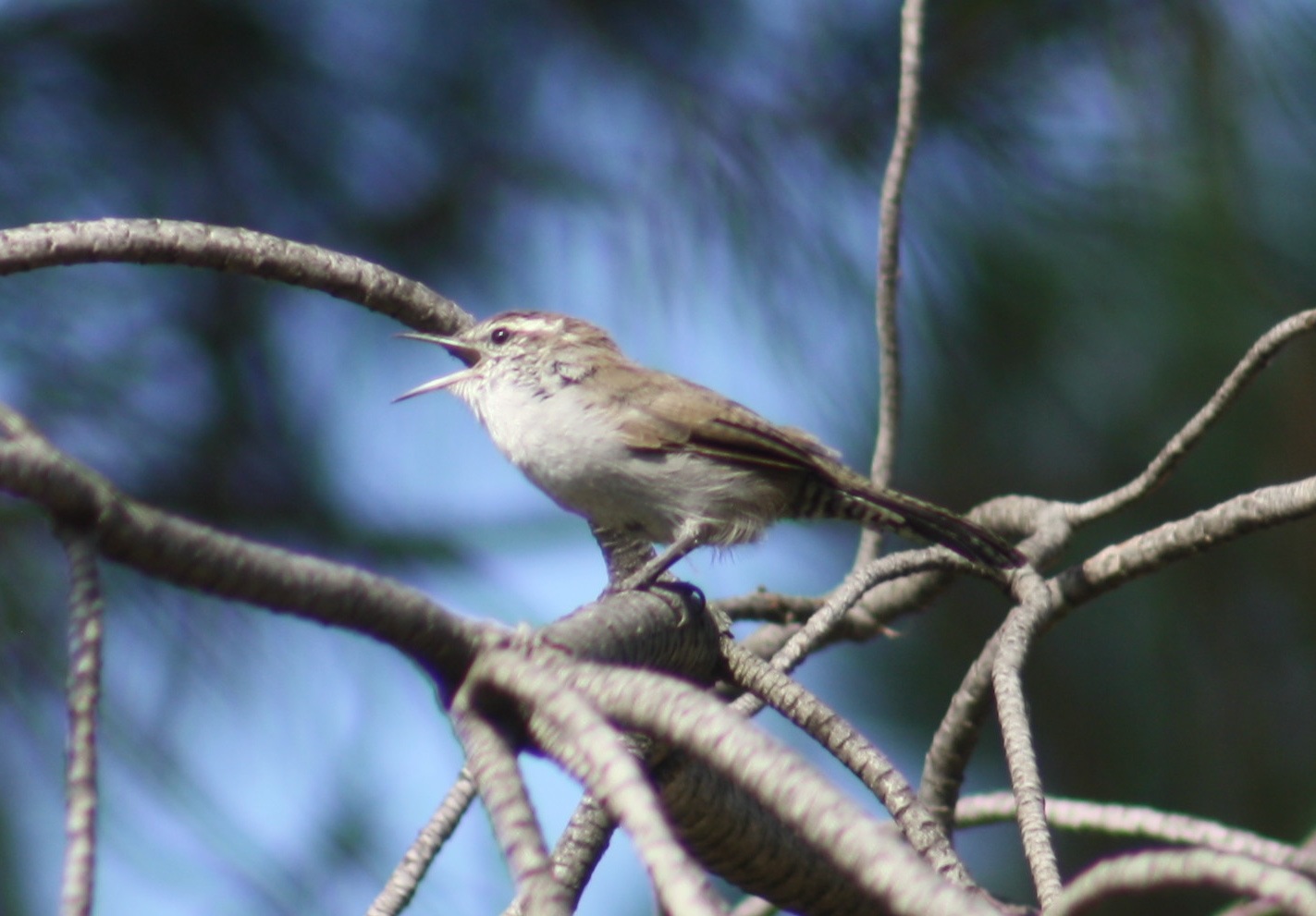
Palos Verdes, CA
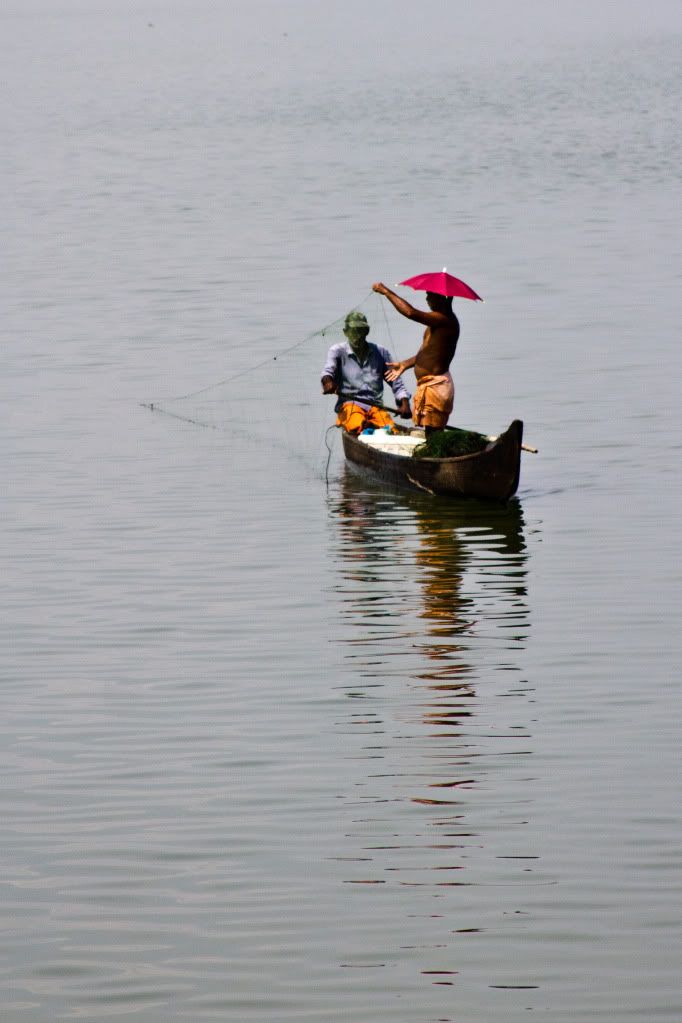
A morning on Kerala’s Backwaters. Although in the general sense you know what to expect in terms of how the day will play out, you are guaranteed to see some strange and possibly surreal things between breakfast and lunch. More if you rise before the sun comes up. This is purely out of self-preservation – during the heat of the day, any significant physical activity ends up being exhausting, and the locals know best. That said, it’s worth being up early to catch a number of interesting photographs that you would have been unable to were you sleeping. To the left are two fishermen – one rowing slowly while the other (suitably attired for protection from the sun) checks nettings for a catch. This was my first time seeing fishermen wearing umbrella hats, but I see workers in the paddy fields with them often. Despite this fact, I haven’t photographed them due to poor lighting conditions and a significant distance between us every time. Continue reading
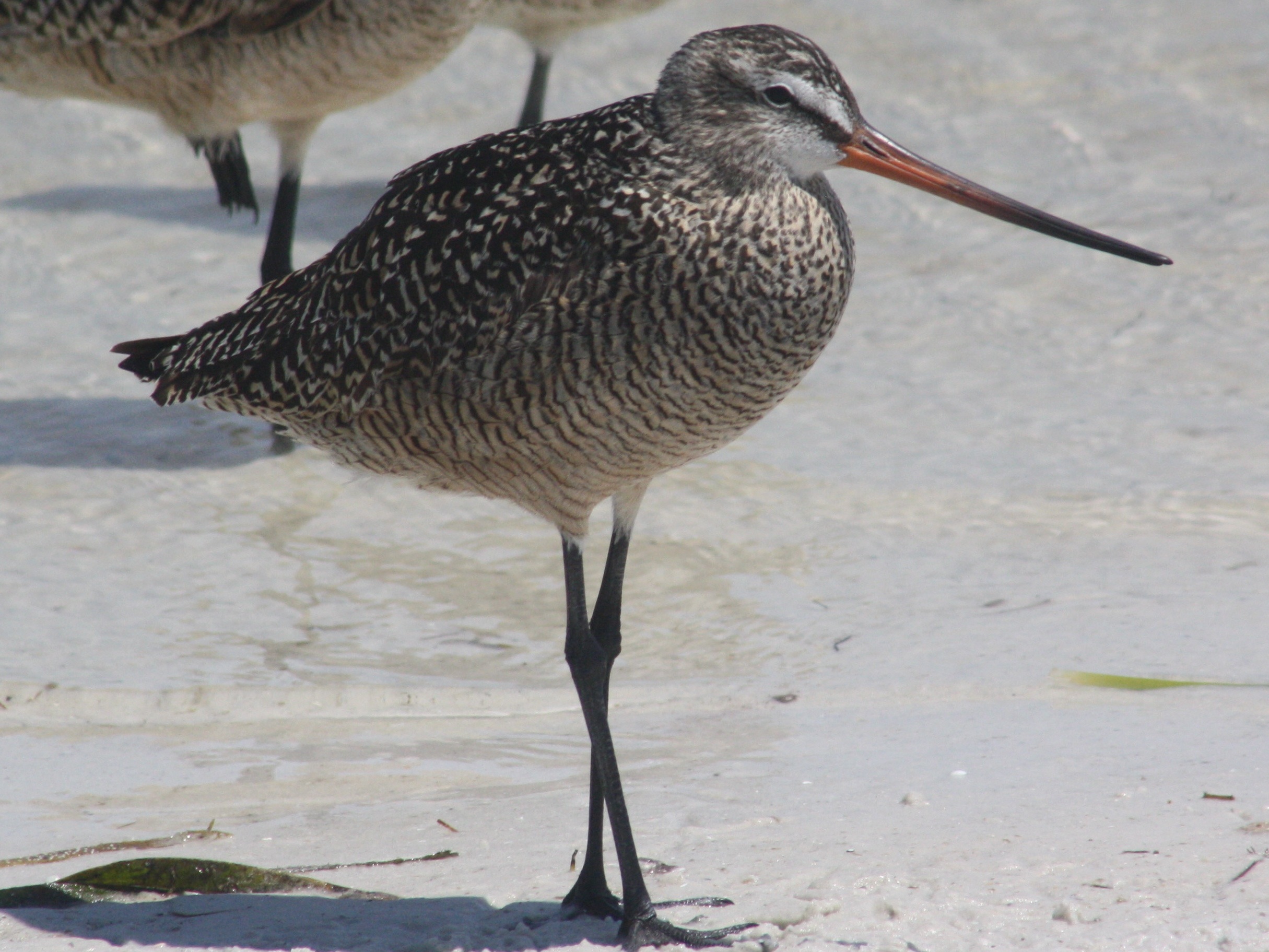
Fort De Soto, FL

Bernardsville, NJ
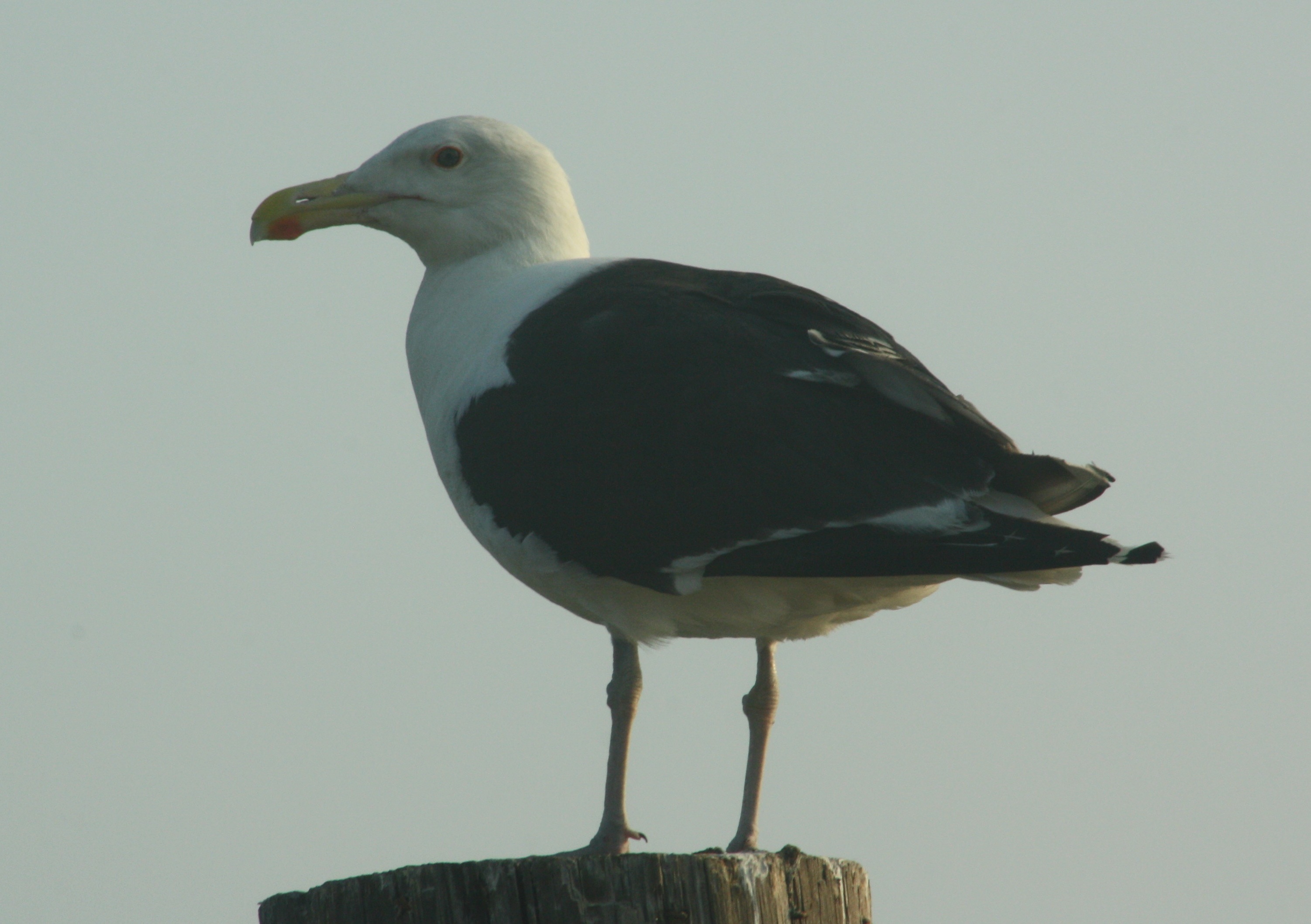
Edwin B. Forsythe NWR, NJ
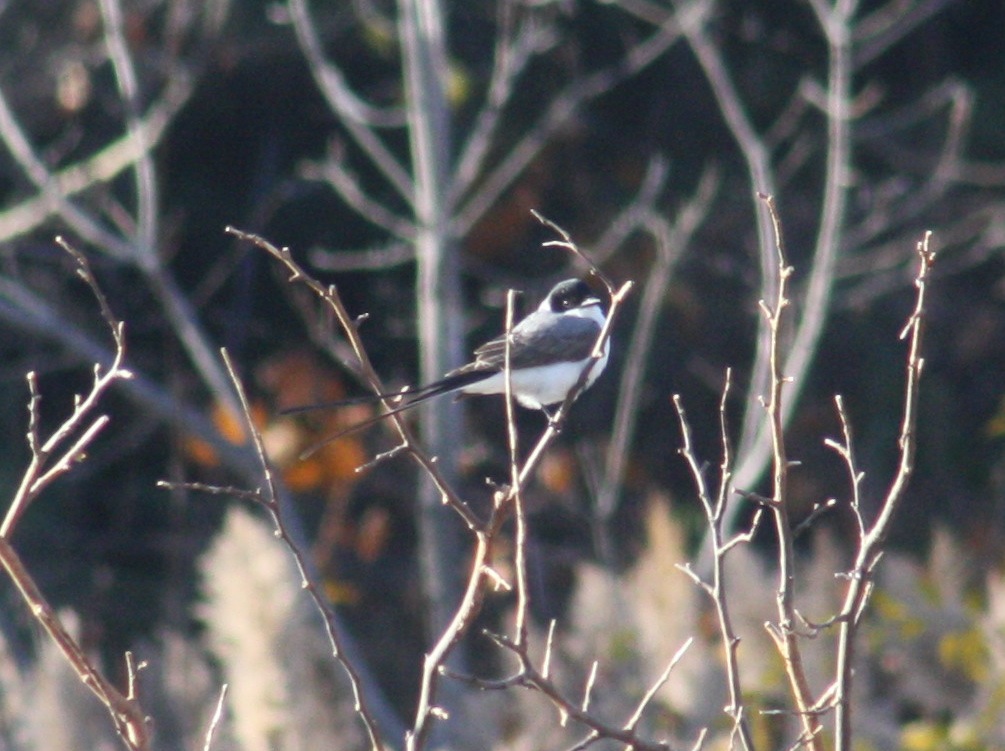
Stamford, CT

Point Pelee, Ontario
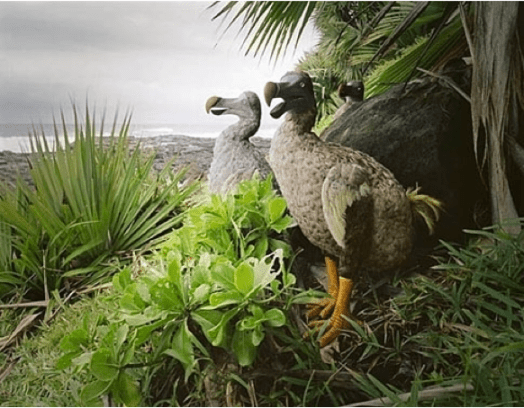
Photo by Harri Kallio
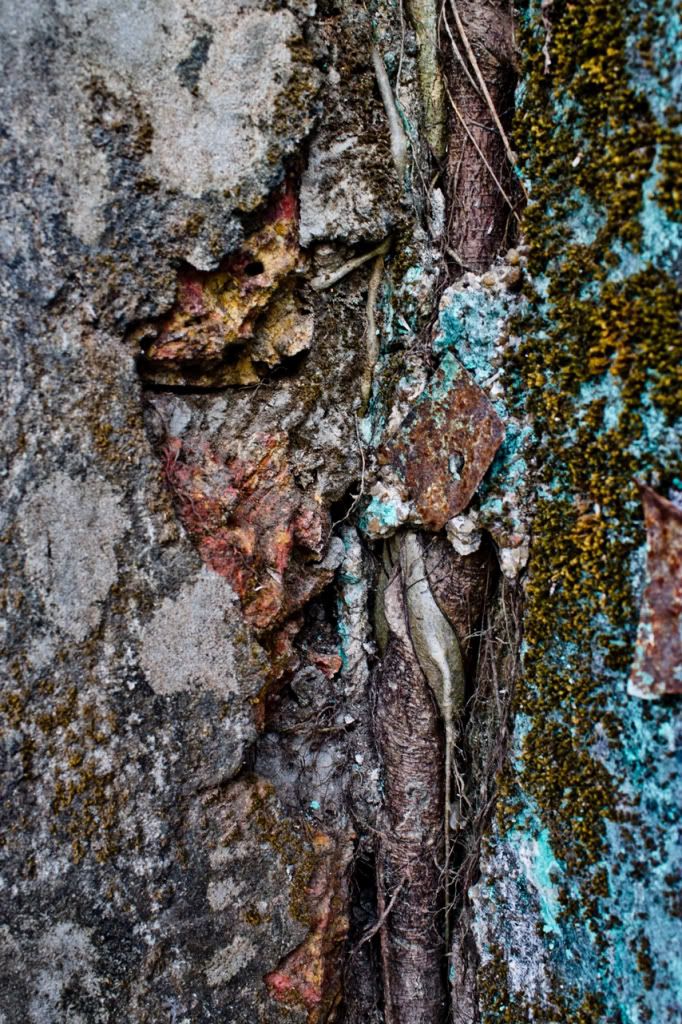
I’ve portrayed urban decay in an artistic light once or twice before – and since then, Kochi has had nothing but time to become more pitted and scarred (in a pleasant and non-violent way). The same walls I’ve walked past a dozen times seem to have sprouted roots – literally. Continue reading
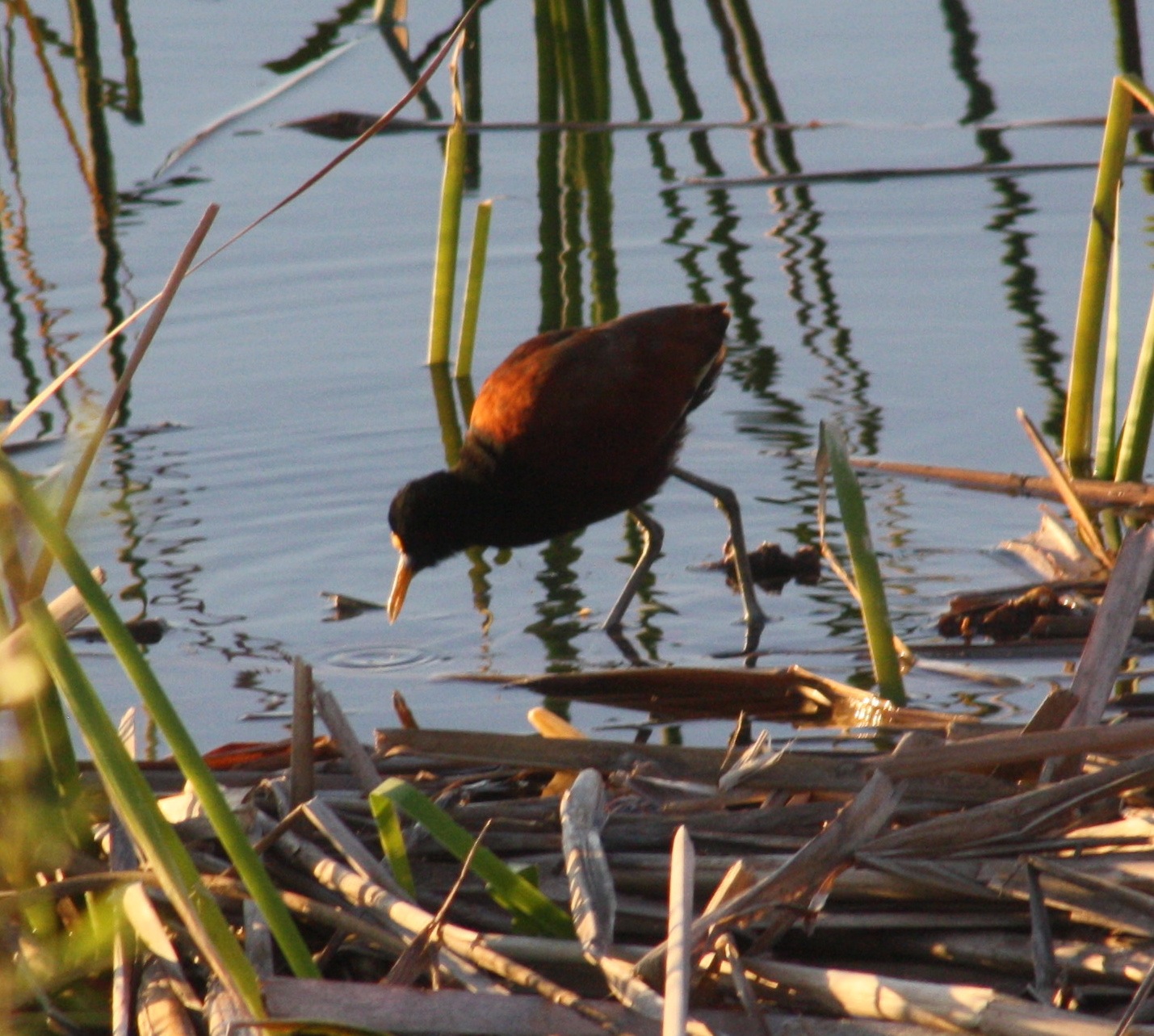
Choke Canyon, TX

Photo: Mr.Steve, Cardamom County Guest from UK
Thekkady, Kerala
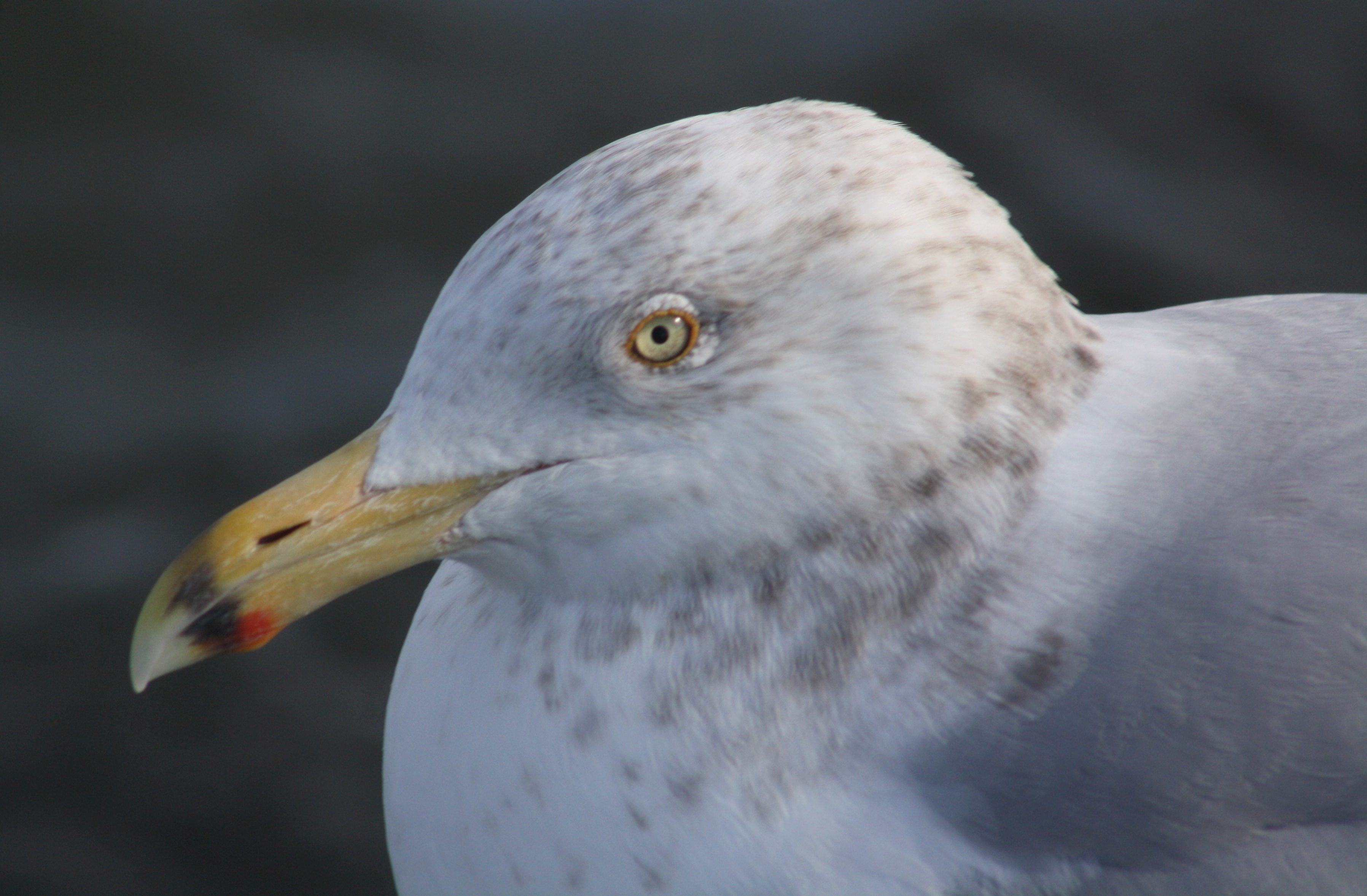
Barnegat Bay, NJ

“We have fallen heirs to the most glorious heritage a people ever received, and each one must do his part if we wish to show that the nation is worthy of its good fortune.” –Theodore Roosevelt
We have commented elsewhere on the counterintuitive observation that hunters and fishermen are sometimes, perhaps even often, the best conservationists. (See Seth Inman’s posts from last autumn.) At least in the “North American Wildlife Conservation Model” established in the early 20th century it can be understood that way. Some environmentalists would call the slope between the two concepts a “slippery” one.
Theodore Roosevelt, the 26th President of the United States was a very public example of this. Approximately 230,000,000 acres of wilderness, including deserts, mountains, wetlands and forests were placed into the public trust under his presidency. I wrote about his importance to the early conservation movement in the U.S. in a post called The Natural. At the time I wrote that post I purposefully avoided using the archival photographs that portrayed Roosevelt’s long history of hunting, assuming it wouldn’t fit with our Conservation point of view. Continue reading

