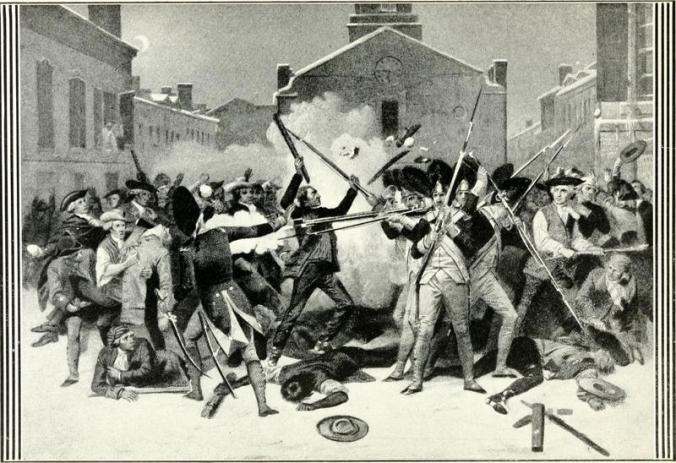
Jill Lepore is a New Yorker staff writer and a historian at Harvard University. She tells David Remnick that her new book is the result of a dare: to tell—or even to understand—the story of this country, from the Age of Discovery through the present day, in one volume. In “These Truths,” Lepore surveys six-hundred-odd years of American history, paying particular attention to themes of immigration, suffrage, and how the media has shaped our democracy. Above all, Lepore grapples with whether the United States has lived up to the promises of its founding. She finds an America alternately fearful of change and fearful of stagnation, trapped between idealizing the past and hoping for a better future. The journey toward progress, Leporesays, is less a march than a stumble.
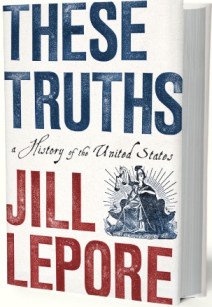
I have listened to several interviews that Jill Lepore has given during her promotional tour of her new book, such as the one above (click the top image to go to the source). Today I listened to this one, and it has convinced me that this is one of the books I should take the time to read to put the country of my birth, and the country that many people regardless of birthplace are currently confused by, back in some kind of perspective.
We mostly avoid political commentary on this platform but it is impossible to pretend that the USA or Brazil, or the world as a whole are moving forward or in a good direction. My point of view on the state of governance is mainly one of surprise and confusion–how did we get so reactionary so quickly, and where will that lead us?
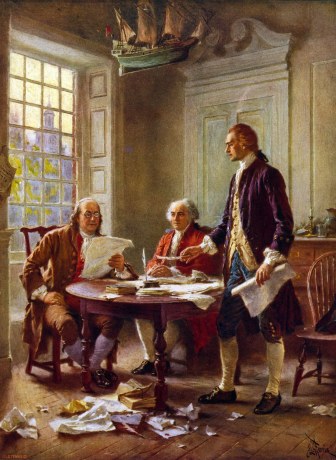
Photograph from Universal History Archive / UIG / Getty
I had already listened to this short discussion of the ideas in this book several months ago. It was interesting but had almost zero impact. On the best of days recently I tell myself that if such a shocking mess is possible, then it should also be possible to imagine and move toward a radically superior future. And that always feels Panglossian. But with a few hundred years of history in mind, Jill Lepore gets me thinking that maybe I can see these times for what they are–not good, nor headed anywhere good–but also see that the cycles of history have had us in at least equally trying times, many times in the past. Ezra Klein has one of the best podcasts out there, and this episode proves it to me:
Jill Lepore is a Harvard historian, a New Yorker contributor, and the author of These Truths, a dazzling one-volume synthesis of American history. She’s the kind of history teacher everyone wishes they’d had, able to effortlessly connect the events and themes of American history to make sense of our past and clarify our present.
“The American Revolution did not begin in 1775 and it didn’t end when the war was over,” Lepore writes. This is a conversation about those revolutions. But more than that, it’s a conversation about who we are as a country, and how that self-definition is always contested and constantly in flux. Continue reading
 Yesterday’s
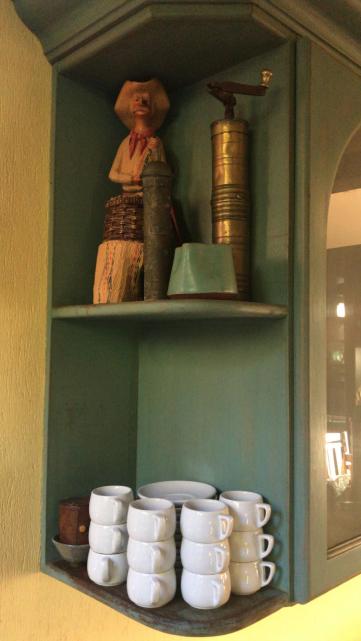 In the 2+ decades since that analysis, times have been difficult for the artisans of Costa Rica even as the tourism sector as a whole has grown dramatically. It is enough to say that something must be done in Costa Rica to valorize the artisans who have been able to hang on, and to likewise showcase the remarkable renaissance of artesania in this amazing country. The campesino in the photo to the right is from an artisan who carves coffee wood, with coffee farmers his primary subject. We received that carving as a gift in 1998 and we recently met the artisan who made it. He has managed to hang on.
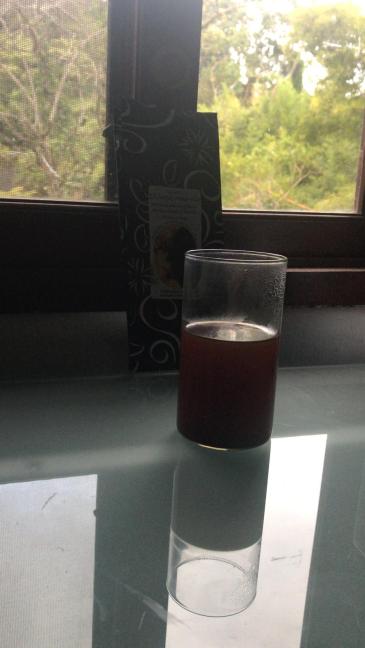
 The new morning, the first of the new year, started just like any other. Coffee. But a
  It is organic, washed (as opposed to natural process, or anaerobic or other new fangled methods) and medium-roasted. I use a nondescript filter brew machine, and I grind the beans slightly on the coarse side. Maybe I just woke up ready to enjoy the new year, but this tastes like one of the best new coffees I have sampled in the past 12 months. I have lost track of the count, but I have tasted several dozen varietals. This one stands out, perfect for my palate. The fact that it is organic, selected and roasted by friends for their own cafe, makes me think that we will have more of it before too long.
 When I see the name Peter Matthiessen the first thing I think of is a recording of his voice on my telephone ten years ago. I knew he would be passing nearby and had invited him to see
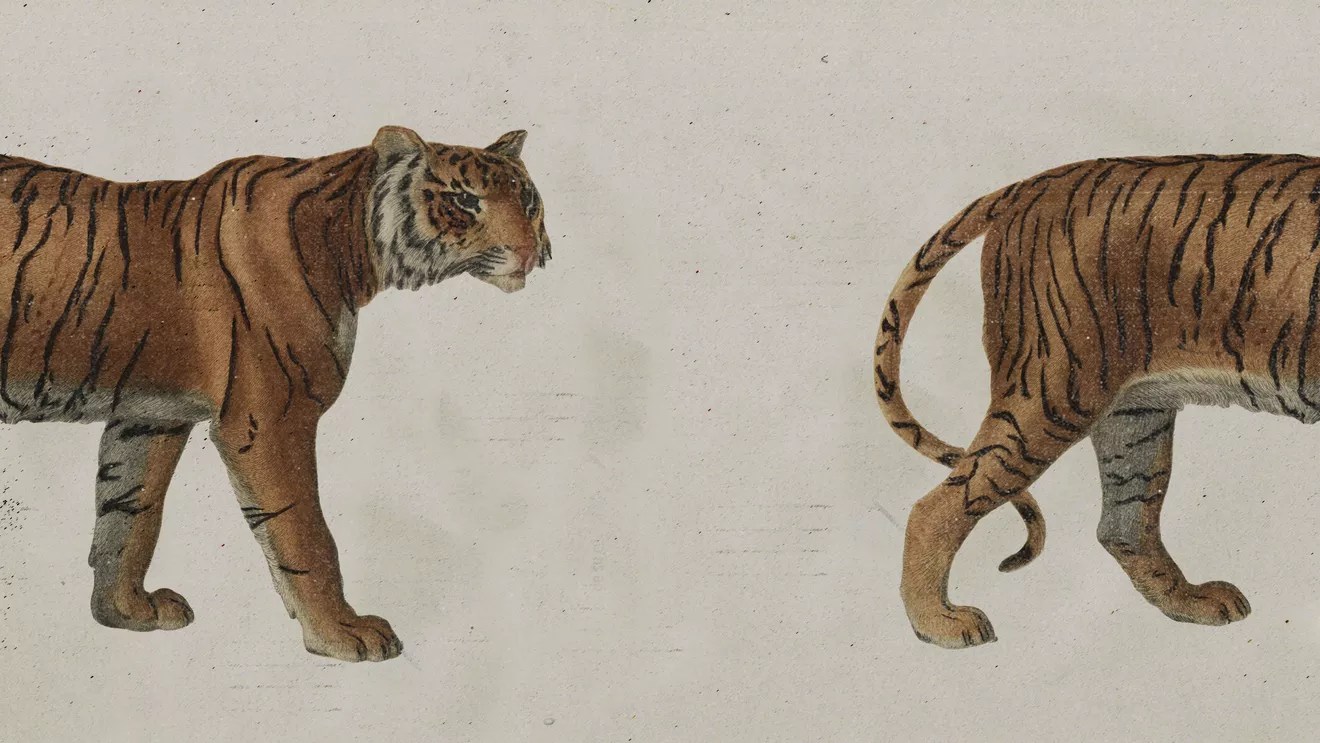

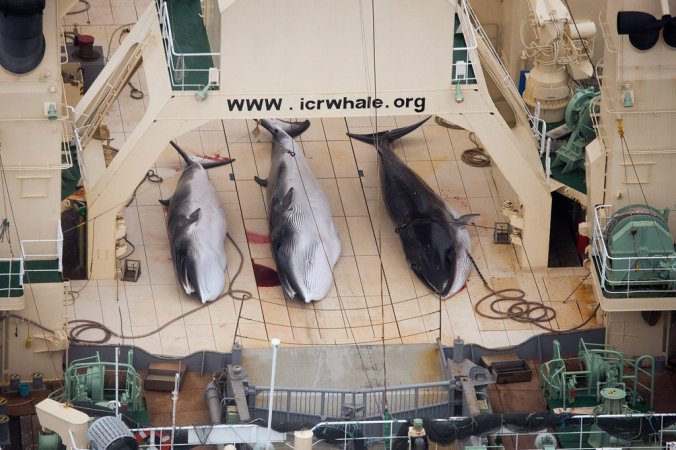
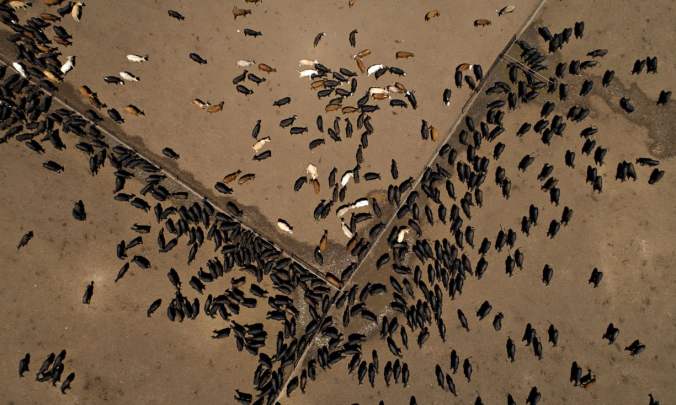

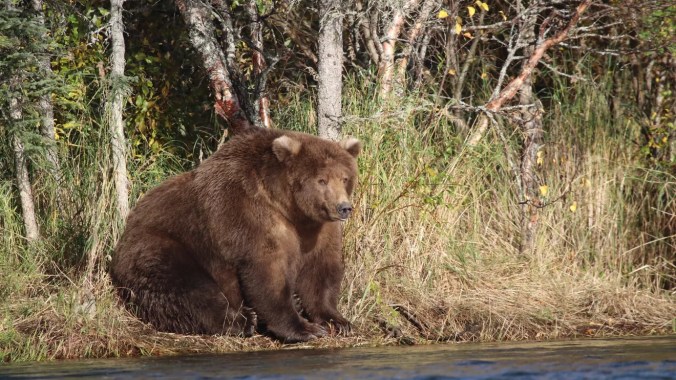
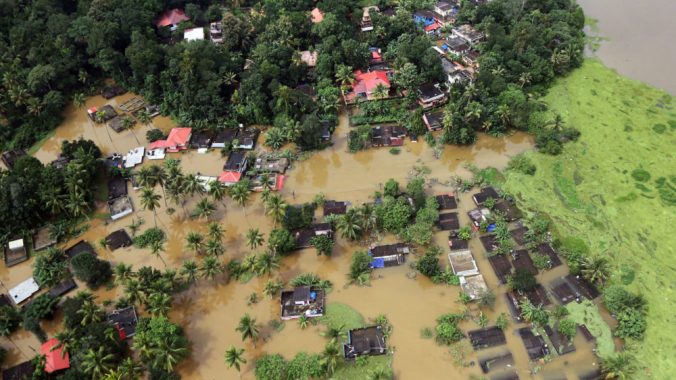










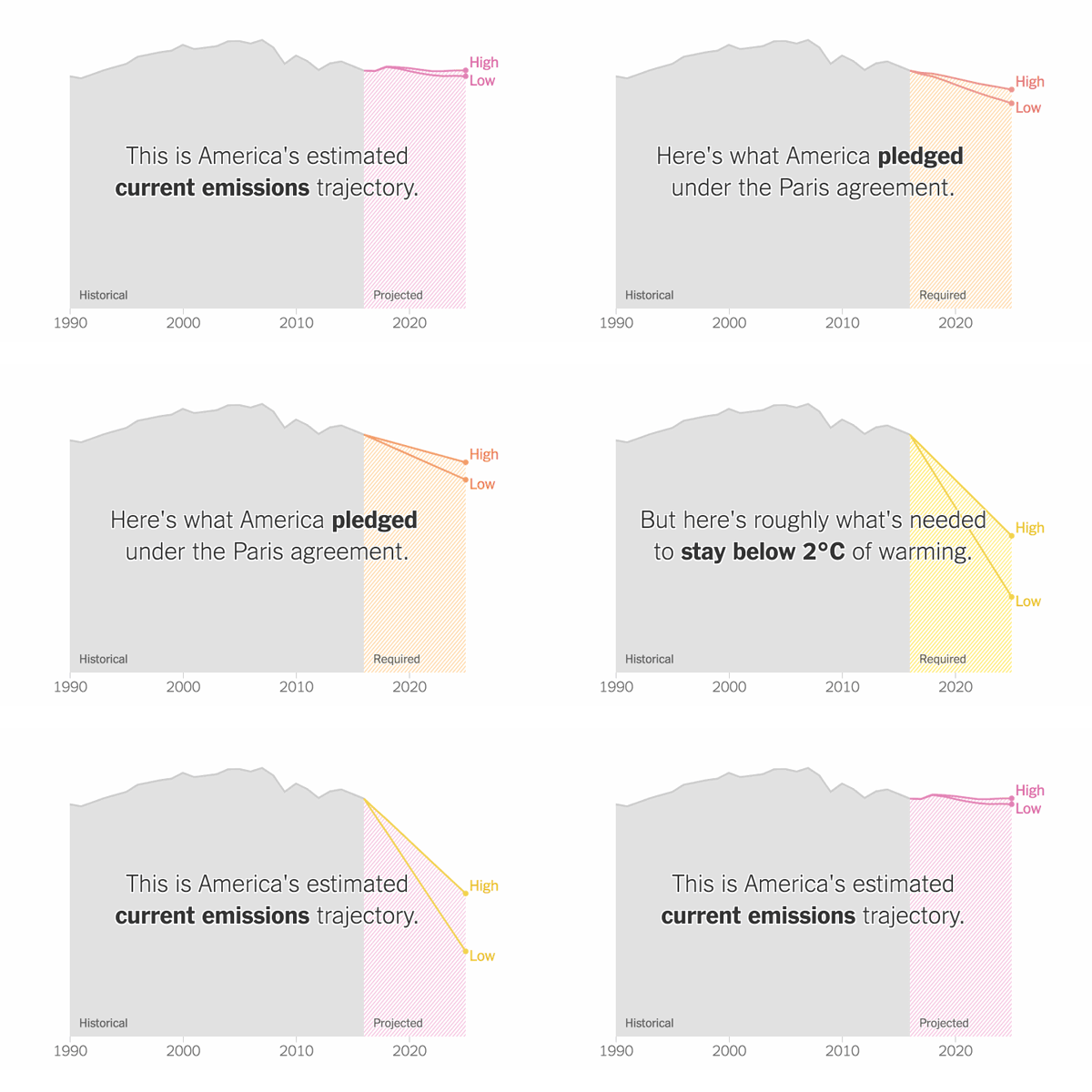
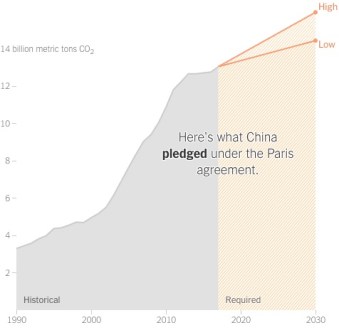 Three years after nearly 200 countries signed a landmark climate agreement in Paris, they are still far off-track from preventing severe global warming in the decades ahead. This month,
 Organikos