Science Writing, A Genre That Keeps Improving, Is The Best Way To Explain A Conservation Paradox

1920 (2).jpg

Eric Nyquist

Two years of working in southern Chile taught me just enough about the complexity of this particular issue (among the many complex issues in our practice)to appreciate the article below by Emma Marris, who we already knew to be provocative, enough that she could challenge Bill McKibben two minutes into her TED talk, and does so convincingly. The primary reason I appreciate this article, is the same reason this platform has showcased the best of this genre of writers over the years. Scientists, translated into regular language we non-scientists can understand:

When Conservationists Kill Lots (and Lots) of Animals

Invasive species are sometimes trapped, poisoned, and shot in large numbers to save native species from extinction. Some scientists say the bloodshed isn’t worth it.

dcafc084c

Eric Nyquist

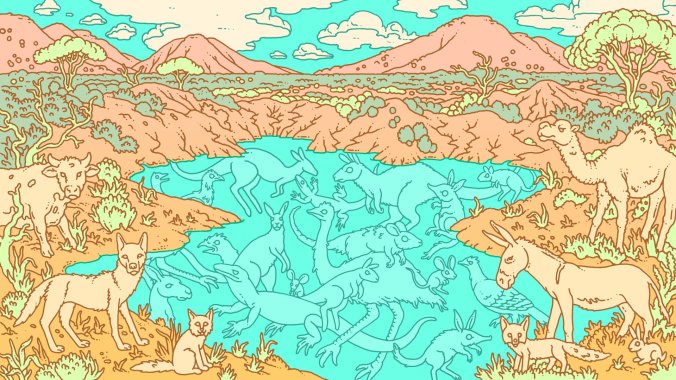
The desert of south-central Australia is crenellated with sandstone hills in shades of ivory, crimson, and apricot. The ground is littered with dead trees and tree limbs, big hunks of transparent mica, dried cow dung, and thousands of stone spearheads and blades made by the Aboriginal people who lived here for tens of thousands of years—and live here still. Around the few water holes are the doglike tracks of dingoes, wild canines that were brought to Australia thousands of years ago and are now the country’s top predators.

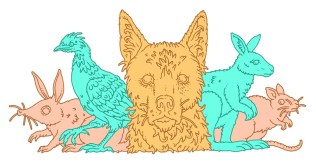
I have come to the Evelyn Downs ranch, on the famously remote highway between Adelaide and Alice Springs, to meet Arian Wallach, a conservationist who thinks there is too much killing in conservation. Wallach has come to this massive 888-square-mile ranch because it is one of the few places in Australia where people aren’t actively killing wild animals. Tough, outback Herefords share the landscape with kangaroos, wild horses, wild donkeys, camels, emus, cats, foxes, native rodents, dingoes, and very large antediluvian-looking reptiles called perenties. Of the animals on this list, dingoes, cats, foxes, horses, camels, and donkeys are all killed in large numbers throughout Australia—but not here. Wallach has convinced the owners to experiment with a more hands-off approach. Continue reading
Saving Species With SavingSpecies

Colombia.jpg

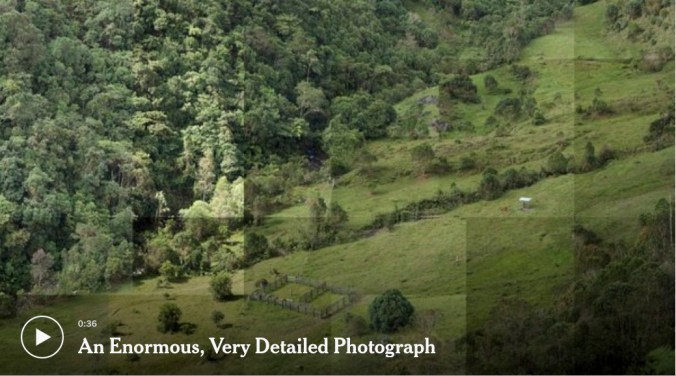
GigaPan technology, developed for NASA’s Mars mission, combines dozens of digital images to create high resolution panoramas.Credit Image by Stuart Pimm

saving-species-logo-long-small-1.pngThanks to Kathryn McManus for bringing SavingSpecies to our attention through this excellent review of their work based on the experience that she and her daughter had with its founder, Dr. Pimm:

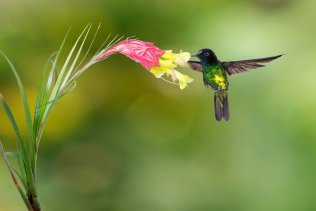
Saving Hummingbirds Is One Small Step in Saving the Planet

High in the Andes Mountains in Colombia, a reforestation project led by SavingSpecies works to protect one of the world’s most renowned bio hot spots.

merlin_143901342_d0359165-6129-404f-855b-d2d4fb6614dc-superJumboWESTERN ANDES CLOUD FOREST, Colombia — Just before sunrise on a crisp summer morning high in a rain forest in Colombia’s Western Andes, the renowned ecologist Stuart Pimm gathered his research team over breakfast and made final plans for that morning’s journey to install motion-sensor cameras to monitor hummingbirds.

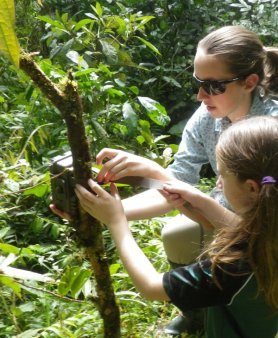
24forests-inyt3-articleLarge.jpgIn just a few hours, the installations would be done by Andrea Kolarova, 20, who was here with other students from Duke University, where Dr. Pimm holds the Doris Duke Chair of Conservation. She was getting some advice from him and from Luis Mazariegos, founder of the Hummingbird Conservancy of Colombia.

24forests-inyt9-articleLarge

Andrea Kolarova, a student from Duke, sets up a camera with help from Alexandra McManus, 11. Michael LaPorte

My daughter, Alexandra, 11, a student at Saxe Middle School in New Canaan, Conn., had also been invited to participate in the Colombia project, which is how I found myself for two weeks this summer living in a cabin in this remote mountainous territory. Although not far from the town of Jardin, which is about two and a half hours from Medellin, it takes a slightly harrowing hourlong ride in an ATV along a dirt switchback road to get here.

Ms. Kolarova’s hummingbird research will be used by Dr. Pimm’s organization, SavingSpecies, which he founded in 2007 to combat global warming using money he was awarded as a recipient of the Heineken Prize for Environmental Sciences a year earlier. SavingSpecies works with local organizations around the world to buy land with the goal of restoring forests that have been destroyed, often because of logging, agricultural expansion, mining and oil extraction, and protecting the species that are under threat as a result.

Colombia2.jpg

The ecologist Stuart Pimm describes the dangers of deforestation as a warming climate drives species like hummingbirds to move to higher land.Credit Image by Duke University

Continue reading

Protecting Nature & Defying The Odds

23akagera2-jumbo-v2.jpg

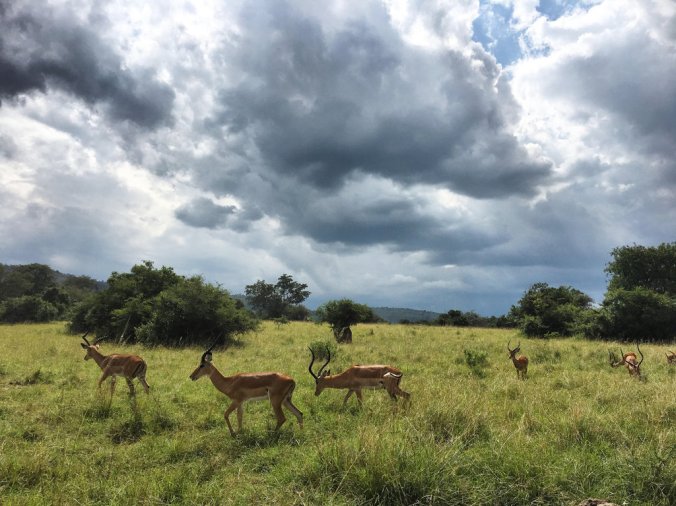
On a game drive in Akagera. Shannon Sims

Thanks to Shannon Sims for this story of a refuge defying the odds:

A Rwandan Game Park Defying the Odds

Despite modest tourism numbers, Akagera National Park is a success story in the making, particularly considering that, like its host country, it survived catastrophe.

23akagera-jumbo-v2

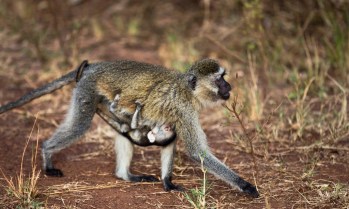
A velvet monkey and her baby in Akagera National Park. The Rwandan park is a success story, despite modest tourism numbers. Credit Ben Curtis/Associated Press

The road through Akagera National Park in eastern Rwanda was blocked. Two giraffes had positioned themselves smack in the middle of the dirt road and were rubbing their necks together. In the car, with a driver and a guide, my cell service was long gone; there was nothing to do but sit back, relax and enjoy the show.

Right around this time of year, to the east of Rwanda’s borders, in Tanzania and Kenya, big packs of tourists are stumbling over each other to get the perfect photo of a scene like this. They’re driving through protected areas like Serengeti National Park and the Maasai Mara National Reserve in caravans of Land Rovers, each packed so tightly that peoples’ binocular straps get tangled up. It makes sense: the animal migrations that occur in this part of the world these months are rightly considered by many to be the greatest natural show on earth. Continue reading
Roots Of Biodiversity

052918_antonelli_0090.jpg

Alexandre Antonelli references the International Plant Names Index to identify specimens.
Rose Lincoln/Harvard Staff Photographer

Our practice was born in Costa Rica, so we sometimes may appear partisan when it comes to celebrating the sciences related to biodiversity. Costa Rica has impressive credentials in that realm, especially relative to its size as a country. But we are very clear on the fact that it would take dozens of Costa Rica-sized biodiversity hotspots to match the scale of the Amazon region, and it is no surprise that studies like those of these scholars are carried out with Amazonian data:

The Amazon as engine of diverse life

052918_antonelli_0233.jpg

“Most evolutionary research focuses on how new species form. But we want to understand how whole ecosystems evolve,” said Alexandre Antonelli.
 Rose Lincoln/Harvard Staff Photographer

A recent study says that many of the plants and animals that call Latin America home may have had their roots in the Amazon region.

The study, co-authored by Harvard Visiting Scholar Alexandre Antonelli and an international team of researchers, says that a dynamic process of colonization and speciation led to the formation of the American tropics, which is the most species-rich region on the planet. The study is described in a paper published in the Proceedings of the National Academy of Sciences.

“We were astonished to detect so much movement across such different environments and over such large distances,” said Antonelli, the study’s lead author. “Up until now, these natural dispersal events were assumed to be quite rare. Our results show how crucial these events have been in the formation of tropical America’s unique and outstandingly rich biodiversity.” Continue reading

Waterways, Persons & Rights

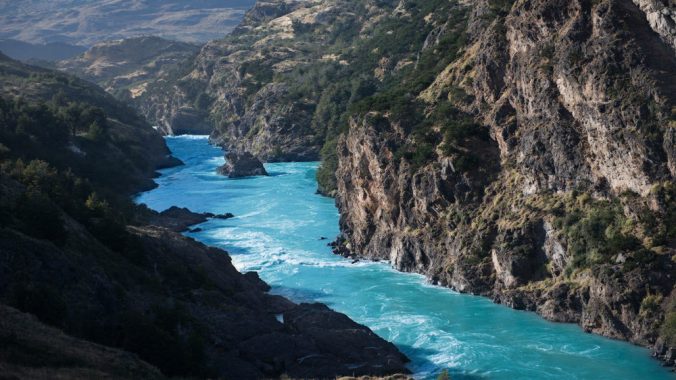
BakerRiver_Chile_Louis-Vest-Flickr_web.jpg

The free-flowing Baker River in Chile’s Patagonia region. Permits for a major hydroelectric project on the waterway were revoked in 2014 amid protests. LOUIS VEST/FLICKR

Dams in Patagonia are the gift that keep on giving, in terms of awakening activism and forcing raised awareness of the value of waterways. I first mentioned my experience in Chile here. I came back to the idea a few more times. Thanks to Jens Benohr and Patrick Lynch for this reminder, and for letting us all know where this seems headed from a legal point of view:

Should Rivers Have Rights? A Growing Movement Says It’s About Time

Inspired by indigenous views of nature, a movement to grant a form of legal “personhood” to rivers is gaining some ground — a key step, advocates say, in reversing centuries of damage inflicted upon the world’s waterways.

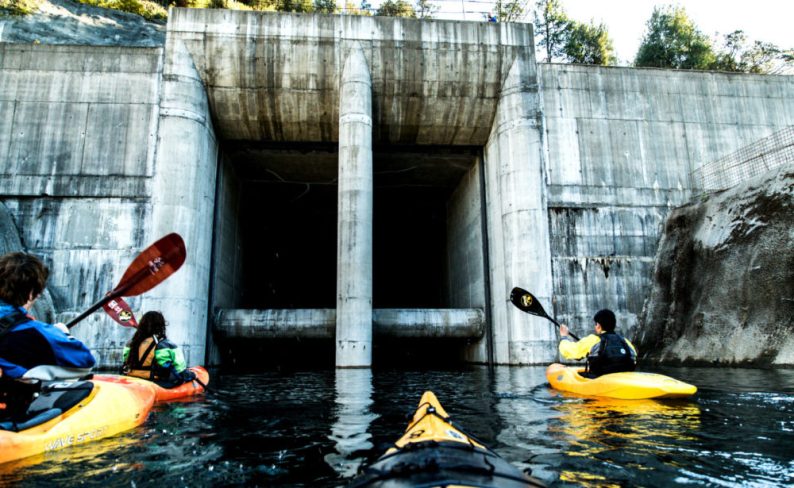
San-Pedro-Dam_Carlos-Lastra_web.jpg

A Chilean energy company is seeking permits to restart the building of an unfinished dam along the San Pedro River. CARLOS LASTRA

Chile is a land of rivers. Along its narrow 3,000-mile length, thousands of rivers and wetlands bring freshwater and nutrients down from the Andes Mountains to the Pacific Ocean. Together, these river systems drain 101 major watersheds that support both terrestrial and marine ecosystems, ranging from arid lands in the north to blue whale nurseries off of Patagonia in the south.

Chile’s second-longest river, the 240-mile Biobío, once tumbled fast and wild through deep gorges and spectacular scenery on its way from the Andes to the sea. The Biobío was one of the world’s great whitewater rafting venues — until the 1990s, when the first of three large hydroelectric dams was built across the river. Over the past two decades, the Biobío dams have flooded more than 13,000 acres, displaced hundreds of families of the indigenous Mapuche people, turned long stretches of this once-unruly river into placid reservoirs, and caused abrupt fluctuations in water levels that have wrecked nesting habitat for native birds and disrupted the river’s natural rhythms. Continue reading
World Elephant Day

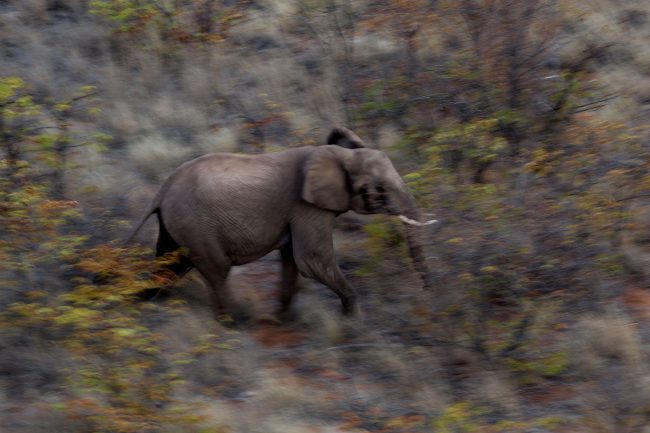
23 July 2018. Elephant Relocation from Venetia Limpopo Nature Reserve (South Africa) to Zinave Reserve (Mozambique). Picture: JAMES OATWAY

Our fascination with elephants is evident throughout the history of this site, and are heartened by actions taken toward increased conservation of these magnificent animals. Relocating large African mammals to new protected areas due to either habitat loss or overpopulation has successfully been done before, but the challenges continue.

Giants on the Move

Written by Patricia Sims, Co-Founder, World Elephant Day

Each year for World Elephant Day we put a lot of our elephant conservation attention toward the ivory poaching crisis threatening African elephants, and the tourism and captivity issues that the endangered Asian elephants face. Yet the larger conservation challenge of habitat loss for both African and Asian elephants is looming. Our increasing encroachment on elephant habitat throughout Africa and Asia is putting elephants at greater risk, resulting in human-elephant conflict issues, and the demise of elephant populations and the ecosystems that they, as a keystone species, maintain.

So what are the solutions? Can moving elephants – from one location where there isn’t enough space for them – to another location where there aren’t enough elephants, help solve this issue? At the heart of this critical elephant conservation conundrum is a partnership between the De Beers Group – the world’s leading diamond company – and Peace Parks Foundation, a leading not-for-profit organization focused on the preservation of large cross-border ecosystems. They have just completed the first phase of the largest and longest translocation of elephants ever recorded in South Africa. This translocation project is called “Moving Giants.

Continue reading
Big Cat News From India

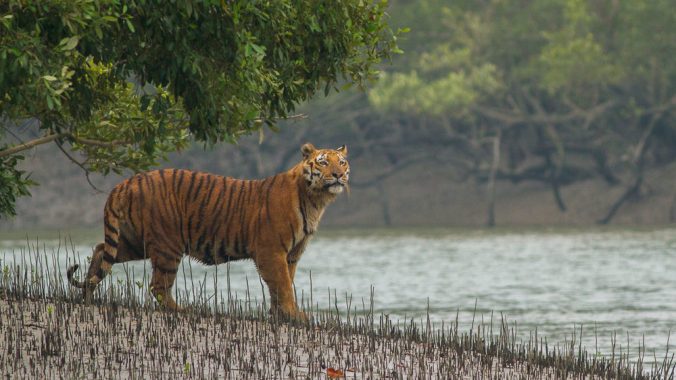
Sundarban_Tiger_SoumyajitNandy_Wikimedia_web.jpg

A tiger in the Sundarbans National Park, a protected tiger reserve, in the Indian state of West Bengal. SOUMYAJIT NANDY / WIKIMEDIA COMMONS

Richard Conniff, one of the science writers we most depend on for useful conservation news, shares this interview with one of our heroes from India’s big cat conservation network:

Big Cat Comeback: How India Is Restoring Its Tiger Population

Dr.-Ullas-Karanth_WCS_web.jpg

Ullas Karanth

Ullas Karanth has spent a half-century working to protect India’s endangered tigers. In an interview with Yale e360, he argues that with smart planning and the cooperation of its rural residents, the country could support five times the number of tigers it has now.

Ullas Karanth, a senior scientist with the Wildlife Conservation Society, is one of the world’s premier tiger experts and a leader in the effort to restore India’s depleted tiger populations. Raised in the South India state of Karnataka, he has spent much of his professional life studying and working to bring back tigers there, starting in Nagarahole National Park in the foothills of the Western Ghats, and then across a 10,000-square-mile region of that mountain range.

Karanth’s emphasis on scientific methods has frequently brought him into conflict with India’s forest bureaucracy, particularly over its insistence on estimating tiger populations based on footprint counts. Karanth instead pioneered the use of camera traps for population estimates based on identification of individual tigers. That method belatedly became the national standard after a 2004 scandal, when Sariska Tiger Reserve, officially estimated to have 26 tigers, turned out to have none. Continue reading

Read About This Place, These People, Their Food

660708410.jpg

Thanks to Blake and Jen for all their awesome work. Also thanks to Sara Ventiera (a new food and travel writer for us to follow!) and her colleagues at National Public Radio (USA) for keeping us connected to such heroics:

Meet The Restaurateurs Fighting To Save The Grand Staircase-Escalante Monument

restaurant_custom-85b7446a9674f688f4281aff18efef2ba28904ee-s1400-c85.jpg

Hell’s Backbone Grill is located in Boulder, Utah, about 250 miles south of Salt Lake City. The restaurant’s owners are fighting Trump’s plans to slash the size of nearby Grand Staircase-Escalante National Monument by more than half. Ace Kvale

Standing between peach and cherry trees on her 6.5-acre Utah farm, Blake Spalding points to the Kaiparowits Plateau. The looming bluff is dotted with thousand-year-old pinyon pine and juniper trees.

“That is one of the areas they’re hoping to mine,” she tells a group of visiting chefs from Salt Lake City. “It’s full of dinosaur fossils and more than 650 documented species of wild bees.”

hells-542a80853d1900a1e76f2d1b4944854d744f9e94-s1400-c85.jpg

The remote and sustainable restaurant has become a destination for travelers seeking a taste of its terroir-driven fare. Ace Kvale

Nearly 20 years ago, Spalding and her business partner, Jen Castle, founded Hell’s Backbone Grill in Boulder, Utah, on the edge of the then-newly designated Grand Staircase-Escalante National Monument, about 250 miles south of Salt Lake City. The remote and sustainable restaurant has become a destination for culinary travelers seeking a taste of its terroir-driven fare. It’s an amalgam of Mormon pioneer, Western range cowboy and traditional Southwest flavors, like juniper lamb posole or grilled pork chops with Boulder crabapple barbecue sauce. Continue reading

Rewilding Croatia’s Velebit Mountains

0A2A4816-1.jpg

Davor Krmpotić
Team leader of Velebit Mountains

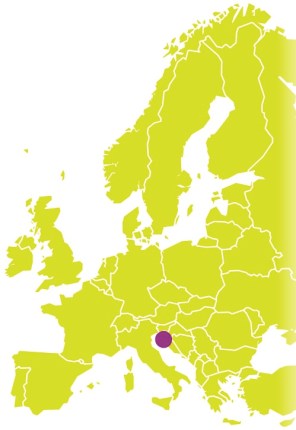
VelebitMap.jpgCroatia, playing in its first World Cup final today, makes this rewilding story from the Velebit Mountains, and interview with its team leader, timely:

This dramatic mountain chain, right on the Adriatic coast in Croatia, is one of the wildest areas of the whole Mediterranean. A region where wild nature is really coming back.

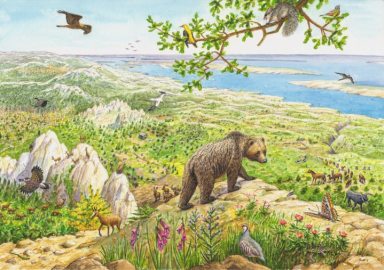
Velebit is one of the most important natural areas in the Balkans and situated on the Adriatic coast of Croatia. It hosts two national parks, a biosphere reserve and several wonderful old-growth forests, deep canyons, ancient open lands and exciting wildlife like Balkan chamois, red deer, brown bear, wolf and lynx…

Velebit hosts a diversity of habitats

Velebit.jpgHow would you characterise your rewilding area?
Velebit is one of the most important natural areas in the Balkans. The area hosts an extraordinary diversity of different habitats, from barren Mediterranean landscapes at sea level, via vast beech forest of central European type, to almost boreal systems and alpine grasslands at higher altitudes. Outside protected areas in the south and east there are several other very interesting areas also with great rewilding potential, mainly consisting of abandoned farm and grazing lands. Apart from its fantastic wildlife, Velebit is also a climber’s paradise, home to spectacular caves and breathtaking sceneries. Continue reading
Wilderness, Massive Infrastructure Projects & Changing Global Norms

NairobiNtlPark_ChinaKenyaRailroad_Getty_web.jpg

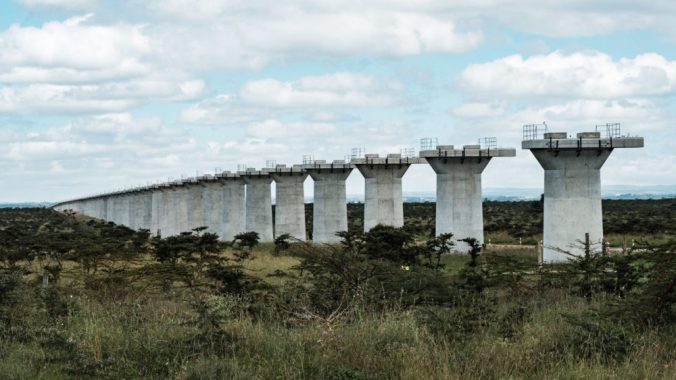
Construction of the second phase of the Chinese-financed Standard Gauge Railway in Kenya crosses through Nairobi National Park, as pictured here in June. YASUYOSHI CHIBA/ AFP/ GETTY IMAGES

Thanks to William Laurance for this informative opinion essay that gives a bit of hope for wilderness preservation:

Is the Global Era of Massive Infrastructure Projects Coming to an End?

The world’s wild places have been badly carved up by decades of roadbuilding, dam construction, energy exploitation, and other megaprojects. Now, as the financial community, environmental groups, and local citizens increasingly oppose big infrastructure development, the tide of environmental destruction may be turning.

AP_MalaysiaChinaRailroad_web.jpg

Malaysia’s former Prime Minster Najib Razak, third from left, looks at a model of the China-backed East Coast Rail Link in 2017. Malaysia has since canceled the project due to mounting costs. AP PHOTO

We are living in the most explosive era of infrastructure expansion in human history. To meet the United Nations’ development goals, we would need to invest tens of trillions of dollars in new roads, railways, energy ventures, ports, and other projects by 2030 — dramatically amplifying an infrastructure tsunami that is already shattering the world’s biologically richest ecosystems. But this great wave of infrastructure development is suddenly looking shaky — and it might just be the best outcome for nature and humanity alike. Continue reading
Some Regrets Are Better Than Others

OaklandInstitute.pngThere is a saying, often attributed to Mark Twain (though it appears nowhere in his published writings), that history never repeats itself but it often rhymes. That quote comes to mind reading this report below by the Oakland Institute, in light of yesterday’s news from Greece. There is a rhyme with no reason that echoes between the two stories. It also brings to mind, for me, an ever-present question about the work I have done for the last two decades. Tourism, even if it is sustainable tourism development, has its downsides. So, I am always on the lookout for ways to avoid regret in projects I take on, and how they are executed. More often than not, if I sense regret it is about not having had enough impact. I prefer that to the regret of too much of this type of impact:

maasai-med-hero

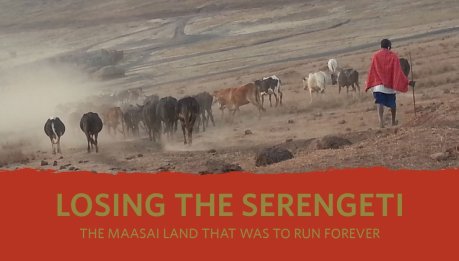
Losing the Serengeti: The Maasai Land that was to Run Forever is based on field research, never publicly-seen-before documents, and an in-depth investigation into Tanzania’s land laws. This report is the first to reveal the complicity between Tanzanian government officials and foreign companies as they use conservation laws to dispossess the Maasai, driving them into smaller and smaller areas and creating a stifling map of confinement. Continue reading

Moving Slowly & Avoiding Breakage

Preston-Ecological-expedition-Honduras-8

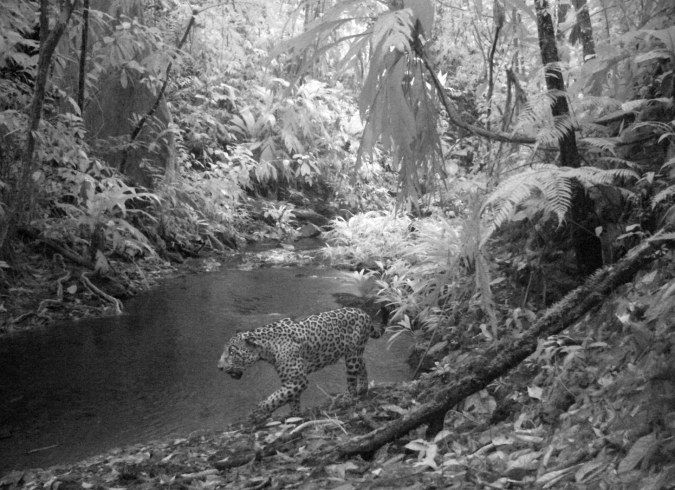
Panthera onca. The jaguar is the king of neotropical forests, where it is the largest of the cats. Its presence at the White City indicates an extensive, thriving ecosystem. © Washington State University, Panthera, Wildlife Conservation Society, Zamorano University, Honduran Forest Conservation Institute, Travis King, John Polisar, Manfredo Turcios

When the journalist Douglas Preston shared this story, I was in the process of closing up shop in India, where we had been in residence since 2010. Kipling-induced daydreaming notwithstanding, Amie and Milo (whose photos may be the most tangible representations of the dreaminess of those years) and I never had the illusion that there were lost civilizations or any such thing in India.

movefast (1)We did have the nonstop motivation of feline-fueled conservation initiatives, and some close encounters. Those provided us a perfect counterpoint to the seemingly irresistible catchphrase that described progress in the form of disruptive technology. Haste really does make waste when it comes to ecology, anthropology, and realms of life other than economic forward-marching.

When I read Mr. Preston’s story on the first day of last year I realized that our relocation to Central America, oddly enough since it is in the hemisphere called the New World, was full of potential for all kinds of discovery of “lost” things. And my own discoveries further sensitized me to the importance of moving slowly and avoiding breakage. My posts on this platform from February through July, 2017 are evidence of the richest ecological and anthropological observations of my lifetime (so far), and that makes Mr. Preston’s update post yesterday all the more wonderful to read:

Deep in the Honduran Rain Forest, an Ecological SWAT Team Explores a Lost World

Preston-Ecological-expedition-Honduras-1

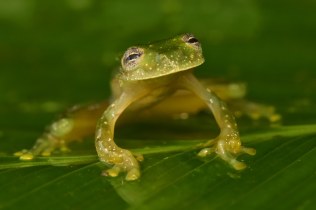
Sachatamia albomaculata. The inner organs of glass frogs are visible through their translucent bodies. Photograph by Trond Larsen / Conservation International

A little more than three years ago, I joined a team of archeologists on an expedition to La Mosquitia, a remote mountain wilderness in eastern Honduras. For centuries, the region had been rumored to contain a lost city, known as the City of the Monkey God or the White City, and now, thanks to a combination of luck and modern technology, an ancient settlement had been found. Although it was probably not the lost city of legend, it was a very real place, built by a mysterious civilization that flourished long before Columbus arrived in the Americas. Hidden in a densely forested valley, it had never been explored. Continue reading
Water, Power & Discontent

Early last year an article in the Guardian reminded me of work I had done in Montenegro in an earlier decade. The work was among the most impactful in my life, both professionally and personally, but the reminder was more a warning than a celebration. Something similar just happened with work I carried out in the region Rachel Dixon, a travel writer for the Guardian, brought to my attention with the film above, mentioned in this article:

Adventure in Albania: kayaking in one of Europe’s final frontiers

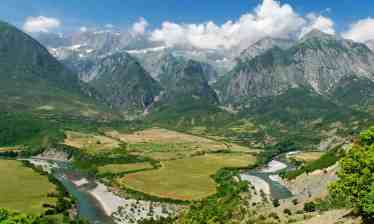
With wild rivers, mountains and Unesco sites aplenty, Albania is emerging as an exciting Mediterranean destination – but its wilderness could be devastated by huge dam-building projects

5188‘Go, go, go!” The white-water rafting guide shouted orders from the back of the boat and our five-strong crew paddled hard to stay on course. We were tackling a stretch of the Vjosa, a 270km river that begins in Greece (where it is called the Aoös) and flows through Albania and into the Adriatic just north of the city of Vlora. I was on a recce trip for a new southern Albanian break with Much Better Adventures, which specialises in long weekends to wild places in Europe and North Africa. But this trip was not just a fun adventure – rather just part of a campaign to save the river, which is under threat from proposed dams. A documentary film, Blue Heart, out this month, will highlight the fight to protect Europe’s last wild rivers, with help from ecotourism…

The film, and the article, have to do with the power of water. And the power of humans in deciding what to do with water. Not all reminders can be pleasant. This one is bittersweet. One sweet part is the call to action.

CallAct1

Step 1: Register your interest in hosting a screening

We are aiming to host hundreds of screenings of Blue Heart globally in 2018 to raise awareness of the plight of the people affected in the Balkan region. If you are interested in hosting a screening, please complete the form below and a member of our team will get back to you ASAP.  Please note the film is 40 mins long and we recommend that you allow at least 20 mins for a post screening discussion. Continue reading
Commerce, Conscience & Conservation

06Patagonia1-jumbo

Yvon Chouinard, the founder of Patagonia, with its chief executive, Rose Marcario, in the tin shed where he once forged and hammered metal. The outdoor-clothing company has mixed commerce and activism since the early 1970s. Credit Laure Joliet for The New York Times

Since the early days of this platform we have linked to stories about this company many times, and its founder in particular is in our pantheon of role models. During these seven years we have also studiously avoided linking to stories involving politics, other than highlighting activism that holds public officials accountable. This story below borders on  too much politics, but I find the company’s position not only acceptable, but as usual about this company, aspirational. Thanks to David Gelles for this story about how Patagonia has supported grass-roots environmental activists for decades and how it is suing the president in a bid to protect Bears Ears National Monument:

merlin_136030764_da829491-ce0c-4974-a0f9-b170acc558c4-superJumbo

Patagonia employees at the Ventura, Calif., headquarters, where there are picnic tables in the parking lot, on-site day care and easy access to the beach.CreditLaure Joliet for The New York Times

VENTURA, Calif. — The offices of Patagonia occupy a low-slung complex of stucco buildings in this sleepy beachside town in Southern California. There are solar panels and picnic tables in the parking lot, day care with a jungle gym by the main lobby and easy access to the beach, where employees surf during lunch break. It is a corporate Eden of sorts, where idealistic Californians run a privately held company that sells about $1 billion of puffy down jackets and organic cotton jeans each year.

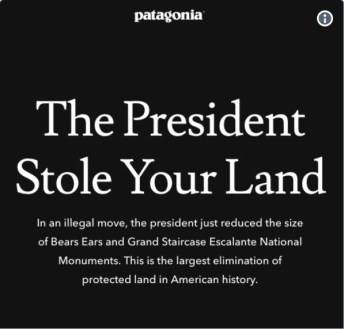
Screen Shot 2018-05-05 at 7.06.08 AMBut on an unseasonably hot and windy Monday morning in early December, Patagonia headquarters were transformed into something that quickly resembled a war room. There were emergency conference calls with Washington lawyers. Court filings were prepared. Web designers remade the company’s home page.

It wasn’t a business crisis that had mobilized the company, however. It was politics. Continue reading

Meanwhile, North Of The Border

Kormann-Ryan-Zinke.jpg

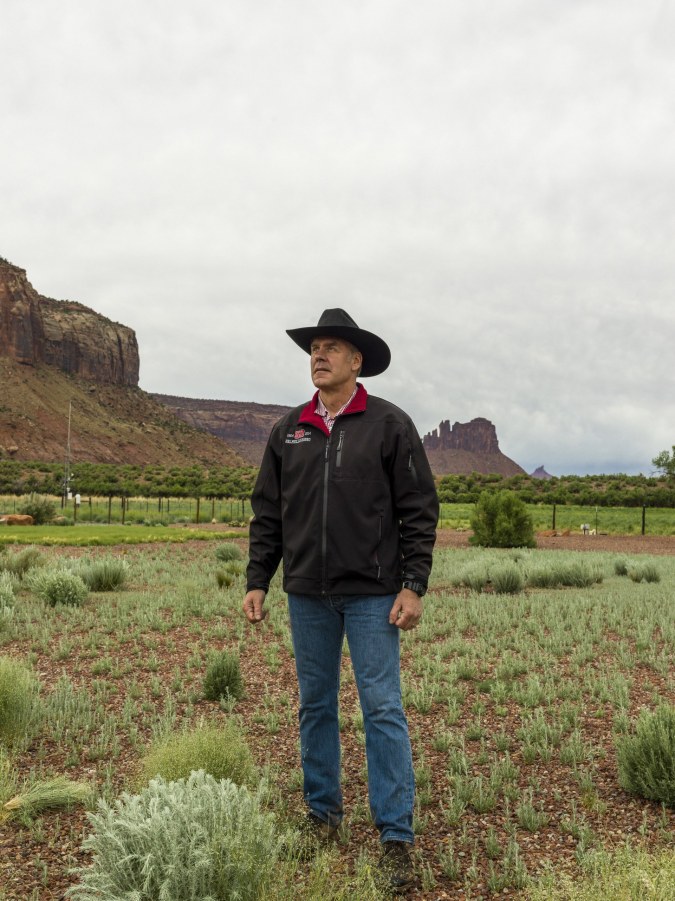
The Interior Secretary, one of President Trump’s most loyal allies, sees public lands as the key to an “energy-dominant” future. Photograph by Morgan Rachel Levy / Redux

Yesterday’s rich south of the border story is complemented, not flatteringly, by this note by Carolyn Kormann:

Ryan Zinke’s Great American Fire Sale

Not long ago, the Bureau of Land Management, an agency within the U.S. Department of the Interior, began distributing “vision cards” to its employees. The front of each card features the B.L.M. logo (a river winding into green foothills); short descriptions of the Bureau’s “vision,” “mission,” and “values”; and an oil rig. On the flip side is a list of “guiding principles,” accompanied by an image of two cowboys riding across a golden plain. Amber Cargile, a B.L.M. spokeswoman, told me that the new cards are meant to reflect the agency’s “multiple-use mission on working landscapes across the West, which includes grazing, energy, timber, mining, recreation, and many other programs.” Individual employees, she added, can opt to wear or display the cards at their own discretion. But, according to the advocacy group Public Employees for Environmental Responsibility, which obtained photos of the cards and shared them with the Washington Post, supervisors in at least two B.L.M. field offices have been verbally “advising that employees must clip them to their lanyards.” Some workers, speaking to the Post anonymously, said that they felt they had no choice but to comply. Continue reading

Us & Them Instead Of Us Versus Them

Thanks to Emily Buder at the Atlantic for this five minute recommended viewing. In the video above, by Nani Walker and Alan Toth, the question is:

Can Humans and Lions Get Along?

“Lions are really causing us havoc,” laments an African pastoralist in Nani Walker and Alan Toth’s short documentary, Living with Lions.  Continue reading

Alladale & Apex Wildlife

4019.jpg

Eurasian grey wolves at the Highland Wildlife Park, Kingussie, Scotland.
Photograph: Alamy

Thanks to Kevin McKenna and the Guardian for this profile of an entrepreneurial conservation project that is quite in the spirit of our work over the last two decades. We salute Paul Lister and his team for this wonder:

One man’s plan to let wolves roam free in the Highlands

The ‘custodian’ of the Alladale estate wants to turn it into a fenced-off wildlife reserve

4992.jpg

The Alladale estate. Photograph: Alamy

The echoes of Scotland’s predator prince faded into silence three centuries ago. The wolf was once lord of these Sutherland slopes and the forest floors beneath and now a voice in the wilderness is calling him home.

Paul Lister acquired the Alladale estate, 50 miles north of Inverness, in 2003 and immediately set about creating a wilderness reserve according to his perception of what these wild and beautiful places ought to look like. He can’t imagine them without the packs of wolves that once roamed free here.

But his views are considered eccentric by ramblers and conservationists, who view them as a rich man’s caprice, centring their objections on his plans to fence off the vast reserve. Continue reading
Accentuate The Positive, But Also Be Vigilant

180402_r31793 (1)

William Ruckelshaus, who ran the E.P.A. under Nixon and Reagan, said that Pruitt and his top staff “don’t fundamentally agree with the mission of the agency.” Illustration by Paul Sahre; photograph by Saul Loeb / AFP / Getty (man)

The vast majority of posts on this platform are stories related to environmental conservation, social responsibility, community innovations. Forward-looking. Positive, if you want to think of it that way. But we keep our eyes open for clouds on the horizon as well. Yesterday’s post was a reminder that we should keep our eyes open to pernicious changes in the national park system of the USA. Today we get deeper into the underbelly of that particular issue, and the illustration above, which accompanies an epic (allow 80 minutes to read or listen to it) expose on Scott Pruitt, and as illustrations go it is a blunt hint of what to expect from the article that follows. Creepy. Ugly. Needing serious attention. Thanks to Margaret Talbot and her editors at the New Yorker:

Scott Pruitt’s Dirty Politics

How the Environmental Protection Agency became the fossil-fuel industry’s best friend.

One afternoon last April, Scott Pruitt, the administrator of the Environmental Protection Agency, travelled to the Harvey Mine, in Sycamore, Pennsylvania, to declare that the agency had a new direction, which he called “Back to Basics.” It was an unusual place for the nation’s chief steward of clean air, land, and water to set out a policy agenda. Consol Energy, the owner of the Harvey facility, which is part of the largest underground coal-mining complex in North America, has been fined repeatedly by the E.P.A. for violations; in 2016, it had to pay three million dollars for having discharged contaminated wastewater into the Ohio River and its tributaries. Past E.P.A. administrators have spoken of creating jobs as a welcome potential by-product of the agency’s work, especially if they are green jobs, but creating or protecting energy jobs is not supposed to be the mission—protecting human health and the environment is. As the speech that Pruitt gave at the mine demonstrated, he seems to have these priorities reversed. Continue reading
For Ocean Conservation, Focus On Scientifically-Driven Decisions

merlin_135772488_b42241fe-633d-46e4-aa00-8913cd80255e-master768

Nathaniel Russell

Our favorite stories on conservation challenges–whether marine or terrestrial–are those that highlight entrepreneurial approaches. Those stories, though, have multiple counterparts related to government approaches to conservation. In our many celebrations of various forms of ocean conservation, we have probably tended to favor quantity and scale more than emphasizing the value of science. Guilty as charged, but ready to remedy:

Bigger Is Not Better for Ocean Conservation

SAN FRANCISCO — I have spent my entire life pushing for new protected areas in the world’s oceans. But a disturbing trend has convinced me that we’re protecting very little of real importance with our current approach.

From Hawaii to Brazil to Britain, the establishment of large marine protected areas, thousands of square miles in size, is on the rise. These areas are set aside by governments to protect fisheries and ecosystems; human activities within them generally are managed or restricted. While these vast expanses of open ocean are important, their protection should not come before coastal waters are secured. But in some cases, that’s what is happening.

Continue reading

Writers, Thinkers, Birders

Petrusich-Dont-Mess-with-the-Birds.jpg

A proposed Republican amendment threatens to weaken the protections in the Migratory Bird Treaty Act of 1918. Photograph by Ernest Manewal / Camera Press / Redux

Thanks to writers who become birders, and this one in particular:

Don’t Mess with the Birds!

By Amanda Petrusich

Catskill, New York—the small Hudson River town where the American painter Thomas Cole lived and worked, from 1825 to 1847—is also home to the RamsHorn-Livingston Sanctuary, which contains four hundred and thirty acres of tidal marsh, upland forest, and fallow farmland, and is presently occupied by common loons, great blue and green herons, wood ducks, mallards, a pair of bald eagles, northern harrier and red-tailed hawks, ruffled grouse, merlin falcons, eastern screech and great horned owls, belted kingfishers, pileated woodpeckers, warblers, scarlet tanagers, blue-gray gnatcatchers, a tiny and nervous-looking thrush known as a veery, and various other species of birds whose names, I will admit, are perilously delightful to type. There is also a beaver. Continue reading