Captivating Vision

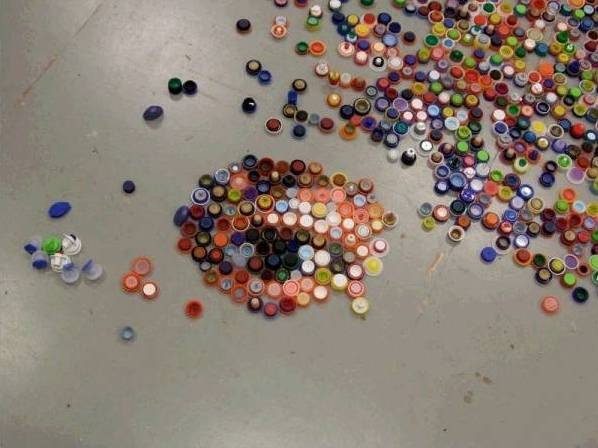
Mary Ellen Croteau’s “Nested Caps/eye”

Even the most enthusiastic recycler gets bogged down by bottle caps.  Their chemical make up is different from the bottles they top, so often they don’t fit into the categories of those ubiquitous numbers that are ascribed to other plastic items.

Artist (and self proclaimed Agitator) Mary Ellen Croteau has a history with statement art and commenting on the quantity of plastic waste has been part of her work for some time.  She’s used both bags and the caps to create work that is both captivating and provocative. Continue reading

Live an Example

Lullwater at Emory

Do you respect your friends? Unless you have very strange relationships, I’m guessing you can say that your friends’ ideals and opinions are meaningful to you. If you know that a buddy doesn’t enjoy country music, you’re probably not going to blast Keith Urban when he’s around. If your best friend can’t stand whistling, maybe you’ll refrain from providing your most rousing rendition of the Star Wars theme song. If she’s not so into politics, perhaps that’s not the person you’ll run to and inform of Glenn Beck’s latest revelation.

The point is, what matters to your friends usually matters to you, and vice versa. If you’re mindful of this Continue reading

Color Wheels

Whether by coincidence or just being on a roll (sorry), I just came across an inspiring urban art project that is part Civil Disobedience, part Public Art Initiative, part plain old recycling and completely FUN! Continue reading

What Goes Around, Comes Around

Despite the fact that this post makes me look like a “one trick pony” I have to share yet another recycling innovation that involves, well, you know…

The Canadian company Knowaste has opened several facilities in the U.K. that are making a significant dent in the nearly 800,000 tons of disposable nappies and other “absorbent hygiene product” waste that would normally go directly to landfills annually.

The company has pioneered a system that, after heat sterilization, converts the plastics in the products into items such as roof shingles and plastic tubing, with the waste from that processing used to generate heat and power for the plant itself. Continue reading

High Line Skyline

An aerial shot looking down on the Washington Grasslands section of the park, with Rashid Johnson’s artwork Blocks and Yutaka Sone’s Little Manhattan visible, both 2015 Commissions.

Railroads were one of the most significant early forces of change to the landscape of North America.  They not only moved freight and people but they participated in opening up the newly formed National Parks to visitors with the creation of the now iconic grand hotels.

Some of the railway’s original train tracks were marked and put back in their original locations. You’ll see them throughout the park today. Photo by Rick Darke

But as roads began to rival rails the network underwent a steady decline, and fewer and fewer resources were being put into their maintenance.

Fast forward a century–give or take a decade–and we find railroads, or at least rail corridors, going back to one of their greatest historical traits; as a pathway to nature.

In the 1980s the U.S. Congress passed an amendment allowing the use of soon-to-be-abandoned rail lines for hiking and biking trails.The highly successful “Rails-to-Trails” program has lead to nearly 1,012 rail-trails in the U.S. with a total trail mileage of more than 11,000.

Not just a U.S. phenomenon, there are similar programs in Canada, Mexico, Europe and Australia, to name a few.  (Tasmanian Trail anyone?) Continue reading

To Recycle, Compost, or just Trash?

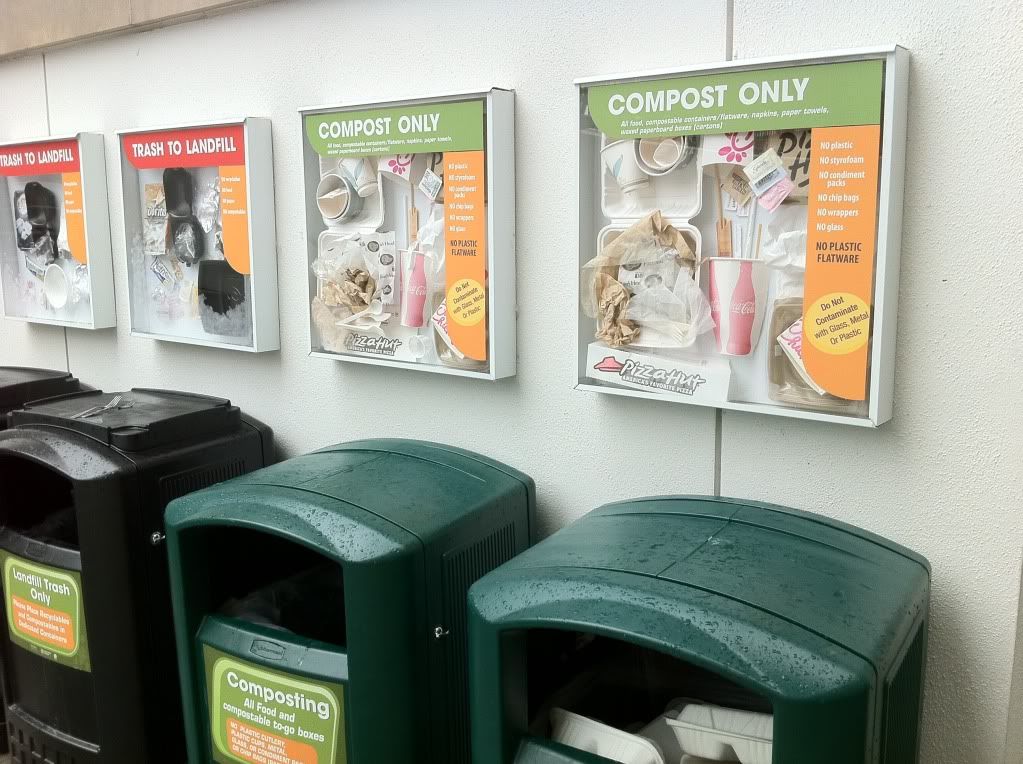
Every student’s visit to the food court in Cox Hall, one of Emory’s largest dining halls, generates quite a bit of trash. Because of the diversity of Cox’s offerings—Chick-Fil-A, Pizza Hut, the Deli, and more—this waste comes in all varieties, too: thin cardboard cartons, Styrofoam boxes, plastic knives and forks, soy sauce and ketchup packets. While sorting these out and recycling them appropriately might only be a matter of taking a few moments to look at the labels, some students feel that they don’t have the time to find out what goes into recycling, composting, or just the trash. College sophomore Daniel F. weighs in:

            I like to think that I care about the environment, but there are times when I just can’t sort out what’s what. It gets confusing when you start bringing a lot of these packages together…

Emory, luckily, is making it easier for bewildered students like Daniel to live in a sustainable way.  Continue reading

A New Nation Rooted in Tradition

This slideshow requires JavaScript.

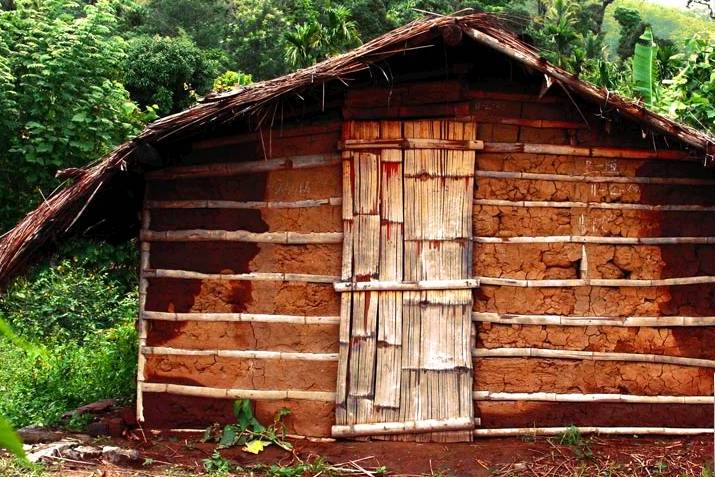
I have lived in South Sudan now for over a month! Living and working in a developing country is definitely thrilling and challenging. Within a few moments of stepping off the plane in Juba, the capital of South Sudan, I had my first encounter with South Sudan’s interesting rules and regulations. The arrival terminal at the airport is modest and petite.

While I waited for my luggage to be scanned in the airport’s newly installed x-ray scanner, I found a dingy luggage cart with a sign stating “Welcome to London Heathrow Airport”.  How funny? I had to take a picture! Right after the flash went off, a security officer snatched the camera out of my hand and asked me to enter the security office. After a short interrogation, I pleaded for forgiveness, deleted the photo, and scurried out of the airport gate.

Continue reading

News(Paper) Power

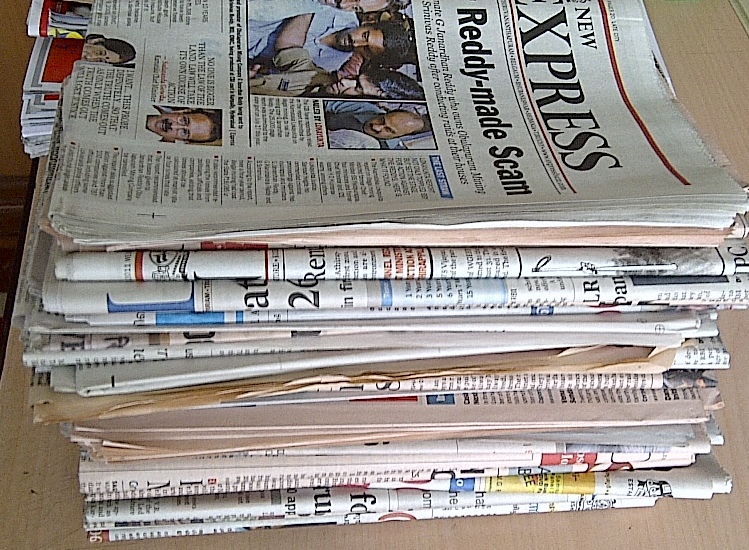
Despite the now ubiquitous use of the internet to follow both local and world news, newspapers continue to exist for many people as their daily connection to current events.  In many countries that’s not their only use of course.  We’ve written about the recycling initiatives of newspaper bags and baskets, as well as their use as wrappers and packaging in markets around the world.  But used for fueling our cars?  Now that’s news!

Tulane University associate professor of cell and molecular biology Dr. Mullin and his team have just applied for a patent for a method to produce the biofuel butanol from organic material.  Continue reading

Can Your University Do This With Paper?

Originally motivated by the Big Ideas article, and further motivated by looking into Cornell University’s many resources to try to get answers to those questions, now Seth’s mention of banana paper deserves a pointer to the amazing university that got that movement started.  If you visit Costa Rica, you should visit EARTH University, which is oddly modest in mentioning its history with regard to banana paper.  If you are not on your way to Costa Rica, but live in the United States, try to find a Whole Foods supermarket if for no other reason that to purchase one of several EARTH-branded products.  EARTH is our idea of the perfect mix of practical education, entrepreneurial conservation initiatives, and quality outcomes–things we care deeply about–so purchasing their products may lead to the next breakthrough innovation in sustainable agriculture.