BY ROB MCDONALD
You’ve seen the news: more cars are now driving themselves. Even non-luxury cars like the Honda Civic and Ford Fiesta now feature autonomous braking systems, and other cars contain autonomous cruise control.
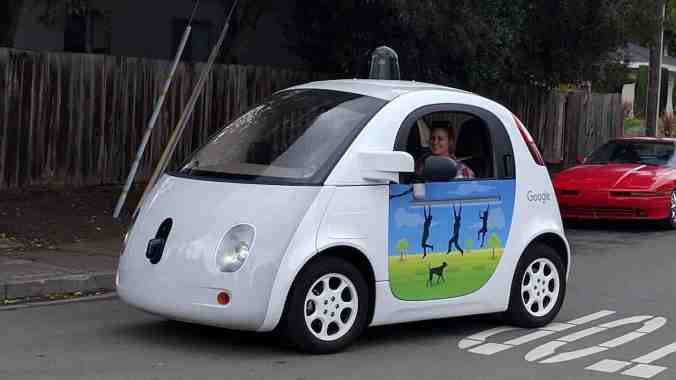
Most ambitiously, Google and other companies have been working on testing truly driverless cars, where a computer has full control of moving the vehicle. The Google self-driving car has an amazingly good safety record: after more than 1.3 million miles, it has had less than 20 accidents, orders of magnitude safer than most human drivers. There is a sense in the automotive industry that driverless cars will arrive on the marketplace, sooner or later.
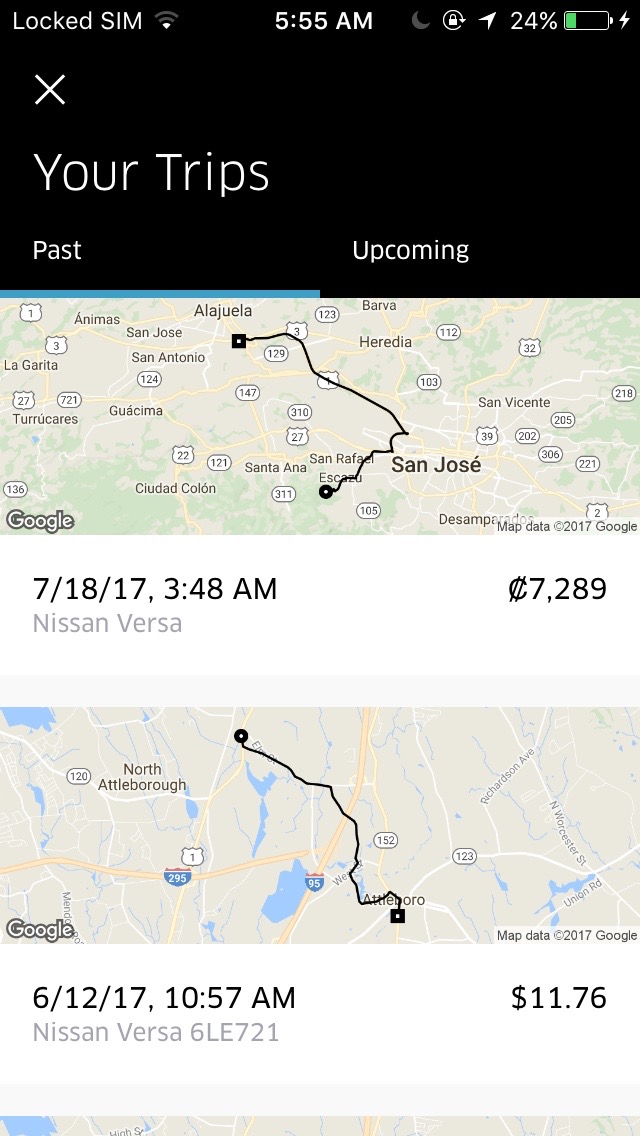
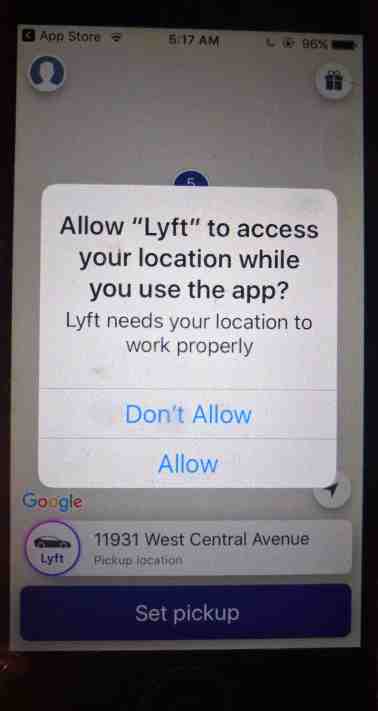
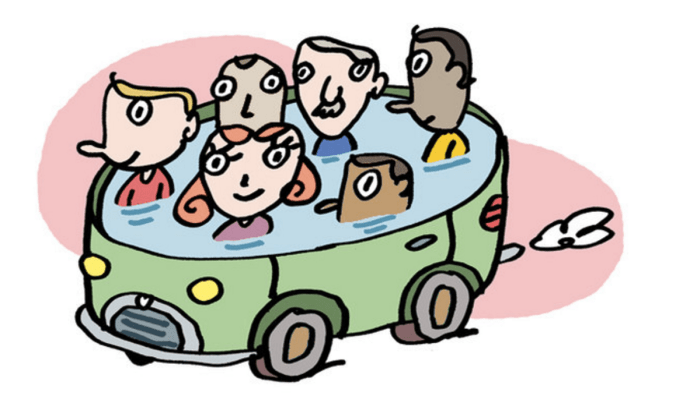
Certainly most people recognize the safety gains of technological advances like autonomous braking. But the media hype around truly driverless cars tends to be rapturous and utopian. Some writers have seen the driverless car as the end to looking for on-street parking in cites, since the car could go park itself. Or maybe, some writers hope, the driverless car will accelerate the trend from car ownership to car and ride sharing (e.g., ZipCar, Uber, Lyft).
 When I decided to







 Organikos