Waterfalls – Kuttikkanam, Kerala

Misty Mountain Waterfalls

Misty Mountain Waterfalls

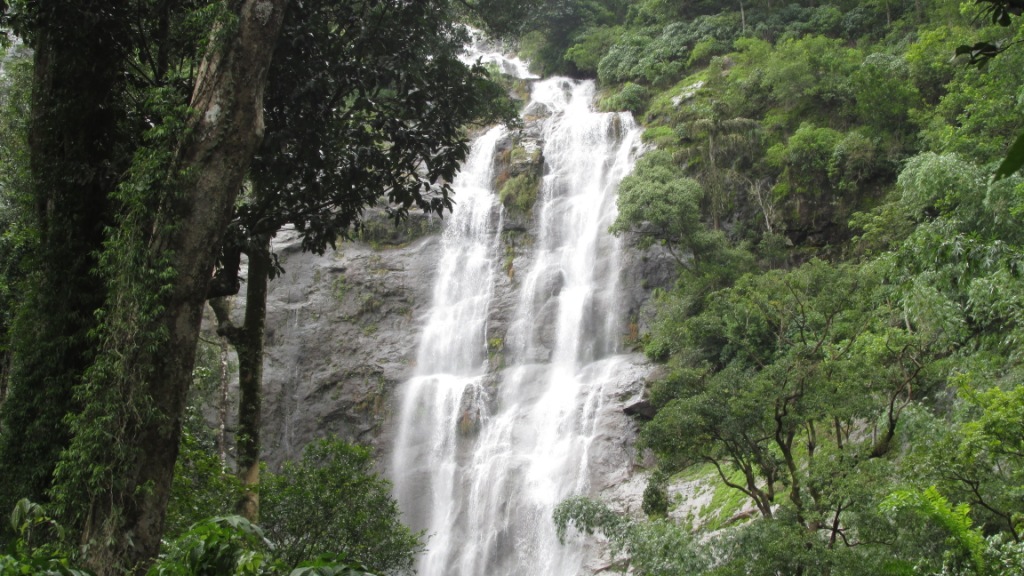
Kuttikkanam is a village nestled in the lap of the Sahyadri Ranges and is en route between Kochi and Thekkady.  Kuttikkanam is very famous for its scenic beauty, especially its waterfalls, and it once was a summer retreat of the Travancore Kings.  Continue reading

Monsoon – Kerala

Photo credits :Sreekuttan

Photo credits: Sreekuttan

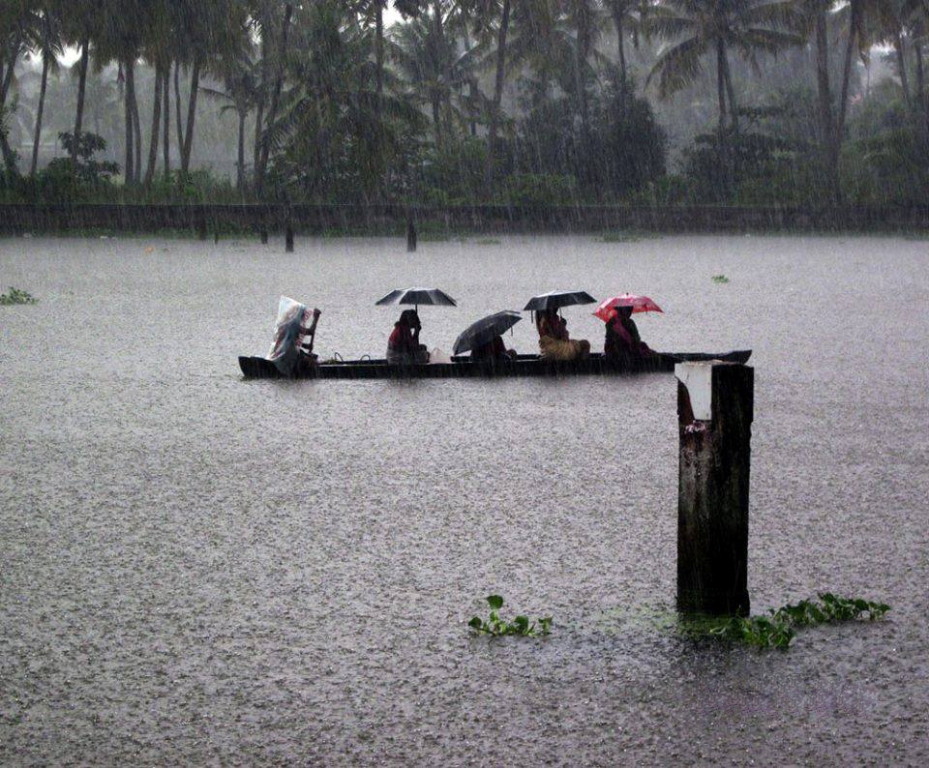
Monsoon rains are very much linked to the economy and ecology of Kerala; almost 85 percent of the state’s annual rainfall is received during that period. The slopes of the Western Ghats are among the places in India that receives the highest amount of rain. According to Ayurvedic theory, monsoon is the best season for rejuvenation therapies. It is the period when the atmosphere remains dust-free and cool. The Monsoon also plays an important role in the healthy growth of spices and crops like Cardamom, Pepper and Coffee. Continue reading

Veeshuvala – Local Fishing Net

Photo credits : Ramesh Kidangoor

Photo credits : Ramesh Kidangoor

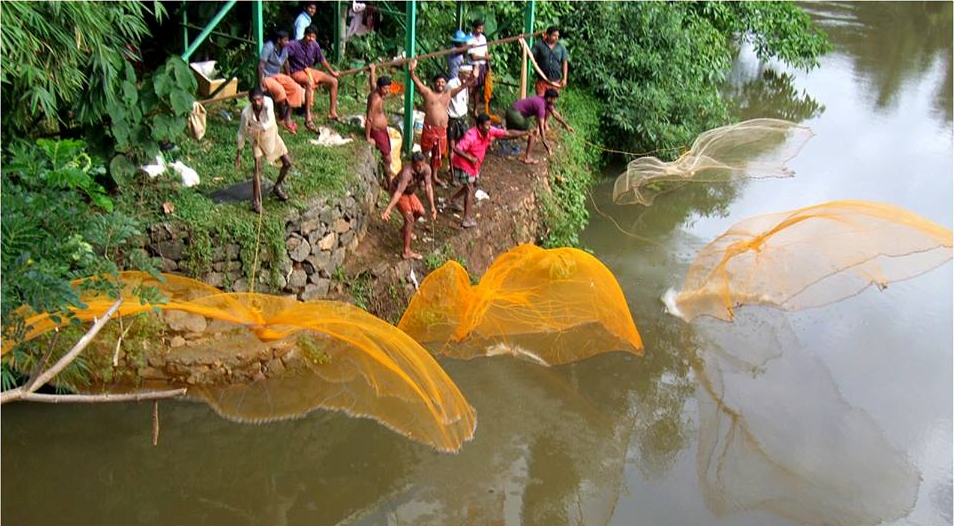
There are many fishing techniques employed in the backwaters, rivers and canals of Kerala. The local people have a name for each tool and method employed to trap the fish. The most common is Veeshuvala, where a circular net, six to seven meters in diameter and weighted at the edges, is thrown from the shores in a distinctive fashion – a quick spin of the body to gain momentum, then releasing the gathered net at just the right moment. The weights ensure that the net flares out like a umbrella before it lands on the water. A string attached to the hub is then pulled from the banks to haul in the trapped fish. This method of fishing is very common in Kerala especially during monsoon. Continue reading

Food, Waste, Change

While we are on the subject of looking at food differently, as well as depending on others for new perspective, we can wrap all that around last week’s emphasis on food waste.  We will not let that topic go until we see the dial turning. We will keep a spotlight on the need for change, and share whatever we find from our good neighbors on this topic. WRI shares a thorough examination that is worth a click and read:

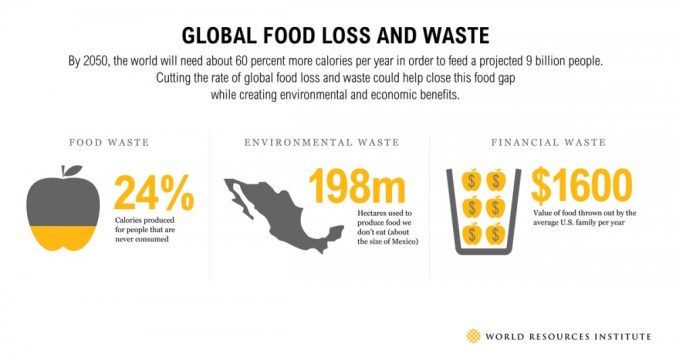
The Food and Agriculture Organization of the United Nations (FAO) estimates that 32 percent of all food produced in the world was lost or wasted in 2009. This estimate is based on weight. When converted into calories, global food loss and waste amounts to approximately 24 percent of all food produced. Essentially, one out of every four food calories intended for people is not ultimately consumed by them. Continue reading

WED 2013 : Taste the waste… of water

WED 2013 - Raxa Collective

On June 5, we’ll celebrate World Environment Day. This year UNEP focuses on the theme Food waste/Food Loss. At Raxa Collective we’ll be carrying out actions and sharing experience and ideas. Come and join us with your ideas and tips to preserve foods, preserve resources and preserve our planet.

image_gallery_close_up

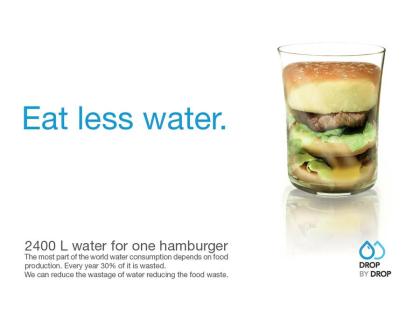
 Most part of the world water consumption depends on food production. Every year 30% of it is wasted. We can reduce the wastage of water reducing the food waste. The Stockholm International Water Institute (SIWI) has released a short documentary titled ‘Taste the Waste of Water’ Continue reading

A Look Back at AguaClara

Pure nostalgia. That’s how I felt when I looked through the photos on my computer of my trip to Honduras two years ago. I was reminded by a previous post about my experience with AguaClara, a Cornell project team that designs and builds water treatment plant for impoverished communities in Honduras. The team has grown in size and prestige ever since I left, and it’s garnered multiple awards (from the EPA and Katerva, most recently).

AguaClara team members walking across a narrow suspension bridge in rural Honduras.

Continue reading

Congrats To The AguaClara Team At Cornell University

From an article linked in one of our alumni emails we learned about an organization with a worthy set of initiatives and actions:

Katerva is building unique platforms to create and leverage its global action network:

  • The Katerva Awards – The pinnacle of global sustainability recognition. Through them, the best ideas on the planet are identified, refined and accelerated for global impact. Continue reading

If You Happen To Be In Brooklyn

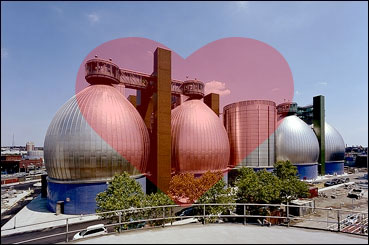
Your public servants are hard at work, innovating at the intersection of waste, love and water.  Make a Valentine’s Day reservation with your romantic counterpart to visit this spot in the Greenpoint section of Brooklyn, as per the press release:

Department of Environmental Protection Announces Second Annual Valentine’s Day Tours of the Newtown Creek Wastewater Treatment Plant

For Those Seeking an Alternative Valentine’s Day Experience, a Tour of the Greenpoint Plant Will Both Educate Visitors on the Essential Wastewater Treatment Process and Provide Breathtaking Views of the City from Atop the Famous Digester Eggs

Continue reading

Beauty Of Kerala – Kovalam Beach

Kovalam Beach lies 16 km south of Trivandrum, the capital of Kerala. Ruled by the Chera and Chola Kings and later by the Dutch, Portuguese and British, Kovalam has historically attracted tourist around the world. The beautiful area is comprised of three crescent-shaped beaches separated by rocky outcroppings that form the main attraction of this beach. Continue reading

Bog

Photo credit: BU Dining Services

Earlier this week I wrote about an entirely different sort of swamp. This brief post is about a topic much more in tune with the holiday season: cranberries. Grown in bogs with layers of peat, sand, gravel, and clay, cranberries are native to North American wetlands (our readers across the pond will probably know the European variety of the fruit as lingonberries). In the United States they are primarily grown in Massachusetts, New Jersey, Oregon, Washington, and Wisconsin (ordered alphabetically, not by output). Something not many people may know is that these cranberry bogs are cyclically flooded with vast amounts of water every season; some might worry over the constant waste of this precious liquid in areas of major cranberry production, or the contamination of water tables with pesticides and fertilizers common to agricultural use.

But I am about to tell you about some of the advantages cranberry-growers have over other industrial agriculturalists in terms of their water utilization. Why will I share this with you? Well, cranberry sauce features prevalently in the traditions of recent holidays, namely Thanksgiving and Christmas (and was thus probably consumed in an overwhelming majority of American households at least once in the past 60 days), plus my grandparents swear by cranberry juice, but I also recently found out that cranberries–and the water they are flooded with for harvesting–make for excellent art, or sport. What I never would have guessed is that Red Bull would be the one to show me this; just watch the video below:

Continue reading

Quagmire

In his environmental history of the Mejong River Delta in Vietnam, David Biggs analyzes the influential trend of forced—and often failed—attempts to control the water and earth of the landscape, with various effects on local populations. Looking back even farther than the mid-19th-century colonization of the area by the French, Biggs considers the traditional identities of human “improvements” of the delta such as dikes, canals, and dams essential to habitation and agriculture. The imposed land and water use projects enforced by the French colonists, with their newer, large-scale technologies, expanded what Biggs calls the colonial grid, which colonial officials endeavored to push beyond inhabited areas in ways often contrary to Vietnamese custom or ecological wellbeing.

Canal-digging, road-building, railroad-setting, river-dredging, forest-clearing, and swamp-draining, all part of the colonizing and pioneering process, were frequently carried out without fully considering the ecological and political effects such “nation-building” would have on the Vietnamese people and landscapes, or their relationships to each other. Although the environmental consequences for these earlier projects are not quite as severe as his case studies, Paul Josephson might label these activities as milder brute force technologies—if not these earlier efforts then perhaps those pushed forth by American agencies later in the 1960s and 1990s. The planting of methods tried and tested in quite different locations from the Mekong River Delta, and the frequent disregard or ignorance of the diverse intricacies in ethnic groups or soil and water types, impacted how effective the colonial and post-colonial programs of hydroagricultural reform were. Unlike Johnson, however, Biggs does not represent these technologies as overwhelmingly or constantly negative for the environment.  Continue reading

Diving with Scuba Iguana

Scuba Iguana trips start from the office on Charles Darwin Ave. either going north in a taxi to Itabaca Canal or taking a boat at the Scuba Iguana dock behind the office. All boat rides ranged from 35 to 120 minutes, and were generally pretty smooth. On the way, we could see Common Noddies, Blue-footed Boobies, Elliot’s Storm Petrels, Galápagos Shearwaters, and on North Seymour I saw a Red-billed Tropicbird twice! If I remember correctly, some Nazca Boobies were sitting on the coast of Floreana as well.

Continue reading

Periyakanal Water Falls – Munnar

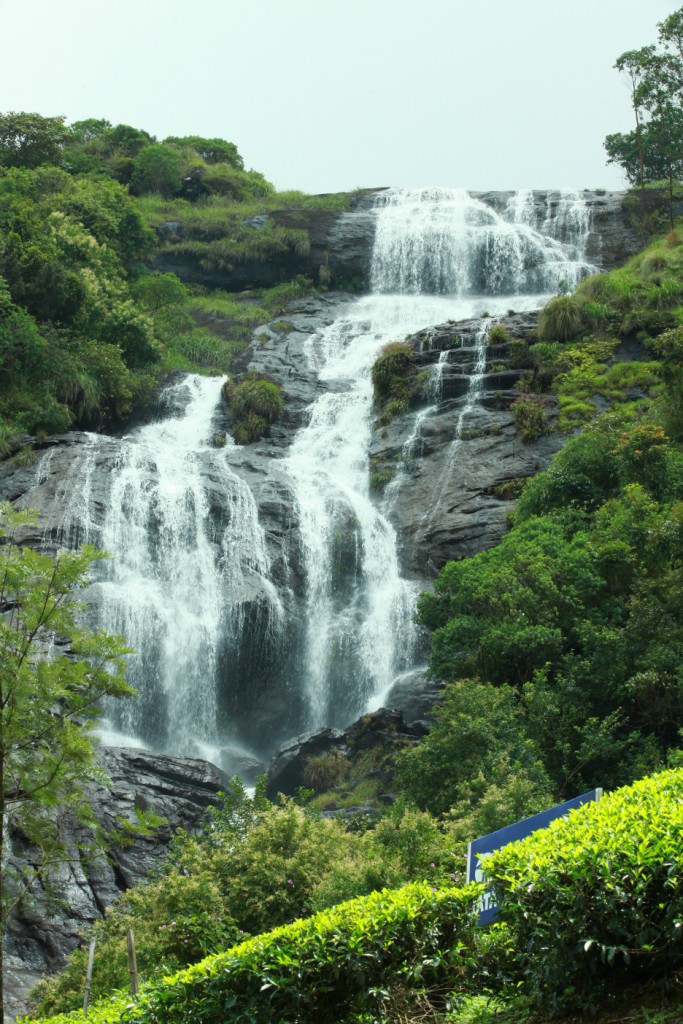
Munnar and its surrounding environs abound in cascades. They are at their glorious best immediately after the monsoons. Periyakanal Waterfall is located near to Munnar en route to Thekkady. The enchanting surroundings amid lush tea plantations make it an excellent picnic spot and overlook. Continue reading

Shellfish Prefer Noncaffeinated Beverages

Click the headline to go to the story and podcast:

“There have been some reports that caffeine may affect reproduction. When organisms are stressed, they produce stress proteins to protect their cells. And, if an organism is under prolonged stress, then that organism may have to shift energy they would normally spend on growth and reproduction.”

Mind Your Food’s Aquifer

Click the map for the brief review of what looks to be an important paper published in the current issue of Nature (which requires subscription for the entire article so this review in the Science section of the New York Times is important for non-subscribers).  For some, the constant reminders are tedious.  We appreciate them nonetheless because it is so much easier to forget, ignore, pretend otherwise that water is an infinite resource.  Not only is it finite, but solving this puzzle may be the next most important thing for mankind to get right:

The study underlines a problem that scientists have already pinpointed: that the demand for groundwater in several major agricultural regions of the world is unsustainable. Continue reading

Water Recycling 101

Given these acute demands for water and constraints on current — and likely future — availability, Grant said, “the real alternative, the really only alternative, is to improve what’s called water productivity, which is essentially the amount of value services that are achieved with a given unit of water.”

Click the headline for this accessible explanation of a very complicated challenge.

Galápagos Sea Lions

I just got back from Isabela Island, where I was able to snorkel with a sea lion as playful as the ones in this video (taken, once again, by the ScubaIguana guide Quike Morán), and play with it alone in the relatively shallow waters of Tintoreras (named for the reef sharks that can often be seen there; tinto is red in Spanish; you get the point).

I tried to mimic the swirling, bubble-blowing, and alternating fast and slow approaches as I played with the juvenile sea lion, and was rewarded with a dance even longer than that seen in the video. Continue reading

My First Dives in Galápagos (2/2)

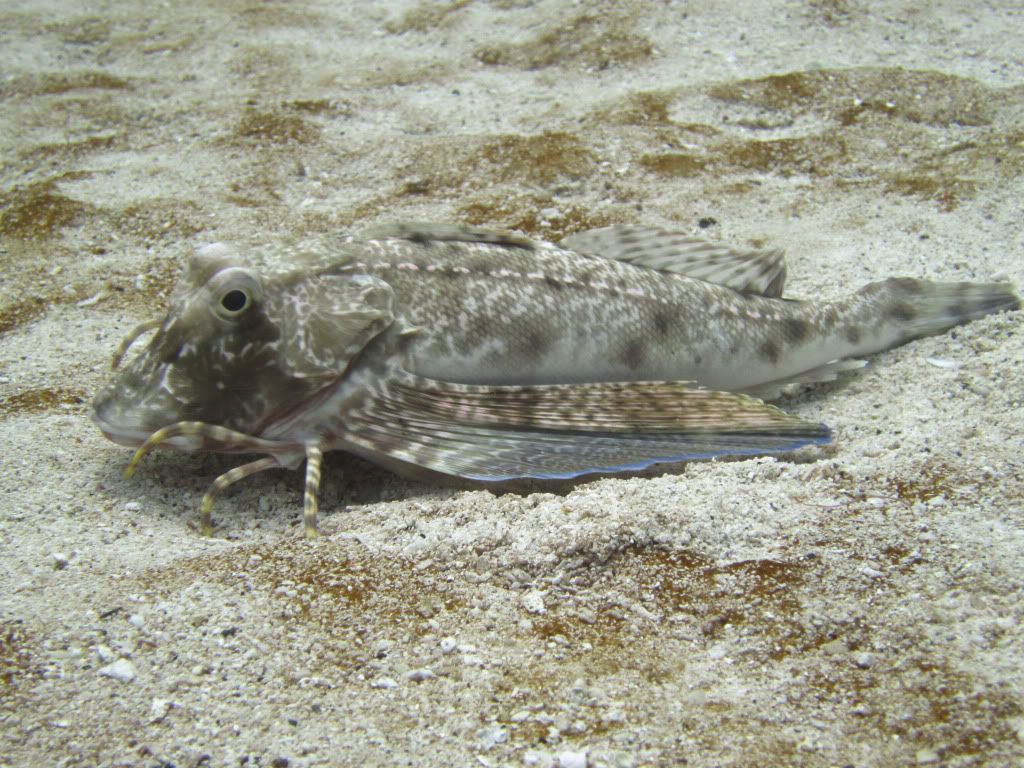
Six legs and two sail-like fins! What?!

My last post shared a video of some of my scuba trips and a few images of two absolutely bizarre ocean species: the Red-lipped Batfish and the Galápagos Searobin. I had no clue that any such creatures existed in nature, or at least not under the light of the sun no more than 15 meters below surface level. Once again, Quike Morán of Scuba Iguana took the pictures and video with a point-and-shoot digital camera in a plastic waterproof case, and the two dives featured here were at Seymour Island and Mosquera Island, north of Santa Cruz.

Thank You, North Carolina

Of course, thanks to the individuals who made the direct effort to make this project possible.  Click the image above to see the visuals they produced, and click here to see those individuals.  But North Carolina’s citizens, whose taxes make the University’s operations possible, deserve our thanks too:

Our 2012 Fellows present a Powering a Nation special report, “100 Gallons.”

“100 Gallons” explores how our most critical resource goes far beyond traditional power. More than fossil fuels, commerce or industry, water powers life. Continue reading

Kovalam Beach

Kovalam lies 16 kms  south of Thiruvananthapuram, Kerala’s Capital.  Three crescent shaped beaches surrounded by rocky outcroppings form the main attraction of this coastal resort. The coast is backed by steeply rising headlands covered in verdant coconut palms, especially the southernmost Lighthouse Beach. The green hinterlands provide a refreshing backdrop to the white sandy beaches, offering privacy and seclusion.