Across Waters to the Mississippi River Adventure

Guest Author: Rania Mirabueno

Image

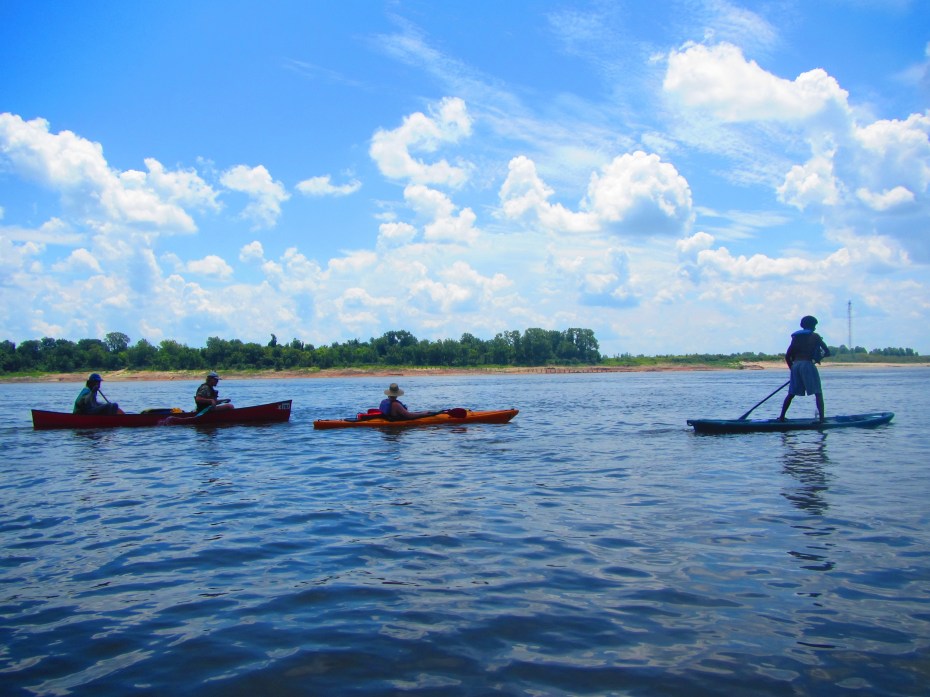
Adventurers canoeing 2320 miles of the Mississippi River.

As I recall my beautiful houseboat experience in the backwaters of Kerala with River Escapes, I cannot help but think across waters to four adventurers, who are embarking on a journey with two canoes and 2320 miles of rafting across 10 US states on the Mississippi River. Continue reading

Idukki Dam Reservoir

The Idukki Dam stands between the two mountains Kuravanmala and Kurathimla,839 metres high and 925 metres high respectively. The dam is situated near the Cheruthoni Barrage, with the Kulamavu Dam to its west. These three together extend between rocky hills to form the largest reservoir in Kerala. Idukki District is known for its dam and also for being Kerala’s forest district with an astonishing 50 percent of its total area under green cover. Idukki Dam is the world’s second and Asia’s first arch dam. This reservoir and the famous Idukki Wildlife Sanctuary are located 50 kms from the Periyar Tiger Reserve. Continue reading

Lake Periyar

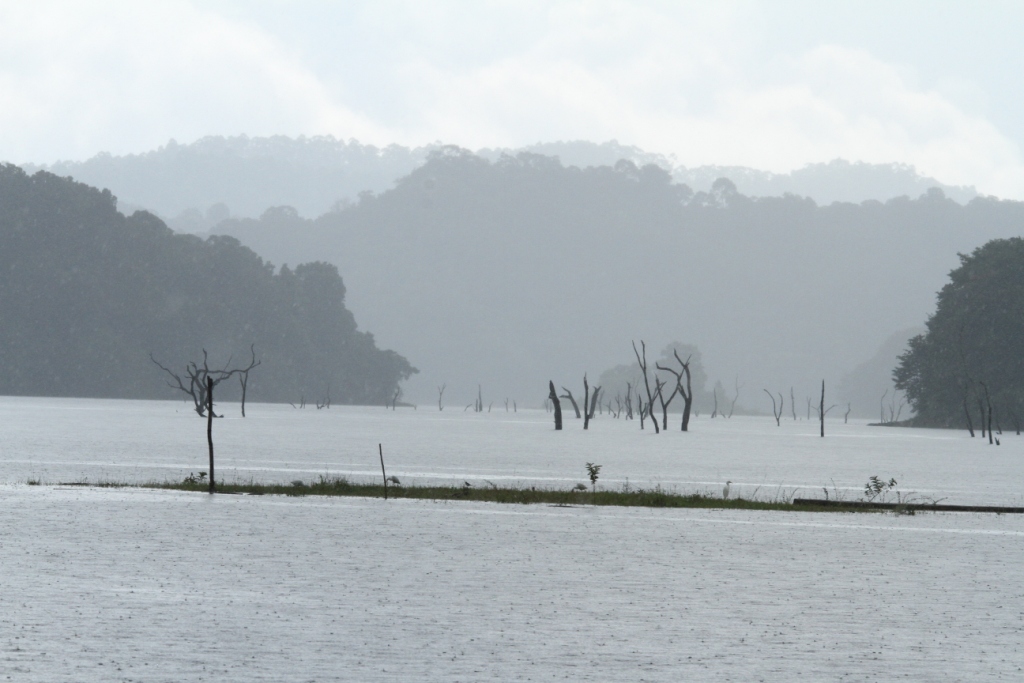
The Periyar River originates in Kerala’s Western Ghats near the Tamil Nadu border and then flows in the northerly direction to the Periyar National Park. The Periyar Lake was created by the British in 1895 with the building of the Mullaperiyar and forms a major watershed for the sanctuary and for both states.  The lake forms the nucleus of the reserve,  providing a great habitat for water birds such as darters, grey herons, egrets, cormorants and kingfishers. Continue reading

Athirappally Waterfalls

Athirappally Waterfalls is one of the Kerala’s famous picnic spots. Fed by the Chalakkudy River, this 80-85 feet high wonder is situated in the forest area of the Sholayar ranges.  During the monsoon season the falls are a thundering wall of water.  Many people visit this refreshing site to unwind with its sound and spray.

Continue reading

Sustaining Livelihoods with Water

Guest Author: Rania Mirabueno

Mullaperiyar Dam

Mullaperiyar Dam taken by Milo Inman

View from Mullaperiyar Dam

View from Mullaperiyar Dam taken by Milo Iman

Sustainable Water Fountain

Sustainable Water Fountain taken by Seth Inman

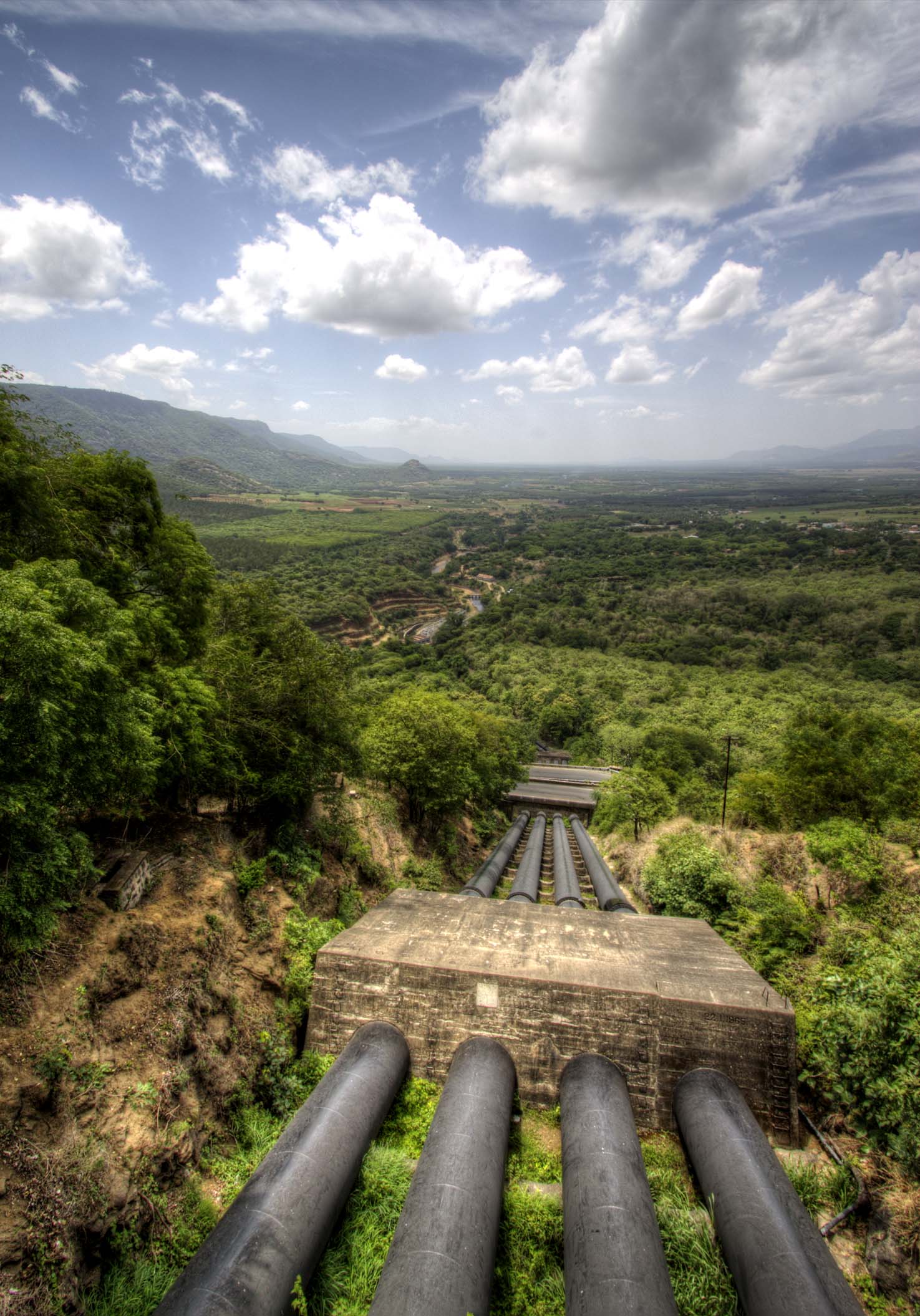
While enjoying this beautiful view into Tamil Nadu from the top of the Cardamom hills in Thekkady, Kerala, I began to think about what was behind me. A massive water system, four gigantic pipes directing water from the Mullaperiyar dam to its neighbor, Tamil Nadu. It instantly hit me how vital water is to human civilization that no pie chart or graph can depict any clearer.

The dispute of water from Kerala to Tamil Nadu rings close to my heart with similar water challenges to my home in the Southwest region of the United States. The Hoover Dam is the lifeblood for populations nearing more than 3 million in Los Angeles to Phoenix. Sustaining livelihoods of people will require creative collaborations among cities and increasing educational initiatives about how our actions as a civilization can negatively or positively affect our land and resources, especially water.

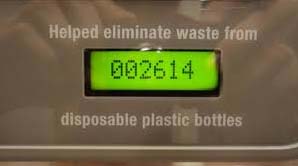
The real question is how does this EZ-fill water fountain found at Cornell University fit in with Mullaperiyar dam? Continue reading

Yay, OK!

Sardis Lake, a reservoir near Tuskahoma in southeastern Oklahoma, is one of the water supply centers that could be protected by the state’s new long-term voluntary water conservation goals.  Photo: Jim Wilson/The New York Times

…You see, California is the state crusading against human-caused global warming while Oklahoma’s senior senator, James Inhofe, has just written a new book excoriating that kind of focus. Continue reading

Where Waters Meet


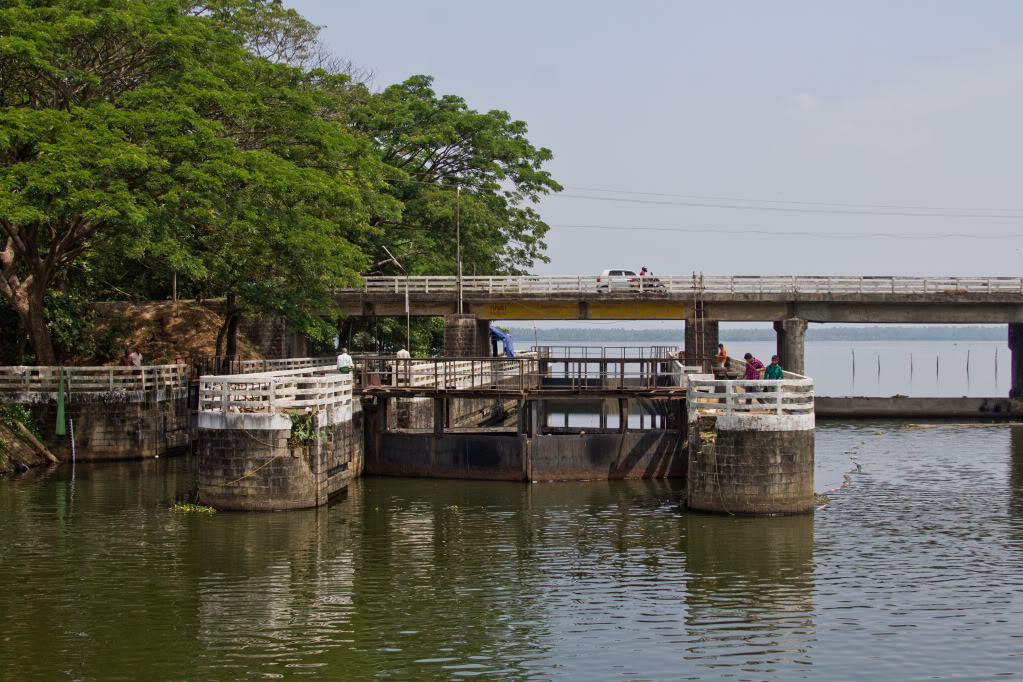
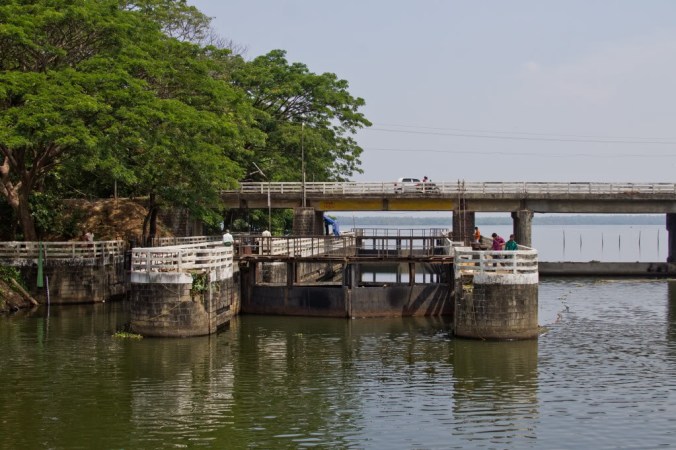
We were recently traveling by houseboat from Kumarakom across Lake Vembanad, the largest backwater in Kerala, toward Cochin and therefore the Arabian Sea.  This route requires passing through the Thannermukkom Bund, the largest mud regulator in India.

This barrier essentially divides Vembanad in half  – separating the brackish waters that flow from the Arabian Sea from the sweet river water that feeds into the lake.  For six months a year the dike is left open, particularly during the monsoon season, but historically the gates are closed on December 15th to assist agriculture in the Kuttanad District, where farming is done below sea level.

Like many areas of the world with significant geographical elements that effect both country and culture, the watery landscape is defined as either north of the bund or south of it. These discriptors are as elemental as global coordinates for people in the region.

We’d made this journey from North to South last year when the gates were still open, but this second, opposite journey required negotiating with the gatekeepers in order to continue our passage.

Even without understanding a word of Malayalam the process was fascinating. Continue reading

Sustainable Landscape Design

Here in the desert, where rainfall is relatively low and where people take great pride in the aesthetic of their surroundings, landscaping is an issue with a great environmental impact. From water use and runoff to soil quality and wildlife interaction, landscaping decisions can turn a piece of property into a detriment to the environment, or they can turn it into a sustained celebration of its environment.

Crown of Thorns plant is a drought tolerant plant, great for landscaping in the desert of the Coachella Valley

Very recently, I attended a sustainable landscaping design workshop in San Diego held by Southwest Boulder and Stone and conducted by Morgan Vondrak of Argia Designs. These companies specialize in the landscaping needs of Southern California and are mindful of the environmental needs involved in such a specialty. Ms. Vondrak shared ten useful and beneficial tips with the attendees, all of whom had a personal interest in sustainable gardening. Here are some of the important things I learned… Continue reading

Enchanting Backwaters – Kuttanad

This slideshow requires JavaScript.

Kerala is a land of extensive networks of rivers, canals, streams and lagoons that form the Enchanting Backwaters which exemplify an amazing relationship between the ingenuity of man and the artistry of Nature. Its crisscrossing canals which were once busy waterways, have evoked comparisons with Venice since travelers began visiting them. The backwater region of Kuttanad is famous for paddy fields, duck farming and fishing. Most of Kuttanad consists of paddy fields that spill out into vast structures inland from the backwaters. With its abuntant paddy Kuttanad has been named the “Rice Bowl of Kerala”.

Continue reading

Sustainable Water System in Your Own Garden!

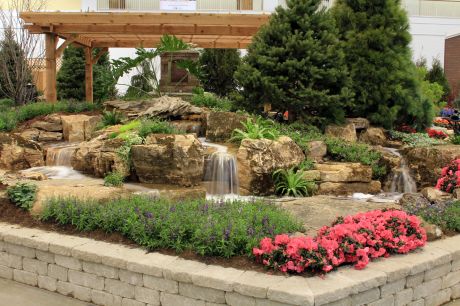
In my opinion, the major benefit for attending Cornell is an opportunity to meet diverse industry leaders face-to-face. This week I was fortunate enough to meet the Sales Director of Aquascape, a water-gardening company dedicated to creating/installing a sustainable and, at the same time, beautiful and decorative water features in your garden. The main way they recycle the water is through rainwater harvesting – by capturing, filtering, and reusing the rainwater. Instead of letting it flow back into the body of water, we could be converting the impervious surfaces (which cause stormwater runoff) to permeable surface that allows us to capture and reuse the rainwater. With this captured grey water, you could be washing your car, irrigating your garden, reusing in water features, etc.

Image Continue reading

If You Happen To Be In New York City

In New York, of all places, you can see and learn about one of our favorite phenomena.  If we have not written about it yet, we will post on this topic from the perspective of some of our own contributors who have seen this in southern Chile, and as recently as last summer Seth took photos while at Morgan’s Rock in Nicaragua.  Here is what the New York Times has to say about the exhibition at the Museum of Natural History in New York:

A thoroughly engrossing exhibition at the American Museum of Natural History that opens on Saturday — “Creatures of Light: Nature’s Bioluminescence” — teaches us quite a bit about the phenomenon. Yet it still manages to preserve that otherworldly mystery, even cherishing it — treating it as if it were one of those ecologically vulnerable bioluminescent bays of glowing plankton in the Caribbean by whose shimmer visitors could once read in the middle of the night. Continue reading

High Time

…Some years ago — never mind how long precisely — having little or no money in my purse, and nothing particular to interest me on shore, I thought I would sail about a little and see the watery part of the world. It is a way I have of driving off the spleen, and regulating the circulation. Whenever I find myself growing grim about the mouth; whenever it is a damp, drizzly November in my soul; whenever I find myself involuntarily pausing before coffin warehouses, and bringing up the rear of every funeral I meet; and especially whenever my hypos get such an upper hand of me, that it requires a strong moral principle to prevent me from deliberately stepping into the street, and methodically knocking people’s hats off — then, I account it high time to get to sea as soon as I can… Continue reading

A Dry Periyar

Kerala is dry. The places I’m used to seeing so green and vibrant that they practically drip are now dry, brown and crackly. What are normally torrential waterfalls are reduced to sunbaked rock faces. Clouds occasionally float through the sky, mostly in early morning, but they haven’t shed tears throughout the season. The native plants are geared to survive this climate, as the year seesaws between dryness and enormous moisture. In the forest, untold thousands of dead leaves cover the ground, crackling with glee as trekkers pass under the trees.  Continue reading

Blue Revolution

The Utne Reader, long the aggregator of choice for news on a wide variety of topics from a wide variety of sources, has a great new life on the internet: bigger, better, faster. An item currently on their website (click the image above to go there) is worth a look because of the provocatively obvious (to anyone living in a location where water scarcity is already an issue) opening line:

It’s time to confront our long-held, deeply ingrained belief that water should be forever free, Cynthia Barnett contends in her new book Blue Revolution: Unmaking America’s Water Crisis, which recently came out on Beacon Press.

Continue reading

Needing Mr. Miyagi

Anyone who has ever been to ski slopes may have experienced small, pint-sized, infant skiers buzzing down the hills.  As a veteran skier of 18-years, I proudly proclaim that I was once one of these daring children.  However, I learned this past weekend that through the years I have lost this fearlessness when I was challenged to try snowboarding.  I would love to boast that my first run was very similar to this video, but the aching of my entire body keeps me truthful as if to say, “Ha!  You wish, Meg!”

Several times I met the side of the mountain and regardless of the many parts of my body that hit, the solid surface was resilient to my attacks; in fact, the bruises that continue to surface would argue that it fought back with increasing firmness.  The absence of soft, powdery snow brought my awareness to this season’s lack of typical winter weather, and it drew my attention to the resort’s snow-making cannons.  Continue reading

Verticals & Travel

Is it about the nascent field of urban ecology?  The science of water?  Microscopic adventures?  Click the image above (from the collection of the Wellcome Library in London, an “1828 etching by William Heath depicting a woman dropping her teacup in horror on discovering the monstrous contents of a magnified drop of water from the Thames, at the time the source of London’s drinking water”) to read Mark Dorrian’s captivating means of introducing a film, using a couple ideas and images that

anticipated future expressions of the new adventure on the vertical, perhaps the most striking of which would be Charles and Ray Eames’s short film Powers of Ten.

Continue reading

Backwaters Home: Pampa Villa

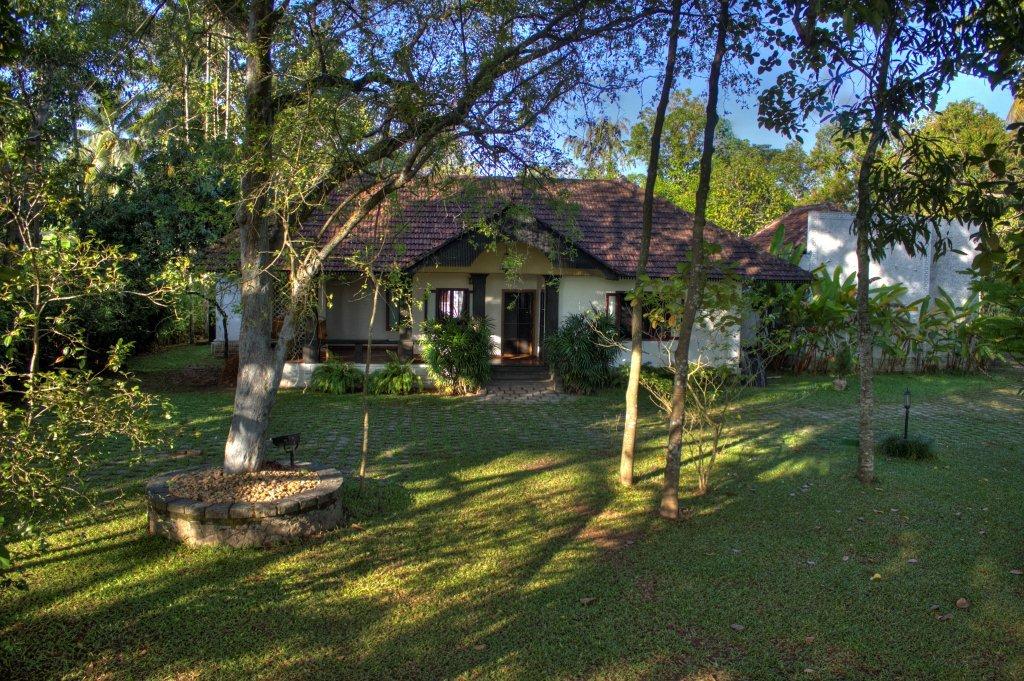
Pampa Villa On The Pamba River

We have mostly shown images of life on Kerala’s backwaters from the perspective of boats, as in looking at and looking from.  As Milo’s recent post showed (at the tail end, so to speak), there is much more life on these waters than first meets the eye of the occasional visitor.  The view above is from the river, looking at a home that Raxa Collective recently took responsibility for.

This responsibility included modifications to the interiors in order to make it more welcoming to travelers.  It had served as the home of a prosperous resident of the backwaters, but now is open to receive visitors whose preferences in terms of privacy, decor and food (at least spice levels) often differ from those of locals, at least a bit.

Continue reading