The Gadus Commons

William Bradford, governor of Plymouth Colony in Massachusetts for much of the first half of the 1600s, from whom North Americans  have inherited the notion of  communal Thanksgiving (and incidentally my grandfather 26 generations removed) noted:

The major part [of the Pilgrims] inclined to go to Plymouth chiefly for the hope of present profit to be made by the fish that was found in that country (Cod; 67).

Fast forward a few centuries.  Bottom trawling, longlining, and gillnetting during the 19th and 20th Centuries were probably the most responsible for cod’s population decline in North America. Faced with the same great abundance that had helped bring settlers to Cape Cod, huge fishing companies acted rationally to maximize their own gain, taking advantage of the bountiful commons, and this led to ruin. With the near disappearance of cod came the absence of herring, capelin, humpback whales, and squid. Continue reading

Snowy Charisma

There just seems to be something about Owls.  Wisdom personified.  Avatar of the Greek Goddess Athena and also of the Hindu Goddess Lakshmi.  Which came first?  To complicate matters, in other ancient traditions they represent less desirable qualities (bad omens in Arabian mythology, and death in some African and Mesoamerican cultures).

I can almost picture a Zack Snyder battle on the big screen covering all this territory.

Meanwhile they remain charismatic members of the ornithological world.

According to veteran Owl researcher Denver Holt:

 “People pay attention to owls more than other birds because they look like us,” he said. “They have a symmetrical face, eyes facing forward, a round, flat face and a round head with feathers that look like hair.”

In his New York Times article Jim Robbins writes that owls are not only harbingers but barometers, helping us understand the status of fragile ecosystems.  Daniel J. Cox’s photographs give readers a stunning view of both the owl’s majesty and scientific importance in these studies.

Bird of the Day? Let’s call these Strigiforme ambassadors the Bird of the Hour!

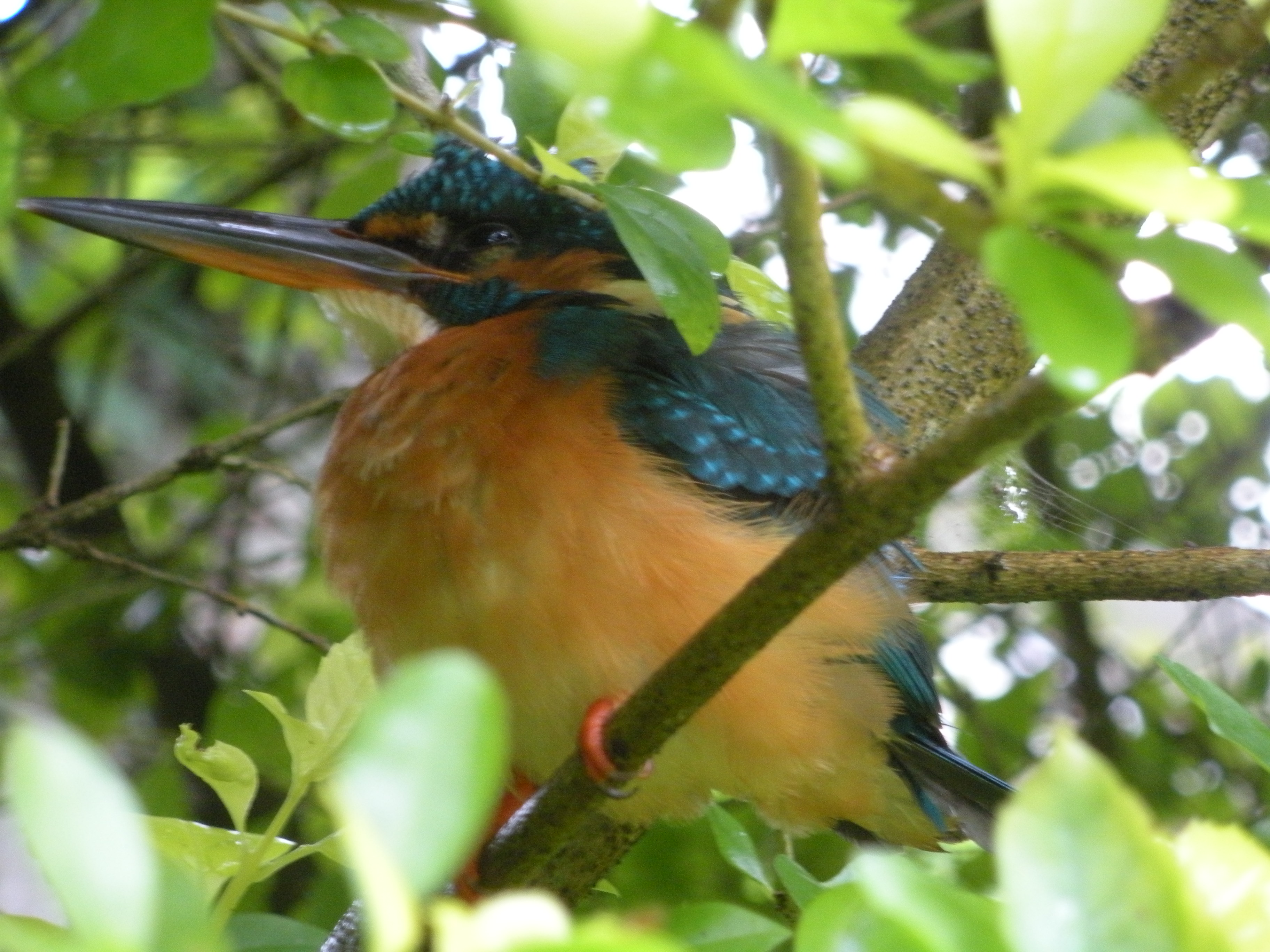
Kingfisher – Messenger of Hope

BAM! The usual silence of the internet café at Cardamom County is suddenly and startlingly broken as one of its large windows deflects a wayward bird. The bird, a kingfisher with feathers as vibrantly colorful as nature allows, lay still in the bush, ostensibly lifeless.

This is how my morning started, but thankfully, not how it ended. I quickly ran next door to the gift shop seeking help from Manoj, guest relations executive, thinking that he might know what to do. We approached the bush to find the bird still breathing. Manoj tugged at it gently, expecting to extract a paralyzed, fading animal. Then, with the same unexpected abruptness that it collided with the windowpane, it fluttered and flew away, as if all it needed was to be untangled from the branches it landed in. The kingfisher, disoriented, had another less than graceful clash, this time with the bushes that line the pool. Fearing again the worst, I approached, and it took flight again, finally landing as intended, perched on the branch of another of the poolside shrubs. It was stunned. As it took its time recollecting itself, I ran and got my camera to snap these photos.

Continue reading

Lion-Tailed Macaque

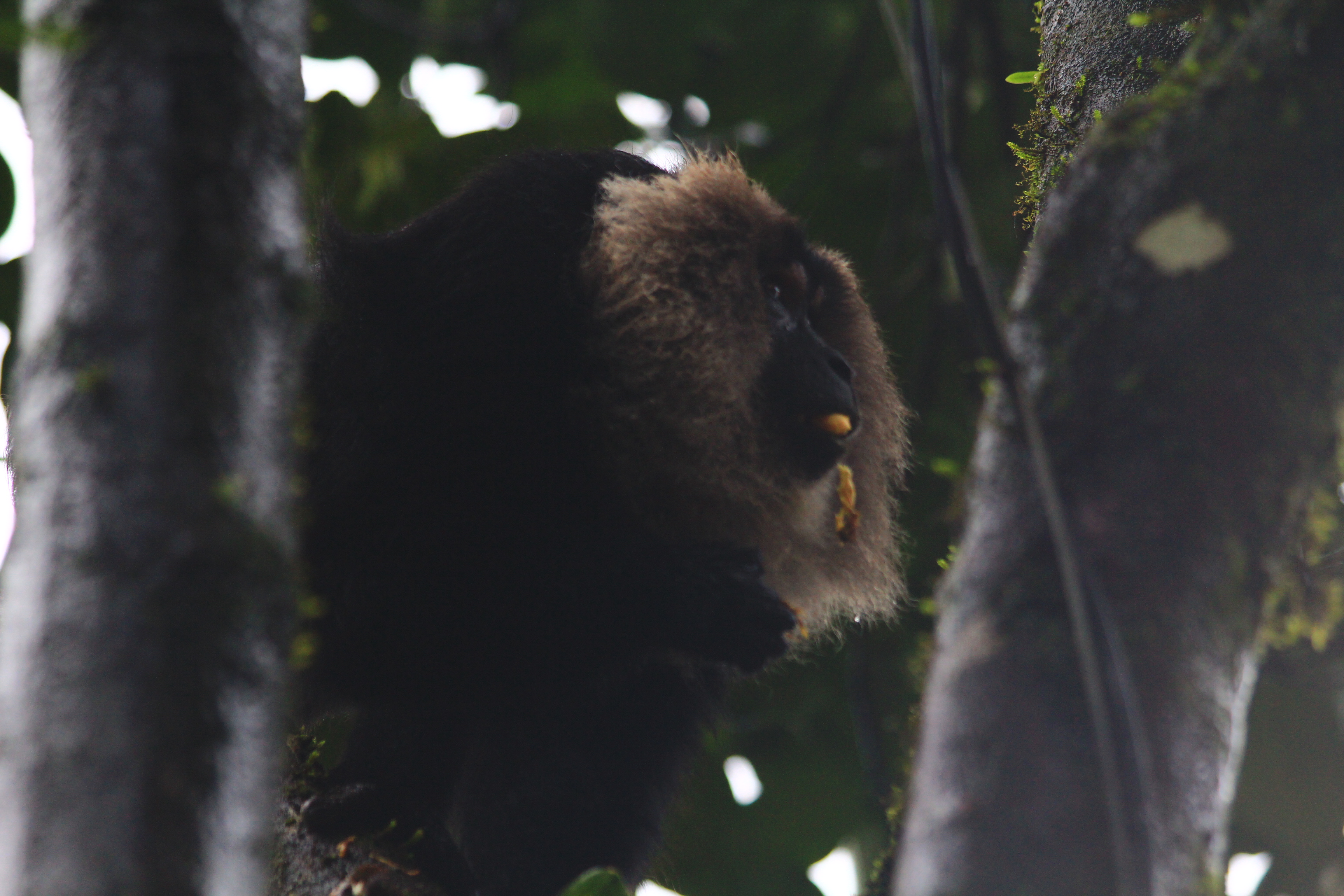
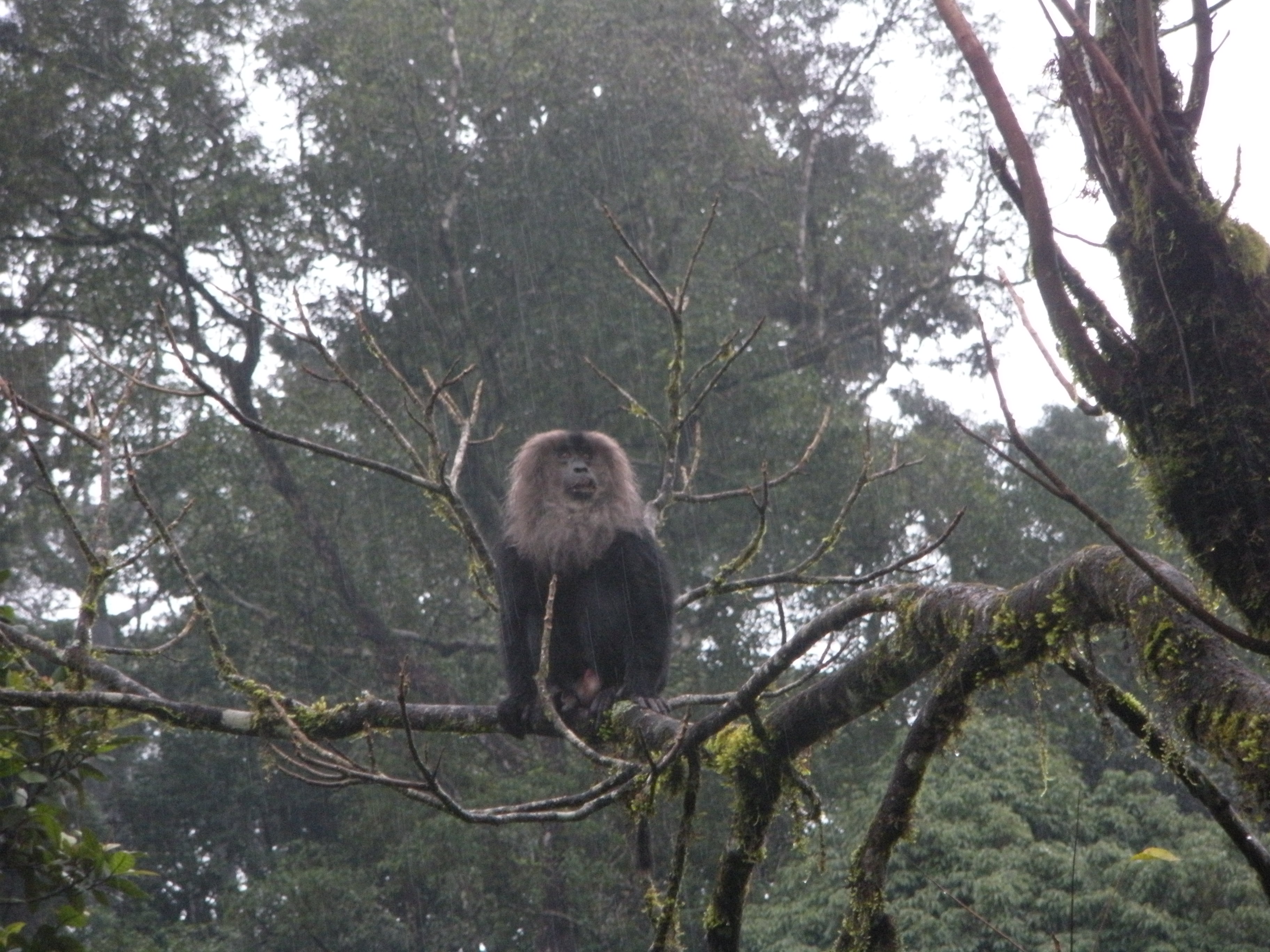
Around Cardamom County, we’re used to seeing bonnet macaques, those overly friendly little grayish-brown rascals that scurry about causing the cute kinds of mischief that might be typical of a cartoon character. More recently, we’ve been visited almost daily by small troops of nilgiri langurs, endangered primates with a little less personality and a bit more intimidation factor. Having grown relatively familiar with these two species, I’d thought I’d seen all the monkeys that the Periyar had to offer. How naïve of me…

Allow me to introduce to you, the lion-tailed macaque.

Continue reading

Visit with Vijaykumar Thondaman, “Bird of the Day” Photographer

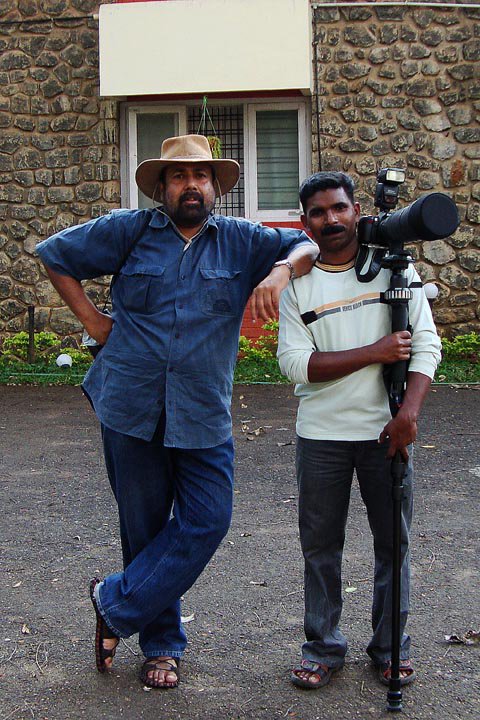
Today we had a visit from a very important contributor, Mr. Vijaykumar Thondaman, the generous gentleman whose remarkable photography skills and passion for wildlife have furnished us with the ever-popular “Bird of the Day” series.

We forgot to snap a photo so we stole this one of Mr. Thondaman (left) with assistant Jayan

Sipping tea and chatting with Vijaykumar was not only an honor (in addition to being an accomplished wildlife photographer and naturalist, he is the nephew of the Late His Highness Raja Rajagopala Thondaman, the ninth and last ruler of the erstwhile Pudukottai State), but it was also an educational exploration of the feathered fauna of southern India. With a palpable passion for the subject, his ornithological knowledge is the consequence of a unique upbringing, as his father, Maharajkumar Radhakrishna Thondaman, maintained a mini zoo with blackbuck, sambar, chital, barking deer, four-horned antelope, foxes, crocodiles, pythons and wild and imported birds. More specific than his father’s captive collection was his small ornithological museum where Vijaykumar learned taxidermy at a young age. Vijaykumar grew up in the 100-acre campus of the New-Palace (the present Collectorate), which had a collection of rare trees and shrubs and wildly roaming peacocks, rabbits, partridges, quails, blackbucks and chitals, none of which exist there anymore. His love affair with wild-life, however, has been an indelible part of his life ever since. Continue reading

Collaboration Without Borders

Until they mate, acorn woodpeckers devote their time to gathering food for their relatives’ young. Credit: Walter Koenig

Let me tell you why I love Tuesdays.  Tuesdays are the designated “Science” day in the New York Times.  I should also say that I love Wednesdays, too!  That would be the “Food and Wine” day.

The fact that today is Friday only goes to show that I don’t always have time to view the paper on a daily basis.

In light of the Vijaykumar Thondaman‘s Bird Of The Day posts, I was excited to see this article about the collaborative nature of this species of woodpecker.

Sindya N. Bhanoo writes:

Acorn woodpeckers are industrious, cooperative birds that live in family groups. Each family has several “helper” woodpeckers that do not breed. These birds devote their time to gathering acorns and other food for the young.

In other words, they’re the equivalent of  ornithological  “nannies”.

I hope you’ll agree that the concept is interesting…and the photo isn’t bad, either!

It’s A Tough Job…

One of the many hats I wear within my La Paz Group responsibilities is orienting our new interns and visiting colleagues to the Kerala experience.

The usual itinerary includes a visit to some of the cultural sights at Fort Kochi, as well as Backwater excursions and of course, Thekkady and the Periyar Tiger Reserve.

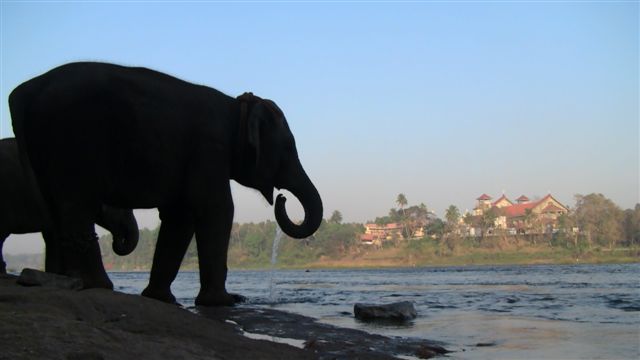
I think I can say without reservation that each intern who enters the reserve has expressed the clear desire to encounter one of India’s most charismatic fauna–the elephant– and some have been luckier than others.

An important part of Indian mythology and culture, here in Kerala elephants were once called “sons of the Sahya”, meaning “sons of the Western Ghats”–referring to the mountain range that not only forms the border with a neighboring state but represents the heart of this one. Continue reading

Periyar Trek and Bamboo Rafting

I only went out for a walk and finally concluded to stay out till sundown, for going out, I found, was really going in.  -John Muir, 1913

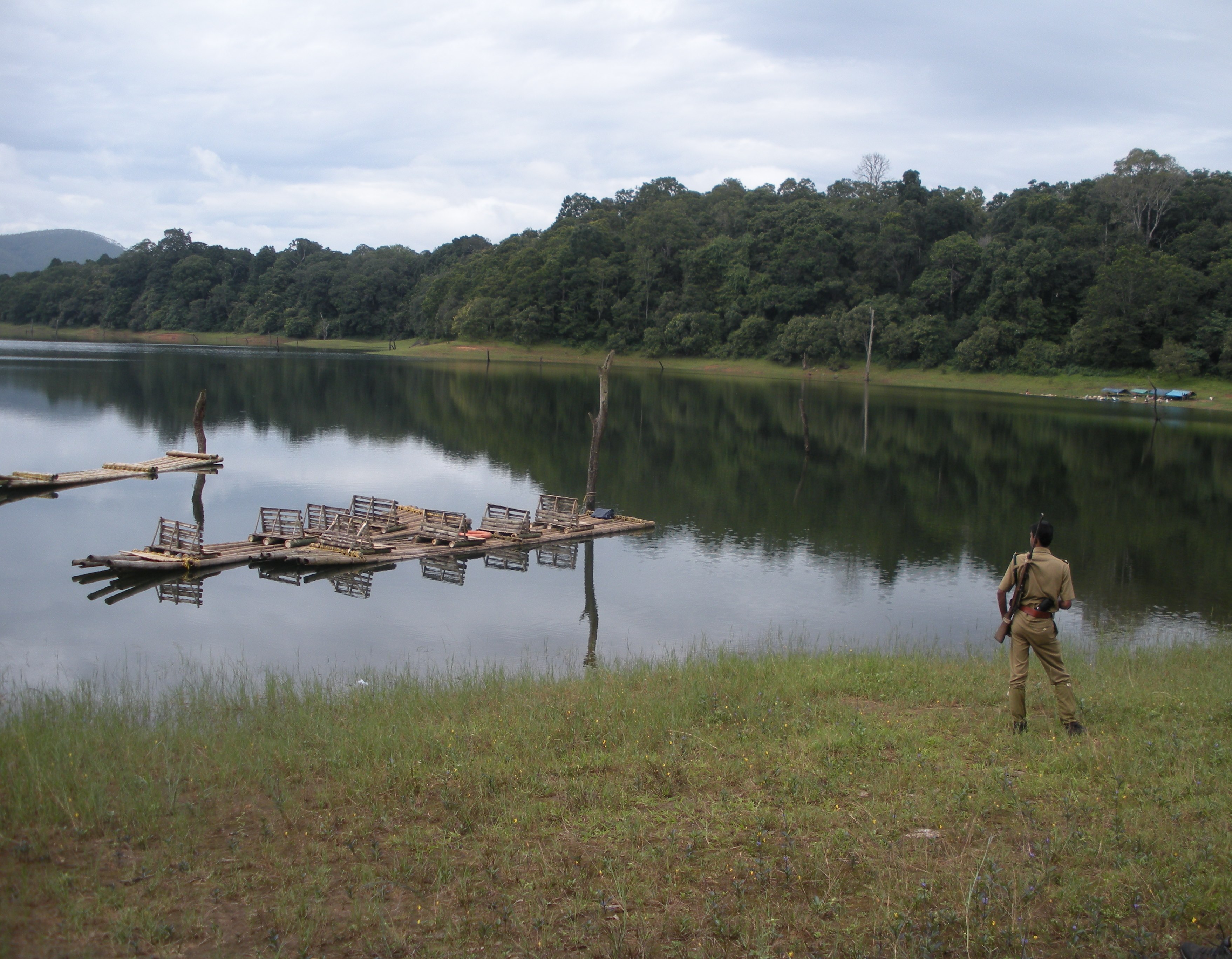
A trek into a tiger reserve might most readily evoke ideas of adventure and intrepid exploration. Bamboo rafting suggests a similar air of gallant expedition in an untamed wilderness. But when asked about my experience on the bamboo rafting and trekking tour through the Periyar Tiger Reserve, ‘peaceful’ was the word that came to mind. While all those notions of rough and rugged adventure are accurate, ‘peaceful’ is the expression that best describes that day, as well as the feeling I get when reflecting upon it.

Continue reading

It Takes a Thief. And 50 Million Years of Practice

Roughly 50 million years before the first Neolithic human  grain in the ground on purpose, three insect groups—ants, beetles, and termites—evolved the ability to practice agriculture with fungi. When humans started planting nearly 12,000 years ago, it changed the trajectory of life on earth, and today our species dominates its environment with a visible sense of superiority. Insects have been at agriculture for tens of millions of years longer than we have, and we are just beginning to understand their tools and traditions. We don’t know have a sense of their own purpose or not, but we do know that their collective act has had consequences that are still playing out today. Humans may seem to rule the planet, but hidden from their eye most of the time there are insects that dominate the undergrowth.

Fungiculture originated in the beetle family tree at least seven independent times (by comparison, it only originated once each in ant and termite lineages), which Dr. Ulrich Mueller of the University of Texas at Austin says is “perhaps not surprising, given the sheer diversity of beetle species and given the importance of feeding specializations in beetle diversification.” [1]

About 40% of all insect species are in the family Coleoptera, more commonly known to us as beetles. Fungiculture is carried out by the 3,400 species of beetles known as ambrosia beetles, which line the wooden walls of their burrows, or galleries, with fungi that absorb nutrients from the wood. The various fungi strains have been called ambrosia since the late 19th Century.

The black stains that the fungal growths leave on wood are Continue reading

Territorial Tensions

Every day since my arrival at Cardamom County, I’ve either seen or woken up to the sounds of monkeys scurrying across my roof, launching themselves from their tree branches onto my tiled terrace, and looking curiously into my room as if there were giant bananas inside. As it turns out, they can’t really see inside unless the lights are on, so it might have been their own fuzzy reflections they were so intrigued by – the narcissists. Whatever the case may be, something is different in the woods these days, Continue reading

Trope Talk

In another short burst of wisdom, Mr. Egan brings attention to the remarkable risks that accompany forays into wilderness, quoting one of the elders of the field:

Yosemite’s most lyrical advocate, the naturalist John Muir, anticipated the urban hordes as the population moved away from field and farm. At the dawn of the 20th century, he saw the parks as places to escape “the stupefying effects of the vice of over-industry and the deadly apathy of luxury.” But Muir also expected people to have some basic understanding of the outdoors.

This paragraph is bounded by vignettes of sublime and ridiculous examples of nature providing refuge as well as danger. It is not clear why he validates a trope of ideologues–his point would have been made without the nanny state reference.  Or would it?

Remembering Culture Shock

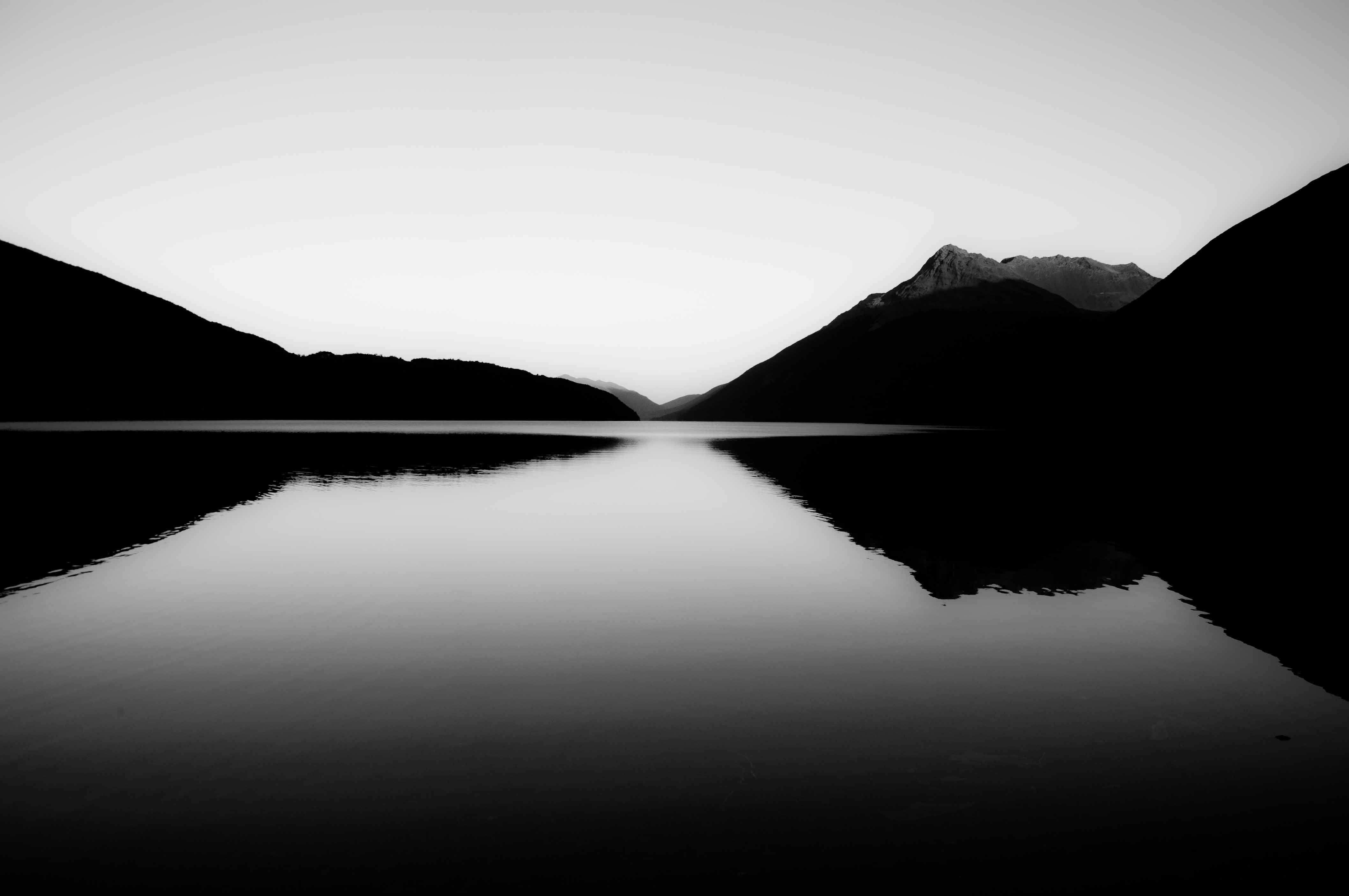
Lago Deseado

It’s been almost 2 years since I first moved to South America, and as its winter here right now, the grey weather and cold temperatures have fostered a more contemplative lifestyle in me, and has often made me think about my first experiences in southern Chile.  When I arrived in Punta Arenas it was not only the first time in Chile for me, but also the first time in a Spanish speaking part of South America (I had visited Brazil the year prior).  I remember being apprehensive about my virtually non-existent Spanish speaking skills, and thinking that with French and German already in my arsenal, I perhaps will be a faster learner, and therefore, “it won’t be so bad.”  Then came the connecting flight in Santiago…I was in the airport and every word being spoken around me seemed utterly foreign.  Luckily I began to understand relatively quickly and became accustomed to the barrier.

Thinking about this made me check some old emails I had written to friends back home when I first arrived in Patagonia. Below I’ve posted an email that garnered a lot of attention, due to its comedic nature.  I’ve also included some photos I took while in Patagonia, which I have recently been revisiting because I find them peaceful, tranquil, and in accordance with my recent moods. Continue reading

Seaweed Sunset

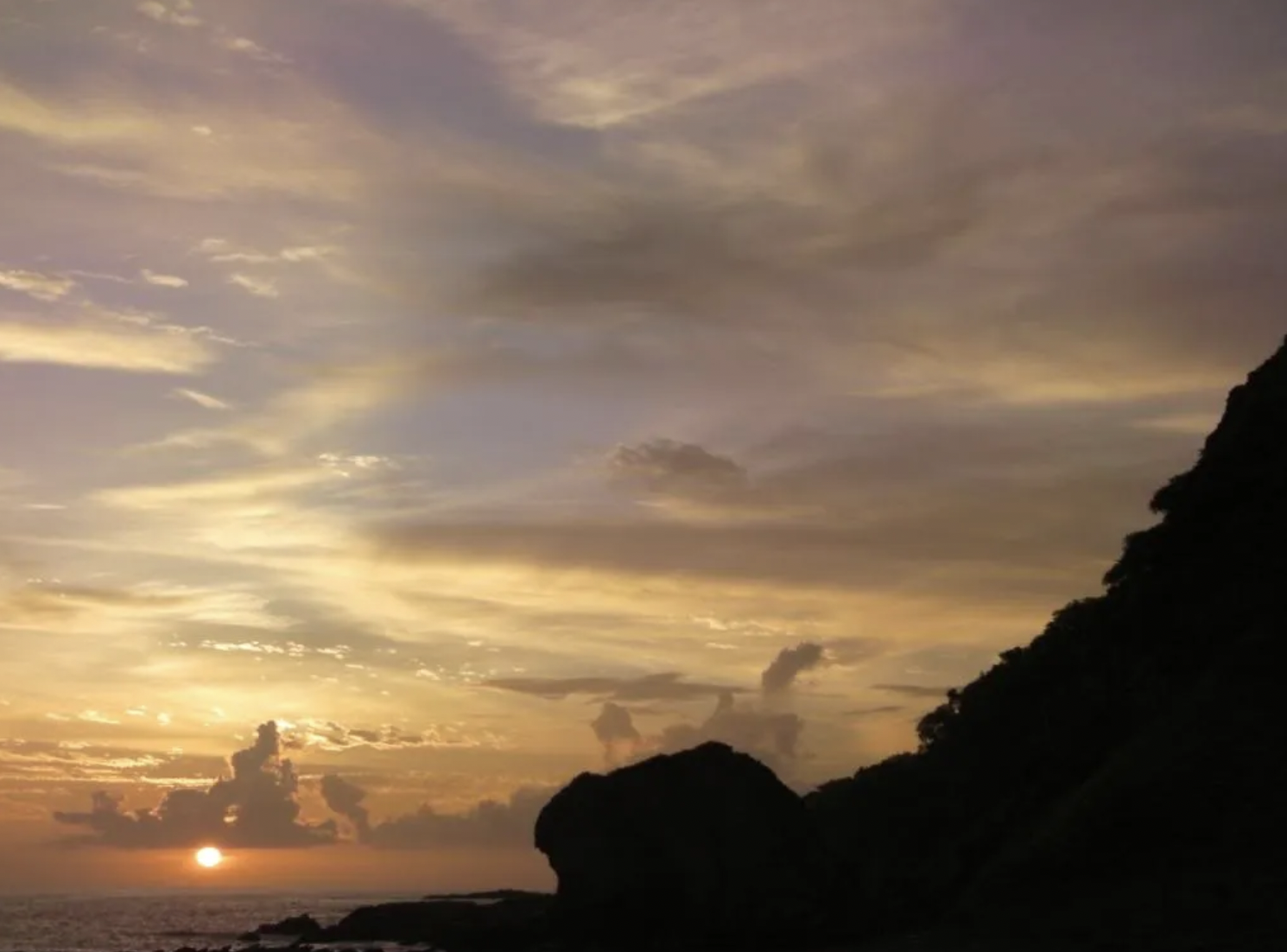
A couple days ago the tides at Morgan’s Rock had shifted a couple hours apart, so that during the sunset, which is normally at full high tide, the waves were absent, leaving a surprising amount of the sand and rocks bare.

This cloud, backlit by the setting sun, offers itself up to the traveler’s imagination

These rocks, which I’d noticed from Sunset Hill before, were now accessible by foot, so instead of hiking to the summit, which I had done several times, I climbed over the rocks until I had a good angle of the sunset as well as waves crashing violently into the rocks (video to come). Since they are so often under water, these formations are covered in sheets of seaweed and house sea urchins. This makes the surface of the rocks look like a fluffy duvet and the tidal pools a bed of nails.

To Morgan’s Rock guests: When the tides are right and you have strong shoes, Continue reading

Wordsmithing: Entrepreneurial Conservation

Two previous posts about words pointed out how common usage can alter the course of their meaning over time in surprising ways. We might not even recognize the original meaning today, some perishing in dungeons and others flying too high for their own good. The risk of writing these particular posts is when their intent seems anything other than constructive. Who wants to cast a stone, first or otherwise? We live in glass houses, and all that. In the spirit of focusing on that intent, this quick post draws together two words: entrepreneurial conservation.

As any phrase should, these words together build something more valuable, more effective, than either could on its own. If words can be cousins, as implied in a previous post, then phrases can be part of an extended family too: these two words, as a phrase, share linguistic DNA with social enterprise, but OED does not know it yet. The phrase (and our work) recognizes that for all the heroic efforts of traditional conservation organizations—The Nature Conservancy, WWF, Conservation International, etc.—not to mention incredible government commitments to national and state parks throughout the world in the last century, there is still a deficit of conservation.

The world still loses more wilderness than it protects. Ditto for intangibles in the domain of cultural heritage. So, what else to do other than pitch in and see what we can do? And if it can be shown that conservation is good business, then more people and organizations will pitch in. Watch Adrien’s posts for more on this in Patagonia, and Reyna’s upcoming posts from the Galapagos Islands. Those are two pristine natural wonderlands with limited human populations. But also watch for posts from Kerala, India — where the story is more complex with regard to population growth and wilderness conservation. Or from Nicaragua, where we feel Morgan’s Rock is leading the way in Central America with a robust mixed-use model that makes use of each idea we have put on the anvil so far: resort (old meaning), luxury (new meaning), entrepreneurial and conservation (combined meaning).

Omens of Fortune

I am not superstitious. But I am also not exactly non-superstitious. I love black cats (my grandmother has two, named Helios and Selini after the sun and moon, in Greek). Sometimes I have to pass under a ladder to get something done. No problem. And in the spirit of declaring my semi-agnosticism in that domain, I also think insects have had a bad rap for way too long. With all due respect to arachnophobes (and I really mean that), I always find encounters with spiders fascinating. Today, it went beyond empirically verifiable fascination; I found myself feeling positively superstitious, if I may say so with the dual meaning of the adverb.

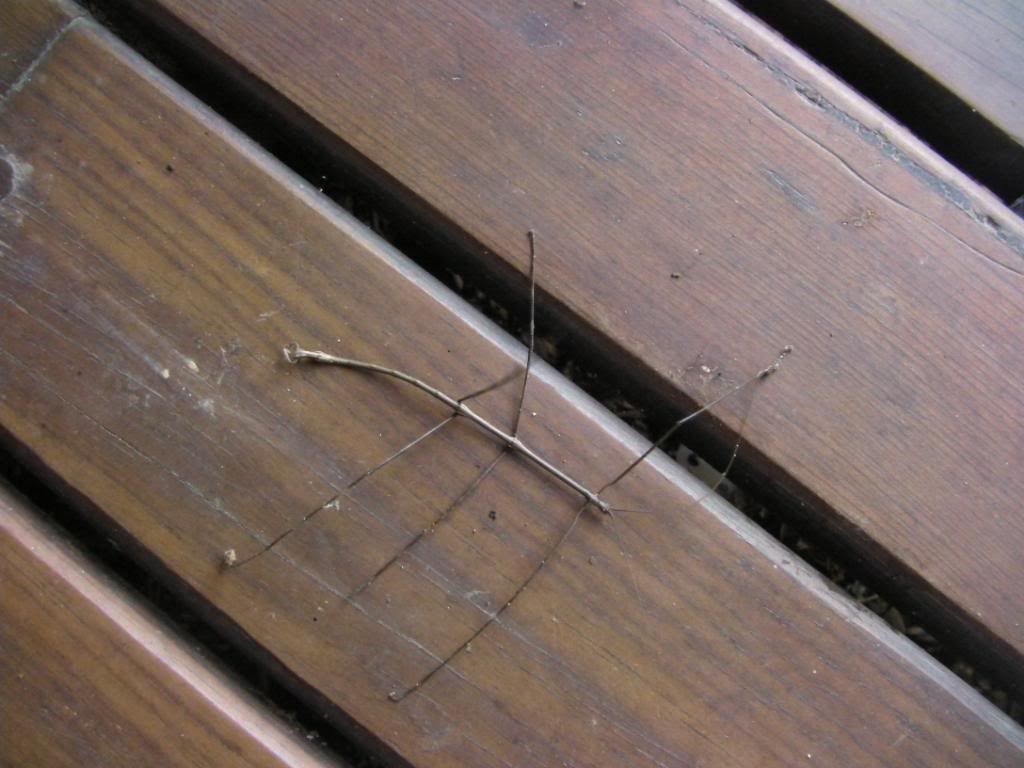
In the morning when I exited my room in the little house not too far from the Morgan’s Rock lobby, this spider was waiting for me outside. After I showered and got ready to leave, I passed a frantic walking stick attempting to find a tree, perhaps having fallen from the ceiling earlier. As I walked to the restaurant for breakfast, I considered these two arthropods good omens of the sightings I would have on my forest walk later in the day.

When I departed on the trail to find wildlife to photograph, I passed near some weeds on the side of the path that had been ravaged by some insect. I crouched and looked closely at all the leaves to detect the culprit, but found no obvious caterpillar or beetle munching on the foliage. Bending closer, I scanned the plants with a patient eye and finally noticed something that stood out. Continue reading

Banner Images: Where, What, Who?

Hopefully the new images in the banner catch the eye. I hope they are aesthetically to the point. In fact, all of these photos are taken by two of our contributors, Milo and me.  Since the pictures are shown randomly with no sequence, I wanted to show all the un-cropped version pictures at once with some background information.

First 12 pictures are taken by Milo.

Pheonix Oysters (Pleurotus pulmonarius) grown on paddy straw in Milo’s apartment in Cochin

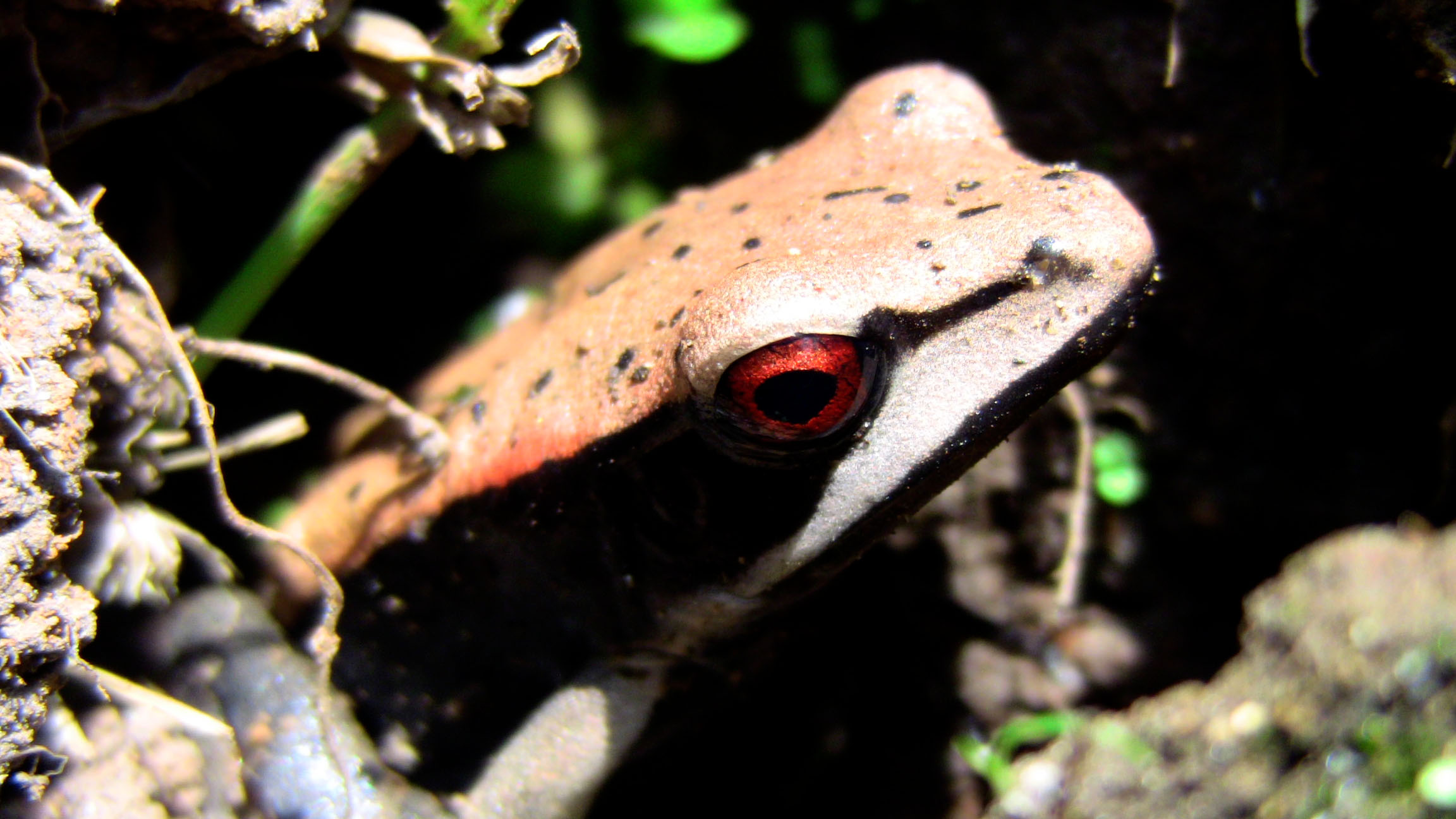
One of thousands of frogs on the road to the boat landing in Thekkady on Border Hike Continue reading