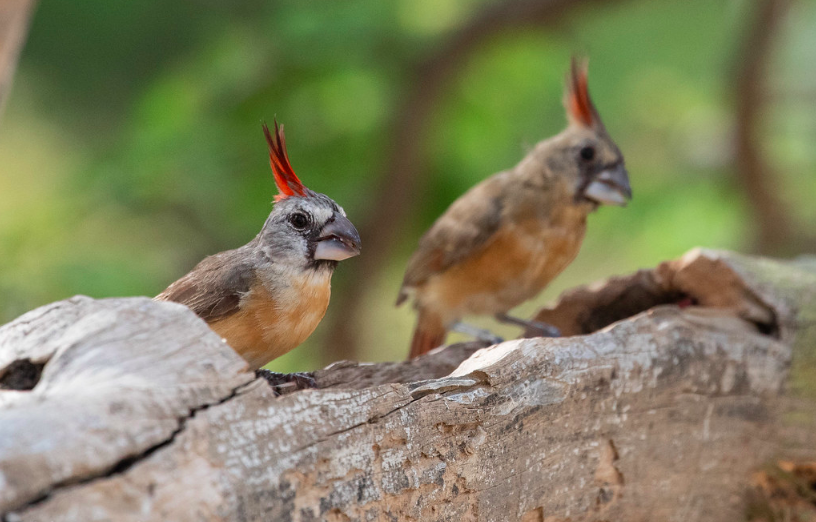
females
Camarones, La Guajira, Colombia
females
Camarones, La Guajira, Colombia

View from our window
On a day when we might have been out and about, we are not. From my desk, this view inspires. We lived not far from here 30+ years ago, and so much has changed (especially me) that the city as a whole does not seem familiar. From our Chinatown lodgings, something I crave apart from local food is just outside. For one, old buildings. Even the snowstorm. That said, I will take this view any other day.
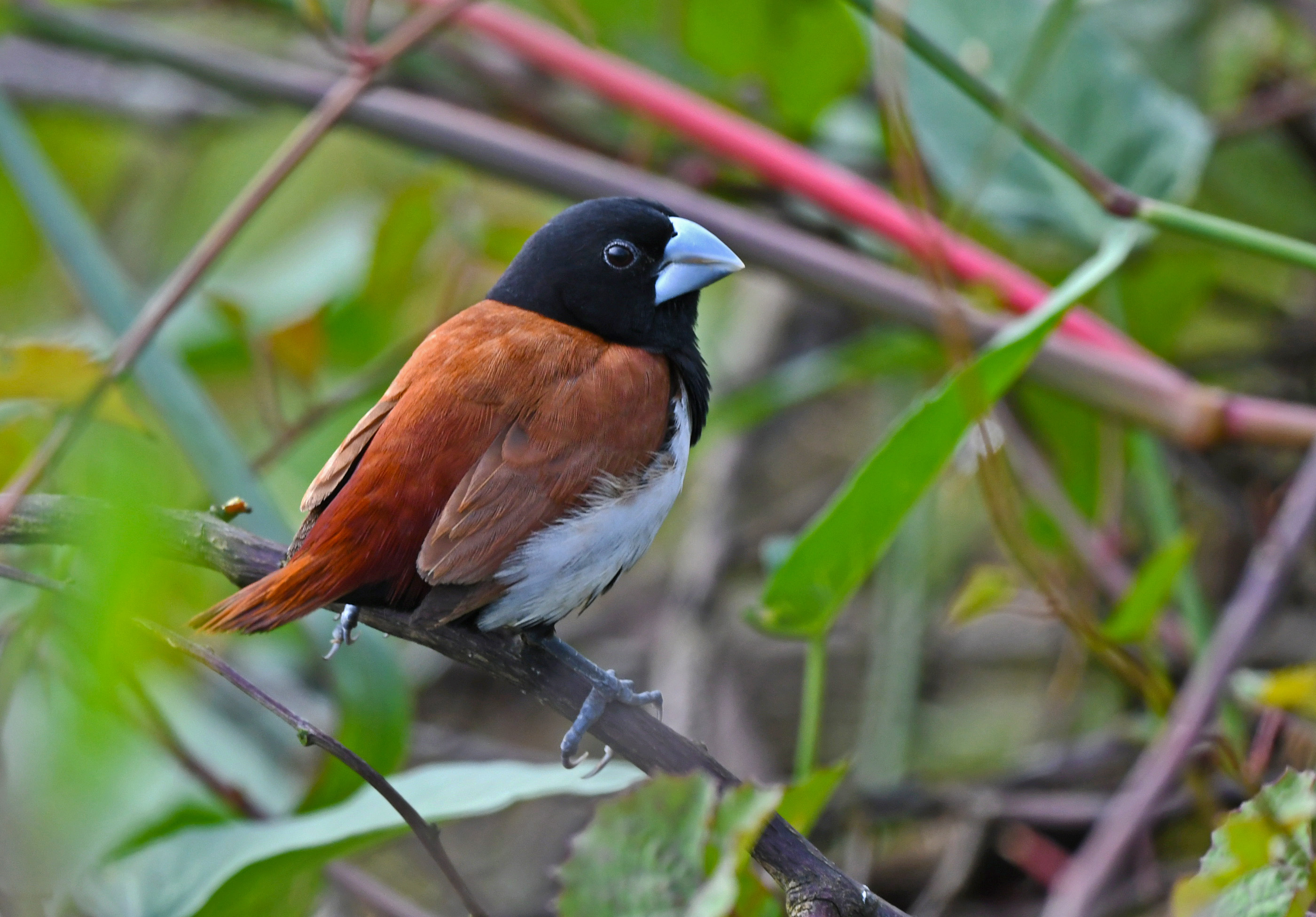
Cochin, Kerala
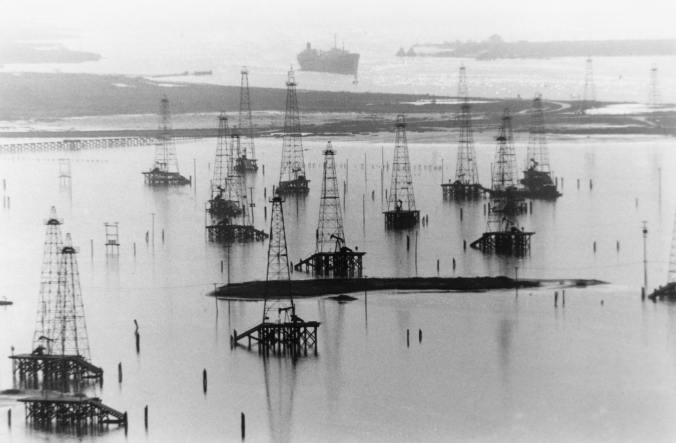
Early offshore action in Texas. the rigs are bigger now—so big that a federal court found yesterday that they’re endangering the climate.
His first book was an early harbinger that we wish had changed the world. Now, decades later, his newsletter is worth subscribing to. When Bill McKibben says something has gone right, we cannot wait to read it:
Something went right!?
Through no fault of its own, Biden’s team gets a big win on climate
Last summer the Biden administration granted the largest set of offshore oil leases in American history. The ironies abounded—Biden had insisted during his campaign that he would not be doing this (“And by the way, no more drilling on federal lands, period. Period, period, period,” he’d explained during the New Hampshire primary); it was the Interior Department that officially sold the leases, headed by a secretary, Deb Haaland, that environmentalists had fought like crazy to get confirmed. Continue reading

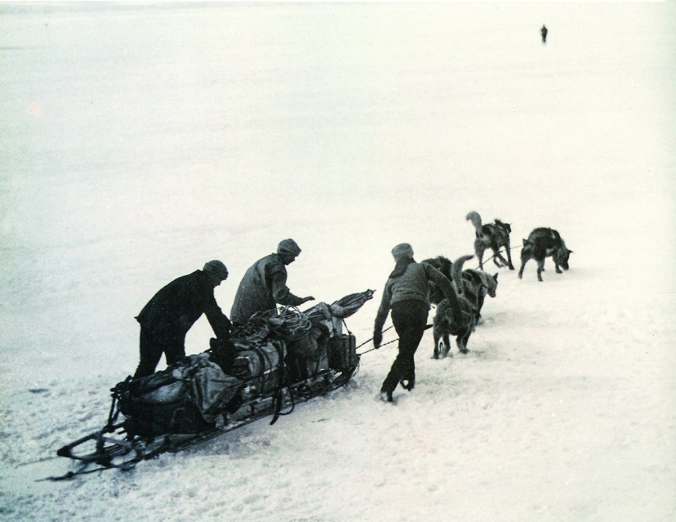
Shackleton leading the Aurora relief party in the winter of 1916, searching for nine lost men.
We are headed to NYC, where snowy conditions await us. This is the perfect review to read en route, to remind me what others have accomplished in snowy conditions much more extreme:
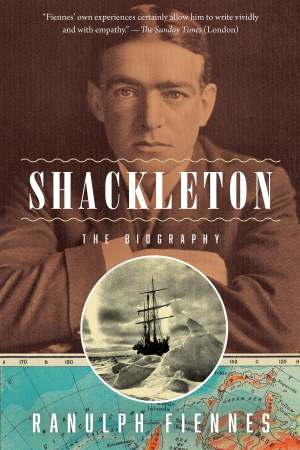
One Good Antarctic Explorer Deserves Another
Hopefully you have an independent bookshop nearby if you plan to buy this book, but if you want to buy online please support an independent bookshop by clicking on this book image
Here is a test. Scott, Shackleton, Mawson, Amundsen — who comes next? As surely as “10” follows the pattern 2, 4, 6, 8, by almost any measure “Fiennes” is the name that should come after the other four synonymous with Antarctic exploration. To give him his full moniker, Sir Ranulph Twisleton-Wykeham-Fiennes has probably man-hauled sledges farther, endured more blizzards and lost more fingertips to frostbite than the rest of them put together.
So when Fiennes produces a book about Ernest Shackleton, it should get our attention: It suggests an insider’s look into a very select club. In a sense, that creates a problem. It is easy to set expectations too high, though Fiennes himself is complicit in this. Continue reading

La Guajira, Colombia
“Hargila” Film Documents India’s Grassroots Effort to Save the Endangered Greater Adjutant Stork
A new film by the Cornell Lab of Ornithology’s Center for Conservation Media tells the story of a wildlife photographer who travels to India intent on documenting the rarest stork on earth, but soon discovers a conservation hero and her inspiring efforts to rally a community to save it. Hargila documents the Greater Adjutant, a huge scavenging stork that was once widely distributed across India and Southeast Asia but is now mostly confined to a last stronghold in Assam, with small populations persisting in Cambodia’s northern plains region. Greater Adjutants are called “hargila” in the Assamese language, which literally translates as “bone swallower.” Continue reading
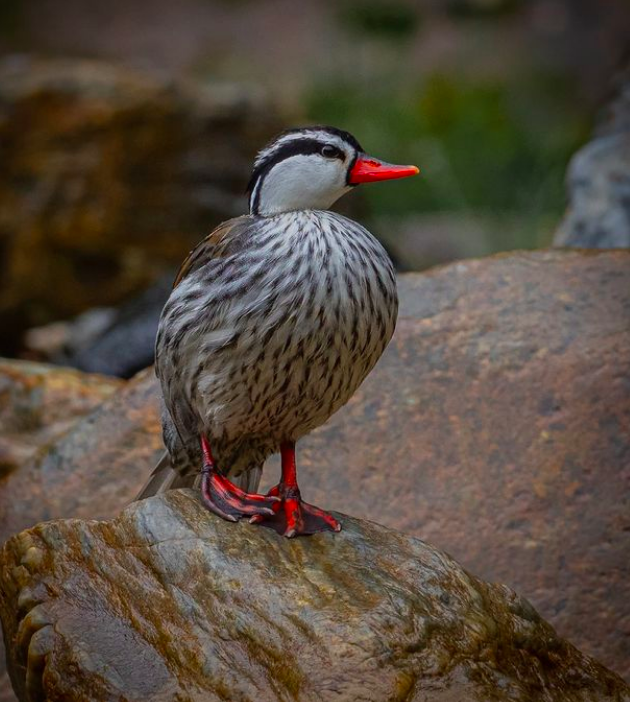
Guango Lodge, Ecuador
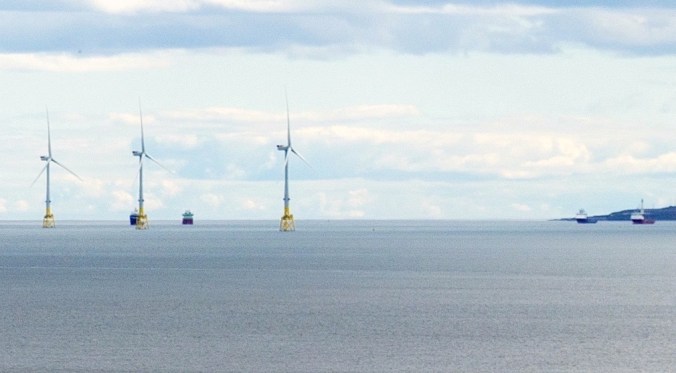
The Aberdeen Bay Wind Farm, an offshore wind demonstration facility off the coast of Aberdeenshire, in the North Sea, Scotland. ZANASZANAS VIA WIKIPEDIA
When big oil companies dismantle rigs and switch to building new turbines, it has the ring of something good. Our thanks to Yale E360 for this news brief:
North Sea Fossil Fuel Companies Plan to Invest More in Wind than Oil Drilling
Having won rights to develop wind farms off the coast of Scotland, Shell, Total, and BP are set to invest more in wind power than in oil and gas drilling in the North Sea in the years ahead, the latest evidence of oil majors changing tack on renewables to better navigate the energy transition. Continue reading

Outskirts of Jaipur, Rajasthan
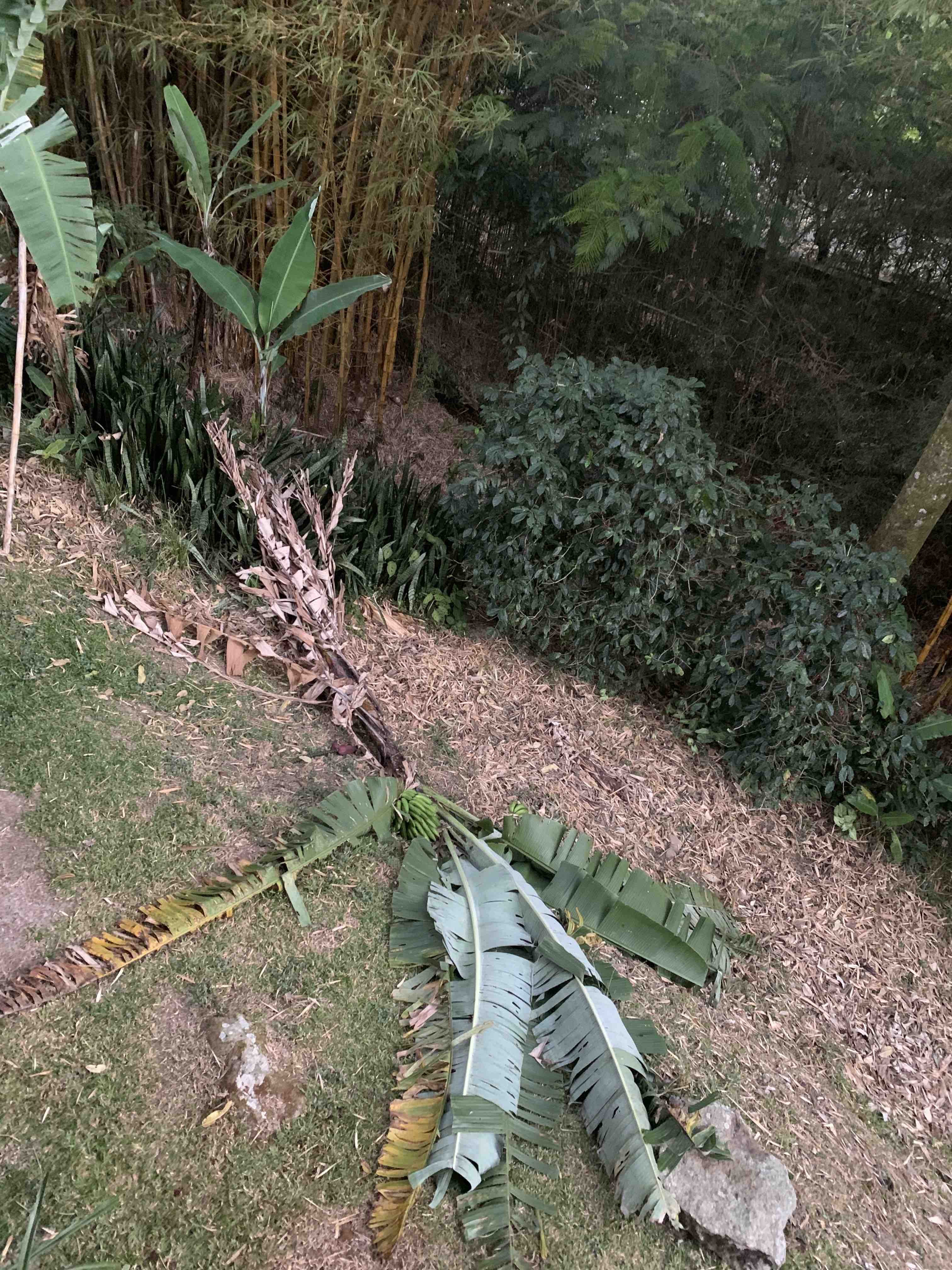
I had the intuition: if I do not harvest these bananas on my schedule, they would do it on their own. And so they did. I came home, looked out the kitchen window, and there was the entire story laid out. Maturity. Gravity pulled them down.
In these two images you can see what maturity means to a banana plant. The bananas are not ripe, but they are heavy enough to pull the entire plant down to the ground.
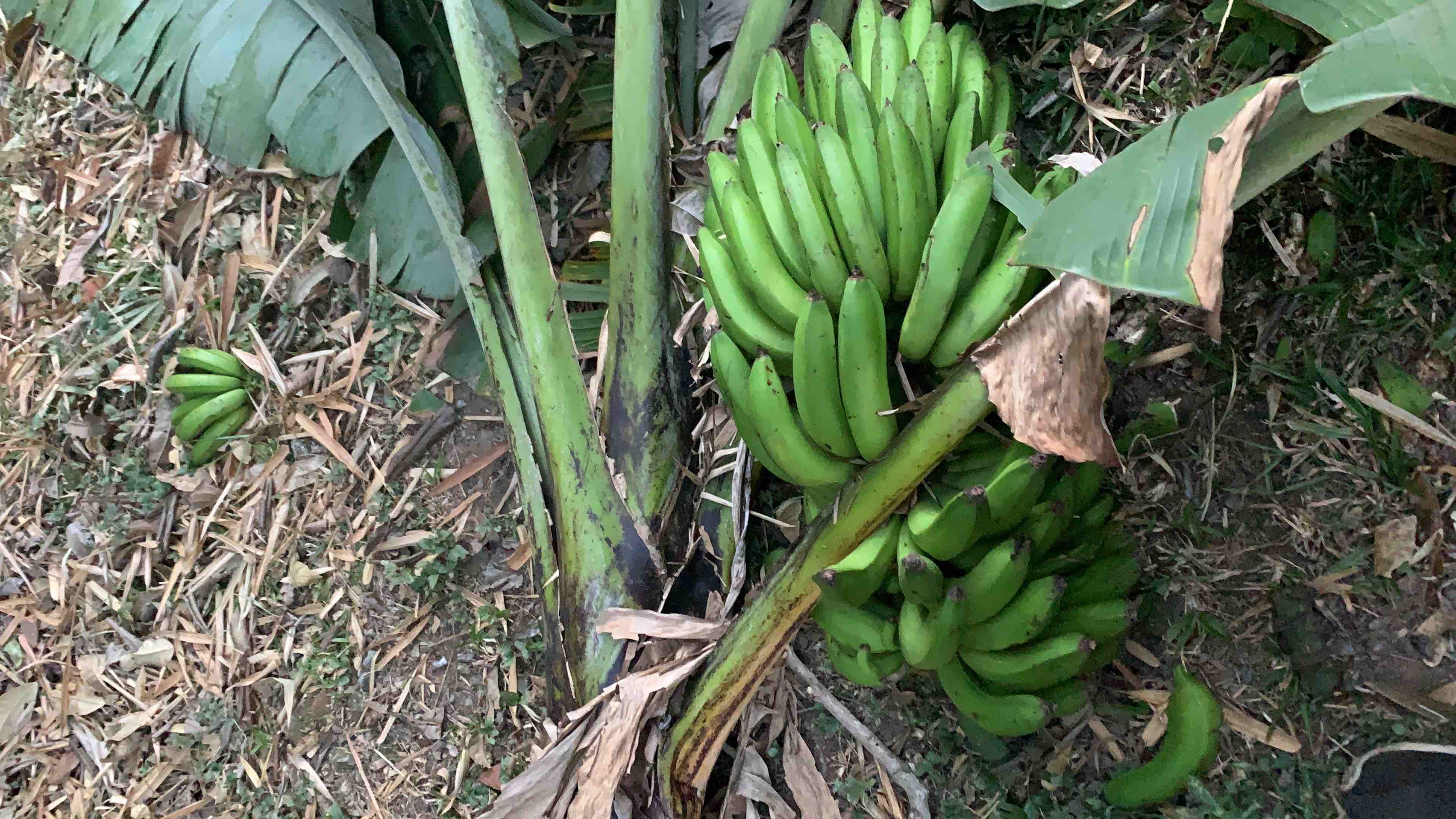
Normally I would have supported the bunch of bananas with a bamboo pole, then carefully chop the bottom of the trunk so the entire structure slowly makes its way down. Even then, no matter how careful I might be, the structure might come crashing down. And thankfully the bananas are still firm enough that almost no damage is done to them. A few got knocked off, but even those will be fine in a couple weeks when they all start turning yellow. Until then, that entire bunch sits in the dark of a tool shed.
Burgenland, Austria.
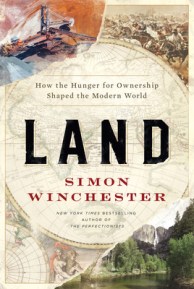 Land acquisition, for the purpose of conservation, is a subject that we touch upon from time to time. The bigger arc of land acquisition’s history, as well as its future, helps with perspective. The book to the right (linked to an independent bookseller’s website), potentially important for such perspective, is reviewed by Francisco Cantú in Human History and the Hunger for Land, as excerpted below (you can listen to the review by clicking the start button here):

From Bronze Age farmers to New World colonialists, the stories of struggle to claim more ground have shaped where and how we live.
Territorial expansion once meant conquest, but other modes are being explored. Illustration by Vincent Mahé
The final piece of terrain to be incorporated into the contiguous United States was an oddly shaped strip stretching from Las Cruces, New Mexico, to Yuma, Arizona. Known as the Gadsden Purchase, the area was obtained from Mexico in 1854 for ten million dollars, adding nearly thirty thousand square miles to a nation still drunk with Manifest Destiny expansionism. The motivations for acquiring the land were many—it contained huge deposits of ore and precious metals, held vast agricultural potential in the soils of its fertile river valleys, and, most important, had an arid climate that could allow a rail route to connect the coasts while remaining free from snowpack year-round. Continue reading

Camarones, La Guajira, Colombia

A cyclist in Berlin, Germany. HENDRIK WIEDUWILT VIA FLICKR
Thanks to Yale E360 for Berlin Looks to Create Car-Free Zone Larger Than Manhattan, a snapshot of the city’s fewer cars campaign, with links to further details in related stories by the Guardian and Fast Company:
Berlin’s regional parliament is considering creating a car-free zone in the German capital in response to a concerted push from a local advocacy group. Continue reading
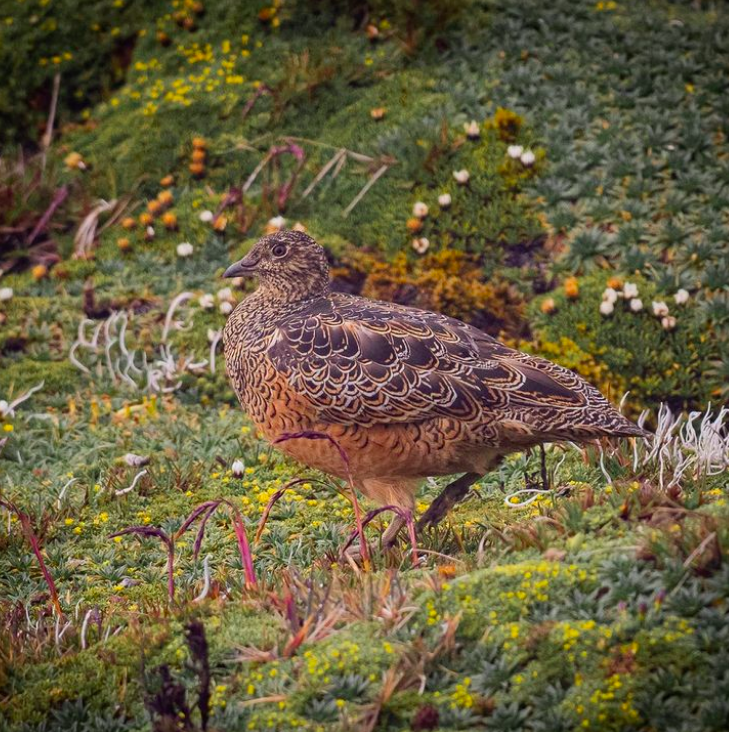
Cayambe Coca National Park, Ecuador
 I have mentioned more than once about my brief blacksmithing experience. I have a respect for the profession. I have a new level of respect for this particular blacksmith featured in Matthew Weaver’s article below, so would encourage you to visit his website by clicking the image to the left:
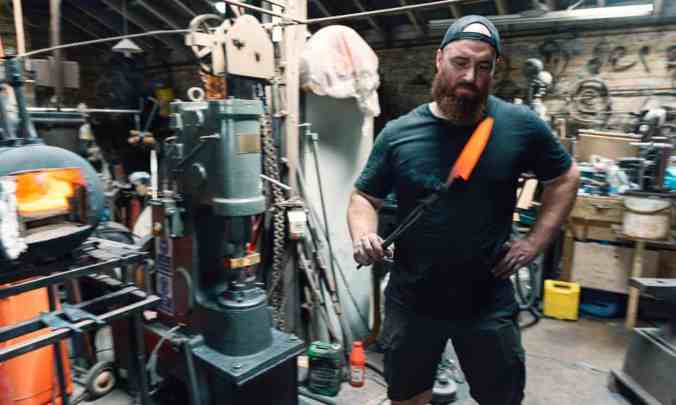
Tim Westley making a zero-waste knife at his forge. Photograph: Xavier D Buendia/XDBPhotography
‘My customers like zero waste’: the blacksmith recycling canisters into cult kitchen knives
Tim Westley takes up chef friend’s challenge to transform laughing gas litter
Discarded nitrous oxide gas canisters. Photograph: Gareth Fuller/PA
The little steel bulbs that litter parks, roadsides and city centres – the discarded canisters from Britain’s second favourite drug, laughing gas – cause misery to many communities. But now one blacksmith has found an innovative use for them: turning them into handmade kitchen knives.
The prevalence of the canisters has prompted some councils to impose local bans, while the home secretary is keen to outlaw them nationally. But Tim Westley’s handmade kitchen knives are gaining a cult following among environmentally conscious foodies after being endorsed by chefs committed to low waste. Continue reading

Desert National Park, Rajasthan
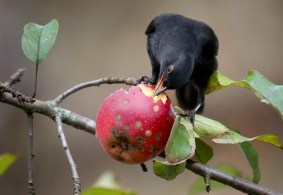
Fruit-eating animals spread the seeds of plants in ecosystems around the world. Their decline means plants could have a harder time finding new habitats as the climate changes. Karl-Josef Hildenbrand/DPA/AFP via Getty Images
From the time we started managing lodges in biodiversity hotspots, bird habitat became an important sub-component of my professional life. Later, when Seth was working at the Cornell Lab of Ornithology, I learned to appreciate a bit more about the ecosystem services birds provide their habitats. I think more frequently about the protection of bird habitats now due to our coffee work, as well as the conservation benefits that bird watchers might provide to bird habitats.
The importance of the ecosystem services birds provide their habitats will become more obvious as a result of disruptive rising temperatures. Thanks to Lauren Sommer and National Public Radio (USA) for one more way to think about birds’ services as the planet adapts:
To get by in a changing climate, plants need animal poop to carry them to safety
Evan Fricke knows exactly how long it takes, after a bird on the island of Saipan eats a piece of fruit, for it to come out the other end (Answer: as little as 10 minutes).
“There’s always this poop angle to my research,” says Fricke, an ecologist with Rice University. “PhD in bird poop basically.” Continue reading


 Organikos