Species Discoveries Of 2021

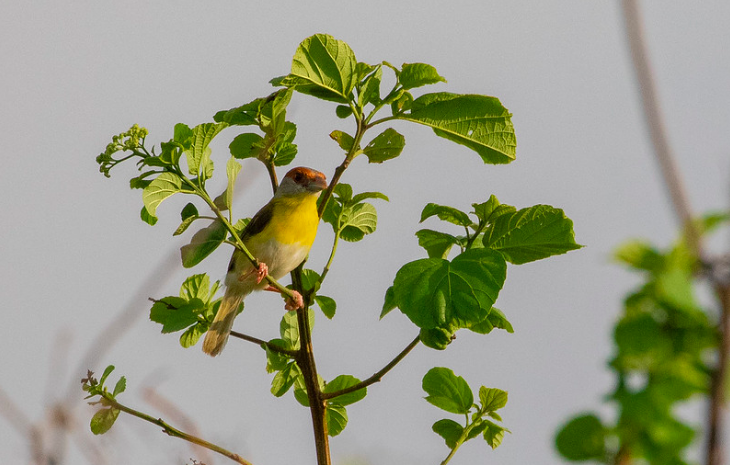
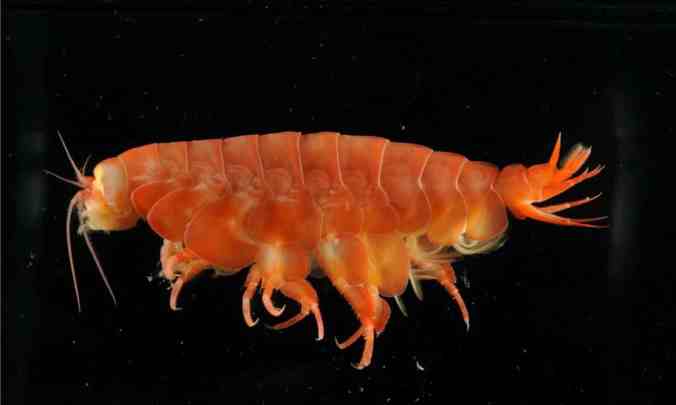
Eurythenes atacamensis, a giant new crustacean endemic to the Peru-Chile ocean trench, identified by scientists in 2021. Photograph: Weston et al 2021

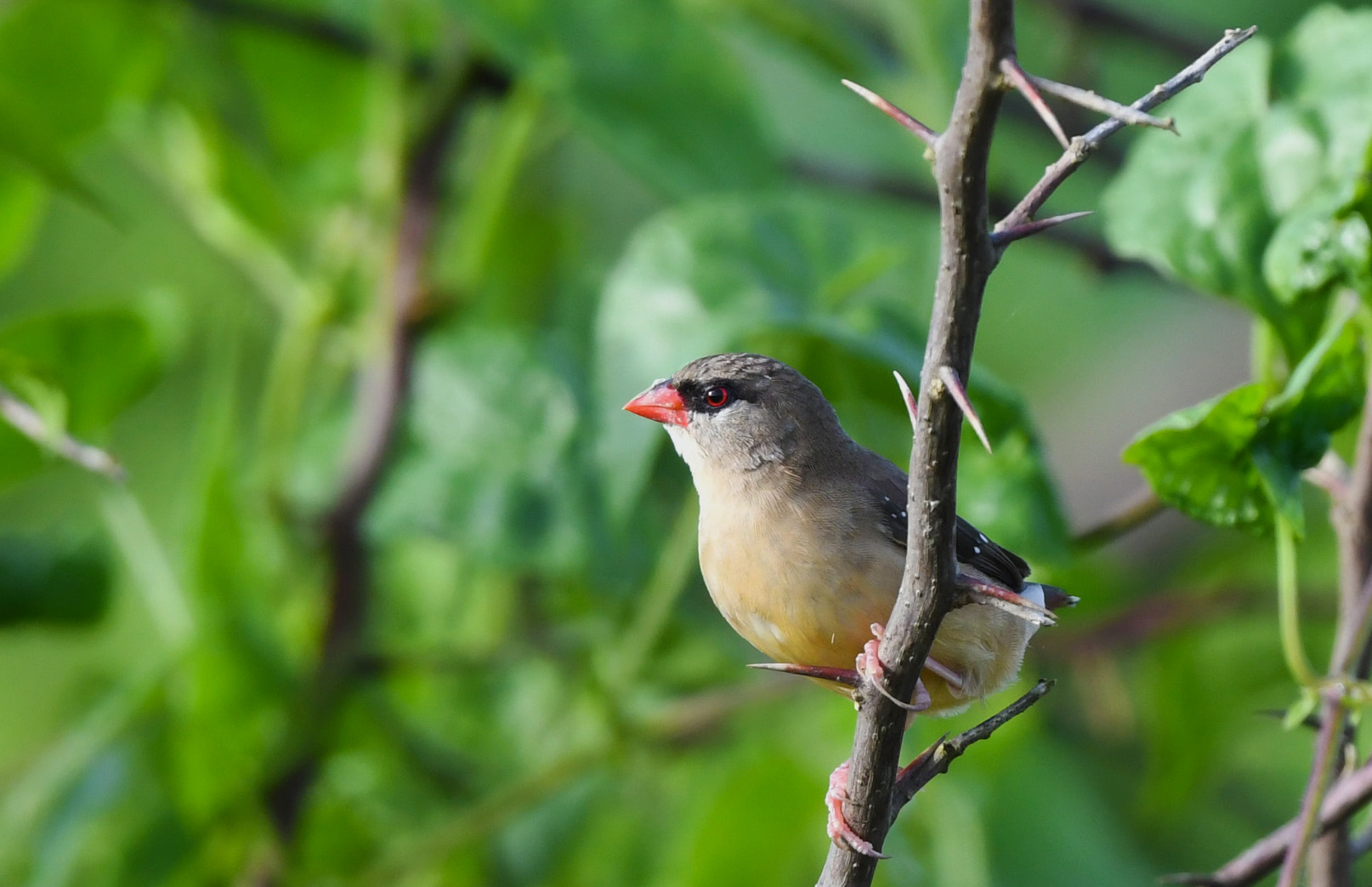
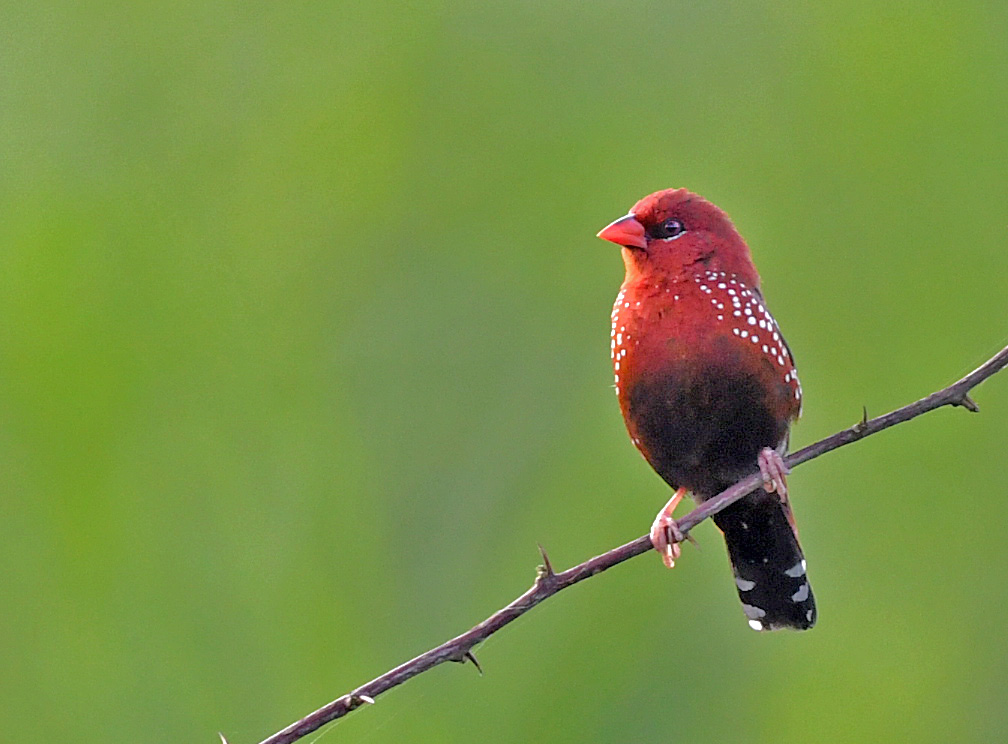
The work of species discovery continues, even as extinction continues unabated:

‘Hell herons’, metallic beetles, tiny shrimp – scientists have been busy describing unusual creatures despite Covid restrictions

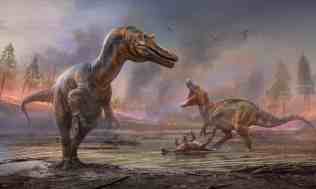
Two newly described species of spinosaur dinosaurs discovered on the Isle of Wight, named ‘hell heron’ and ‘riverbank hunter’. Photograph: Anthony Hutchings

Six new dinosaurs, an Indian beetle named after Larry the cat, and dozens of crustaceans critical to the planet’s carbon cycle were among 552 new species identified by scientists at the Natural History Museum this year.

In 2021, researchers described previously unknown species across the tree of life, from a pair of giant carnivorous dinosaurs known as spinosaurs – nicknamed the “riverbank hunter” and “hell heron” – to five new snakes that include the Joseph’s racer, which was identified with the help of a 185-year-old painting. Continue reading
2021 Climate Inaction

ILLUSTRATION: JENNY SHARAF; GETTY IMAGES

Not fun, but a useful review:

2021 Was a Huge Missed Opportunity on Climate Action

The pandemic should have been a wake-up call—instead, emissions have climbed once more. Here’s how the US could have seized the opportunity

JUST LIKE THAT, a pandemic-fueled glimpse of a better world is growing hazy—or smoggy, to be more precise. As civilization locked down in early 2020—industries ground to a halt, more people worked from home, and almost no one traveled—global carbon dioxide emissions crashed by 6.4 percent, and in the United States by 13 percent. In turn, air quality greatly improved. Life transformed, sure enough, but that transformation was fleeting. Scientists warned that the drop would be temporary because economies would roar back stronger than ever to make up for lost revenue. Indeed, by the end of 2021, emissions have now returned to pre-pandemic levels. Continue reading
Making Things, Giving Things & Keeping Things

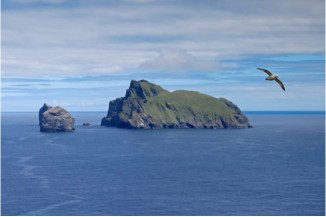
A northern fulmar in flight near Boreray, an uninhabited island in the archipelago of St. Kilda. Photograph by Philip Mugridge / Alamy

Last week I read an essay explaining the allusive power that human-made objects can have. It got me thinking about St. Kilda. Reading four years ago about that place and its people spurred my imagination sufficiently that the following year I committed to a challenge. The challenge was created by the speed of change impacting travel culture, and the tendency of travel retail to homogenize over time.

Things you might see in the Authentica shops

Local artisans all over the world were finding their goods displaced in shops oriented to travelers by things made in faraway factories.

Specifically, the commitment was to support local artisans by creating a venue for selling their goods to travelers. Perhaps utopian is a concept too big to apply to this commitment; anyway, maybe the word quixotic is more apt. Authentica offers human-made things for travelers to take home with them, within the context of a travel-retail complex that operates with very different resources and intent.

We understand why the replicas are made, and why people buy them. We refuse to confuse understanding with acquiescence.

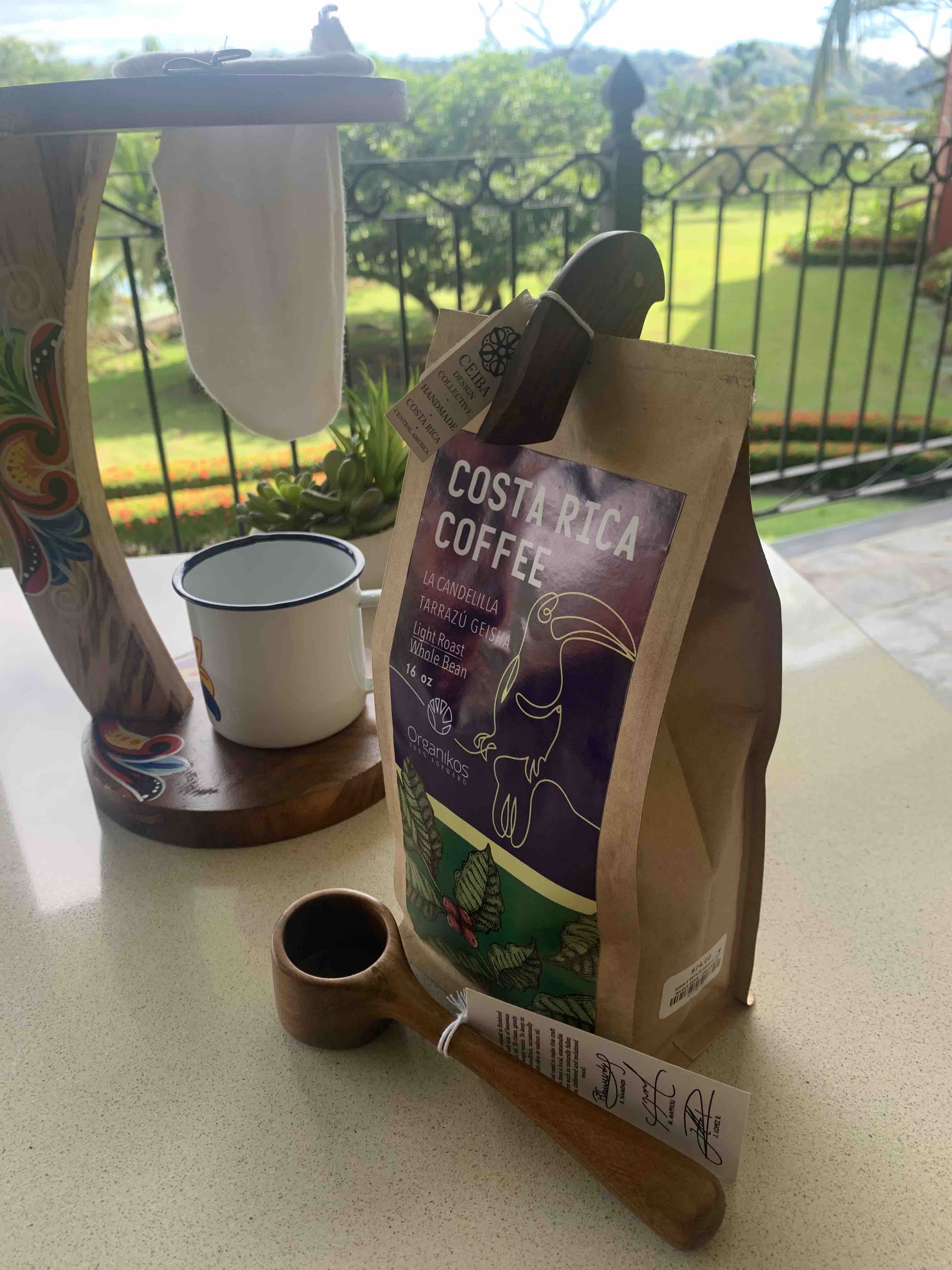
The scoop and the bird clip in the image above, two such things I also wrote about two years ago, are examples of local culturally relevant artifacts that we hope will not be outsourced to a factory in another part of the world. The coffee in that image is another example, with a twist. What I like about coffee as a memento is that it is at the intersection of tangible and intangible. It is quintessentially Costa Rican, but once you enjoy the entire bag you no longer possess that thing. As you consume it, it tells you something about Costa Rica. When it is finished you possess a memory of the coffee, and of Costa Rica.

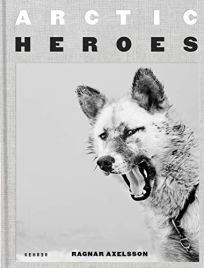
Arctic Heroes

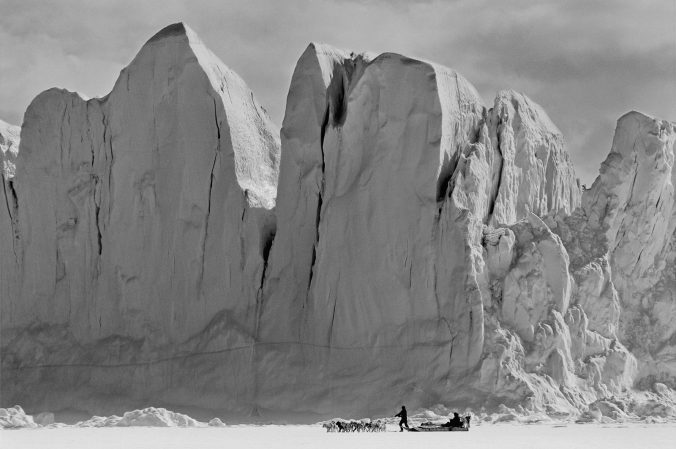
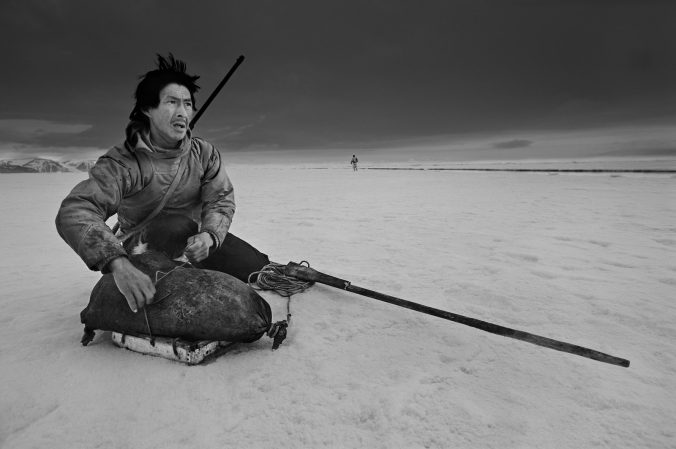
The book is not new, but it is new to us. Ben Taub has brought to our attention this stunning portraiture that, like most great photography, makes you wonder how the artist got the composition just so:

Ragnar Axelsson

The Fading Ways of Indigenous Arctic Hunters

Ragnar Axelsson

Ragnar Axelsson’s portraits from Greenland reveal the effects of climate change on ice floes, sled dogs, and a traditional culture.

During springtime in the far, far north—when the sun breaches the horizon, after months of total darkness—indigenous Greenlandic hunters head out to frozen inlets and get lost in ice and time. By day, the hunters might move miles in one direction, while the ice under their feet floats gently in another. Continue reading

The Biggest Land Grab In The History Of Humankind

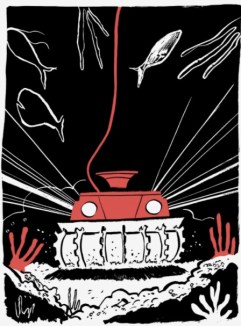
Illustration by João Fazenda

When she publishes an essay, or a longform reported article, it should be clear before you start that you are almost certainly not going to enjoy what you learn:

It’s rare that a tiny country like Nauru gets to determine the course of world events. But, for tangled reasons, this rare event is playing out right now. If Nauru has its way, enormous bulldozers could descend on the largest, still mostly untouched ecosystem in the world—the seafloor—sometime within the next few years. Hundreds of marine scientists have signed a statement warning that this would be an ecological disaster resulting in damage “irreversible on multi-­generational timescales.” Continue reading
AgEc Revolution In Puerto Rico

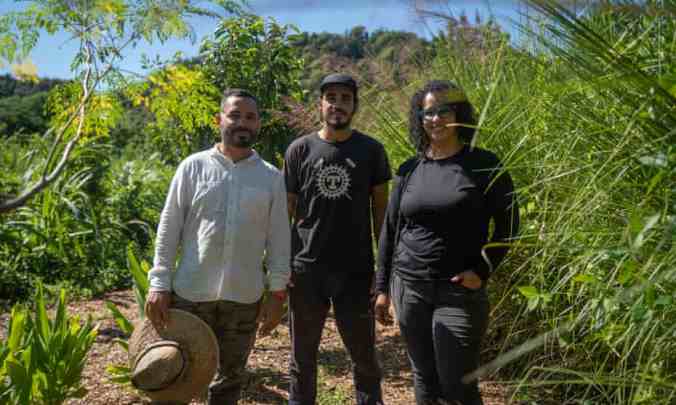
Francisco Diaz Ramos, 44, Marissa Reyes, 32, and Jan Paul, 29, run the Güakiá Colectivo Agroecólogico, an 11 acre farm in Dorado, Puerto Rico. Photograph: Angel Valentin/The Guardian

When we look at these young farmers and the work they are doing we see a greener future.

A farmer prepares the land at the El Josco Bravo argoecology farm in the Toa Alta mountains. Photograph: Nina Lakhani/The Guardian

Thanks to Nina Lakhani and The Guardian for this story:

‘An act of rebellion’: the young farmers revolutionizing Puerto Rico’s agriculture

The island imports 85% of its food but these three farms are part of the agroecology movement that seeks food sovereignty and climate solutions

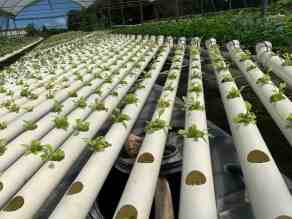
A hydroponics greenhouse at Frutos del Guacabo is used to grow a range of herbs and greens quickly and without soil. Photograph: Nina Lakhani/The Guardian

Puerto Rico was once a thriving agricultural hub thanks to its tropical climate, rich biodiversity, and sustainable farming traditions.

Today, less than 2% of the workforce is employed in agriculture and tens of thousands of acres of arable land sit idle. Meanwhile 85% of the food eaten in Puerto Rico is imported, grocery prices are among the highest in the US and last year two in five people experienced food insecurity. “Unemployment is brutal, prices are brutal, migration from the island is brutal,” said Denise Santos, who runs Puerto Rico’s food bank. Continue reading
Beggar Thy Southern Neighbors

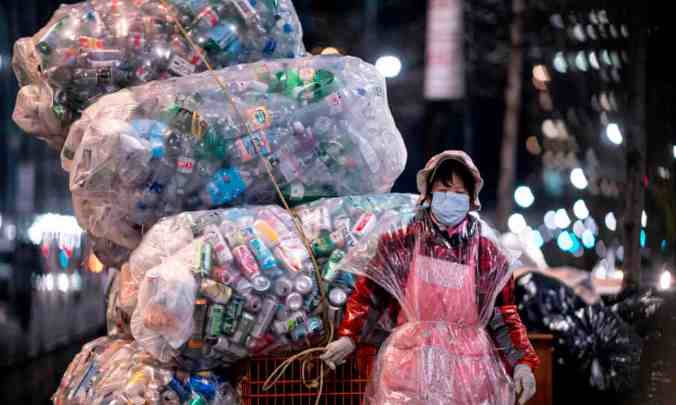
A woman pulls a cart loaded with bags of recyclables through the streets of New York. Photograph: Johannes Eisele/AFP/Getty

Thanks to the Guardian for this Econ 101 textbook example of a “beggar thy neighbor” action taken in one country and imposed on others, using “market forces” explanations to justify the action:

Latin America urges US to reduce plastic waste exports to region

Study finds exports to region doubled in 2020 with practice predicted to grow as US invests in recycling plants

Environmental organisations across Latin America have called on the US to reduce plastic waste exports to the region, after a report found the US had doubled exports to some countries in the region during the first seven months of 2020. Continue reading

A Time For Giving, With Top Shelf Advice

MacKenzie Scott never featured in our many posts about the fortune she suddenly found herself with. She wants to give that fortune away, fast. So, she is a person of interest to us, for all kinds of good reasons. But not so fast, the Economist’s semi-charitable subtitle, the charity-industrial complex, seems to say introducing the article below about advisors to givers:

Bridgespan Group: the most powerful consultants you’ve never heard of

They direct philanthropic billions around the world

OVER THE past 18 months, the world has heard a lot about MacKenzie Scott, the billionaire philanthropist formerly married to Amazon’s Jeff Bezos. She has given generously to charities on the frontline of the pandemic, including food banks, schools and children’s health programmes. Relatively unknown, however, is the consultancy that has helped distribute almost $9bn on Ms Scott’s behalf: the Bridgespan Group. Continue reading

Costa Rica, Never Old

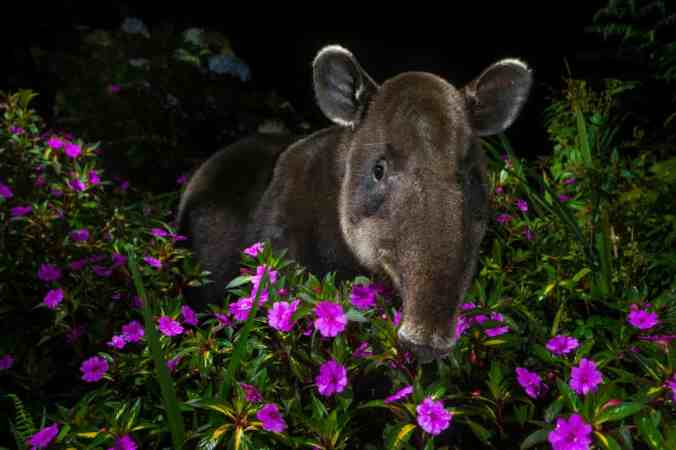
A tapir in Braulio Carrillo national park, near San José. Costa Rica’s policy of paying citizens to protect and restore ecosystems is credited with reversing deforestation rates, which threaten the species. Photograph: Michiel van Noppen/2021 Wildlife Photographer of the Year

The stories we use the title Really to highlight are among the heavies. Too much malfeasance, too often. Reading stories about Costa Rica‘s remarkable achievements related to the environment never gets old:

Billionaires, princes and prime ministers are among those keen to learn from the Central American country, which has long put nature at the heart of its policies

If there had been a popularity contest at Cop26, the Costa Rican president, Carlos Alvarado Quesada, would have been a clear winner. Leonardo DiCaprio, Jeff Bezos, Boris Johnson and Prince William all wanted to speak with the leader of the tiny Central American country, eager to bask in its green glow. Continue reading

Historians As Climate Sleuths

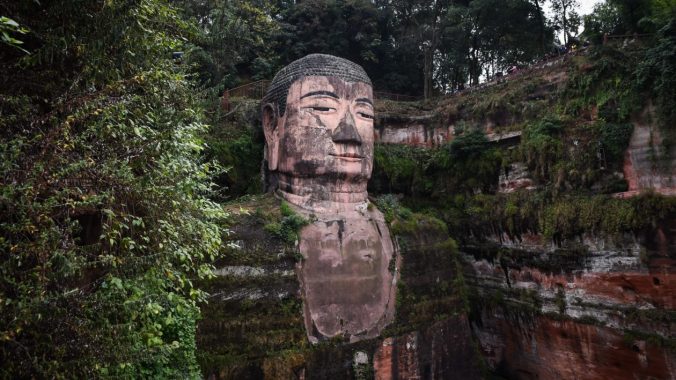
The Leshan Giant Buddha in Sichuan, China, a relic of the Tang dynasty, which collapsed in 907 A.D. amid changes in the climate. ZHONG ZHENBIN / ANADOLU AGENCY / GETTY IMAGES

Thanks to Jacques Leslie

Climate Clues from the Past Prompt a New Look at History

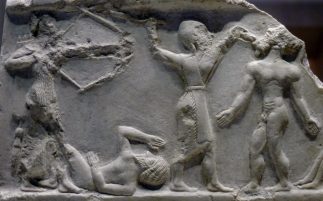
A fragment from a sculpted stele, an artifact of the Akkadian Empire, which collapsed in the 22nd century B.C. amid a severe drought. MBZT VIA WIKIPEDIA

As scientists rapidly improve their ability to decipher past climate upheaval through ice cores and other “proxies,” historians are re-examining previous political and social turmoil and linking it to volcanic eruptions, prolonged droughts, and other disturbances in the natural world.

Joseph Manning, a Yale University professor of ancient history, likes to recall the moment when he was shown an advance copy of a scholarly paper that pinpointed the timing of major volcanic eruptions over the last 2,500 years. As he read the paper, “I literally fell off my chair,” he said recently.

Roman coins dating to 82 B.C. Lead from smelting such coins has been found in faraway ice cores, offering clues about Roman history. CARLOMORINO VIA WIKIPEDIA

Relying on new geochemical techniques for analyzing ice core sediment to determine the dates of ancient volcanic activity down to the year or even season, the paper, published in Nature in 2015, showed that major eruptions worldwide caused precipitous, up-to-a-decade-long drops in global temperatures. Continue reading