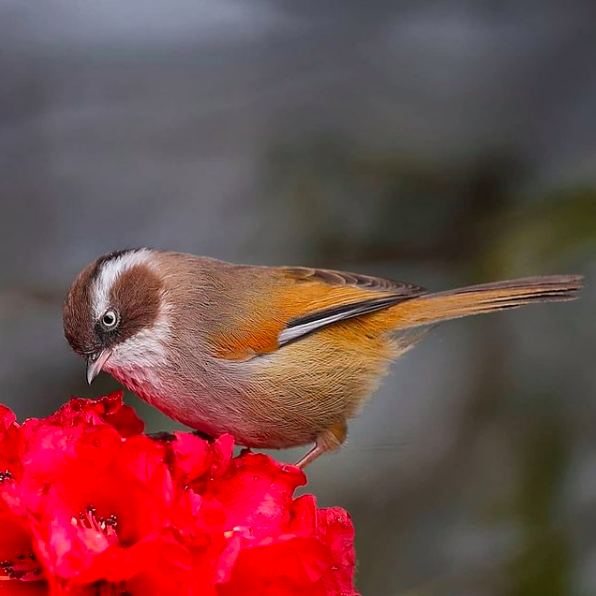
Wooden Building Blocks 2.0

A construction site in Vaxjo, Sweden, using prefabricated cross-laminated timber panels that are assembled on-site. Gabriel Leigh

In previous centuries building with wood was the norm, and then safety and efficiency considerations stopped the practice. Now, climate change and other considerations are turning the tide back in favor of building with wood. Counterintuitive at first–climate change is in part a function of deforestation, and reforestation is considered part of the solution–reading this article gives the perspective needed to get your intuition reoriented. Thanks to Gabriel Leigh and the New York Times for this:

Wooden Buildings Reach for the Sky

A rendering of the completed Stockholm complex, dubbed Cederhusen, or Cedar House. General Architecture

VAXJO, Sweden — Stockholm and its suburbs are filled with construction cranes these days, reflecting a growing population combined with a housing shortage. But few of its developments are as extensive as Hagastaden, just to the north of central Stockholm where it meets the neighboring municipality of Solna.

Here, it looks as if an entirely new city is being built. Continue reading

Know Where Your Coffee Comes From

Illustrations by Hokyoung Kim

Most of the coffee stories I tell here are short reports on our efforts to regenerate a onetime coffee farm. Plenty of others we link to are about challenges facing coffee farmers and efforts to improve their lot . I cannot find a story like the one below that we have featured previously, where coffee farming is effectively undermining conservation. Reading this new longform work by Wyatt Williams will not make anyone happy, but that must be the point. The illustrations by Hokyoung Kim are a perfect accompaniment:

The Case of the Vanishing Jungle

It seemed like an easy crime to stop: protected Indonesian rainforest, cut for coffee farms. But a globalized economy can undermine even the best-laid plans.

In the fall of 2015, Matt Leggett, a newly hired senior adviser for the Wildlife Conservation Society, found himself sitting in a meeting in Jakarta, Indonesia, wondering if someone had missed the point. The meeting, as he remembers it, was meant to unveil some good news about tigers. In brief: Back in 2002, a survey of one of the last habitats of the critically endangered Sumatran tiger, Bukit Barisan Selatan National Park, showed a tiger population that, in biologist-speak, amounted to only 1.6 tigers per 100 square kilometers. Continue reading

If You Happen To Live In A Place With Little Or No Light Pollution

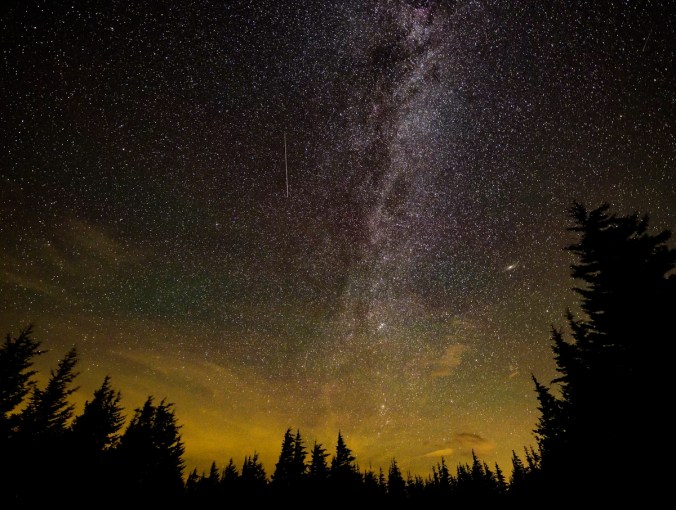
In this 30-second exposure, a meteor streaks across the sky during the annual Perseid meteor shower in Spruce Knob, W.Va. Bill Ingalls/NASA via Getty Images

Tonight is the best night for viewing this spectacle. Thanks to National Public Radio (USA) for this heads up:

The ‘Best Meteor Shower Of The Year’ Is Peaking Soon. Here’s How You Can Watch

The Perseid meteor shower is upon us, peaking this week, and it will fill the night sky with streaks of light and color until Aug. 24. Continue reading

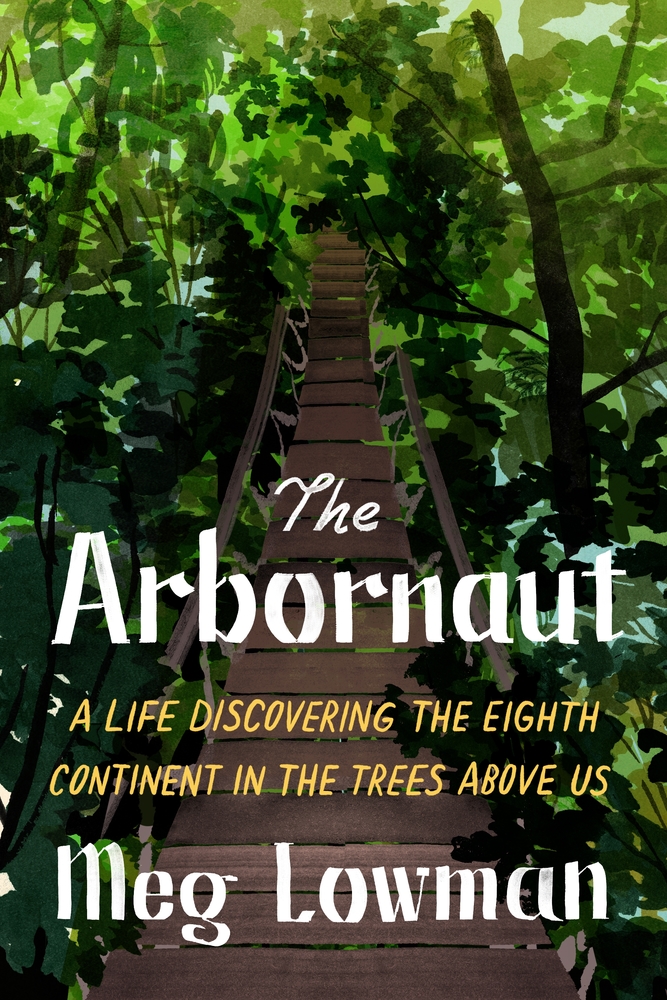
The Arbornaut

The author has been featured in these pages multiple times over the years. The publisher makes it easy to find an option that suits your shopping preferences (our preference is obvious). Her new book has received plenty of praise, according to an email she sent us:

Readers everywhere will be fascinated and inspired to learn more about nature, and especially about how we need to conserve the world’s forests.” ―Jane Goodall, PhD, DBE, founder of the Jane Goodall Institute, and United Nations Messenger of Peace Continue reading

There Never Were Easy Fixes, Now There Are Fewer Fixes Of Any Kind

NurPhoto / Getty

Anyone who lived in or around New York City in the early 1970s might remember the rallying cry of the city’s upstart baseball team: “Ya Gotta Believe’.’ In more recent times, anyone anywhere might well repeat those words to any climate doubters or deniers. The first step to solving a problem is believing you have one. No pleasure whatsoever, but the following is necessary reading:

It’s Grim

The latest UN report is clear: Climate change is here, it’s a crisis, and it’s caused by fossil fuels.

A new United Nations–led report from hundreds of climate scientists around the world makes it clear: The human-driven climate crisis is now well under way. Continue reading

A Way To Garden

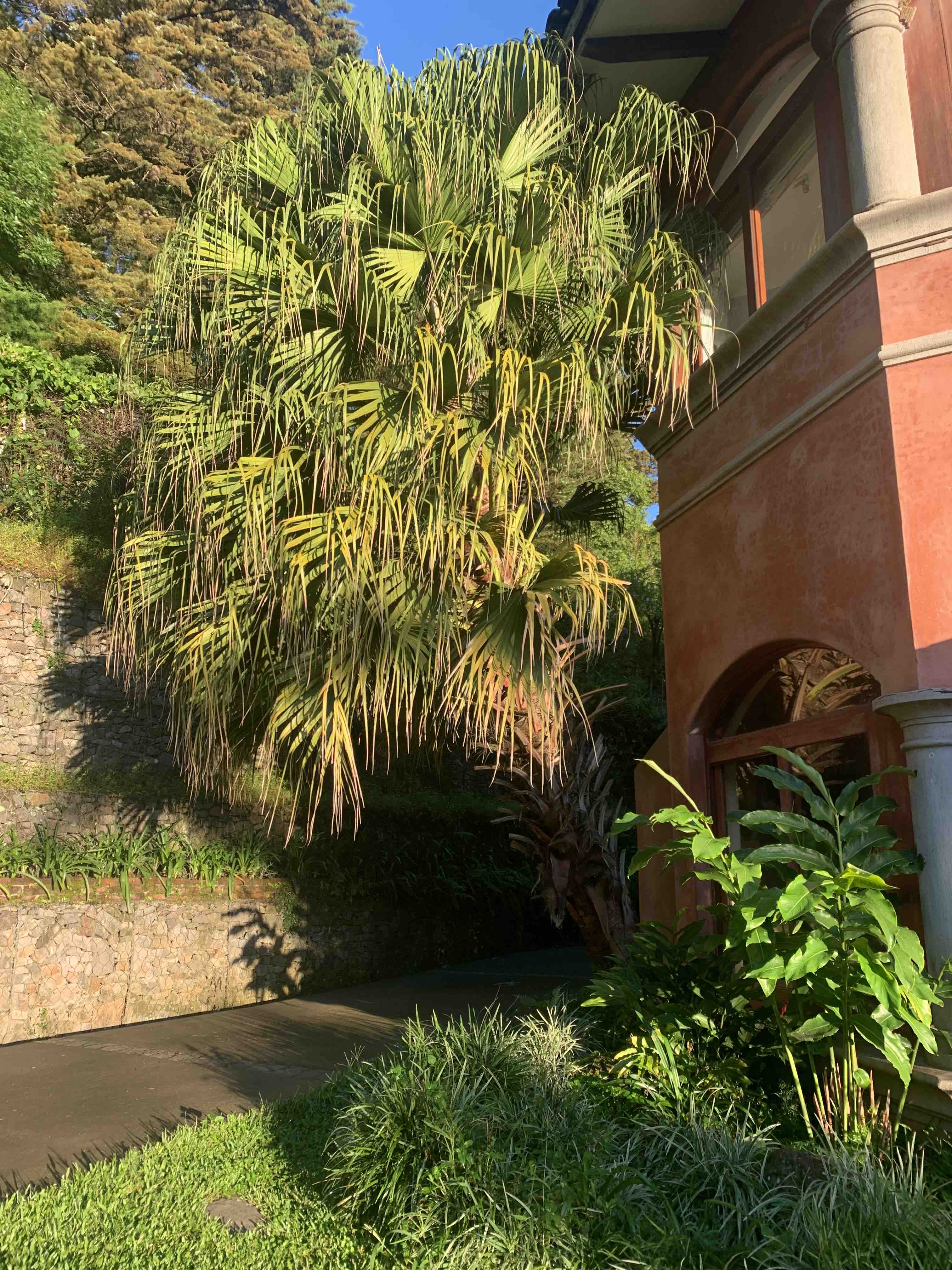
20 years after planting, this palm has reached for the sun, and found it.

When we completed construction on our home late in the year 2000, we had a small palm tree in a planter on our terrace. It was perhaps two feet tall at the time. Sometime in 2001 we planted that palm to the side of the house, and ever since it has been reaching for the sun. The opening sentence in the article below, combined with the photo from the same article that I have inserted with it, struck a chord. We need to think about this tree’s future in a way we did not when choosing where to plant it 20 years ago. My thanks to Margaret Roach– who wrote the article and is the creator of the website and podcast A Way to Garden, and a book of the same name–for this:

Questions About Tree Care? You’re Not Alone.

Many people find trees a little enigmatic. But there is help for the asking. (And it’s free.)

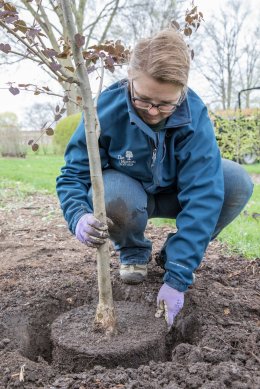
Younger, container-grown trees will settle in and start growing faster than field-dug specimens that may take three to five years to reestablish root systems and resume growth. The Morton Arboretum

The biggest plants in our gardens often get the smallest share of our attention. And it’s not because trees don’t need or want attention — or because we intend to neglect them.

Maybe it’s because they look so strong, holding most of their foliage overhead and not making their needs known near ground level, where we are busy paying attention to everyone else. Or maybe we just don’t have much tree-care confidence.

At The Morton Arboretum in Lisle, Ill., Julie Janoski and her Plant Clinic colleagues respond to gardeners’ and green-industry professionals’ questions — about 17,000 a year. And many of those questions are about trees. Continue reading

Amaranth All Over

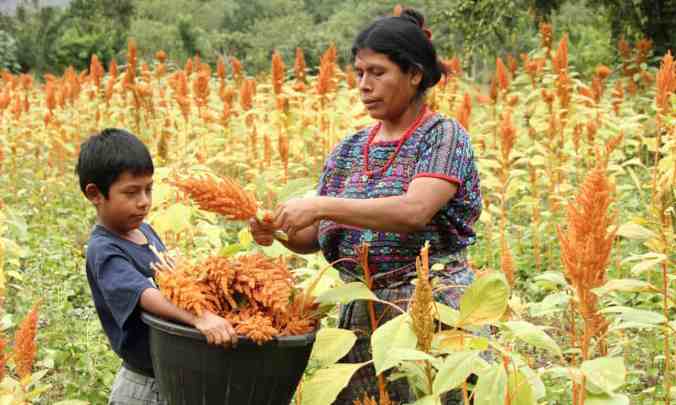
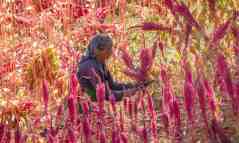
Blanca Marsella González, a member of Qachuu Aloom, harvests amaranth plants. Photograph: JC Lemus/Juan Carlos Lemus

We have been paying attention to amaranth plenty over the years. It should have occurred to me back in the early days of this platform to investigate its origins. Amaranth was so central to our diet in India that I assumed it was a native plant. Not so, but it grows all over the world:

‘It could feed the world’: amaranth, a health trend 8,000 years old that survived colonization

Indigenous women in North and Central America are coming together to share ancestral knowledge of amaranth, a plant booming in popularity as a health food

An elderly woman cuts an amaranth crop, in Uttarakhand, India. The plant is indigenous to North and Central America but also grown in China, India, Southeast Asia, West Africa and the Caribbean. Photograph: Hitendra Sinkar/Alamy Stock Photo

Just over 10 years ago, a small group of Indigenous Guatemalan farmers visited Beata Tsosie-Peña’s stucco home in northern New Mexico. In the arid heat, the visitors, mostly Maya Achì women from the forested Guatemalan town of Rabinal, showed Tsosie-Peña how to plant the offering they had brought with them: amaranth seeds.

Back then, Tsosie-Peña had just recently come interested in environmental justice amid frustration at the ecological challenges facing her native Santa Clara Pueblo – an Indigenous North American community just outside the New Mexico town of Española, which is downwind from the nuclear facilities that built the atomic bomb. Continue reading

To Build A Good Home, Sometimes You Need Pluck

We were aware that birds will build nests out of just about anything they can find, and sometimes in the strangest places. But how they get the material is less familiar, and in the article below is a video of a bird plucking fur from a fox, about as fun to watch as anything we have seen recently, so click through to the full story:

Sneaky Thieves Steal Hair From Foxes, Raccoons, Dogs, Even You

It’s simple: Mammals have hair or fur. Birds want it.

As anyone who has ever tried to eat french fries on a beach will attest, stealing is not an uncommon behavior among birds. In fact, many birds are quite skilled at bold and brazen theft. Continue reading
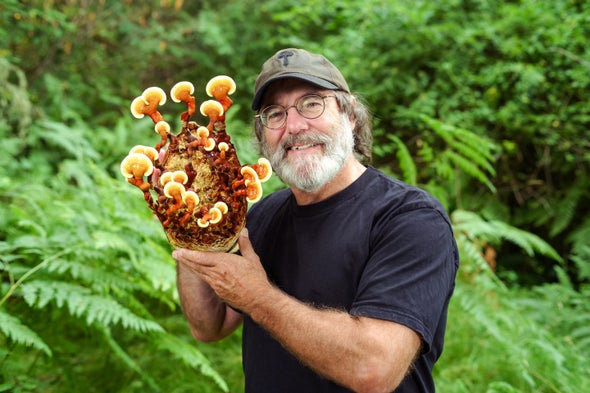
Mycology’s Expansive Boundaries

Paul Stamets. Credit: Trav Williams Broken Banjo Photography

In the media we scan for articles and podcasts to share here, some of the last year’s attention to fungi has been aimed at making them seem less alien by celebrating their very alien-ness. Up to now, this has all been earth-bound, but maybe that has been an arbitrary boundary. Thanks to Scientific American magazine for this conversation with the man who has been stretching fungi boundaries for much longer than we have been paying attention:

Future Space Travel Might Require Mushrooms

Mycologist Paul Stamets discusses the potential extraterrestrial uses of fungi, including terraforming planets, building human habitats—and providing psilocybin therapy to astronauts

The list of mycologists whose names are known beyond their fungal field is short, and at its apex is Paul Stamets. Educated in, and a longtime resident of, the mossy, moldy, mushy Pacific Northwest region, Stamets has made numerous contributions over the past several decades— perhaps the best summation of which can be found in his 2005 book Mycelium Running: How Mushrooms Can Help Save the World. But now he is looking beyond Earth to discover new ways that mushrooms can help with the exploration of space. Continue reading
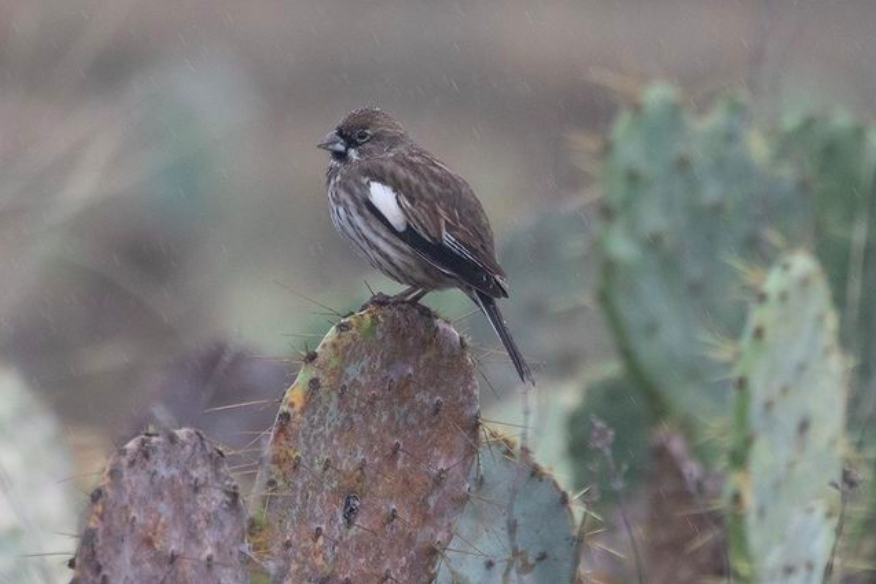
Coffee & Plastic, Second Shift Footwear

The company said the shoe, called Nomad, will be made from coffee waste and recycled bottles, while recycled polyester will be used to create the membrane to make the footwear waterproof. Photograph: c/o Rens

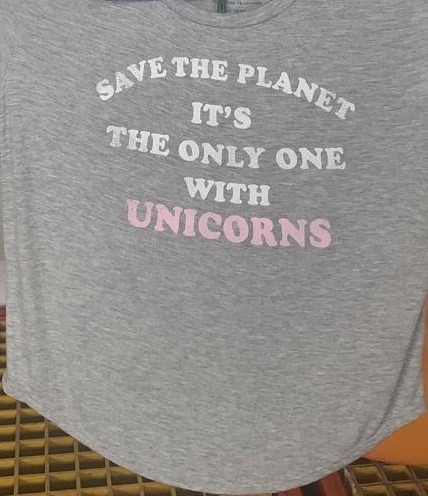
There is nothing particularly remarkable about the idea of using coffee bags a second time. But it was fun realizing how easy it is, and just doing it. Less easy and maybe lots more fun is the idea in the article below. Hats off to the creative founders who chose this path instead of chasing Silicon Valley unicorns (perhaps their success will demonstrate that unicorns thrive on a healthy planet, as expressed in this t-shirt I saw recently):

Firm seeks funding for ‘performance sneakers’ made from coffee waste

Finnish firm Rens says shoes made from used grounds and recycled plastic will be climate neutral

It is the typical morning routine for hundreds of thousands of Britons: have a cup of coffee and then slip on your trainers before heading for a jog. Upon returning, a quick drink of water to rehydrate before stepping into the shower.

Now, one firm has enabled one thing to beget another, by creating trainers made of recycled plastic bottles and used coffee beans.

Finnish footwear firm Rens launched an online fundraising campaign for its latest sustainable trainer on Tuesday, which it claims will be climate neutral in its production, packaging and transport. Continue reading