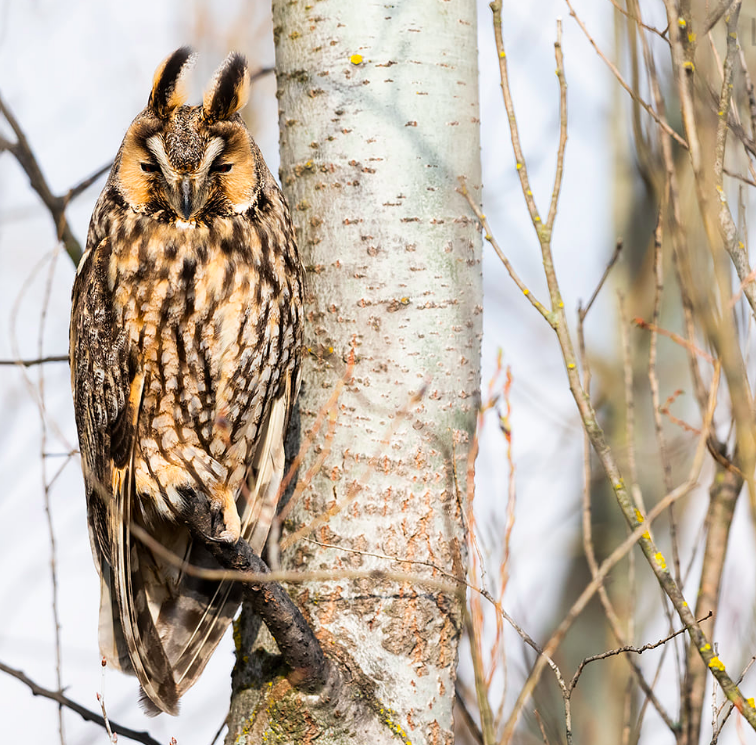
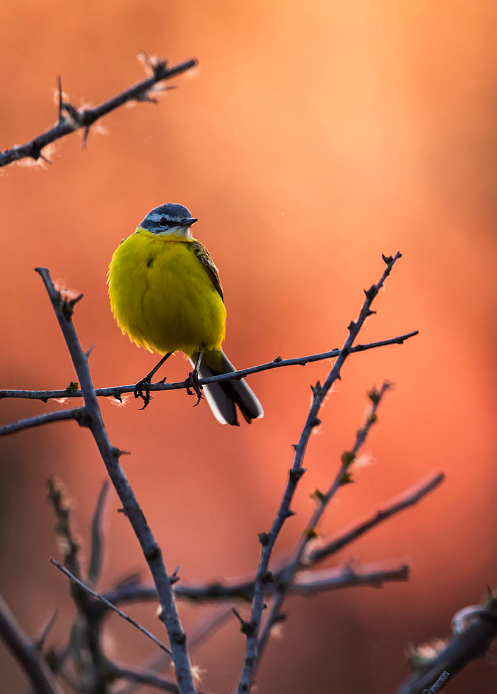
Frauenkirchen, Austria
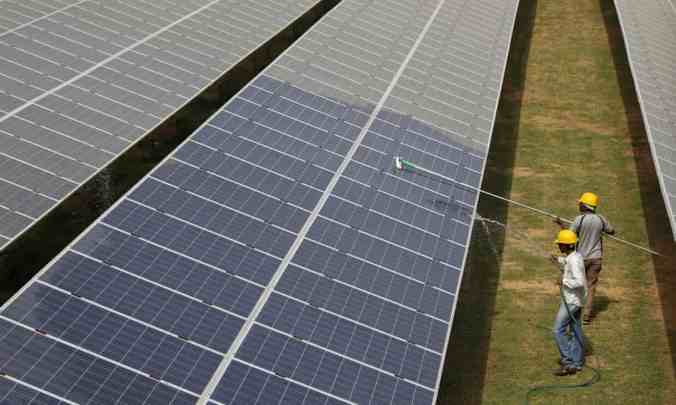
A solar power plant in Gujarat, India. Renewable energy in the country would be cheaper than between 87% and 91% of new coal plants, the report says. Photograph: Amit Dave/Reuters
Looks like we are almost there:
Most new wind and solar projects will be cheaper than coal, report finds
Almost two-thirds of renewable energy schemes built globally last year expected to undercut coal costs
Almost two-thirds of wind and solar projects built globally last year will be able to generate cheaper electricity than even the world’s cheapest new coal plants, according to a report from the International Renewable Energy Agency (Irena). Continue reading
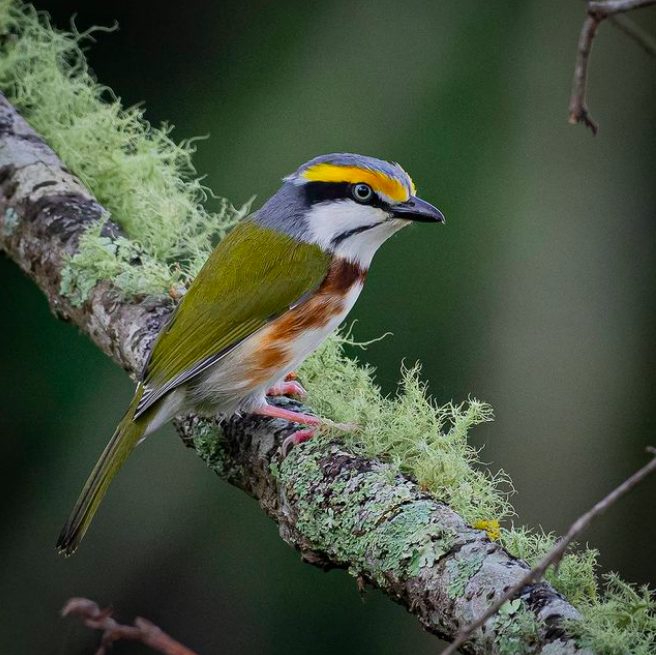
Volcán Toliman, Guatemala
Thanks to Public Broadcasting Service (USA) for this:
Satellites seek out methane leaks from pipelines, oil fields, landfills and farms
Satellite imagery shows a Russian gas pipeline (left) and highlights huge amounts of methane (right) being emitted from the pipeline on September 6, 2019. Kayrros and Modified Copernicus Data, 2019
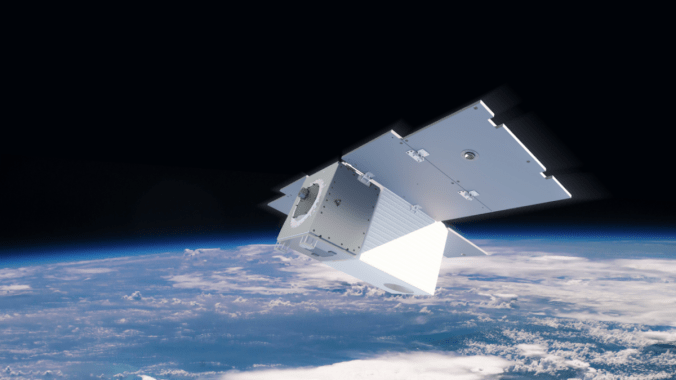
The threat was invisible to the eye: tons of methane billowing skyward, blown out by natural gas pipelines snaking across Siberia. In the past, those plumes of potent greenhouse gas released by Russian petroleum operations last year might have gone unnoticed. But armed with powerful new imaging technology, a methane-hunting satellite sniffed out the emissions and tracked them to their sources.
Thanks to rapidly advancing technology, a growing fleet of satellites is now aiming to help close the valve on methane by identifying such leaks from space. The mission is critical, with a series of recent reports sounding an increasingly urgent call to cut methane emissions. Continue reading

Williamson County, Texas
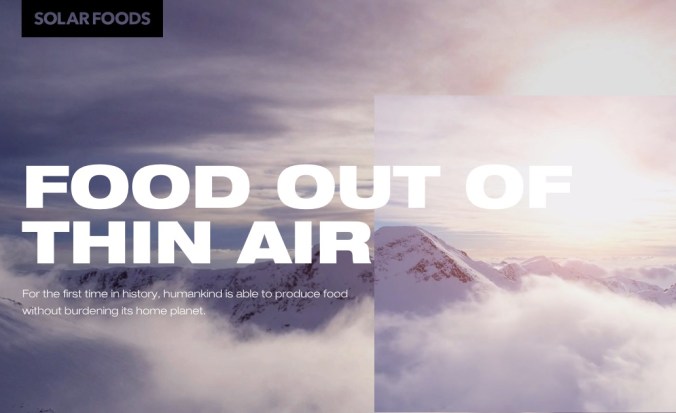
Solar Foods, a Finnish company, makes a weird promise on the landing page of its website; but still, thanks to the Guardian for this story behind the story:
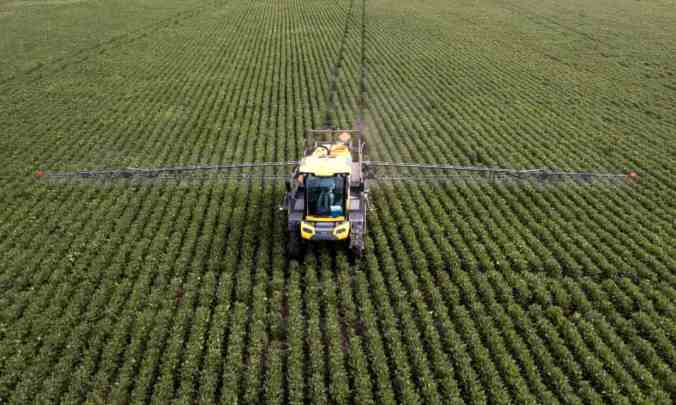
A soya bean field in Argentina. The study found a hectare of soya beans could feed 40 people, the solar-microbial process 520 per hectare. Photograph: Ivan Pisarenko/AFP/Getty Images
Microbes and solar power ‘could produce 10 times more food than plants’
The system would also have very little impact on the environment, in contrast to livestock farming, scientists say
Combining solar power and microbes could produce 10 times more protein than crops such as soya beans, according to a new study. Continue reading
Neusiedler See-Seewinkel National Park, Austria

Again, exceptional infographics tell an important environmental story–it is worth opening if only for the quality of the interactive illustrations:
In the Atlantic Ocean, Subtle Shifts Hint at Dramatic Dangers
The warming atmosphere is causing an arm of the powerful Gulf Stream to weaken, some scientists fear.
By MOISES VELASQUEZ-MANOFF
and JEREMY WHITEIT’S ONE OF THE MIGHTIEST RIVERS you will never see, carrying some 30 times more water than all the world’s freshwater rivers combined. In the North Atlantic, one arm of the Gulf Stream breaks toward Iceland, transporting vast amounts of warmth far northward, by one estimate supplying Scandinavia with heat equivalent to 78,000 times its current energy use. Without this current — a heat pump on a planetary scale — scientists believe that great swaths of the world might look quite different. Continue reading
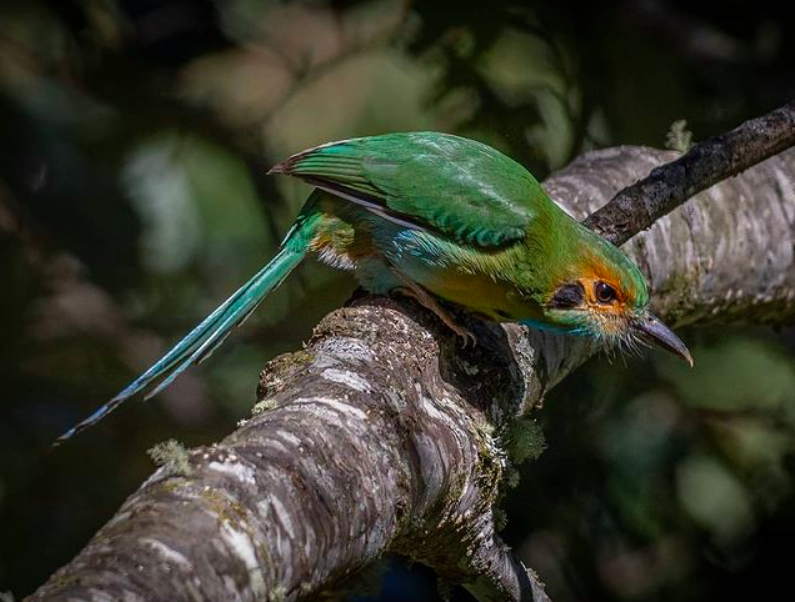
San Marcos, Guatemala

Whimbrel returning to Deveaux Bank for their night roost. Photo: Damon Winter/The New York Times
 We have not featured Deborah Cramer in our pages previously, but this seems like a fine time to start. She is a visiting scholar at M.I.T.’s Environmental Solutions Initiative and the author of the book to the right. Accompanied by excellent photographs from Damon Winter as well as exceptionally lucid infographics, her interactive essay in the New York Times is a forceful plea for conservation of a sensitive bird habitat:

An Oystercatcher on the bank. Photo: Damon Winter/The New York Times
Leave This Wondrous Island to the Birds
An ever-changing spit of sand on the Carolina coast is a haven for multitudes of shorebirds. But nature and humans threaten it.
ABOUT 20 MILES south of Charleston, S.C., at the mouth of the North Edisto River, a small, horseshoe-shaped sandbar rises above the water. The claim of land is tenuous on Deveaux Bank, about a half-mile offshore. At high tide, it’s three-quarters submerged. Deveaux’s sand is continually shifting as swirling currents build it up and wash it away. In some years, the island disappears altogether. Continue reading
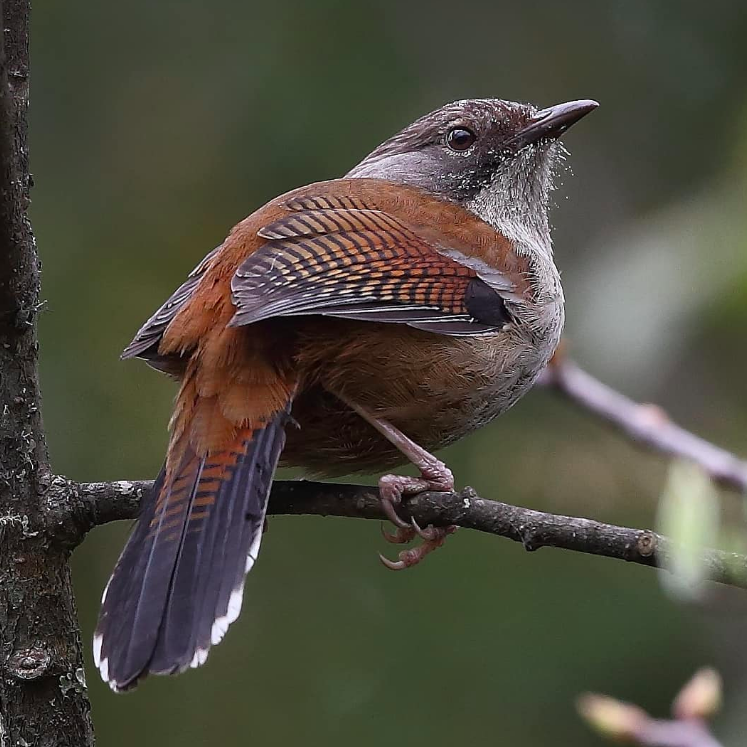
Mandala, Punjab
At least a couple times have we have riffed on the chestnut about making lemonade when you have lemons, so today marks one more, woolly edition.
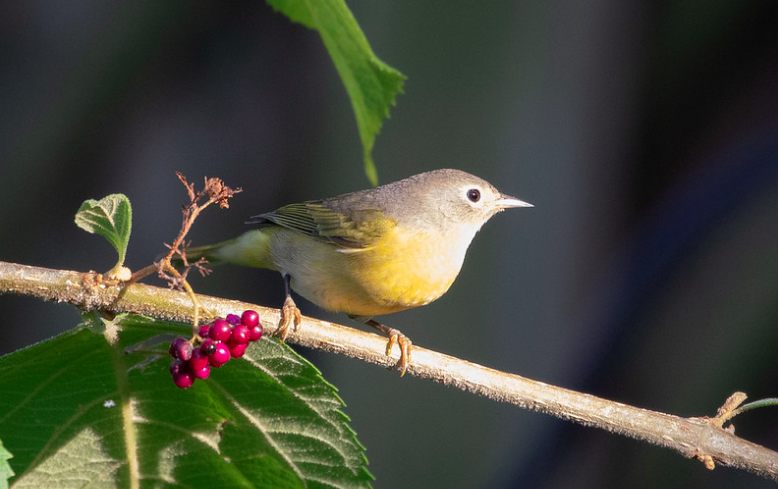
Williamson, TX
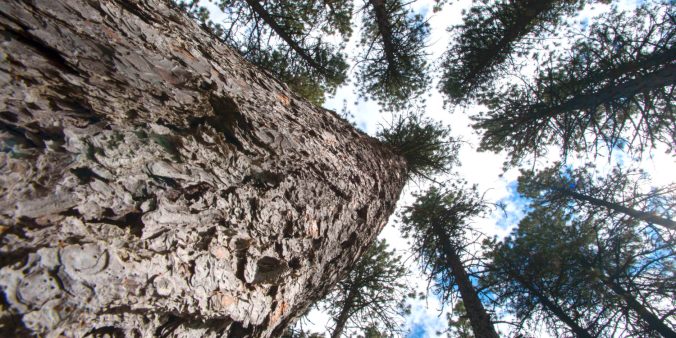
Ponderosa pine, now widely distributed in North America, were exceedingly rare during the last ice age. WOLFGANG KAEHLER / GETTY IMAGES
Thanks to Zach St. George for this:
As Climate Warms, a Rearrangement of World’s Plant Life Looms
Previous periods of rapid warming millions of years ago drastically altered plants and forests on Earth. Now, scientists see the beginnings of a more sudden, disruptive rearrangement of the world’s flora — a trend that will intensify if greenhouse gas emissions are not reined in. Continue reading

Kheda, Gujurat
Short answer: yes. Explanations and caveats follow.
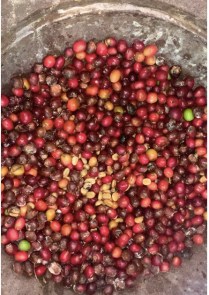
Coffee cherries that I harvested in January on the onetime coffee farm that we are rehabilitating. I am biased enough to enjoy the process of picking coffee, washing it and preparing it for planting.
I believe coffee has health benefits. Do I have them memorized? No. Do I fully understand the ones I can recall? No. But even with changing scientific findings over the years (e.g. findings from decades ago about coffee’s negative health effects were confounded by the fact that smoking and drinking coffee were highly correlated in study participants) I am inclined to listen to and trust findings from credentialed scientists.
A friend sent me the above video a couple of days ago, asking if I believe the contents. I just watched it. In six minutes a medical expert delivers more scientific findings than I could possibly digest. Upon first listening I am inclined to believe that coffee is better for me, in ways I had not been aware of, than I had previously considered.
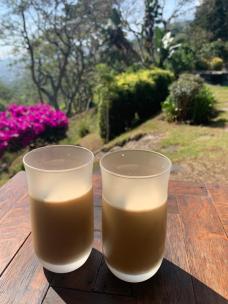
During the early days of the pandemic, staying in isolation, I experimented with hot-brewed and cold-brewed coffee trying to come up with a new way to enjoy it that would also boost my immune system
That said, I am also willing to believe that for every finding of the health benefits, there could be findings of health penalties that I simply have not come across. Or maybe I have willfully avoided coming across them.
I am inclined to bias on this topic for at least two reasons. First, because I enjoy drinking coffee as much or more than the average person. Stated less politely, I might be a coffee junkie. And related to that, maybe because of that, my primary entrepreneurial activity now is selling coffee. I try to keep my enthusiasm in check, and rarely reference the health benefits of coffee unless I feel I truly understand the scientific findings.
Gracia Lam
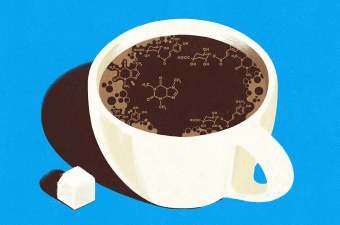
Just after watching the video my friend sent, I came across this, so will make a rare exception and recommend both these summaries of information about coffee’s health benefits. Jane Brody, the Personal Health columnist for the New York Times since 1976, recently reviewed decades of scientific findings, including plenty of overlap with the medical expert in the video above, and with this quick read you can judge for yourself:
Americans sure love their coffee. Even last spring when the pandemic shut down New York, nearly every neighborhood shop that sold takeout coffee managed to stay open, and I was amazed at how many people ventured forth to start their stay-at-home days with a favorite store-made brew. Continue reading
Rio Grande Valley, TX
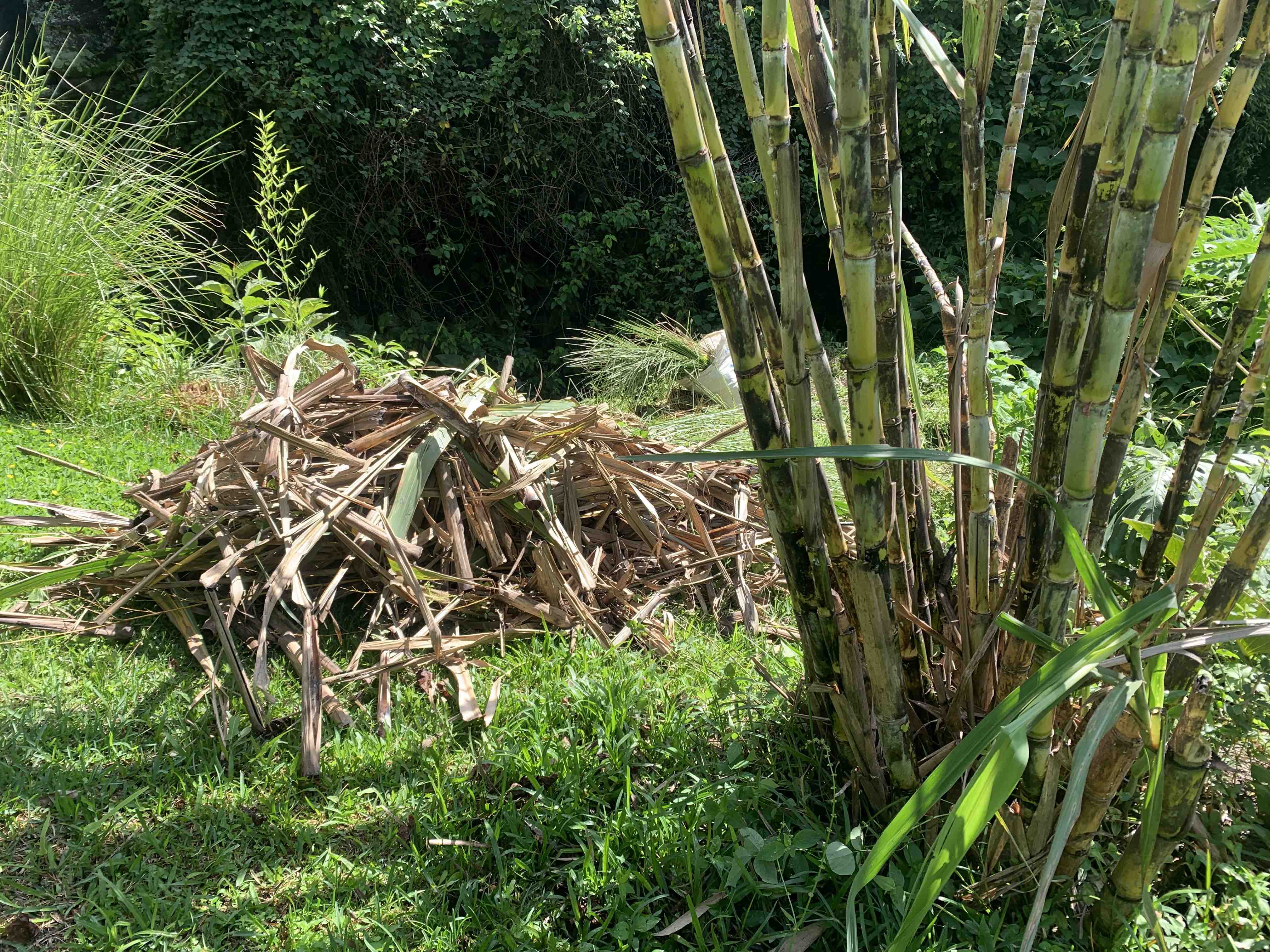
As we start another decade of posting here I will share two photos. The one above shows the outer layer of sugar cane that sheds, on the ground to the left of the stalk of cane that was planted about 18 months ago. The photo below shows the height of the cane today.
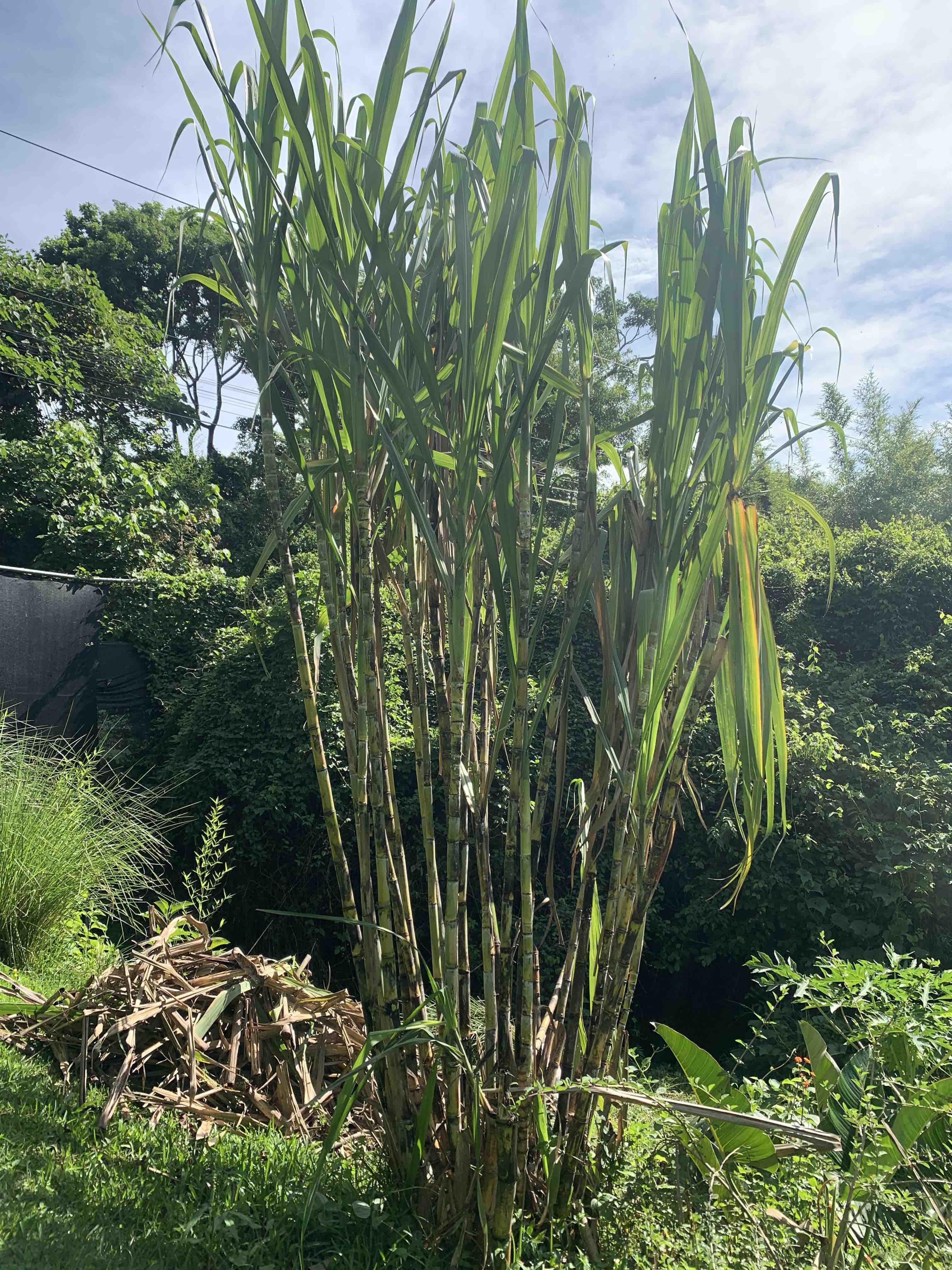
I posted this view six months ago, where you can see how green the leaves were in the drier summer time versus the rainy season we are in now. I will harvest these stalks to plant more sugar cane, rather than to produce sugar, and once the ground is prepared for that planting I will illustrate here how it is done.

female – San Ramón, Bolivia
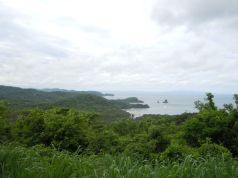
Seth’s photo of the view from the hill at Morgan’s Rock in Nicaragua
Today marks ten years since the first post on this platform. Seth’s description of a crab-eating little possum wandering by as he was reading, and a sloth-sighting together with two people visiting Nicaragua from the USA, reads like an entry in a travelogue. A later post about boarding down a volcano was the most viewed post of the first year.
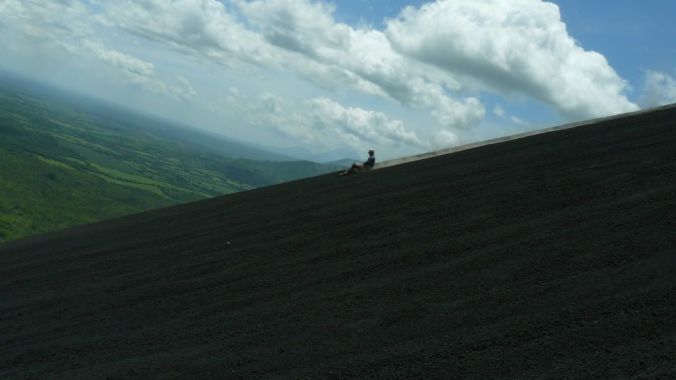
Seth sandboarding down Volcán Cerro Negro in Nicaragua

A man named Baba Ramdev, a yoga guru, was on a hunger strike to protest corruption when Michael, a senior at Amherst College, landed in India to begin an internship
Michael’s first post likewise starts as a travelogue, but veers into different territory as he reads the news about two men who are sacrificing comfort, and even life, for causes they believe in. The post goes on to identify drinking water as a cause worthy of the reader’s attention. Over the course of his time with us in India he wrote some of my personal favorites. He helped me better understand that the value of the internships we offered were as much about personal growth as about work experience.
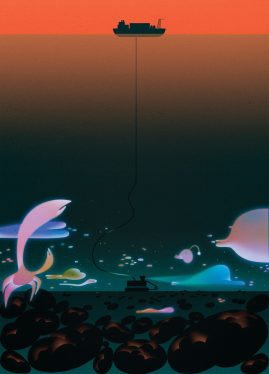
Within a few years, permits could be issued for commercial miners hoping to harvest the submerged wealth of the sea. Illustration by Sophi Miyoko Gullbrants
A decade was set in motion. This is our 10,286th post. Whatever meaning might be drawn from statistics, such as 827,462 views of our posts as of this writing, I find reasons to continue what those two started. Every day a bird is featured, thanks to Amie’s network of bird photographers. And every day I scan the news to share something enlightening, or I jot a note about a new idea we are trying out, always related to causes we care about. Today, on this rounding out of a decade, I mark the occasion by sharing the latest publication of a writer whose work rarely makes me happy but who I nonetheless link to often as a head-out-of-the-sand gesture:
The Deep Sea Is Filled with Treasure, but It Comes at a Price
We’ve barely explored the darkest realm of the ocean. With rare-metal mining on the rise, we’re already destroying it.
June 14, 2021
The International Seabed Authority is headquartered in Kingston, Jamaica, in a building that looks a bit like a prison and a bit like a Holiday Inn. The I.S.A., which has been described as “chronically overlooked” and is so obscure that even many Jamaicans don’t know it exists, has jurisdiction over roughly half the globe. Continue reading
 Organikos