Congratulations, West Virginia

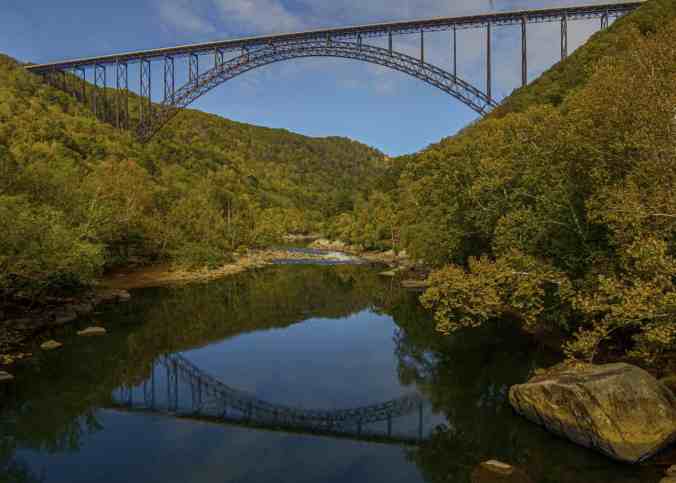
The New River Gorge Bridge, seen from Fayette Station, was once the world’s longest single-span arch bridge. Photograph: F Brian Ferguson/AP

A park is born. Challenges, yes, but opportunity too:
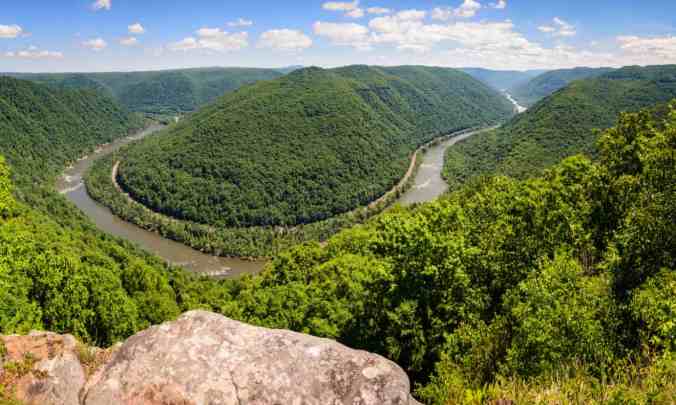
The New River Gorge in West Virginia: millions of years in the making; now a national park. Photograph: Alamy Stock Photo

America has a new national park but not all the locals are happy about it

The New River Gorge in West Virginia offers stunning views, rock climbing and rafting but some worry it is unprepared for an influx of visitors

The New River has spent millions of years carving a bucolic gorge in West Virginia. It is now home to one of the most biodiverse forests on the continent. And while humans have tracked prey along its jagged cliffs for thousands of years, now most people come to the gorge to find adventure. Continue reading
Maya Lin’s Ghost Forest

Maya Lin’s Ghost Forest: ‘I didn’t just want to talk about ‘hey, this is happening,’ without offering solutions.’ Photograph: Courtesy the artist and Madison Square Park Conservancy

First reading about this in another publication (one that rarely features photographs), the concept was clear, especially if you are familiar with “What Is Missing,” a long-running project about ecological loss. Picturing the result for this new installation was not easy from that first review. The artist’s website offered the photo above, which is also featured in this Guardian review, and Madison Square Park’s website offers an audio tour of the exhibition along with the image below.

On her own website the artist’s description is worth reading:

Ghost Forest, 2021
Madison Square Park, New York, NY
Commissioned by Madison Square park Conservancy
May 10 – November 14, 2021
49 Atlantic Cedar trees (36 – 46 feet)

Photography: Maya Lin Studio / Andy Romer, courtesy MSPC

Maya Lin’s Ghost Forest, brings a towering stand of forty-nine Atlantic white cedar trees, victims of salt water inundation due to climate change to downtown manhattan’s Madison Square Park. Continue reading

The Human Touch

The Economist offers this brief thinkpiece on what to make of the recent uptick in interest in craft-made products (unless you are a subscriber to the magazine you will need to sign up for free limited access to the magazine’s website):

Can human creativity prevent mass unemployment?

The market for artisan goods is likely to grow. But organised craft could lose its charm

In “THE REPAIR SHOP”, a British television series, carpenters, textile workers and mechanics mend family heirlooms that viewers have brought to their workshop. The fascination comes from watching them apply their craft to restore these keepsakes and the emotional appeal from the tears that follow when the owner is presented with the beautifully rendered result. Continue reading

Northstar Unplugged Podcast

For all the reasons podcasting has proliferated as a medium, I am a podjunkie. And I am subject to algorithmic wonders, one of which was a recommendation of this episode of this podcast in my podcatcher. I listened from start to finish and then listened to more episodes. Anyone who regularly reads from our pages here would enjoy any of those episodes, so I am paying forward with this post.

As it happens, the host of the podcast was a student in a course I taught a dozen years ago, so the algorithm may be demystified slightly by that fact. What remains totally mysterious to me is this episode.

One Culture’s Delicacy Is Another’s Punchline

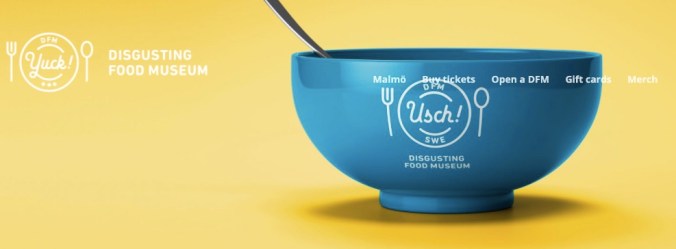
Having had more than my fair share of delicacies that I did not find appetizing, the concept of this museum is not lost on me. I can laugh, even when the humor is problematic. But of all the museums in all the towns in all the world,  I doubt I will visit this one. After yesterday’s post, this article by Jiayang Fan seems particularly well-timed:

The Gatekeepers Who Get to Decide What Food Is “Disgusting”

At the Disgusting Food Museum, in Sweden, where visitors are served dishes such as fermented shark and stinky tofu, I felt both like a tourist and like one of the exhibits.

In the spring of 2019, Arthur De Meyer, a twenty-nine-year-old Belgian journalist, toured the Disgusting Food Museum, in Malmö, Sweden. As with the Museum of Sex, in New York City, and the Museum of Ice Cream, in San Francisco, the Disgusting Food Museum is conceptually closer to an amusement park than to a museum. There are eighty-five culinary horrors on display—ordinary fare and delicacies from thirty countries—and each tour concludes with a taste test of a dozen items. De Meyer, the son of a cookbook author and a food photographer, told me that he’d always been an adventurous eater. As a reporter, he also prided himself on his ability to maintain his composure. “But the taste test was war,” he said. “The kind where you’re defenseless, because the bombs are going off invisibly, inside of you.” Continue reading

Respect For Insects In Human Food

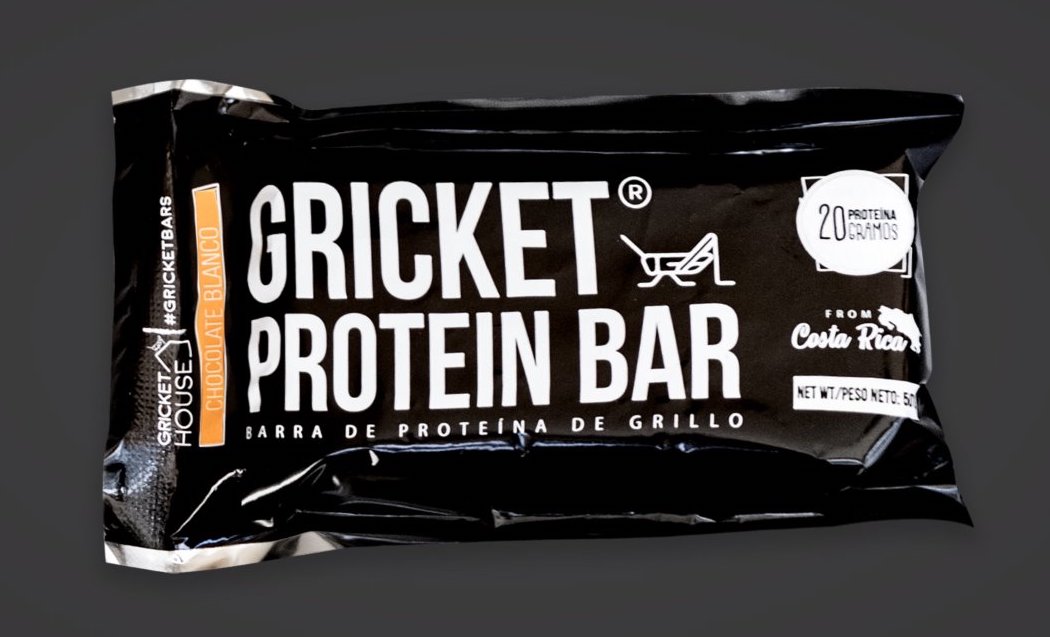
The old joke that begins “waiter, there is a fly in my soup” was already stale. Now it is long past its sell-by date. We have been selling this protein bar, made in Costa Rica, for long enough now to say without reservation: insects are not repellant. These bars compete alongside dozens of other snack products we offer, and have become a surprise best-seller.

I had expected occasional curiosity-driven sales, but instead they have outsold more established protein bar brands and other snack options. Insects have already earned more respect as a food source than I had imagined. Thanks to the Guardian for this partial explanation of the phenomenon, and its potential:

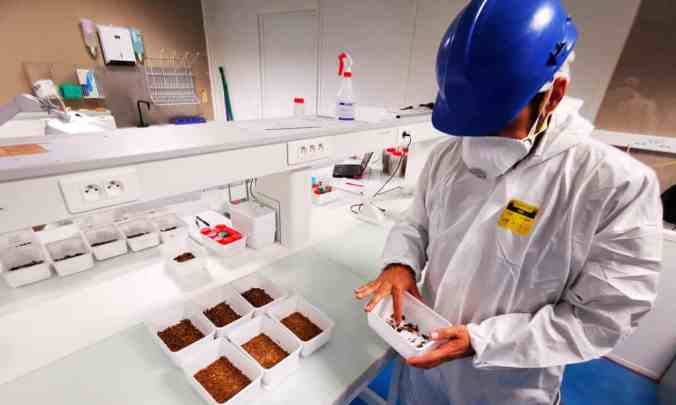
A bug’s life: inspecting the produce at Ÿnsect’s lab. Photograph: Reuters

If we want to save the planet, the future of food is insects

Fried crickets on the school menu, milk made from fly larvae and mealworm bolognese for dinner? These are the environmentally friendly meals we can look forward to. Bon appetit!

My first attempts at feeding insects to friends and family did not go down well. “What the hell is wrong with you?” asked my wife when I revealed that the tomato and oregano-flavoured cracker bites we had been munching with our G&Ts were made from crickets. Continue reading

Celebrating Urban Birds, Uptown Story

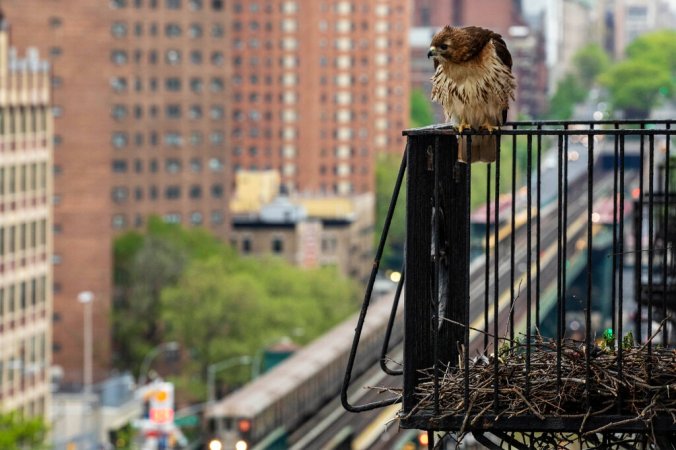
A mama hawk in West Harlem. No big deal. Dave Sanders for The New York Times

Yesterday was Global Big Day, an annual birding event that we have participated in each year since we became aware of it. We became aware when Seth began working with the Celebrate Urban Birds initiative, which was also when I started paying more attention to the Cornell Lab of Ornithology‘s important work in citizen science. We have been featuring that work in these pages ever since, including non-bird citizen science. This story from uptown New York City gives a fresh perspective on a citizen non-scientist celebrating urban birds:

He Wasn’t a Bird Person. Then a Hawk Built a Nest on His Fire Escape.

Life, death, renewal and social media ensued.

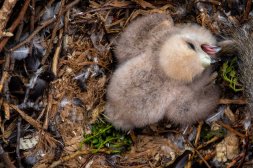
Alba, at 2 weeks old. Dave Sanders for The New York Times

Michael Palma Mir’s first encounter with the hawk was not auspicious. Around the first of March, he noticed it outside his West Harlem apartment.

In his 57 years living there, Mr. Palma Mir had never seen anything like this beautiful bird, a killer. He grabbed his camera and stuck his head out the window for a better shot.

The next thing he knew, it was right there. “It was three feet away from me and coming in real fast,” he said. “All I saw were the talons coming right at my head.” He yanked his head back inside and slammed the window, never expecting to see the bird again.

He was wrong. Continue reading

Really, Wyoming?

A train loaded with newly mined coal near Gillette, Wyoming. Photograph: Tannen Maury/EPA

It’s been too long since we last asked this question that had been a mainstay in these pages, but today we have to ask it of Wyoming, based on this story:

Wyoming stands up for coal with threat to sue states that refuse to buy it

Republican governor says measure sends message that Wyoming is ‘prepared to bring litigation to protect her interests’

Wyoming is faced by a transition to renewable energy that’s gathering pace across America, but it has now come up with a novel and controversial plan to protect its mining industry – sue other states that refuse to take its coal. Continue reading

Choices For Mining Lithium

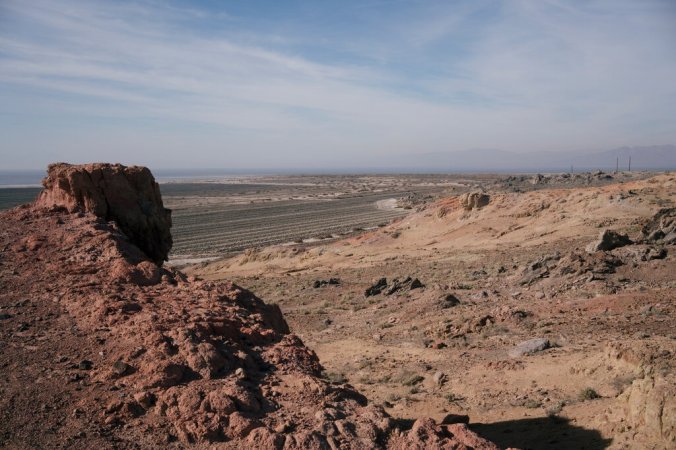
The Salton Sea is one of numerous new mining proposals in a global gold rush to find new sources of metals and minerals needed for electric cars and renewable energy.

Thanks to the New York Times for this coverage of the choices surrounding how and where to mine a key ingredient of more efficient batteries–a consequential environmental question:

The Lithium Gold Rush: Inside the Race to Power Electric Vehicles

A race is on to produce lithium in the United States, but competing projects are taking very different approaches to extracting the vital raw material. Some might not be very green.

“This is the most sustainable lithium in the world, made in America,” Rod Colwell, the chief executive of Controlled Thermal Resources, said. “Who would have thought it? We’ve got this massive opportunity.”

Atop a long-dormant volcano in northern Nevada, workers are preparing to start blasting and digging out a giant pit that will serve as the first new large-scale lithium mine in the United States in more than a decade — a new domestic supply of an essential ingredient in electric car batteries and renewable energy.

The mine, constructed on leased federal lands, could help address the near total reliance by the United States on foreign sources of lithium.

But the project, known as Lithium Americas, has drawn protests from members of a Native American tribe, ranchers and environmental groups because it is expected to use billions of gallons of precious ground water, potentially contaminating some of it for 300 years, while leaving behind a giant mound of waste. Continue reading

Colombia’s Blue Carbon Initiatives

Thanks to YaleE360 for this brief explanatory note on Blue Carbon Projects from a Colombian perspective:

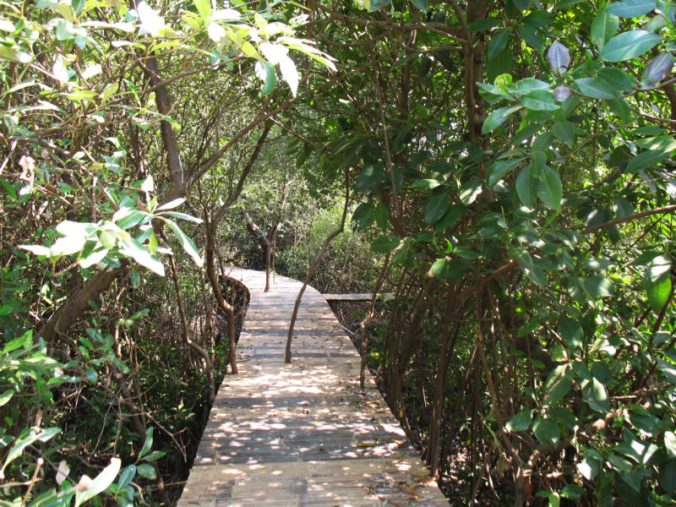
New Approach to Blue Carbon Projects Underway in Colombia

A mangrove preservation project along Colombia’s Caribbean coast is using a more comprehensive method to calculate how much carbon is stored in coastal and marine ecosystems, potentially boosting global efforts to conserve so-called blue carbon. Continue reading