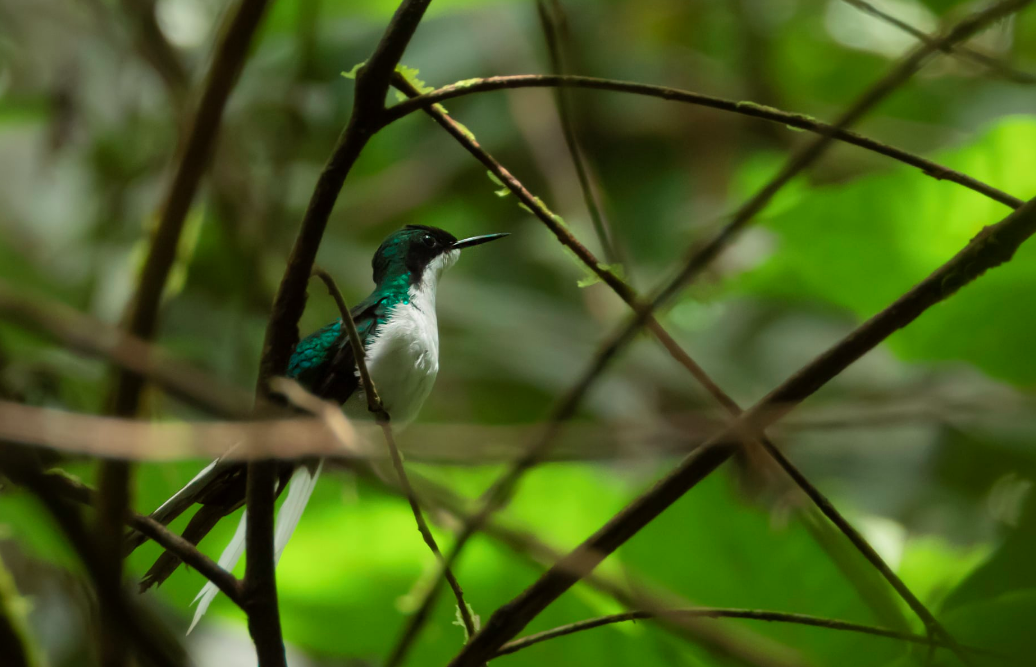
Macaw Lodge, Costa Rica
Macaw Lodge, Costa Rica
Antarctica has not featured in these pages as much as tropical places, where we mostly work. The closest my work has come to Antarctica was between 2008-2010 when I worked with entrepreneurs in the Magallanes region of Chile, which includes Antarctica. Even then, the portions of my work in Tierra del Fuego were still 600+ miles from the northern most point of the Antarctic Peninsula. By contrast my work in Yakutia took me within the Arctic Circle. But in both places my work was always above ground, and never brought me close to the scientists working below ice shelves. So, thanks to Mother Jones for this:
Antarctic Stunner: Mysterious Creatures Discovered Under a Half Mile of Ice
Scientists taking sediment samples found animals nobody thought could survive there.
Bivouacked in the middle of the Filchner-Ronne Ice Shelf—a five-hour flight from the nearest Antarctic station—nothing comes easy. Even though it was the southern summer, geologist James Smith of the British Antarctic Survey endured nearly three months of freezing temperatures, sleeping in a tent, and eating dehydrated food. The science itself was a hassle: To study the history of the floating shelf, he needed seafloor sediment, which was locked under a half mile of ice. Continue reading
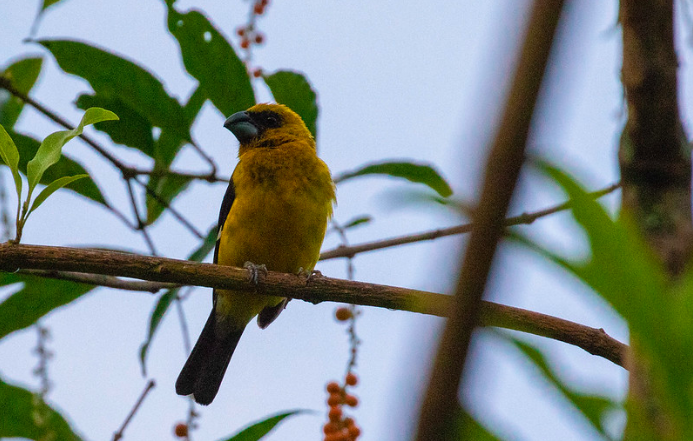
San Gerarda de Dota, Costa Rica
 Nearly four years ago I mentioned Harrington Ham in a post, but did not mention that in 1978 and 1979 I worked as a stock clerk in the Harrington’s shop in my hometown. In addition to the most amazing hams, my employee discount allowed me to purchase all kinds of food items I otherwise would not have known from the A&P and Grand Union grocery stores where we otherwise shopped. Erewhon Organic was one of the brands carried, providing my introduction to “health food.” Which led to my discovery of this book, which I scarcely recall, but which instilled in me a curiosity about utopia, and an appreciation of anagrams.

Erewhon, an upscale organic grocery store and cafe, has six locations in the Los Angeles area. Michelle Groskopf for The New York Times
Today, reading of this retail operation in California with a similar name, I took the opportunity to find out what happened to that old Erewhon brand; it is still out there, but has been reduced in scale and variety to producing only organic cereals. The retail Erewhon, almost as old as the brand I remember, looks like it is on a good trajectory for a long and prosperous life:
How Erewhon Became L.A.’s Hottest Hangout
With a little help from celebrities and influencers, the health food store became the place to see and be seen.
Michelle Groskopf for The New York Times
Angelenos have long known that health is wealth, and the healthiest and wealthiest among them shop at Erewhon, the upscale organic grocery store with six locations throughout Los Angeles County.
Last year, after the coronavirus pandemic forced bars and nightclubs across the city to shutter, supermarkets were among the few places where people could still see and be seen. Erewhon, with its outdoor dining areas, became the unofficial hangout for the young, beautiful and bored. Like a moth to a nontoxic flame, the store drew Instagram flâneurs in droves — but also plenty of grimaces and eye rolls from locals. Continue reading
Frauenkirchen, Austria
 Yesterday my hand reflexively reached for my phone to snap a photo. That happens most frequently when I see a bird, but in this instance it happened when I saw a man pointing binoculars at a group of squawking green parakeets who were eating fruit from a palm tree.The common conception of where birdwatchers stay while visiting Costa Rica at first seems at odds with this scene.
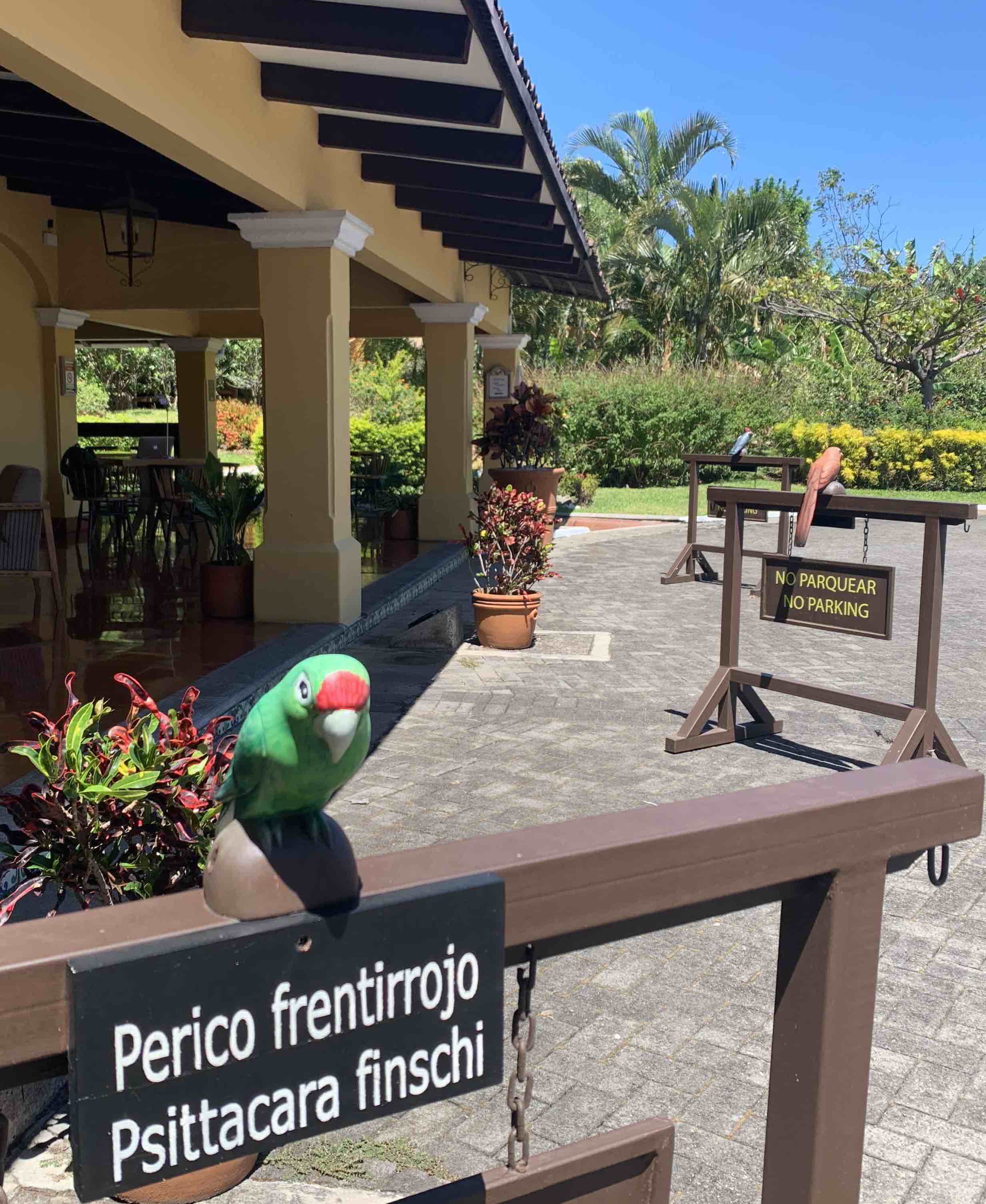 This hotel, Marriott Hacienda Belen, developed a guide for birding on property in 2018. About a year ago bird models adorned the tops of “no parking” signs, sending a birder-friendly signal. Since these were placed in front of the Authentica shop, I have regularly seen parents, many of them local guests during a year when there have been fewer international guest, bring their children to look at the birds, read the species name, then walk to each of dozen or so others within short walking distance. I count that as progress.
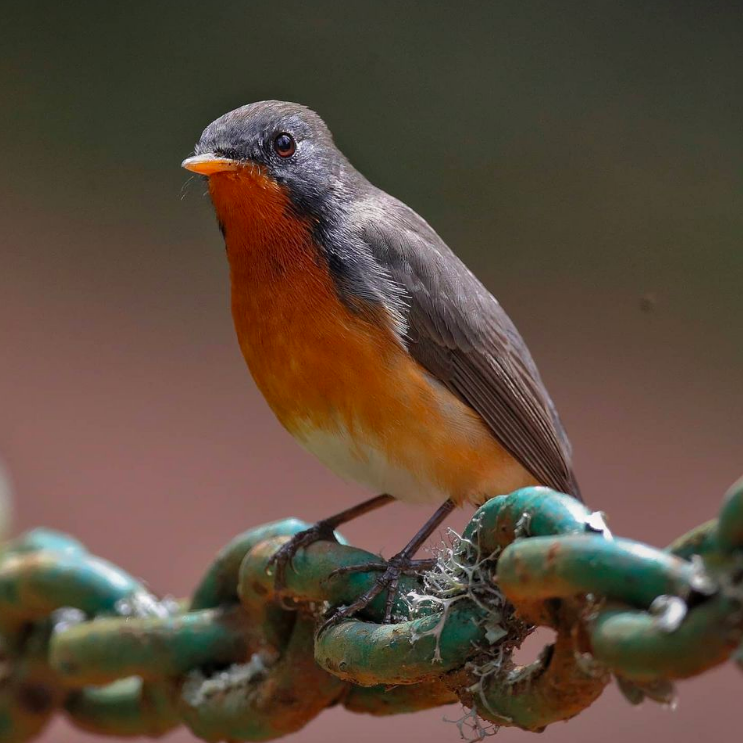
Ooty, Tamil Nadu
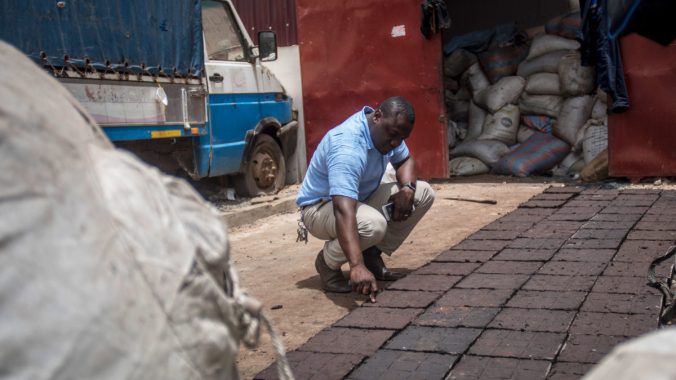
An engineer inspects paving blocks made from recycled plastics in a suburb of Accra, Ghana. CRISTINA ALDEHUELA/AFP VIA GETTY IMAGES
In our Authentica shops we offer some artisanal approaches to plastic re-use, and have been fans of the concept since a visit to Ghana in 2013. But the plastic problem will not be solved this way because the level of re-use it is not at scale with the amount of plastic needing re-use. Thanks to Ann Parson fo showing a new potential demonstrated in Ghana more recently:
How Paving with Plastic Could Make a Dent in the Global Waste Problem
Roads in which waste plastic is melted down and mixed with paving materials are becoming more common around the world. Although for now they remain a niche technology, experts say the roads could become one of a diverse array of uses for discarded plastic.
A road running through Accra, Ghana’s capital, looks like any other blacktop. Continue reading

Macaw Lodge, Costa Rica

Mother Jones illustration; Getty
Thanks to Mother Jones for this article spotlighting why you might want to rethink your attachment to gas as a cooking fuel:
How the Fossil Fuel Industry Convinced Americans to Love Gas Stoves
And why they’re scared we might break up with their favorite appliance. Continue reading

La Paz, Baja California Sur, Mexico
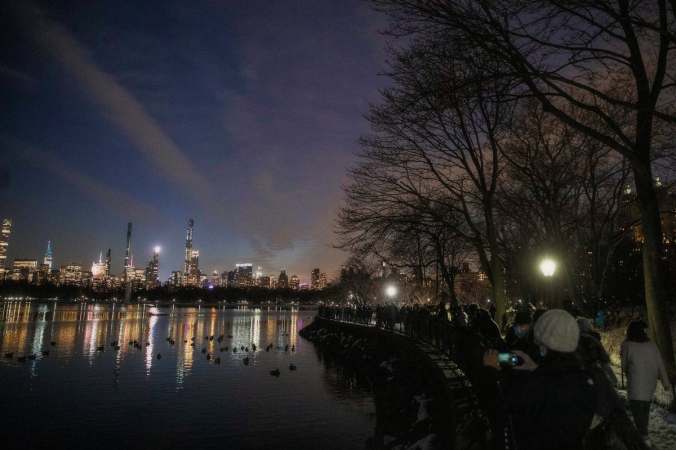
A crowd hoping to see a snowy owl gathered at the reservoir in Central Park. Some birders complain that large groups can disturb rare species. Dave Sanders for The New York Times
You do not need to be a bird nerd to appreciate that an avocation like this one needs some rules of the game, especially at moments like these, which seem to come around every few years:
Twitter Is Turning Birds Into Celebrities and Birders Against One Another
A Twitter account helped spread the word about rare birds in New York City, but publicizing their locations exposed a rift among birders.
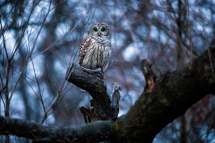
A barred owl, whose visit to Central Park has been promoted by some birders, including one who maintains the popular Twitter account Manhattan Bird Alert. Dave Sanders for The New York Times
In 2018 it was the Mandarin duck. Last October it was the barred owl. Just weeks ago it was the snowy owl.
All three avian species catapulted to celebrity status after they landed in Central Park, becoming the subject of news reports from Manhattan to India and attracting gaggles of groupies, snapping away on their smartphones.
These rare glimpses of nature in the heart of New York elicit a dose of joy in the best of times. Continue reading

Arkansas
 A few years ago, during a work visit in Athens, Amie and I made a last-minute decision to book a flight to Istanbul. We had both long wanted to visit, the flight was inexpensive, and we had a few days to spare. A primary impetus for the visit was to experience this museum. My memory of Istanbul is mainly my memory of the museum. And it is one of my strongest travel memories in a life full of travel. Reading about this “club” I realized there are more shrines for bibliophiles than I had imagined:
The Grolier Club: Celebrating the Art & History of the Book Since 1884
Founded in 1884, the Grolier Club is America’s oldest and largest society for bibliophiles and enthusiasts in the graphic arts. Named for Jean Grolier (1489 or 90-1565), the Renaissance collector renowned for sharing his library with friends, the Club’s objective is to promote “the study, collecting, and appreciation of books and works on paper.” Through the concerted efforts of an international network of over eight hundred men and women—book and print collectors, antiquarian book dealers, librarians, designers, fine printers, binders, and other artisans—the Grolier Club pursues this mission through its library, its public exhibitions and lectures, and its long and distinguished series of publications.

The story of America can be told through the story of its periodicals. Photograph by Alfred Eisenstaedt / The LIFE Picture Collection / Getty
And the only reason it came to my attention was thanks to Nathan Heller, whose subject likens magazines over earlier centuries to the social media of today in his cultural comment essay What Are Magazines Good For? Tickets to New York are inexpensive, which makes a visit tempting for this one reason, but it will have to wait:
…“The best way to think about magazines is as the analog Internet—they’d foster communities of people, just like on social networks,” Steven Lomazow, a seventy-three-year-old New Jersey neurologist who created the exhibition from his personal collection of more than eighty-three thousand magazine issues, said the other day. Continue reading
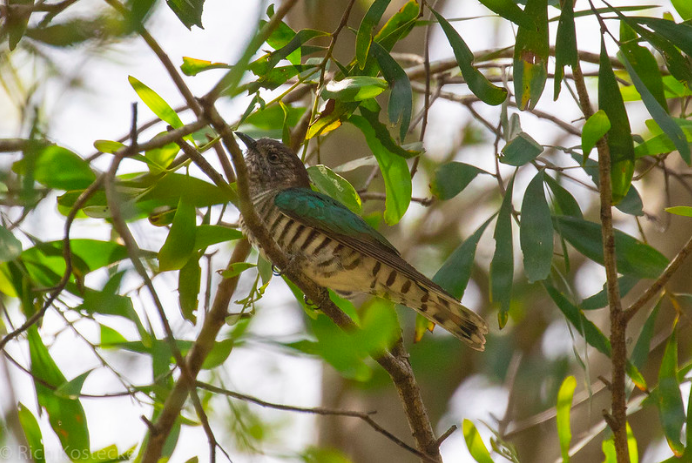
Postman’s Track Lake, Moreton Bay

I am sure that the New York Times has made available, but I cannot find it, an explanation for when they link out to Amazon (e.g. on a podcast interview with an author promoting a recently published book) and when they do not (e.g. in a traditional book review). Our thanks to Bill McKibben for taking the time to review this book:
How Does Bill Gates Plan to Solve the Climate Crisis?
HOW TO AVOID A CLIMATE DISASTER
The Solutions We Have and the Breakthroughs We Need
By Bill GatesFirst things first — much respect to Bill Gates for his membership in the select club of ultrabillionaires not actively attempting to flee Earth and colonize Mars. Continue reading

Baja California Sur, Mexico
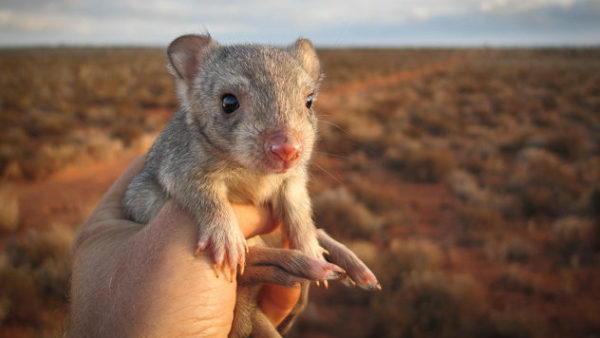
A burrowing bettong, also known as the boodie, in the Australian Outback. COURTESY OF AWC
I have not acquired the book yet, but I have heard her discuss it and read an interview with her about it; the author has moved from reporting on extinction and climate phenomena to reporting on human intervention schemes that respond to those phenomena. The stories as told in the article below adhere to a claim Kolbert makes in her discussion with Ezra Klein, that as a journalist she is not in the judgement business:
Assisting Evolution: How Far Should We Go to Help Species Adapt?
An Australian project to help threatened marsupial species adapt to avoid predatory cats is among a host of ‘assisted evolution’ efforts based on the premise that it is no longer enough to protect species from change: Humans are going to have intervene to help them change.
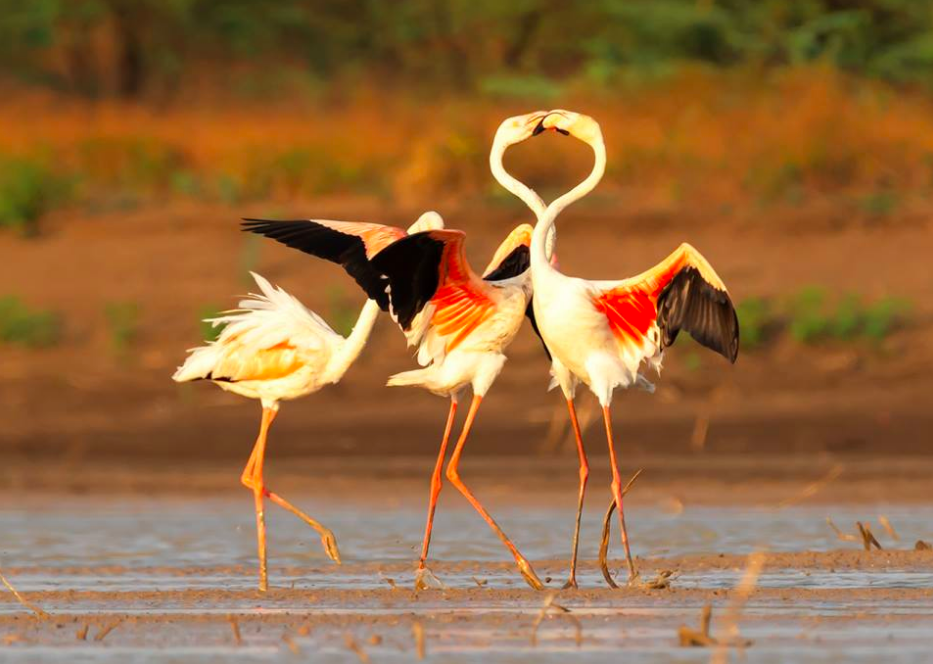
Vijayapura, Karnataka
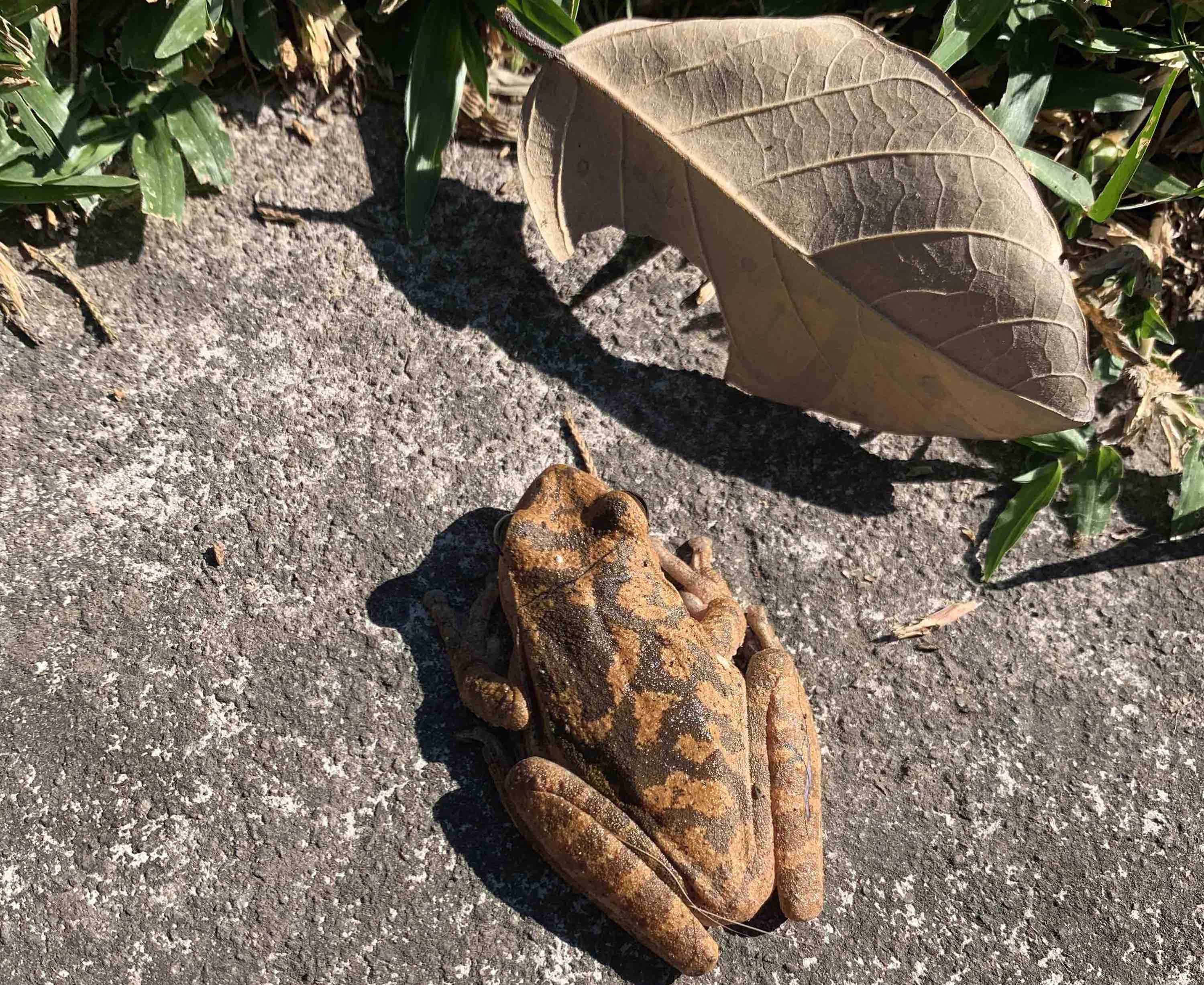
We got as many trees in the ground as we could during 2020, and since it has been dry season for a couple months now we are mostly in maintenance mode. The most pleasure to be had during these months is seeing how the wildlife on our small plot of land changes. For example, the creature above, which I saw yesterday. I believe it is a Drab Tree Frog, but if you have a different opinion please let me know. Tomorrow we begin coffee germination, take two–and I will post on that. Meanwhile, thanks to the Guardian’s coverage of the environment, we have this news:
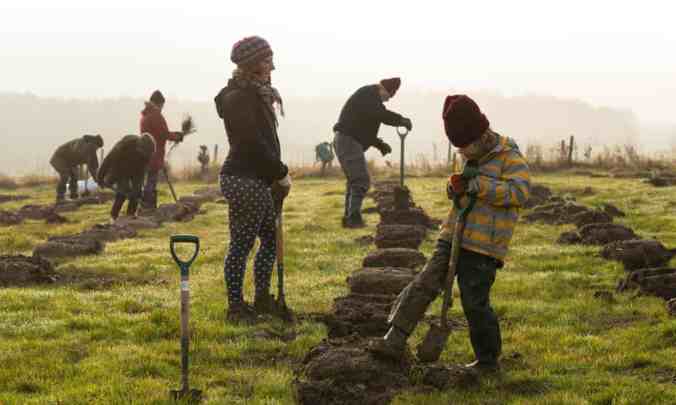
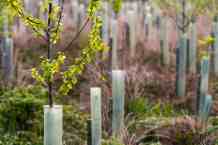
Volunteers helping on project for Woodland Trust, which sent out a million trees last year. Photograph: Philip Formby/PA
Digging in: a million trees planted as villages and schools join climate battle
Community forest projects have seen a surge in volunteers keen to reduce CO2 emissions by creating new woodlands
According to the Horticultural Trades Association, garden centre sales of hardy plants, shrubs and trees have soared. Photograph: Alamy
The UK may be in the grip of a winter lockdown but in one village on the edge of the Yorkshire Dales the local climate-change group has been busy.
Plans are afoot to plant hundreds of trees on land surrounding Newton-le-Willows, in lower Wensleydale, in an effort to tackle the climate crisis. According to scientists, planting billions of trees across the world is one of the biggest and cheapest ways of taking CO2 out of the atmosphere. Continue reading

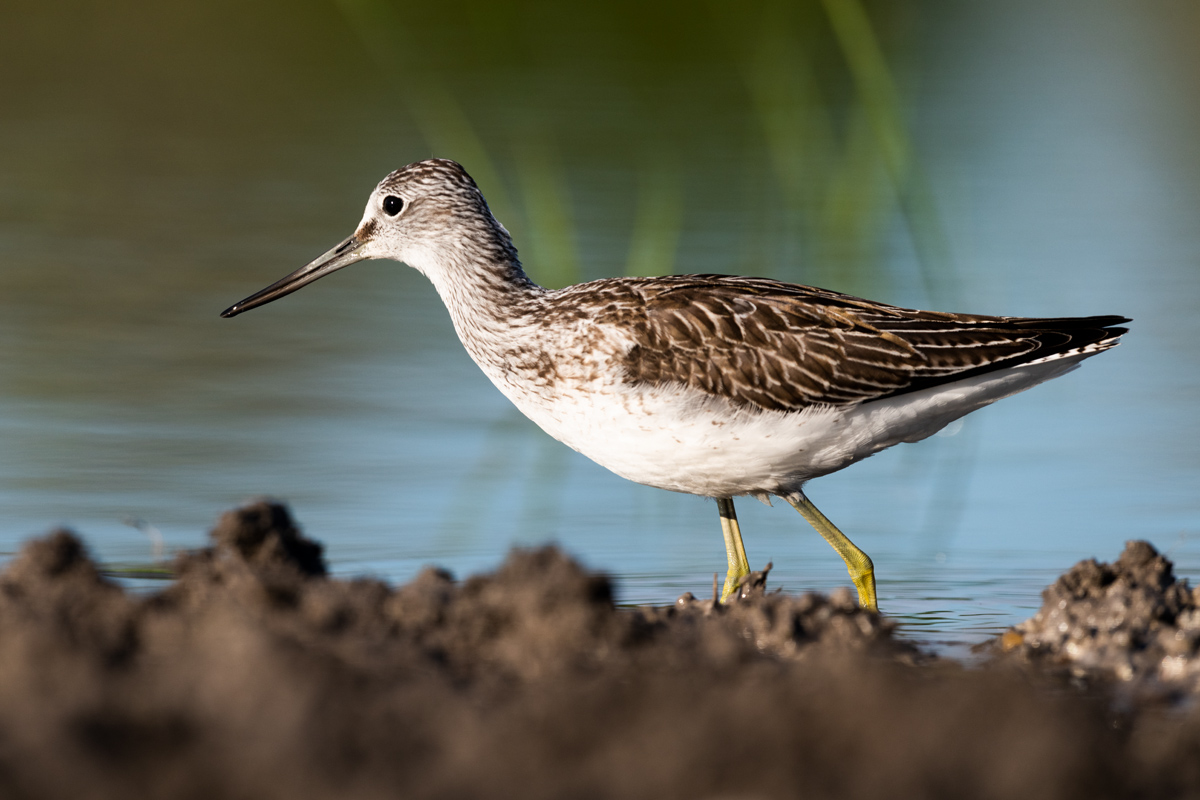
 Organikos