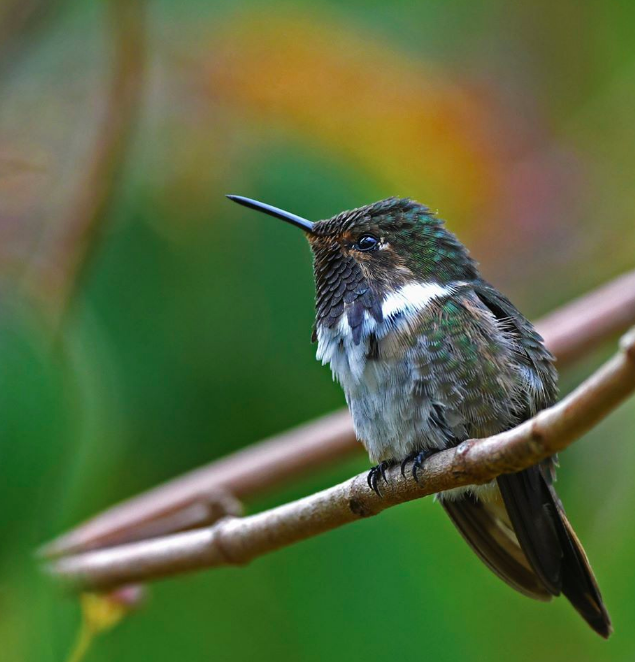
Talamanca Mountains, Costa Rica
Talamanca Mountains, Costa Rica

LEFT: “War gardens over the top. The seeds of victory insure the fruits of peace,” Maginel Wright Enright, National War Garden Commission, 1919 (Library of Congress). RIGHT: “War gardens for victory—Grow vitamins at your kitchen door,” lithographed by the Stecher-Traung Lithograph Corporation, Rochester, New York, between 1939 and 1945 (Library of Congress).
In the latest Gastropod episide, Dig for Victory, we get some new background on an old topic that has been on our minds lately:
You’ve seen the news: vegetable seeds are selling out. All that quarantine ennui has combined with anxiety about the gaps on supermarket shelves to create a whole new population of city farmers in backyards and windowsills across America. And everyone from the Los Angeles Times to Forbes to CBS has dubbed these brand new beds of beets and broccoli “COVID-19 Victory Gardens.” Continue reading
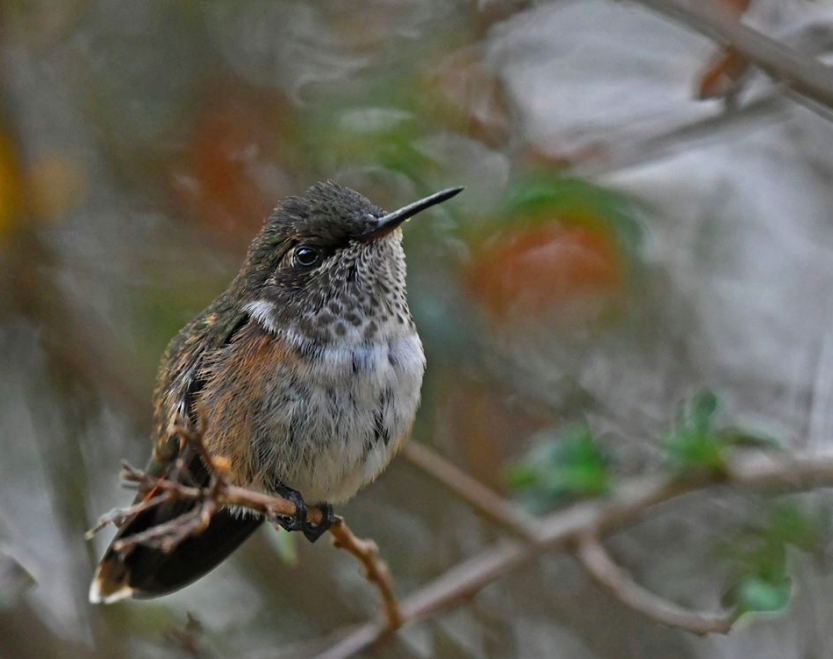
Talamanca Mountains, Costa Rica

When we started this platform, from a base in south India, we were surrounded by charismatic mega-fauna. Even the squirrels were unusually beautiful and large. The purpose of the platform being to highlight stories of creative, entrepreneurial approaches to conservation as much as to raise awareness of environmental issues more broadly, there is a new form of mega charisma worth noting today. It may make a difference to the issues we have been pointing to since the first post nine years ago:
Climate emission killer: construction begins on world’s biggest liquid air battery
Exclusive: project will store renewable energy and reduce climate-heating emissions
Construction is beginning on the world’s largest liquid air battery, which will store renewable electricity and reduce carbon emissions from fossil-fuel power plants.
The project near Manchester, UK, will use spare green energy to compress air into a liquid and store it. When demand is higher, the liquid air is released back into a gas, powering a turbine that puts the green energy back into the grid.
A big expansion of wind and solar energy is vital to tackle the climate emergency but they are not always available. Storage is therefore key and the new project will be the largest in the world outside of pumped hydro schemes, which require a mountain reservoir to store water. Continue reading
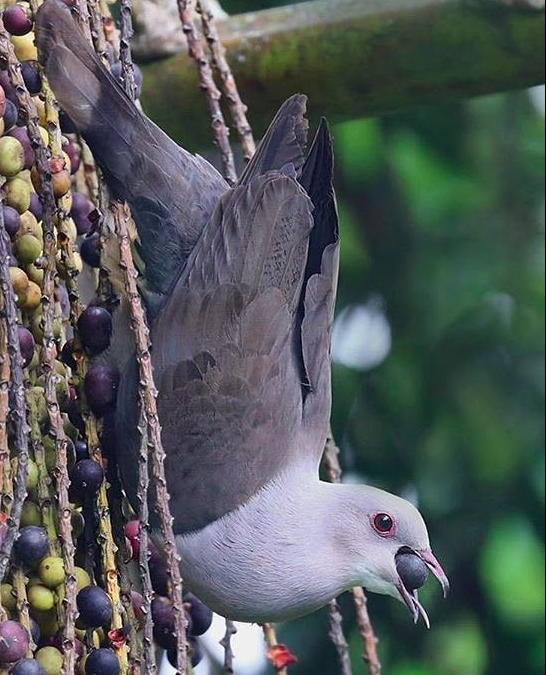
Mapusa, Goa
Birders, in general, tend to be an enthusiastic bunch – and the constraints of the current circumstances actually added extra incentive to find creative problem solving solutions, in finding new birding locations or ways to be safely be in familiar ones.
The BirdsCaribbean Global Big Day video compilation provides proof positive. Enjoy!

Yasuni National Park, Ecuador
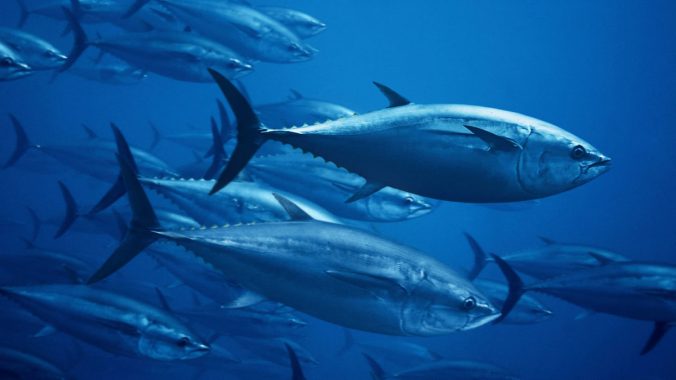
Atlantic bluefin tuna (Thunnus thynnus) off the coast of Madeira Island, Portugal. PAULO OLIVEIRA / ALAMY
Of all the ways to transition to vegetarianism, which I am on snail’s pace doing, I just realized that the one form of animal protein that I have completely eliminated without thinking about it is fish. I cannot remember planning on doing this, but at this moment I cannot remember the last time I ate fish. It may have been 2016. But I have been conscious of the sensation every time I am grocery shopping that I avoid the fish.
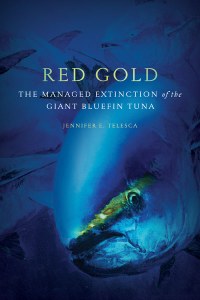 Sushi was my favorite treat of a meal years ago, and while living in India we were as much pescatarian as vegetarian. But that changed with a growing awareness of the challenges related to regulating the world’s seas. So I quit eating things from it. Jennifer E. Telesca, writing in Yale e360, does not make me feel any better about this–as a data point I am exactly of zero relevance compared to the total market size–but I am gratified to see a book on a topic that will help me better quantify the reasons why exiting the market for fish is a priority:
How Global Regulators Are Selling Out the World’s Largest Tuna
The international commission responsible for managing Atlantic bluefin — prized for high-quality sushi — is failing to protect this magnificent fish. The regulators’ focus on fishing industry profits points up the need to change the way we view, and value, the lives of wild creatures.
In 2010, after years of global headlines highlighting the runaway harvest of bluefin tuna in the Mediterranean Sea and eastern Atlantic Ocean, the international regulatory agency managing this endangered fish capitulated. It cut the total allowable annual catch to 12,900 metric tons, the lowest level recorded. For the world’s most valuable fish, coveted as the most succulent sushi on the planet, a return to plenty looked promising. Continue reading
 Costa Rica
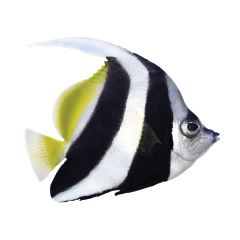 At first glance, it looks like art. As most great nature photography, whether amateur or taken by professionals, often does. But this is tech-driven professional science. Thanks to the Great Barrier Reef Foundation for this primer:
COUNTING TURTLES IS A SCIENCE
So how do you count more than 64,000 turtles at once?
With drones – and now we have the science to prove it.
Our Raine Island Recovery Project researchers are investigating the best way to count all the turtles at the world’s largest green turtle nesting area. The highly respected PLOS ONE journal has just published their findings (see the paper). Continue reading
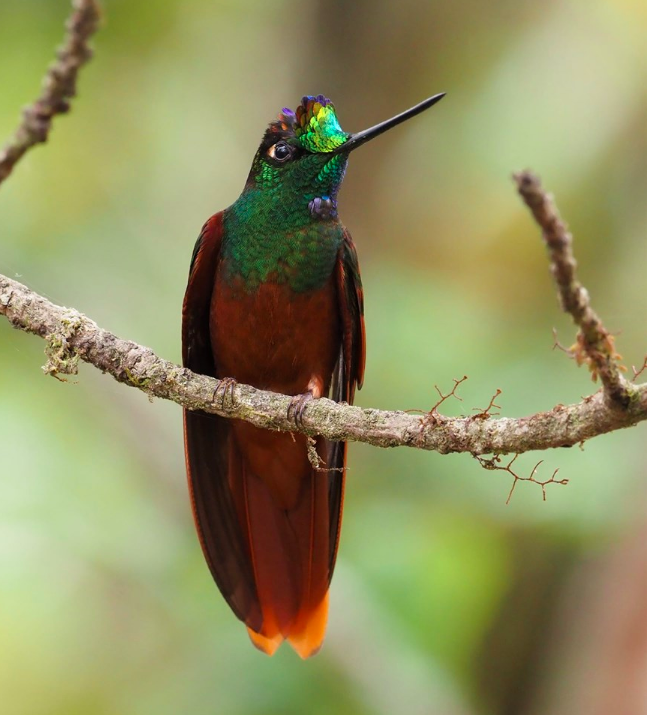
Utuana Reserve, Ecuador
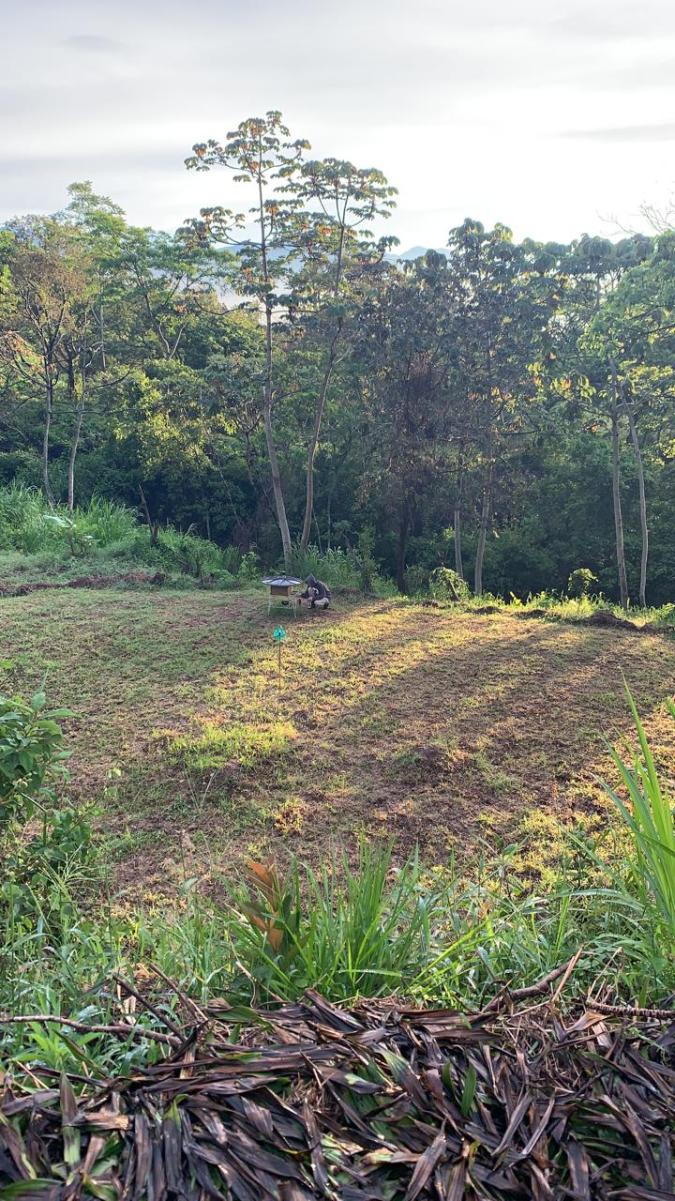
Friday, one of the hotels where we operate Authentica re-opened. With not much exaggeration I can say that for hotel staff, for Amie and me, and for the Costa Rican guests we interacted with, seeing tourism start up again after three months felt emotionally kind of like this, only with serious social distancing.
Yesterday, day 2 of this experiment in moving forward, before going to greet guests at the shops we began on the land. Above is the first of what we expect to be a larger set of honey bee colonies that will pollinate our coffee and fruit trees. Amie is in beekeeping tutorial mode and after a few weeks in place it seems to my untrained eye that the bees are happy with her progress. The land surrounding the hive, and other parts of the property, have been planted with beans common to the Costa Rica diet–mostly black and red–and some special varieties that we favor, such as white and butter varieties. Those we planted first, as you can see below, are already sprouting.
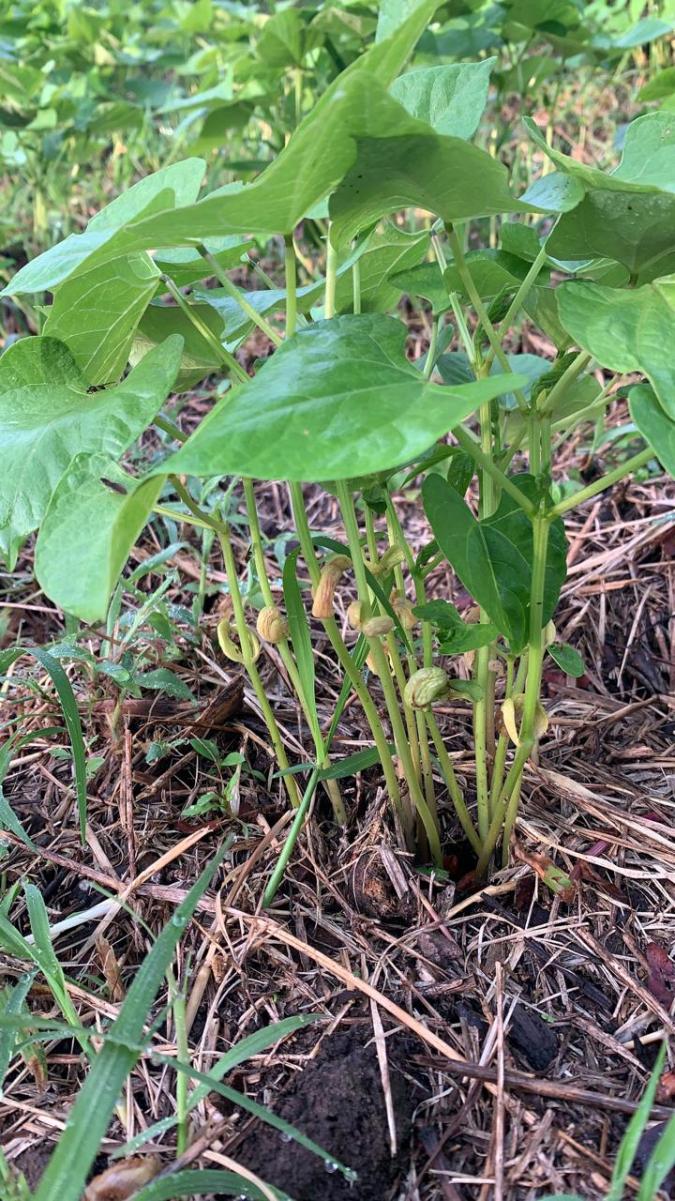
While we look forward to their eventual edible state, the primary purpose of these legumes is to fix nitrogen in the soil in advance of planting when our coffee seedlings are ready. Regeneration of the nutrients will allow the soil to host the coffee we are preparing for the microlot restoration project, planned long before current crises and to bear fruit some time after we have figured out how to move on with life. For now, seeing guests again, having beans sprout and bees buzzing is good enough.
Palace of Fine Arts, California
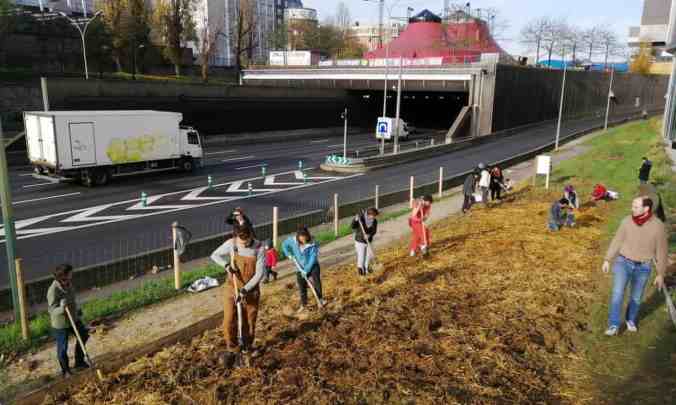
A Miyawaki forest being planted on the outskirts of Paris, France. Photograph: Courtesy of Boomforest
We knew from a recent post about the importance of small tracts of tree cover, based on reporting in the USA. Here is more from Europe, and about the botanist inspiring an acceleration of planting:
Fast-growing mini-forests spring up in Europe to aid climate
Miyawaki forests are denser and said to be more biodiverse than other kinds of woods
A three-year-old forest in Ormeignies, Belgium. Photograph: Urban Forests
Tiny, dense forests are springing up around Europe as part of a movement aimed at restoring biodiversity and fighting the climate crisis.
Often sited in schoolyards or alongside roads, the forests can be as small as a tennis court. They are based on the work of the Japanese botanist Akira Miyawaki, who has planted more than 1,000 such forests in Japan, Malaysia and elsewhere. Continue reading

Mishmi Hills, Arunachal Pradesh
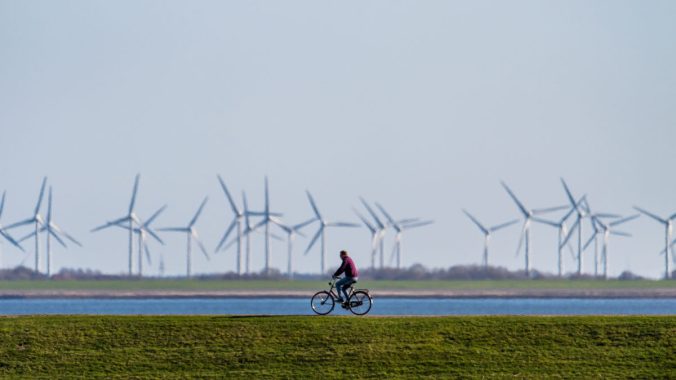
A bicyclist on an embankment in front of wind turbines in Norderney, Germany. LINO MIRGELER/GETTY IMAGES
Thanks to David G. Victor for this opinion:
Building Back Better: Why Europe Must Lead a Global Green Recovery
With the global economy reeling from the pandemic, most nations are focusing stimulus programs on reviving employment. But Europe is moving forward with a Green Deal initiative that provides a framework for decarbonizing its economy and spurring the rest of the world to follow. Continue reading
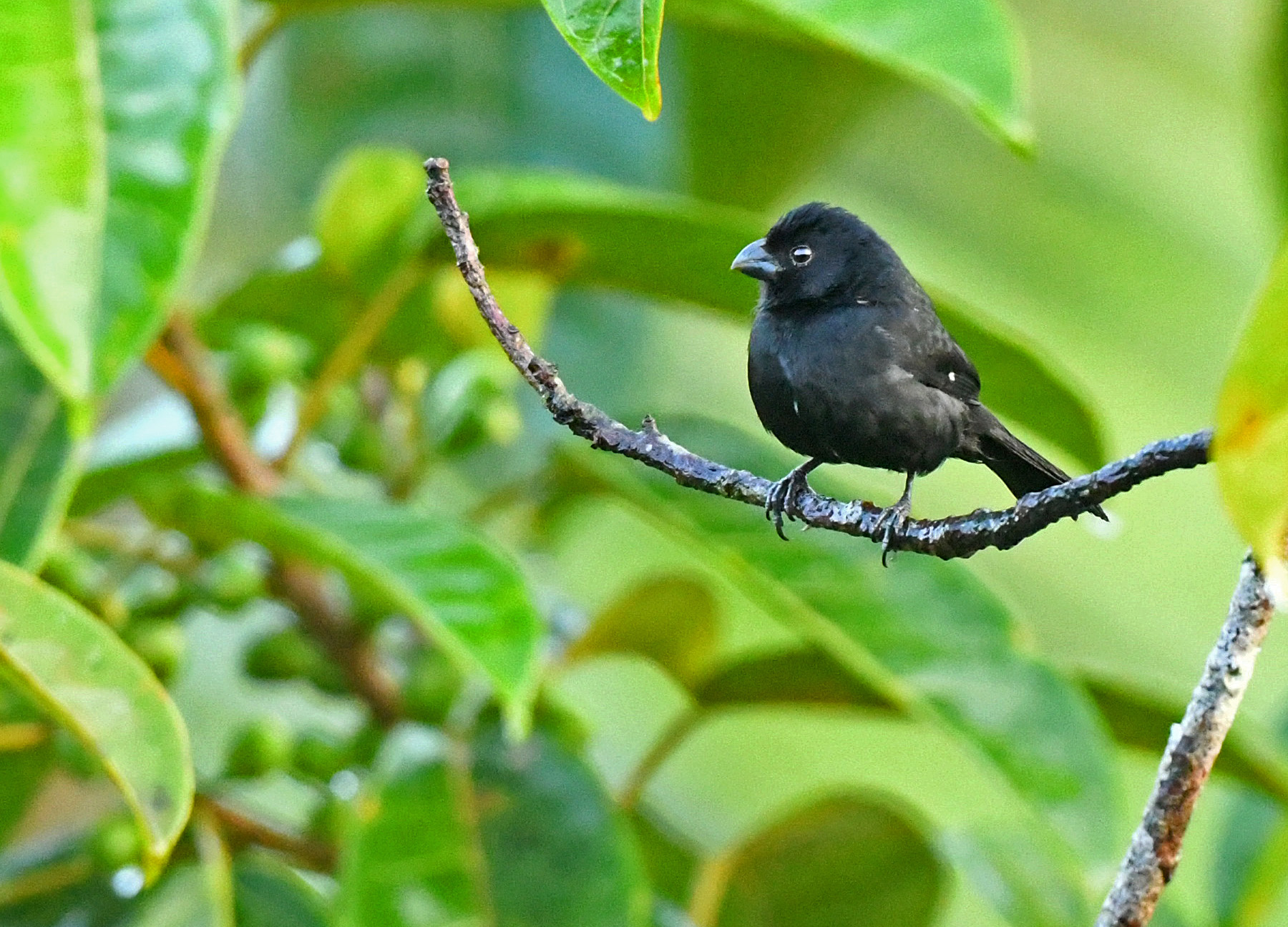
Boca Tapada de San Carlos, Costa Rica
Are chocolates forever?
For World Environment Day, a story of biodiversity and globalization in the ancient Asante Kingdom of Ghana
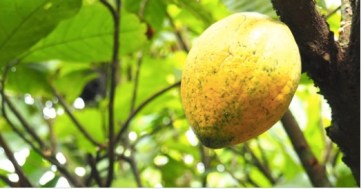 The man on the throne in the place where growing cocoa is more important than just about anywhere in the world–the king of the Asante in Ghana–knows well the challenges ahead for this agricultural wonder. If you care about chocolate, read on:
By His Royal Majesty Otumfuo Osei Tutu II, King of the Asante Kingdom, Ghana and Dr. Musonda Mumba, Chair, Global Partnership on Forest and Landscape Restoration (GPFLR) and Chief, Terrestrial Ecosystems Unit, UN Environment, Kenya.
With the easing of COVID-19 lockdowns across the globe, people shall again begin visiting shops to purchase gifts for loved ones. No doubt chocolate delicacies will be part of the presents. Although they can hardly be considered an essential good for consumers, the production of cocoa and chocolate is vital to the livelihoods of millions of people in West Africa. It is at the center of a global multi-billion-dollar industry, and much of the cocoa that feeds this industry originates from trees growing in the Ancient Kingdom of Asante in Ghana. But this source of wealth is under threat. Continue reading

Boca Tapada, Costa Rica
The threads of handloom speak to me every time I enter my closet, despite the fact that it’s a rare occurrence for me to wear a sari now that we no longer live in India. Even without that particular garment, half of my wardrobe is comprised of beautiful pieces of extraordinary workmanship, in handloom, shibori dying, and embroidery; designed in Kerala by Sreejith Jeevan for Rouka, and crafted in collaboration with numerous weaving and dying clusters.
Anoodha Kunnath and the Curiouser team once again bring this craft to life in inspiring ways. The excerpt above is from a longer film shot for Sahapedia, an online interactive encyclopedia on the arts, cultures and histories of India (and broadly South Asia). It aims to highlight the interdisciplinary and interconnected nature of cultural expression that cut across various domains.
The threads have to be strung across an open field before 8 am at least, so that they are dried by the morning breeze and warmed just enough by the tender sunlight found only at those hours. Street warping, just like everything that is done with great love and care, is painstaking; so much so that the author Sethu compares it to caring for a child. Continue reading

 Organikos