If You Drink Organic Coffee, Consider 100% Forward

B48D6CF4-8DC4-4222-B550-6BA976D449B6

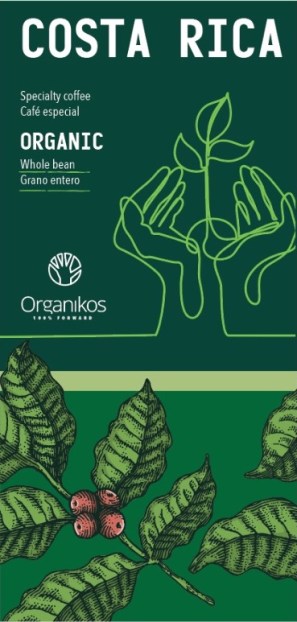
The 12 selections of Organikos specialty coffees had enough time on display at the Authentica shops, prior to current circumstances in Costa Rica and everywhere else, to establish the organic selection as a top seller.
AmistadNewDuring those months–the shops fully opened in late November and until early March were nonstop full of guests–I had hundreds of conversations with travelers.

I got excellent feedback on our original coffee packaging. Briefly stated, the recurring message was that people wanted to “see more Costa Rica” on the package. They also wanted to know more about what our 100% Forward commitment meant. We have used the time since travel halted to work with our graphic designer to begin addressing that feedback.

We also have used this time to prepare a virtual approach to the business, focused on coffee at the outset. We will start with the organic, due to its performance during the shops’ peak operations. We will offer this for home delivery in the USA soon…
Give Us This Day Our Daily Bread

Buford

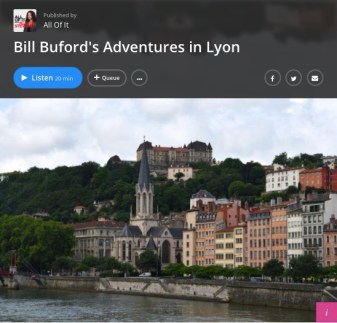
The Saône river in Lyon (Herbert Frank from Wien (Vienna), AT – Lyon, an der Saône, Eglise Saint Georges / Wikimedia Commons)

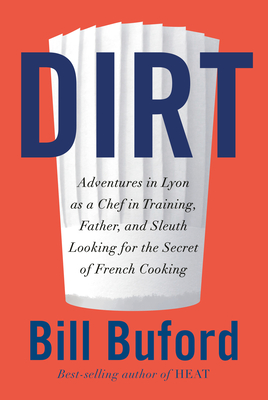
When you have 20 minutes it is worth hearing Bill Buford speak about the same experience he has written about. If you have already read about his Lyon baking experience, and enjoyed it, all the more so; this conversation brings more to the table as he discusses his new book, Dirt: Adventures in Lyon as a Chef in Training, Father, and Sleuth Looking for the Secret of French Cooking. Click the image of the book below to go to an independent bookseller that offers it.

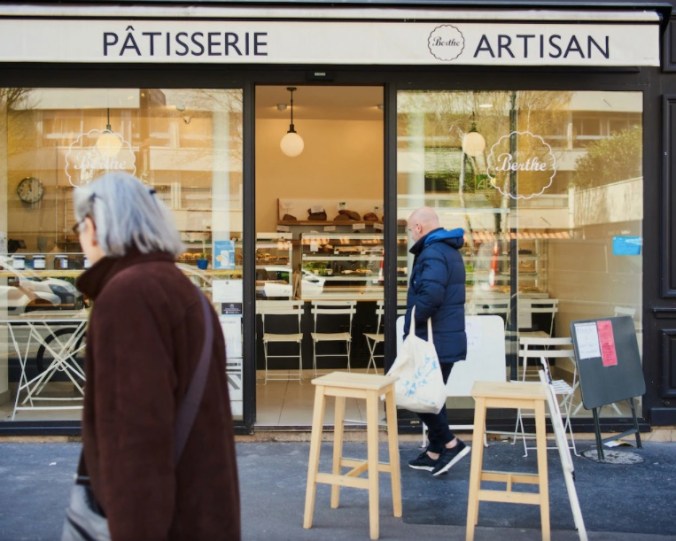
9780307271013Likewise, even if you have already read plenty on the importance of bread and bakeries in French culture you might enjoy one more take, from the present circumstances, in James McAuley’s article about flocking back to bakeries for comfort: …“The power of bread is particularly emotional now. It’s no longer caloric; a vital necessity,” Kaplan said. “Bread still is the conveyor of this extraordinary, important feeling we have that the state cares about us. It’s a reaffirmation of solidarity. Solidarity is really represented by sharing bread.” (Baguettes were price-controlled in France until 1986)…

Captivity, Creativity, Penguins & Art

I visited the Nelson-Atkins many times in recent decades when visiting family in Kansas City. I never visited the Kansas City Zoo because, while I am grateful for the essential services zoos can provide, animals in captivity generally depress me. Our son Milo and his 3-year old daughter were in Kansas City just after Amie and I visited in late February. With grand/great grand-parents they visited both the Nelson-Atkins and the Kansas City Zoo. The zoo was a huge hit with our grand-daughter, and I am grateful to that zoo for her exposure to live animals she might never otherwise get to see.

I did not know before just now what exceptions might exist to my general rule of avoiding even images of wild animals in captivity. I have discovered one. I suppose on reflection I will probably change my mind, but for now I stand by the idea that the directors of these two institutions are doing their best in tough times to find creative solutions for everyone:

49895121561_cc28ef6c73_o-7b2482f9f0b178b3c48ac4384bb1a549e303e274-s1300-c85

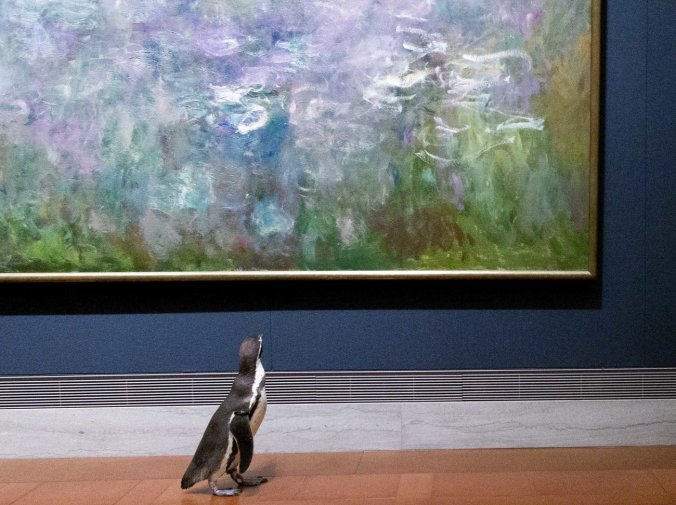
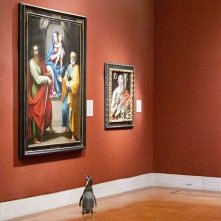
Kansas City Zoo executive director Randy Wisthoff says their Humboldt penguins have missed their regular interactions with zoo visitors, so a field trip was in order.
Gabe Hopkins/The Nelson-Atkins Museum of Art.

WATCH: Missouri Penguins Enjoy ‘Morning Of Fine Art’ At Local Museum

49895121231_823f6b7fa0_c_sq-451cd0e2ce592d45a64580f911c58e6113df91cd-s500-c85

Penguins were allowed to waddle through the galleries of Kansas City’s Nelson-Atkins Museum of Art. Both the museum and the Kansas City Zoo — home to the penguins — have been closed because of the pandemic.
The Nelson-Atkins Museum of Art.

What a time to be a penguin.

First, a group of the flightless birds were recently allowed to roam the halls of Chicago’s Shedd Aquarium — a through-the-looking-glass moment if there ever was one.

Now, penguins visited a museum for a “morning of fine art and culture.”

The outing was arranged by The Nelson-Atkins Museum of Art in Kansas City, Mo., and the Kansas City Zoo. Both institutions are closed to the public because the pandemic.

“Quarantine has caused everyone to go a little stir-crazy, even the residents of the Kansas City Zoo. So several of the penguins decided to go on a field trip to the Nelson-Atkins, which is still closed, to get a little culture,” said a caption accompanying the video. Continue reading

Word Matters: Words Matter

Alt-MurderHornets-1

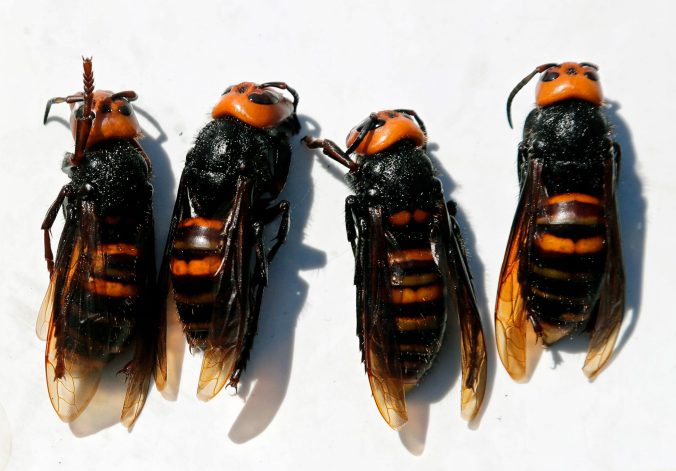
We don’t speak of bears or tigers murdering people. Why, suddenly, hornets? Photograph by Elaine Thompson / Pool / AFP / Getty

When we first linked to a story about this creature, we were sharing a familiar story of introduced and invasive species and a creative approach to controlling the spread. We have favored entrepreneurial approaches, so that culinary story from Japan fit perfectly in our pages. But we also have been equally attentive to word matters since we started on this platform. So Matthew Alt’s coverage of this story, demonstrating how much words matter, also fits perfectly in our pages:

Do “Murder Hornets” Really Exist?

The answer hinges on a peculiarity of the Japanese language.

In the Old Testament, God wrought ten plagues upon humanity. In modern times, we have our hands full with just one: covid-19. Or so we thought, until it was reported, in the May 2nd edition of the Times, that a new pestilence is afoot. “Murder hornets” with “mandibles shaped like spiked shark fins,” we were told, were descending upon North America from their native habitat of Asia. Within twenty-four hours, the hashtag #murderhornets was trending on Twitter, fuelled by all the excitement befitting what sounds like a newly discovered species of homicidal Pokémon. Sensing a rare non-virus viral story, major media outlets ranging from the Washington Post to Fox News pounced. They began amplifying the insect threat with their own details, many of them simply rephrased from the original piece; by the middle of last week, Jimmy Fallon was interviewing a “murder hornet” in costume on “The Tonight Show.” (“Look, we’re just regular old bees who happen to make things fall asleep forever.”)

This is a familiar story of how trending topics drive the modern news cycle, but it’s also a testament to the power of a catchy label. Continue reading

Global Big Day at Macaw Lodge – May 9, 2020

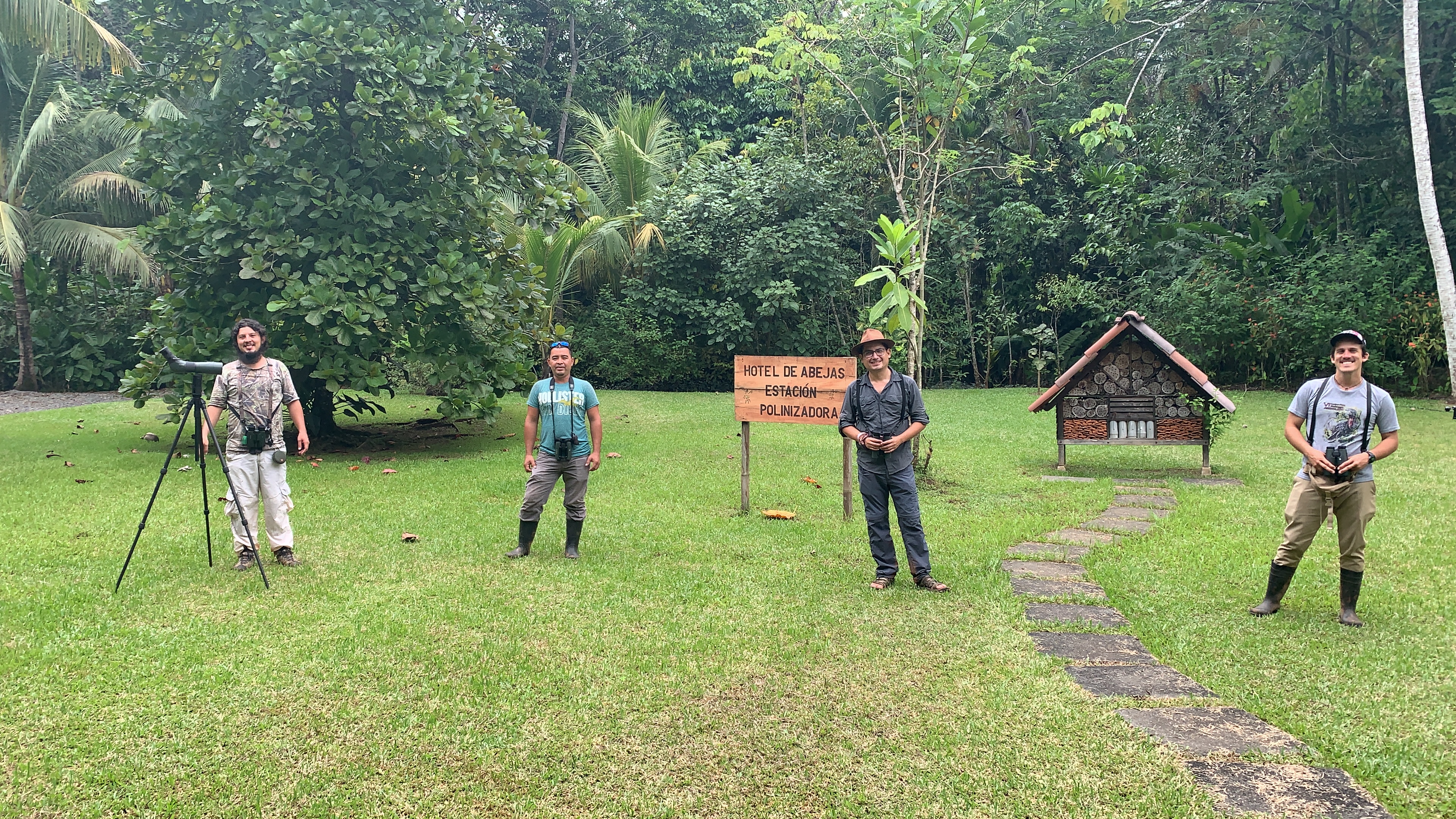
Marco Umaña, Santiago Adaniz, Hugo Santa Cruz and Beto Guido (from left to right) / Birding Guides in Costa Rica

My name is Hugo Santa Cruz and I’m excited to write about the Macaw Lodge Global Big Day outcomes. As I’m new to the La Paz Group site, let me introduce myself. I’m a birdwatching and neotropical ecology guide in the Central Pacific of Costa Rica and Bolivia. I’m also a nature photographer and consultant for ecotourism projects and management of protected areas. 

The Global Big Day is an initiative of the Cornell Lab of Ornithology that has been held since 2015, to raise awareness about the conservation of birds and their habitats. Birdwatchers and photographers from around the world contribute to the census of birds through the eBird platform; an increasingly popular citizen science management tool among birders.

Birders across the globe persisted with the Global Big Day despite the crisis caused by COVID-19, surveying birds either in literal “backyard birding“, or carefully enjoying the fresh air of parks and natural areas within access.  This year’s event had record-breaking participation with more than 48,500 registrars and more than 15,000 submitted lists.

In this edition of the Global Big Day, Costa Rica registered 676 species, obtaining the seventh place worldwide among 172 participating countries.  The Macaw Lodge Private Forest Reserve stood out among the best hotspots in the country, achieving the eighth place with 137 species of birds registered in a single day, inside our Ecological Sanctuary.

Our team of expert guides and birdwatchers began our Big Day census at 00:00 hrs., starting the first records with species of nocturnal birds. We then continued the count at dawn, moving through the different micro-ecosystems of Macaw Lodge. Continue reading

Images From The Natural World

original (1)

Yi Liu / BigPicture Natural World Photography Competition

Thanks to The Atlantic for sharing these images from bioGraphic, the official media sponsor for the California Academy of Sciences’ BigPicture Natural World Photography Competition:

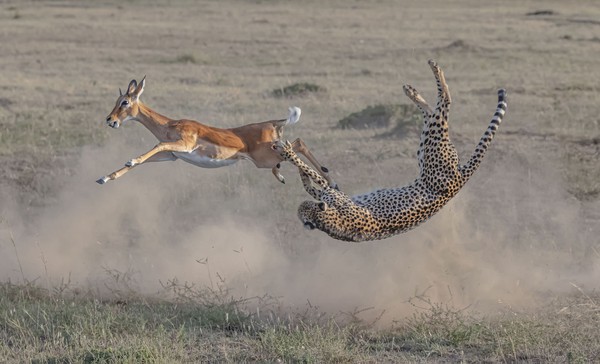
1.  Speed and strategy: Terrestrial Wildlife Winner. Catching prey is no easy feat for cheetahs (Acinonyx jubatus), although they’re the fastest land animals in the world. The mostly treeless terrain of the African savanna gives antelopes, impalas, and other ungulates ample time to spot approaching predators, and even a slight head start can be the difference between life and death. To avoid alerting their prey, cheetahs start out hunting low to the ground, where their spotted coat helps them blend into the terrain. When they get within 60 meters (200 feet) of their target, cheetahs accelerate at a blistering pace, reaching 95 kilometers (60 miles) per hour in a matter of seconds. But the feline predators still have to account for the speed of their prey—in this case an impala (Aepyceros melampus), which can zigzag at upwards of 80 kilometers (50 miles) per hour. To close the gap, this cheetah tripped its quarry as it attempted to escape, proving that sometimes, strategy is just as important as speed. 

original (2)

Andy Parkinson / BigPicture Natural World Photography Competition

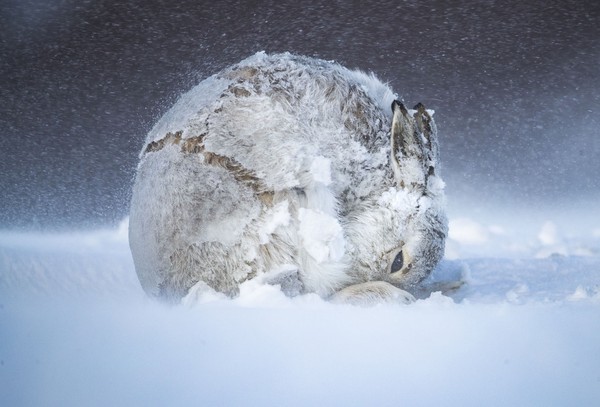
2.  Shelter in place: Grand Prize Winner. To get this intimate shot of a mountain hare (Lepus timidus) curled up against a Scottish winter storm, Andy Parkinson endured weeks of ferocious cold and wind that drove shards of ice into his face. Continue reading

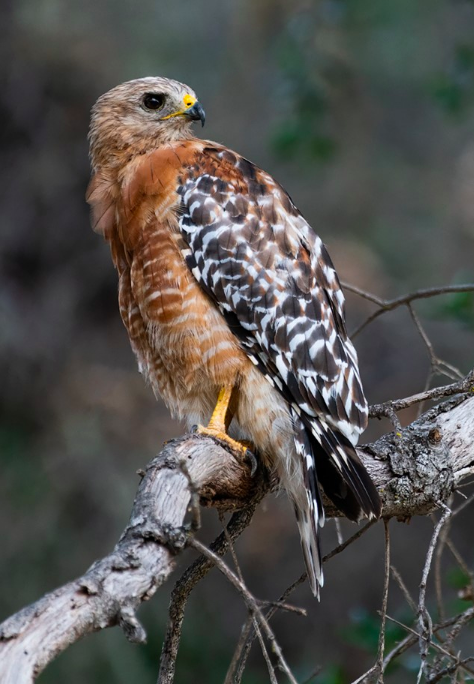
Nature’s Soothing Songs

‘Hearing birdsong with such clarity has become for many a small joy and a valuable mental health boost during lockdown.’ Photograph: Alamy

Although not an experienced birder, I would call myself a proponent of ornitherapy; it makes me happy and relaxed to see and hear birds around me. I also have the good fortune to live in a country with not only a great number of birds (both species and individuals), but also an area that’s remote enough to have fairly little noise pollution. So bottom line, I hear birds all the time. In fact, at the times when they’re quiet for some reason, it feels eerily strange.

So, despite the unprecedented challenges people are currently facing around the world, I hope that occasionally there’s a moment to at least open the window and listen for the birds.

The Guardian view on birdsong: a fragile joy

The chance to put biodiversity and the environment at the heart of recovery from the pandemic should not be squandered

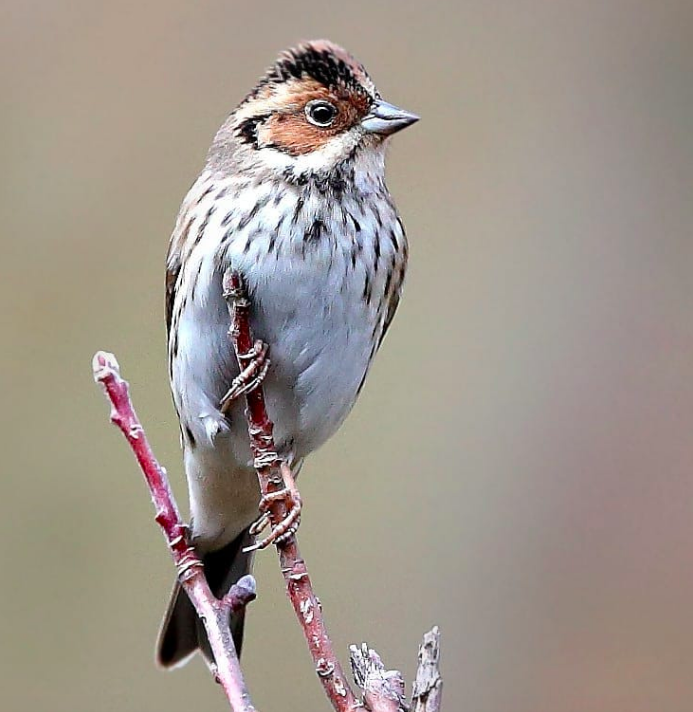
One night in April, birdwatchers from around Britain stepped outside their doors and listened intently to something most of them had never experienced before: the fluting, mysterious, melancholy cry of the common scoter on the wing.

Flocks of these dusky sea ducks were beating their way over Britain on their long migratory journey towards their Arctic breeding grounds, easily audible to the naked ear. The first great wave was heard on the Wirral before being picked up in the Peak District, and at last by the Humber. A second wave was made out as flocks made their way along the line of Hadrian’s wall, from the Solway Firth in the west to Northumberland in the east. A third wave flew above listeners from the Severn estuary to the Wash. The birds were heard in urban Blackburn, Stalybridge, Bristol and London. It was thanks to social media that so many listeners were alert to the birds’ progress – and thanks to the silence of lockdown that they could be heard.

With few planes in the sky and vehicles on the roads to muffle its sound, birdsong has been ringing out loud and clear. It was a decade ago that the skies were anything like this quiet, when flights were grounded after the Icelandic volcano Eyjafjallajökull erupted. The last time traffic levels were so low was the early 1970s.

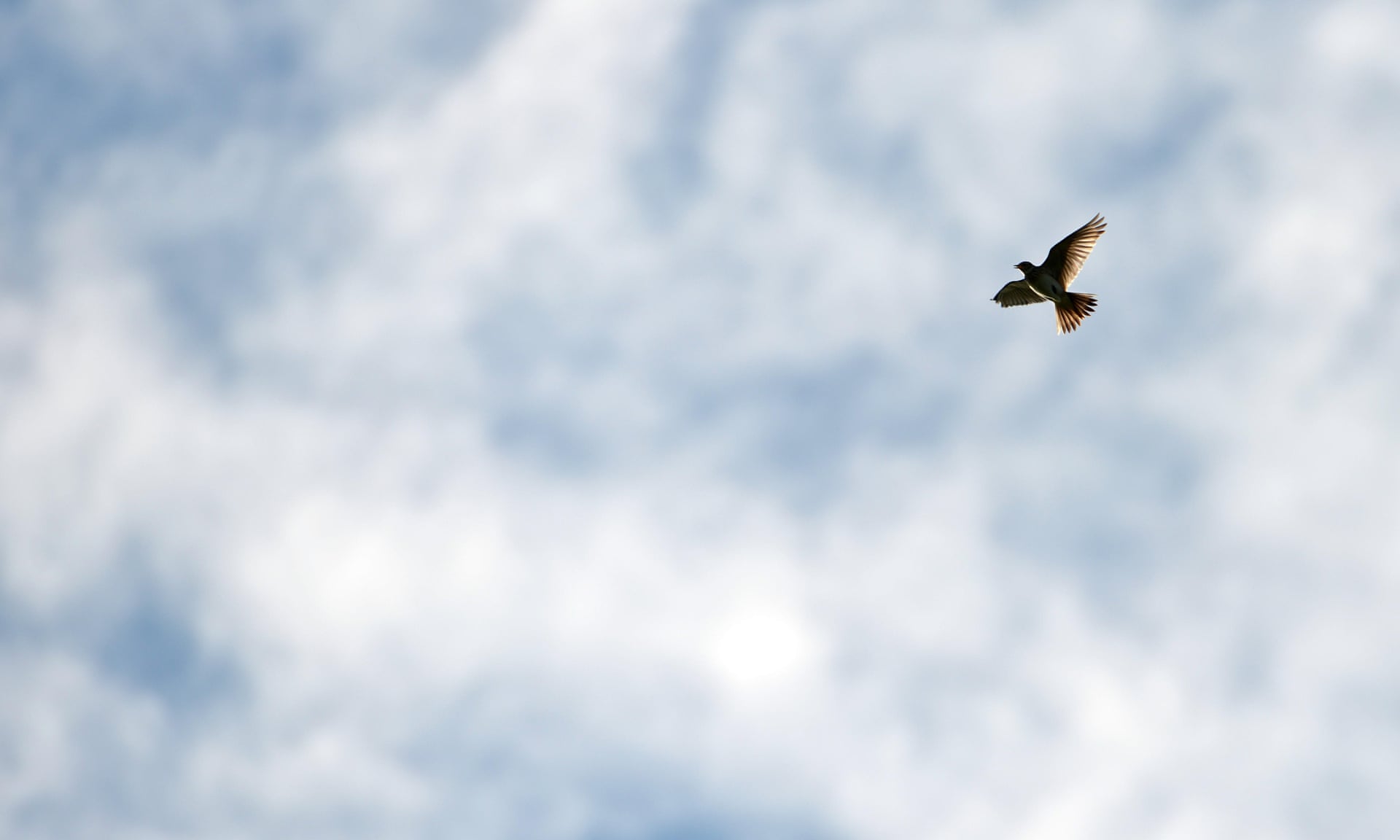
Hearing birdsong with such clarity has become for many a small joy and a valuable mental health boost during lockdown.

Continue reading

Fungus Among Us

200518_r36470

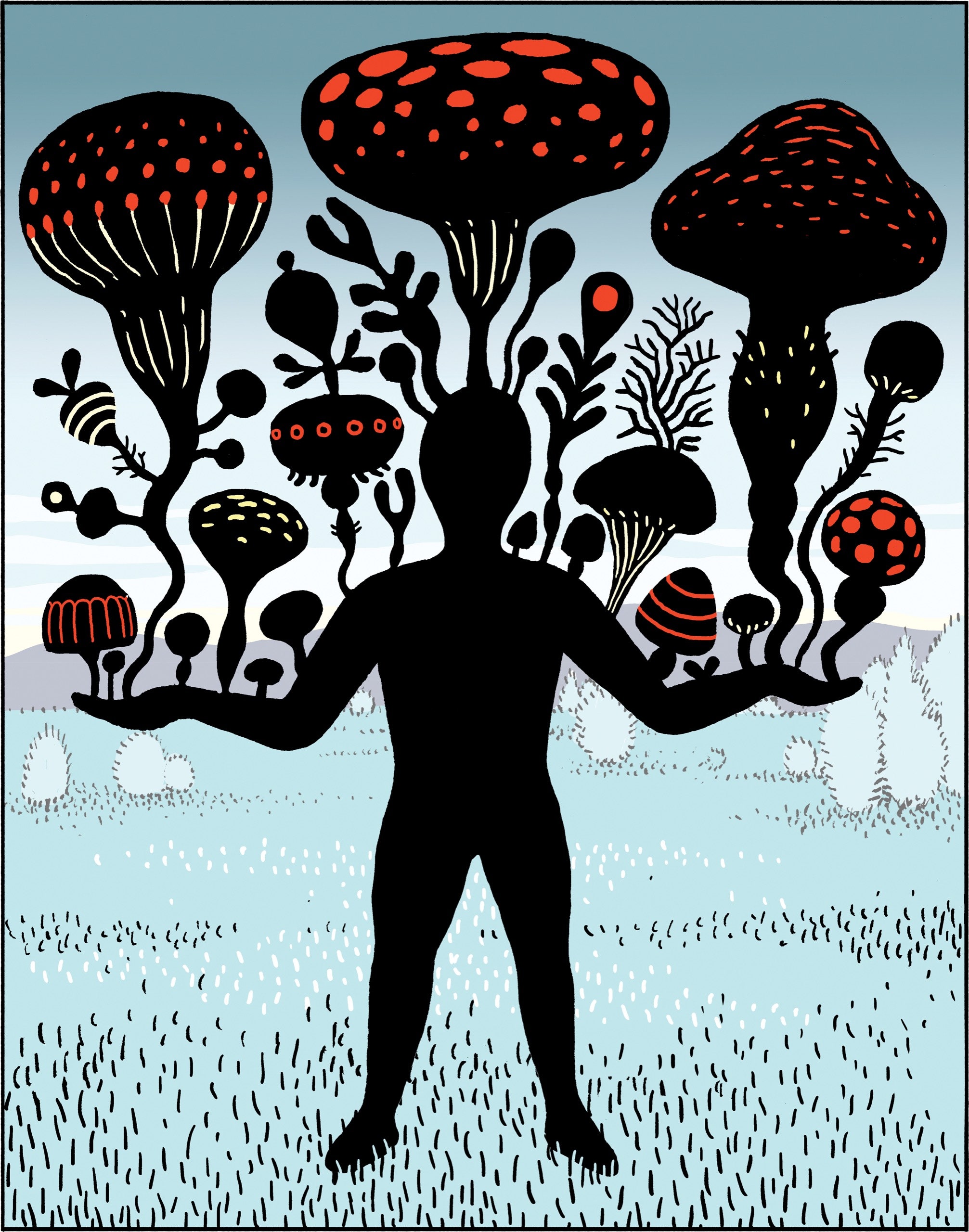
A seemingly brainless organism, the fungus is a model of coöperative resilience. Illustration by Anders Nilsen

It is reassuring to wake up on a Monday morning and read an essay like the one below. Books are still being published. Check. Fungi are still worthy of book-length attention. Check. Book reviews continue. Check. Kind of like yesterday it was a pleasure to know that bioluminescence continues its mysterious ways, and people are still finding ways to be amused by that. The number of articles we have posted here since 2011 about fungi is many times more than about bioluminescence, and our readers demonstrate a greater interest in this subject as well. A book as valuable as this one sounds like from the review should not suffer from an untimely publication date.

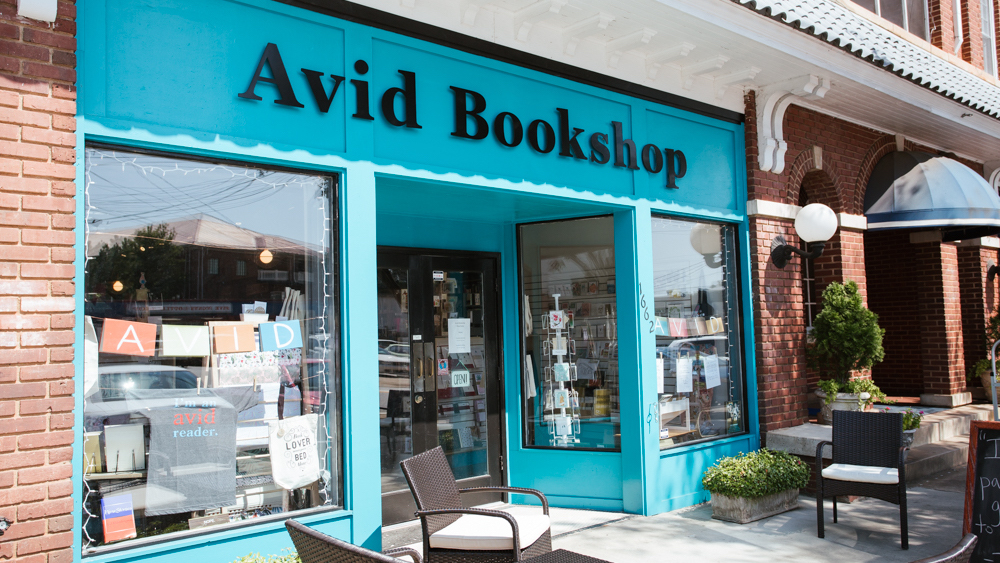
avid_fivepoints_0

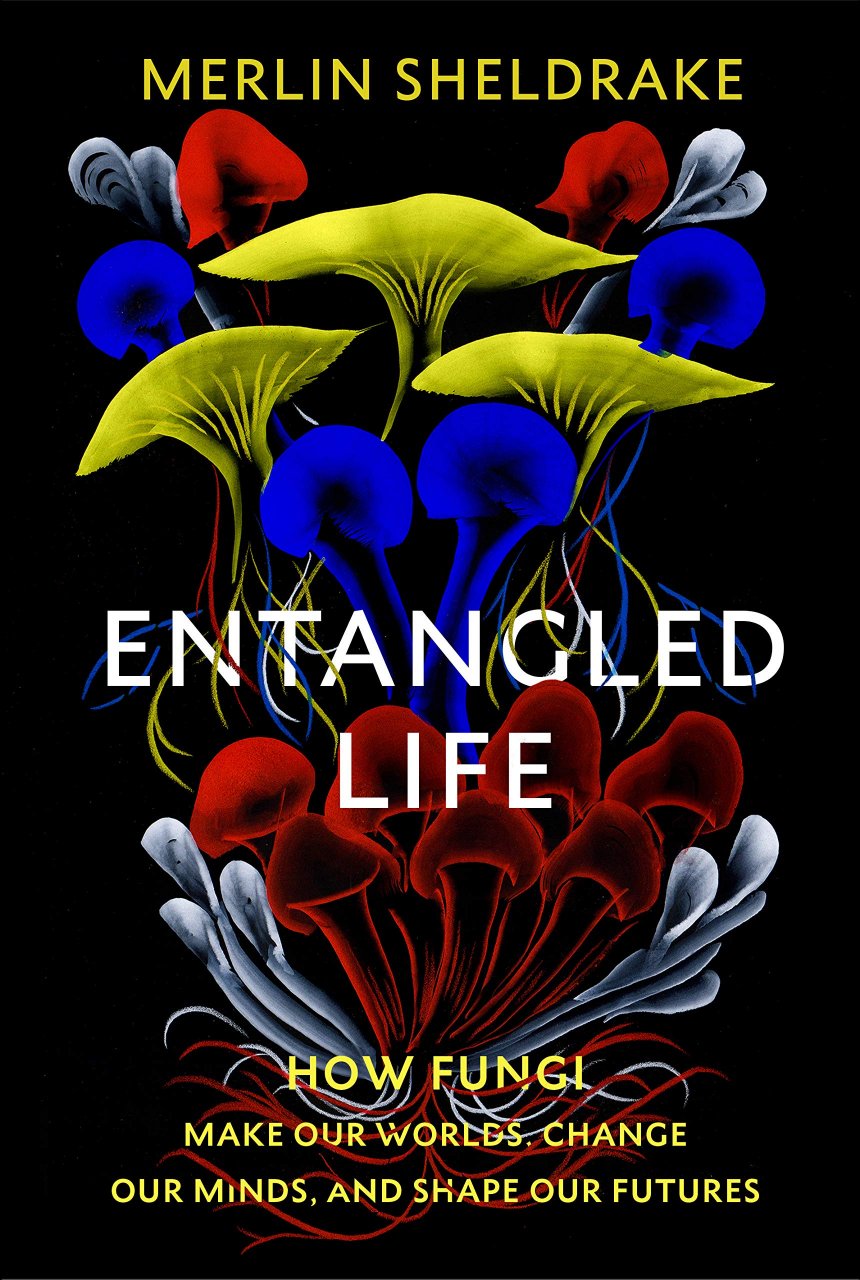
One of the minor accompanying pleasures following the reading of this essay is a quick investigation that shows there is a bookshop in the Five Points neighborhood of Atlanta, GA and its counterpart in Athens, GA where you can order the book. Our view is that when you can support an independent bookshop you should, for so many reasons. Thanks to Avid for being there, and to Hua Hsu for this:

The Secret Lives of Fungi

They shape the world—and offer lessons for how to live in it.

248534In 1957, a man from New York named R. Gordon Wasson published an article in Life about two trips he had taken, three decades apart. The first was to the Catskills, in New York, where his wife, Valentina, took a rambling walk in the woods and became enamored of some wild mushrooms. “She caressed the toadstools,” Wasson recalled, “savored their earthy perfume.” She brought them home to cook, and soon he, too, was enchanted. They spent the next thirty years studying and cataloguing various species, searching out literary and artistic works about mushrooms.

According to Wasson, the world is divided into mycophiles and mycophobes. Reverence might take a variety of forms—think of Eastern Europe or Russia, where foraging is a pastime. There’s a famous scene in “Anna Karenina,” in which a budding romance withers during a mushroom hunt. Wasson was particularly interested in societies that venerated the fungus for spiritual reasons. In Mexico, wild mushrooms were thought to possess “a supernatural aura.” Continue reading

Surfing On Light

Starting in 2012, bioluminescence has been on our radar, and the phenomenon never fails to impress. We appreciate  the potential utility, and will continue linking to the science. But for now, consider California, hard hit by so many other unwelcome phenomena, and how it deserves a bit of light fun now:

3600 (1)

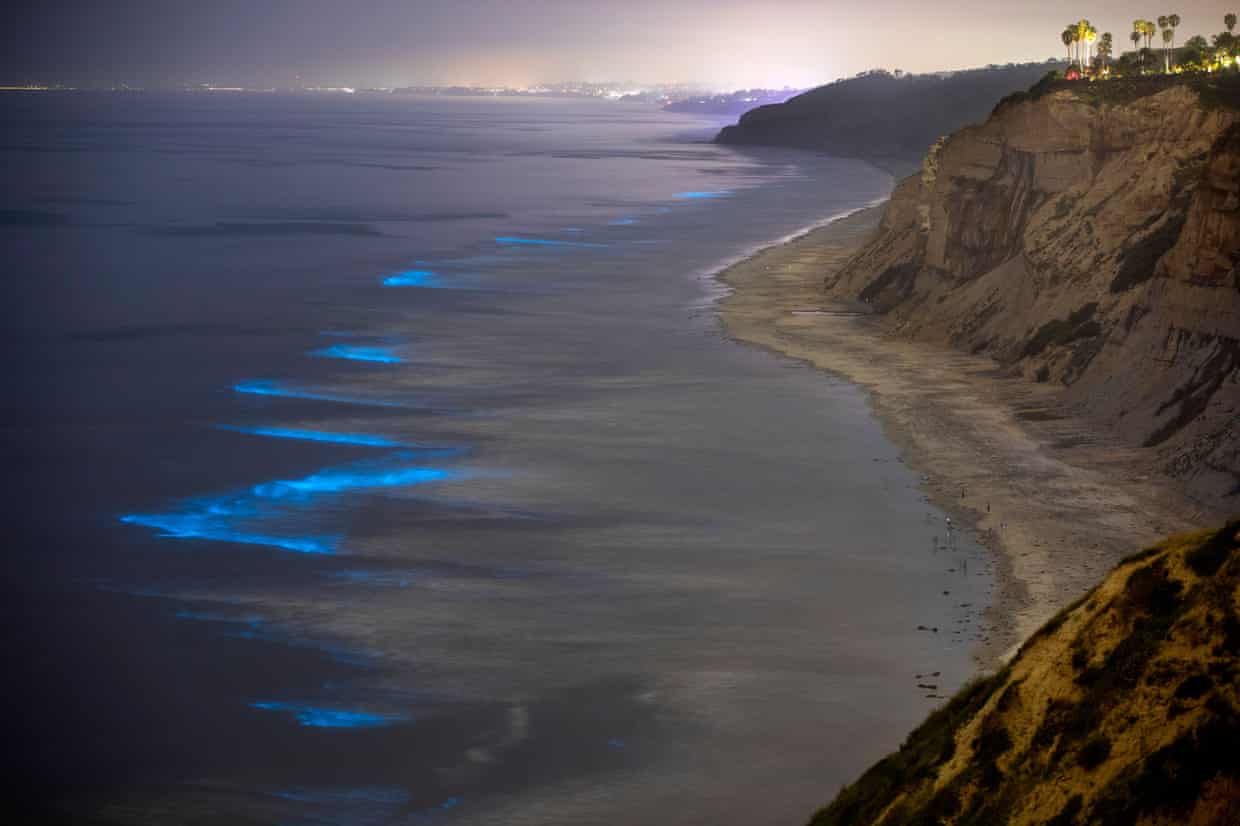
Blue waves, illuminated by the light of bioluminescent organisms, crash along the coast of Blacks Beach in the community of La Jolla. Photograph: KC Alfred/ZUMA Wire/REX/Shutterstock

Bioluminescent waves dazzle surfers in California: ‘Never seen anything like it’

Crowds are coming to see the light show as beaches begin to reopen after an almost month-long closure due to coronavirus

3233

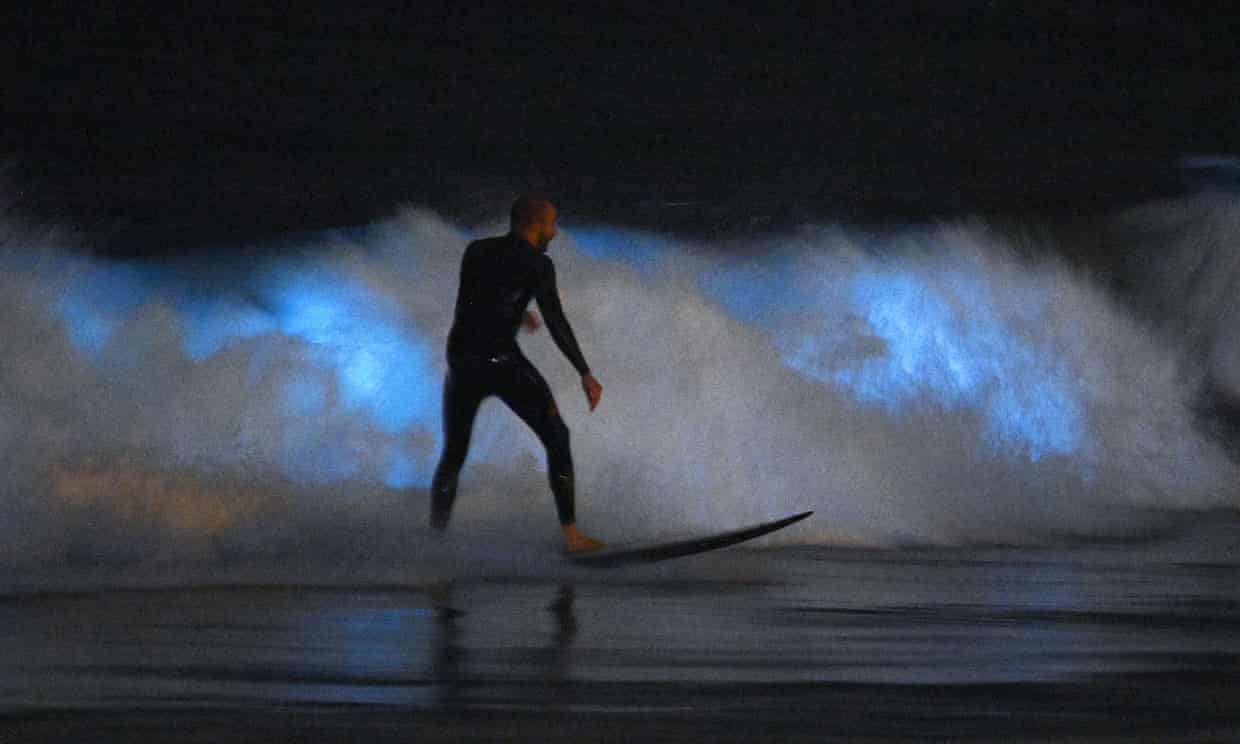
A surfer rides a wave as bioluminescent plankton lights up the surf around him, in Newport Beach, California. Photograph: Mark J Terrill/AP

Mother nature has provided a radical gift to nighttime beach-goers in southern California, in the form of bioluminescent waves that crash and froth with an otherworldly light.

The event occurs every few years along the coast of southern California, though locals say this year’s sea sparkle is especially vibrant, possibly related to historic rains that soaked the region and generated algal bloom. Continue reading

Spoonbills Dream Team @ Macaw Lodge, Global Big Day 2020

DeckJan2020

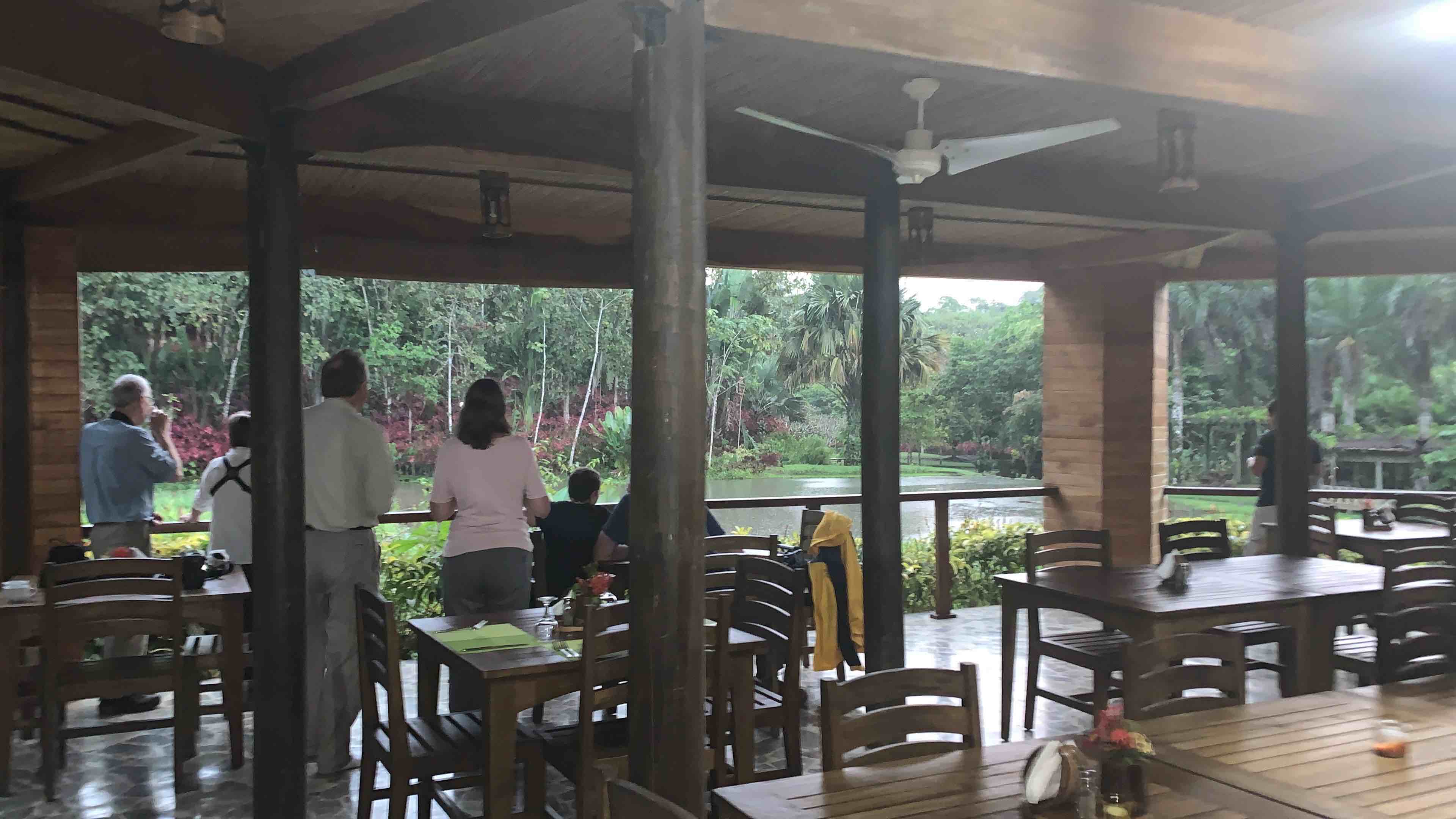
Macaw Lodge dining room observation deck, January 29, 2020

Three years ago today, a few countries north of where I type this, Team Sapsucker had excellent results on Global Big Day 2017. Today I am reporting on the efforts of one part of the Spoonbills Dream Team.

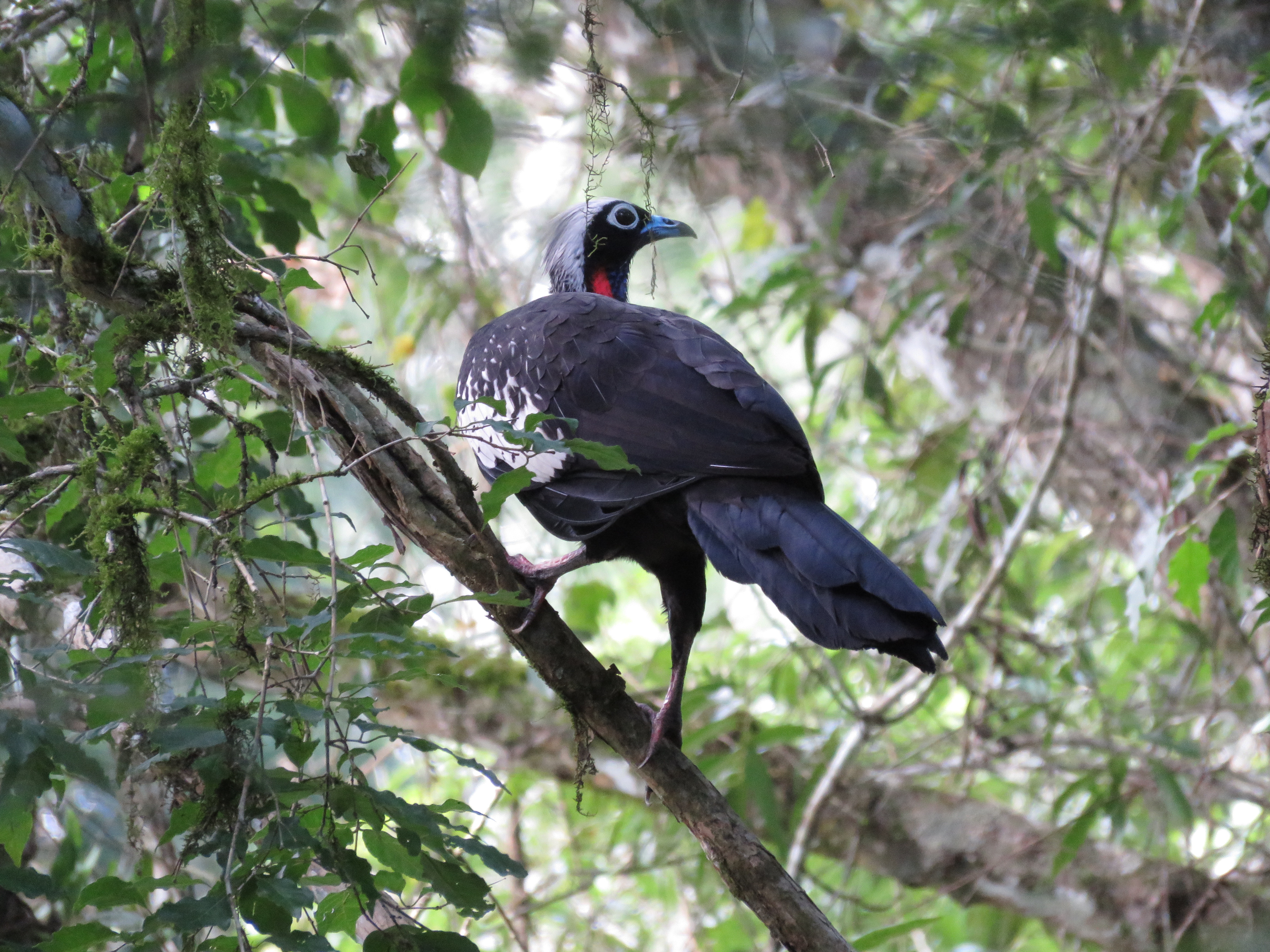
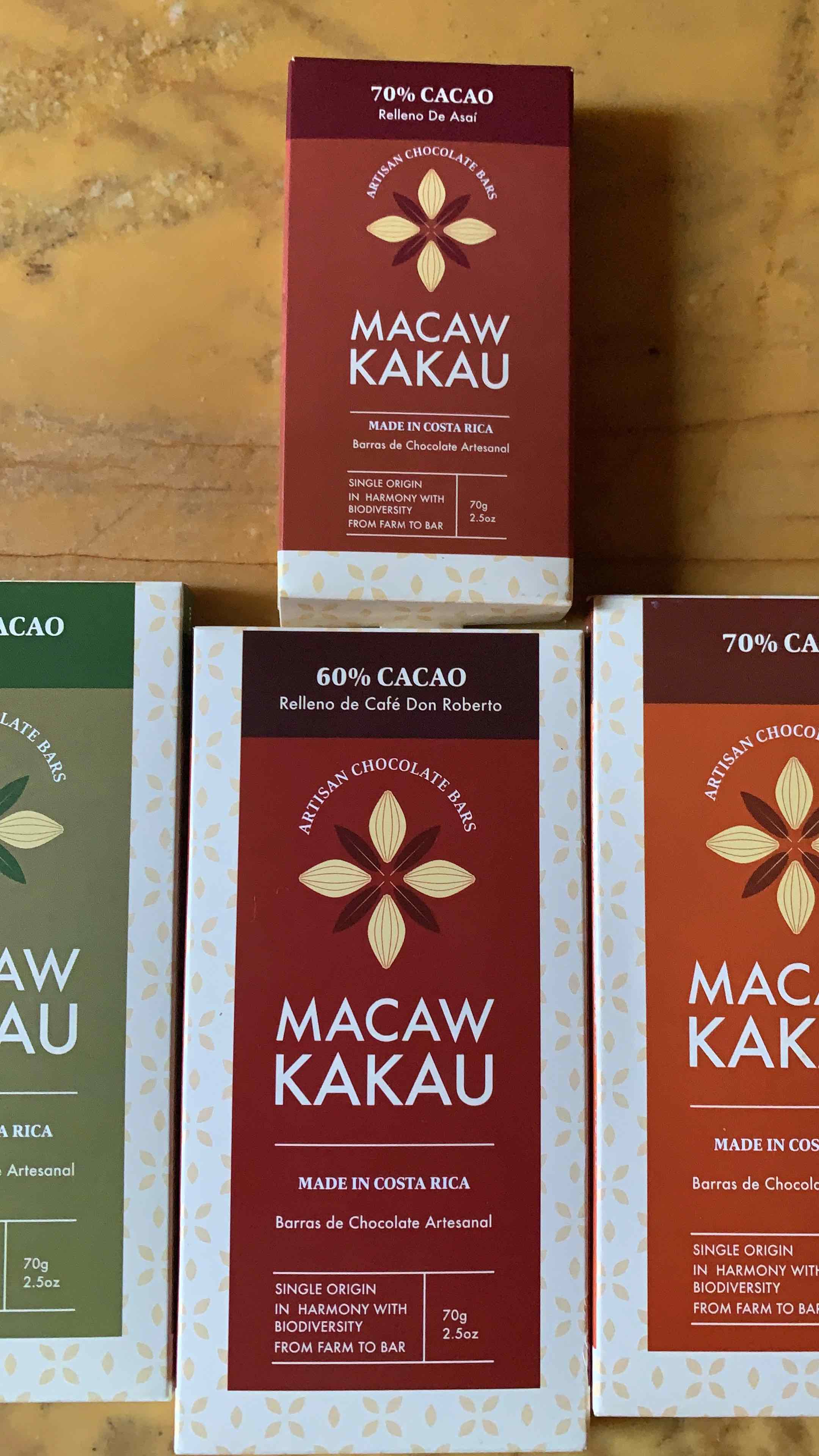
MacawChocThis team’s dream is spread across multiple geographies and results will be shared later. I will share what I know from Costa Rica. A few months ago, in a world that now seems far, far away Amie and I visited the farm where the cacao is grown for the farm-to-bar chocolate we offer in our shops. The farm has a lodge (or vice versa depending on your perspective), and before our visit to the cacao plantation and chocolate-making facilities we started, at dawn, on the deck of the lodge. That is what you see in the photo above. The lodge is closed at present but the deck that you see in that photo normally has birders from all over the world because of the forest conservation surrounding the cacao and the neighboring Carara National Park.
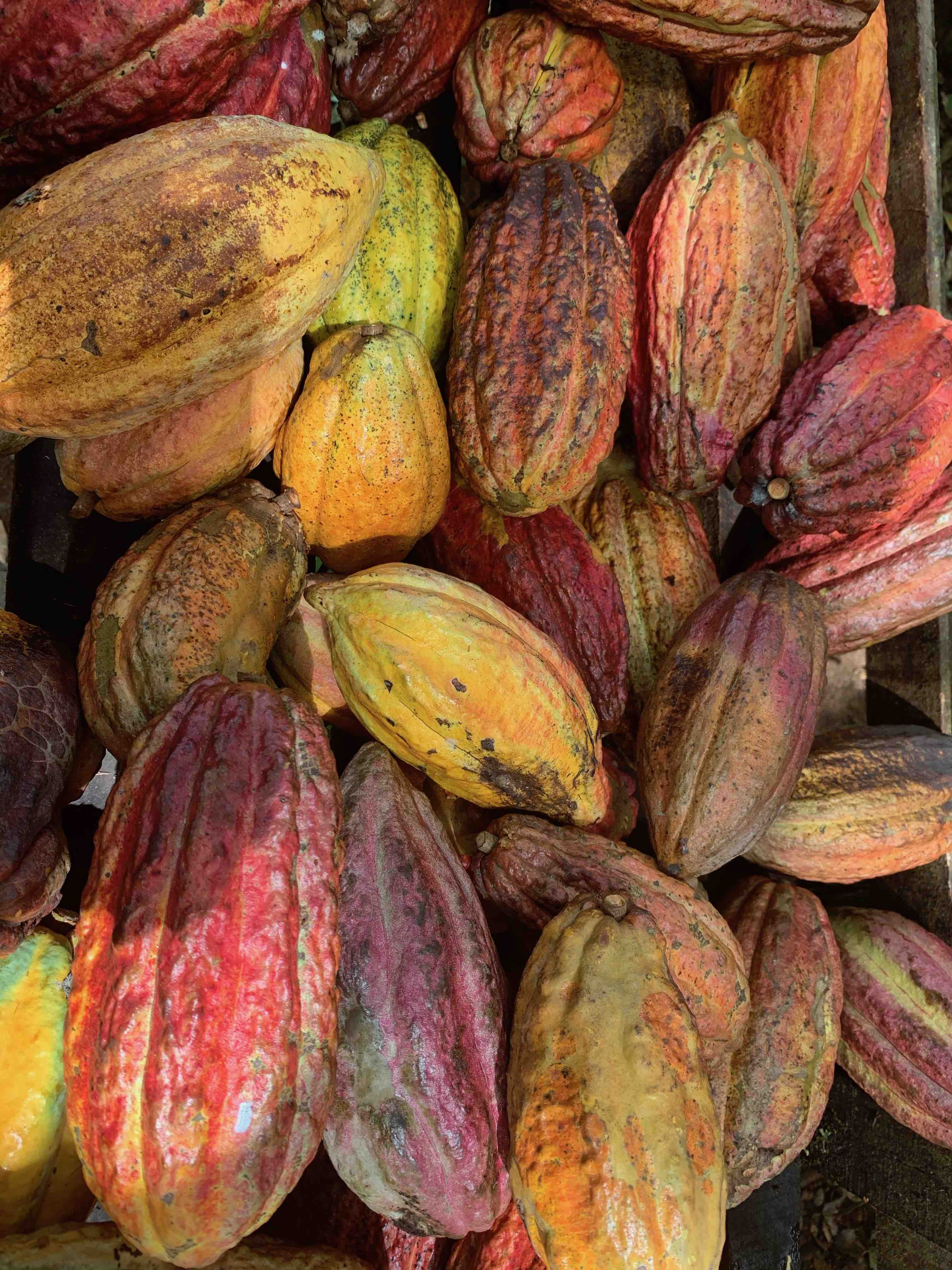
CacaoMore on the cacao-growing and the chocolate-making later. Plus, this is where I first saw a melipona bee hotel and I have photos and video from the recent harvest, so more on that later also. For now, birds. Seth, in New Haven, CT USA joined this team, then asked Amie to join the team, and she asked some birding guides who work at the lodge in the cacao plantation to join the team. I am the scribe for that Costa Rica part of the team. I do not even know who else is on the team in other countries, so will leave that for Seth or Amie to report later.
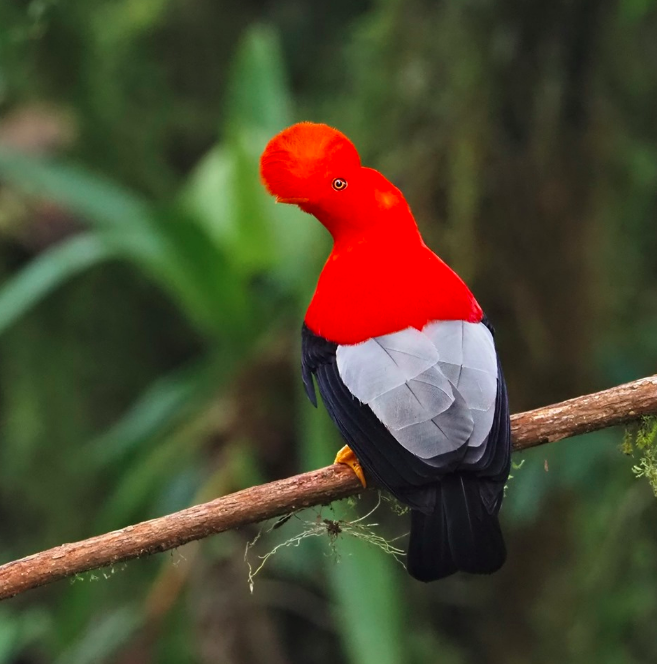
For now, some photos from the location where the bird experts have spent much of their time in recent years. Continue reading