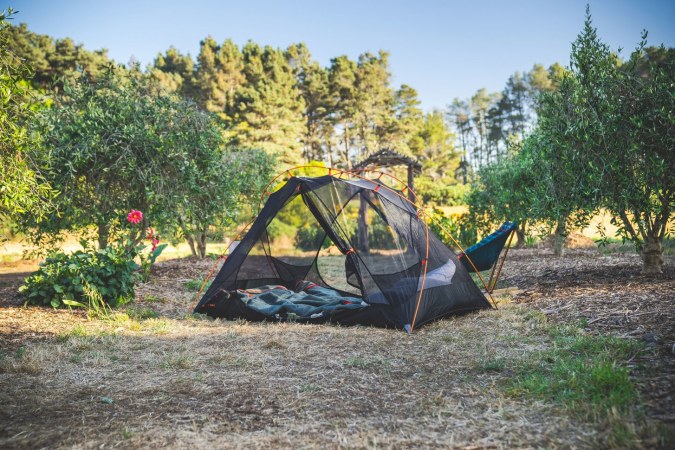
The minimum land requirement for a Hipcamp site is generally just two acres. Some listings look like ordinary suburban back yards, but there are also off-grid plots, Airstreams, and tree houses. Photograph Courtesy Hipcamp
Disruption has so much baggage now due to the unintended consequences of various social media platforms, not to mention other tech juggernauts, that another disruptor does not make me think I can’t wait to try it. And disrupting camping? Hmmm. For these and other reasons this article is at the top of my reading list for this week:
How Hipcamp Became the Airbnb of the Outdoors
Can a startup save the wilderness by disrupting it?
In Northern California, booking a public campsite is a blood sport. The Bay Area overflows with young people who have R.E.I. Co-op memberships and drawers full of sweat-wicking apparel—people who spend Friday and Sunday nights packing and unpacking their Subarus, who own cat-hole trowels, who love to live here because it’s easy to leave in pursuit of the sublime. From Big Sur to Mendocino, many public campgrounds are booked months in advance; Yosemite is a lost cause. It’s common practice to wake at five in the morning to hover over a computer, poised to nab a site as soon as it becomes available. This is both a regional issue and not. Across the country, America’s national parks are overcrowded and overbooked. The reservation system is riddled with bots. A cottage industry of apps and services has emerged to monitor campsite availability and, in some cases, provide alternatives. Continue reading








 Organikos