
juvenile – Koppal, Karnataka
juvenile – Koppal, Karnataka

The average greenhouse gas impact (in kilograms of CO2) of getting 50 grams of protein from various food types. Source: Poore and Nemecek, Science
We have been on the lookout since we started this platform for stories like this. There have been too many to link back to.Thanks to this team of collaborators I have just read a primer that is more clear, convincing and relatively painless in its instruction on how to change my diet than any of the earlier ones:
Your Questions About Food and Climate Change, Answered
How to shop, cook and eat in a warming world.
By Julia Moskin, Brad Plumer, Rebecca Lieberman and Eden Weingart. Graphics by Nadja Popovich. Illustrations by Cari Vander Yacht
Does what I eat have an effect on climate change?
Yes. The world’s food system is responsible for about one-quarter of the planet-warming greenhouse gases that humans generate each year. That includes raising and harvesting all the plants, animals and animal products we eat — beef, chicken, fish, milk, lentils, kale, corn and more — as well as processing, packaging and shipping food to markets all over the world. If you eat food, you’re part of this system.
How exactly does food contribute to global warming?
Lots of ways. Here are four of the biggest: When forests are cleared to make room for farms and livestock — this happens on a daily basis in some parts of the world — large stores of carbon are released into the atmosphere, which heats up the planet. When cows, sheep and goats digest their food, they burp up methane, another potent greenhouse gas contributing to climate change. Animal manure and rice paddies are also big methane sources. Finally, fossil fuels are used to operate farm machinery, make fertilizer and ship food around the globe, all of which generate emissions.
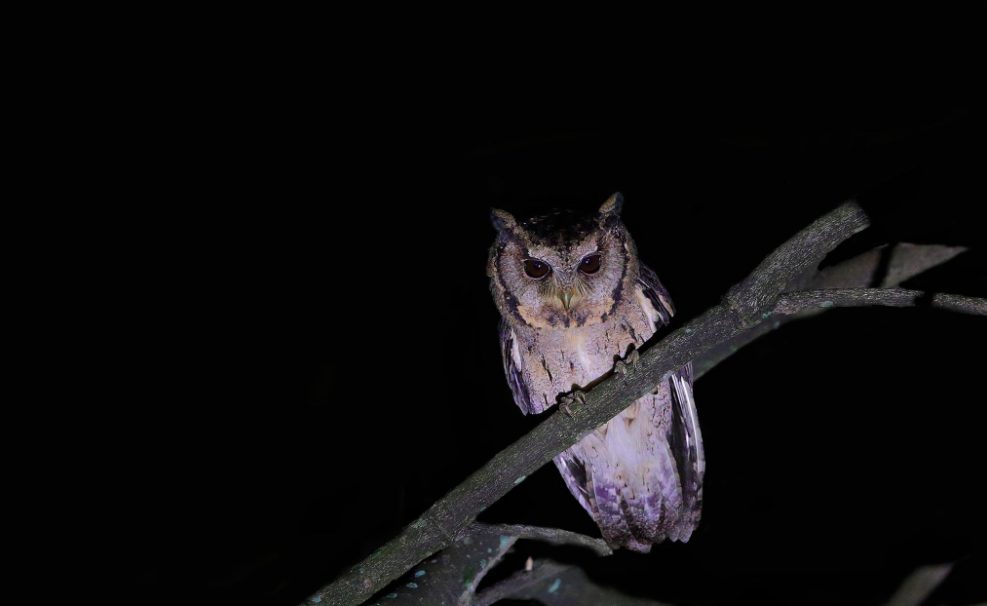
Maguri Bheel, Assam
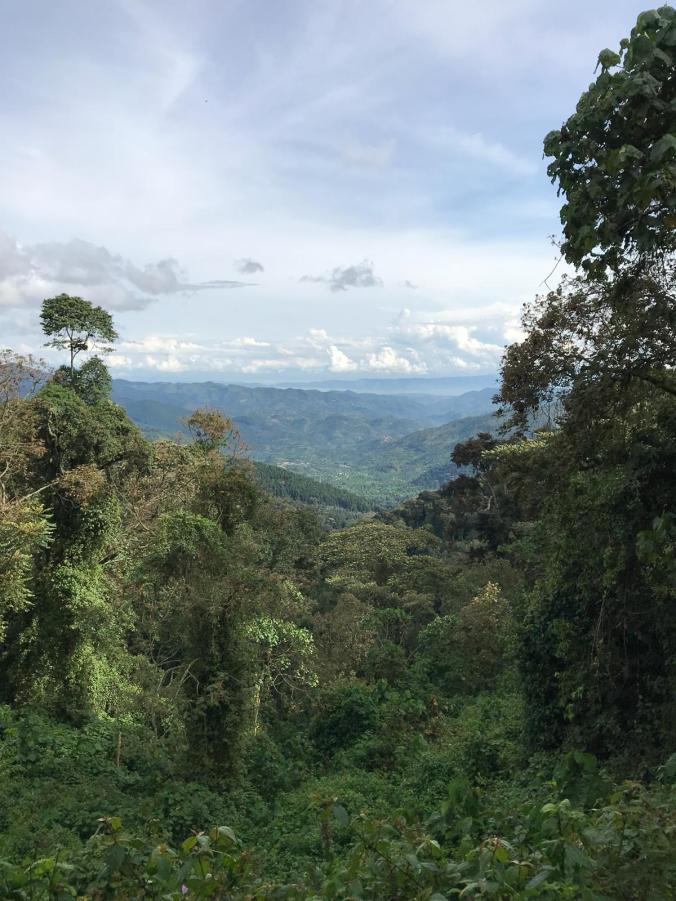
Seth is in Rwanda, and until now only one of his photos was posted here. His last written post on this platform was about a year ago, when he was preparing for graduate school, but since then dozens of his photographs have been shared here as bird of the day. I do not expect him to have time to share written description here of his work in Rwanda, so I will share some of the photos he is sending us.
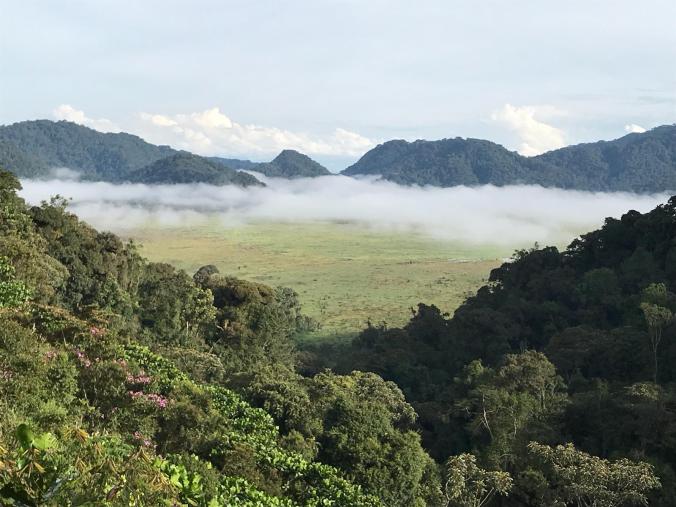
I do not know where these places are, yet. But I hope to hear soon.
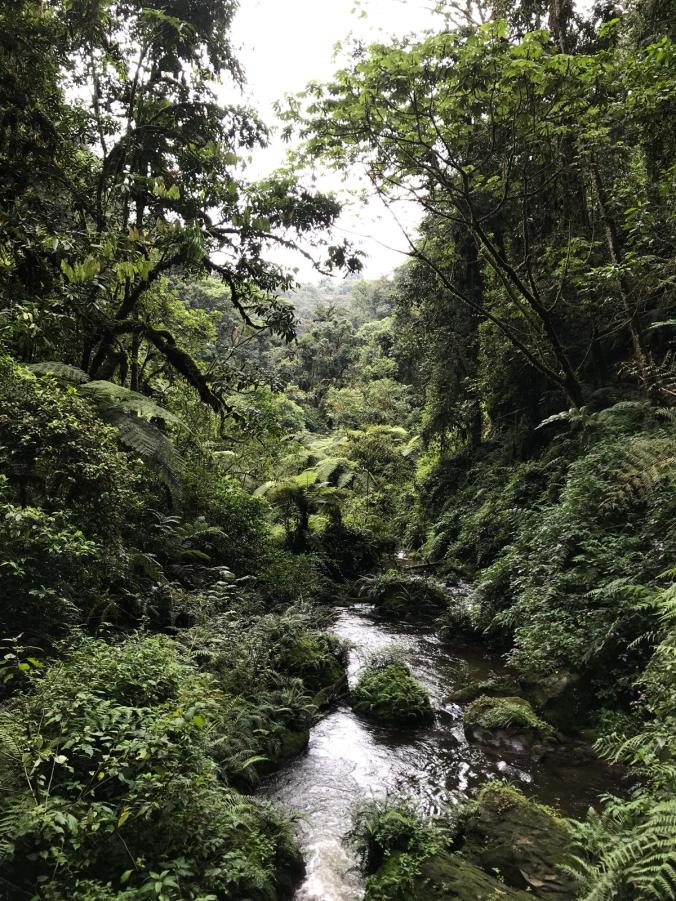
La Paz Group was part of a consortium a decade ago competing for a project, funded by USAID, to assist Rwanda’s government with planning for the future of nature-based tourism. Our proposal was not the winning proposal, so I did not have the chance to see the country in person. Yet. But based on these photos, I will.
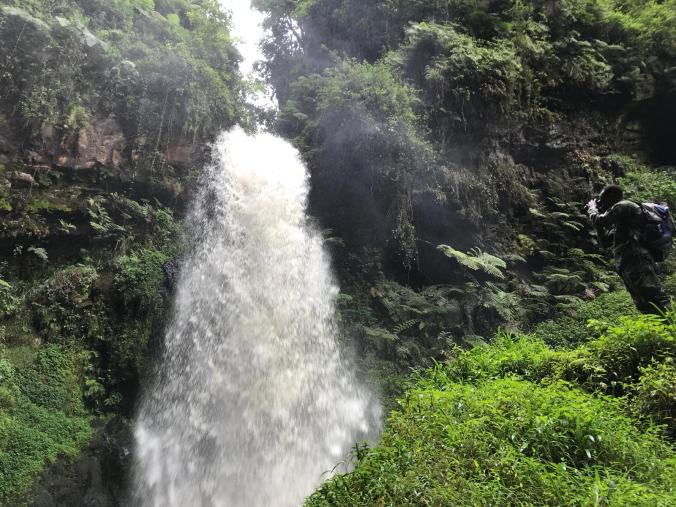
My last long term assignment in Africa was in Ghana. My last prospecting for a long term assignment was in Ethiopia. Both of those countries are worthy of revisiting, and I intend to do so. But Rwanda has jumped to the top of the must visit list in Africa.
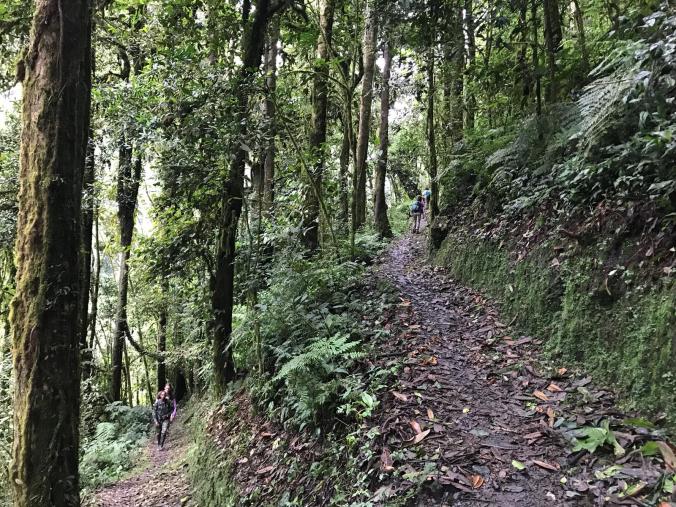
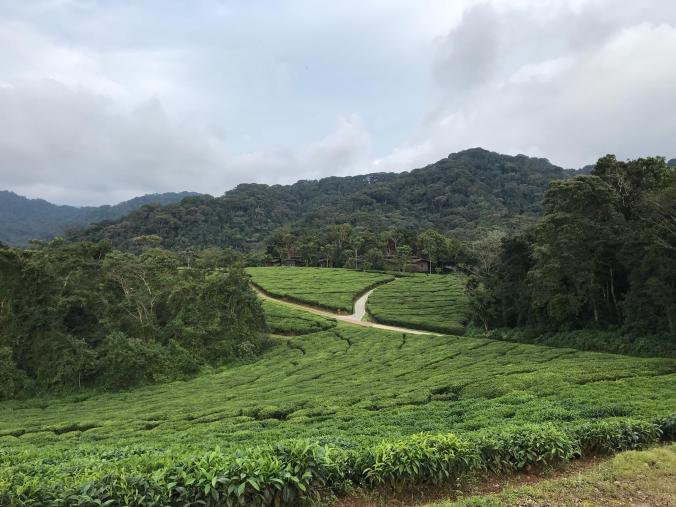
What is not visible in any of these photos is Seth’s encounters with wildlife. I have heard about gorillas, chimpanzees, colobus monkeys and plenty of bird species. He has sent pictures of wildflowers, mushrooms, ants. Not just any ants. Driver Ants! But for now, the bucolic natural and manicured landscapes are enough to convince me.
female – Rancho San Antonio Open Space Preserve, California
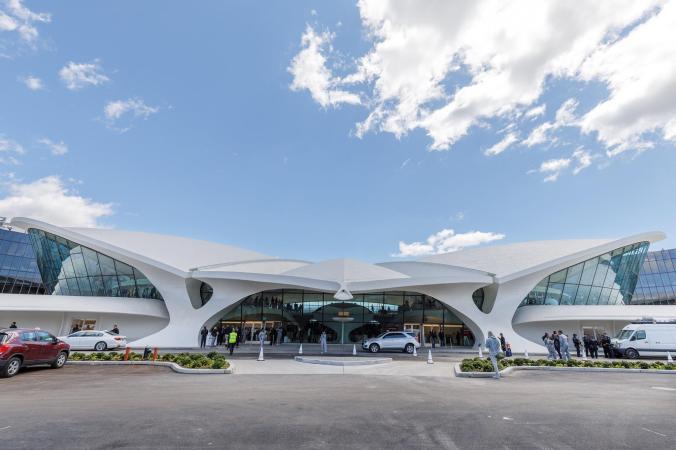
Nostalgia for both the period architecture and a defunct airline once considered the carrier to the stars is expected to be a driver of bookings. Stefano Ukmar for The New York Times
I knew this was coming. And from the look of it, I will visit it. They could have torn it down and started afresh, but they decided instead to build on memories. I appreciate that. In September, 1983 I was inside that building sitting on the floor for several hours.

The lounge area at the TWA Hotel features the iconic split-flap display that announced flight departures and arrivals in the building’s heyday. Stefano Ukmar for The New York Times
Those red benches were nowhere to be seen back then. We were all waiting for a storm-delayed TWA flight to Athens.
Sitting next to me in the long line of travelers was a young woman, and our conversation would surely seem inconsequential if we could review a transcript of it. As it happens, however, that conversation led to an odyssey that continues to this day. So when I saw this photo feature I had to look.
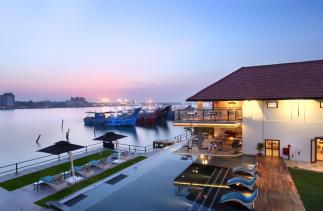 Amie and I worked together in India on a project to repurpose a historic place, and we came to appreciate the challenge of being respectful of history, yet not a slave to it. We wanted to tap into strong sentiments related to that specific place and its place in history without being sentimental. And please, no nostalgia. So in addition to looking back, we looked forward, and how well we accomplished the task is for others to judge.
 We are now working on a project that has some of the same challenges. It involves a historic property and the challenge in this case, while involving spatial design, is mostly focused on deciding what type of merchandise is appropriate. This t-shirt is on offer at the TWA Hotel website. I will likely get one, for the same reason that postcards have always been important to me. But our work currently is digging deeper on the memento question: what tangible reminder of this place is essential for a visitor to have when they go home. The answer is elusive, but close.
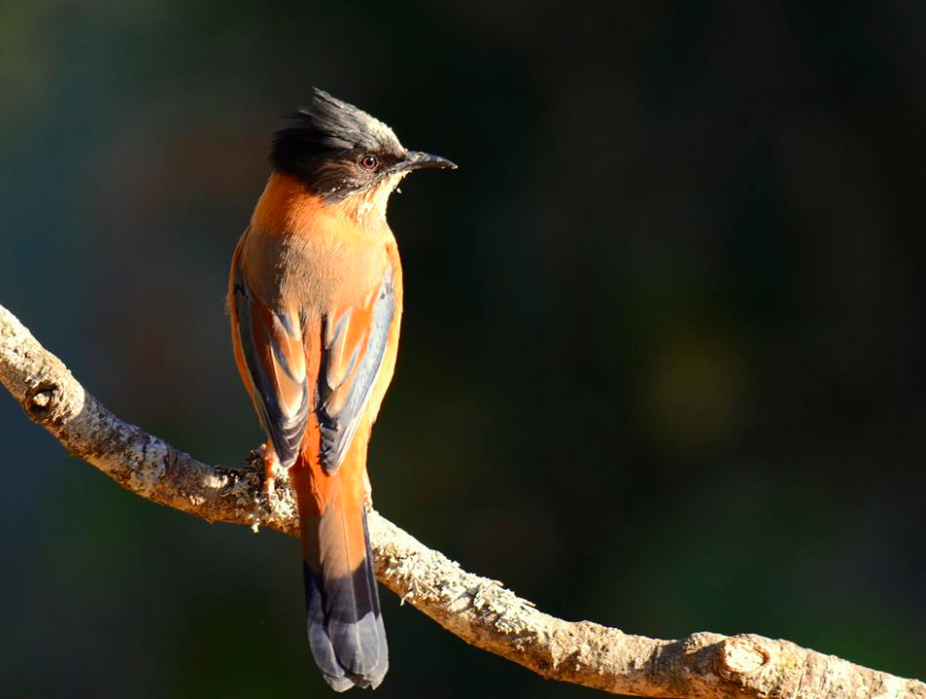
Uttarakhand
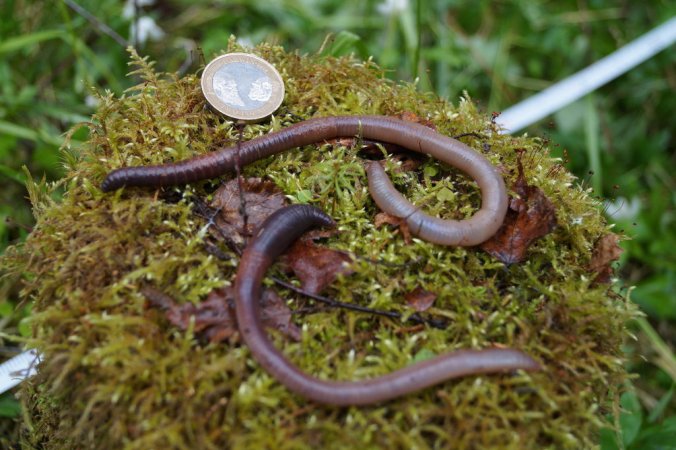
The world’s boreal forests have been largely earthworm-free since the last Ice Age. But as invaders arrive and burrow into the leaf litter, they free up carbon and may accelerate climate change. Cristina Gonzalez Sevilleja
In my daily scan for information related to the environment, I invariably learn something that surprises me. Like the fact that the earthworm, which provide valuable ecosystem services, can also represent danger on a global scale:
‘Earthworm Dilemma’ Has Climate Scientists Racing to Keep Up
Worms are wriggling into Earth’s northernmost forests, creating major unknowns for climate-change models.
Earthworms recently have spread to Alaska’s boreal forest. In some areas, the biomass of earthworms is 500 times greater than that of moose, a keystone species. Lance King/Getty Images
Cindy Shaw, a carbon-research scientist with the Canadian Forest Service, studies the boreal forest — the world’s most northerly forest, which circles the top of the globe like a ring of hair around a balding head.
A few years ago, while conducting a study in northern Alberta to see how the forest floor was recovering after oil and gas activity, she saw something she had never seen there before: earthworms.
“I was amazed,” she said. “At the very first plot, there was a lot of evidence of earthworm activity.”
Native earthworms disappeared from most of northern North America 10,000 years ago, during the ice age. Now invasive earthworm species from southern Europe — survivors of that frozen epoch, and introduced to this continent by European settlers centuries ago — are making their way through northern forests, their spread hastened by roads, timber and petroleum activity, tire treads, boats, anglers and even gardeners. Continue reading
Volga Delta, Russia
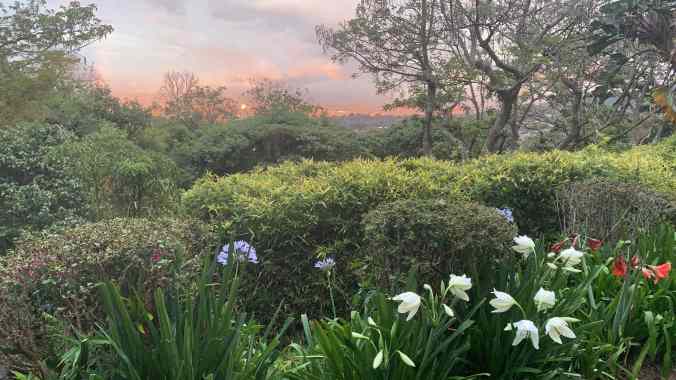
Organikos has been described in these pages in relation to its commitment to treat nature respectfully and its aspiration to inspire. Above is land that will be restored to its previous condition as an arabica coffee plantation. It looks green enough, to be sure. And the trees are poro (Erythrina Poeppigiana), planted sometime in the previous century when the last coffee trees were planted. So that is encouraging. The agapanthas and lilies and the bushes and the bamboo are all lovely, but not as lovely as coffee. Coffee inspires.
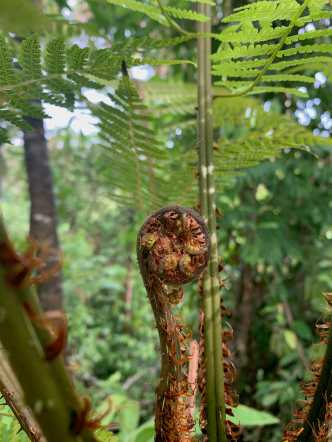 Another type of inspiration altogether is the tree fern, a primordial plant. The one to the right was photographed a few days ago about 250 miles south of the photo above. It is in the restoration section of a large land holding belonging to Osa Conservation. Its location is important to me because it is where our company developed its first understood the deeper implications of our work.
This abundant stand of tree ferns with new shoots inspires because Osa Conservation has succeeded where others have not succeeded in getting these ancient plants to propogate. It inspires more broadly due to the success of the organization to protect the land in the region.
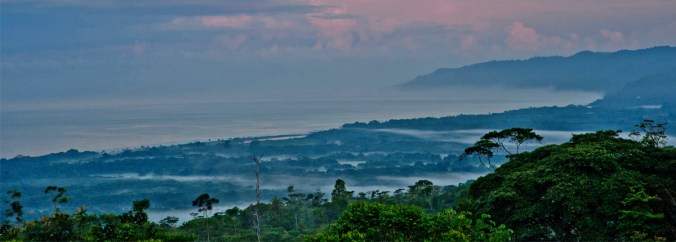
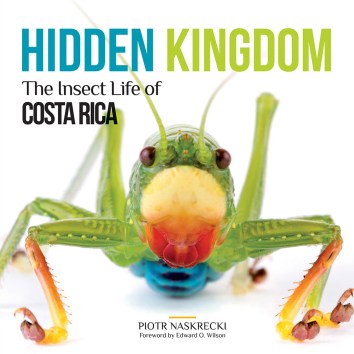 Our team was in the Osa with some friends from Colombia who are in the process of planning the next stage of a large scale conservation initiative. They came to Costa Rica for inspiration on new methodologies for conservation, and they found what they were looking for in the Osa, most impactfully during their visit at Osa Conservation. That impact was on display at a book fair in the form of this gem of a book. You can be sure it will be on the shelf at Authentica, along with that coffee we keep mentioning.
Rancho San Antonio Open Space Preserve, California

Keeping watch over a New Jersey lake. Photograph: Victoria Bekiempis
Thanks to Victoria Bekiempis for this inside look at the other North American world series:
130 species, 187 miles and lots of energy drinks: Inside the World Series of Birding
As the clock struck 12, the Meadowlands Marsh Hawks set out into the New Jersey night. But could they tally enough birds to beat their rivals?
The Meadowlands Marsh Hawks look for their next target. Photograph: Victoria Bekiempis
A white SUV ground to a stop near a sliver of New Jersey marshland, tires snarling against the gravel and sand access road. Three men – Christopher Takacs, David Bernstein, and Michael Wolfe – bounded out. Brine lingered in the moist air as they rushed forward on foot, traveling below an overpass. Reeds lined the lane, which was somewhere along the Hackensack River. Midges and ticks lurked in the dark as the trio waited for midnight. Takacs’ phone alarm chirped. It was finally midnight. As if on cue, something trilled in the near distance.
“There’s a shorebird calling!” one of the men said.
“And there’s his friend calling!” another said. Continue reading

Gopeshwar Chamoli, Uttarakhand
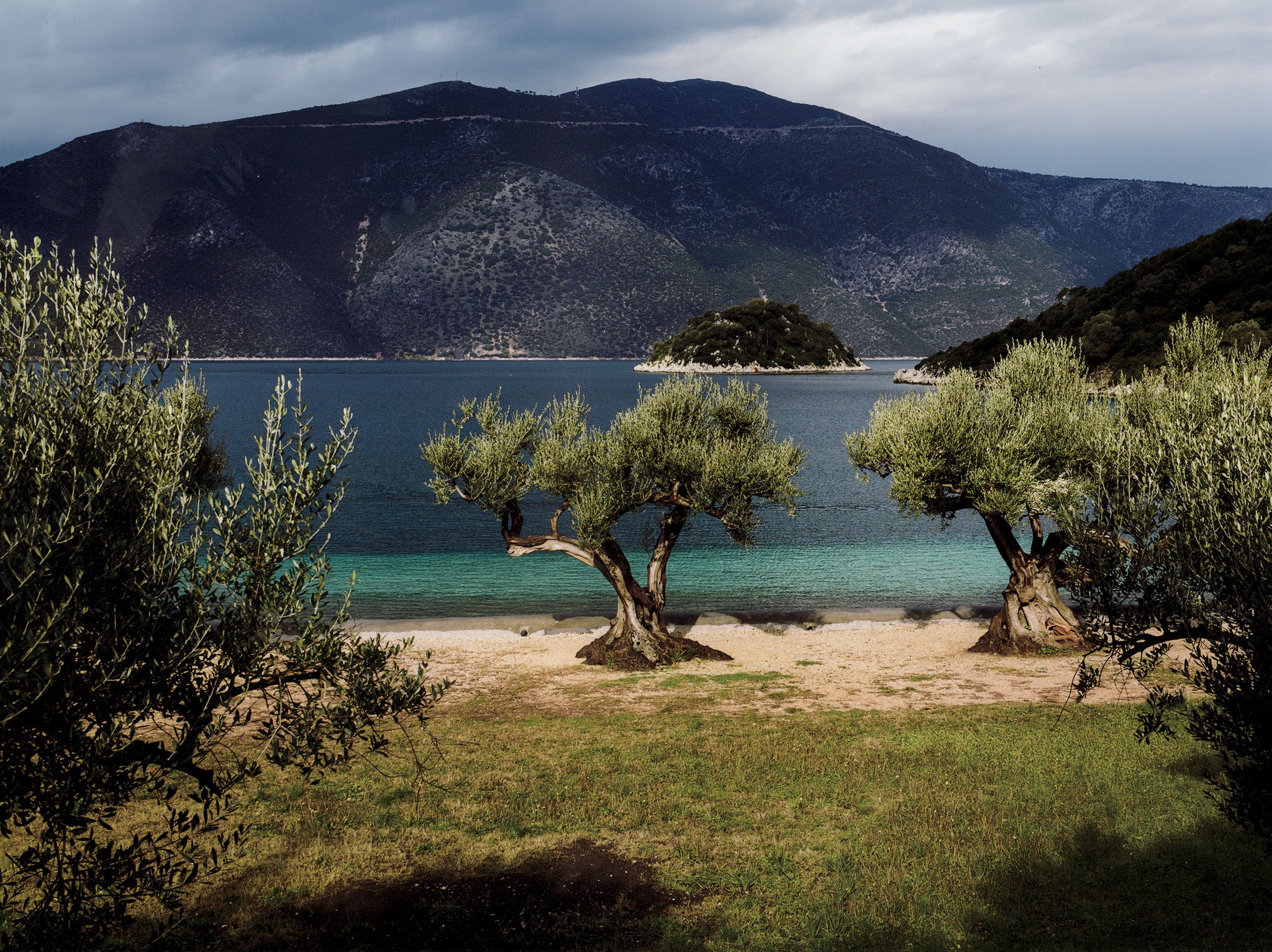
Olive trees along the shore of Dexa Beach on the Ionian island of Ithaca, thought to be Odysseus’ homeland, as told in Homer’s eighth-century B.C. epic poem “The Odyssey.” Credit Alex Majoli
Odysseys (not to mention, The Odyssey) are a fundamental aspect of our family’s peripatetic lives. Having lived in 5 countries on 4 continents, there are places that continue to draw us back with roots that run wide and deep. Greece is one of those places, for multi-generational reasons. It strikes me as strange that we’ve never been to Ithaca, at least the one that Pico Iyer writes about here.
The Ithaca we’re tethered to in many ways is the Ithaca of the new world: the birthplace of our sons, the home of Cornell University, the place that draws us back to a 3rd generation, still.
The strength of stories is as powerful as the bonds of love for family and for motherland, and I thank Pico for continuing to share his with us all.
One writer chronicles his voyage to the island of Ithaca, where Odysseus was once reputedly king.
I STEPPED INTO a taxi on my arrival in Athens and mentioned the name of one of the city’s most central five-star hotels. The driver was thrown into a frenzy, and not only because he seemed to speak no English. As we zigzagged at high speed through the jampacked streets, he tapped frantically on his smartphone and started calling friends, none of whom were any help at all. When, finally, we pulled up at the entrance, I was greeted by a wild-haired, gesticulating front-desk man who said, “We’re so sorry, sir. We have a problem, a big problem, today. So we have made a reservation for you in our other hotel. Half a block away.”
The problem, the taxi driver conveyed, was that every toilet in the hotel had flooded.
In the fancy new place where I ended up — it took us 20 minutes to go around the corner thanks to narrow, one-way streets — I walked into an elevator to be confronted by two thickly bearded Orthodox priests in full clerical dress crammed into the same small space, cellphones protruding from their pockets as they wished me, in easy English, “Good evening.” The mayhem of the little lanes I’d just come through, the sunlit dishevelment of the buildings, which seemed to be collapsing as much as rising up, the graves in the middle of the city: I felt, quite happily, as if I were not in Europe but in Beirut or Amman.
The real antiquity in Greece, I thought — and this is its enduring blessing, for a visitor — is its daily life; on this return trip, retracing a course I’d followed 35 years before, from the classical sites of the Peloponnese (ill-starred Mycenae and healing Epidaurus) all the way to Odysseus’ storied home on Ithaca, I was noticing that it’s precisely the slow, human-scaled, somewhat ramshackle nature of arrangements here that gives the country much of its human charm. Yes, you can still see Caravaggio faces around the Colosseum in Rome; along the ghats in Varanasi, India, you’re among the clamor and piety of the Vedas. But in Greece, it’s the absence of modern developments — of high-rises and high-speed technologies — that can make you feel as if you’re walking among the ancient philosophers and tragedians who gave us our sense of hubris and catharsis.
Forget the fact that the Klitemnistra hotel is down the street from Achilles Parking; what really gives Greece its sense of being changeless is that the Lonely Planet guidebook gives you a cure for the evil eye, and a man is crossing himself furiously as he attempts to double-park. The Grecian formula that keeps the place forever young — and old, and itself — has less to do with the monuments of kings and gods than simply with the rhythms of the day: Fishing boats are heading out before first light and the shepherd’s son is leading the priest’s niece under the olive trees in the early morning. Black-clad women are gossiping in the shade and donkeys clop and stop over ill-paved stones in the siesta-silent, sunlit afternoon. At night, there’s the clatter of pots from the tavernas and the sound of laughter under lights around the harbor.
All in a landscape where the deep blue sea surrounds you on every side, and the indigo and scarlet and orange flowerpots are bright with geraniums and begonias. It’s not just that you feel the presence of a rural past everywhere in Greece; it’s that, amid this elemental landscape of rock and cobalt sky and whitewashed church, you step out of the calendar altogether and into the realm of allegory.
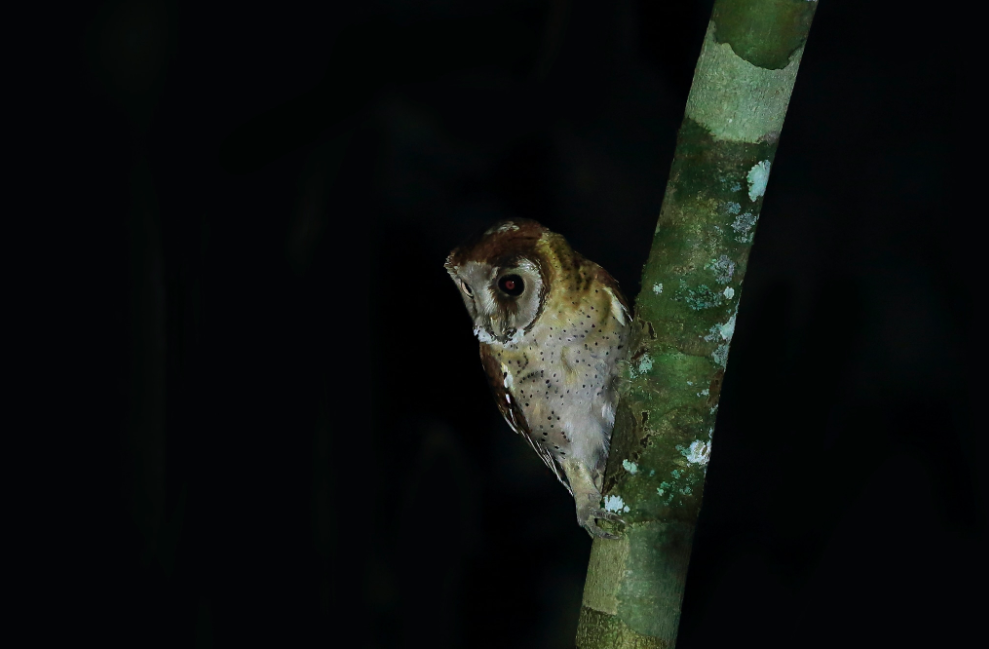
Assam
We’ve written a great deal about the sobering truth of human created climate change lately; highlighting the difficult science of the increasingly limited options on how to avert worst case scenarios.
There’s something calming about this piece of animation by Sebastian Ramn that addressed climate change as nature’s SOS, reaching out to creative communities and NGOs who may be in search of ways to get involved in any way possible.
More information at natureneeds.help
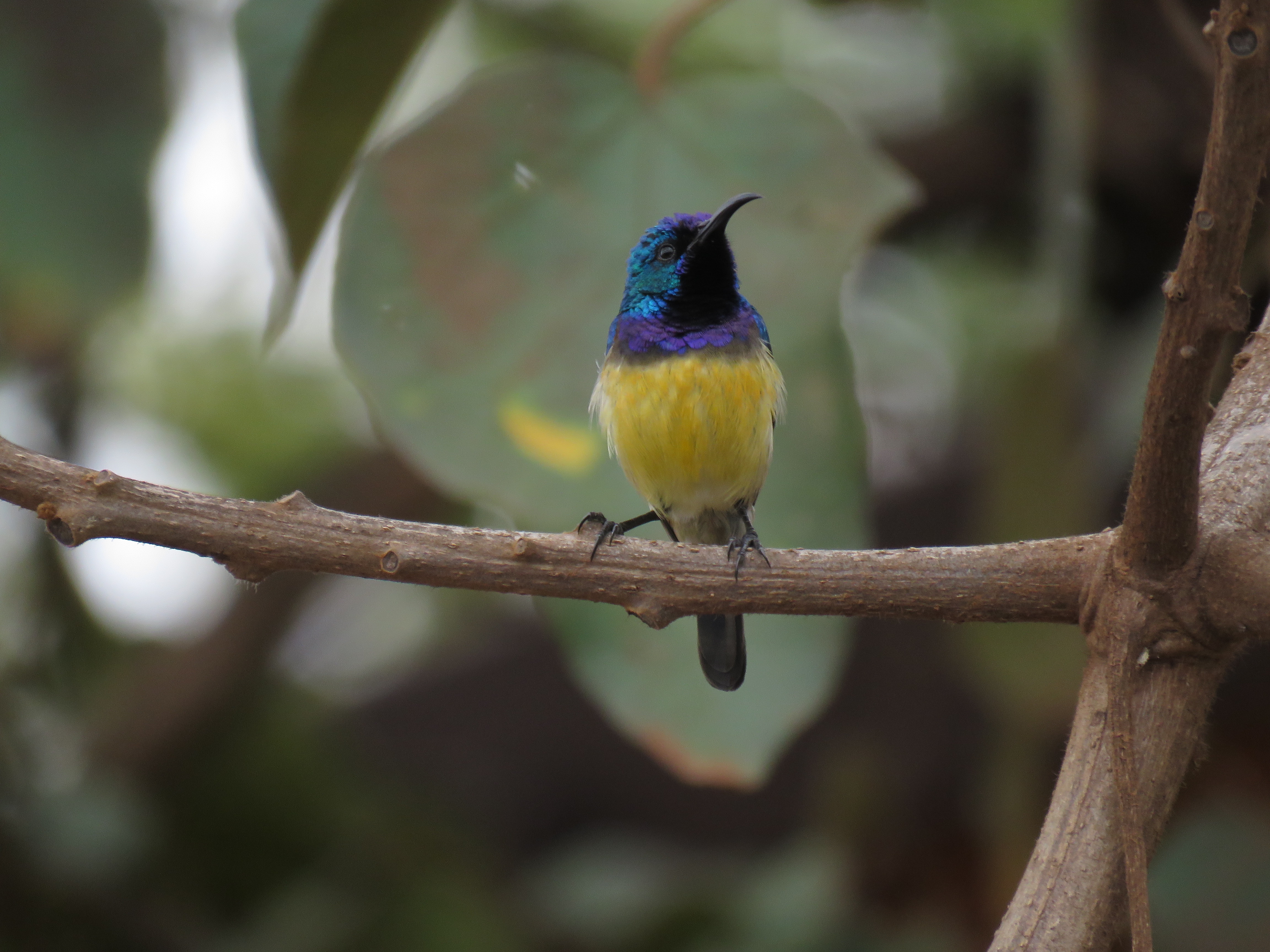
Nyarutarama Lake, Kigali, Rwanda
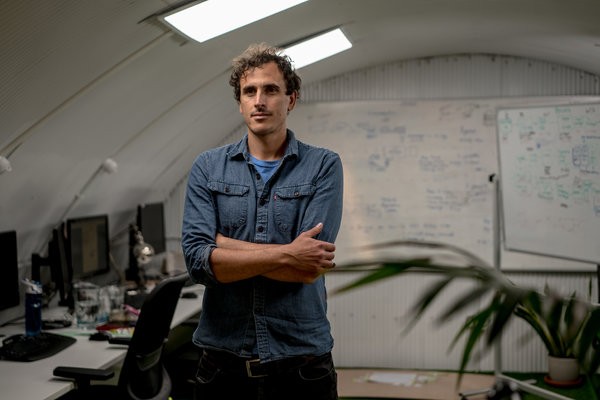
Keiran Whitaker, the chief executive of Entocycle, which takes so-called pre-consumer local food waste and feeds it to fly larvae, which eats the waste and converts it to protein. Andrew Testa for The New York Times
We believe in waste reduction as a key component of individual and community responsibility for securing the future. Our thanks to Tatiana Schlossberg for this:
Waste Not — if You Want to Help Secure the Future of the Planet
If there’s one vital, but underappreciated, subject in the conversation about climate change, it’s waste: how to define it, how to create less of it, how to deal with it without adding more pollution to the planet or the atmosphere.
The issue has gained some acceptance, whether in the form of plastic straw bans or anxiety about e-commerce-related cardboard piling up.
But experts say these aren’t necessarily the biggest problems. Reducing the damage from waste might require expanding the traditional definition of waste — not just as old-fashioned garbage, but as a result of wild inefficiency in all kinds of systems, which often results in emissions of greenhouse gases, among other problems.
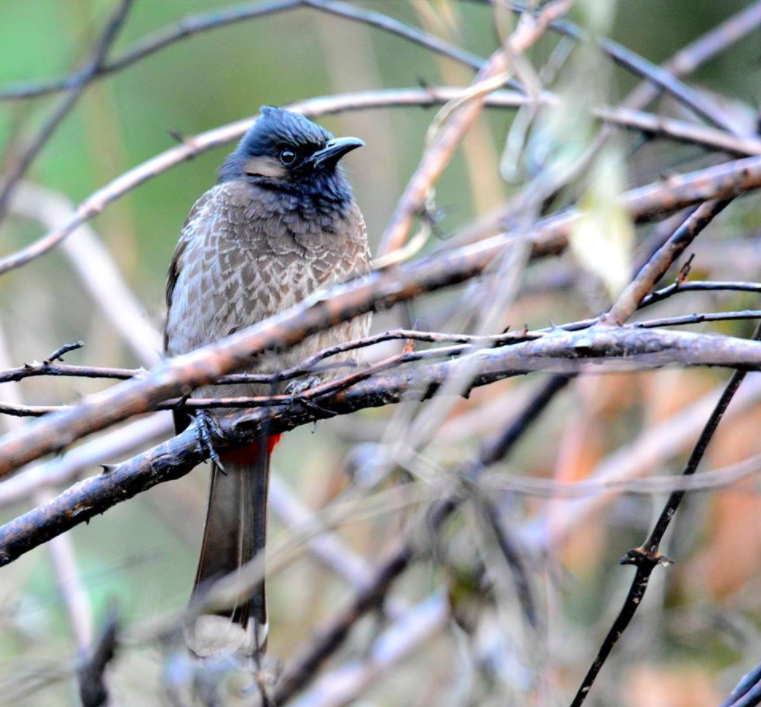
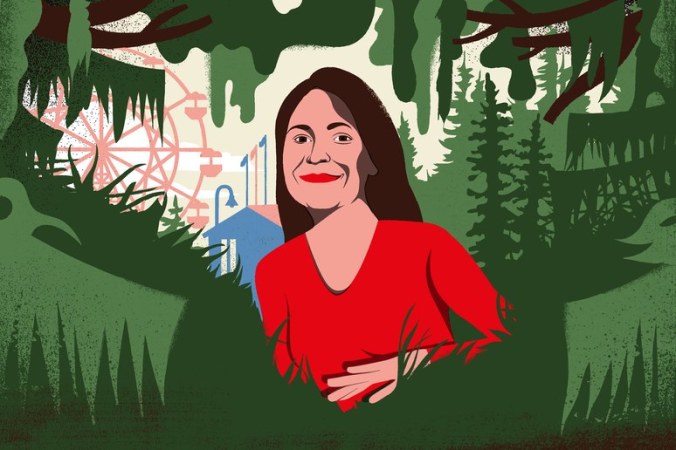
Illustration by Golden Cosmos

Like you, or anyone, I need my refreshers on the wonders of nature after days on end of contemplating loss:
Karen Russell in a Real-Life Fairy-Tale Forest
The Florida writer finds a new sense of enchantment in her new home, on the Oregon coast, where the big trees are like characters out of Jim Henson.

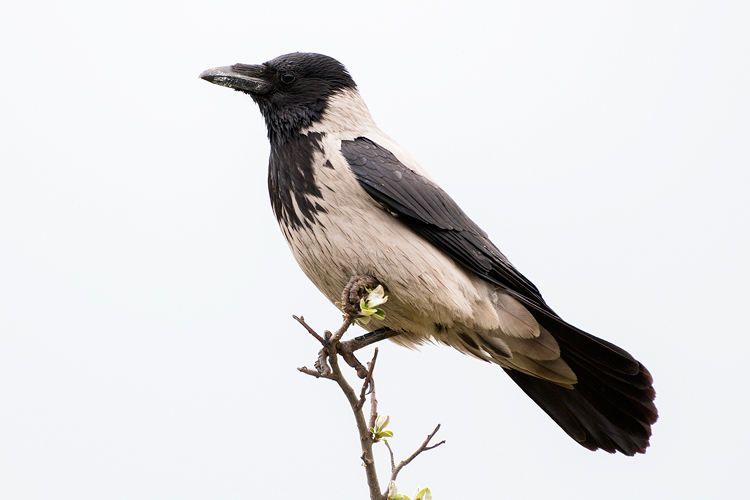

 Organikos