Baja California Sur, Mexico
Bird of the Day: Lark Sparrows (Villa del Faro)
Baja California Sur, Mexico
Baja California Sur, Mexico

In my occasional posts about Amazon over the past few years, it is becoming clear to me that I am concerned about the dangers that come from some of the foundational principles of business management, such as excellent customer service, and scale. I have not read his new book yet, but I listen to and read Tim Wu whenever I see an opportunity. His publisher has this to say:
So, I look forward to learning more about it. Today’s episode of The Daily has useful commentary on Amazon-related topics. Thanks to David Leonhardt for bringing Tim Wu’s new book to my attention:
The Monopolization of America
In one industry after another, big companies have become more dominant over the past 15 years, new data show.
The popular telling of the Boston Tea Party gets something wrong. The colonists were not responding to a tax increase. They were responding to the Tea Act of 1773, which granted a tea monopoly in the colonies to the well-connected East India Company. Merchants based in the Americas would be shut out of the market.
Many colonists, already upset about taxation without representation and other indignities, were enraged. In response, dozens of them stormed three ships in Boston Harbor on the night of Dec. 16, 1773, and tossed chests of East India tea — “that worst of plagues, the detested tea,” as one pamphlet put it — into the water.
A major spark for the American Revolution, then, was a protest against monopoly. Continue reading

male – Leimhakong, Manipur

Charles Davis, director of the Harvard University Herbaria, looks at specimens collected by Henry David Thoreau. Davis was a co-editor of a special issue of Philosophical Transactions B, which advocates for the continued preservation of biological collections. Jon Chase/Harvard file photo
Collecting plant specimens and pressing them for further inspection is a pastime many of us have tried at least once in our lives. It was fun while it lasted. And some beautiful mementos may have survived to tell the tale. The opportunity to look at and learn from plant specimens collected by Henry David Thoreau? Priceless. Thanks to Peter Reuell, a writer and publicist at Harvard University, for this:
Critical collections
Importance of biological samples and their preservation goes beyond the obvious
The Harvard University Herbaria holds a specimen of trillium collected by Henry David Thoreau. Jon Chase/Havard file photo
More than a century ago, when botanists and naturalists were in the field collecting plant and animal specimens, they couldn’t have imagined that scientists would one day be able to extract DNA from samples to understand how plants and animals are related to one another.
They couldn’t have imagined that their collections could one day shed light on the effects of global climate change, or the emergence and spread of pathogens, the spread of fungal-driven amphibian extinction, or the effectiveness of policies aimed at reducing pollution in the U.S. Continue reading

female – Leimhakong, Manipur
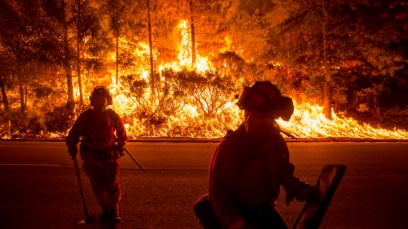
Firefighters battle the King Fire near Fresh Pond, California, in September 2014. NOAH BERGER / REUTERS
Posts like this one tend to not fare as well with readers visiting our platform. Whoever makes their way here is normally looking for what we normally offer, stories about entrepreneurial conservation. Which we believe can be a winning formula for the challenges at hand. But from time to time, we must acknowledge that the odds look grim.
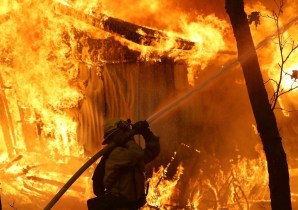
Fighting the Camp Fire this month in Magalia, Calif. Credit Justin Sullivan/Getty Images
Two articles, both very well written, about the report warning of the dangers of climate change to the US economy, note that the report is not likely to have much impact. Because of Black Friday? No, because the forces behind willful ignorance have been at it for a long time, with plentiful resources to strengthen their game. This cartoon says more in fewer words than either article on why. Nathaniel Rich’s short essay, dark and stark and alarming, is akin. Bill McKibben, though, once again hits the nail squarely and firmly, and more effectively than news, because of his trench-based perspective:
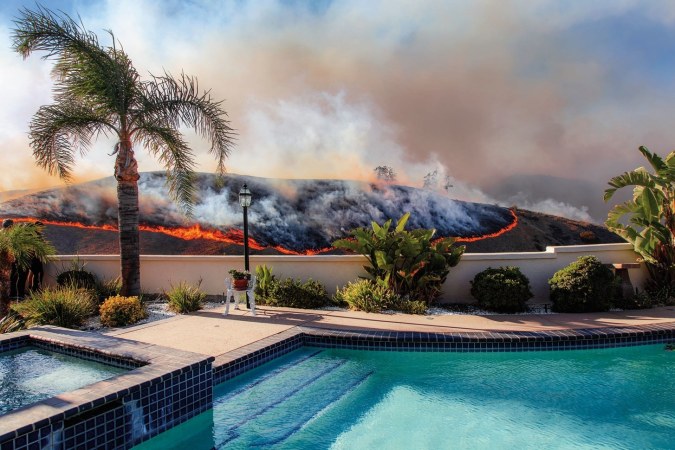
California is currently ablaze, after a record hot summer and a dry fall set the stage for the most destructive fires in the state’s history. Above: The Woolsey fire, near Los Angeles, seen from the West Hills. Photograph by Kevin Cooley for The New Yorker
How Extreme Weather Is Shrinking the Planet
With wildfires, heat waves, and rising sea levels, large tracts of the earth are at risk of becoming uninhabitable. But the fossil-fuel industry continues its assault on the facts.
Thirty years ago, this magazine published “The End of Nature,” a long article about what we then called the greenhouse effect. I was in my twenties when I wrote it, and out on an intellectual limb: climate science was still young. But the data were persuasive, and freighted with sadness. We were spewing so much carbon into the atmosphere that nature was no longer a force beyond our influence—and humanity, with its capacity for industry and heedlessness, had come to affect every cubic metre of the planet’s air, every inch of its surface, every drop of its water. Scientists underlined this notion a decade later when they began referring to our era as the Anthropocene, the world made by man.
I was frightened by my reporting, but, at the time, it seemed likely that we’d try as a society to prevent the worst from happening. Continue reading
male – Baja California Sur, Mexico

Jill Greenberg, Glare, Glare, 2005, Ultrachrome ink on hot press paper, 106.7 x 127 cm / 42 x 50 in, Private collection.
 It has been a long year since our last links to Phaidon. Following yesterday’s essay this seems an appropriate moment to renew our attention to beautiful books, this one about animals (click the image of the book to go to the source).
Don’t look too closely at this Diana Monkey – you might unnerve yourself. Captured by photographer Jill Greenberg and appearing in our book Animal: Exploring the Zoological World, with its defiant yet nervous hazel-eyed gaze, today’s Astonishing Animal stirs an uncanny sense of self in the viewer.
Greenberg’s hyperrealist style – the monkey’s white and grey fur is lit so that each single strand appears in high definition – captures incredibly emotive images of animals showing emotions and involved in gestures previously thought to be the reserve solely of humans. This portrait is one of seventy-five Greenberg has published covering thirty different primates, including species such as apes, chimpanzees, macaques, mandrils and marmosets.
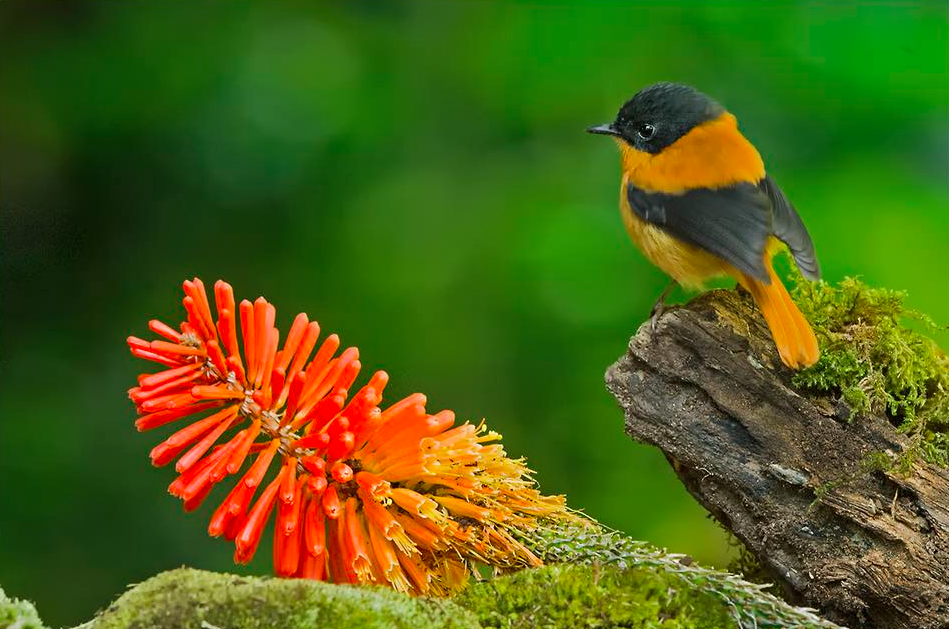
Kotagiri, Tamil Nadu
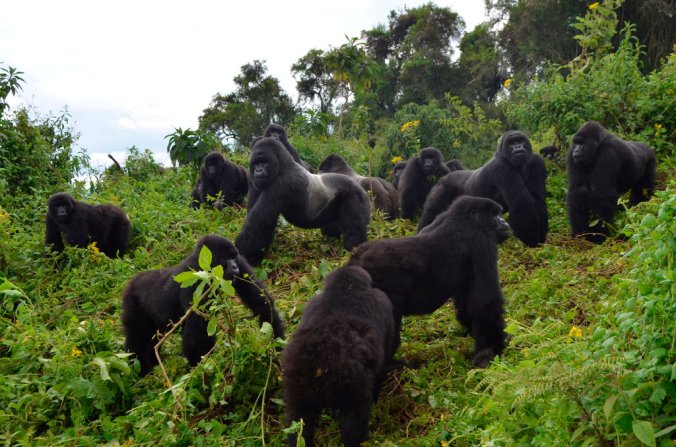
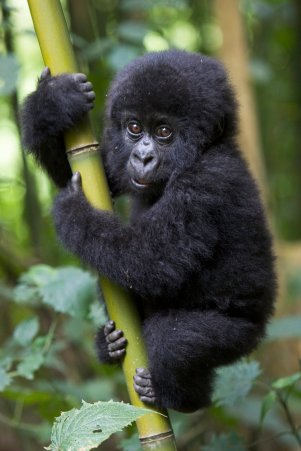
There are only about 1,000 mountain gorillas, but their numbers have risen from a low of just a few hundred. Credit Dian Fossey Gorilla Fund, via Associated Press
Thanks to James Gorman for this brief masterpiece:
Is There Hope for These Great Apes?
Mountain gorillas are faring better — perhaps because some humans just won’t listen to reason.
Ecotourism is largely responsible for the resources to protect the mountain gorilla. Credit Christophe Courteau/NPL, via Minden Pictures
Last Thursday there was a bit of good news relating to the impending extinction and destruction of everything.
The mountain gorilla, a subspecies of the Eastern gorilla, was upgraded from critically endangered to endangered. There still are only about 1,000 of them, up from a low point of a few hundred, so it’s not like they were declared vulnerable (better than endangered), or just fine (not a real category). And the Eastern gorilla as a species overall is still critically endangered.
A 10-month-old mountain gorilla in Volcanoes National Park in Rwanda.Credit Credit Suzi Eszterhas/Minden Pictures
But the mountain gorillas are in fact doing better, according to the announcement from the International Union for Conservation of Nature and Natural Resources. It bases its decisions on information gathered from scientists and conservation experts.
The gorillas’ population has been increasing for about 30 years. And it has taken a tremendous amount of struggle and work to get this far.
That raises a question: If things have improved so much for an animal in such a dire situation as the mountain gorilla, should we then give in to hope?
I know this isn’t the accepted way of speaking about the planet and its creatures. In public discourse, hope is the one thing you should never give up. But in our minds (well, in my mind, anyway, and I can’t be the only one), the reasoning behind that often expressed sentiment is not so clear. Continue reading
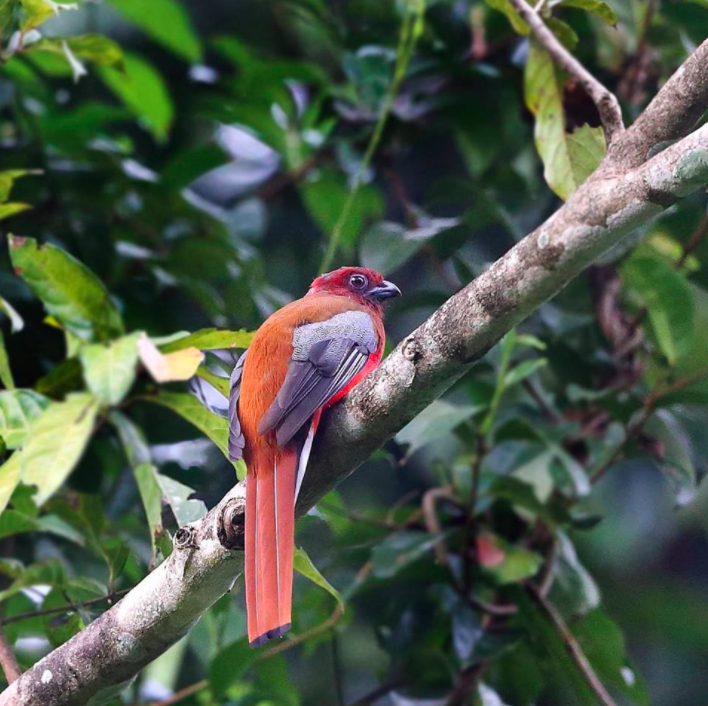
Sorai Pong, Assam
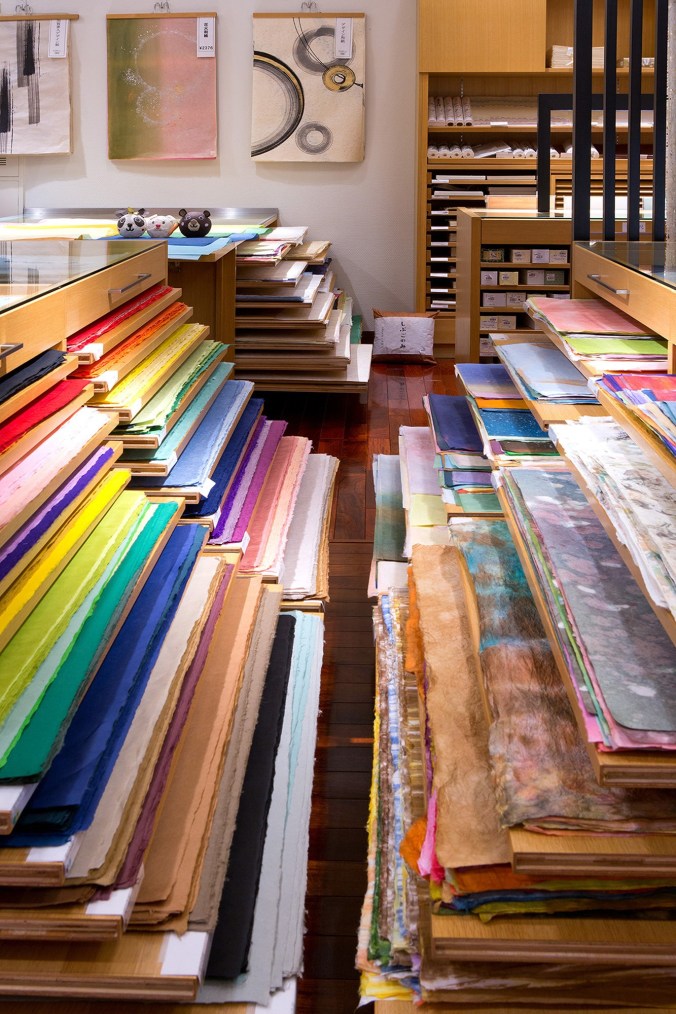
Washi paper at the store Ozu Washi in Tokyo. Credit Courtesy of Ozu Washi
Thanks to Nikil Saval for asking, and to the New York Times for publishing his answer to this question:
Why Is Japan Still So Attached to Paper?
Washi is to the Japanese something like what wine is to the French — a national obsession and point of pride.
The architect Shigeru Ban’s emergency shelters are made mostly of paper.CreditBrent Boardman/courtesy of the Sherman Contemporary Art Foundation (SCAF)
ONE OF THE CLICHÉS of modernity — but a cliché we nonetheless have to live through — is that new forms of technology make us nostalgic for prior ones and the eras they connote. When smartphones emerged, they brought the internet into spaces that were once free of them, so that a poorly functioning flip phone now inspires a hint of wistfulness. The pileup of digitized music since the emergence of the MP3 has prompted a retreat, however niche and ultimately minor, into the world of vinyl records and even tapes. The ransacking of the physical texture of the world — books, newspapers, retail stores, maps — has been so enormous and sudden that it becomes possible to see what we are losing and no longer regard the onrushing future as progress.
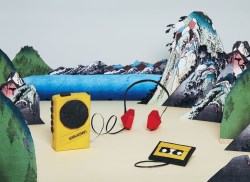
Japan’s centuries-long fascination with traditional papermaking means there’s still a robust analog culture in a country known for its embrace of the modern. Credit Photograph by Kyoko Hamada. Set Design by Arielle Casale and Maxwell Sorensen. Altered images: Daj/Getty Images; Bernard Allum/Getty Images. Origami: Beth Johnson. Photographer’s assistant: Jonah Rosenberg
Because of the sheer accumulated weight of its past, and the velocity of its rush into the future, Japan offers these contradictions and anxieties of modernity in particular abundance. Japan was geographically isolated for centuries, so the time between the country’s opening — thanks to the gunboat diplomacy of American warships’ arrival in 1853 — and the postwar miracle of reconstruction produced a linear and especially propulsive narrative of an agrarian society becoming one defined by urban futurism. The contrast (and conflict) between ancient and modern is the primary tension in Japan’s modern literary and filmic traditions: rural families experiencing the shock of the city in Yasujiro Ozu’s films of the ’40s and ’50s, or Noh drama in the novels of the Showa-era writer Fumiko Enchi. Everything, from the perfervidness of the country’s electronic manufacturing, the proliferation of its pop culture, the aggressiveness of its building booms — even as a three-decade-long economic decline strips these characteristics of their sheen — seems to serve as a reminder that throughout the postwar era, Japan was a byword for the future. Continue reading

Kandakadava Wetlands, Kerala
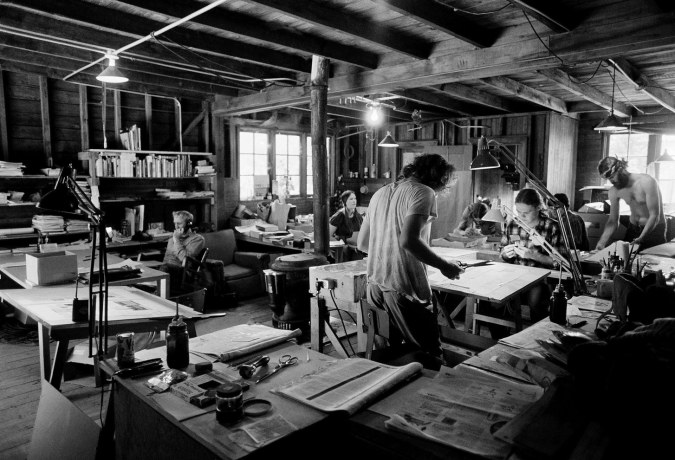
Stewart Brand published the final issue of the “Whole Earth Catalog” in 1971. Upon the title’s fiftieth anniversary, he reports feeling little nostalgia for the project. Photograph by Richard Drew / AP
The intersection of mammoth and passenger pigeon had a quirky ring the first time I read about it. Stewart Brand, mentioned plenty previously in our pages, is a kind of genius of quirk, and deserves more attention. Not to pin present problems on him, but to understand the legacy of his masterpiece. I count myself an admirer. But an admirer with deep concern, not unlike what I feel about this other genius. Anna Wiener’s Letter from Silicon Valley, titled The Complicated Legacy of Stewart Brand’s “Whole Earth Catalog,” provides a perspective on Brand and his Catalog that captures my own concerns about the spawn of his quirk:
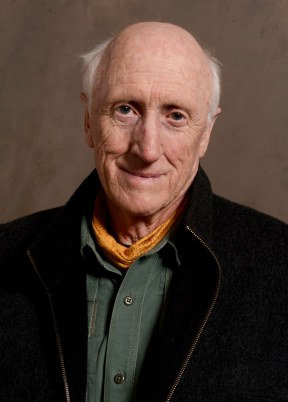
Stewart Brand, in 2013. Larry Busacca
In the fall of 1968, the Portola Institute, an education nonprofit in Menlo Park, California, published the first edition of the “Whole Earth Catalog”: a compendium of product listings, how-to diagrams, and educational ephemera intended for communards and other participants in the back-to-the-land movement. The catalogue’s founder, Stewart Brand––a photographer, writer, former army lieutenant, impresario, and consummate networker––had spent part of the summer driving a pickup truck to intentional communities in Colorado and New Mexico and selling camping equipment, books, tools, and supplies to the residents. Brand returned to the Portola Institute (a gathering place and incubator of sorts for computer researchers, academics, career engineers, hobbyists, and members of the counterculture), hired a teen-age artist to handle layout, and began production on the catalogue’s first edition.
At the height of the civil-rights movement and the war in Vietnam, the “Whole Earth Catalog” offered a vision for a new social order—one that eschewed institutions in favor of individual empowerment, achieved through the acquisition of skills and tools. The latter category included agricultural equipment, weaving kits, mechanical devices, books like “Kibbutz: Venture in Utopia,” and digital technologies and related theoretical texts, such as Norbert Wiener’s “Cybernetics” and the Hewlett-Packard 9100A, a programmable calculator. “We are as gods and might as well get used to it” read the first catalogue’s statement of purpose. “A realm of intimate, personal power is developing—power of the individual to conduct his own education, find his own inspiration, shape his own environment, and share his adventure with whoever is interested.” Continue reading
Los Altos, California
My only wish is to have been able to share this earlier, during the exhibition’s run. But better late than never.
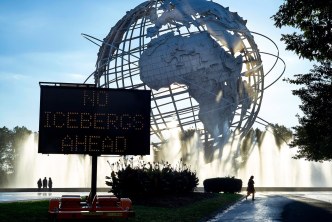
The “Ask a Scientist” event gives curious passerby the chance to pose their climate-related questions to scientists stationed around New York City. Photograph by Justin Brice Guariglia
Thanks to Carolyn Kormann for another fresh dose of creative rational thinking, with her short piece Ask a Scientist: How to Deal with a Climate-Change Skeptic:
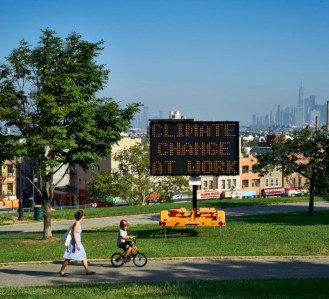
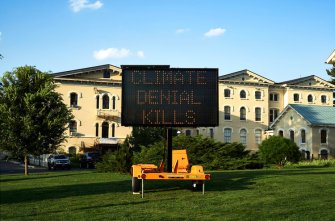
On a recent drizzly, cold Saturday, a climate scientist named Gisela Winckler was standing at Beach Ninety-fourth Street, in Rockaway, Queens. The ocean behind her was gray-green, uninviting, confused, the wind blowing hard onshore. A flock of surfers bobbed in the waves, a scattering of people strolled. Next to her, a huge black-and-orange L.E.D. roadwork sign flashed a series of messages: “climate denial kills”; “abolish coal onialism”; “vote eco logically.” “I thought we would be getting a lot more questions, actually, about these specific messages,” Winckler said. “This one, for example, is pretty complicated.” The L.E.D. sign read “human agenda ahead.”
Credit: Justin Brice Guariglia
The sign, which was solar-powered, was part of “Climate Signals,” a citywide installation by the artist Justin Brice Guariglia, presented by the Climate Museum in partnership with the Mayor’s office. Winckler, in a red leather jacket, the wind whipping her long brown hair, was taking part in “Ask a Scientist,” an event co-hosted by the museum and Columbia University’s Earth Institute, where Winckler works. Other scientists were stationed at nine other roadwork signs, situated across the five boroughs, in prominent and iconic public spaces: the 1964 World’s Fair Unisphere, in Queens; a former illegal dumping ground in the Bronx; Governor’s Island. The scientists at each post had handouts with “climate-communication tips,” such as “How to deal with a climate skeptic.” (One suggestion: look for common ground, i.e., how “we all depend on the same planet for our survival, and all of us want a good outcome.”)
Credit: Justin Brice Guariglia
Snug Harbor, Staten Island, NYOne man rode by on his bike, staring at Winckler, then circled back and dismounted. “It says I can ask a scientist a question?” he said emphatically, indicating a banner hanging from a table in front of Winckler. She nodded. “I just got back from a cruise on the Rhine River, from Amsterdam to Frankfurt. Whole time there, in Germany, it was eighty-five degrees. I’m, like, ‘Eighty-five degrees! What’s going on here?’ They haven’t had rain in two months. The water levels were so low! Only twenty-five inches of water! Why? I’m asking you, why?” He was practically shouting. Continue reading
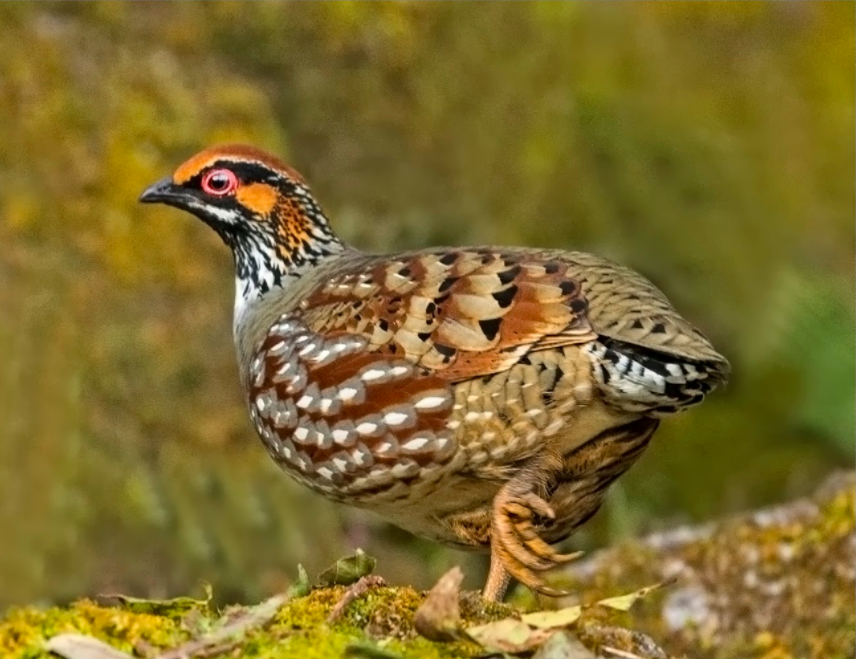
male – Chopta Tungnath, Uttarakhand
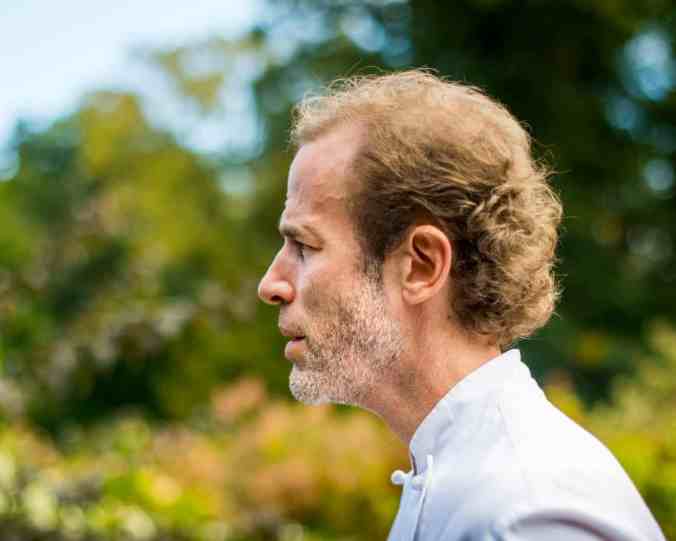
‘Restaurants can become these cathedrals of ideas.’ … Dan Barber chef and co-owner of Blue Hill restaurants in Manhattan and upstate New York. Photograph: Ali Smith for the Guardian
Thanks to Emma Brockes for this article, another in this important Guardian series:
Dan Barber: ’20 years from now you’ll be eating fast food crickets’
In the latest from our series on biodiversity, the Blue Hill chef says we’ve got sustainable agriculture wrong. It’s not a question of sacrifice, but deliciousness
Barber holds a staff meeting. Photograph: Ali Smith for the Guardian
How does it taste?” says Dan Barber, regarding me expectantly in the garden of Blue Hill at Stone Barns, his restaurant in the Hudson Valley just north of New York. I am gnawing the crust of a large piece of bread that has been grown from Barber Wheat, a hybrid seed developed by Barber and his partners to be nutrient dense, high in yield and – a radical thought in seed breeding, apparently – full of flavour. (Whereas clapped out old seeds might yield 30 bushels an acre, Barber Wheat will stretch to 95). The bread is simultaneously light, and dense, and intricate in flavour in such a way that I can’t think of a single word to do it justice. Barber, who at 49 has the manic energy of someone for whom no plate of food will ever live up to the ideal in his head, looks at me gloomily. “That’s the whole problem with food writing,” he says.
‘At a restaurant you’re like a conductor in an orchestra.’ Photograph: Ali Smith for the Guardian
There are bigger problems in the food world. With the possible exception of “financial regulation”, there can be few more deadly phrases to the casual reader than “sustainable agriculture”, a heavy-weather issue most of us recognise as increasingly important but nonetheless killingly dull. This is where Barber, who set up his restaurant in 2004, is hugely persuasive, a charismatic leader who, if you talk to him for an hour while walking around the kitchen and bucolic surroundings of Stone Barns, will have you genuinely excited about crop rotation, and soil conditions, and the fact that the food industry is a dying behemoth reliant on low-yield, agronomically risky seeds that produce ever more tasteless and nutrition-less food.
“There’s never been a time where there’s been such a wholesale decline in frozen processed food,” he says. “Ever. The only units of those companies that are actually increasing market share are prepared vegetables that are not processed.” Which isn’t to say we are all rushing into the open arms of the nearest farmer’s market, although it is Barber’s mission, through his restaurants, to change this. Continue reading
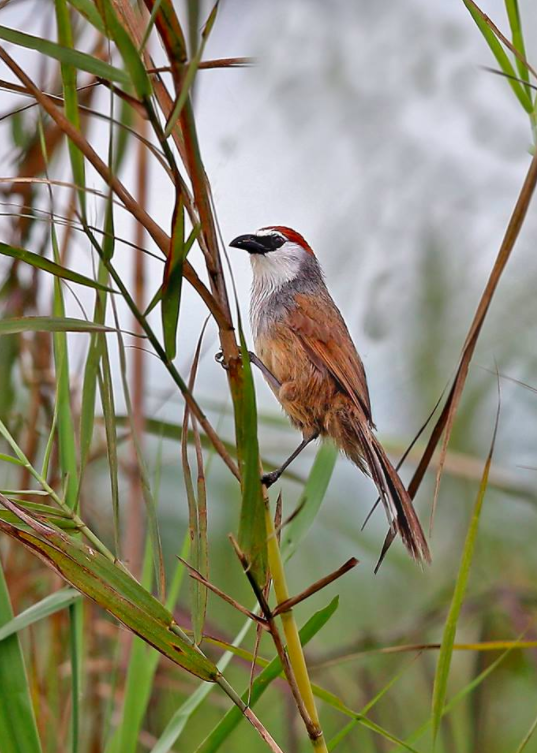
Maguri Bheel, Assam
 I have been linking to stories about urban farming more frequently, and it has been an interest since Milo first posted this during our second year living in India. A resource I have for staying attuned is the Urban Farm podcast. The most recent episode is about one of the pioneers of organic farming, and depending on your interests may be worth a listen. The images in the video above will help you decide whether listening to the podcast is a good investment of time. Click the image of the book, which he talks about in this episode, to go to the publisher’s description and click the banner immediately below to go to the farm’s website:

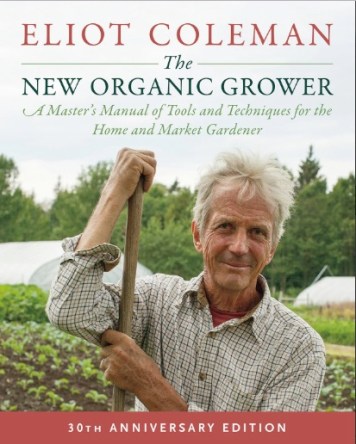
Eliot has over fifty years’ experience in all aspects of organic farming, including field vegetables, greenhouse vegetables, rotational grazing of cattle and sheep, and range poultry. He is the author of The New Organic Grower, Four-Season Harvest,The Winter Harvest Handbook and an instructional workshop DVD called Year-Round Vegetable Production with Eliot Coleman – all published through our friends at Chelsea Green.
Eliot and his wife, Barbara Damrosch, operate a commercial year-round market garden and run horticultural research projects at their farm called Four Season Farm in Harborside, Maine.
In This Podcast:
In 1988, Eliot Coleman literally wrote the book on being an organic grower and has been an invaluable resource for organic gardeners and farmers for three decades. He only started growing food because it sounded like an adventure; and he learned how through books and making friends with farmers around the world. We learn who inspired and taught him, how he uses livestock on his farm, how he virtually moved his farm 500 miles to the south for the winter, and more. Continue reading



 Organikos