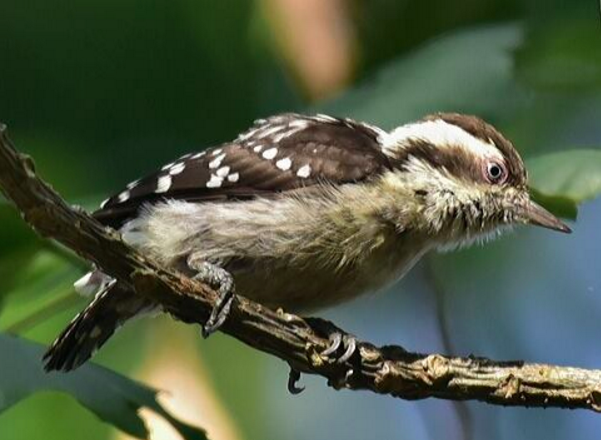
female – Pudukkottai, Tamil Nadu
female – Pudukkottai, Tamil Nadu
 14 years ago, the word organikos crept into my vocabulary. My family’s company had recently been transformed from an advisory service to a management company. They were one year into the process of establishing protocols for “hospitality with sense and sensibility” and some generalizable principles for entrepreneurial conservation.
In the summer of 2003, having focused for the previous four years on rainforest conservation in the Osa Peninsula of Costa Rica, leveraging the economics of lodging and guided nature immersions, my family moved to France, to live in the 14th arrondissement of Paris. My brother and I would learn a new language and my parents would plan out a new business for when we returned to Costa Rica. They used organikos as a codeword for that future initiative. The initiative would provide the tastes–from beverages, spices, foods–associated with the places they had been working in recent years; it would provide those tastes as pre-experience of those places. Most obvious was coffee from Costa Rica.
 There were small experiments over the years since then, starting with a single estate coffee from Costa Rica’s Tarrazu region; then wine from the Croatian island of Hvar; then monsooned coffee from the Malabar coast of India.
Now my parents are planning their move back from India to our home in Costa Rica. And I am planning to spend the next couple years in graduate school. We are talking about Organikos again, and it looks like the time is right to formally launch it as a business. I will tell you about that as the idea develops. First, how about some Tarrazu single estate coffee? Hacienda La Minita was a pioneer in single estate coffee, an early inspiration for us in terms of tasting the place, and it continues to be one of our favorites. We can get it to you. And if you want to visit the estate, or get to know any other place in Costa Rica, we can help with that as well.
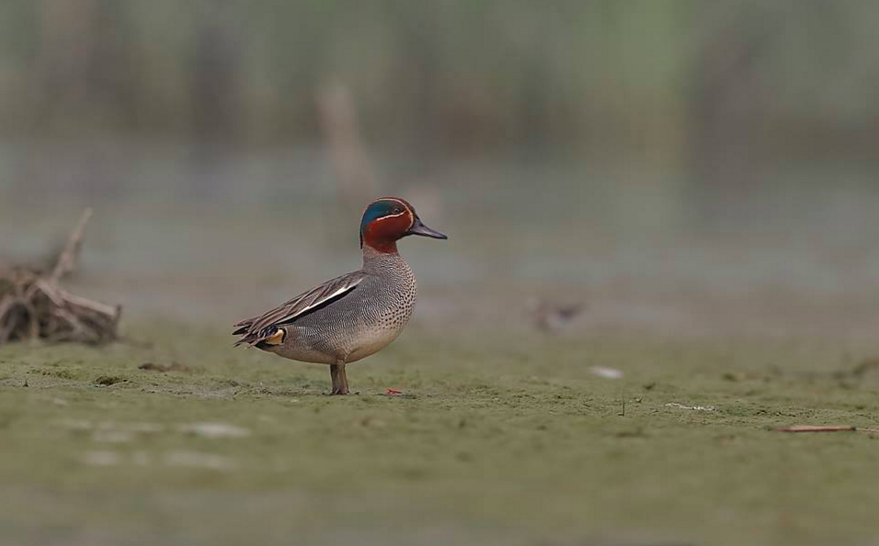
Gazaldoba, Siliguri, West Bengal
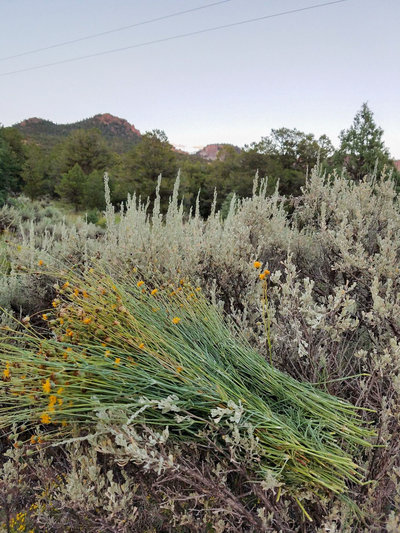
Greenthread (Thelesperma) is a wild plant that thrives in the mid-summer heat of the American Southwest. This bunch is freshly cut, and waiting for rinsing and drying to make Navajo tea. Courtesy of Deborah Tsosie
Give yourself a few minutes for this story about the link between seasonal produce and cultural patrimony:
In the dusty red earth of eastern Arizona’s portion of the Navajo Nation, the main road stretches out beneath the massive white-cloud sky and rubs against barren, chalky mesas; sometimes it skirts the deep, dry crack of a canyon stubbled with sagebrush. Small fields of corn occasionally sprout up beside the road, the short stalks still far from ripe.
But away from the road, tucked beside lakebeds or the foot of a hillside, a mid-summer visitor will find bright yellow flowers beginning to open. They are the crowning blooms of a thin plant that can grow up to two feet tall and which thrives in the heat of this arid region. Called greenthread (Thelesperma), it is used to make Navajo “tea.”
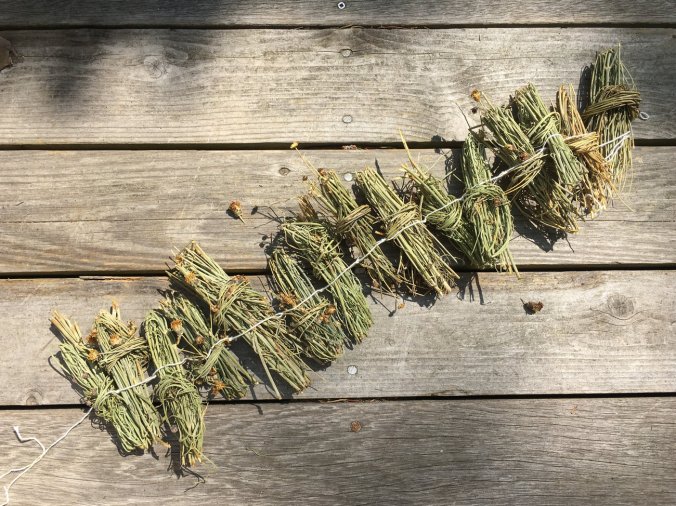
A garland of greenthread. The dried bundles are brewed with sugar or honey. Courtesy of Ada Cowan
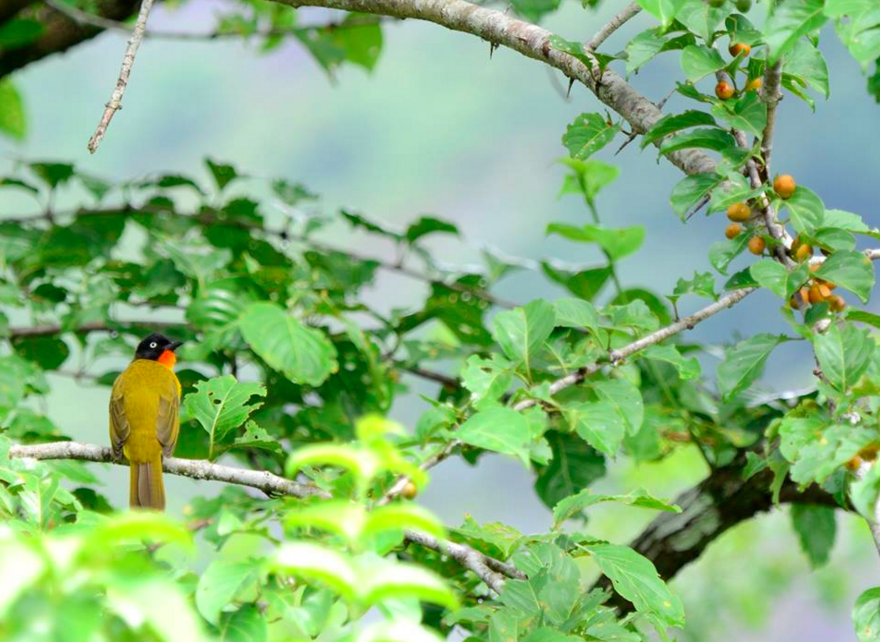
(Thattekad Bird Sanctuary, Kerala)
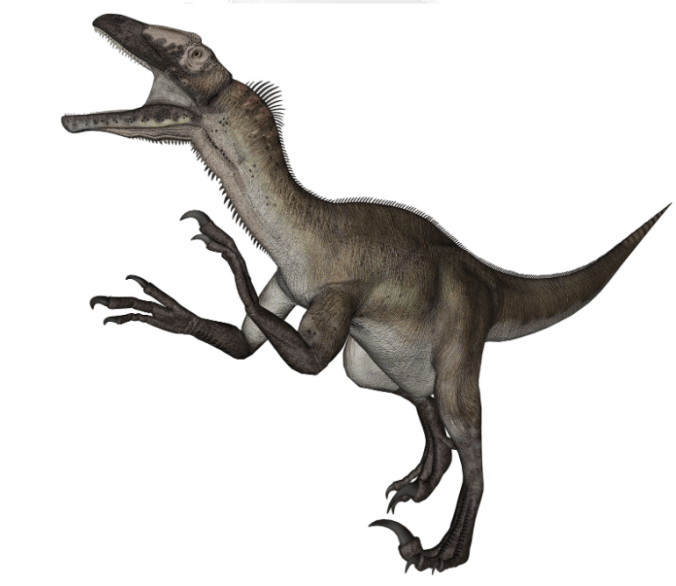
An artist’s rendering of a Utahraptor, several specimens of which were found in a massive slab of sandstone in eastern Utah in 2001. Scientists are seeking to raise money to remove the remaining bones from the giant trove of fossils, a slow and painstaking process. Credit Elena Duvernay/Stocktrek Images, via Science Source
There’s no age limit to the human fascination with dinosaurs, so it’s good news for science that interest translates to collaborative efforts when public funding for exploration and documentation run low.
Raptor Cam? Sounds enticing!
Utah Paleontologists Turn to Crowdfunding for Raptor Project
Millions of years ago, on a mud flat somewhere in Cretaceous Utah, a group of Utahraptors made a grave mistake: They tried to hunt near quicksand. The pack’s poor fortune has given modern paleontologists an opportunity to decode the giant raptor — its appearance, growth and behavior — but only if they can raise the money.
Enter “The Utahraptor Project,” started on GoFundMe last year with a $100,000 goal. It offers backers access to a field worker’s blog, a live “Raptor Cam” and digital models of the find put together through the process of photogrammetry. While it is far from reaching its goal, the team is optimistic.
“Once we get this up and running, with all the cameras and gizmos to record the action on a micro and macro level,” said Scott Madsen, a fossil preparator, “I think we can give the public a good show for their money. Continue reading

Lamanai Maya Site, Orange Walk District, Belize
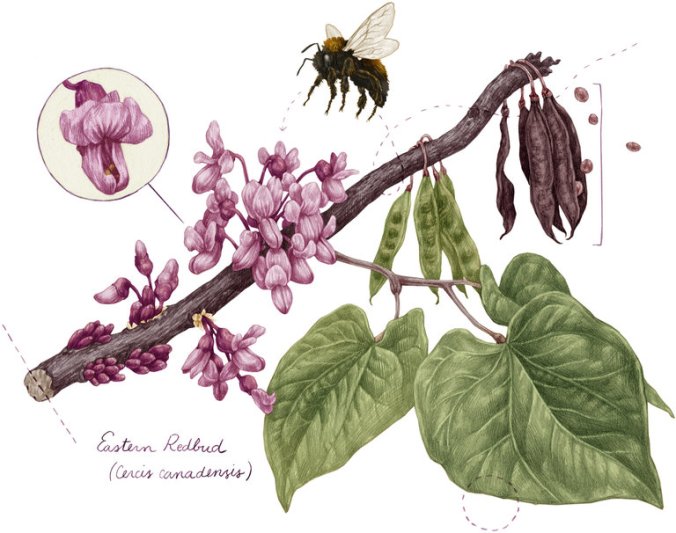
Credit Zoe Keller
Economic value from trees is as old as mankind. Timber for homes and ships and all variety of implements. Nutritional value also: olives and their oil; figs; nuts. In the last year while in the forests of northwest Belize we were on the lookout for something new, something we had not yet known, something that would reveal new value within the forest; we had no clue what it might be. We were looking for the intersection between economic, nutritional and ecological value.
And finally a few months ago we came upon a nut that was new to us, and the trees it grows upon are particularly valuable from an ecosystem perspective. And an ethnobotanical perspective. So we are on the lookout for tree stories, especially those that overlap with themes we tend to in these pages–ecological, cultural and edible. We have linked to articles by Gabriel Popkin a couple of times previously, so we are not surprised by this editorial fitting our schema so well:
For several years, I’ve led tree walks in Washington, D.C. I start by asking participants who they are and why they want to spend precious hours looking at trees. My students are nearly all highly educated, successful people who work impressive jobs, speak multiple languages and effortlessly command sophisticated computers and phones. Yet most know barely the first thing about the trees around them. They want to change that. Continue reading

Hassan, Karnataka
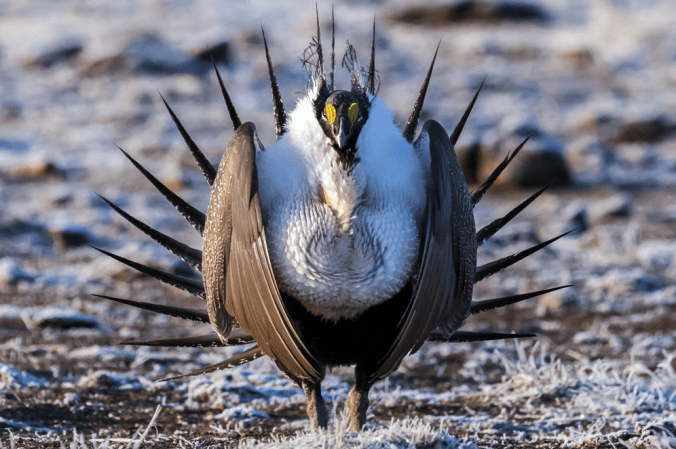
The greater sage grouse is a favorite among birders. Credit Rick McEwan
As protected areas and wildlife come under threat through lessening of restrictions on invasive oil and gas exploration, the importance of proving the economic value of conservation tourism become more and more evident.
Birders and Naturalists Ponder the Fate of the Greater Sage Grouse
Evan Obercian says it is the highlight of his Colorado birding tours every spring, even though he has to wake his clients up before 5 a.m. to be in the sagebrush flats before the sun comes up. And there they wait in Mr. Obercian’s van, listening to strange whoops and popping sounds that float magically from the predawn darkness.
The first rays of a new day’s sun reveal what is making the noise: large brown birds more than twice the size of a barnyard chicken, strutting and shaking while thrusting bulbous yellow air sacs out of their chests, and fanning a fantastic spread of pointy tail feathers. The bird is the greater sage grouse, and the sight is their spring mating ritual on their dancing grounds, called leks.
“It’s profoundly moving for me, and my clients,” said Mr. Obercian, “watching this ancient nuptial dance that’s been performed since way before there were any people on this land. It’s something way beyond just checking another bird off a list.”
The van acts like a blind, so the sage grouse do not notice that people are nearby, watching. Sometimes the grouse will dance right up to the tires. Birders are under strict orders not to get out, because as Mr. Obercian says, sage grouse “are very sensitive.” Continue reading

Valparai, Tamil Nadu

Wade Dooley, in Albion, Iowa, uses less fertilizer than most farmers because he grows rye and alfalfa, along with corn and soybeans. “This field [of rye] has not been fertilized at all,” he says.
Dan Charles/NPR
Does ‘Sustainability’ Help The Environment Or Just Agriculture’s Public Image?
Brent Deppe is taking me on a tour of the farm supply business, called Key Cooperative, that he helps to manage in Grinnell, Iowa. We step though the back door of one warehouse, and our view of the sky is blocked by a gigantic round storage tank, painted white.
“This is the liquid nitrogen tank,” Deppe explains. “It’s a million-and-a-half gallon tank.” Continue reading
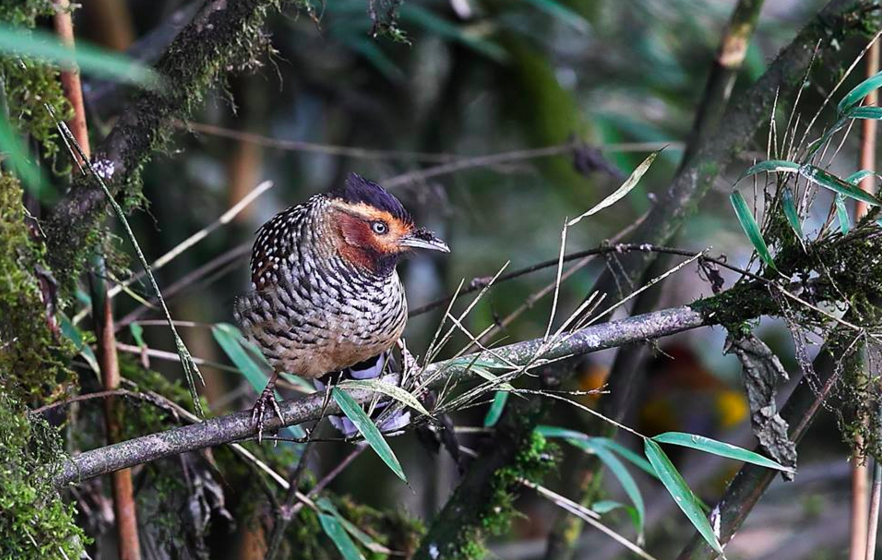
Tumling, Nepal
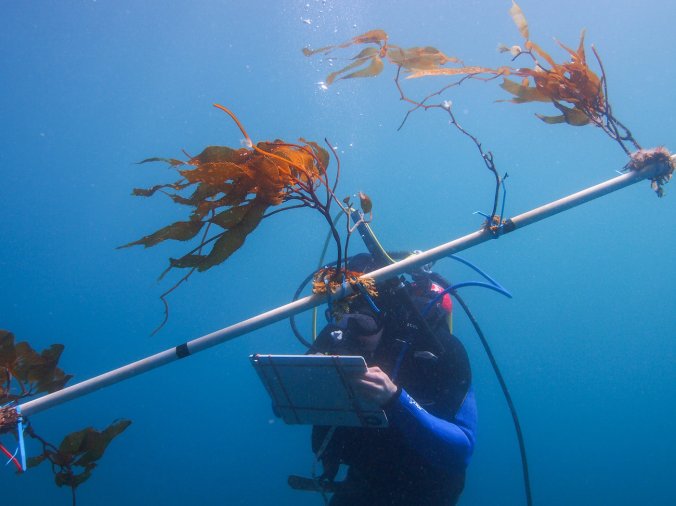
Kelp plants grow on a 30-foot-long, white PVC pole suspended in the water. If this is successful, instead of just one row, there would be a whole platform, hundreds of meters across and hundreds of meters deep, full of kelp plants. Courtesy of David Ginsburg/Wrigley Institute
Farming seaweed, using the power of the sun and the vast resources of the oceans, is a topic we expect to be featuring more of in these pages, and whether considering it as food or fuel we know the folks at the salt will be one of our primary sources delivering the goods:
The push for renewable energy in the U.S. often focuses on well-established sources of electricity: solar, wind and hydropower. Off the coast of California, a team of researchers is working on what they hope will become an energy source of the future — macroalgae, otherwise known as kelp.
The Pacific Coast is known for its vast kelp forests. It’s one of the fastest-growing plants on Earth, and farming it requires no fertilizer, fresh water, pesticides, or arable land. “It can grow 2 to 3 feet per day,” says Diane Kim, one of the scientists running the kelp research project at the University of Southern California. Continue reading

Bangalore, Karnataka
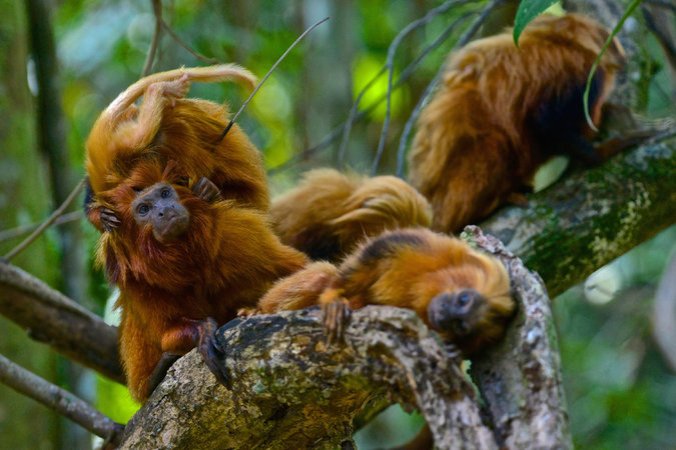
The golden lion tamarin has been observed passing through some of these corridors, an encouraging early sign for researchers. Credit Kike Calvo, via Associated Press
Thanks to Brad Plumer and the commitment of the New York Times to continue covering the complex topic of climate change in interesting, and sometimes hopeful ways:
Stitching Together Forests Can Help Save Species, Study Finds
In the 1980s, an ecologist named Thomas Lovejoy conducted an unusual experiment in Brazil’s Amazon rain forest. As loggers moved in with chain saws to clear trees for cattle pasture north of Manaus, he asked them to leave untouched several small “islands” of forest to see how the animals within them fared.
The results were unsettling. Continue reading
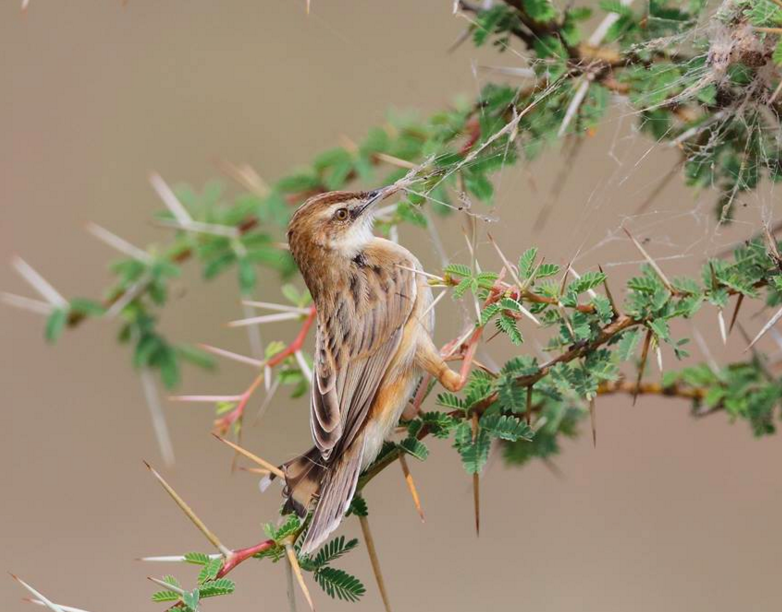
Bangalore, Karnataka
 On September 25, 2017 the Berkley Center for New Media is presenting “World Without Mind: The Existential Threat of Big Tech” that has our attention:
Franklin Foer reveals the existential threat posed by big tech and offers a toolkit to fight their pervasive influence. Elegantly tracing the intellectual history of computer science—from Descartes and the enlightenment to Alan Turing to Stuart Brand and the hippie origins of today’s Silicon Valley—Foer exposes the dark underpinnings of our most idealistic dreams for technology. The corporate ambitions of Google, Facebook, Apple, and Amazon, he argues, are trampling longstanding liberal values, especially intellectual property and privacy. This is a nascent stage in the total automation and homogenization of social, political, and intellectual life. By reclaiming our private authority over how we intellectually engage with the world, we have the power to stem the tide. At stake is nothing less than who we are, and what we will become. In this talk, Foer explains not just the looming existential crisis but the imperative of resistance.
 That got our attention at the same time as this book did, thanks to Elizabeth Kolbert’s review in this week’s New Yorker:
…Taplin, who until recently directed the Annenberg Innovation Lab, at the University of Southern California, started out as a tour manager. He worked with Judy Collins, Bob Dylan, and the Band, and also with George Harrison, on the Concert for Bangladesh. In “Move Fast and Break Things,” Taplin draws extensively on this experience to illustrate the damage, both deliberate and collateral, that Big Tech is wreaking. Consider the case of Levon Helm. He was the drummer for the Band, and, though he never got rich off his music, well into middle age he was supported by royalties.
This is not a mainstay theme in these pages, but we have felt compelled from time to time to pass along an informative read on a topic that seems likely to continue growing in importance.
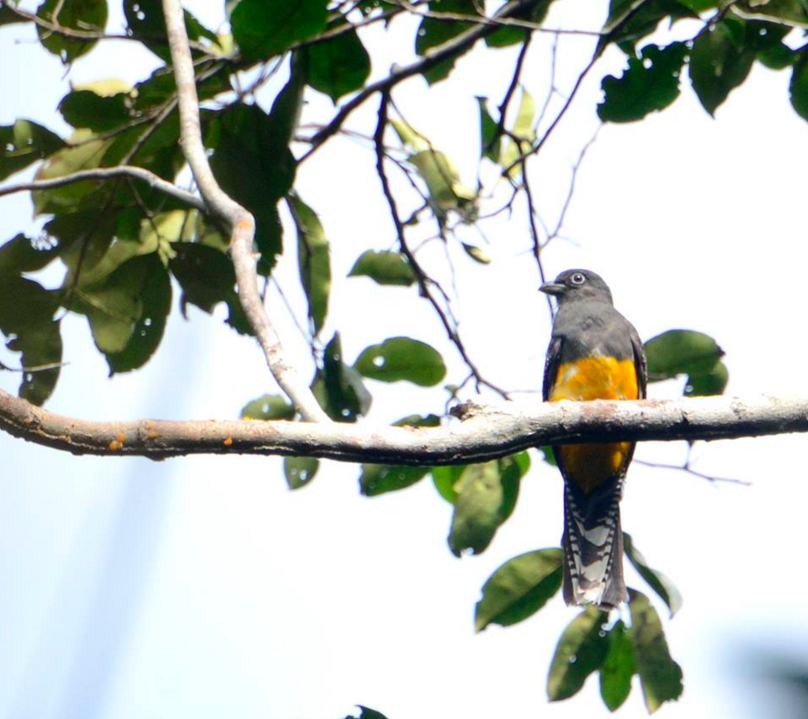
Rio Preto de Eva, Brazil
 I’ve posted previously about the lionfish invasion that is threatening coral reef and other marine ecosystems throughout the Caribbean, Gulf of Mexico, and Southern Atlantic Seaboard of the United States.
Much has been made of the spectacular invasive success of the two species of Indo-Pacific lionfish that have established themselves throughout the Wider Caribbean. Not only are the invaders being found at population densities more than ten times those typical in their native range, but they also have been found to grow more rapidly, reaching sexual maturity more quickly, and growing to greater size than do their Indo-Pacific cousins.
Several studies have looked at the genetic make-up of invasive lionfish and have concluded that the populations found in the Gulf of Mexico, Caribbean, and Southeastern seaboard of the United States are all closely related, stemming back to fewer than ten females. Continue reading
 Organikos