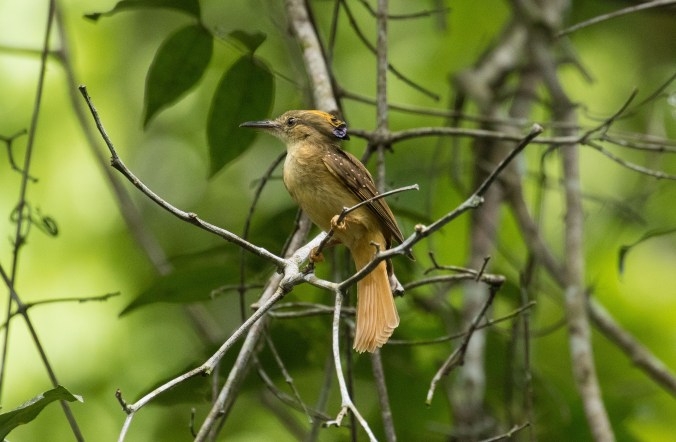
Chan Chich Lodge, Orange Walk District, Belize
Chan Chich Lodge, Orange Walk District, Belize
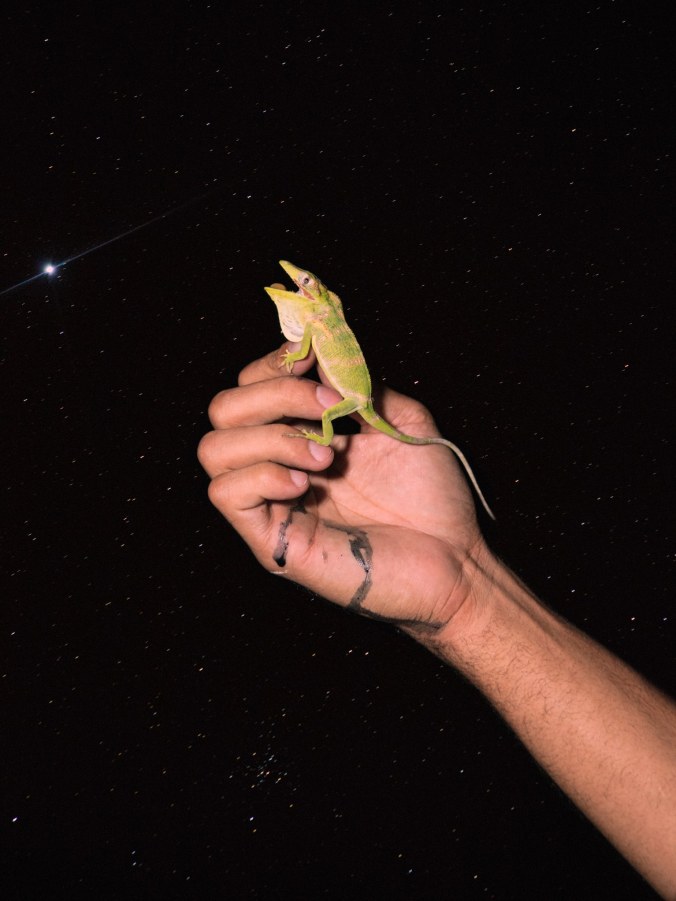
Photograph by Balarama Heller
Thanks to José Ginarte, a digital photo editor at The New Yorker, for this unusual reminder of the python invasion in the Everglades:
Chasing Pythons in the Everglades, and Finding an Eerie Dreamscape
Two and a half years ago, the photographer Balarama Heller began venturing into the Florida Everglades at night, shining his flashlight and pushing through underbrush, in the hope of photographing an invasive predator that has disrupted the local ecology: the Burmese python. Continue reading
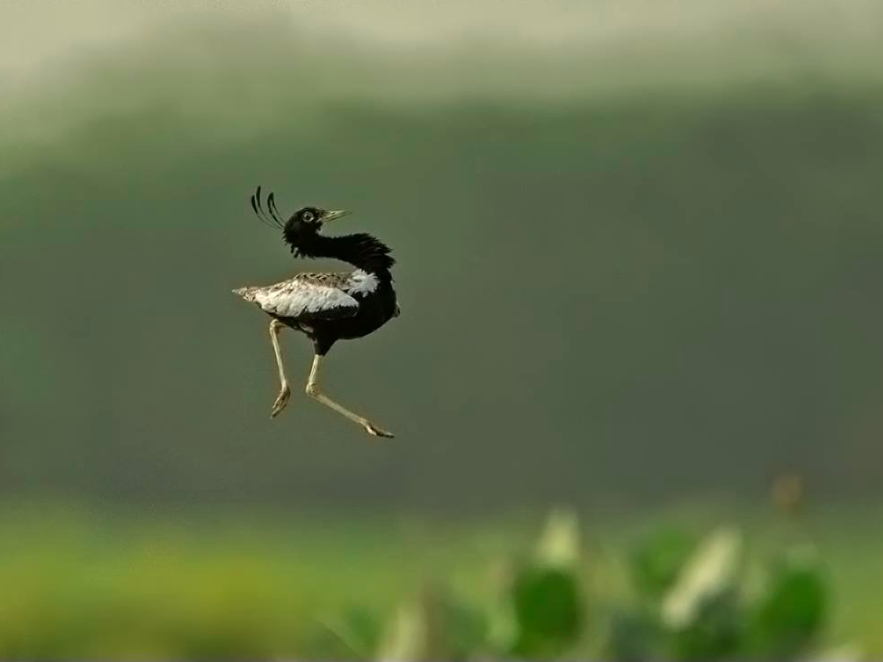
Satna, Madhya Pradesh
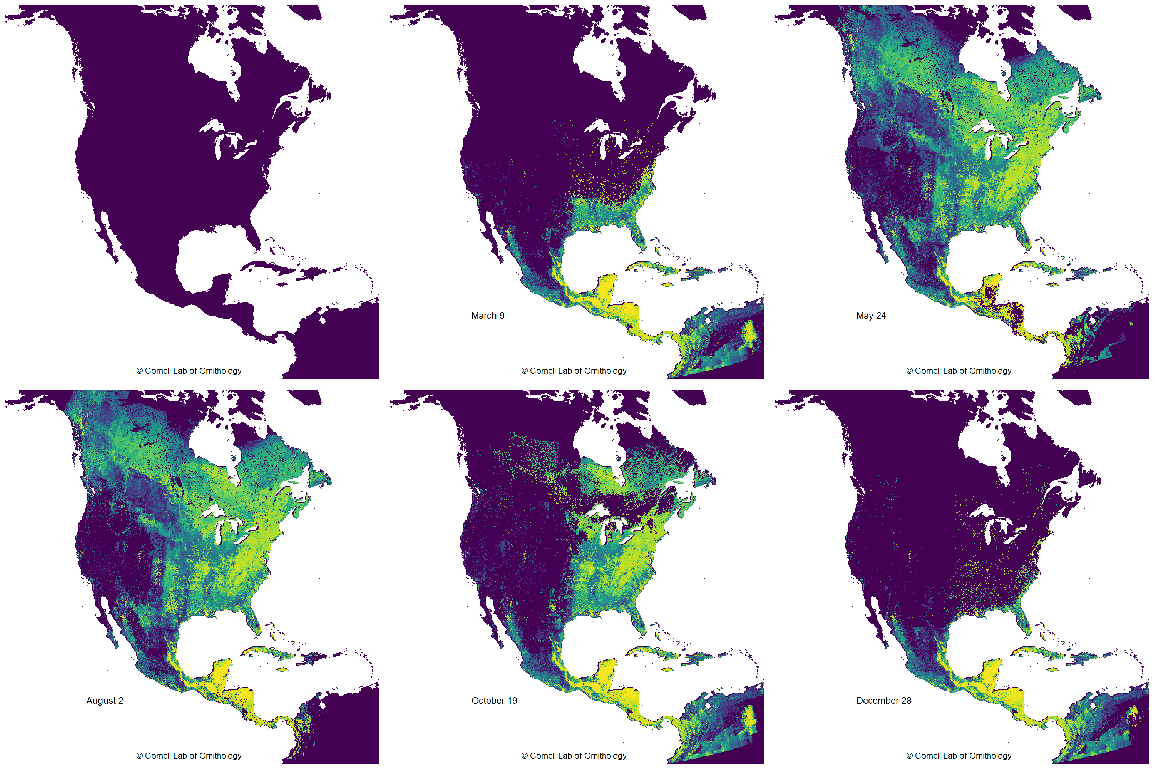
This animation shows where the 21 species in the study occur during each week of the year. Brighter colors (yellows) indicate more species are present than darker areas (blues and purples); overall, the species spend more time in Central American wintering grounds than on their northern breeding grounds. Map and animation by Frank La Sorte.
Once again eBird data and the Cornell Lab of Ornithology studies highlight the importance of forest conservation for species survival, as seen in Climate Change Or Habitat Loss? Study Weighs Future Priorities For Conserving Forest Migrants:
Birds are among the first to let us know when the environment is out of whack. But predicting what might happen to bird populations is tricky. Studies often focus on a single issue or location: breeding grounds or wintering grounds, changes in climate, loss of habitat. But in the real world, nothing occurs in isolation. A new study just published in the journal Global Change Biology pulls the pieces together. Continue reading
Bangalore, Karnataka
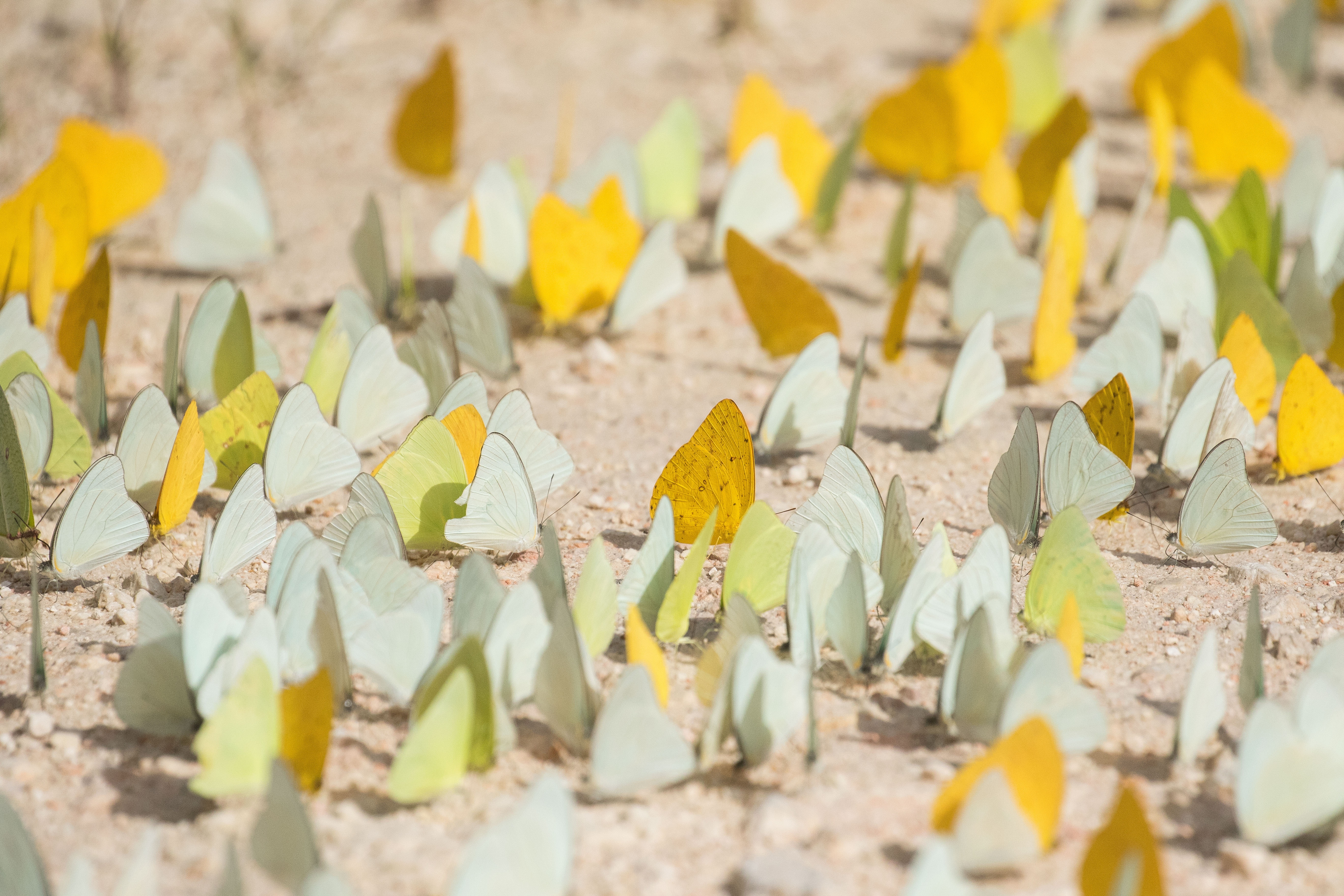
photo credits: Richard Kostecke
The sources we frequent for stories of interest appears to proclaim it butterfly season. So it’s incredibly timely that contributor Richard Kostecke should have sent us these beautiful photos of Sulfurs and Whites “puddling” along the road to Chan Chich Lodge. Continue reading

Lamanai Maya Site, Orange Walk District, Belize

For a second day in a row, a butterfly story catches our attention. Small stories of unexpected good fortune are always welcome:
Rare butterfly spotted in Scotland for the first time since 1884
Elusive and endangered white-letter hairstreak discovered in a field in the Scottish borders could become the 34th species to live and breed in the country Continue reading

Valparai, Tamil Nadu

Interstate 35, which stretches from Minnesota to Mexico, lies in the heart of the monarchs’ migration route.
Thanks to Janet Marinelli and the team at YaleEnvironment360:
Can the Monarch Highway Help Save a Butterfly Under Siege?
The population of North American monarch butterflies has plummeted from 1 billion to 33 million in just two decades. Now, a project is underway to revive the monarch by making an interstate highway the backbone of efforts to restore its dwindling habitat. Continue reading

Great Rann of Kutch, Gujurat
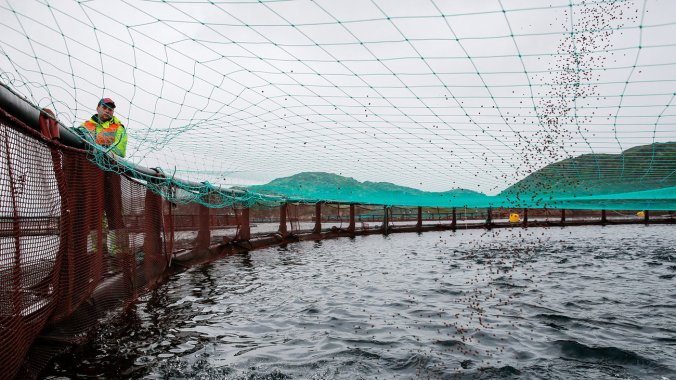
A Russian fish farming operation in Ura Bay in the Barents Sea.
Maxim Zmeyev/AFP/Getty Images
Thanks to Alastair Bland and the folks at the salt at National Public Radio (USA) for this look at the prospects for aquaculture on a global scale:
For years, scientists and activists have sounded the alarm that humans’ appetite for seafood is outpacing what fishermen can sustainably catch.
But new research suggests there is space on the open ocean for farming essentially all the seafood humans can eat. A team of scientists led by Rebecca Gentry, of the University of California, Santa Barbara, found that widescale aquaculture utilizing much of the ocean’s coastal waters could outproduce the global demand for seafood by a staggering 100 times. Continue reading
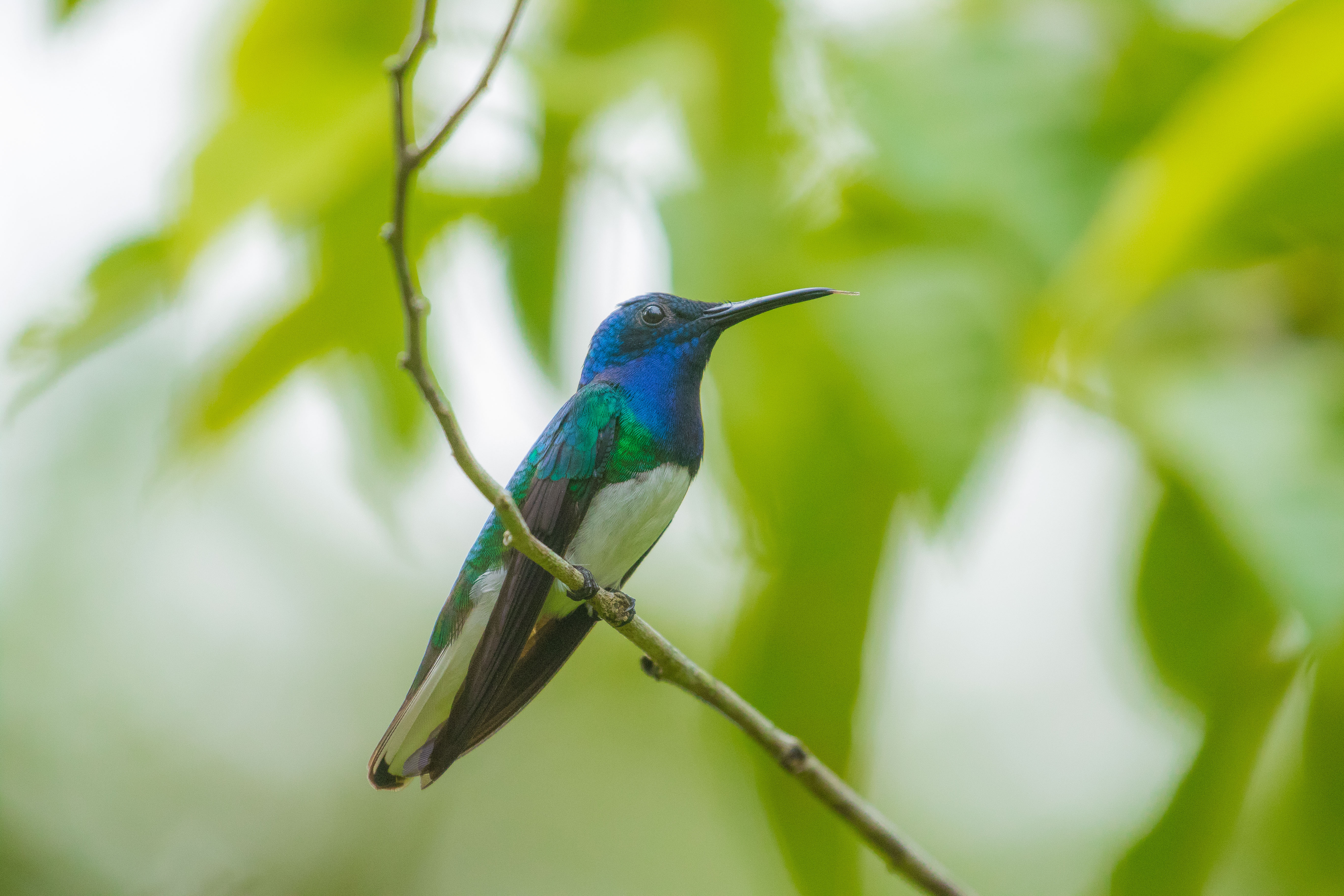
male – Chan Chich Lodge, Orange Walk District, Belize
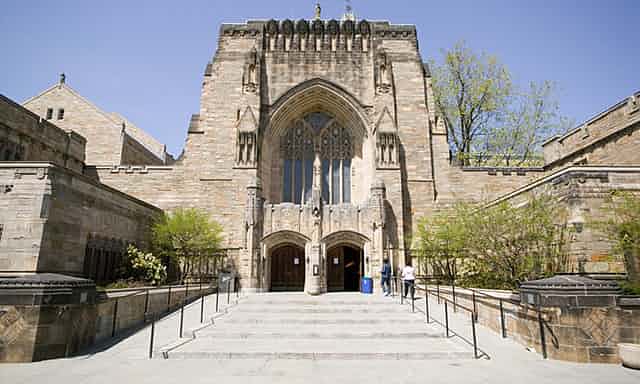
Sterling Library at Yale University in New Haven Connecticut, US. Photograph: Alamy
Thanks to John Abraham, and the Guardian’s team focused on the Environment, for shining the light on the good works of those who work to ensure our access to essential environmental science at a time when there are efforts to silence the science:
Yale Climate Connections: America’s beacon of climate science awareness
Stellar work by group led by Anthony Leiserowitz on putting climate change research into public domain is empowering citizens and institutions Continue reading

female – Chan Chich Lodge, Orange Walk District, Belize
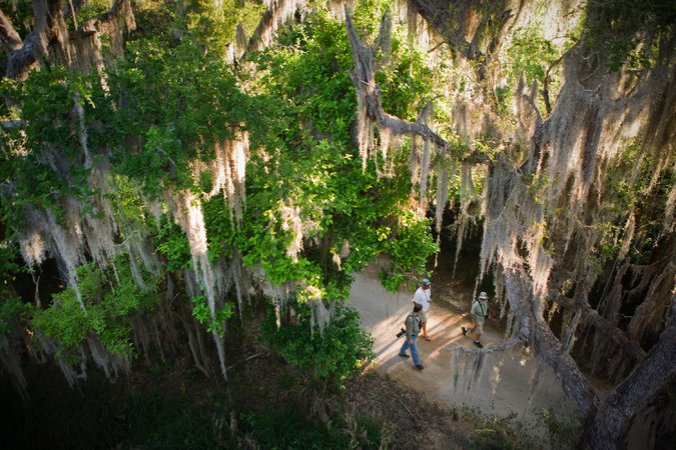
Birders walking under trees draped in Spanish moss in the Santa Ana National Wildlife Refuge near Alamo, Tex. The border wall would traverse the refuge. Credit Michael Stravato for The New York Times
Thanks to Michael Hardy and the New York Times for this coverage of an unwanted, disruptive intruder:
MISSION, Tex. — Last month, Marianna Wright, the executive director of the privately owned National Butterfly Center here, discovered survey stakes on the property marking out a 150-foot-wide swath of land.
Ms. Wright later encountered a work crew cutting down trees and brush along a road through the center. The workers said they had been hired by United States Customs and Border Protection to clear the land.
“You mean my land?” Ms. Wright asked, before kicking them out. Continue reading

male – Western Ghats, Kerala
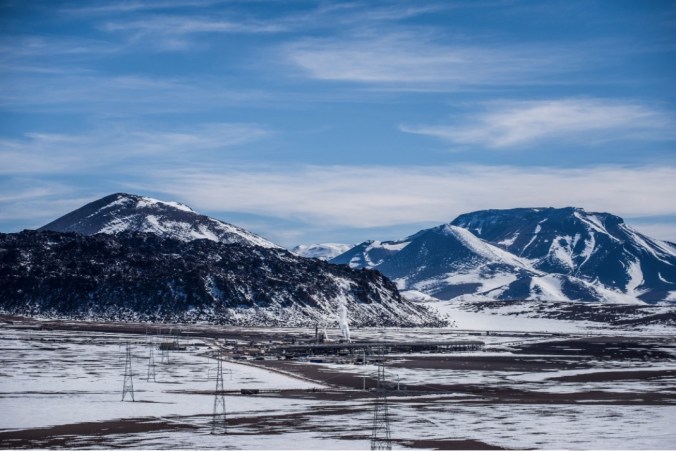
The first geothermal energy plant in South America is in Cerro Pabellón, Chile, 14,760 feet above sea level, surrounded by volcanoes. Credit Meridith Kohut for The New York Times
Chile’s near catastrophe with hydroelectric energy, averted in part thanks to the efforts of friends in the Patagonia Sin Represas campaign, made us wonder whether Chile’s path to a greener future would be straight and narrow. Thanks to the New York Times and Ernesto Londoño we think we have strong evidence helping us with the answer:
Chile’s Energy Transformation Is Powered by Wind, Sun and Volcanoes
CERRO PABELLÓN, Chile — It looks and functions much like an oil drilling rig. As it happens, several of the men in thick blue overalls and white helmets who operate the hulking machine once made a living pumping crude.
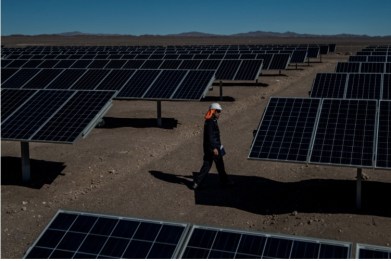
A worker inspecting solar panels in the Atacama Desert in Chile, one of the driest and sunniest places on Earth. The sun is so strong there that workers must wear protective suits and slather on thick layers of sunscreen. Credit Meridith Kohut for The New York Times
With the ability to power roughly 165,000 homes, the new plant is yet another step in Chile’s clean energy transformation. This nation’s rapidly expanding clean energy grid, which includes vast solar fields and wind farms, is one of the most ambitious in a region that is decisively moving beyond fossil fuels.
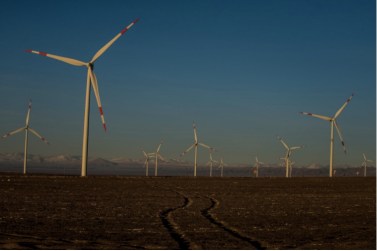
Wind turbines in the Atacama Desert and other turbines along Chile’s 2,653-mile coast contribute to power to national grid. Credit Meridith Kohut for The New York Times
Latin America already has the world’s cleanest electricity, having long relied on dams to generate a large share of its energy needs, according to the World Bank.
But even beyond those big hydropower projects, investment in renewable energy in Latin America has increased 11-fold since 2004, nearly double the global rate, according to a 2016 report by the International Renewable Energy Agency, an intergovernmental organization. Chile, Mexico and Brazil are now among the top 10 renewable energy markets in the world.
So as Latin America embraces greener energy sources, government officials and industry executives in the region have expressed a sense of confusion, even bewilderment, with the Trump administration’s decision to withdraw from the climate changecommitments contained in the Paris Agreement, declare an end to the “war on coal” and take aim at American environmental regulations. Continue reading

Tacacori, Costa Rica

Does the banner above work for you, as a call to action? Or in any way to care? If yes, click on it; if not, read on:
If Moses had promised the Israelites a land flowing with mammary secretions and insect vomit, would they have followed him into Canaan? Though this means milk and honey, I doubt it would have inspired them.
 We believe that pairs of words such as ecosystem services have value, and we celebrate cases related to the concept of ecosystem services. Ditto for words like natural capital. Still, the point is well taken from one of our favorite editorialists, reminding us that words matter:
So why do we use such language to describe the natural wonders of the world? There are examples everywhere, but I will illustrate the problem with a few from the UK. On land, places in which nature is protected are called “sites of special scientific interest”. At sea, they are labelled “no-take zones” or “reference areas”. Had you set out to estrange people from the living world, you could scarcely have done better. Continue reading
 Organikos