Riverview Park, VA.
Riverview Park, VA.
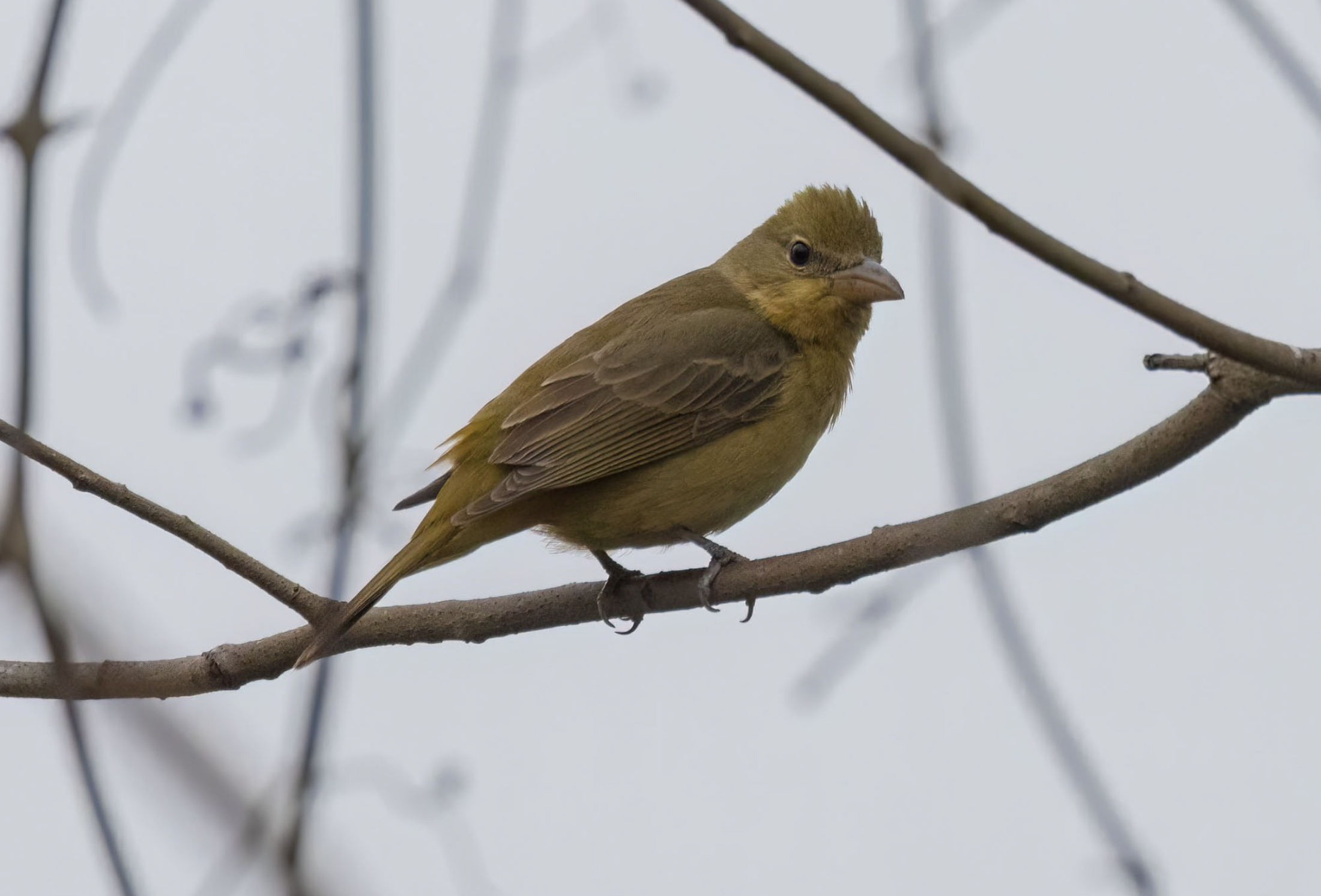
Female
Lake Creek Trail, TX
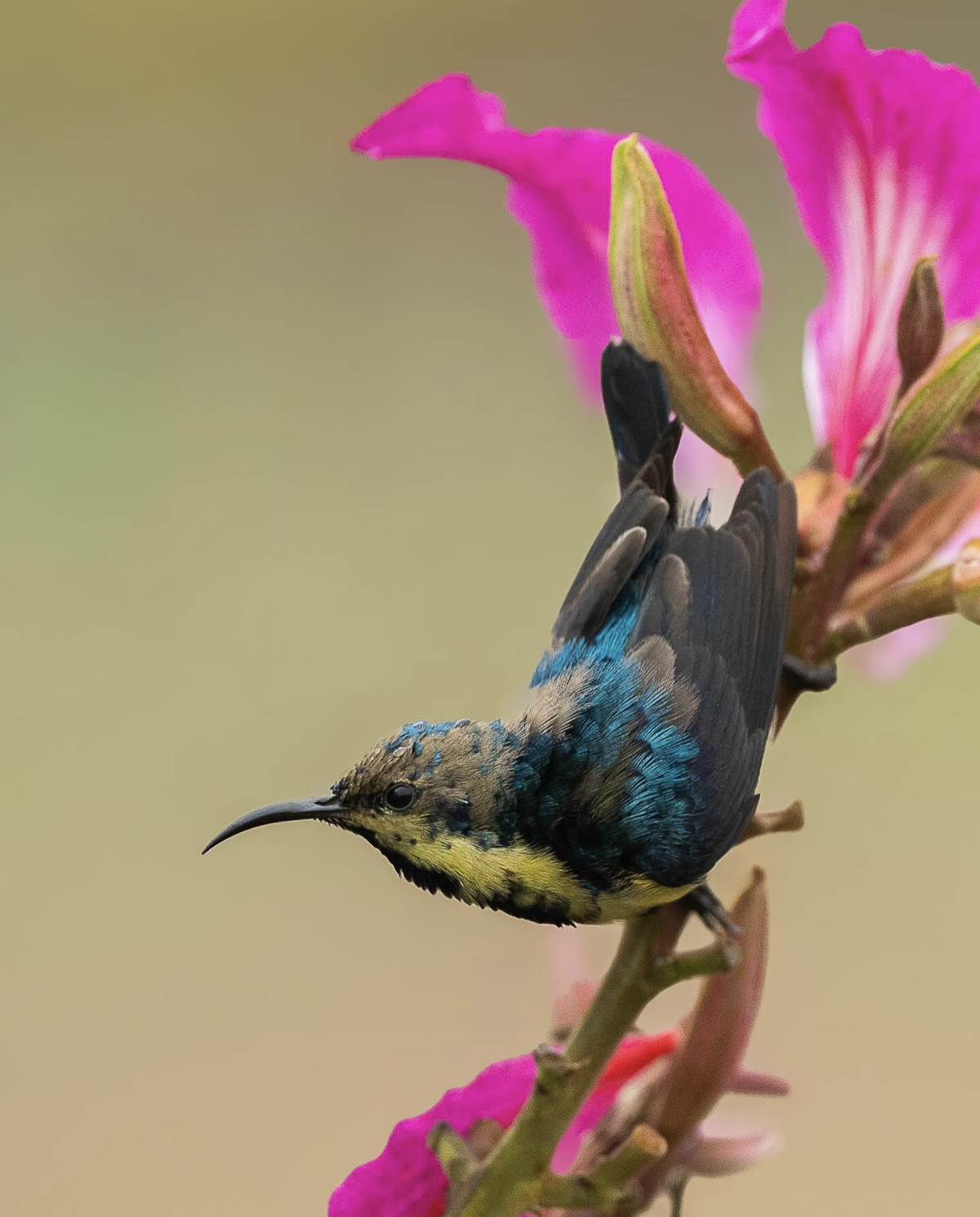
Male
Panna Tiger Reserve, Madhya Pradesh

NW Kimble County, TX
Pacaya Volcano, Guatemala
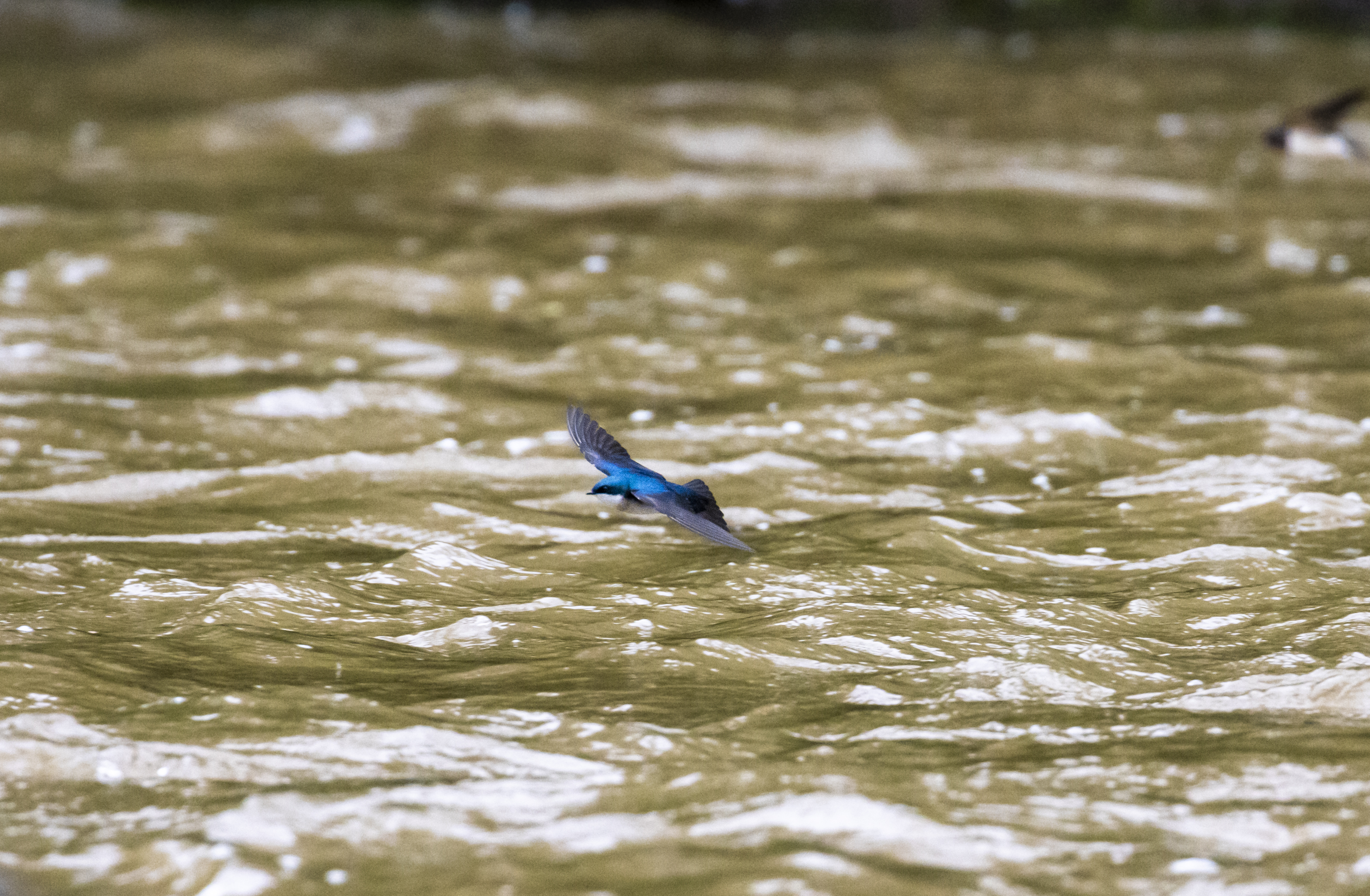
Riverview Park, VA.

Aves & Flórez Lodge, Nariño Department, Colombia
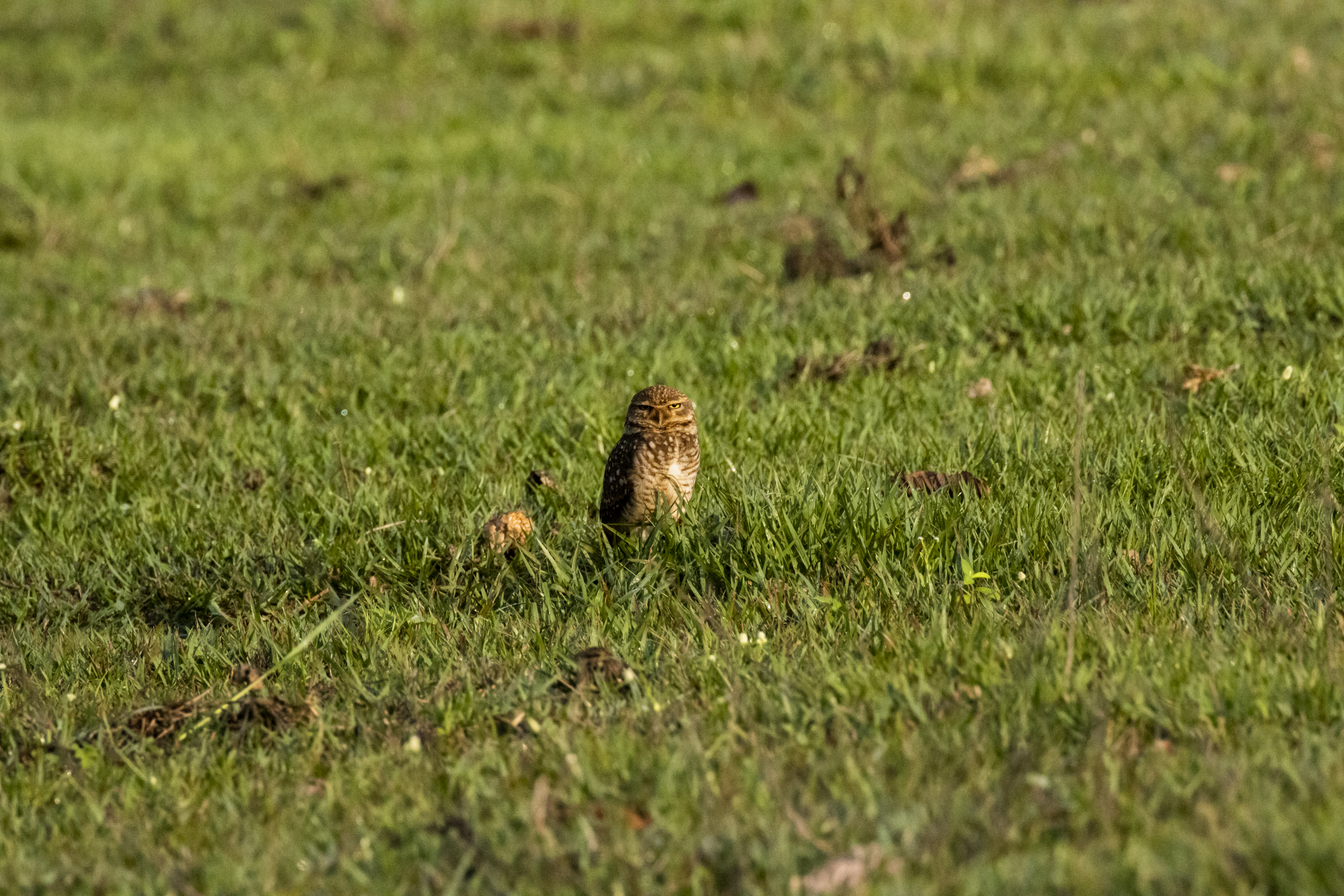
Morro do Aquário, Brazil
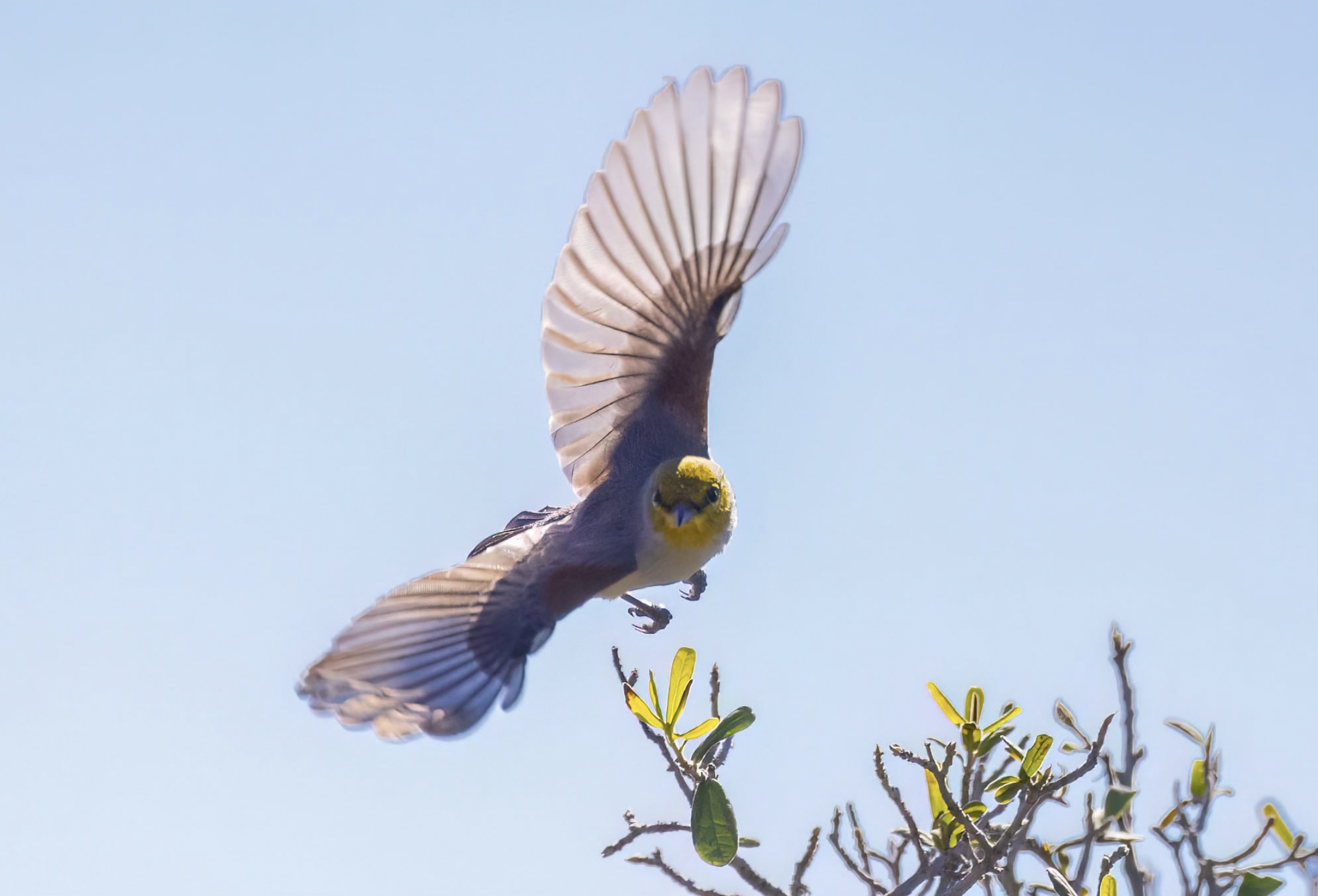 NW Kimble County, TX
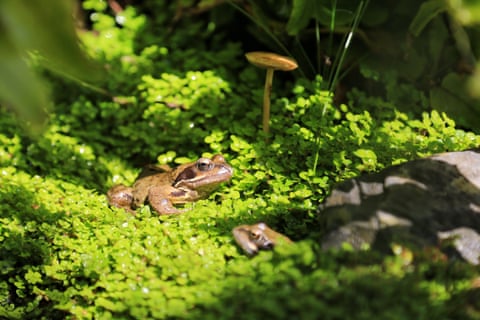
Common frogs and other amphibians will spawn in the most modest of garden ponds. Photograph: Brendan Allis/Getty Images/iStockphoto
There are many variations on the theme of garden as haven in our pages over the years. The common thread is that at the scale of a garden, there is much that the individual can do to support conservation. Thanks to Jules Howard for adding to the theme:
The frogs may be gone, but life goes on: how I regained my faith in gardening for wildlife
Gardens allowed to grow a little wild can be a lifeline for struggling pollinator populations – in rural as well as urban areas. Photograph: kirin_photo/Getty Images/iStockphoto
The extremes of the climate crisis mean it’s harder than ever to provide a garden haven for birds, insects and other animals. Some gardeners are questioning whether trying to do the right thing is time well spent
More than two decades ago, I had the honour of running the world’s last (possibly only) frog telephone helpline. No, this is not a set-up for a punchline. Continue reading

Morro do Aquário, Brazil

The Sycamore Gap tree, a beloved way marker, had grown for centuries along Hadrian’s Wall in England before vandals cut it down last year. Now little shoots have been discovered growing at its stump. Jason Lock/National Trust
When this act of vandalism was in the news last year, it felt terrible but had no meaning. But if the felled tree is giving new life, we must celebrate that:
Tiny Sprouts Spotted at the Stump of the Fallen Sycamore Gap Tree
Gary Pickles, a ranger at Hadrian’s Wall Path National Trail, inspecting the Sycamore Gap tree shoots that recently appeared. Jason Lock/National Trust
Vandals last year chopped down the famed tree, which had stood on Hadrian’s Wall in England for nearly 200 years.
On a fine, bright morning last Friday, just like so many other fine, bright mornings, Gary Pickles took a walk.
Mr. Pickles and a colleague at the site where the tree once stood. Jason Lock/National Trust
Mr. Pickles, a ranger who works at Northumberland National Park in England, just south of the Scottish border, was inspecting a route that wends past Hadrian’s Wall, constructed by the Roman Army in the second century A.D. He walked past the cleft where the Sycamore Gap tree had famously jutted out into the landscape before it was illegally cut down last year, and he bent down to its stump. Continue reading
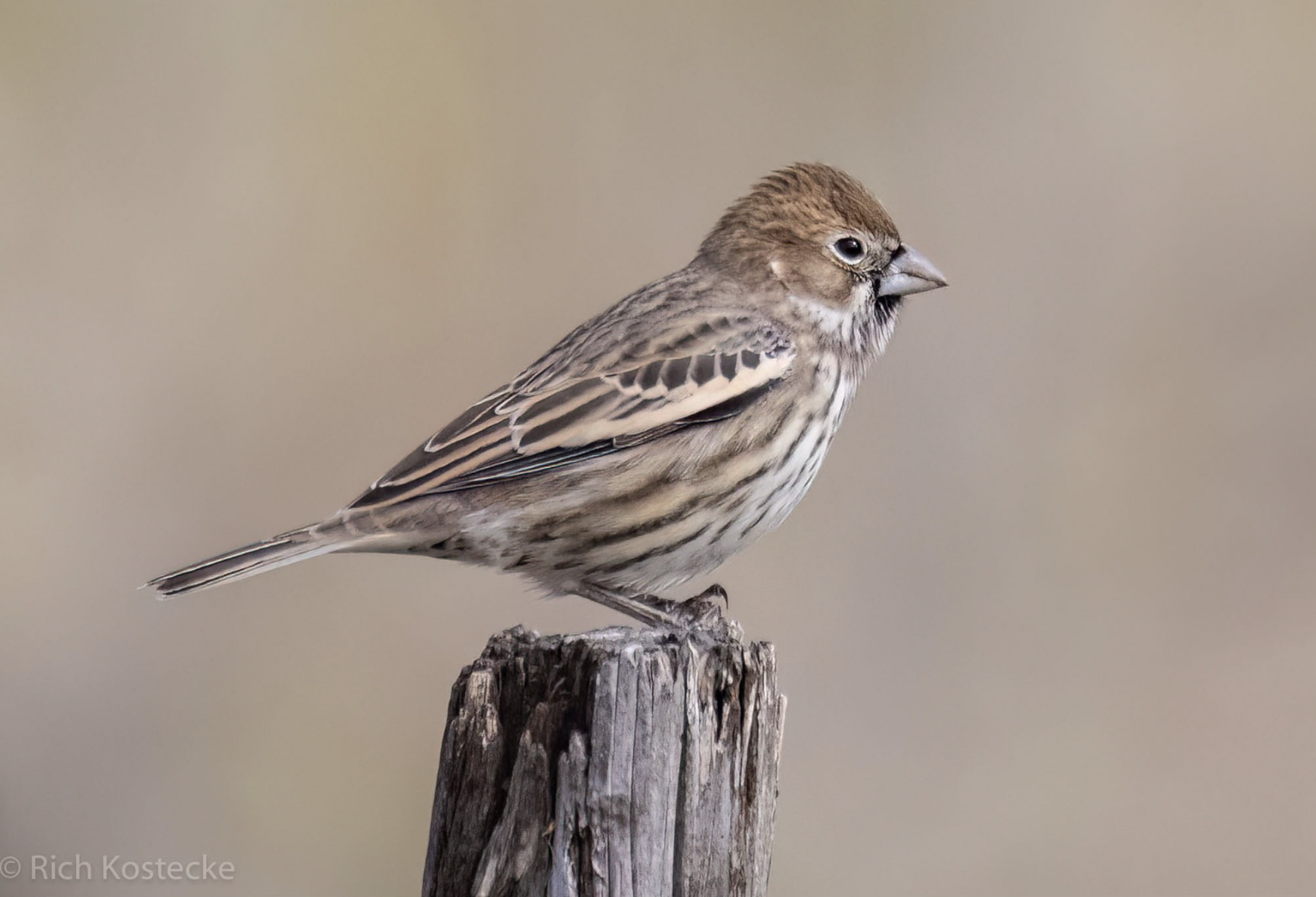
Winter Plumage
Granger Lake, TX

Installation view of “Pacita Abad” at MoMA PS1. From left: “Waiting in Washington” (1990), “Marcos and His Cronies” (1985-1995) and “Subali” (1983/1990). Kris Graves/MoMA PS1
Pacita Abad has not only not appeared in our pages before, but her work was rejected by plenty of institutions who probably should have known better. Now, if given the chance, most of us will choose not to miss the opportunity to experience her work:
Stitch by Stitch, Pacita Abad Crossed Continents and Cultures
The Filipino American artist is having her first retrospective at MoMA PS1 as the mainstream art world finally catches up to her work. “You will regret missing it,” our critic says.
From left, “Oceania Mask (Dancing Demon),” 1983/1990; “Hopi Mask,” 1990; “African Mephisto,” 1981; “Mayan Mask,” 1990; and “African Mask (Kongo),” 1990, on view at MoMA PS1. Kris Graves/MoMA PS1
About a year before she died of cancer, in 2004, at the age of 58, the artist Pacita Abad and a team painted a pedestrian bridge that crosses the Singapore River with exuberant colors and more than 2,000 circles. Surrounded by ho-hum hotels and apartment buildings, it radiates joy. Abad’s work is in museums throughout Asia, and in Manila, where she grew up, the National Museum’s holdings include a painfully lucid 1980 painting of two wary children, Cambodian refugees, holding each other. Continue reading
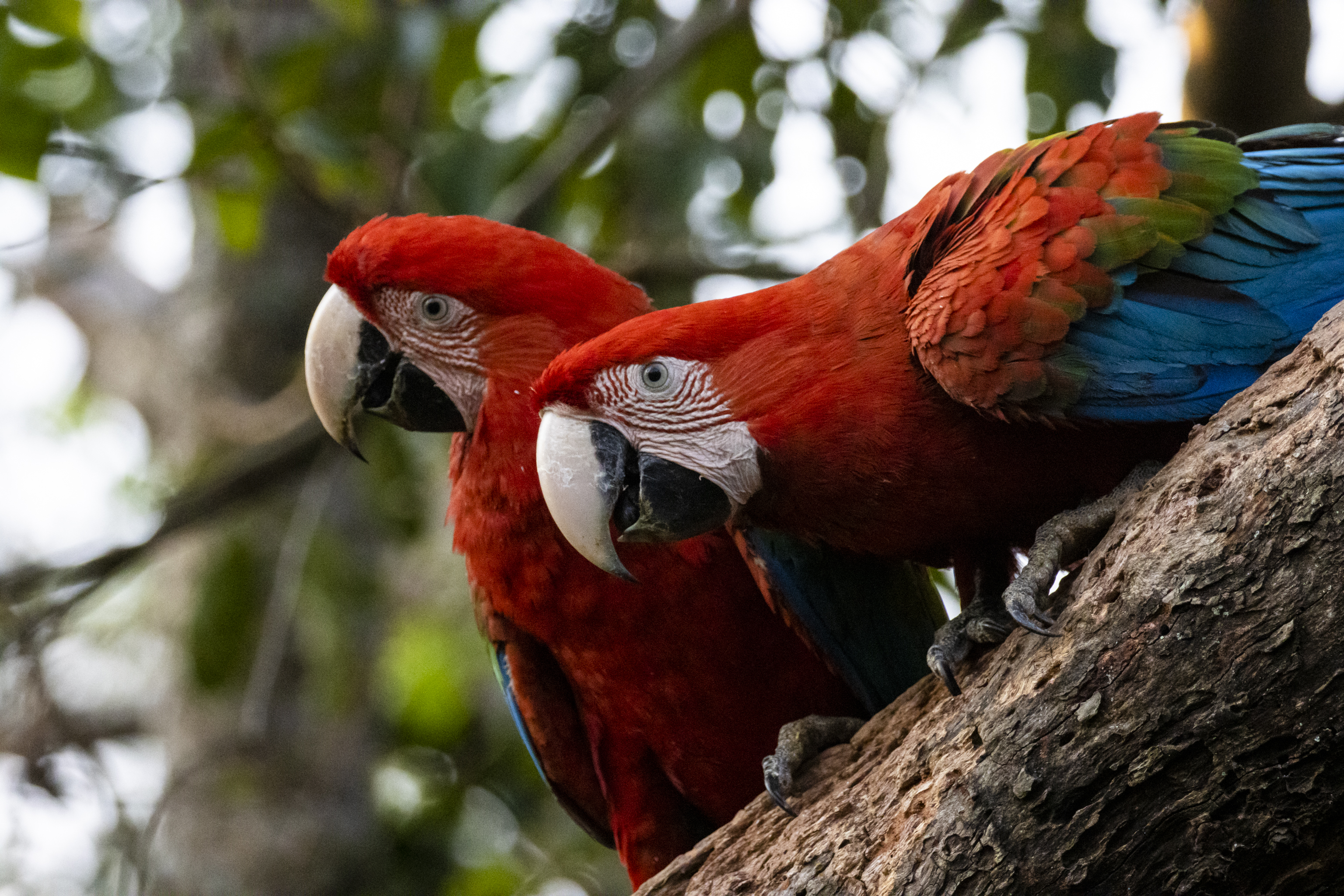
Buraco das Araras, Brazil
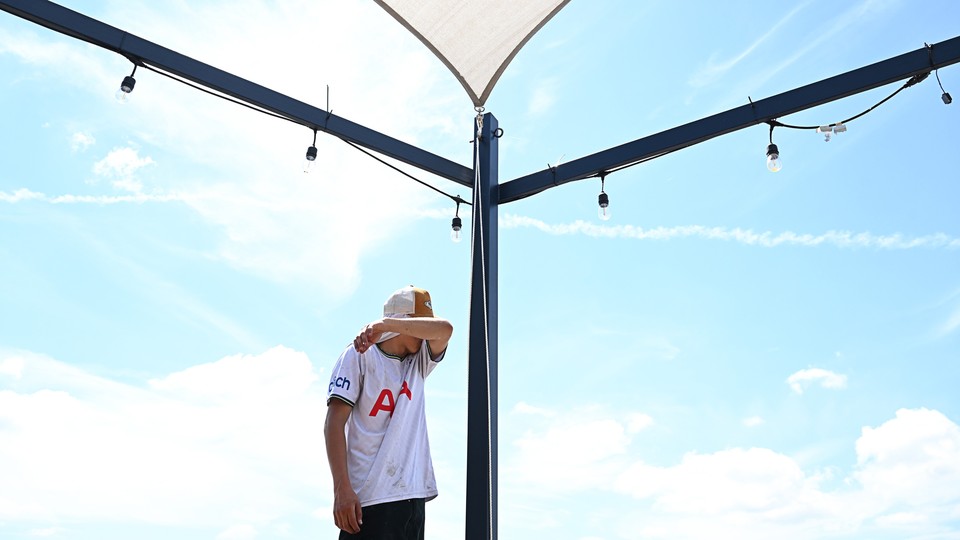
Matt McClain / The Washington Post / Getty
The science writer Emma Marris, here featured in The Atlantic, first came to our attention in a passing mention ten years ago, then again in full force six years ago. Whether or not you live in an urban area, you likely depend on urban areas for some part of your livelihood so her essay may be of interest:
Trees are nice and all, but they’re not enough.
On a 92-degree Saturday afternoon in Portland, Oregon, I went looking for shade in Cully Park, which was built on top of an old landfill and opened in 2018. The city included plenty of trees in the design—I mean, this is Oregon. Continue reading

Juvenile – Leander Khil Photography
Lake Neusiedl, Austria
 Adam Moss has not appeared in our pages until now. Given that we lean on publications that he was the editor of, especially The New York Times Magazine, it is one reason to pay attention to this review of his new book. At The New York Times he oversaw the Magazine, the Book Review, and the Culture, and Style sections, and before that edited Esquire, all of which led to his being elected to the Magazine Editors’ Hall of Fame in 2019.
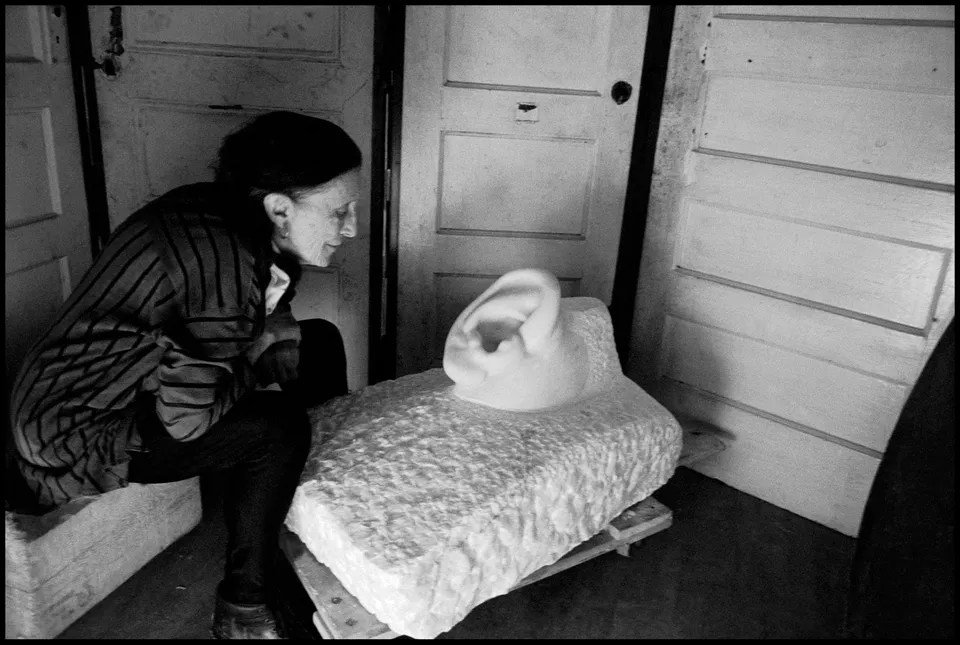
Photograph by Inge Morath / Magnum
The review of his book is paired with that of another, both of which enlighten on the topic of sustaining creativity over a long period. Our thanks to Alexandra Schwartz at The New Yorker for this:
The creative life is shrouded in mystery. Two new books try to discover what it takes.
Louise Bourgeois loved to work, and she loved to talk. She especially loved to talk about her work. In the 2008 documentary “Louise Bourgeois: The Spider, the Mistress and the Tangerine,” directed by Marion Cajori and Amei Wallach—you can watch the whole thing on YouTube, isn’t that great?—she answers questions as she chisels and draws and violently wrings scraps of material as a butcher might wring a chicken’s neck. “It is really the anger that makes me work,” she says. She has just been discussing her governess, the despised Sadie, an Englishwoman who carried on an affair with Bourgeois’s father for ten years while she lived in the family home.
“All my work of the last fifty years, all my subjects, have found their inspiration in my childhood,” Bourgeois adds. Continue reading
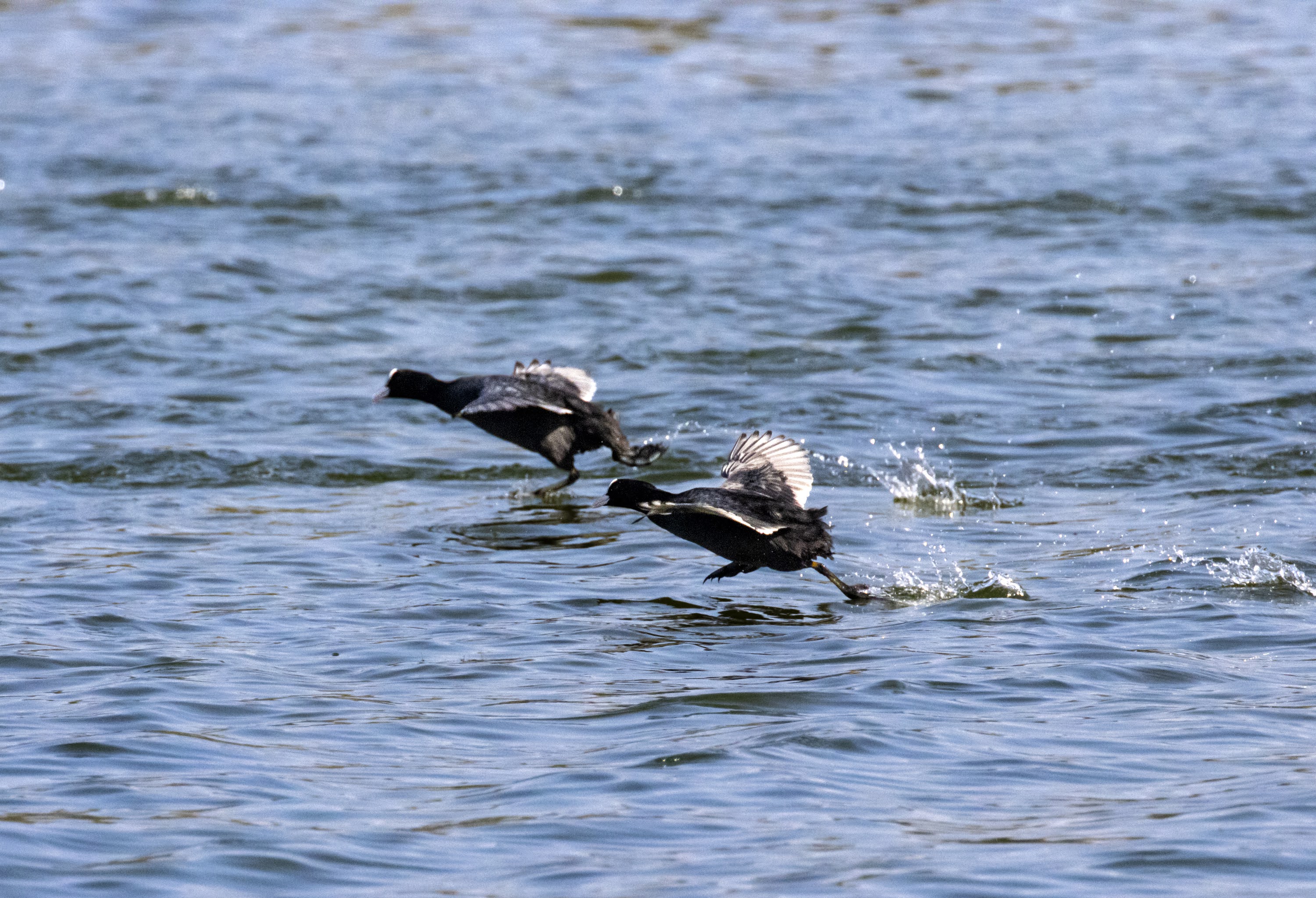
Schinias, Greece
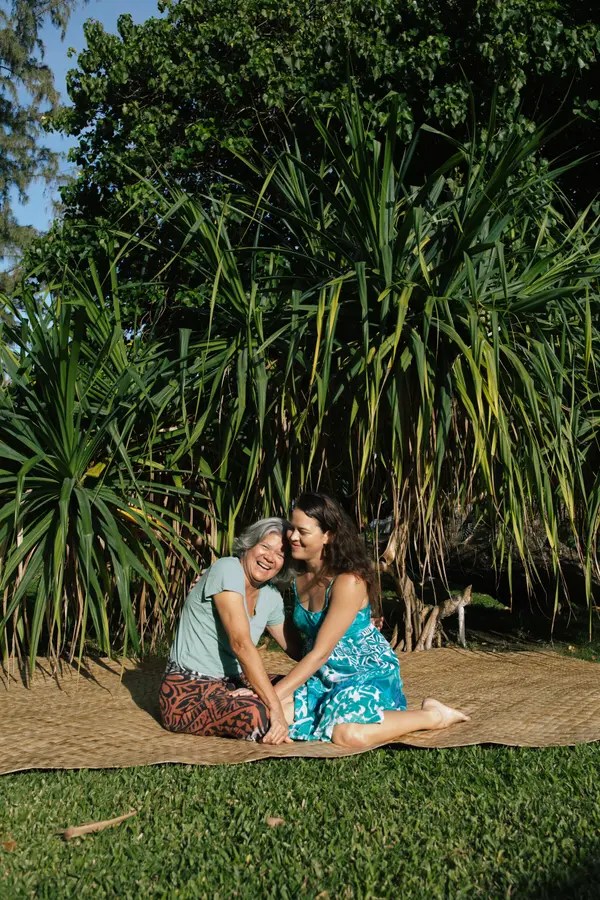
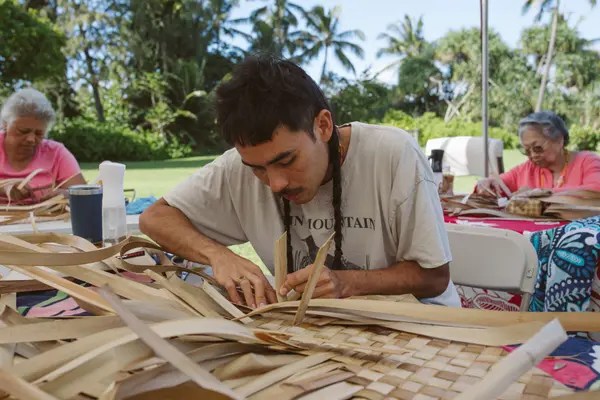
Emma Broderick, right, and her mother, Maile Meyer, under a pu hala tree on Oahu, a touchstone of Hawaiian culture. Its leaves are used to weave mats like the one they are sitting on. “To be a weaver is to be a healer,” said Broderick, whose group passes on ancestral knowledge about weaving and other practices. Daeja Fallas for The New York Times
Traditional weaving was a means to achieve our goal of strengthening biodiversity in our final work in Kerala. It is heartening to see handicraft coming back to life in Hawaii for other reasons:
In Hawaii, Weaving New Life Into a Nearly Vanished Art Form
The age-old practice of turning tree leaves into mats has been revived on the islands. “It teaches you how to weave relationships, past and present,” one master artisan says.
Just past daybreak, before they began to weave, Emma Broderick and her mother, Maile Meyer, gathered beneath a canopy of sinuous leaves to greet the pū hala tree, a touchstone of Hawaiian culture that for generations has provided the raw materials for weaving moena, the traditional floor mats that were once ubiquitous in Hawaiian homes.
Kainoa Gruspe, one of the young weavers who joined the group. Preparing the lau is laborious and begins by ridding the leaves of ants and centipedes before cutting, smoothing and drying. Daeja Fallas for The New York Times
Broderick introduced herself to the tree, with its lattice of stilt-like roots, addressing it as she might a loved one. “Of course, flattery never hurts,” she said. She had a pink plumeria blossom with an intoxicating aroma tucked behind her ear.
“You want to come with me?” she asked the tree, seductively. “Would you like to live in a house and be in a mat?” Continue reading