
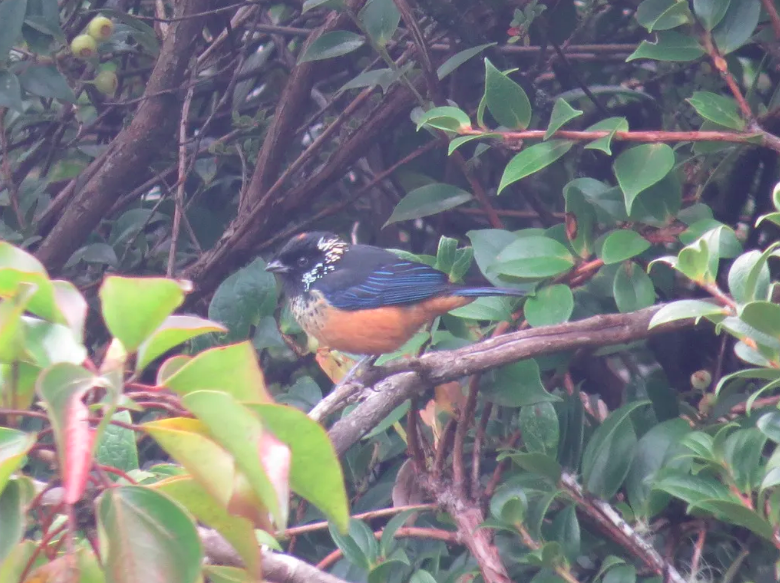
male – Nilgiris, Ooty, Tamil Nadu
male – Nilgiris, Ooty, Tamil Nadu
 Shame on me for waiting until today to finally do it. I started hearing one year ago from friends and family about why they had decided to stop using Uber. But Uber was just then ramping up in Kerala, India and I found it compelling enough to abandon car ownership. When I saw the details recently on what a creep Uber’s founder and largest shareholder is, that should have been enough. But, it was this article that finally compelled me. Thanks to the New York Times reporter Kevin Roose for the perspective:
As Uber Stumbles, Lyft Sees an Opening, and Bites Its Tongue
It has been a rough, scandal-filled year for Uber. But don’t expect John Zimmer, Lyft’s president, to gloat about his competitor’s misfortunes. Continue reading

Click above for 26 minutes of intelligent contemplation. Neuroscience meets environmentalism. He was a New York Times science writer, then the author of one of the most influential nonfiction books of recent decades. Now, he is the gift that keeps on giving:
One way a systems perspective could help with the environmental crisis is through understanding that we have a very narrow range of affordances, the choices presented to us. Continue reading
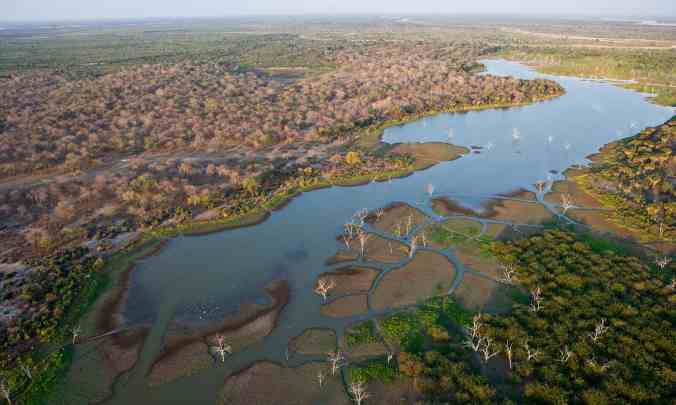
There is no known vaccine against temptation to harness nature. There is not enough nature left on the planet to allow this temptation to spread. But bad ideas are infectious:
Tanzania presses on with hydroelectric dam on vast game reserve
Stiegler Gorge dam on the Selous park, a world heritage site listed as ‘in danger’, will cause irreversible damage, say conservationists Continue reading
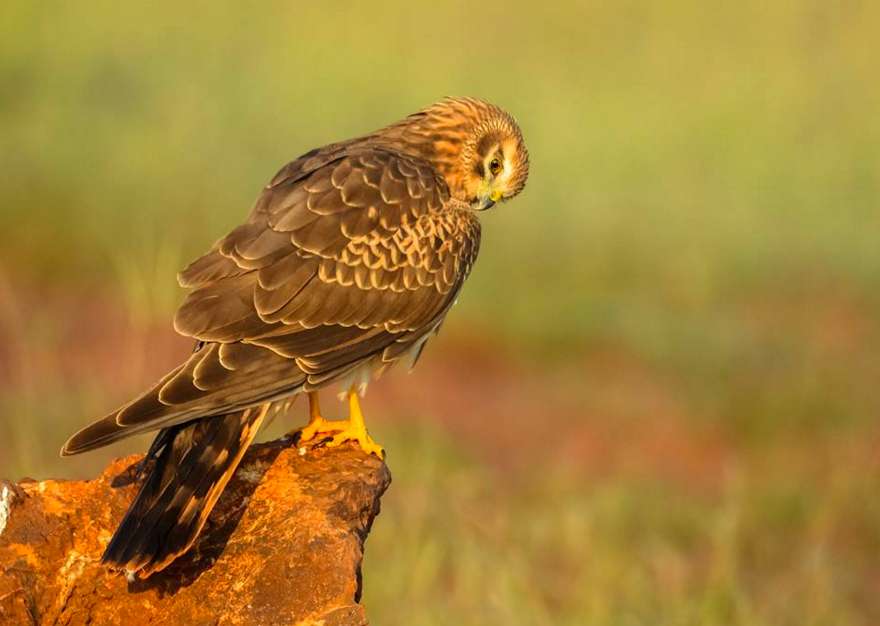
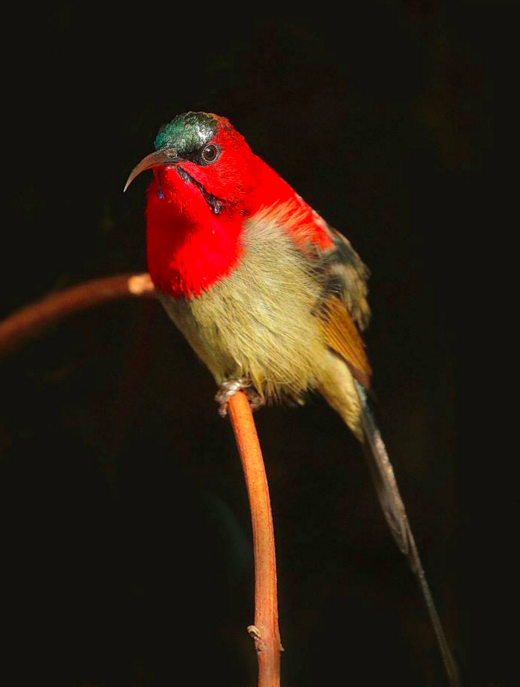
female – Bengaluru Outskirts, Karnataka

The Majestic Yosemite Hotel in Yosemite National Park. The facility had to be rebranded after a private concessionaire trademarked the previous name and common phrases like “Yosemite National Park.” Photograph: Handout
We have seen this movie before. It does not end well:
As Trump moves to privatize America’s national parks, visitor costs may rise
Some are concerned that the proposed privatization of some public park services would drive up costs for visitors and fail to raise enough for repairs Continue reading
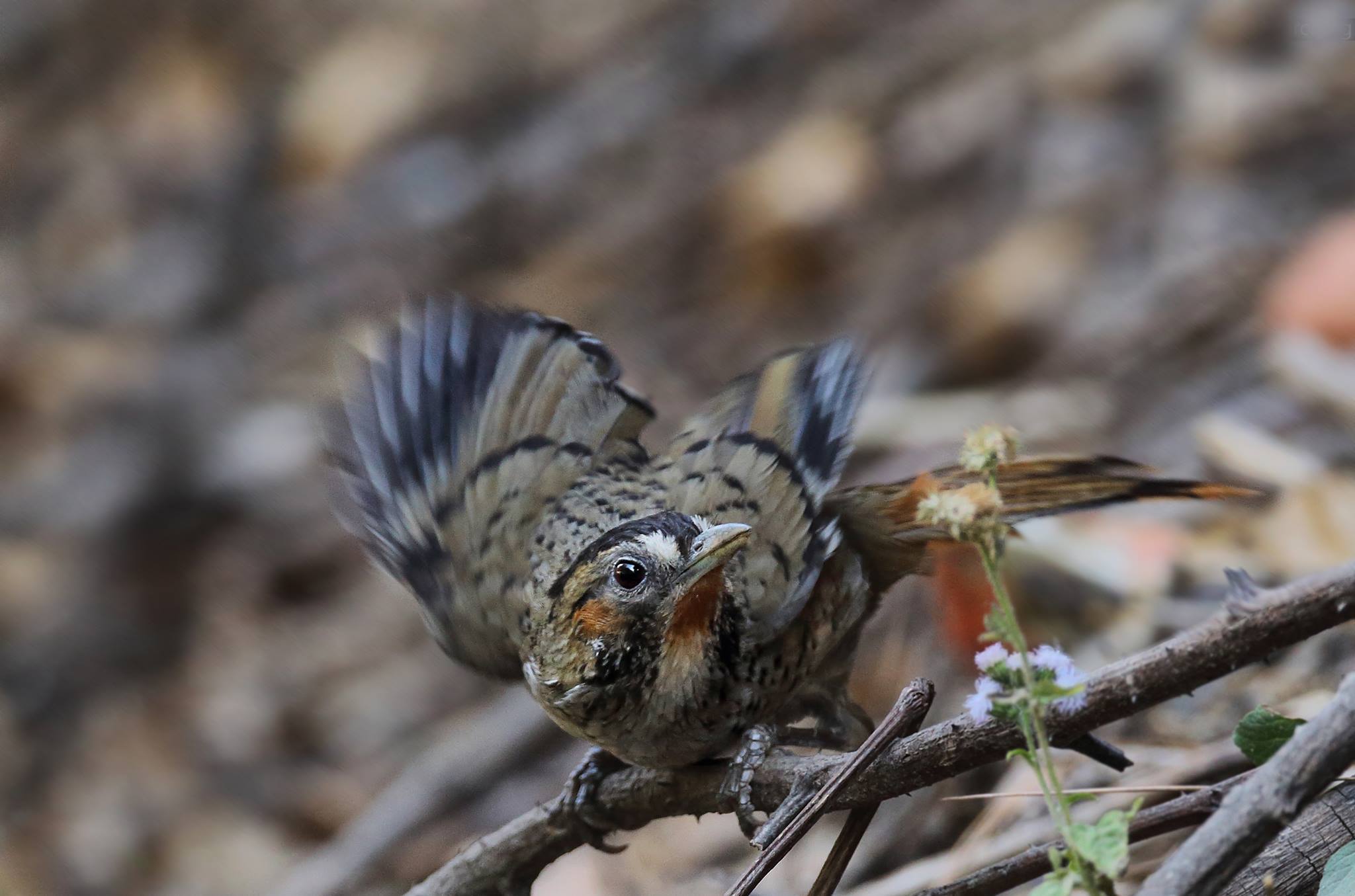
Jageshwar, Uttarakhand

Mangroves play an essential role in maintaining healthy life on earth, and we’ve been privileged to work in many locations where we’ve seen their impact on biodiversity levels first-hand, including India.
Frequently these ecosystems are under threat of habitat loss, whether for agricultural or land development. Thanks again to Anthropocene for adding up the facts in such clear terms.
Intact mangroves worth twice as much as rice paddies
Conservationists frequently say that ecosystems are worth more when they’re left untouched. But to whom? Local communities who could potentially farm the land might wonder, what’s the real benefit of leaving wild areas intact?
In the Bhitarkanika mangrove in Odisha, India, a group of Indian researchers grappling with this question have arrived at a surprising answer. By leaving the mangrove intact, they say, Bhitarkanika’s surrounding communities can in fact reap almost double the economic benefits they’d get from simply converting the mangrove to crops. Continue reading
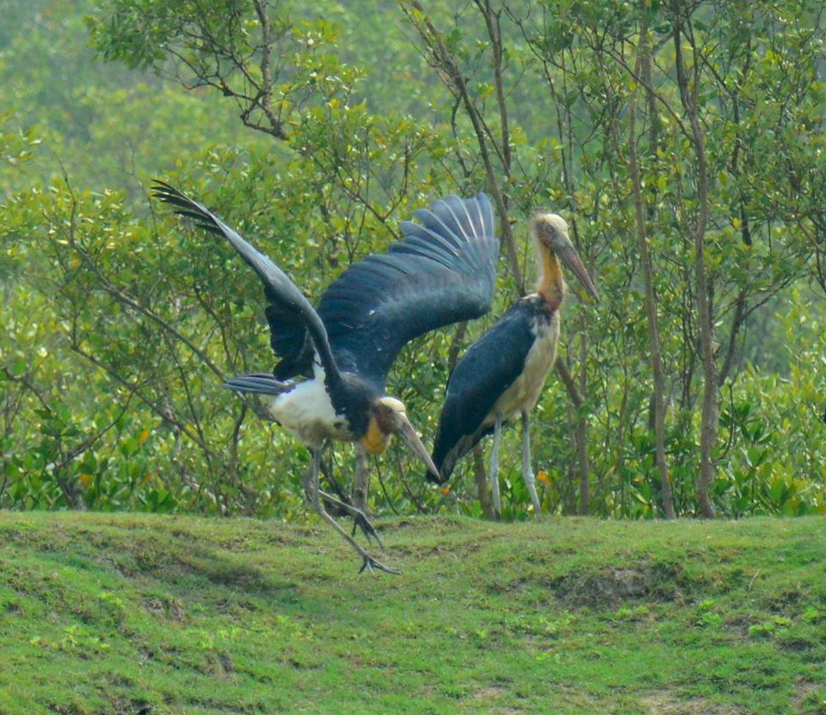
Sunderbans National Park, West Bengal
Back in August, I shared a short video of this behavior that didn’t do the phenomenon justice. Now, with a couple months of filming opportunities behind me, I’ve been able to put together a much more satisfying compilation of jumping behavior footage:
My previous video of mobula rays jumping Continue reading
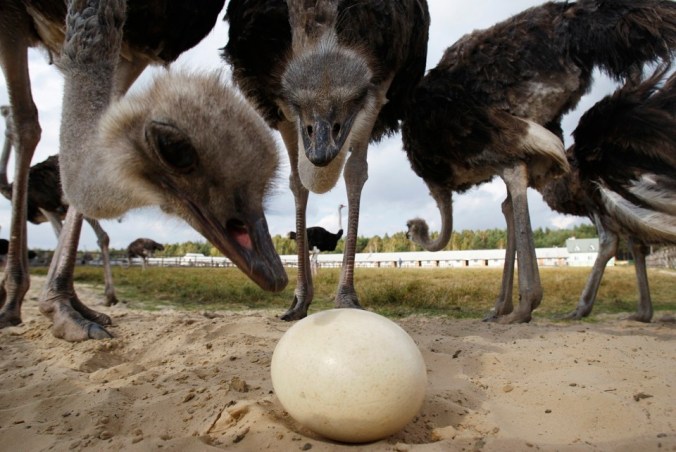
Egg-scuse me?
Thanks as always to Ed Yong:
Why Are Bird Eggs Egg-Shaped? An Eggsplainer
A new study points to a surprising reason for the varied shape of bird eggs—and shows that most eggs aren’t actually egg-shaped. Continue reading

Deilephila elpenor, commonly called the elephant hawk-moth, has specialized eyes that don’t reflect light. Such moths inspired scientists to invent an anti-glare coating for smart screens. Ullstein Bild/Getty Images
We have lots of reasons to believe in biodiversity, and here is one more important case in point. Thanks to Madeline K. Sofia at National Public Radio (USA) for this:
If you’re standing in the blazing sun struggling to read this on your cellphone, there may be some relief in sight.
And you’ll have a moth to thank. Continue reading
Barva Volcano, Costa Rica
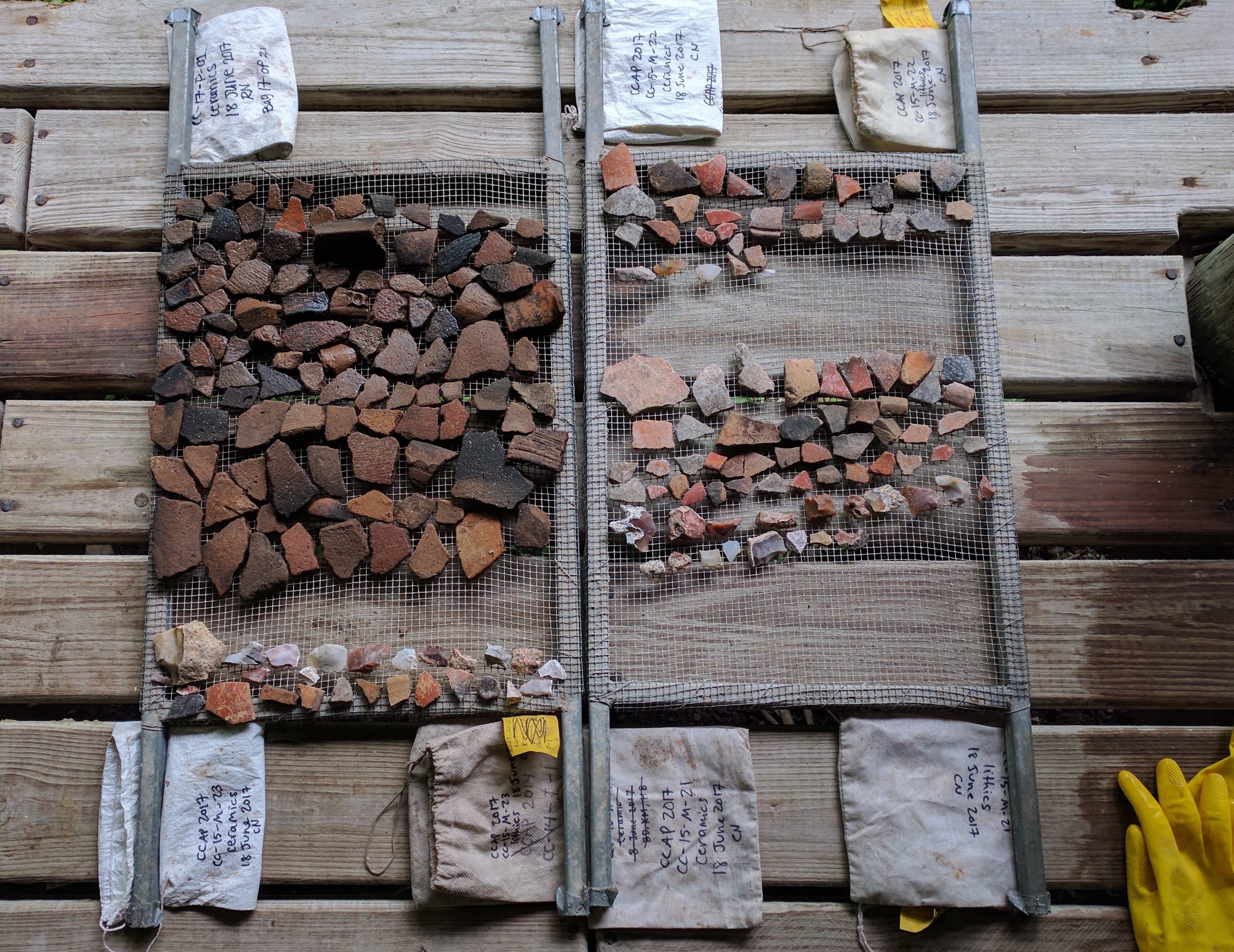
Much of the scientific rigor involved in archaeology is related to the careful documentation of what often appears to be a proverbial needle in a haystack: tiny flakes of chert stone, potsherds, or obsidian can be found in the layers (or lots) of a dig unit.
In this tropical environment we’re dealing with wet, loamy earth, so those stone or pottery fragments are frequently covered in mud, and who better to clean much of these items than interested novices. Continue reading

Anthony Blair Dreaver Johnston, a Mistawasis Nehiyawak elder, works closely with the university to advise on indigenous matters. Credit Cole Burston for The New York Times
The New World, as the Americas are often called, was new to the Europeans–aka explorers, pilgrims, pioneers, settlers, colonialists, conquistadors–but of course was the long time homeland to a diverse mix of indigenous people from the very north of the hemisphere all the way down to Tierra del Fuego. Continue reading

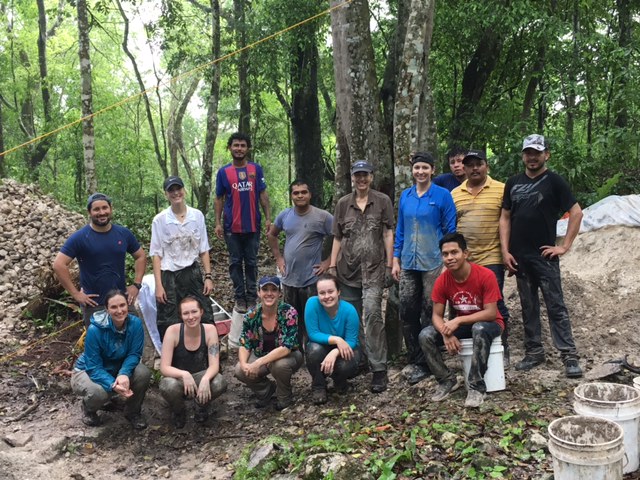
Day #2 at CCAP began with the same sense of camaraderie as Day #1 as we continued the process of clearing out topsoil, clipping roots, hauling soil and stone, and yes, working on walls. Each conversation with the team was informative, as we discussed the upcoming step of closing out the “lot” we’d started and opening the next one of the unit – basically as we approached the change-over of levels for the precise documentation required at an archaeological dig.
We were quite close to that point when we stopped work for lunch, returning with high energy to move on to the next stage. But it’s green season in Belize, and Mother Nature had other plans for the day. Continue reading

Oliver Munday
Mark Twain called it the Gilded Age. In his period there was plenty of reason to be concerned about monopoly powers, especially those of railroads. Echoes in the present day, of reasons to be concerned about the same, seem to be getting louder and clearer. We have shared concerns about Amazon in the past. Those were mostly little creepy concerns. But little creepy things sometimes grow big. Sometimes Amazon big. Thanks to Lina M. Khan, a legal fellow with the Open Markets Program at New America and the author of “Amazon’s Antitrust Paradox,” recently published by the Yale Law Journal. She has made clear, in a concise essay, exactly what we need to be concerned about with Amazon.
…For consumers, so far, Amazon has delivered many benefits. Its Prime program enables users to receive, through a click, almost any item within two days. But for producers — those who make and create things — Amazon’s dominance poses immense risks. Continue reading

On the solstice, every point north of the Arctic Circle sees at least twenty-four hours of continuous sunlight. In Deadhorse, Alaska, the sun rose on May 15th and won’t set again until July 28th. Photograph by Alamy
On This Summer Solstice, Be Glad You Live on Earth
Today is the longest day of the year—in the Northern Hemisphere, anyway. Fifteen hours and forty minutes of daylight in New York. Seventeen and a half in Copenhagen and Moscow. Twenty-one and change in Reykjavík. Twelve hours, eight minutes, and twenty-four seconds in Kampala, just north of the equator. (The day will be one second shorter there starting next week.) The solstice is the one day when every point north of the Arctic Circle sees at least twenty-four hours of continuous sunlight, Continue reading
 Organikos