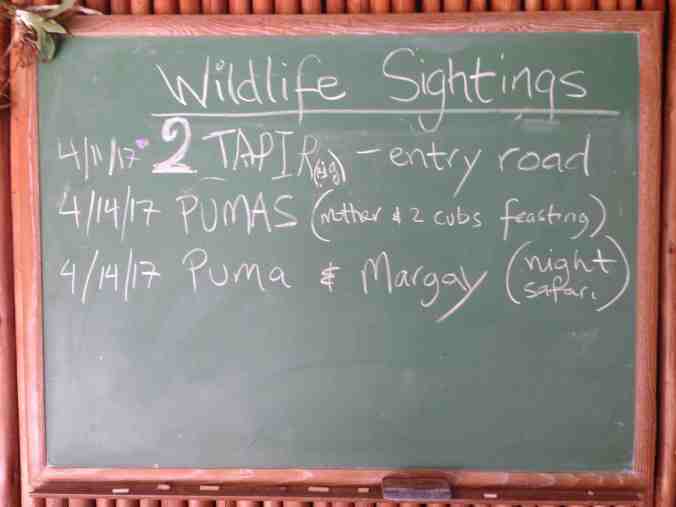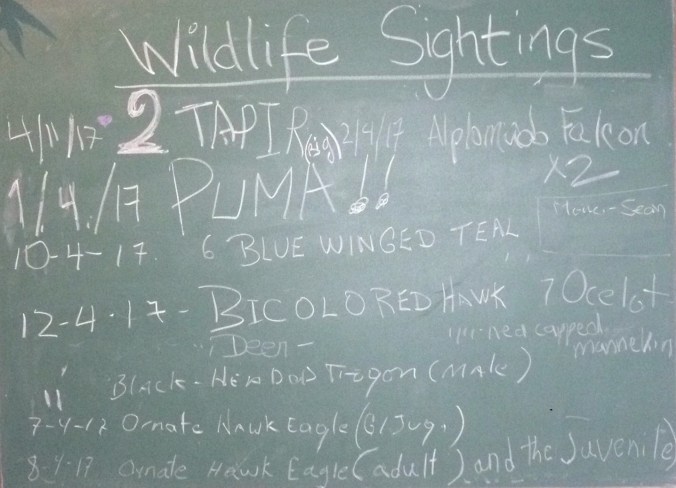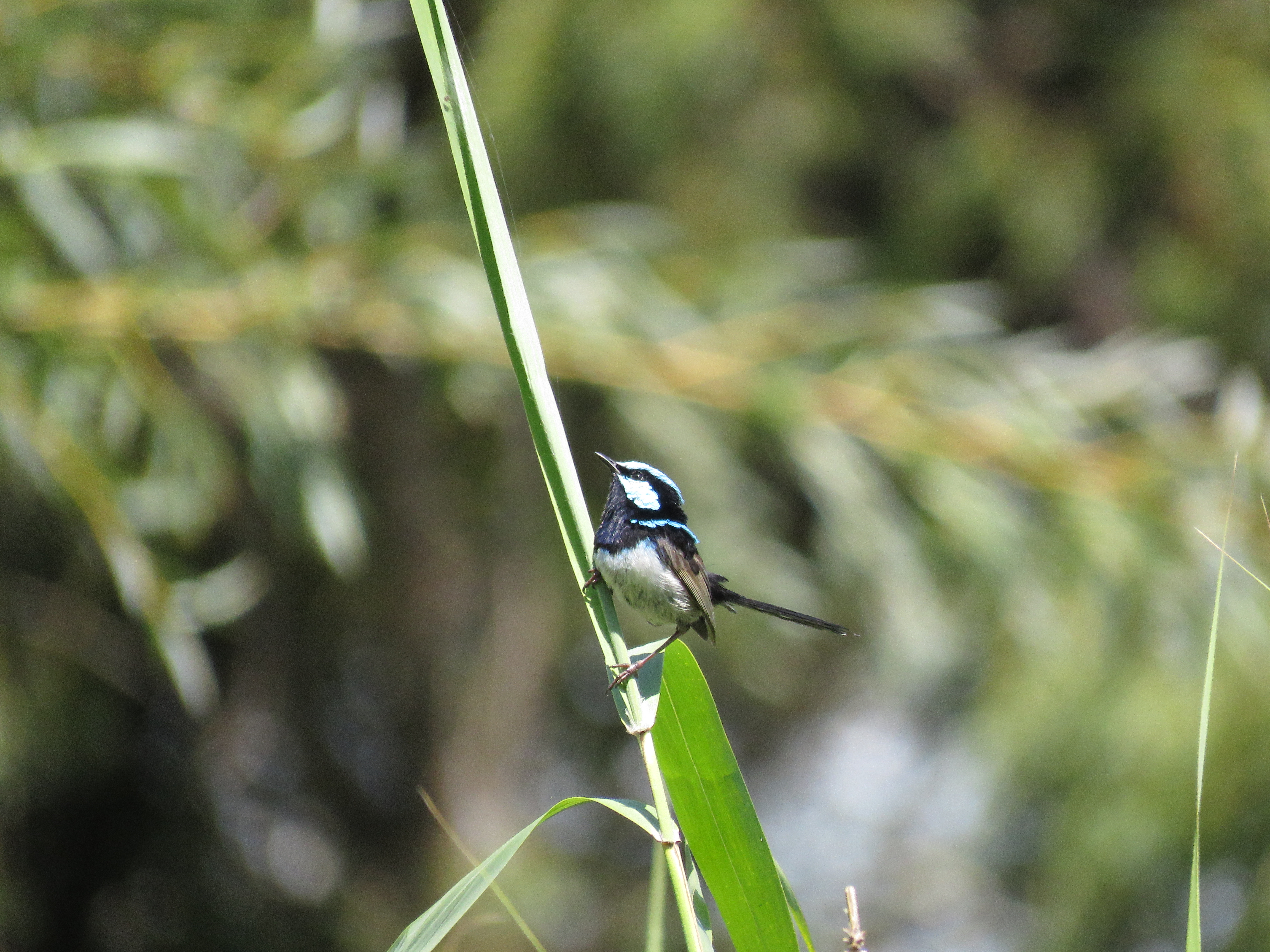
Margay Sighting @ Chan Chich Lodge

IMG_7014

Persistence does not always pay off. But, it is often a great trait for its own sake. We all admire people who set out to do something, and stick with it long after there is reason to continue hoping for that something. And, if you are like me, you cheer the underdog, hoping they will at the very last minute get that something. Continue reading

Dismantling Protection, Effectively & Efficiently

Kolbert-earth-day-trump-1200.jpg

How is it that an Administration as disorganized as Donald Trump’s has been so methodical when it comes to attacking the environment? PHOTOGRAPH BY JOE RAEDLE / GETTY

I committed myself to not name the name, because it adds fuel to a flame that is already out of control. But if you have read any of the posts in our model mad series the name is clearly implied.  Plenty of others name so well that it is best just to link their work. One of the best namer of names when it comes to our environment, and failure to protect it, is Elizabeth Kolbert. She occasionally points out that we do not simply fail to protect, but willingly allow the named to dismantle critical protections. We are sadly impressed that Dame Doomsday doesn’t disappoint with her latest contribution:

Next week, millions of Americans will celebrate Earth Day, even though, three months into Donald Trump’s Presidency, there sure isn’t much to celebrate. A White House characterized by flaming incompetence has nevertheless managed to do one thing effectively: it has trashed years’ worth of work to protect the planet. As David Horsey put it recently, in the Los Angeles Times, “Donald Trump’s foreign policy and legislative agenda may be a confused mess,” but “his administration’s attack on the environment is operating with the focus and zeal of the Spanish Inquisition.” Continue reading

WhaleCam, Antarctica

WhaleCam.jpg

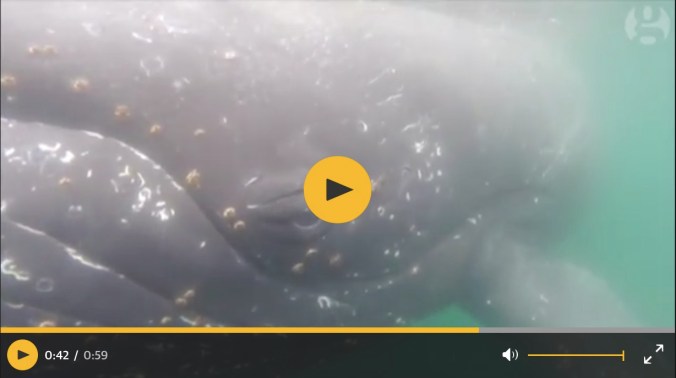
While fish were surf-spawning in California, the Guardian was sharing this footage from way down south:

The World Wildlife Fund released this footage filmed in March 2017 that shows the view from a camera attached to a whale in Antarctica. Scientists used suction cups to attach cameras to humpback and minke whales, revealing new feeding habits and their social lives. The data gathered will be used to protect whales and their ecosystems

Tapir Encounter @ Chan Chich Lodge

IMG_7001

Over the last couple weeks we have had a pretty full range of the animals guests most hope to see. Although the jaguars have been elusive, puma and ocelot have been wandering the nearby forests allowing occasional sightings. But we can guess the jaguar are there because of this:

IMG_6994 Continue reading

Surf Spawning Spree

14GRUNION1-master675

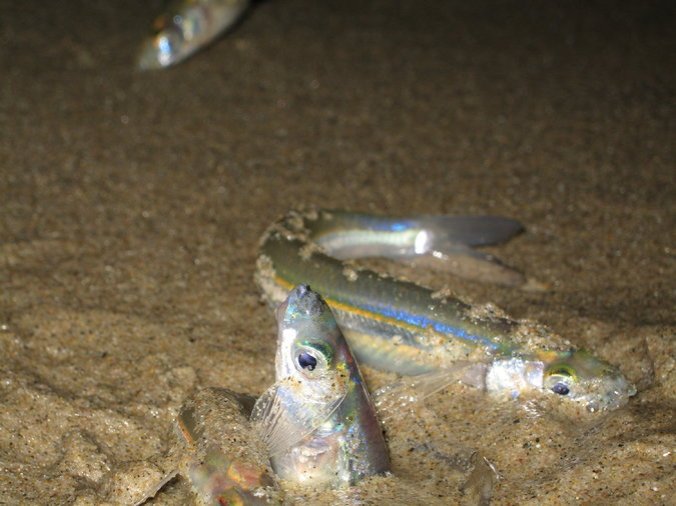
Female grunions twist their bodies tail first into the sand and lay 2,000 to 3,000 eggs, which males then fertilize. Credit Doug Martin

Thanks to Joanna Klein and the Science section of the New York Times for this explanation of a full moon mating phenomenon:

Silver Fish Surf the Waves to Spawn on California Beaches

Every year, thousands of little fish ride waves onto Southern California’s beaches at night to lay and fertilize eggs. High up in the sand, they squirm, wriggle and wrap around one another. As they dance beneath the moonlight, the beach transforms into a twinkling tapestry of spawning silver bodies. It’s known as the grunion run, and within a few hours, the show is over. Continue reading

Biophilia Bathing

“In every walk with Nature one receives far more than he seeks.”
― John Muir

Muir has long been a muse for many on this site, as we ponder the concept of Biophilia and the power of nature in our lives. We are motivated to work on conservation initiatives for plenty of reasons, including our belief in the link between wellbeing and a fix of nature. From bonsai, bamboo fountains and the meditative sand raking in Zen gardens, the Japanese have a long cultivated the restorative forces of natural elements, so their embrace of forest bathing is no surprise…

The Japanese practice of ‘forest bathing’ is scientifically proven to be good for you

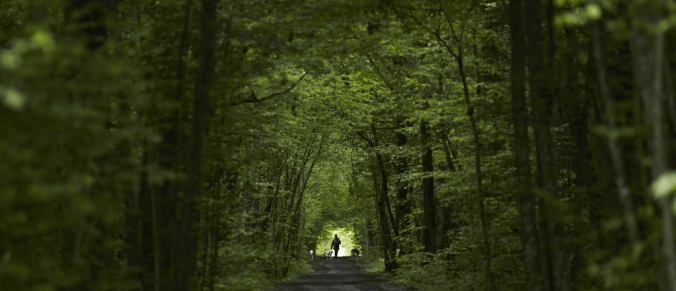
The tonic of the wilderness was Henry David Thoreau’s classic prescription for civilization and its discontents, offered in the 1854 essay Walden: Or, Life in the Woods. Now there’s scientific evidence supporting eco-therapy. The Japanese practice of forest bathing is proven to lower heart rate and blood pressure, reduce stress hormone production, boost the immune system, and improve overall feelings of wellbeing. Continue reading

From Ew To Wow, To OMG

kudzu-mycosis-2_custom-2ee2a5c50549200b13075d6d13d1fb17f69936fd-s1400-c85.jpg

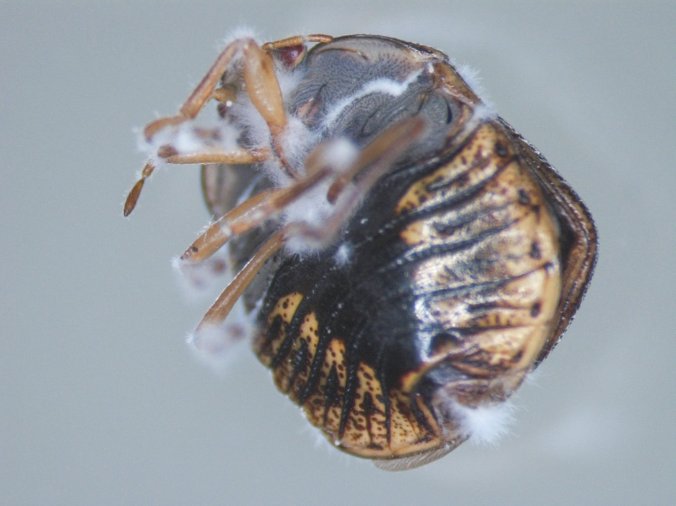
When it comes to biopesticides, one of the most widely used fungi is Beauveria bassiana. Above, a kudzu bug killed by Beauveria bassiana, seen growing out of the cadaver. Courtesy of Brian Lovett/University of Maryland Entomology

Thanks to the salt, at National Public Radio (USA) for their sharing the creepy- crawliest news from the realm of mycologists working on clean solutions to some massive, dirty challenges, and changing the rules of pest management along the way:

Fungal Pesticides Offer A Growing Alternative To Traditional Chemicals

When it comes to biopesticides, one of the most widely used fungi is Beauveria bassiana. Above, a kudzu bug killed by Beauveria bassiana, seen growing out of the cadaver. Continue reading

Footprint Improvements

Footprint

Believe it or not, there is some good news out there on the carbon footprint trail. Thanks to Mathis Wackernagel, whose work I have appreciated even without posting more since 2011, and to his whole team for sharing this:

Ecological Footprint Explorer Open Data Platform Launches April 5, 2017

The US per capita Ecological Footprint dropped nearly 20% during the last eight years of available data (2005 and 2013), a total reduction that matches the entire Footprint of Germany. Continue reading

No Forestry? No Way

IMG_3736-1260x708.jpg

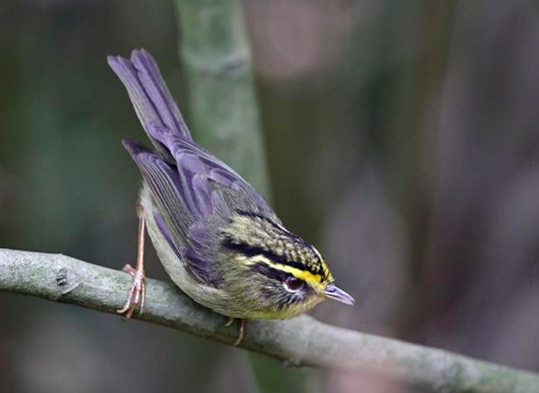
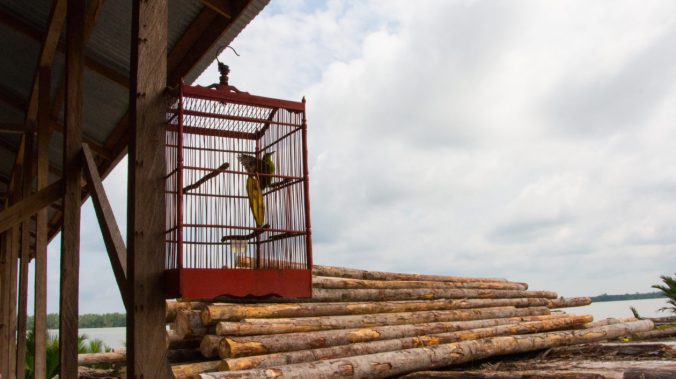
A caged songbird overlooks a logging yard in East Kalimantan, Indonesia. Photo © The Nature Conservancy (Justine E. Hausheer)

Thanks to Justine E. Hausheer for Modeling Logging’s Impacts on Biodiversity & Carbon in a Hypothetical Forest over at Cool Green Science:

Tropical forests are widely celebrated for their biodiversity and increasingly recognized for their carbon sequestration potential. But what’s less often acknowledged is halting logging entirely will make climate change worse, as wood is one of the most sustainable building materials.

So how can conservationists help nations meet the demand for wood products and protect forests, while minimizing both biodiversity loss and carbon emissions? Continue reading

Wolf Wars Waning

wolf-and-sheep.jpg

In 2007, a family of wolves in Idaho’s Sawtooth National Forest killed nine sheep. Ranchers who owned the sheep asked government wildlife managers to kill the wolves; but local wolf supporters and conservationists protested, asking instead for a non-lethal solution. So began what became the Wood River Wolf Project, a landscape-scale, multi-year experiment in how ranchers, livestock, and wolves can live together peacefully. Continue reading

Democratizing Coffee Consumption

12COFFEE3-master675-v2

Tony Konecny, the head of coffee operations at Locol, outside the branch in the Watts neighborhood of Los Angeles. CreditEmily Berl for The New York Times

We have no reason to debate the logic of a more reasonably priced cup of quality coffee:

Has Coffee Gotten Too Fancy?

By

LOS ANGELES — The $1 cup of coffee is divisive, as drinks go.

For some, it’s a staple of the American morning: a comforting routine, a good deal. Anything that costs more than $1 is needlessly expensive, a waste of money — the coffee from a deli, diner or doughnut cart is all you need to start the day. For others, the $1 cup is suspiciously cheap. Maybe it tastes bad, or its production does harm to the land and is unfair to laborers. If you have to pay more, then that is probably a reflection of a drink’s true cost. Continue reading

Family, Editorializing, Persistence

962.jpg

A front page screen shot of Iowa’s Storm Lake Times, which has won a Pulitzer Prize. Photograph: Storm Lake Times

There seems to be a tradition in the field of journalism in the USA whereby one publication celebrates another’s victory in the Pulitzer awards race. Thanks to the Guardian for its shout out, from across the water, to this little publication. As a member of a small organization with multiple family members working together; an organization that editorializes about food as much as anything else; an enterprise that persists against the odds; I particularly like the David & Goliath ring of this:

Tiny, family-run Iowa newspaper wins Pulitzer for taking on agriculture companies

Art Cullen owns the 3,000-circulation Storm Lake Times with his brother John. His wife and son also work at the paper Continue reading

Model Mad, Podcast

STown

We, among millions of others, had to have a listen. It would be useless to comment on it, but we pass it along to the few people who have not yet heard about it. The only comment here, besides the advisory that it was produced for a mature audience, might be the conclusion that in the model mad series we have been running, this one takes the cake. Maybe with this one we need to close out that series. Until we see something better, that’s it.

Gangsta Garden’s Gentle Giant

06Garden-master768

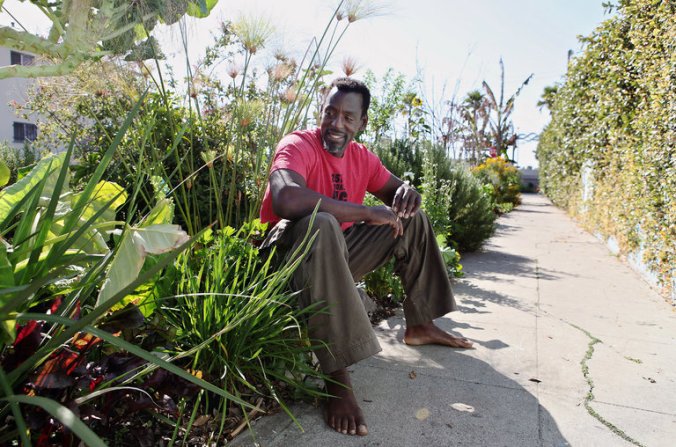
Ron Finley in a garden outside his home in Los Angeles. Credit Emily Berl for The New York Times

When Amie passed along a link to him way back when, it was all fresh news about an amazing challenge set up by an urban charismatic. Now that challenge has been turned around and amped up and we link again to Ron to help him gets what he needs:

Fighting Eviction, a Gardener Turns to Organic Industry Giants for Help