
Bird of the Day: Striated Pardalote

Tim Boucher sets a camera trap near a bird of paradise lek. Photo © The Nature Conservancy (Justine E. Hausheer)
Camera traps are never going to lose our fascination, and have played a mitigating role in our non-Luddite but still determined effort to keep it simple, back to nature. The future depends on innovation, and we cannot hide behind trees pretending otherwise. If conservation efforts are going to compete effectively against the forces supporting environmental destruction, unconventional approaches are needed. We are entrepreneurially-inclined, and so are naturally comfortable with FishFace, among seven innovative pivots to a better future described by the wonderful team at Cool Green Science:
7 Science Innovations That Are Changing Conservation
In our still relatively brief existence, humans have evolved our way to an era many are now calling the Anthropocene – a new geological epoch defined by human impact on Earth. But our unparalleled creativity is a double-edge sword. We are undeniably contributing to many of the global challenges now facing our species, and all species who share this planet. Continue reading

‘But when it comes to the defining issue of our day, climate change, he’s a brother to the fat old guy in DC.’ Photograph: Sean Kilpatrick/AP
Bill McKibben, tireless fighter for causes we believe in, editorializes with no affection for the man who not long ago seemed to be the embodiment of all that was better about the North American neighbor of the country that elected a man who effectively campaigned against environmental protection. We thought this one was different; we were wrong. We avoid political news, but we do not hide from, nor hide, a clear argument calling out horrific policy:
Stop swooning over Justin Trudeau. The man is a disaster for the planet
Donald Trump is a creep and unpleasant to look at, but at least he’s not a stunning hypocrite when it comes to climate change Continue reading

Sattal – Nainital, Uttarakhand
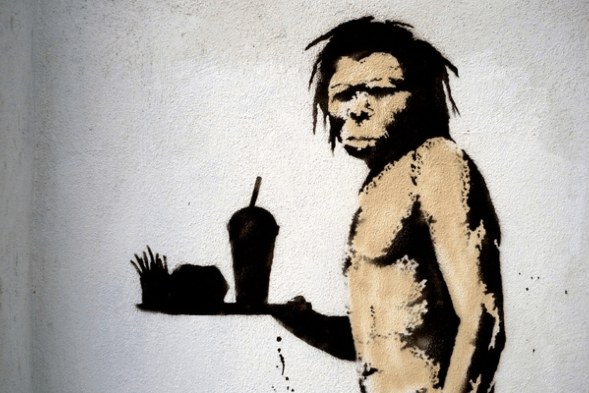
Banksy’s “Caveman”. Credit: Lord Jim Flickr (CC BY-SA 2.0)
Thanks to Scientific American‘s Guest Blog feature for this interesting fodder for thought.
The “True” Human Diet
From the standpoint of paleoecology, the so-called Paleo diet is a myth
People have been debating the natural human diet for thousands of years, often framed as a question of the morality of eating other animals. The lion has no choice, but we do. Take the ancient Greek philosopher Pythagoras, for example: “Oh, how wrong it is for flesh to be made from flesh!” The argument hasn’t changed much for ethical vegetarians in 2,500 years, but today we also have Sarah Palin, who wrote in Going Rogue: An American Life, Continue reading
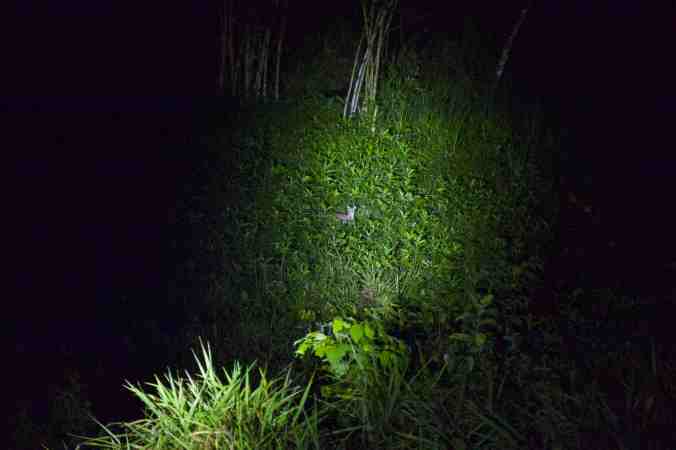
In the post where I mentioned this margay sighting I did not yet have any photographic evidence. Now I do. Prior to their departure, the same Los Angeles family mentioned in this cat-sighting post handed me the memory card from their camera and I was able to pull these images. In the rush of the holiday weekend I had forgotten these until now. Above was the first, taken as quickly as the camera could be lifted to follow the spotlight. Below, an enlargement of the cat. Continue reading

Biligirirangana Hills, Karnataka
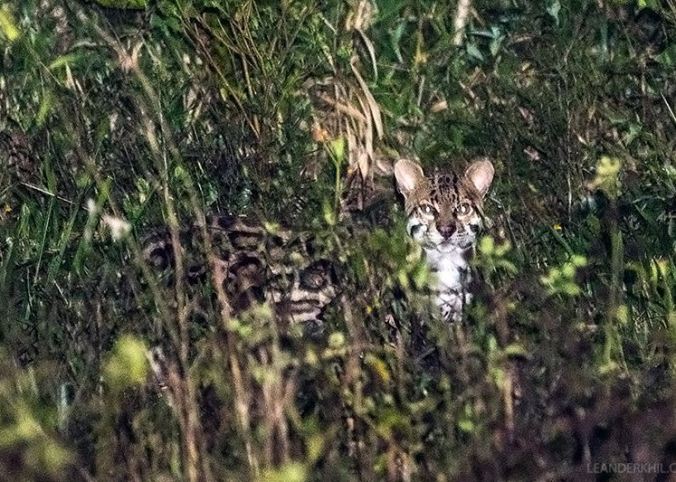
When Leander caught this cat in his camera some weeks ago, there was no telling if and when, or where, we might see it again. Last night, a family from Los Angeles who just the night before had seen two other species of cat during the night safari at Chan Chich Lodge, decided on a guided trek through the forest starting at 8pm. Continue reading

PHOTO ILLUSTRATION BY THE DAILY BEAST
The reference of the title isn’t lost on us, for the “everyday act of creation”, of coaxing bounty from the soil, is a form of poetry. We applaud both the advisors and the ears on which the advice falls.
Letters to a Young Farmer is full of good counsel for the next generation from the likes of Wendell Berry, Michael Pollan, and the noted novelist Barbara Kingsolver.
Dear young farmer,
Let me speak to you as a familiar, because of all the years I’ve cherished members of your tribe. Of course, I also know you’re only yourself, just as I remember the uniqueness of every intern, WWOOFer, and summer weed-puller who has spent a season or two on our family’s farm. Some preferred to work without shoes. Some were captivated by the science of soils, botany, and pest management. Some listened to their iPods, or meditated, or even sang as they hoed and weeded, while others found no music among the bean beetles. A few confessed to finding this work too hard, but many have gone on to manage other farms or buy places of their own. In these exceptional souls I invest my hopes….
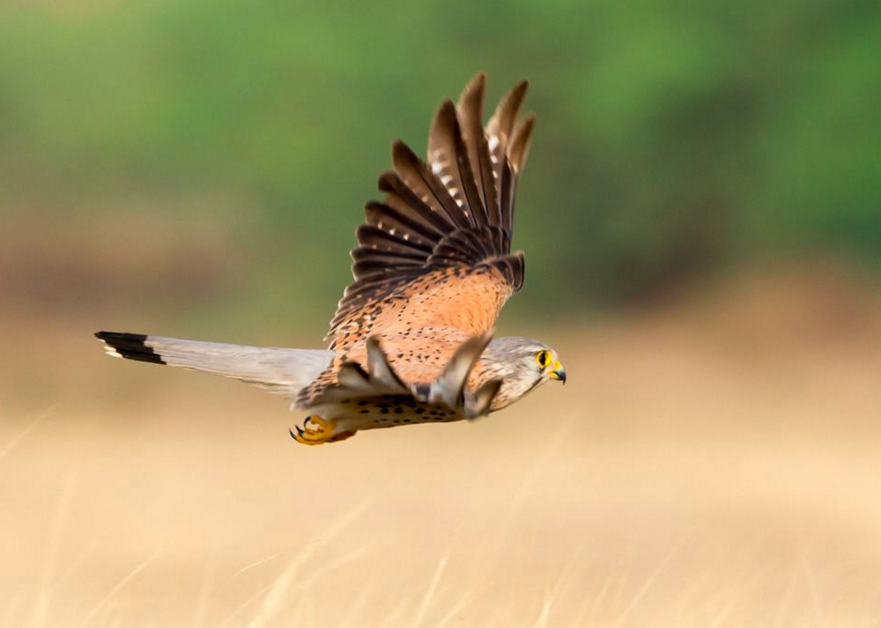
Vijayapura, Karnataka
Persistence does not always pay off. But, it is often a great trait for its own sake. We all admire people who set out to do something, and stick with it long after there is reason to continue hoping for that something. And, if you are like me, you cheer the underdog, hoping they will at the very last minute get that something. Continue reading
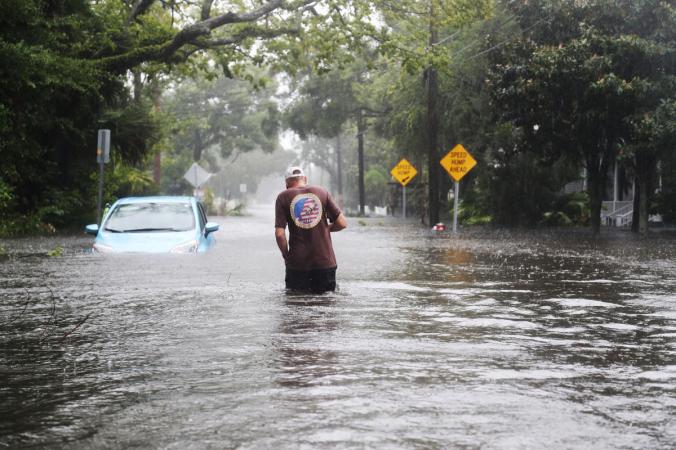
How is it that an Administration as disorganized as Donald Trump’s has been so methodical when it comes to attacking the environment? PHOTOGRAPH BY JOE RAEDLE / GETTY
I committed myself to not name the name, because it adds fuel to a flame that is already out of control. But if you have read any of the posts in our model mad series the name is clearly implied. Plenty of others name so well that it is best just to link their work. One of the best namer of names when it comes to our environment, and failure to protect it, is Elizabeth Kolbert. She occasionally points out that we do not simply fail to protect, but willingly allow the named to dismantle critical protections. We are sadly impressed that Dame Doomsday doesn’t disappoint with her latest contribution:
Next week, millions of Americans will celebrate Earth Day, even though, three months into Donald Trump’s Presidency, there sure isn’t much to celebrate. A White House characterized by flaming incompetence has nevertheless managed to do one thing effectively: it has trashed years’ worth of work to protect the planet. As David Horsey put it recently, in the Los Angeles Times, “Donald Trump’s foreign policy and legislative agenda may be a confused mess,” but “his administration’s attack on the environment is operating with the focus and zeal of the Spanish Inquisition.” Continue reading
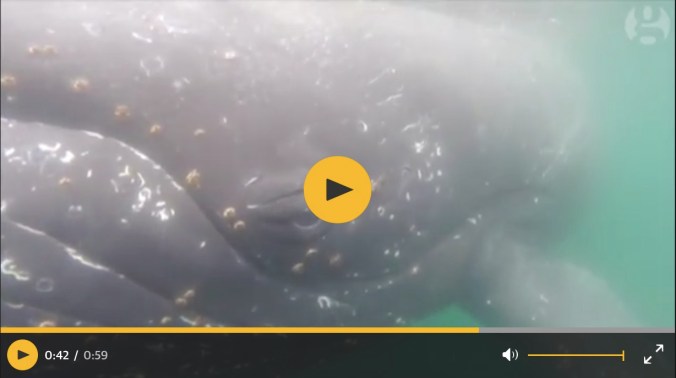
While fish were surf-spawning in California, the Guardian was sharing this footage from way down south:
The World Wildlife Fund released this footage filmed in March 2017 that shows the view from a camera attached to a whale in Antarctica. Scientists used suction cups to attach cameras to humpback and minke whales, revealing new feeding habits and their social lives. The data gathered will be used to protect whales and their ecosystems
Punta Allen, Mexico
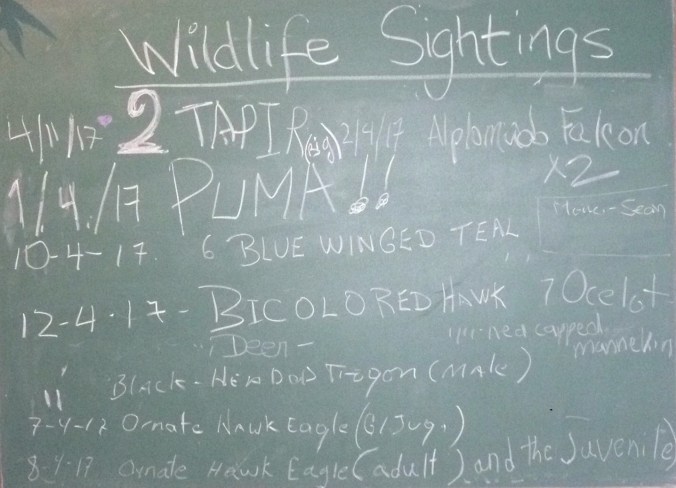
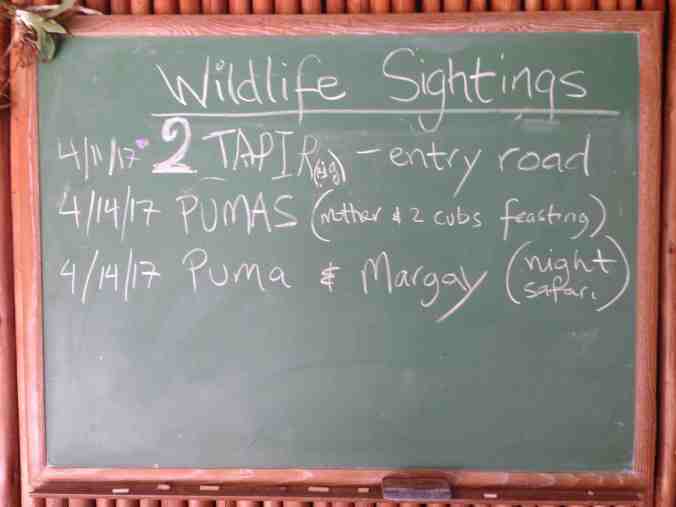
Over the last couple weeks we have had a pretty full range of the animals guests most hope to see. Although the jaguars have been elusive, puma and ocelot have been wandering the nearby forests allowing occasional sightings. But we can guess the jaguar are there because of this:
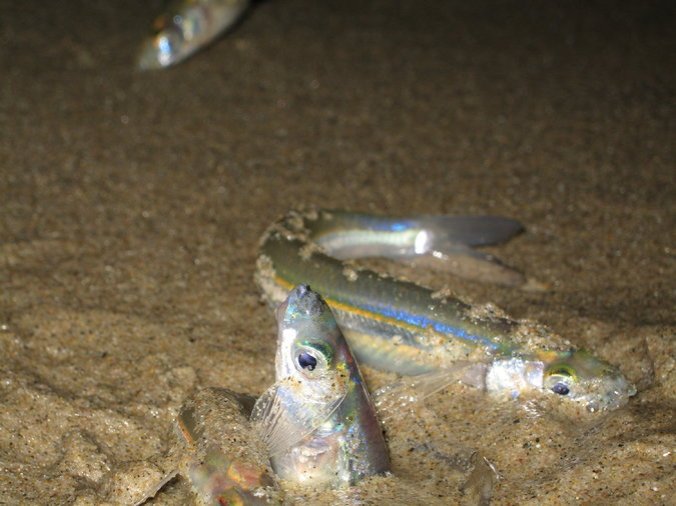
Female grunions twist their bodies tail first into the sand and lay 2,000 to 3,000 eggs, which males then fertilize. Credit Doug Martin
Thanks to Joanna Klein and the Science section of the New York Times for this explanation of a full moon mating phenomenon:
Silver Fish Surf the Waves to Spawn on California Beaches
Every year, thousands of little fish ride waves onto Southern California’s beaches at night to lay and fertilize eggs. High up in the sand, they squirm, wriggle and wrap around one another. As they dance beneath the moonlight, the beach transforms into a twinkling tapestry of spawning silver bodies. It’s known as the grunion run, and within a few hours, the show is over. Continue reading
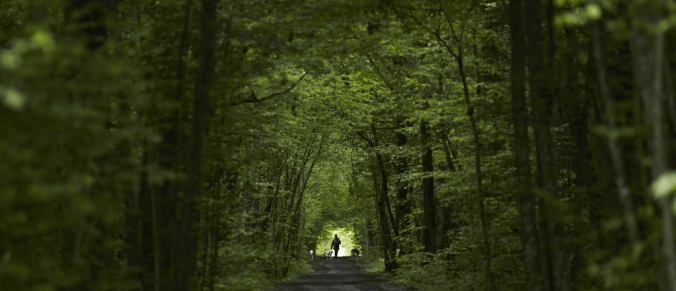
“In every walk with Nature one receives far more than he seeks.”
― John Muir
Muir has long been a muse for many on this site, as we ponder the concept of Biophilia and the power of nature in our lives. We are motivated to work on conservation initiatives for plenty of reasons, including our belief in the link between wellbeing and a fix of nature. From bonsai, bamboo fountains and the meditative sand raking in Zen gardens, the Japanese have a long cultivated the restorative forces of natural elements, so their embrace of forest bathing is no surprise…
The Japanese practice of ‘forest bathing’ is scientifically proven to be good for you
The tonic of the wilderness was Henry David Thoreau’s classic prescription for civilization and its discontents, offered in the 1854 essay Walden: Or, Life in the Woods. Now there’s scientific evidence supporting eco-therapy. The Japanese practice of forest bathing is proven to lower heart rate and blood pressure, reduce stress hormone production, boost the immune system, and improve overall feelings of wellbeing. Continue reading

Coonoor Outskirts, Tamil Nadu
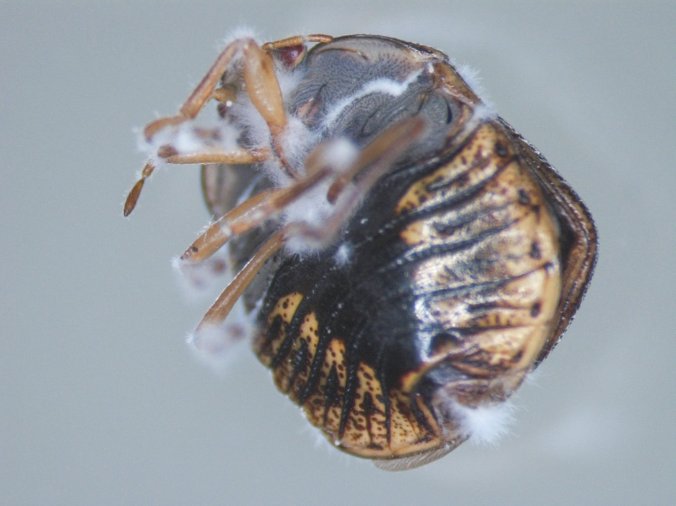
When it comes to biopesticides, one of the most widely used fungi is Beauveria bassiana. Above, a kudzu bug killed by Beauveria bassiana, seen growing out of the cadaver. Courtesy of Brian Lovett/University of Maryland Entomology
Thanks to the salt, at National Public Radio (USA) for their sharing the creepy- crawliest news from the realm of mycologists working on clean solutions to some massive, dirty challenges, and changing the rules of pest management along the way:
Fungal Pesticides Offer A Growing Alternative To Traditional Chemicals
When it comes to biopesticides, one of the most widely used fungi is Beauveria bassiana. Above, a kudzu bug killed by Beauveria bassiana, seen growing out of the cadaver. Continue reading

Believe it or not, there is some good news out there on the carbon footprint trail. Thanks to Mathis Wackernagel, whose work I have appreciated even without posting more since 2011, and to his whole team for sharing this:
Ecological Footprint Explorer Open Data Platform Launches April 5, 2017
The US per capita Ecological Footprint dropped nearly 20% during the last eight years of available data (2005 and 2013), a total reduction that matches the entire Footprint of Germany. Continue reading
 Organikos